Embark on a transformative fitness journey right in your own home! This guide provides a comprehensive approach to daily exercise, catering to diverse fitness levels and goals. We’ll explore a range of exercises, from high-intensity interval training (HIIT) to yoga and strength training, equipping you with the knowledge to design personalized routines. Discover how to optimize your space, select appropriate equipment, and maintain motivation throughout your fitness journey.
The guide is structured to support you in achieving your desired fitness outcomes, whether it’s weight loss, muscle gain, or general well-being. We’ll delve into the nuances of different workout styles, outlining their respective benefits and suitability for various fitness levels. This detailed approach ensures that you can choose the exercise regimen that best aligns with your individual needs and aspirations.
We’ll also explore the critical relationship between nutrition, recovery, and consistent home workouts.
Introduction to Home Exercise
Daily home workouts offer numerous benefits, including improved cardiovascular health, increased strength and endurance, and enhanced mental well-being. Regular exercise at home can be tailored to individual schedules and preferences, promoting consistency and long-term fitness goals. This section explores various home exercise options, suitable for different fitness levels, and highlights the importance of consistent routines.
Benefits of Daily Home Workouts
Consistent home exercise routines contribute significantly to overall health and well-being. Improved cardiovascular fitness reduces the risk of heart disease and stroke. Increased muscle strength and endurance enhance daily activities and prevent age-related decline. Furthermore, exercise can positively impact mental health by reducing stress, anxiety, and promoting better sleep.
Types of Home Exercises
Home exercise encompasses diverse activities catering to various fitness levels. High-Intensity Interval Training (HIIT) involves short bursts of intense exercise followed by brief recovery periods. Yoga focuses on flexibility, strength, and mental well-being through physical postures and breathing techniques. Strength training, often utilizing bodyweight or simple equipment, builds muscle mass and improves bone density.
Importance of Consistency in Home Exercise Routines
Consistency is key to achieving and maintaining fitness goals. A regular exercise schedule, even if it’s just 30 minutes a few times a week, is more effective than sporadic intense workouts. Creating a routine and sticking to it, with flexibility when needed, is crucial for long-term success. The regularity builds positive habits and creates a sustainable lifestyle.
Comparison of Workout Styles
Different workout styles cater to specific needs and goals. This table Artikels the benefits and suitability of various home exercise styles for different fitness levels.
| Exercise Style | Benefits | Suitability (Beginner/Intermediate/Advanced) | Equipment Needed |
|---|---|---|---|
| HIIT | Improved cardiovascular fitness, increased calorie burn, time efficiency. Can be adapted to various fitness levels by adjusting intensity and duration. | Beginner: Suitable with modifications; Intermediate: Can increase intensity; Advanced: Can increase the intensity and duration of intervals. | Minimal or none; some simple equipment like resistance bands may be beneficial. |
| Yoga | Improved flexibility, balance, strength, and stress reduction. Focuses on mindful movement and breathing. | Beginner: Excellent for building a foundation; Intermediate: Can explore more challenging poses; Advanced: Can explore advanced postures and sequences. | Minimal or none; a yoga mat is recommended. |
| Strength Training | Increased muscle mass, improved bone density, enhanced metabolism, and increased functional strength. | Beginner: Can focus on bodyweight exercises; Intermediate: Can introduce weights or resistance bands; Advanced: Can incorporate heavier weights and more complex exercises. | Minimal (bodyweight) or moderate (dumbbells, resistance bands, etc.). |
Exercise Routines for Different Goals
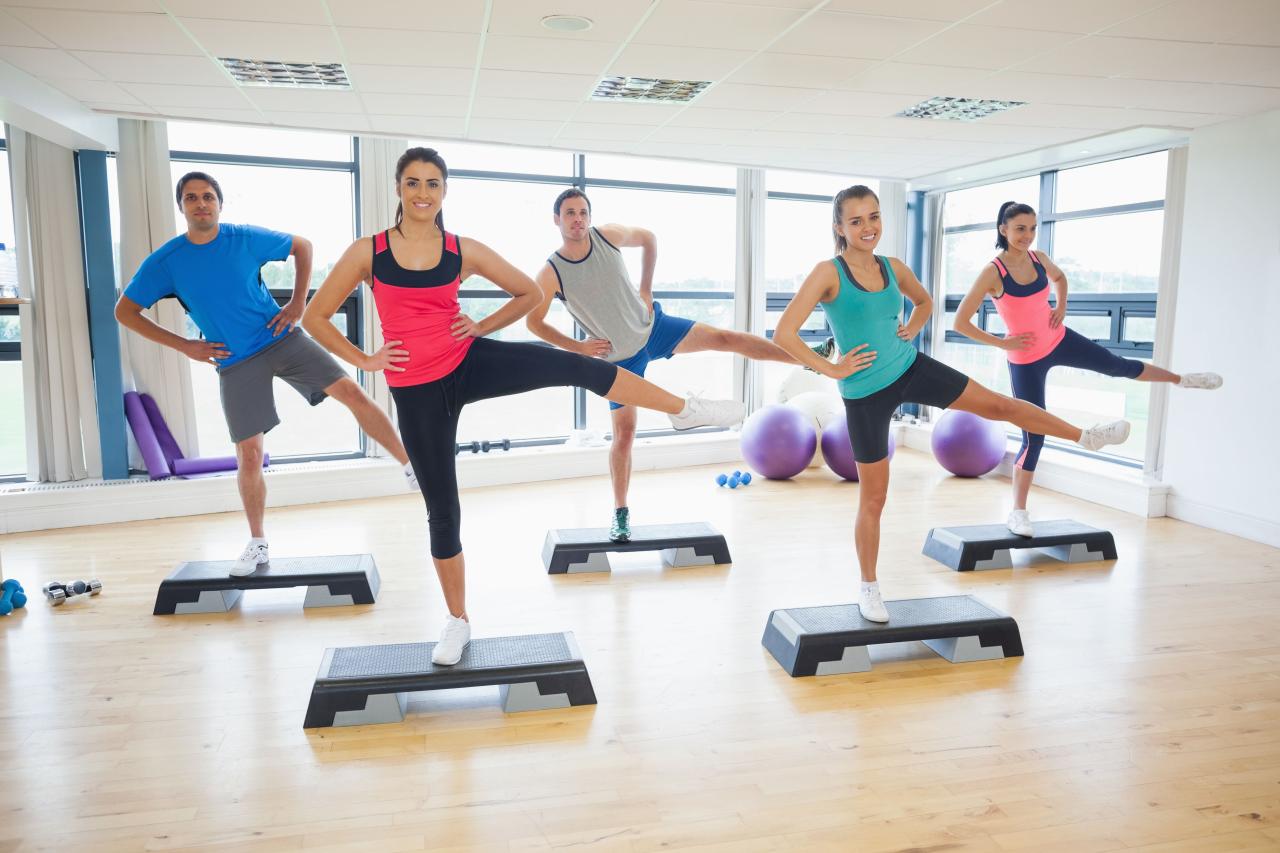
Effective home exercise routines can be tailored to achieve specific fitness objectives. This section details structured programs for weight loss, muscle gain, and general fitness enhancement. It provides examples of simple yet effective exercises and contrasts different routines to highlight their unique benefits.Understanding the fundamental principles of exercise, such as progressive overload and proper form, is crucial for maximizing results and minimizing injury risk.
A consistent approach, combined with a balanced diet and sufficient rest, is key to long-term success.
Weight Loss Routines
Weight loss routines focus on calorie expenditure through cardiovascular exercise and targeted calorie reduction. These programs often incorporate a combination of high-intensity interval training (HIIT) and moderate-intensity cardio, alongside strength training exercises.
- HIIT Workouts: HIIT workouts alternate between short bursts of intense activity and brief recovery periods. This method efficiently burns calories and boosts metabolism. Examples include high knees, burpees, mountain climbers, and jumping jacks.
- Cardiovascular Exercise: Activities like running, jumping rope, cycling, or brisk walking elevate heart rate and burn calories. Aim for at least 150 minutes of moderate-intensity cardio per week.
- Strength Training: Including strength training exercises like squats, lunges, push-ups, and planks strengthens muscles, which boosts metabolism and aids in fat burning. Focus on compound exercises that engage multiple muscle groups.
Muscle Gain Routines
Muscle gain routines emphasize resistance training to stimulate muscle growth. These programs often involve compound exercises with heavier weights and progressively increasing the intensity over time.
- Progressive Overload: Gradually increasing the weight, reps, or sets over time challenges the muscles and promotes hypertrophy (muscle growth). For example, starting with 3 sets of 8-12 repetitions of bicep curls and progressively increasing the weight or reps as strength improves.
- Compound Exercises: Exercises that engage multiple muscle groups, such as squats, deadlifts, bench presses, and overhead presses, are highly effective for building muscle mass.
- Isolation Exercises: Exercises that target specific muscle groups, like bicep curls, triceps extensions, and leg extensions, can further enhance muscle development in particular areas.
General Fitness Improvement Routines
These routines focus on improving overall physical well-being, encompassing cardiovascular health, strength, flexibility, and balance. They often integrate a variety of exercises to achieve a well-rounded approach.
- Balanced Exercise Approach: Incorporating a combination of cardio, strength training, and flexibility exercises to develop a well-rounded fitness program. A sample routine could involve 30 minutes of cardio, 30 minutes of strength training, and 15 minutes of stretching.
- Flexibility and Mobility: Regular stretching and mobility exercises improve joint flexibility, reduce muscle stiffness, and enhance range of motion. Examples include static stretches, dynamic stretches, and yoga poses.
- Core Strengthening: Exercises targeting the core muscles, such as planks, crunches, and Russian twists, improve stability, balance, and posture.
Comparison of Routines
Weight loss routines emphasize calorie expenditure, while muscle gain routines prioritize muscle stimulation. General fitness routines aim for a balanced approach, encompassing various aspects of physical well-being. A balanced approach incorporating elements of all three can optimize results and create a sustainable fitness program.
Sample Weekly Workout Schedules
The following schedules provide a framework for weekly workouts, adaptable to individual needs and preferences. These schedules can be modified based on individual goals and fitness levels.
Exercise Chart for Various Body Parts
| Body Part | Exercise 1 | Exercise 2 | Exercise 3 |
|---|---|---|---|
| Legs | Squats | Lunges | Calf Raises |
| Arms | Push-ups | Bicep Curls | Triceps Dips |
| Back | Bent-over Rows | Pull-ups (or assisted pull-ups) | Face Pulls |
| Chest | Bench Press (or push-ups) | Incline Dumbbell Press | Flyes |
| Shoulders | Overhead Press | Lateral Raises | Front Raises |
| Core | Plank | Crunches | Russian Twists |
Equipment and Space Considerations

Creating a dedicated home workout space can significantly enhance your exercise routine. Proper equipment and a well-organized area contribute to motivation and safety, making your workouts more effective and enjoyable. This section details essential equipment, maximizing space, and utilizing household items for efficient and affordable home workouts.Essential equipment for home workouts can vary based on your fitness goals.
A fundamental starting point often includes resistance bands, dumbbells, and a yoga mat. These pieces of equipment can be purchased at various price points, allowing you to tailor your investment to your budget. This approach also allows for flexibility and progression in your exercise routines.
Essential Equipment for Home Workouts
A selection of fundamental equipment can provide a well-rounded workout experience. Resistance bands offer versatile strength training options, while dumbbells provide adjustable weight options for building muscle. A yoga mat is crucial for comfort and protection during floor exercises.
- Resistance Bands: These are highly versatile and affordable tools, offering a wide range of exercises for strength training. They can be used for various muscle groups and intensity levels, from beginners to advanced athletes. Resistance bands come in various levels of resistance, allowing users to adjust the intensity of their workouts.
- Dumbbells: Dumbbells are excellent for building strength and muscle definition. They are highly versatile and can be used for various exercises, including bicep curls, shoulder presses, and squats. Different weights allow for progressive overload and tailored workouts for different fitness levels.
- Yoga Mat: A yoga mat provides cushioning and support during floor exercises, protecting your joints and improving comfort. It’s essential for preventing injuries during various exercises, especially yoga and Pilates.
Maximizing Space for Home Exercises
Limited space doesn’t have to hinder your workout routine. Strategic planning and creative solutions can transform any area into an effective workout zone.
- Multi-functional Furniture: Consider purchasing or utilizing furniture with multiple purposes. For example, a foldable exercise bench or a storage ottoman with a lifting mechanism can serve as a platform or storage for workout equipment. This can save space and provide additional functionality to your home space.
- Vertical Space Utilization: Wall-mounted equipment or storage solutions can maximize vertical space, allowing you to keep equipment out of the way while still readily accessible. This can include wall-mounted resistance band holders or dumbbell racks.
- Rotating Equipment: If space is extremely limited, consider rotating your workout equipment. This could involve storing certain equipment when not in use or swapping out specific equipment for different types of workouts. This helps optimize space utilization without compromising your fitness routine.
Benefits of Using Minimal Equipment
Using minimal equipment is a great way to optimize your workout while keeping costs down.
- Affordability: Minimal equipment options, like resistance bands and bodyweight exercises, are significantly more affordable than purchasing a full gym membership or multiple pieces of expensive equipment.
- Versatility: Bodyweight exercises and resistance bands allow for a wide range of exercises, targeting multiple muscle groups and intensities. This versatility allows for a more well-rounded workout experience without the need for extensive equipment.
- Portability: Minimal equipment is highly portable, enabling you to workout anywhere in your home, or even outdoors, as needed. This flexibility allows for adjustments in your schedule and environment.
Creating a Dedicated Workout Area
Designating a dedicated space for workouts can enhance focus and motivation.
- Clear Designated Area: Designate a specific area in your home, even a corner, to use as your workout zone. Clear the area of clutter and keep it dedicated to your fitness routine. This creates a sense of structure and purpose.
- Storage Solutions: Implement storage solutions for your equipment, such as a storage bench, shelf, or cabinet, to keep the area organized and uncluttered. This helps maintain a clean and dedicated workout space.
- Motivational Elements: Incorporate motivational elements, like motivational posters, inspirational quotes, or calming music, to enhance your workout experience. These elements can contribute to your workout routine and help foster a positive environment.
Affordability of Different Types of Equipment
The cost of home workout equipment varies significantly.
- Budget-Friendly Options: Resistance bands, yoga mats, and bodyweight exercises are highly affordable options. These provide effective workouts without breaking the bank. Utilizing household items, like water bottles, cans, or books, as makeshift weights, can further reduce costs.
- Mid-Range Equipment: Dumbbells, adjustable benches, and resistance tubing can offer a more comprehensive workout experience. However, they can be more expensive than basic options. Shopping for used equipment or equipment sales can help minimize costs.
- High-End Options: Advanced home gyms and specialized equipment can be costly. These options are often best suited for serious athletes or individuals with significant workout budgets.
Utilizing Household Items as Workout Tools
Household items can be repurposed for various exercises.
- Water Bottles: Water bottles can be used as weights for arm exercises or to increase the resistance during other exercises.
- Cans: Food cans of varying weights can be used as dumbbells or weights for specific exercises.
- Books: Books of varying weights can be used as weights during exercises, adding resistance to certain exercises.
Safety Precautions for Home Workouts
Safety is paramount during home workouts.
- Warm-up and Cool-down: Always start with a warm-up and end with a cool-down to prepare your body for exercise and prevent injuries.
- Proper Form: Maintain proper form throughout your workout to prevent injuries and maximize effectiveness. If unsure about proper form, consult online resources or a fitness professional.
- Listen to Your Body: Pay attention to any pain or discomfort during your workout. If you experience pain, stop the exercise and rest.
Motivation and Consistency
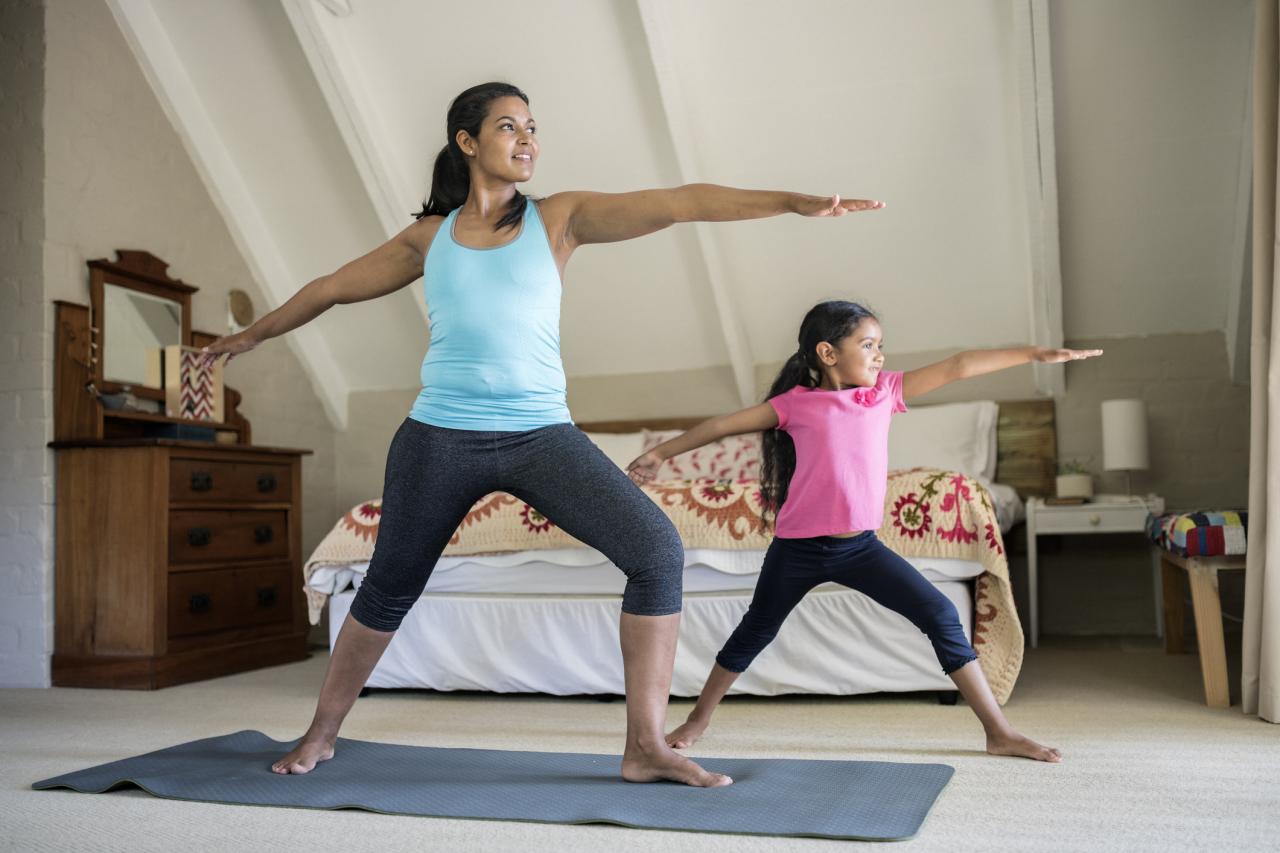
Maintaining a consistent home exercise routine requires a proactive approach to motivation and goal setting. Understanding how to set realistic expectations, stay engaged, and track progress are crucial elements for long-term success. This section will explore strategies for staying motivated and consistent in your home workout journey.
Setting Realistic Goals
Setting achievable goals is paramount to maintaining motivation. Unrealistic expectations can lead to discouragement and abandonment of the exercise program. Break down larger fitness objectives into smaller, manageable milestones. For example, instead of aiming for a 30-minute daily workout, start with 15 minutes, gradually increasing the duration as fitness improves. Prioritize consistency over intensity in the initial stages.
Focus on the positive impact of regular exercise on your well-being, rather than solely on achieving a specific weight or body shape. Remember that progress takes time and patience.
Staying Motivated
Maintaining motivation throughout a home exercise program is essential for long-term adherence. Creating a supportive environment and utilizing various strategies can significantly enhance motivation. Schedule workouts into your daily routine, treating them as important appointments. Find an exercise buddy or join an online community for support and encouragement. Vary your workouts to prevent boredom and keep things interesting.
Incorporate music, podcasts, or videos to make your workouts more enjoyable. Visualize your fitness goals and imagine yourself achieving them.
Tracking Progress and Adjusting Routines
Regularly tracking your progress provides valuable feedback and motivates you to stay on course. Use a fitness journal, app, or website to record your workouts, noting the exercises, duration, and intensity. Pay attention to how your body responds to different exercises and adjust your routine accordingly. If a particular exercise is proving too challenging, modify it or substitute it with an alternative.
If you feel your routine isn’t producing the desired results, consult a healthcare professional or certified personal trainer to refine your approach.
Motivational Quotes
Consistent exercise is a journey, not a race. Here are some quotes to inspire you:
- “The difference between ordinary and extraordinary is that little extra.”
-Jimmy Johnson - “The only way to do great work is to love what you do.”
-Steve Jobs - “The best time to plant a tree was 20 years ago. The second best time is today.”
-Chinese Proverb - “It always seems impossible until it’s done.”
-Nelson Mandela
These quotes underscore the importance of perseverance and dedication in achieving fitness goals.
Fitness Tracking Apps and Websites
Numerous apps and websites are designed to help track fitness progress and provide personalized workout plans. Some popular choices include:
- Fitbit
- Nike Training Club
- MyFitnessPal
- Strava
- Peloton
These resources provide features for tracking workouts, monitoring progress, and setting personalized goals. Research and select an app or website that best suits your needs and preferences.
Rewarding Yourself
Rewarding yourself for achieving fitness milestones can be a powerful motivator. Rewards should align with your personal preferences and goals. Examples include:
- Treating yourself to a new workout outfit
- Buying a massage or spa treatment
- Spending time on a hobby
- Enjoying a healthy meal
Rewards can be tangible or intangible, but they should be meaningful and contribute to a positive reinforcement loop.
Making Workouts Enjoyable
Transforming workouts into enjoyable experiences can significantly enhance motivation and consistency. Incorporate music, podcasts, or videos to make the time pass more quickly and provide a distraction from the effort. Try different workout formats to avoid boredom, such as dancing, yoga, or HIIT (High-Intensity Interval Training). Engage with friends or family to share the experience and encourage each other.
Consider joining online communities or group fitness classes to make workouts more social and engaging.
Nutrition and Recovery
Proper nutrition and recovery are integral components of a successful home exercise program. They are not merely add-ons, but fundamental aspects that influence the effectiveness of your workouts, your body’s ability to adapt and recover, and your overall well-being. A balanced approach to nutrition and recovery complements your home exercise routine, maximizing results and minimizing the risk of injury.Understanding the interplay between nutrition, exercise, and recovery is crucial for sustained progress.
Adequate fuel and proper recovery mechanisms are vital for optimal muscle repair, energy production, and overall health, allowing your body to adapt to the demands of exercise. This section explores the critical relationship between these elements and provides practical strategies to support your home exercise program.
Relationship Between Nutrition and Exercise at Home
Nutrition plays a critical role in fueling your workouts and supporting muscle recovery. The foods you consume provide the necessary energy for exercise and the building blocks for repairing and rebuilding muscle tissue. A balanced diet, rich in protein, carbohydrates, and healthy fats, is essential for optimal performance and recovery during home workouts. The right nutrients at the right time can significantly enhance your exercise experience and progress.
Importance of Proper Hydration
Staying properly hydrated is paramount for both exercise and recovery. Water is essential for transporting nutrients, regulating body temperature, and supporting various bodily functions. Dehydration can negatively impact exercise performance, leading to fatigue, decreased strength, and muscle cramps. Consuming adequate fluids throughout the day, especially before, during, and after workouts, is critical for maintaining optimal hydration levels.
For instance, drinking water before, during, and after a workout can help maintain blood volume and support muscle function.
Significance of Post-Workout Recovery
Post-workout recovery is just as important as the workout itself. It’s during this period that your body repairs muscle tissue damaged during exercise and replenishes energy stores. Strategies for post-workout recovery include consuming a balanced meal or snack rich in protein and carbohydrates, and engaging in light activities like stretching or foam rolling to promote blood flow and reduce muscle soreness.
Prioritizing recovery allows your body to adapt and improve over time.
Importance of Listening to Your Body
Listening to your body is crucial for preventing injuries and ensuring optimal progress. Pay attention to signals of fatigue, pain, or discomfort. If you experience pain during a workout, stop and rest. Don’t push through pain, as this can lead to more serious injuries. Rest and recovery are essential components of a successful and safe exercise program.
Sample Meal Plan for Supporting Daily Home Exercise
A sample meal plan designed to support daily home exercise focuses on balanced nutrition and adequate portion sizes. This meal plan is a template and can be adjusted based on individual needs and preferences.
- Breakfast (7:00 AM): Oatmeal with berries and nuts (protein and fiber for sustained energy); a glass of protein shake (quick protein source).
- Lunch (12:00 PM): Grilled chicken salad with mixed greens, vegetables, and a light vinaigrette (lean protein and vitamins); a piece of fruit.
- Snack (3:00 PM): Greek yogurt with granola and fruit (calcium and protein for muscle recovery).
- Dinner (7:00 PM): Baked salmon with roasted vegetables (lean protein and essential nutrients); a small portion of brown rice (complex carbohydrates for energy).
- Pre-Bed Snack (9:00 PM): A small glass of milk or a handful of almonds (calcium and protein for muscle recovery).
Tips for Avoiding Injuries During Home Workouts
Proper warm-up and cool-down routines, along with appropriate form and intensity levels, can help prevent injuries. Use proper form to minimize stress on joints. Gradually increase the intensity and duration of your workouts to allow your body to adapt.
- Proper Warm-up: Start with 5-10 minutes of light cardio and dynamic stretching to prepare your muscles for exercise.
- Correct Form: Focus on maintaining proper form throughout each exercise to minimize the risk of injury. Watch instructional videos or consult with a fitness professional for guidance on proper form.
- Gradual Progression: Increase the intensity and duration of your workouts gradually to avoid overexertion and allow your body to adapt.
- Listen to Your Body: Pay close attention to any pain or discomfort during your workout. If you experience pain, stop the exercise and rest.
- Appropriate Equipment: Use appropriate equipment, like resistance bands or dumbbells, to support proper form and prevent injuries.
Troubleshooting Common Issues
Embarking on a home exercise journey is a personal endeavor, and understanding potential roadblocks is crucial for sustained success. This section addresses common obstacles, offering practical solutions and strategies to keep you motivated and on track. Overcoming challenges is a key component of achieving long-term fitness goals.Many individuals face challenges when trying to establish a consistent home exercise routine.
These issues can range from lack of motivation to injury concerns, and boredom. Addressing these obstacles proactively can significantly improve your chances of sticking with your program.
Identifying and Overcoming Obstacles to Home Exercise
Establishing a consistent home exercise routine requires a proactive approach to potential roadblocks. Common obstacles include a lack of dedicated space, limited equipment, and insufficient motivation. Strategies for overcoming these obstacles include creative space utilization, utilizing readily available equipment, and developing effective motivation techniques.
- Lack of Dedicated Space: Home exercise doesn’t necessitate a large, dedicated gym space. Creative solutions, such as utilizing corners of rooms or even outdoors, can transform a limited space into a productive workout area. Efficient use of space is key to successful home exercise. For instance, a small apartment can utilize a balcony or living room space for yoga or stretching, or utilize a hallway for quick cardio sessions.
- Limited Equipment: Many effective exercises don’t require specialized equipment. Bodyweight exercises, utilizing household items like chairs or books for resistance, can be highly effective. Adaptability is essential in utilizing available resources. Using items like water bottles or bags of rice can provide resistance for exercises like bicep curls.
- Insufficient Motivation: Maintaining motivation is a key component of a successful home exercise routine. Establishing realistic goals, incorporating enjoyable activities, and rewarding progress can enhance motivation. For instance, setting small, achievable goals, like a 15-minute workout, can foster a sense of accomplishment. Varying the exercises and adding music can make the workout more enjoyable. Tracking progress with a journal or app can provide visual feedback and motivate continued engagement.
Adapting Exercises for Injuries or Limitations
Adjusting exercises for injuries or limitations is crucial for safe and effective home workouts. Modifying exercises to accommodate physical limitations or pre-existing conditions ensures continued progress without compromising safety. Consult a healthcare professional or physical therapist before starting or modifying an exercise routine.
- Modifications for Injuries: Exercises can be modified to accommodate injuries or limitations. For instance, individuals with knee pain might modify squats by performing them on a chair or against a wall. This allows for continued activity without exacerbating the injury.
- Modifications for Physical Limitations: Modifications are essential for individuals with physical limitations. Individuals with limited mobility might utilize assistive devices or perform exercises in a seated position. Progressive overload is key; gradually increasing intensity as the individual strengthens.
Strategies for Managing Boredom
Maintaining consistent motivation can be challenging. Addressing boredom through routine diversification and setting personal goals is key. Maintaining engagement in home exercise requires a creative approach to prevent monotony.
- Varying Workouts: Varying the type of exercises and intensity levels can prevent boredom. Rotating between cardio, strength training, and flexibility exercises can keep workouts engaging and challenging. Mixing up routines keeps the workout interesting.
- Setting Personal Goals: Setting personal goals, like improving a specific fitness metric or achieving a certain number of repetitions, can maintain motivation. Tracking progress through journaling or apps helps monitor progress and stay motivated.
The Importance of Finding an Exercise Buddy
A workout partner can enhance motivation and accountability. Sharing the exercise journey with a supportive individual can make a significant difference in the success of home exercise. Building a support system is critical for staying motivated.
- Enhanced Motivation: Having a workout buddy can significantly enhance motivation. Accountability and shared goals are key factors in sustaining commitment. The presence of a partner can provide encouragement and support, making the workout more enjoyable.
- Increased Accountability: A workout partner promotes accountability, ensuring consistency in exercise routines. This shared commitment can be a powerful motivator.
Summary
In conclusion, this guide provides a roadmap for effective home exercise, encompassing various aspects of your fitness journey. From understanding the benefits of different workout styles to optimizing your home space, this guide equips you with the tools to create a sustainable and enjoyable exercise routine. Remember that consistency, proper nutrition, and adequate recovery are key to achieving your fitness goals.
By implementing the strategies Artikeld here, you can unlock the transformative power of home exercise and cultivate a healthier, more active lifestyle.