Resistance bands offer a versatile and effective way to enhance fitness, regardless of your experience level. This comprehensive guide delves into the intricacies of using resistance bands, from fundamental exercises to advanced techniques, and explores their application in diverse workout routines.
This guide covers everything from choosing the right resistance band for your needs to understanding the correct form for each exercise. You’ll discover how to incorporate resistance bands into your existing workouts, and learn how to progress gradually as your strength improves. Safety precautions and considerations are also highlighted to ensure a safe and effective workout experience.
Introduction to Resistance Bands
Resistance bands are elastic bands designed to provide variable resistance during exercise. They are a versatile and portable tool for strength training, enhancing flexibility, and improving overall fitness. Their adaptability makes them suitable for various fitness levels, from beginners to advanced athletes.Resistance bands offer a cost-effective alternative to traditional weights, requiring minimal space and equipment. They are a great option for home workouts, travel, and rehabilitation programs.
Types of Resistance Bands
Resistance bands come in varying levels of resistance, categorized as light, medium, and heavy. The intensity of the resistance directly correlates with the band’s thickness and material composition. Light bands are ideal for beginners or those focusing on muscle activation and mobility exercises. Medium bands are suitable for intermediate users seeking more challenging workouts and increased muscle engagement.
Heavy bands are designed for advanced users or those looking to achieve significant strength gains. The selection of the appropriate resistance level is crucial for achieving optimal results and preventing injury.
Benefits of Resistance Band Exercises
Resistance band workouts offer a multitude of benefits. They are excellent for building strength, increasing muscle endurance, and improving flexibility. Bands promote full-body workouts, targeting various muscle groups simultaneously. Their portability makes them ideal for workouts on-the-go, accommodating busy schedules. Resistance band exercises can also contribute to injury prevention and rehabilitation.
Essential Equipment for Resistance Band Workouts
While resistance bands are the primary equipment, additional items can enhance workouts. A sturdy anchor point, such as a door anchor or resistance band handles, is helpful for certain exercises. A workout mat can provide cushioning and support during floor exercises. A resistance band storage solution, like a bag or rack, keeps the bands organized and readily accessible.
Resistance Band Material Comparison
| Material | Characteristics | Suitability |
|---|---|---|
| Latex | Known for its elasticity and responsiveness, providing a good resistance to weight ratio. It typically retains its shape well. Can be prone to degradation from prolonged sun exposure or extreme temperatures. | Generally suitable for most users, but potentially less durable in high-intensity or frequent use cases. |
| Fabric (often blended materials) | Fabric bands often feature a blend of materials for enhanced durability and resistance to stretching and tearing. They can be less prone to degradation than latex bands. Typically provide a softer feel against the skin. | Suitable for various fitness levels, especially those seeking long-lasting and comfortable use. Often a more cost-effective option than latex. |
The table above provides a basic comparison of latex and fabric resistance bands. Factors such as budget, desired durability, and personal preferences should be considered when choosing a resistance band material.
Setting Up Your Resistance Band Workout
Resistance bands offer a versatile and convenient way to enhance your fitness routine. Proper setup is crucial for maximizing effectiveness and minimizing the risk of injury. This section details the key aspects of setting up your resistance band workouts, from choosing the right band to anchoring it securely.Effective resistance band workouts require careful planning and setup. Different anchoring methods, band selection, and storage procedures can significantly impact the quality and safety of your training.
Anchoring Methods for Resistance Band Exercises
Proper anchoring is essential for maintaining stability and control during exercises. This ensures that the force generated from the band is directed effectively, minimizing the risk of injury and maximizing the effectiveness of the workout.
- Anchoring to a Doorway: This is a common and convenient method. Ensure the door is sturdy and the frame is capable of supporting the weight. Position the band at a height that allows for a comfortable range of motion during the exercise. Using a strong, stable door ensures that the band remains secure and prevents any risk of the door from swinging open during the workout.
- Anchoring to a Wall: A wall anchor is ideal for exercises where a more stable, vertical anchor point is needed. Securely attaching the band to a stud or a stable area of the wall will prevent slippage or movement. Ensure the wall is sturdy enough to hold the tension of the band, as the effectiveness and safety of the exercise relies on this stability.
- Anchoring to a Sturdy Object: Use a sturdy object such as a heavy post, a heavy piece of furniture, or a power rack. A stable anchor point is critical to the effectiveness and safety of the resistance band exercise. Ensure the object is firmly planted and can withstand the force generated by the band.
Choosing the Right Resistance Band
Selecting the appropriate resistance band is crucial for achieving your fitness goals. The resistance level of the band directly impacts the intensity and effectiveness of your exercises. A band that is too weak will not provide enough resistance, while a band that is too strong may lead to injury or limit your range of motion.
- Consider the Exercise: Different exercises require varying levels of resistance. For example, lighter resistance bands might be ideal for beginner exercises or for isolation movements, while heavier bands are suited for compound exercises that target multiple muscle groups. Consider the specific muscles you are targeting when choosing a band. Beginners may start with lighter resistance bands to ease into the workout.
- Begin with a Moderate Resistance: For most exercises, a moderate resistance band provides a good balance between challenge and safety. As your strength and endurance increase, you can progressively increase the resistance level. This progression ensures gradual improvement and prevents overexertion.
Proper Storage and Maintenance of Resistance Bands
Proper storage and maintenance of resistance bands help ensure their longevity and performance. Following these guidelines can prevent damage and extend the life of your resistance bands.
- Store in a Cool, Dry Place: Avoid storing resistance bands in direct sunlight or humid environments. Extreme temperatures or moisture can degrade the elasticity of the band over time. Keep the bands away from direct heat sources to preserve their integrity.
- Avoid Overstretching: Do not excessively stretch the band beyond its designed limits. Overstretching can damage the band’s structure, leading to reduced effectiveness and potential safety hazards. Respect the band’s limits to ensure its longevity.
- Inspect Regularly: Periodically check the band for any signs of damage, such as cuts, tears, or fraying. If you notice any damage, replace the band immediately. Regular inspection is essential for maintaining the band’s integrity and ensuring safe use.
Anchoring Methods Table
| Anchoring Method | Description | Image |
|---|---|---|
| Doorway Anchor | Securely attach the resistance band to a sturdy doorway frame. | (Imagine a resistance band looped around a door handle, with the band’s other end attached to a handle.) |
| Wall Anchor | Attach the resistance band to a stable point on a wall, preferably a stud. | (Imagine a resistance band looped around a hook or a nail hammered into a wall stud.) |
| Sturdy Object Anchor | Use a heavy, stable object like a post or piece of furniture to anchor the band. | (Imagine a resistance band looped around a heavy, sturdy post or a heavy piece of furniture.) |
Basic Resistance Band Exercises
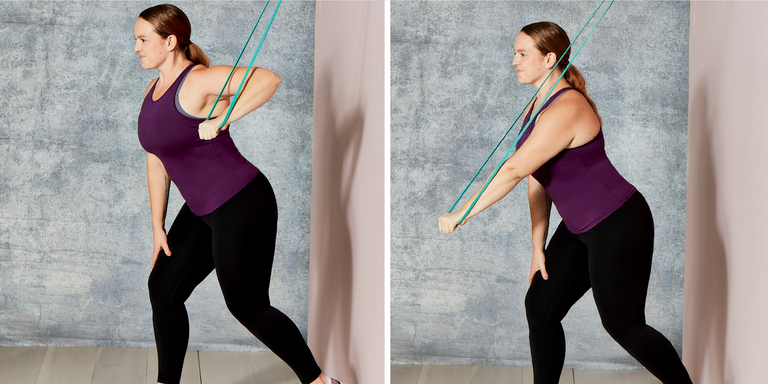
Resistance bands offer a versatile and convenient way to build strength and improve fitness. They provide a progressive resistance that can be tailored to various fitness levels and goals. Proper form and technique are crucial for maximizing results and minimizing the risk of injury. The following exercises demonstrate fundamental band movements, along with explanations of muscles worked and considerations for progressive overload.
Fundamental Resistance Band Exercises
These five exercises form a solid foundation for incorporating resistance bands into your routine. Mastering these will allow you to progress to more advanced movements.
- Band Rows: This exercise targets the back muscles, including the latissimus dorsi, rhomboids, and trapezius. Stand with feet shoulder-width apart, holding the band with an overhand grip, slightly wider than shoulder-width. Keep your back straight and core engaged. Pull the band towards your chest, squeezing your shoulder blades together. Lower the band slowly, controlling the movement.
Maintaining a neutral spine and a controlled movement are essential to prevent injury and maximize muscle engagement. Focus on a smooth, controlled tempo, and avoid jerking motions. Proper form is crucial for effective back strength training.
- Band Bicep Curls: This exercise isolates and strengthens the biceps brachii muscle. Anchor the band securely, either around a sturdy object or with a partner. Hold the band with an overhand grip, slightly wider than shoulder-width. Keep your elbows close to your sides as you curl the band upwards, focusing on contracting your biceps. Lower the band slowly and controlled, feeling the stretch in the biceps.
Maintain a neutral wrist position throughout the exercise.
- Band Squats: This exercise targets the quadriceps, hamstrings, and glutes, improving lower body strength and stability. Anchor the band around your ankles or knees. Stand with feet shoulder-width apart, knees slightly bent. Keeping your back straight, lower your body as if you were sitting in a chair, ensuring your knees do not extend beyond your toes. Push through your heels to return to the starting position.
This exercise is highly effective for strengthening and toning leg muscles.
- Band Chest Press: This exercise strengthens the pectoral muscles (chest), anterior deltoids (front shoulders), and triceps. Anchor the band around a sturdy object at chest height. Hold the band handles with an overhand grip, slightly wider than shoulder-width apart. Keeping your elbows slightly bent, press the handles away from your chest, until your arms are fully extended. Slowly return to the starting position, feeling the stretch in the chest muscles.
Maintaining a controlled tempo is vital to maximize the benefits of this exercise.
- Band Lateral Raises: This exercise targets the lateral deltoids (side shoulders). Anchor the band around a sturdy object, or use a partner. Hold the band handles with an overhand grip, slightly wider than shoulder-width. Keep your elbows slightly bent, and raise the bands out to the sides until they are parallel to the floor. Lower the bands slowly, controlling the movement.
Maintaining a controlled tempo and proper posture will optimize muscle activation and reduce the risk of injury.
Comparing Resistance Band and Free Weight Exercises
The effectiveness of resistance band exercises often compares favorably with free weights, particularly in terms of accessibility and versatility. However, there are subtle differences.
| Feature | Resistance Bands | Free Weights |
|---|---|---|
| Cost | Lower | Higher |
| Space Requirements | Minimal | Moderate |
| Resistance Progression | Adjustable | Requires changing weights |
| Muscle Activation | Typically balanced | Potential for uneven muscle activation |
| Beginner Friendliness | Excellent | Requires familiarity with proper form |
Progressive Overload with Resistance Bands
Progressive overload is key to continued strength gains. With resistance bands, this can be achieved in several ways. Gradually increasing the resistance level is one of the most common methods. You can also modify the exercise by adjusting the angle or changing the number of repetitions or sets. Another way to challenge your muscles is to add more resistance by changing the band used, either by increasing the tension or changing the band altogether.
Advanced Resistance Band Exercises
Resistance bands offer a versatile tool for enhancing strength and conditioning. Beyond basic exercises, incorporating advanced techniques can significantly elevate your workout and target specific muscle groups more effectively. This section explores five advanced resistance band exercises, along with modifications tailored to various fitness levels and needs. Understanding these modifications allows for safe and effective progressions, maximizing the benefits of resistance band training.
Advanced Resistance Band Exercises
Advanced resistance band exercises build upon foundational movements, challenging your muscles and increasing strength and endurance. By progressively increasing resistance and complexity, you can continue to stimulate muscle growth and improve overall fitness. These advanced exercises are valuable for individuals seeking a more challenging workout experience, or those aiming to enhance specific athletic abilities.
Band Pull-Aparts
This exercise effectively targets the muscles of the upper back, shoulders, and rotator cuff. Proper form is crucial for preventing injury and maximizing the benefits. Maintaining a controlled movement and consistent tension on the band is essential. Maintaining a neutral spine and avoiding excessive rounding of the shoulders are vital aspects of form.
- Modification for Beginners: Start with a lighter resistance band and focus on maintaining proper posture. Reduce the range of motion if needed. Perform the exercise with fewer repetitions and sets.
- Modification for Advanced Users: Increase the resistance band’s resistance level for a greater challenge. Increase the number of repetitions and sets to further improve strength and endurance.
Band Deadlifts
Band deadlifts are a compound exercise that works multiple muscle groups simultaneously, including the back, glutes, hamstrings, and core. Proper form is essential for maximizing the benefits and minimizing the risk of injury. Maintaining a neutral spine and engaging the core muscles throughout the entire movement are key elements of safe and effective form.
- Modification for Beginners: Use a lighter resistance band and focus on maintaining a straight back. Perform the exercise with a narrower stance to control the resistance.
- Modification for Advanced Users: Increase the resistance band’s resistance level for a greater challenge. Gradually increase the range of motion as strength improves.
Band Lateral Raises
This exercise isolates and strengthens the shoulder muscles, particularly the lateral deltoids. Maintaining a controlled movement and consistent tension on the band throughout the exercise is vital. Proper form helps prevent injuries to the shoulder joint.
- Modification for Beginners: Start with a lighter resistance band and focus on maintaining a controlled movement. Keep your elbows slightly bent throughout the exercise.
- Modification for Advanced Users: Increase the resistance band’s resistance level for a greater challenge. Increase the range of motion as your strength improves.
Band Reverse Flyes
This exercise targets the upper back muscles, specifically the rhomboids and mid-trapezius. Proper form is crucial for preventing injury and maximizing the benefits. Maintaining a controlled movement and consistent tension on the band is key.
- Modification for Beginners: Use a lighter resistance band and focus on maintaining a controlled movement. Keep your elbows slightly bent.
- Modification for Advanced Users: Increase the resistance band’s resistance level for a greater challenge. Increase the range of motion and the number of repetitions.
Band Bicep Curls
This exercise targets the biceps and forearms. Proper form is essential to prevent injuries and maximize results. Focus on controlled movement and maintaining tension on the band.
- Modification for Beginners: Start with a lighter resistance band and focus on maintaining a controlled movement. Keep your elbows close to your sides.
- Modification for Advanced Users: Increase the resistance band’s resistance level for a greater challenge. Increase the range of motion and the number of repetitions.
Modifications Table
| Exercise | Beginner Modification | Advanced Modification |
|---|---|---|
| Band Pull-Aparts | Lighter band, reduced range of motion | Higher resistance band, increased repetitions/sets |
| Band Deadlifts | Lighter band, narrower stance | Higher resistance band, increased range of motion |
| Band Lateral Raises | Lighter band, controlled movement | Higher resistance band, increased range of motion |
| Band Reverse Flyes | Lighter band, controlled movement | Higher resistance band, increased range of motion/repetitions |
| Band Bicep Curls | Lighter band, controlled movement | Higher resistance band, increased range of motion/repetitions |
Resistance Band Workouts for Specific Goals
Resistance bands offer a versatile and effective way to achieve various fitness objectives. Tailoring workout routines to specific goals, such as building strength, boosting endurance, or enhancing flexibility, maximizes the benefits derived from resistance band training. This section provides sample routines and insights into designing workouts that align with individual needs and aspirations.
Sample Workout Routines for Strength Building
A strength-building resistance band routine focuses on progressively increasing the load and repetitions to stimulate muscle growth and hypertrophy. These routines emphasize compound exercises, which work multiple muscle groups simultaneously.
- Warm-up (5-10 minutes): Dynamic stretches, such as arm circles, leg swings, and torso twists, prepare the muscles for the workout. Light cardio, like jogging in place or jumping jacks, further elevates the heart rate and enhances blood flow.
- Workout (20-30 minutes): Focus on compound exercises targeting multiple muscle groups. Examples include band rows, band squats, band shoulder presses, and band deadlifts. Perform 3 sets of 8-12 repetitions for each exercise, gradually increasing the resistance band’s resistance as strength improves. Rest for 60-90 seconds between sets.
- Cool-down (5-10 minutes): Static stretches, holding each stretch for 20-30 seconds, promote flexibility and recovery. Examples include hamstring stretches, quad stretches, and chest stretches.
Sample Workout Routines for Endurance Building
Endurance-building resistance band routines emphasize sustained contractions and repetitions, promoting cardiovascular health and muscular endurance. These routines should focus on high repetition exercises and shorter rest periods.
- Warm-up (5-10 minutes): Similar to strength-building routines, dynamic stretches and light cardio are crucial to prepare the body for the workout.
- Workout (25-45 minutes): Exercises like band bicep curls, band tricep extensions, and band lateral walks are ideal. Aim for 3 sets of 15-20 repetitions per exercise. Shorter rest periods, such as 30-60 seconds between sets, are crucial for maintaining the elevated heart rate. Consider circuit training for varied exercise and efficient time management.
- Cool-down (5-10 minutes): Static stretching to promote flexibility and recovery.
Sample Workout Routines for Flexibility Improvement
Flexibility routines are essential for injury prevention and range of motion enhancement. These routines should prioritize controlled movements and sustained stretches.
- Warm-up (5-10 minutes): Light cardio and dynamic stretches are crucial for preparing the muscles and joints for the workout.
- Workout (20-30 minutes): Exercises such as band hamstring stretches, band chest stretches, and band tricep stretches, holding each stretch for 20-30 seconds, are ideal. Aim for 2-3 sets of each stretch. Focus on maintaining controlled movements and maintaining proper form.
- Cool-down (5-10 minutes): Static stretches to enhance flexibility and recovery.
Importance of Rest and Recovery
Adequate rest and recovery are crucial for optimal results. Muscles need time to repair and rebuild after exercise. Insufficient rest can lead to overtraining, injuries, and reduced progress. Rest days allow the body to recover and rebuild, promoting long-term fitness and well-being.
Full-Body Resistance Band Routines
These routines incorporate exercises targeting various muscle groups for a comprehensive workout. Adjust the exercises and repetitions based on individual fitness levels.
- Routine 1 (Strength): Band squats, band rows, band push-ups (modified), band shoulder presses.
- Routine 2 (Endurance): Band bicep curls, band tricep extensions, band lateral walks, band lunges.
- Routine 3 (Flexibility): Band hamstring stretches, band chest stretches, band quad stretches, band calf stretches.
Workout Routine Table
| Workout Goal | Workout Routine | Frequency | Duration |
|---|---|---|---|
| Strength Building | Compound exercises (3 sets of 8-12 reps) | 2-3 times per week | 20-30 minutes |
| Endurance Building | High repetition exercises (3 sets of 15-20 reps) | 3-4 times per week | 25-45 minutes |
| Flexibility Improvement | Stretching exercises (2-3 sets) | Daily or every other day | 20-30 minutes |
Safety Precautions and Considerations

Resistance bands offer a convenient and effective way to build strength and improve fitness, but proper safety precautions are crucial to avoid injuries. Understanding potential risks and adopting safe practices minimizes the likelihood of harm. This section Artikels essential safety measures for optimal resistance band workouts.Careful attention to safety protocols and a proactive approach to injury prevention are vital for maximizing the benefits of resistance band exercises while minimizing the risk of harm.
By understanding the potential risks, following safety guidelines, and recognizing signs of overexertion, you can ensure a safe and productive workout experience.
Potential Risks and Injuries
Resistance band exercises, while generally safe, can lead to injuries if not performed correctly. Common injuries include muscle strains, tears, and joint pain. Overuse injuries, such as tendinitis, can also occur if the bands are used excessively without adequate rest. Improper form and technique, especially when lifting heavier resistance, can exacerbate the risk of these injuries.
Safety Tips for Proper Band Usage and Handling
Safe resistance band usage begins with proper band selection and handling. Always choose a band appropriate for your strength level and the exercise. Avoid overloading the band beyond its capacity; this can lead to breakage and injury. Ensure the band is free from tears, cuts, or damage before each workout. Use a secure anchor point to prevent the band from slipping or moving unexpectedly during exercises.
Recognizing Signs of Overexertion or Injury
It is crucial to recognize the signs of overexertion or injury during a resistance band workout. Sharp pain, persistent discomfort, or swelling in a muscle or joint are warning signs that the exercise should be stopped immediately. Ignoring these signals can lead to more serious injuries. Rest and recovery are essential elements of a safe resistance band workout routine.
Importance of Proper Warm-up and Cool-down Routines
A comprehensive warm-up is essential before any resistance band workout. This prepares the muscles and joints for the activity, reducing the risk of injury. A dynamic warm-up, involving movements that mimic the exercises to be performed, is recommended. A cool-down routine following the workout helps the muscles recover and prevents stiffness. Static stretching, holding each stretch for 20-30 seconds, is a valuable component of the cool-down.
Common Mistakes to Avoid
Avoiding certain mistakes can significantly enhance the safety and effectiveness of your resistance band workouts. One common mistake is using poor form or technique, leading to unnecessary stress on joints and muscles. Another frequent error is neglecting to use a proper anchor point, which can result in slippage and injury. Using bands beyond their recommended capacity is another common mistake that can compromise safety.
Failure to listen to your body and rest when needed is a crucial mistake to avoid.
- Improper Form: Maintaining correct posture and alignment during exercises is paramount. Incorrect form can lead to muscle imbalances and joint stress.
- Inadequate Warm-up: A thorough warm-up prepares the muscles and joints for the demands of the workout, minimizing the risk of strains and tears. Without proper warm-up, muscles are more prone to injury.
- Overuse: Excessive use of resistance bands without adequate rest can lead to overuse injuries, such as tendinitis and muscle strains. Listen to your body and take rest days as needed.
- Ignoring Pain: Sharp or persistent pain during a workout is a crucial signal to stop the activity immediately. Ignoring pain can exacerbate injuries and lead to more serious problems.
- Lack of Proper Anchor Point: Using a secure and stable anchor point prevents slippage and ensures the exercise is performed safely and effectively.
Resistance Band Exercises for Different Body Parts

Resistance bands offer a versatile and convenient way to target specific muscle groups for strength training. Their portability and adjustable resistance levels make them ideal for diverse fitness levels and goals. By understanding how to utilize resistance bands for different body parts, individuals can effectively sculpt and strengthen their physiques.Targeted exercises for specific muscle groups allow for isolation and enhanced muscle development.
This focused approach allows for a deeper engagement of the muscles being worked, leading to greater strength gains and improved muscle definition. Furthermore, the isolation of muscle groups helps prevent imbalances that can arise from generalized exercises.
Leg Exercises
Resistance bands are excellent for strengthening and toning leg muscles. Exercises focusing on legs can improve lower body strength, stability, and overall athletic performance. The variable resistance of bands allows for progressive overload, enabling users to gradually increase the intensity as they get stronger.
- Banded Lunges: Stand on the band with feet shoulder-width apart. Loop the band around your ankles. Step forward with one leg, bending both knees to 90 degrees. Push off the front foot to return to the starting position. Repeat on the other leg.
This exercise targets the quadriceps, hamstrings, and glutes.
- Banded Leg Press: Place the band around your feet, keeping it taut. Keeping your back straight, push your legs out against the resistance of the band. Return to the starting position.
- Banded Calf Raises: Loop the band around the balls of your feet. Keeping your knees slightly bent, raise up onto the balls of your feet, squeezing your calf muscles. Lower back down slowly.
Arm Exercises
Resistance bands provide a powerful tool for developing strength and endurance in the arms. They allow for a wide range of exercises, from basic bicep curls to more complex movements that target multiple muscle groups.
- Banded Bicep Curls: Wrap the band around a sturdy object, or loop it around one hand, holding the other end. Keeping your elbows close to your sides, curl the band up towards your shoulders. Lower the band slowly. This exercise isolates the biceps muscle.
- Banded Triceps Extensions: Loop the band around a sturdy object. Extend one arm straight behind you, holding the band with one hand. Keeping your elbow close to your head, lower the band by bending your elbow. Extend your arm back up. Repeat on the other side.
- Banded Rows: Place the band around a sturdy object at chest height. Hold the ends of the band with both hands. Keeping your back straight, pull the band towards your chest, squeezing your back muscles. Lower the band slowly.
Core Exercises
Resistance bands are beneficial for strengthening the core muscles, including the abdominals, obliques, and lower back. Core strength is essential for stability, posture, and overall functional movement.
- Banded Crunches: Loop the band around your feet. Lie on your back with knees bent. Keeping your core engaged, lift your torso off the ground. Lower back down slowly.
- Banded Russian Twists: Sit on the floor with knees bent and feet flat. Hold the ends of the band with both hands. Lean back slightly, keeping your core engaged. Twist your torso from side to side, keeping your elbows close to your body.
- Banded Side Bends: Loop the band around one hand. Keeping your back straight and core engaged, bend to the side, holding the band taut. Return to the starting position.
Back Exercises
Resistance bands can be used to target the back muscles, which are crucial for posture, stability, and overall strength.
- Banded Rows: Place the band around a sturdy object at chest height. Hold the ends of the band with both hands. Keeping your back straight, pull the band towards your chest, squeezing your back muscles. Lower the band slowly. This exercise targets the latissimus dorsi and rhomboids.
- Banded Pull-Aparts: Stand on the band with feet shoulder-width apart, holding the band in each hand. Extend your arms straight out in front of you, keeping your back straight and core engaged. Pull the band apart, squeezing your shoulder blades together. Return to the starting position.
Table of Resistance Band Exercises
| Muscle Group | Exercise | Description |
|---|---|---|
| Legs | Banded Lunges | Step forward with one leg, bending both knees to 90 degrees, targeting quads, hamstrings, and glutes. |
| Arms | Banded Bicep Curls | Curl the band up towards your shoulders, isolating the biceps. |
| Core | Banded Crunches | Lift your torso off the ground, engaging the abdominal muscles. |
| Back | Banded Rows | Pull the band towards your chest, working the latissimus dorsi and rhomboids. |
Resistance Band Exercises for Beginners
Embarking on a resistance band journey can be incredibly rewarding. For beginners, starting with the right exercises and a gradual approach is crucial for building strength and preventing injuries. This section will guide you through beginner-friendly resistance band exercises, emphasizing modifications and the importance of proper form.
Beginner-Friendly Exercises
A foundational understanding of basic movements is paramount for success. These exercises focus on building strength and introducing you to the feel of resistance bands. The key is to focus on controlled movements, maintaining good posture, and listening to your body.
- Band Bicep Curls: This exercise targets the biceps and forearms. Stand with feet shoulder-width apart, holding the band with an overhand grip, slightly wider than shoulder-width apart. Keeping your elbows close to your sides, curl the band towards your shoulders, squeezing your biceps at the top. Slowly lower the band back to the starting position. Modifications include reducing the band resistance or performing the exercise seated.
A key point is maintaining a neutral spine and avoiding swinging or jerking motions.
- Band Rows: This exercise strengthens the back muscles. Anchor the band securely, ensuring it’s stable. Hold the band with an overhand grip, slightly wider than shoulder-width apart. Keeping your back straight and core engaged, pull the band towards your chest, squeezing your shoulder blades together. Slowly return to the starting position.
Modifications include using a lower resistance band or performing the exercise with one arm at a time. Crucially, avoid arching your back or letting your lower back sag.
- Band Squats: A fundamental lower body exercise, band squats build strength and improve lower body stability. Hold the band around your ankles, keeping your feet shoulder-width apart. Engage your core and lower your hips as if sitting in a chair, keeping your back straight. Push through your heels to return to the starting position. Modifications include using a lighter band or performing the exercise against a wall for support.
Maintaining balance and control is essential throughout the exercise.
- Band Side Lunges: This exercise targets the outer thighs and glutes. Hold the band around your ankles, feet hip-width apart. Step to the side with one leg, keeping the other leg straight, and bend the front knee. Push off with the front foot to return to the starting position. Modifications include performing the exercise with one arm at a time, using a lower resistance band or performing the exercise against a wall for support.
Focus on maintaining a straight back and engaging your core.
Importance of Starting with Light Resistance
Beginners should start with light resistance bands. Heavier bands can lead to injuries if proper form isn’t maintained. Gradually increasing the resistance as strength improves allows for consistent progress. For example, if a beginner starts with a light yellow band, they can progress to a medium green band, and then a dark green band as their strength improves.
Sample Beginner Workout Routine
This routine is designed for 2-3 sessions per week, allowing for rest and recovery.
| Day | Exercise | Sets | Repetitions |
|---|---|---|---|
| Day 1 | Band Bicep Curls | 2 | 10-12 |
| Day 1 | Band Rows | 2 | 10-12 |
| Day 2 | Band Squats | 2 | 10-12 |
| Day 2 | Band Side Lunges | 2 | 10-12 |
| Day 3 | (Rest or Active Recovery – Light Cardio) | N/A | N/A |
Building Confidence and Consistency
Building confidence in using resistance bands takes time and practice. Start by focusing on correct form over the number of repetitions. Consistency is key to seeing results. Set realistic goals and celebrate your progress, no matter how small. For example, a beginner might aim to complete the sample workout routine for a week before adding more sets or repetitions.
Combining Resistance Bands with Other Exercises
Resistance bands offer a versatile training tool that can be seamlessly integrated into existing workout routines. By combining them with other exercises, you can significantly enhance the intensity, challenge, and effectiveness of your workouts. This approach allows for a more comprehensive and targeted training experience.Integrating resistance bands into your existing routine can elevate the intensity and challenge of various exercises.
By adding resistance, you’ll engage more muscle fibers and stimulate greater strength development. Furthermore, this approach allows for greater flexibility in workout programming, enabling you to modify existing routines to suit individual needs and goals.
Integrating Resistance Bands into Bodyweight Exercises
Resistance bands provide an excellent way to augment bodyweight exercises. This integration allows for progressive overload, a key principle in strength training, by adding resistance to movements that primarily utilize your body weight. For example, a standard push-up can be made more challenging by incorporating a resistance band around your upper back. The added resistance will increase the work done by the chest, shoulders, and triceps muscles, leading to greater strength gains.
Similarly, a resistance band can be used to enhance the effectiveness of squats, lunges, or rows.
Combining Resistance Bands with HIIT Workouts
Resistance bands are well-suited for high-intensity interval training (HIIT) workouts. Their portability and versatility make them an ideal tool for incorporating bursts of intense exercise followed by brief recovery periods. The added resistance during HIIT exercises, such as jumping jacks, burpees, or mountain climbers, will enhance the cardiovascular conditioning and muscular engagement, making the workout more effective and efficient.
This combination can be particularly beneficial for individuals looking to improve both their strength and endurance.
Examples of Combining Resistance Bands with Other Equipment
| Exercise | Resistance Band | Other Equipment | Description |
|---|---|---|---|
| Dumbbell Bench Press | Light | Dumbbells | Wrap a resistance band around your upper back during a dumbbell bench press. This adds an extra layer of resistance, targeting more muscles and increasing the intensity of the exercise. |
| Pull-ups | Medium | Pull-up bar | Use a resistance band looped around the pull-up bar to help with the initial pull-up. The resistance band assists in the initial pull, making the exercise more accessible and potentially increasing the volume of reps. |
| Kettlebell Swings | Heavy | Kettlebells | Using a heavy resistance band during kettlebell swings adds an extra layer of resistance to the movement. This will help improve muscular engagement and add to the overall intensity. |
| Rowing Machine | Light-Medium | Rowing machine | Wrap a resistance band around the handles of the rowing machine. This increases the resistance during the pulling phase of the exercise, targeting more muscle groups and enhancing the workout’s effectiveness. |
Resources and Further Learning
Expanding your knowledge of resistance band exercises can significantly enhance your understanding and application of these versatile tools. This section provides valuable resources for continued learning, allowing you to deepen your practice and achieve optimal results.
Reputable Websites and Articles
This section presents a selection of reputable websites and articles that offer in-depth information about resistance band exercises. These resources provide detailed explanations, practical advice, and diverse perspectives on the topic.
- Bodybuilding.com: A comprehensive website offering a vast library of articles, workout routines, and exercise demonstrations, including those using resistance bands.
- Verywell Fit: A trusted source for fitness information, featuring articles on various aspects of resistance band training, including techniques, benefits, and exercise variations.
- Healthline: This website provides health and wellness information, including detailed articles on resistance band exercises, their benefits, and potential risks.
Video Demonstrations of Proper Resistance Band Techniques
Visual learning aids can be particularly helpful in mastering proper resistance band techniques. These videos offer clear demonstrations of various exercises, highlighting important form cues and providing a practical approach to understanding and executing movements correctly.
- YouTube Channels dedicated to Fitness and Exercise: Numerous fitness channels on YouTube provide comprehensive videos showcasing resistance band exercises with detailed explanations and demonstrations. Search for terms like “resistance band exercises for beginners,” “resistance band workout routines,” or specific exercises like “resistance band bicep curls.” Look for channels with verified expertise and a clear focus on proper form.
- Online Fitness Platforms: Several fitness platforms offer video libraries that include resistance band exercises. Check if the platform provides access to workout programs and expert guidance to maximize your learning experience.
Additional Resources for Learning About Resistance Band Usage
Further enhancing your knowledge about resistance band usage can be achieved by exploring additional resources. These resources often offer a more holistic approach, expanding your understanding of the broader context surrounding resistance band training.
- Fitness Books and E-books: Many books and e-books delve into various aspects of fitness, including the effective use of resistance bands. These resources provide a deeper understanding of the underlying principles of exercise and training, helping you understand the “why” behind the exercises.
- Fitness Communities and Forums: Engage with online fitness communities and forums dedicated to resistance band training. These platforms provide opportunities for interaction, support, and the sharing of experiences and insights from others using resistance bands.
Concluding Remarks
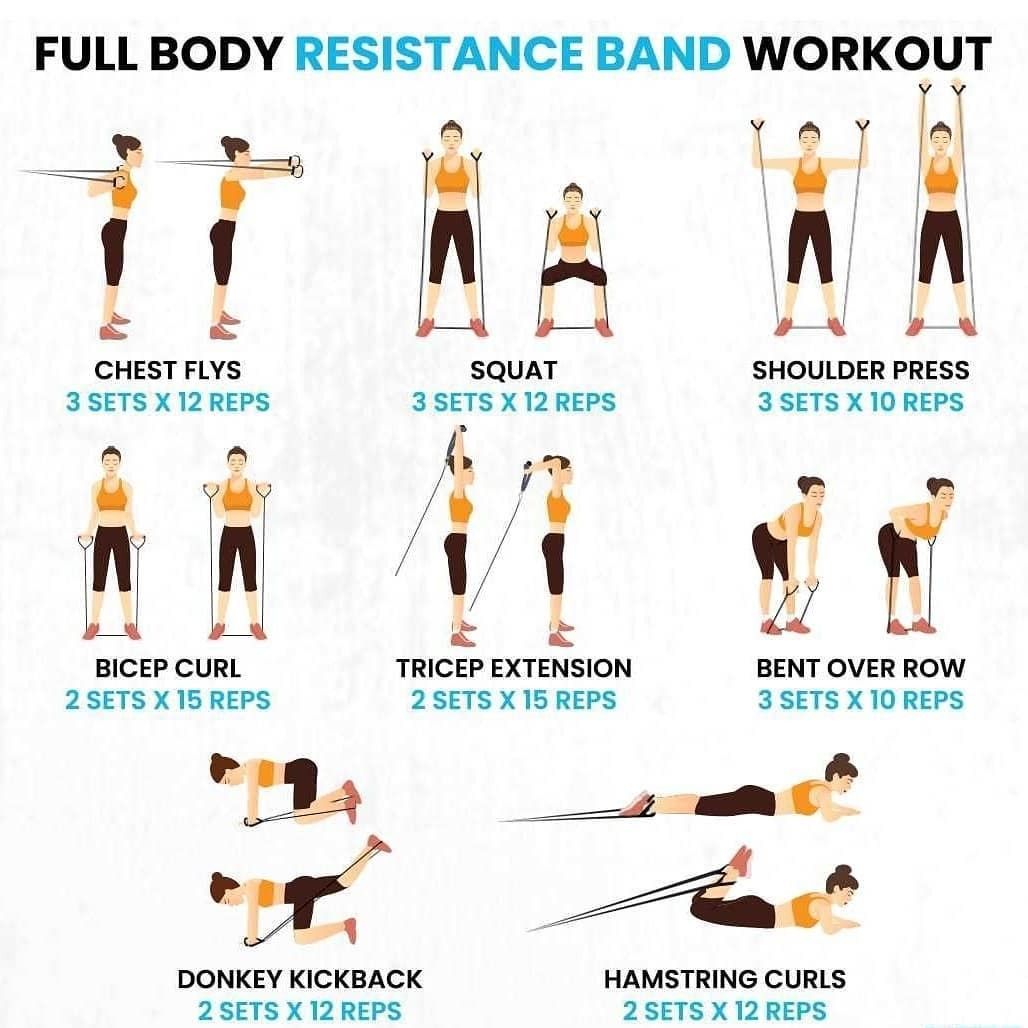
In conclusion, this guide has explored the multifaceted world of resistance band exercises. From beginner-friendly routines to advanced techniques, this resource provides a comprehensive understanding of how to maximize the benefits of resistance bands. Remember to prioritize proper form, gradually increase resistance, and listen to your body. By following these guidelines, you can confidently integrate resistance bands into your fitness journey and achieve your desired results.