Discover the transformative power of Pilates, accessible right in your home. This comprehensive guide provides a step-by-step approach to mastering Pilates techniques, regardless of your fitness level. From foundational exercises to advanced variations, we’ll equip you with the knowledge and tools to build a personalized routine tailored to your needs and goals.
This guide walks you through everything from setting up your home studio to creating a motivating workout schedule, encompassing essential equipment, exercise variations, and nutrition tips. We’ll address common mistakes and offer resources for continued learning.
Introduction to Pilates at Home
Pilates is a low-impact exercise method that emphasizes core strength, flexibility, and body awareness. It’s designed to improve posture, balance, and overall physical well-being. Practicing Pilates at home offers significant advantages, providing convenience and the ability to tailor workouts to individual needs and schedules.Pilates, developed by Joseph Pilates in the early 20th century, evolved from his observations of the human body and the need for a more holistic approach to fitness.
Its principles of controlled movement, breath coordination, and mindful engagement of core muscles have resonated with individuals seeking a comprehensive fitness routine. The accessibility of Pilates has increased dramatically over time, with numerous resources now available online and in-person, making it more accessible than ever before for home practice.
Essential Equipment for Home Pilates
While Pilates can be practiced effectively without any equipment, certain items can enhance the experience and provide support for specific exercises. A mat is the most fundamental piece of equipment, providing cushioning and a stable surface for many foundational exercises. A set of resistance bands can be helpful for strengthening and stretching muscles. Small props like stability balls, foam rollers, and resistance loops can further diversify workouts.
Ultimately, the key is to prioritize proper form and technique over the acquisition of specialized equipment.
Types of Pilates Exercises for Beginners
A structured approach to Pilates for beginners focuses on building a solid foundation of core strength and control. This involves understanding the fundamental principles of Pilates, such as centering, concentration, control, precision, and flow. These principles guide the execution of exercises, ensuring safety and maximizing the benefits.
| Exercise Type | Description | Muscles Targeted |
|---|---|---|
| Basic Mat Exercises | These exercises typically involve lying on a mat and performing movements that engage the core, back, and limbs. Examples include the Hundred, the Roll-up, and the Single Leg Stretch. | Abdominals, lower back, glutes, hip flexors, and shoulders. |
| Breathing Exercises | Breathing techniques are integral to Pilates. These exercises focus on deep, controlled breathing, connecting the breath to movement and creating a more effective workout. | Diaphragm, intercostal muscles, and respiratory system. |
| Pelvic Tilts | These exercises involve tilting the pelvis to strengthen the core and stabilize the spine. | Abdominals, glutes, and lower back. |
Setting Up Your Home Pilates Studio
Creating a dedicated space for your home Pilates practice can significantly enhance your experience and motivation. A thoughtfully designed area can transform your workout from a chore into a mindful and enjoyable activity. This section will guide you through essential considerations for your home Pilates studio, from space requirements to equipment selection and environment creation.
Space Requirements for Home Pilates
A dedicated space, even if small, is crucial for effective and consistent Pilates practice. Optimal space for Pilates practice should be at least 6 feet by 6 feet, allowing for ample room to move through the exercises without hitting walls or furniture. Consider the layout of your home and identify an area that is free from distractions and allows for a smooth flow of movement.
This area should also be well-ventilated and have good lighting to support the practice.
Recommended Props for Home Pilates
Essential props can greatly enhance your Pilates experience and safety. These props can provide support, resistance, and a wider range of exercises.
- Exercise Mat: A high-quality exercise mat is paramount for cushioning and comfort during floor exercises. It provides a stable and non-slip surface, reducing the risk of injury and enhancing the effectiveness of your workouts. Consider the material, thickness, and size when choosing your mat.
- Resistance Bands: These bands offer a convenient and versatile way to increase resistance during Pilates exercises. They are lightweight, portable, and suitable for a variety of exercises, offering progressive resistance as you get stronger.
- Pilates Reformer (optional): While a Pilates reformer is a significant investment, it allows for a wide range of exercises that are not easily replicated on other equipment. If you have space and budget for it, a reformer can provide a more advanced and comprehensive Pilates experience.
- Pilates Ball: A Pilates ball can be used to support your body during certain exercises, improve balance, and increase core engagement. It also offers a great way to add variety to your routine.
- Pilates Strap: Pilates straps are used for stretching, lengthening, and strengthening different muscle groups. They are essential for a variety of exercises and allow you to increase resistance and support, making them useful for various levels.
Creating a Comfortable and Motivating Environment
A conducive environment fosters a positive and productive Pilates experience.
- Lighting: Good lighting is essential for seeing your form and maintaining proper posture during exercises. Natural light is ideal, but sufficient artificial lighting is necessary if natural light is limited. Avoid harsh glare.
- Music: Choose music that motivates and energizes you without being distracting. Avoid anything too chaotic or stimulating.
- Comfort: Ensure your workout area is comfortable, with appropriate ventilation and a comfortable temperature. You should not feel too hot or cold.
- Decluttering: A clutter-free space promotes focus and concentration during your practice. Remove any unnecessary items that might be in your way.
Comparing Exercise Mats for Home Pilates
Different exercise mats offer varying levels of cushioning, support, and durability. Choosing the right mat can enhance your workout experience.
| Mat Type | Features | Pros | Cons |
|---|---|---|---|
| Foam Mats | Generally soft, affordable | Good cushioning, affordable price point | May not be as durable as other options |
| Yoga Mats | Typically made of PVC or rubber, various thicknesses | Good grip, good cushioning, widely available, various thicknesses | Can be slippery on some surfaces |
| High-Density Mats | Made of more durable materials, often thicker | Excellent cushioning, very durable, less likely to slip | Can be more expensive |
Fundamental Pilates Exercises for Beginners
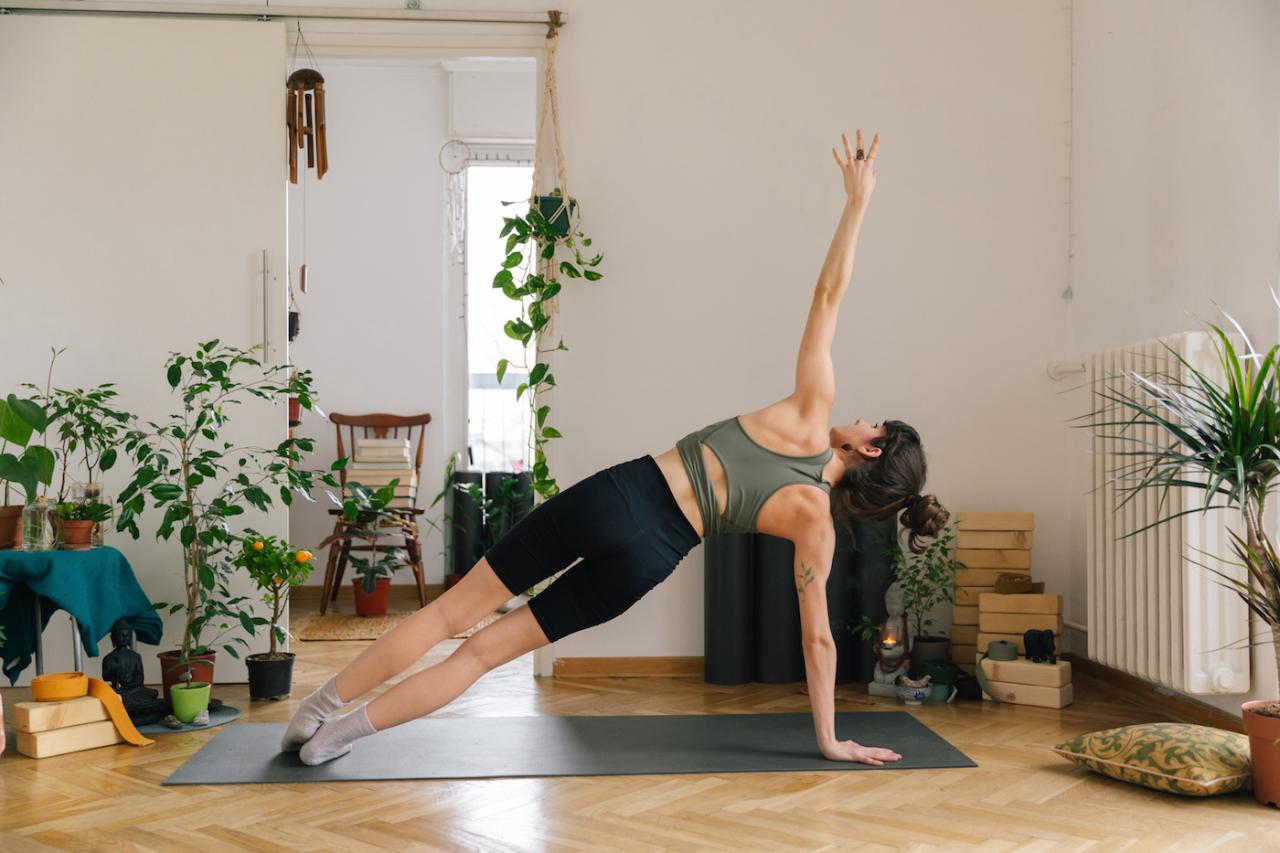
Pilates exercises, when performed correctly, can significantly improve core strength, flexibility, and posture. This section will introduce five fundamental exercises suitable for beginners, emphasizing proper form and modifications for varying fitness levels. Understanding the correct posture and breathing techniques is crucial for maximizing the benefits and minimizing the risk of injury.Learning these foundational exercises is a great starting point for building a comprehensive Pilates practice at home.
With consistent effort and mindful attention to form, you’ll experience positive changes in your body and well-being.
Proper Breathing Techniques
Proper breathing is essential in Pilates. Inhale deeply through your nose, filling your lungs completely, and exhale slowly through your mouth, engaging your core muscles. This controlled breathing helps to stabilize your core and improve the effectiveness of each exercise. Remember to maintain a steady rhythm of inhaling and exhaling throughout the entire workout.
Modifications for Different Fitness Levels
Many Pilates exercises can be modified to accommodate different fitness levels. For example, beginners may find it challenging to hold a particular position for an extended period. Modifications might involve shorter hold times, using props like a chair or wall for support, or performing the exercise with less intensity. As your strength and endurance improve, you can gradually increase the difficulty.
Five Basic Pilates Exercises
Understanding the benefits and proper execution of each exercise is key to achieving optimal results.
| Exercise Name | Description | Benefits | Modifications |
|---|---|---|---|
| The Hundred | Lie on your back with knees bent and feet flat on the floor. Lift your head and shoulders off the floor, engaging your core. Extend your arms straight out in front of you, parallel to the floor. Inhale for five counts, exhale for five counts, repeating this pattern 100 times. | Strengthens the abdominal muscles, improves circulation, and enhances focus. | Beginners can start with a smaller count of repetitions (e.g., 50) or keep their arms slightly bent to reduce the strain on the neck. |
| Pelvic Curl | Lie on your back with knees bent and feet flat on the floor, hip-width apart. Tighten your abdominal muscles and gently roll your pelvis up, lifting your hips off the floor. Pause for a second, then slowly lower your hips back down. | Strengthens the pelvic floor muscles, improves posture, and tones the glutes. | Beginners can perform the exercise with a smaller range of motion, or use a pillow under their lower back for support. |
| Single Leg Stretch | Lie on your back with knees bent and feet flat on the floor. Extend one leg straight up in the air. Bring the opposite knee towards your chest. Alternate legs, performing this exercise 10-15 times per leg. | Strengthens abdominal muscles, improves flexibility, and enhances core stability. | Beginners can perform the exercise with a smaller range of motion, or place a hand behind the thigh for support. |
| The Roll-Up | Sit with legs extended straight in front of you. Inhale, lengthen your spine, and exhale while engaging your core to curl your spine up towards your head, until you’re lying on your back. Slowly roll back down, vertebra by vertebra. | Strengthens abdominal muscles, improves spinal mobility, and promotes flexibility. | Beginners can perform the exercise with a smaller range of motion, or use a pillow or towel under their head for support. |
| The Spine Stretch Forward | Stand with feet hip-width apart, arms extended straight out in front of you. Inhale, lengthen your spine, and exhale as you bend forward from your hips, keeping your back straight. Hold for a few seconds, then slowly return to the starting position. | Increases spinal flexibility, stretches hamstrings, and improves posture. | Beginners can perform the exercise with a smaller range of motion, or place their hands on a chair or wall for support. |
Maintaining Proper Alignment and Avoiding Common Mistakes
Maintaining proper alignment is critical in Pilates. Pay close attention to your posture throughout each exercise, ensuring that your spine remains in a neutral position. Common mistakes include arching or rounding your back, or not engaging your core muscles sufficiently. Focus on maintaining a stable core to support the spine and reduce the risk of injury. If you’re unsure about your form, consult a qualified Pilates instructor.
Creating a Pilates Home Workout Routine
Designing a personalized Pilates home workout routine is a rewarding process that aligns with your individual fitness level, goals, and schedule. This structured approach ensures you derive maximum benefit from your Pilates practice. By understanding the key elements of a tailored routine, you can progressively enhance your strength, flexibility, and overall well-being.A well-designed home workout routine should be more than just a collection of exercises.
It should be a dynamic system that adapts to your evolving needs and goals. This involves understanding the different levels of intensity and duration appropriate for your fitness journey. Furthermore, it should seamlessly integrate with your daily schedule.
Personalizing Your Pilates Routine
To create a truly effective routine, consider your current fitness level, experience with Pilates, and personal goals. Are you aiming for increased strength, improved posture, or stress reduction? Understanding these factors helps you choose the right exercises and intensity levels. Assess your current physical limitations and consult with a healthcare professional if needed, especially if you have any pre-existing conditions.
This ensures your routine is safe and effective for your body.
Sample Workout Routines
Different fitness levels and time commitments necessitate varying routine structures. Here are examples to guide you:
- Beginner (30 minutes): Focus on foundational exercises with a moderate pace. Incorporate 5-10 repetitions of each exercise. Include exercises like the Hundred, Roll-Up, and Single Leg Stretch. This routine emphasizes proper form and building a solid foundation.
- Intermediate (45 minutes): This routine progresses to more challenging exercises with increased repetitions (10-15) and/or adding variations. Examples include the Saw, Leg Circles, and Spine Twist. This routine will help you build strength and endurance.
- Advanced (60 minutes): Advanced routines incorporate advanced exercises with more repetitions and/or adding variations. Examples include the Teaser, Double Leg Stretch, and the Rolling like a Ball. This routine challenges you to increase strength, flexibility, and endurance.
These are just examples; adapt them to your specific needs.
Progressive Intensity and Duration
Gradually increasing the intensity and duration of your workouts is crucial for optimal results and injury prevention. Begin with a manageable routine and gradually increase the number of repetitions, sets, or the difficulty of exercises as your fitness level improves.
- Start with shorter durations and gradually increase the time spent on each exercise and the overall workout duration. For instance, if you begin with 15 minutes, aim to gradually increase it to 30 minutes over several weeks.
- Increase the intensity by adding more challenging variations of the same exercise, using heavier resistance, or increasing the number of repetitions or sets.
- Listen to your body. If you experience pain, stop the exercise and rest. Gradually build up your tolerance.
Workout Schedule Template
A structured schedule enhances consistency and helps you stay motivated. A typical Pilates workout includes a warm-up, core exercises, and a cool-down.
| Time | Activity | Description |
|---|---|---|
| 5 minutes | Warm-up | Gentle cardio and dynamic stretches, such as arm circles, leg swings, and torso twists. |
| 20-30 minutes | Core Exercises | Focus on exercises targeting the abdominal muscles, back muscles, and pelvic floor. Include exercises like the Hundred, Plank, and Side Bend. |
| 5 minutes | Cool-down | Static stretches to improve flexibility and promote recovery. Hold each stretch for 20-30 seconds. |
This template provides a framework. Adjust the duration of each section based on your chosen routine and personal needs.
Advanced Pilates Techniques and Variations
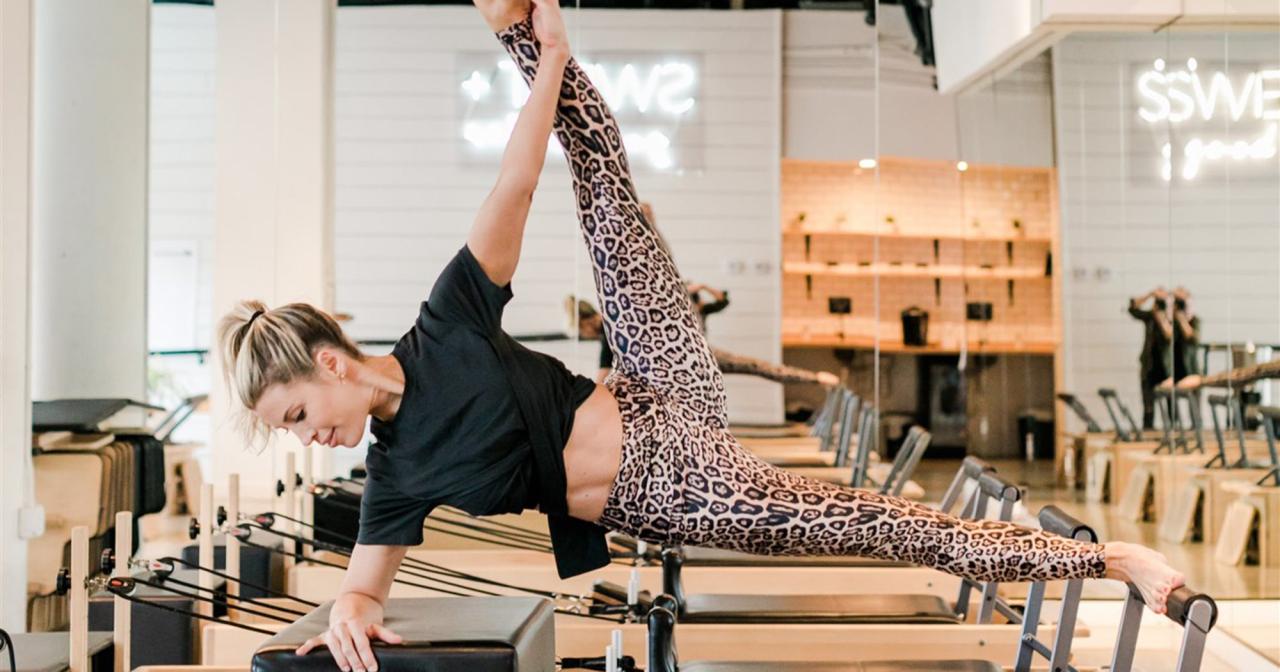
Pilates, a method of physical conditioning, offers a progressive path for improvement. As practitioners progress from beginner to intermediate and advanced levels, the techniques and exercises evolve to target specific muscle groups and enhance the overall effectiveness of the workout. This section will delve into advanced Pilates techniques and variations, outlining modifications for increased challenge and intensity, and exploring the use of props for enhanced difficulty.The transition from basic to advanced Pilates exercises involves refining form, increasing repetitions, modifying movements, and incorporating props to elevate the intensity.
This allows practitioners to engage deeper stabilizer muscles, improve flexibility, and advance core strength and stability. Proper execution of these advanced techniques is crucial for maximizing results and preventing injury.
Advanced Exercises for Core Strength
Advanced core exercises build upon foundational movements, emphasizing controlled and precise execution. These exercises demand a higher level of core engagement, promoting strength and stability. Proper form and controlled movements are paramount.
- Rolling Like a Ball: This exercise involves rolling the spine in a controlled manner, progressing from basic to advanced variations. Advanced variations include adding leg lifts or arm movements during the roll, maintaining a controlled and fluid motion. This requires a high degree of core engagement and stability. The practitioner should feel the contraction of abdominal muscles throughout the entire movement.
- Hundred: A classic Pilates exercise, the hundred can be advanced by increasing the duration of the exercise, holding the legs in a higher position, or incorporating more dynamic movements. Advanced practitioners may also vary the arm positions, such as holding them straight up or out to the sides, to further engage the core. The key is to maintain proper form and a controlled, steady pace.
- Spine Twist: While a basic exercise, variations for advanced practitioners involve increasing the range of motion, holding the twist for longer periods, or adding a leg lift during the movement. This requires more flexibility and strength. Proper breathing techniques are crucial to prevent strain on the back.
Modifications and Prop Use for Increased Challenge
Modifying existing exercises for increased intensity and using props can enhance the challenge of Pilates routines. Careful consideration should be given to the practitioner’s fitness level.
- Adding Resistance: Incorporating resistance bands or light weights during exercises like the leg circles or the rowing exercise can increase the intensity by adding resistance. The intensity of the resistance can be adjusted based on the individual’s fitness level.
- Elevated Surfaces: Using a Pilates reformer or a stable elevated surface (like a sturdy bench or chair) can enhance the challenge of exercises like the side leg series, adding resistance and strengthening the core and supporting muscles.
- Increased Repetitions and Sets: Gradually increasing the number of repetitions and sets of existing exercises can also elevate the challenge for advanced practitioners.
Advanced Exercise Sequences
Advanced exercise sequences build upon foundational movements and target specific muscle groups or body areas.
- Full Body Strength Sequence: This sequence could involve a combination of exercises like the hundred, the rolling like a ball, and the spine twist, followed by advanced leg exercises like the leg circles and the single leg stretch. This sequence would target multiple muscle groups, improving overall strength and flexibility. Proper breathing and focus on controlled movements are vital.
- Upper Body Strength Sequence: This sequence could involve exercises that target the shoulders, arms, and back muscles. Advanced exercises include variations of arm circles, arm lifts, and rowing exercises. Progression should be gradual, ensuring the practitioner maintains proper form and avoids injury.
Nutrition and Recovery for Pilates
Proper nutrition and recovery are crucial for maximizing the benefits of Pilates and preventing injuries. A well-balanced diet and adequate rest support muscle repair, energy levels, and overall well-being, allowing you to progress safely and effectively in your Pilates journey. A supportive approach to nutrition and recovery empowers you to reach your fitness goals.Understanding the connection between what you eat and how your body responds to Pilates is essential.
The nutrients you consume fuel your workouts, aid in muscle repair, and contribute to overall health. Proper recovery allows your body to adapt to the demands of Pilates, minimizing the risk of injury and promoting long-term progress.
Optimal Nutrition for Pilates Performance
A balanced diet that includes sufficient protein, carbohydrates, and healthy fats is essential for optimal performance during Pilates. Protein is crucial for muscle repair and growth. Carbohydrates provide energy for your workouts. Healthy fats contribute to hormone production and overall health. Adequate intake of these macronutrients ensures your body has the resources it needs to perform Pilates effectively.
Importance of Hydration for Recovery
Hydration plays a vital role in recovery after Pilates sessions. Water is essential for transporting nutrients, regulating body temperature, and flushing out waste products. Dehydration can hinder muscle recovery, increase fatigue, and impact overall performance. Adequate hydration is key for optimal recovery after a Pilates workout.
Strategies for Muscle Recovery and Injury Prevention
Implementing strategies to support muscle recovery is vital for injury prevention. Proper warm-up and cool-down routines before and after each Pilates session are important. Gentle stretching and foam rolling can aid in muscle recovery and reduce stiffness. A consistent sleep schedule is crucial for muscle repair and overall well-being. Adequate sleep allows your body to repair tissues and prepare for future workouts.
Importance of Listening to Your Body
Recognizing your body’s signals is critical to prevent injuries and optimize your Pilates experience. Pay attention to any pain or discomfort during or after your workout. If you experience any sharp pain, stop the exercise immediately and consult a healthcare professional. If you feel excessively fatigued, adjust your workout routine or rest as needed. Regular self-assessment is essential for safe and effective Pilates practice.
Common Mistakes to Avoid During Home Pilates

Embarking on a home Pilates journey can be incredibly rewarding. However, without mindful attention to form and technique, potential pitfalls can arise, hindering progress and potentially leading to injuries. This section highlights common errors beginners often make and provides practical strategies to mitigate these risks.Understanding and proactively addressing these issues is crucial for maximizing the benefits of your home Pilates practice while minimizing the chances of discomfort or injury.
Correct form is paramount to achieving optimal results and preventing setbacks.
Incorrect Alignment and Posture
Maintaining proper alignment and posture is fundamental to Pilates. Inadequate alignment can lead to strain on specific muscle groups, potentially resulting in discomfort or injuries. Beginners frequently deviate from the correct spinal curvature or positioning in exercises like the Hundred or the Roll-up, compromising the intended benefits. Ensuring a neutral spine throughout various postures is vital for maximizing the exercise’s effectiveness and minimizing strain.
Consistent awareness and visual cues (mirrors, video recordings) can be helpful in identifying and correcting alignment issues.
Insufficient Warm-up and Cool-down
Prioritizing a thorough warm-up and cool-down routine before and after each Pilates session is crucial for injury prevention. A comprehensive warm-up prepares the muscles for the anticipated exertion, gradually increasing blood flow and flexibility. Skipping this essential step can increase the risk of muscle strains or tears. Similarly, a cool-down period allows the body to transition back to a resting state, promoting recovery and reducing muscle soreness.
These simple routines can significantly reduce the risk of injury and maximize the benefits of each session.
Inadequate Breathing Techniques
Proper breathing is integral to Pilates. Many beginners neglect the importance of controlled breathing, leading to shallow or erratic patterns. This can hinder the effectiveness of the exercises and lead to feelings of fatigue or dizziness. Diaphragmatic breathing, focusing on inhaling deeply and exhaling slowly and completely, is crucial in Pilates. It supports the core engagement and overall efficiency of the movement.
Using Excessive Force or Speed
Rushing through exercises or applying excessive force is a common pitfall, especially for those eager to see rapid results. The controlled movements and focused engagement of specific muscle groups are hallmarks of Pilates. Excessive force can strain muscles and joints, leading to discomfort and potential injury. Maintaining a slow, controlled pace, concentrating on precise form over speed, is key to achieving the desired outcomes safely.
Prioritizing quality over quantity is paramount in Pilates.
Ignoring Pain or Discomfort
Persistent or sharp pain during a Pilates exercise is a clear signal to stop. Pushing through discomfort can lead to more serious injuries. Recognizing the difference between normal muscle fatigue and pain is crucial. If you experience any pain, stop the exercise immediately and consult with a healthcare professional or qualified Pilates instructor. Paying attention to your body’s signals is essential for injury prevention.
Lack of Proper Equipment Use
When working out at home, the correct equipment setup is essential. Using a mat that is too thin or too thick can impact proper posture and spinal alignment. Using unstable equipment (e.g., an uneven or worn-out mat) may lead to unexpected movement and increased injury risk. Ensure your equipment (e.g., mat, straps, balls) is in good condition and appropriate for the exercises you are performing.
Maintaining a stable and supportive environment is essential for safe and effective Pilates practice.
Lack of Regularity
Consistent practice is key to experiencing the benefits of Pilates. Irregular practice hinders progress and can cause the body to lose the gains achieved. Establishing a regular routine, even if it’s just 15-30 minutes a few times a week, promotes consistent improvement and long-term results. This regularity supports the development of strength, flexibility, and overall well-being.
Resources and Further Learning
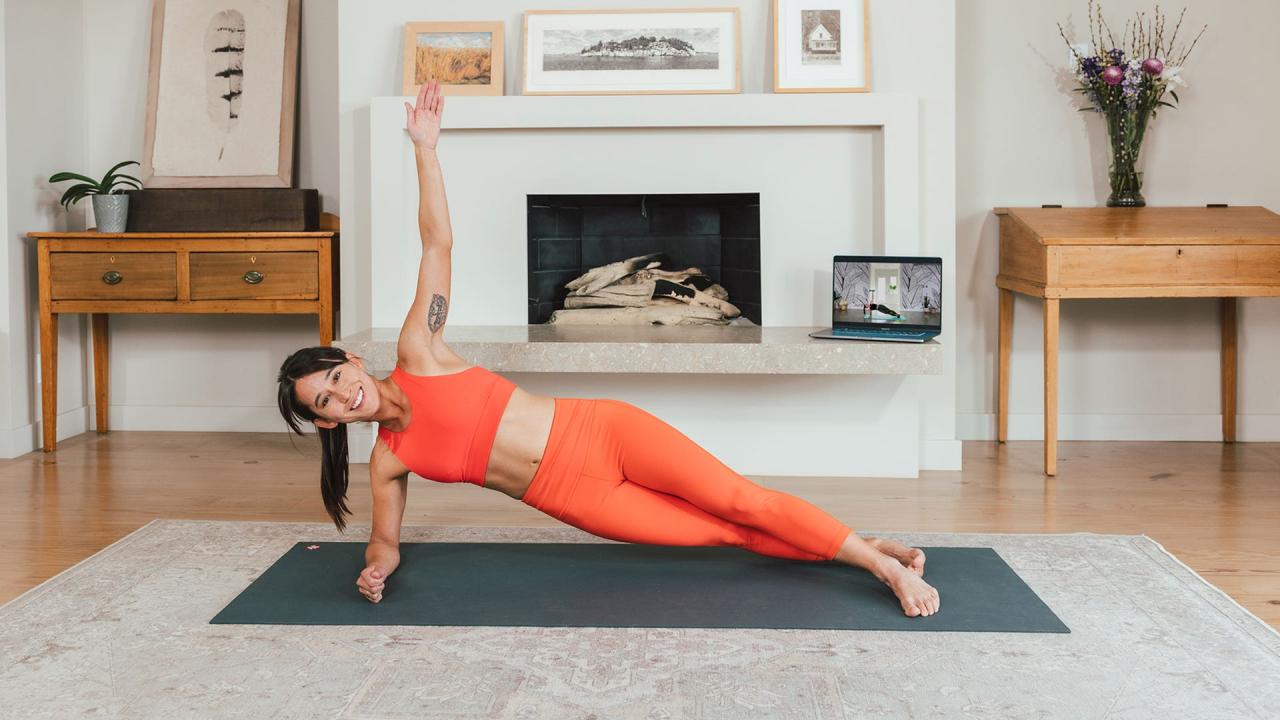
Embarking on a Pilates journey at home can be incredibly rewarding. To deepen your understanding and continually improve your practice, exploring supplementary resources is highly beneficial. This section provides valuable avenues for further learning, ensuring you maximize the benefits of your home Pilates routine.
Recommended Books
A wealth of knowledge is available in print form. Books provide in-depth explanations of Pilates principles, exercise variations, and the history of the method. These resources offer a structured approach to learning and often include detailed illustrations to guide you through the exercises. Investing in a good Pilates book can serve as a valuable reference, providing a comprehensive understanding of the discipline.
- The Pilates Body by Romana Kryzanowska: This book delves into the fundamentals of Pilates, providing detailed instructions for a wide range of exercises, as well as a comprehensive explanation of the principles behind the method.
- Pilates for Every Body by Leslie Kaminoff: This book offers a tailored approach to Pilates, accommodating various body types and fitness levels. It emphasizes the importance of proper form and alignment in executing the exercises.
- Pilates: The Complete Guide by Joseph Pilates: This book offers a comprehensive overview of the founder’s methods and principles. It serves as an excellent source for understanding the history and philosophy behind Pilates.
Online Resources and Communities
Online platforms offer numerous opportunities for learning and connecting with other Pilates enthusiasts. These resources provide a dynamic learning environment, fostering community and support.
- Websites: Websites like the official Pilates Method Alliance website (PMA) provide valuable information about certified instructors and the Pilates method itself. Other websites offer free resources, articles, and tutorials for learning Pilates exercises.
- Online Communities: Online forums and social media groups dedicated to Pilates offer opportunities to connect with fellow practitioners. These communities provide support, motivation, and the chance to share experiences and ask questions. They also often host live sessions and Q&A sessions with experienced Pilates instructors.
Pilates Exercise Videos and Tutorials
Visual aids play a crucial role in mastering Pilates exercises. Videos and tutorials provide a clear demonstration of proper form and technique, minimizing the risk of injury and maximizing the benefits of each exercise.
- YouTube Channels: Numerous YouTube channels offer a wide array of Pilates videos, catering to different levels and interests. These channels often feature beginner-friendly tutorials, advanced variations, and specific routines.
- Reputable Instructors: Look for videos from certified Pilates instructors, as they ensure proper technique and alignment. This approach will minimize potential errors in your practice.
YouTube Channels Dedicated to Pilates
YouTube has become a significant source of Pilates instruction, offering diverse content tailored to various levels.
- Yoga with Adriene: While primarily known for yoga, Adriene’s channel offers Pilates sequences, providing a seamless transition for those already familiar with yoga.
- Fitness Blender: This channel often features Pilates routines integrated with other workout styles, such as cardio or strength training. This can help create a well-rounded fitness program.
- The Pilates Method Alliance (PMA): The official PMA channel may offer tutorials and demonstrations from certified instructors, showcasing correct technique and proper form.
Ultimate Conclusion
In conclusion, this guide has provided a thorough understanding of how to effectively incorporate Pilates into your home fitness routine. By following the provided exercises, creating a supportive environment, and focusing on proper form, you can achieve significant physical and mental benefits. Remember, consistency and mindful practice are key to maximizing your Pilates experience. We encourage you to explore the resources listed and continue your journey to a healthier, stronger you.