Deadlifts are a powerful compound exercise, but proper form is paramount for safety and effectiveness. This comprehensive guide delves into the nuances of performing deadlifts safely, covering everything from fundamental understanding to advanced progression strategies. Understanding the mechanics, practicing correct technique, and prioritizing safety are key to reaping the benefits of this demanding lift without risking injury.
From mastering the various deadlift variations to implementing effective warm-up and cool-down routines, this guide provides a detailed roadmap to safe and successful deadlifting. It emphasizes the importance of proper form, weight selection, and injury prevention, ensuring a rewarding and injury-free experience for all levels of lifters.
Understanding the Fundamentals of Deadlifts
The deadlift, a compound exercise, is a cornerstone of strength training, targeting multiple muscle groups simultaneously. Mastering its mechanics is crucial for achieving optimal results and mitigating potential injuries. Understanding the different variations, proper spinal alignment, and the involved anatomical structures is paramount for safe and effective execution.Proper form is paramount in deadlifts to prevent injury and maximize results.
By understanding the fundamental principles and variations, you can tailor your approach to your specific needs and goals, whether it’s building strength, increasing power, or simply improving overall fitness.
Deadlift Variations
Different deadlift variations cater to individual needs and preferences. Understanding these distinctions is key to selecting the best approach for your goals and limitations.
- Conventional Deadlift: This is the most common variation. The lifter positions their feet shoulder-width apart, and the bar is grasped with an overhand grip, typically slightly wider than shoulder-width. The back remains straight throughout the movement. This variation targets a broad range of muscles, including the back, glutes, hamstrings, and quadriceps.
- Sumo Deadlift: In this variation, the lifter positions their feet wider than shoulder-width apart, often at a 45-degree angle from the body. The bar is grasped with an overhand grip, and the hips are driven back further than in the conventional deadlift. This variation tends to emphasize the hip flexors and groin muscles more than the conventional deadlift.
It can be particularly advantageous for individuals with a shorter torso or greater hip mobility.
- Romanian Deadlift (RDL): This variation focuses primarily on the hamstrings and glutes. The lifter keeps a slight bend in the knees and leans forward from the hips, maintaining a straight back. The bar is typically grasped with an overhand grip, slightly wider than hip-width. The RDL is often used as a preparatory exercise for other deadlift variations, helping to build hamstring strength and improve hip hinge mechanics.
Importance of Spinal Alignment
Maintaining a neutral spine throughout the entire deadlift movement is crucial for preventing injuries. A neutral spine is characterized by a natural curve in the lumbar region. Compromising this alignment can lead to serious spinal problems.
- Core Engagement: Engaging the core muscles, including the abdominal and back muscles, provides stability and support to the spine, crucial during the entire lift. This core engagement must be maintained from the starting position through the lifting phase.
Key Anatomical Structures
The deadlift engages numerous muscles, joints, and ligaments. Understanding these components is essential for proper form and injury prevention.
- Muscles: The muscles involved include the back (trapezius, erector spinae), glutes, hamstrings, quadriceps, and core (abdominals). Proper activation of these muscles is vital for a powerful and controlled lift.
- Joints: The hips, knees, and ankles are the primary joints involved in the movement. Proper alignment at these joints is essential to avoid undue stress and injury.
- Ligaments: The ligaments supporting the spine, hips, and knees help maintain stability during the movement. Strengthening these ligaments is crucial to reduce the risk of injury.
Maintaining a Neutral Spine
A neutral spine throughout the entire movement is essential for preventing back injuries. It’s about maintaining the natural curves of the spine and avoiding excessive rounding or arching.
- Starting Position: Begin by positioning your feet shoulder-width apart (conventional) or wider than shoulder-width (sumo) depending on the variation. Keep your back straight and your core engaged. Ensure the bar is directly over the mid-foot.
- Lifting Phase: As you lift, maintain a straight back by keeping your head in line with your spine and your chest up. Avoid arching your back or rounding your shoulders.
- Lowering Phase: Lower the bar in a controlled manner, maintaining the neutral spine alignment. Avoid jerking or dropping the bar.
Comparison of Deadlift Variations
| Variation | Benefits | Potential Drawbacks |
|---|---|---|
| Conventional | Targets a broad range of muscles; generally easier to learn. | Can be harder on the lower back if not performed correctly; may be less accessible to individuals with limited mobility. |
| Sumo | Emphasizes hip and groin strength; can be advantageous for individuals with limited back mobility. | Can be more difficult to learn; potentially greater strain on the knees and ankles. |
| Romanian | Focuses on hamstring and glute development; excellent for building posterior chain strength. | May not build overall strength as much as conventional or sumo; requires greater hip mobility. |
Proper Form and Technique
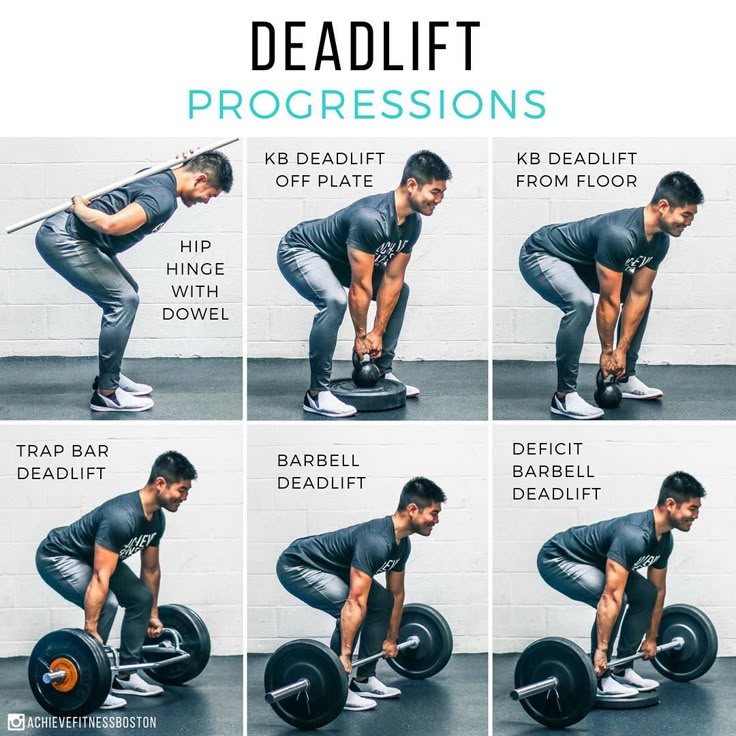
Mastering the proper form and technique in deadlifts is paramount for safety and optimal results. A well-executed deadlift engages multiple muscle groups, promotes strength development, and significantly contributes to overall fitness. By focusing on precise movements and consistent form, lifters can maximize the benefits of the exercise while minimizing the risk of injury.
Setting Up for a Deadlift
Proper setup is the foundation of a safe and effective deadlift. It establishes a stable base and positions the lifter to efficiently transfer force from the ground to the bar. Precise foot placement, bar position, and grip width are critical for optimal performance and injury prevention.
- Foot Placement: Position your feet shoulder-width apart or slightly wider, ensuring your feet are flat on the floor. Your feet should be directly beneath your hips, providing a stable base for leverage. This stable base is essential for transferring force to the bar effectively. Proper foot placement minimizes stress on the lower back.
- Bar Position: Position the bar directly over the mid-foot. This central alignment ensures even weight distribution and prevents the bar from pulling your body out of alignment. This precise positioning allows you to maintain a balanced posture throughout the lift.
- Grip Width: Grip the bar slightly wider than shoulder-width apart. A wider grip will provide greater leverage, facilitating the lift and reducing stress on the lower back. Adjust the grip width to accommodate your body type and the specific weight being lifted.
Executing the Deadlift
Executing the deadlift requires a controlled and coordinated movement, maintaining tension throughout the entire lift. This controlled movement is crucial to avoid strain on the back.
- Initiation: Begin the lift by keeping your back straight and your core engaged. Maintaining a neutral spine is essential throughout the lift. Simultaneously, push through your heels to lift the bar.
- The Lift: As you lift the bar, maintain a straight back and a tight core. Keep your chest up and your shoulders back. This controlled and deliberate approach ensures the lift is executed correctly, minimizing the risk of injury.
- Maintaining Tension: Maintain tension in your entire body throughout the lift. This helps stabilize your posture and prevents unwanted movements or imbalances.
Controlling the Eccentric Phase
The eccentric phase, or lowering the weight, is crucial for injury prevention. It involves a controlled and deliberate lowering of the bar.
- Controlled Descent: Lower the bar slowly and under control, maintaining a straight back. Avoid jerking or dropping the bar. Control the descent to avoid straining your back and joints.
- Maintaining Tension: Maintain tension in your back and core muscles throughout the lowering phase. This controlled descent and maintained tension will help prevent injuries.
- Full Range of Motion: Ensure the bar returns to the floor without causing discomfort or straining your body.
Common Deadlift Form Mistakes and Corrections
Consistent practice and awareness of potential form errors are key to improving technique and preventing injuries. Recognizing and correcting these errors is crucial for optimizing your deadlift.
| Form Mistake | Correction |
|---|---|
| Rounded back | Engage your core and maintain a neutral spine throughout the lift. Ensure your shoulders are back and down. |
| Jerking the bar | Lower the bar slowly and under control. Avoid jerking or dropping the bar during both the ascent and descent. |
| Lifting with your back instead of your legs | Focus on pushing through your heels and engaging your legs. Maintain a straight back throughout the lift. |
| Poor grip | Ensure a firm and secure grip on the bar. If needed, use lifting straps. |
Warm-up and Cool-down Routines
Proper warm-up and cool-down routines are crucial for preparing your body for the demands of deadlifts and promoting recovery afterward. These routines help prevent injuries, improve performance, and reduce muscle soreness. A well-structured warm-up gradually increases blood flow to the muscles, while a proper cool-down aids in the removal of metabolic byproducts, promoting faster recovery.Effective warm-up and cool-down procedures are essential components of any training program.
They are vital for optimizing performance, preventing injuries, and promoting recovery. By preparing the body for the stresses of deadlifts and facilitating the recovery process, these routines contribute significantly to long-term health and fitness.
Sample Warm-up Routine for Deadlifts
A comprehensive warm-up routine should prepare your body for the physical demands of deadlifts. It should encompass dynamic stretches and light cardio to increase blood flow, improve flexibility, and elevate body temperature.
- Light Cardio (5-10 minutes): Activities like jogging in place, jumping jacks, or high knees help increase heart rate and blood flow to the muscles. This prepares the cardiovascular system for the workout and enhances oxygen delivery to working muscles.
- Dynamic Stretching (5-10 minutes): Dynamic stretches involve controlled movements that mimic the actions of the deadlift. These improve range of motion and prevent injuries.
- Leg Swings (forward and backward): These improve hip mobility, which is crucial for the deadlift. Focus on controlled movements and avoid jerking.
- Torso Twists: Improve spinal flexibility, a key element for maintaining a neutral spine during the deadlift. Keep your core engaged and maintain a controlled pace.
- Arm Circles (forward and backward): Improve shoulder mobility and prepare the arms for the pulling motion. Start with smaller circles and gradually increase the range of motion.
- Glute-Ham Raises (partial reps): This dynamic stretch targets the hamstrings and glutes, crucial for deadlift performance and injury prevention. Focus on controlled movements, not force.
- Walking Lunges: Prepare the quads, glutes, and hamstrings for the compound movement of the deadlift. Maintain a controlled pace and a stable posture.
Detailed Cool-down Routine
A proper cool-down routine is essential to aid in the recovery process after deadlifting. It facilitates the removal of metabolic byproducts and helps prevent muscle soreness.
- Static Stretching (5-10 minutes): Static stretches involve holding a position for a period of time to lengthen muscles. This helps improve flexibility and reduce muscle soreness. Examples include holding a hamstring stretch, quad stretch, and lower back stretch. Remember to focus on the muscles used during the deadlift, such as the hamstrings, lower back, and glutes.
- Light Cardio (5-10 minutes): Gentle activities like brisk walking or cycling can aid in the removal of metabolic byproducts from the muscles and promote circulation. This helps in recovery and reduces muscle soreness.
Importance of Proper Warm-up and Cool-down
Proper warm-up and cool-down procedures are not merely optional additions to a workout. They are integral parts of a safe and effective training program. Warm-up routines prepare the body for physical exertion, while cool-down routines aid in the recovery process.
- Injury Prevention: By gradually increasing blood flow and preparing muscles for the demands of deadlifts, a warm-up reduces the risk of strains, tears, and other injuries. A cool-down helps prevent delayed-onset muscle soreness (DOMS).
- Improved Performance: A proper warm-up enhances muscle performance and flexibility, leading to better form and improved lift results. Cool-down routines contribute to faster recovery, allowing for better preparation for subsequent workouts.
- Reduced Muscle Soreness: The removal of metabolic byproducts during a cool-down minimizes the build-up of lactic acid and other substances that contribute to muscle soreness. This helps in faster recovery and reduces discomfort.
Types of Dynamic Stretching Exercises
Dynamic stretches involve controlled movements that mimic the actions of the deadlift. These stretches improve range of motion, increase blood flow, and prepare the muscles for the workout.
- Leg Swings: These improve hip mobility and flexibility, crucial for maintaining a stable and efficient deadlift form.
- Torso Twists: Improve spinal mobility and prevent lower back strain, which is common during deadlifts.
- Arm Circles: Prepare the shoulders and upper body for the pulling motion, minimizing the risk of shoulder injuries.
- Glute-Ham Raises (Partial Reps): This targets the hamstrings and glutes, which are vital for the deadlift. Partial reps help improve flexibility and prevent injury.
- Walking Lunges: These target the quads, glutes, and hamstrings, preparing them for the demanding compound movement of the deadlift. They also improve balance and coordination.
Benefits of Warm-up and Cool-down Exercises
The benefits of these exercises extend beyond just preparing the body for the workout and promoting recovery.
- Increased Blood Flow: Warm-up exercises increase blood flow to the muscles, delivering more oxygen and nutrients for optimal performance.
- Improved Flexibility: Both dynamic and static stretching improve flexibility, enhancing the range of motion needed for the deadlift.
- Reduced Risk of Injury: Proper warm-up and cool-down routines significantly reduce the risk of muscle strains, tears, and other injuries.
- Faster Recovery: Cool-down routines aid in the removal of metabolic byproducts, promoting faster recovery and reducing muscle soreness.
Lifting Weights Safely
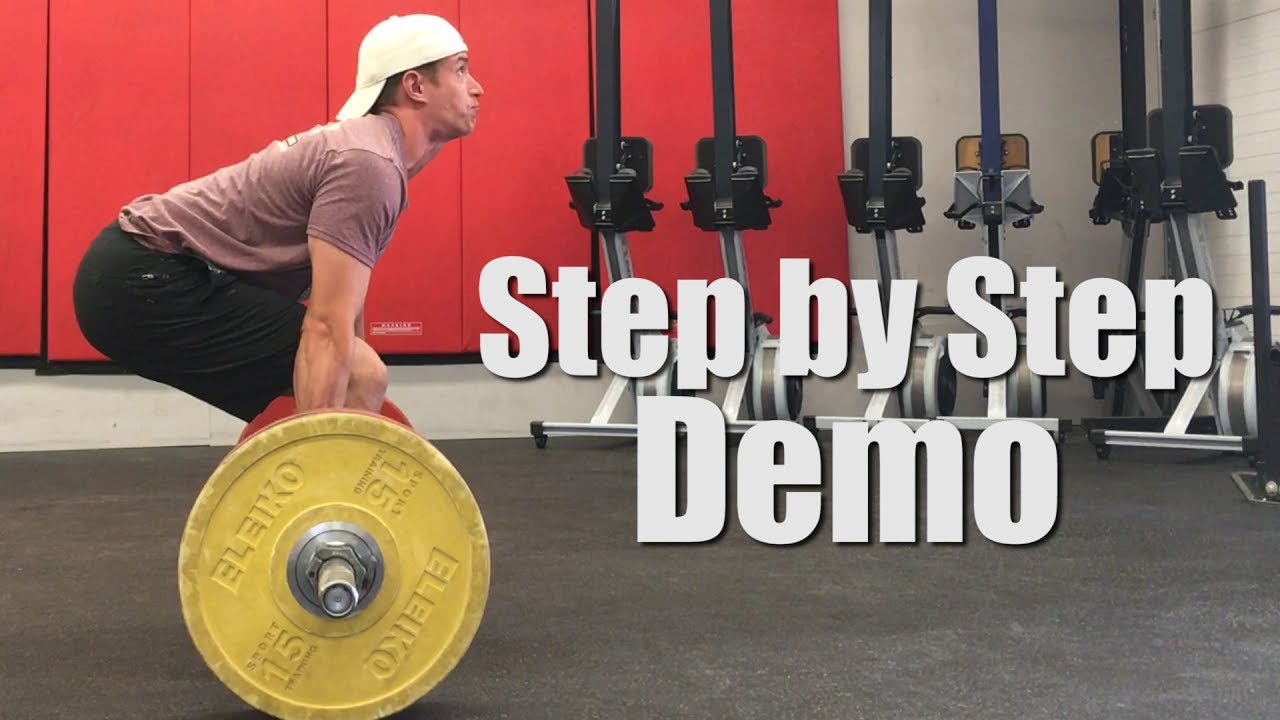
Proper weight selection and technique are paramount to preventing injuries during deadlifts. Understanding your limitations and consistently employing correct form minimizes the risk of strain, tears, or other musculoskeletal issues. A crucial aspect of safe weightlifting is the understanding and implementation of proper spotter technique, which is a key element in preventing severe injuries.
Selecting Appropriate Weights
Choosing weights that align with your current strength level is vital. Beginners should start with lighter weights and gradually increase the load as strength improves. Rushing the weight increase can lead to poor form and increase the risk of injury. A common mistake is attempting to lift too much weight too quickly, leading to compromised form and potential harm.
Using a weight that allows you to maintain proper form throughout the entire lift is essential. A good rule of thumb is to choose a weight that allows you to complete 8-12 repetitions with good form.
Importance of Proper Lifting Technique
Maintaining proper form during deadlifts is critical for injury prevention. Proper technique involves a controlled movement, maintaining a neutral spine, and engaging core muscles to stabilize the body. Incorrect form can lead to spinal strain, lower back pain, and injuries to other joints. For example, a rounded back during the lift can lead to severe spinal compression and potential disc injuries.
A consistent and meticulous approach to form is crucial.
The Role of Spotters
Spotters play a vital role in preventing injuries during heavy deadlifts. They act as a safety net, providing support and assistance to the lifter. Spotters are not merely present; they are an active participant in the lift, ensuring the lifter can maintain proper form and prevents the lift from going wrong.
Proper Spotter Technique and Communication
Effective communication and a clear understanding of spotter responsibilities are essential. Spotters should stand on the lifter’s side, providing support as needed. Clear and concise verbal cues are critical to help the lifter maintain proper form. For example, a spotter should be prepared to immediately provide support if the lifter struggles to lift the weight or experiences difficulty with the movement.
Spotters should always be ready to guide the lifter in a controlled manner back down if necessary. Spotters should communicate with the lifter throughout the lift to ensure the lifter understands the demands of the weight and maintain proper form.
Gradual Weight Increase Strategies
| Method | Description | Example |
|---|---|---|
| Progressive Overload (Linear Increase) | Gradually increasing the weight by a consistent amount over time. | Increasing the weight by 2.5kg or 5lbs each session. |
| Periodization | Systematic variation in training intensity and volume over time. | Alternating between heavy and light weightlifting sessions. |
| Variable Resistance | Using different resistance methods (e.g., chains, bands) to alter the load during the lift. | Utilizing weightlifting bands that provide increasing resistance as the lift progresses. |
| Tempo Training | Adjusting the speed of the lift to focus on specific muscle groups. | Slow eccentric contractions (lowering the weight slowly) to build strength and control. |
The table above Artikels various methods to increase the weight safely while maintaining proper form. Implementing these strategies allows lifters to progressively challenge themselves without jeopardizing their safety. This approach promotes controlled and sustainable gains in strength.
Common Injuries and Prevention
The deadlift, a powerful compound exercise, can lead to various injuries if not performed with proper technique and precautions. Understanding the potential risks and implementing preventive measures is crucial for safe and effective training. A comprehensive approach to injury prevention involves a thorough warm-up, appropriate weight selection, and meticulous attention to form.Proper form and technique, coupled with a diligent warm-up and cool-down routine, are pivotal in mitigating the risk of injuries during deadlifts.
Recognizing common pitfalls and implementing corrective strategies are essential for injury prevention.
Back Injuries
Back injuries are a significant concern when performing deadlifts. These injuries can range from muscle strains to more severe conditions like herniated discs. Maintaining a neutral spine throughout the lift is paramount. Lifting weights that are too heavy for your current strength level can put excessive strain on the back muscles and spinal structures. Poor posture, including a rounded back or a swayed lower back, significantly increases the risk of back injuries.
Hamstring Strains
Hamstring strains are another common injury associated with deadlifts. These injuries are typically caused by insufficient flexibility in the hamstrings, which can lead to overstretching during the lifting phase. Inadequate warm-up routines, particularly those focusing on hamstring flexibility, can increase the likelihood of strains. Rapid or jerky movements during the lift can also place excessive stress on the hamstrings, resulting in injury.
A thorough warm-up that includes dynamic stretches targeting the hamstrings is essential for injury prevention. Maintaining a controlled and consistent lifting tempo minimizes the risk of sudden movements.
Grip Injuries
Grip injuries, such as calluses, tendonitis, and even fractures, can occur during deadlifts. The considerable grip force required during the lift can put significant strain on the hands, wrists, and forearms. Using appropriate lifting straps and practicing proper hand positioning can reduce the risk of these injuries. Using chalk or specialized grip aids can help enhance grip strength and reduce the risk of slippage.
Proper hand placement, including maintaining a wide grip, can minimize the strain on the wrists and forearms.
Knee Injuries
Knee injuries, including patellar tendonitis and meniscus tears, can occur during deadlifts, especially if the lift is performed with improper form. Maintaining a straight back and knees throughout the lift, and ensuring that the knees track in line with the toes, is critical in preventing knee injuries. Using proper lifting technique, focusing on maintaining a stable and controlled movement, minimizes the risk of knee strain.
Progressive overload, incrementally increasing the weight lifted over time, helps to avoid sudden stress on the knees.
Importance of Listening to Your Body
Recognizing the signals your body sends is crucial for injury prevention. Pain is a warning sign, and it’s essential to listen to it. If you experience any discomfort or pain during a deadlift, stop the lift immediately. Continuing to lift through pain can exacerbate the injury and lead to long-term problems. Gradually increasing the weight lifted, along with focusing on proper form, helps to prevent injuries.
Proper Warm-up and Cool-down
A comprehensive warm-up routine that includes dynamic stretches and light cardio is vital before performing deadlifts. This helps prepare the muscles for the demanding exercise and reduces the risk of injury. A cool-down routine that involves static stretches targeting the major muscle groups involved in the deadlift helps to promote recovery and reduce muscle soreness. The warm-up routine should focus on increasing blood flow and flexibility in the back, hamstrings, and lower body.
The cool-down routine should involve static stretching, holding each stretch for 20-30 seconds, to improve flexibility and reduce muscle soreness.
Preventive Exercises
A variety of exercises can help enhance flexibility, strength, and stability, reducing the risk of common deadlift injuries. Exercises such as hamstring stretches, back extensions, and hip hinges can improve flexibility and strength in the relevant muscle groups. Strengthening the core muscles can improve overall stability and support the spine during deadlifts. Examples of exercises that can be incorporated into a routine include planks, Russian twists, and dead bugs.
Progression and Adaptation
Progressive overload is crucial for continued strength gains in the deadlift. It involves systematically increasing the demands placed on your muscles over time, forcing them to adapt and become stronger. This principle applies not only to the weight lifted but also to the volume (sets and reps) and frequency of training. Understanding how to implement progressive overload safely and effectively is key to avoiding injuries and maximizing results.Progressive overload is achieved by gradually increasing the stressors on the body.
This can involve increasing the weight lifted, the number of repetitions performed, the number of sets completed, or the frequency of training sessions. The key is consistency and careful monitoring of your body’s response. A well-structured program allows your body to adapt to the increased demands while minimizing the risk of injury.
Methods of Progressive Overload
Implementing progressive overload requires careful consideration of different approaches. Simply adding weight to the bar each workout may not be the most effective or safest strategy. A balanced approach that considers all aspects of the training process is recommended.
- Increasing Weight: Gradually increasing the weight lifted is a fundamental aspect of progressive overload. Start with a weight that allows you to perform the exercise with good form for the prescribed number of repetitions. As your strength improves, incrementally increase the weight by a small amount (e.g., 2.5 to 5 pounds) each workout or session. Be cautious not to increase the weight too quickly, as this can lead to injury.
Focus on maintaining proper form throughout the lift.
- Increasing Repetitions/Sets: Once you can comfortably lift a certain weight for a set number of repetitions, you can increase the number of repetitions or sets. For instance, if you can consistently perform 5 repetitions of a deadlift with a particular weight, you can progressively increase the repetitions to 6, 7, or 8. Or, if you can perform 3 sets of 5 repetitions, increase the sets to 4 or 5.
- Increasing Training Frequency: Gradually increasing the frequency of your training sessions can also be a method of progressive overload. For example, if you currently train deadlifts twice a week, you could increase it to three times a week. However, consider your recovery capabilities. This should be a gradual adjustment, based on your body’s ability to recover between sessions.
Adjusting Your Training Program
A flexible and adaptable training program is vital to support your body’s needs. Your body will experience fluctuations in its ability to recover and adapt. Therefore, it is essential to monitor your performance, and make adjustments to your program as needed. This might involve decreasing the weight, reducing the number of repetitions or sets, or taking additional rest days to allow your body to recover fully.
- Rest and Recovery: Rest is crucial for muscle repair and growth. Adequate rest periods between sets, workouts, and even weeks are essential for optimal performance and injury prevention. Listen to your body and adjust your training program accordingly. Overtraining can lead to burnout, decreased performance, and increased risk of injury. Listen to your body and take rest days when needed.
- Monitoring Progress and Form: Regularly assess your performance in the deadlift. Track your weight, repetitions, and sets. Monitor your form to ensure you’re maintaining proper technique as you progress. Adjusting the program based on your progress is vital to avoid plateaus and ensure continued strength gains.
- Varying Deadlift Variations: Incorporating different variations of the deadlift into your training program can help target different muscle groups and prevent plateaus. For example, Romanian deadlifts (RDLs) emphasize hamstring development, while sumo deadlifts work the inner thighs and hips. Introducing variations into your routine can provide a fresh stimulus for your muscles.
Deadlift Variations for Progression
Different deadlift variations can target different muscle groups and offer alternative challenges to the conventional deadlift. Understanding these variations and how to incorporate them is essential for a comprehensive strength training program.
- Romanian Deadlifts (RDLs): Focus on hamstring development and posterior chain strength. They are a great way to build strength and improve form before progressing to heavier conventional deadlifts.
- Sumo Deadlifts: Emphasize inner thigh and hip strength. The wider stance in sumo deadlifts can be beneficial for individuals with limited mobility or a specific strength goal.
- Conventional Deadlifts: The fundamental deadlift variation, emphasizing overall posterior chain strength and total body power. This is often the primary lift in a program.
- Stiff-legged Deadlifts: A variation that focuses on the lower back and hamstring muscles. It provides an alternative challenge and can help improve form.
Illustrative Examples and Visual Aids
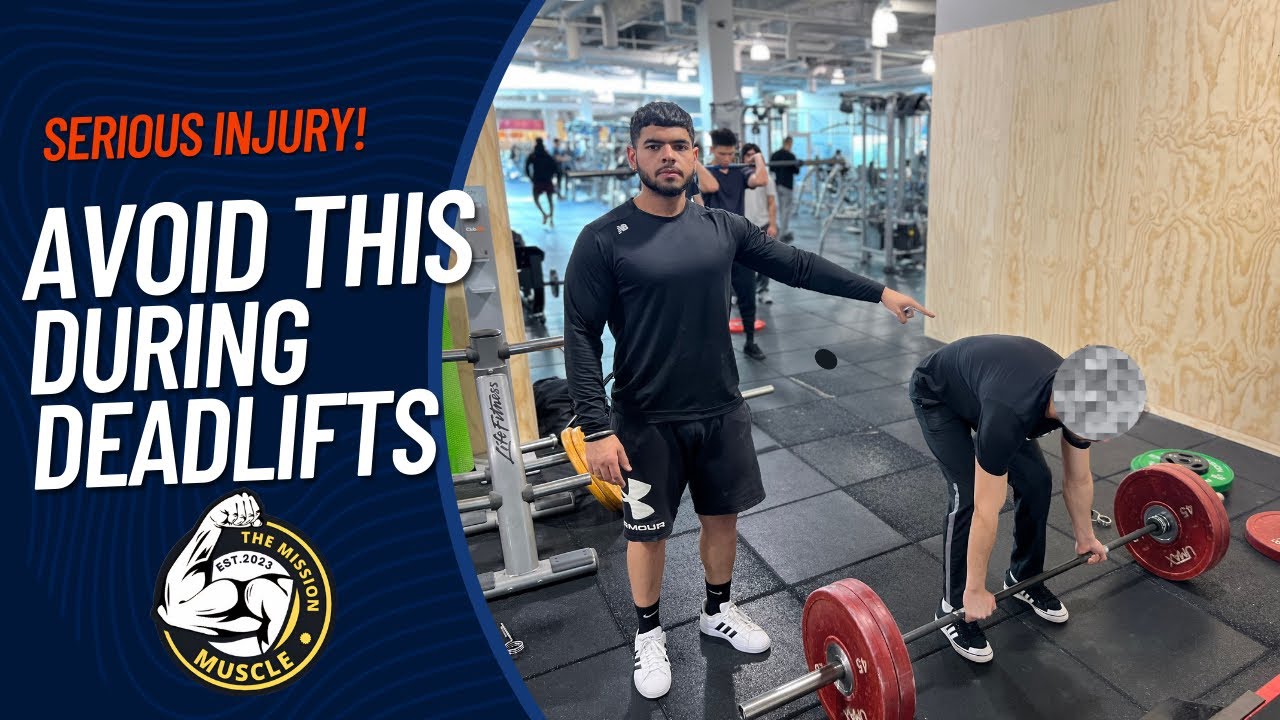
Visual aids play a crucial role in understanding and mastering the deadlift technique. Clear, step-by-step demonstrations and comparisons between proper and improper form help solidify understanding and minimize the risk of injury. Visual representations of muscle engagement further enhance comprehension of the exercise’s impact on the body.
Step-by-Step Visual Representation of the Deadlift
A visual demonstration of the deadlift, from the starting position to the finish, significantly aids in learning the technique. Each step should be carefully depicted to highlight the critical aspects of proper form.
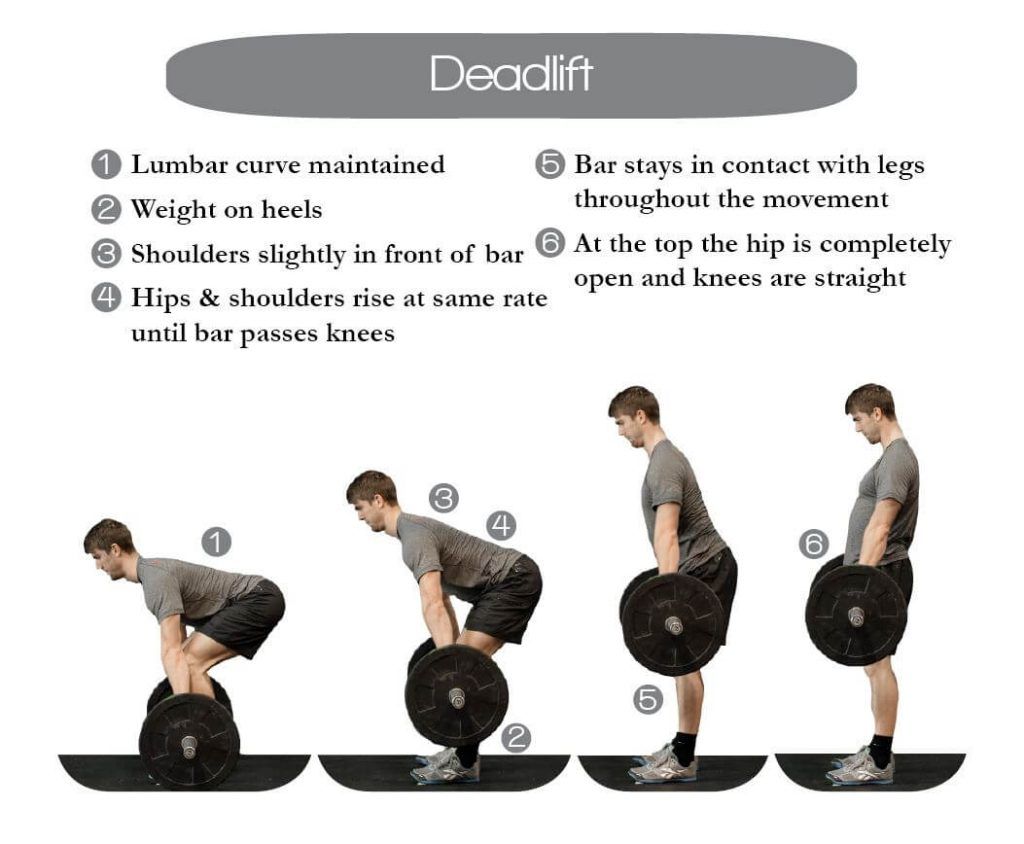
- Starting Position: The lifter stands with feet shoulder-width apart, positioned directly beneath the bar. The back is straight, shoulders back and down, and the core engaged. The grip on the bar is slightly wider than shoulder-width, ensuring a secure and comfortable hold. The lifter’s shins are in close contact with the bar, and the head is aligned with the spine.
- Initiating the Lift: The lifter begins the lift by hinging at the hips, keeping the back straight. The chest remains up, and the shoulders are pulled back. The bar remains close to the body throughout this phase.
- The Ascent: As the lifter progresses, the hips continue to extend, and the knees straighten. The entire body moves in a coordinated upward motion. The bar should remain close to the body and in line with the shins throughout the ascent.
- Standing Up: The lifter stands fully upright, maintaining a straight back and engaged core. The bar is held close to the body. The head remains in line with the spine.
- The Return: The lifter slowly lowers the bar to the ground, maintaining the same form as the ascent, with a controlled descent. The back stays straight and the core engaged throughout the entire movement.
Proper vs. Improper Deadlift Form
Understanding the difference between proper and improper form is essential for injury prevention. Visual examples highlight the key distinctions.
- Proper Form: A straight back, engaged core, and a controlled movement throughout the lift. The bar remains close to the body, and the lifter maintains a neutral spine. The hips hinge, and the knees remain aligned with the feet. This ensures efficient power transfer and reduces the risk of injury.
- Improper Form: A rounded back, a lack of core engagement, and an uncontrolled movement. The bar may be held too far away from the body, or the lifter may bend at the waist. The knees may cave in or the back may lose its alignment. This form increases the risk of injury to the lower back, shoulders, and knees.
Graphic of Correct Posture and Alignment
A graphic depicting the correct posture and alignment during a deadlift provides a visual representation of the optimal form. The graphic should clearly show the alignment of the spine, shoulders, hips, knees, and feet. This visual aid allows for quick identification of key areas to maintain proper alignment.(Please note: I cannot create a graphic here, but a properly designed graphic would illustrate the correct posture, highlighting the alignment of the spine, shoulders, hips, knees, and feet.)
Infographic of Muscle Groups Engaged
An infographic illustrating the muscle groups engaged during the deadlift visually represents the exercise’s comprehensive effect on the body. The infographic should clearly label the major muscle groups, showcasing their involvement in the movement. This graphic helps lifters understand the full range of muscle activation.(Please note: I cannot create an infographic here, but a properly designed infographic would visually display the muscles engaged in the deadlift, highlighting their roles in the movement.)
Wrap-Up
In conclusion, safely executing deadlifts requires a multifaceted approach encompassing proper form, thorough warm-up and cool-down routines, appropriate weight selection, and injury prevention strategies. This guide provides a comprehensive framework for mastering the deadlift, enabling you to build strength and achieve your fitness goals while minimizing the risk of injury. Remember to listen to your body and adjust your training program as needed.