Embarking on a fitness journey can feel daunting, but starting a workout routine doesn’t have to be overwhelming. This comprehensive guide provides a roadmap for beginners, offering practical steps, realistic goals, and valuable insights to help you successfully launch your fitness adventure. From creating a tailored workout schedule to understanding essential nutrition and equipment, we’ll equip you with the knowledge and resources needed to achieve your fitness aspirations.
This guide will help you understand the initial steps, setting realistic expectations, choosing suitable exercises, creating a workout routine, and understanding nutrition and hydration. We will cover safety precautions, common injuries, and how to progress effectively. By following these steps, you can transform your fitness journey into a rewarding and sustainable lifestyle.
Initial Steps for Starting a Workout Routine
Embarking on a new workout routine can be an exciting journey towards a healthier and more active lifestyle. However, a well-structured approach is crucial for maximizing benefits and minimizing potential risks. This section provides a step-by-step guide to creating a beginner workout plan, highlighting essential considerations and precautions.Starting a workout routine involves more than just choosing exercises. A balanced approach that considers your current fitness level, health status, and goals is paramount.
Understanding the initial steps will set a solid foundation for long-term success.
Creating a Beginner Workout Plan
A beginner workout plan should focus on building a sustainable routine rather than achieving immediate, intense results. Gradual progression is key to avoiding injuries and fostering a positive relationship with exercise.
- Assess Your Current Fitness Level: Before starting any new workout routine, honestly evaluate your current physical capabilities. Consider your baseline activity level, any existing injuries, and any underlying health conditions. This self-assessment is vital for tailoring the plan to your individual needs and limitations.
- Set Realistic Goals: Begin with achievable goals. Aim for gradual improvements in strength, endurance, and flexibility. Focus on consistency rather than intensity in the initial stages. For example, aiming for 30 minutes of moderate-intensity exercise three times a week is more realistic and sustainable than aiming for an hour of high-intensity training daily.
- Choose Appropriate Exercises: Select exercises that target major muscle groups, such as cardio, strength training, and flexibility. Prioritize compound exercises that engage multiple muscle groups simultaneously, like squats, lunges, and push-ups. Start with bodyweight exercises if possible. If you choose to use weights, begin with lighter weights and gradually increase the load.
- Establish a Consistent Schedule: Consistency is critical to building lasting habits. Select a schedule that you can realistically maintain. Aim for regular workouts, even if it’s just 15-30 minutes a few times a week. Schedule your workouts like any other important appointment.
Importance of Consulting a Healthcare Professional
Consulting a healthcare professional before starting any new workout routine is crucial for ensuring safety and efficacy. Medical professionals can assess your health status, identify any potential risks, and provide personalized recommendations.
A healthcare professional can provide valuable insight into your specific health needs and limitations, allowing you to tailor your workout plan to your individual requirements. This proactive step can help prevent injuries and ensure the safety and effectiveness of your fitness journey. This consultation is vital for individuals with pre-existing conditions or those considering more intense workout regimens.
Common Mistakes Beginners Make
Beginners often make mistakes that hinder their progress and potentially lead to injuries. Understanding these common pitfalls allows for proactive measures to avoid them.
- Overtraining: Starting too intensely can lead to burnout and injury. Begin with a manageable workload and gradually increase the intensity and duration of workouts over time. Listen to your body and take rest days when needed.
- Inadequate Warm-up and Cool-down: Proper warm-up and cool-down routines are essential for preparing the body for exercise and preventing injuries. Dynamic stretching and light cardio can help prepare muscles for the workout. Static stretching after the workout aids in muscle recovery.
- Ignoring Proper Form: Poor form during exercises can lead to injuries and limit effectiveness. Focus on maintaining correct posture and technique, especially when using weights. Consider seeking guidance from a qualified fitness professional if needed.
Sample Weekly Workout Schedule for Beginners
This sample schedule offers a flexible framework for beginner workouts, adaptable to various intensity levels.
| Day | Low Intensity | Moderate Intensity | High Intensity |
|---|---|---|---|
| Monday | Walking (30 minutes) | Cycling (30 minutes) | Bodyweight circuit (20 minutes) |
| Tuesday | Yoga (60 minutes) | Strength training (30 minutes) | HIIT (20 minutes) |
| Wednesday | Rest | Walking (30 minutes) | Bodyweight circuit (20 minutes) |
| Thursday | Stretching (30 minutes) | Yoga (60 minutes) | Strength training (30 minutes) |
| Friday | Walking (30 minutes) | Cycling (30 minutes) | HIIT (20 minutes) |
| Saturday | Rest | Rest | Rest |
| Sunday | Rest | Rest | Rest |
Necessary Equipment and Supplies
The necessary equipment varies depending on the chosen workout type. This table provides a guideline for home and gym workouts.
| Workout Type | Equipment | Supplies |
|---|---|---|
| Home Workouts | Yoga mat, resistance bands, dumbbells (optional) | Water bottle, workout clothes, towel |
| Gym Workouts | Weights, machines, treadmills, stationary bikes (various) | Water bottle, workout clothes, towel, gym bag |
Setting Realistic Goals and Expectations
Embarking on a fitness journey requires a thoughtful approach to goal-setting. Vague or unrealistic expectations can lead to frustration and abandonment. Conversely, establishing clear, achievable goals provides motivation and a roadmap for progress. This section will guide you through the process of setting realistic fitness goals and maintaining consistent effort.Setting realistic fitness goals is crucial for sustained motivation and progress.
Unrealistic expectations often lead to disappointment and abandonment of the workout routine. Conversely, attainable goals foster a sense of accomplishment, encouraging continued participation and positive outcomes.
Significance of Achievable Fitness Goals
Realistic fitness goals are essential for long-term success. They provide a tangible measure of progress, allowing individuals to track their improvement and stay motivated. Goals that are too ambitious can be demotivating and lead to burnout. Instead, focus on achievable targets that challenge you but remain within reach. This gradual progression fosters a sense of accomplishment and reinforces the habit of exercise.
Gradual Progress and Avoiding Overexertion
Gradual progress is paramount in any fitness journey. Jumping into intense workouts without proper preparation can lead to injuries and hinder long-term progress. Start with manageable exercises and gradually increase the intensity, duration, and frequency of your workouts. Listening to your body’s signals and taking rest days when needed is vital for preventing overexertion. This approach promotes a sustainable and injury-free fitness routine.
Tracking Workout Progress and Adjusting Goals
Tracking your workout progress is a key component of goal adjustment. Maintain a log of your workouts, noting the exercises performed, sets, repetitions, and duration. Regularly assess your performance and make necessary adjustments to your goals. If you notice a plateau in your progress, consider modifying your routine to introduce new challenges or adjust the intensity. This adaptability is critical for maintaining motivation and achieving long-term results.
Examples of Realistic Fitness Goals
| Category | Short-Term Goal (1-3 months) | Long-Term Goal (6-12 months) |
|---|---|---|
| Cardio | Increase walking duration by 15 minutes per session. | Run a 5k comfortably. |
| Strength Training | Complete 3 sets of 10 repetitions for 3 exercises. | Increase weight lifted by 10% for 2 exercises. |
| Flexibility | Hold each stretch for 30 seconds. | Perform a full yoga routine with ease. |
These are just examples; tailor your goals to your individual needs and preferences.
Maintaining Consistency in Workouts and Staying Motivated
Consistency is key to achieving fitness goals. Establish a regular workout schedule and stick to it as much as possible. Find ways to make exercise enjoyable, such as listening to music, working out with a friend, or exploring different activities. Remember to reward yourself for milestones achieved, both big and small. Celebrate successes and learn from setbacks, maintaining a positive and supportive mindset.
Choosing the Right Types of Exercises
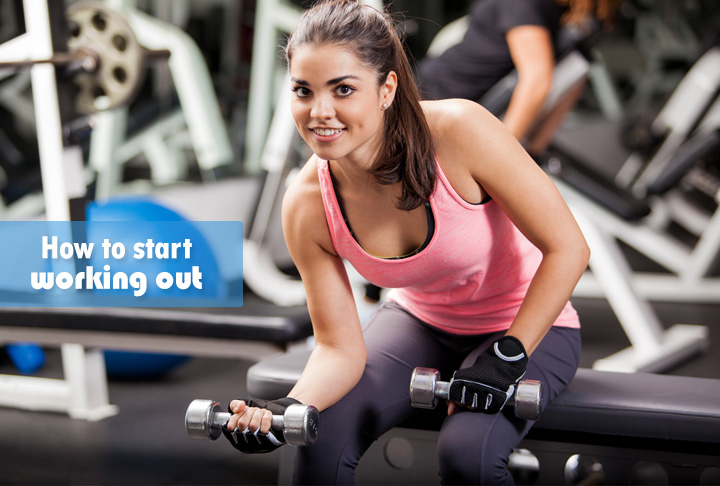
Selecting appropriate exercises is crucial for a successful and enjoyable workout journey. Understanding the different types of exercises and their benefits will empower you to create a personalized routine that aligns with your fitness goals and preferences. This section will guide you through choosing the right exercises for beginners, considering various approaches and their potential advantages and disadvantages.Effective exercise programs encompass a combination of cardiovascular activities, strength training, and flexibility exercises.
A well-rounded routine promotes overall fitness, enhances physical performance, and contributes to long-term well-being.
Cardiovascular Exercises
Cardiovascular exercises, or cardio, are essential for improving heart health, increasing endurance, and burning calories. They involve continuous movement that elevates your heart rate. These activities are vital for maintaining a healthy weight, reducing the risk of chronic diseases, and improving overall physical fitness.
- Brisk walking: A simple and accessible cardio activity, suitable for all fitness levels. It can be easily incorporated into daily routines, such as walking to work or during breaks. It’s a low-impact exercise that puts minimal stress on joints.
- Running: A more intense cardio exercise that requires more physical exertion. Running improves cardiovascular health, builds endurance, and burns a significant number of calories. While effective, running may pose higher risk of joint pain compared to brisk walking, requiring appropriate warm-up and cool-down.
- Cycling: An excellent cardio option, especially for those with joint issues. Cycling strengthens leg muscles and improves cardiovascular health. Indoor or outdoor cycling can be adjusted to suit varying fitness levels.
- Swimming: A full-body workout that’s gentle on the joints. Swimming improves cardiovascular health, builds strength, and enhances endurance. It’s an ideal option for people of all ages and fitness levels.
Strength Training Exercises
Strength training builds muscle mass, increases bone density, and boosts metabolism. It’s essential for maintaining functional strength and preventing age-related muscle loss. Strength training exercises use resistance, such as weights or bodyweight, to challenge muscles and stimulate growth.
- Bodyweight exercises: These exercises utilize your own body weight as resistance, making them accessible and convenient. Examples include push-ups, squats, lunges, and planks. Bodyweight exercises are excellent for building strength and muscle endurance, but may not be sufficient for significant muscle growth in advanced stages.
- Using weights: Weight training involves using dumbbells, barbells, or resistance machines to provide resistance for exercises. This method allows for greater customization of intensity and progression. Weights allow for progressive overload, enabling gradual increases in strength and muscle mass, but may require more space and equipment.
Flexibility Exercises
Flexibility exercises improve joint range of motion, reduce muscle stiffness, and enhance overall body awareness. These exercises are crucial for preventing injuries and maintaining a healthy posture. Examples include stretching, yoga, and Pilates.
- Stretching: Static stretching involves holding a stretch for a set period, promoting muscle relaxation and improving flexibility. Dynamic stretching involves moving through a range of motions to increase blood flow and prepare muscles for activity. Both types are important for maintaining flexibility and preventing injuries.
- Yoga: A mind-body practice that combines physical postures (asanas), breathing techniques (pranayama), and meditation. Yoga enhances flexibility, strength, balance, and mental well-being. It’s a great option for beginners as it can be adjusted to suit various fitness levels.
- Pilates: A system of exercises that focuses on core strength, flexibility, and posture. Pilates emphasizes controlled movements and proper alignment, improving core strength, stability, and flexibility. Pilates is beneficial for strengthening the core and improving posture.
Selecting Exercises Targeting Specific Muscle Groups
Choosing exercises that target specific muscle groups allows for a more focused and effective workout. Identifying the muscle groups you want to work on will allow you to choose exercises that target them directly.
- Chest: Push-ups, bench press (using weights), incline dumbbell press
- Back: Pull-ups, rows (using weights), lat pulldowns
- Legs: Squats, lunges, deadlifts (using weights)
- Shoulders: Overhead press (using weights), lateral raises (using weights)
- Arms: Bicep curls (using weights), triceps extensions (using weights)
Benefits and Drawbacks of Different Exercise Types
Different exercise types offer varying benefits and drawbacks. Understanding these will help you make informed decisions about your workout routine.
| Exercise Type | Benefits | Drawbacks |
|---|---|---|
| Cardio | Improved cardiovascular health, weight management, stress reduction | May require more time commitment, potential for joint strain |
| Strength Training | Increased muscle mass, bone density, metabolism boost | May require equipment or specialized knowledge, potential for muscle soreness |
| Flexibility | Improved range of motion, reduced muscle stiffness, injury prevention | May not provide significant calorie burn, requires consistent practice |
Creating a Workout Schedule and Routine

A well-structured workout schedule is crucial for consistent progress and injury prevention. It provides a roadmap for your fitness journey, ensuring you dedicate time to exercise and maintain a healthy balance. A tailored schedule also helps track your improvements over time, allowing you to adjust your routine as needed.
Designing a Sample Weekly Workout Schedule for Beginners
A beginner’s workout schedule should prioritize gradual progression and consistency. Overtraining can lead to injuries and demotivation. The following is a sample schedule, adaptable to individual needs:
- Monday: Light cardio (e.g., brisk walking, jogging) for 30 minutes, followed by bodyweight exercises (e.g., squats, push-ups, lunges) for 20-30 minutes.
- Tuesday: Rest or light activity (e.g., stretching, yoga).
- Wednesday: Strength training focusing on upper body (e.g., dumbbell rows, bicep curls, overhead press) for 30 minutes.
- Thursday: Rest or light activity.
- Friday: Cardio (e.g., cycling, swimming) for 30 minutes, followed by core exercises (e.g., planks, crunches, leg raises) for 20 minutes.
- Saturday: Active recovery (e.g., light hike, leisurely bike ride).
- Sunday: Complete rest or a very light activity like stretching.
Incorporating Rest Days into the Schedule
Rest days are vital for muscle repair and recovery. They prevent overtraining, reduce the risk of injuries, and allow your body to adapt effectively to the training stimulus. Adequate rest enables your muscles to rebuild stronger and more resilient.
- Rest days are crucial for allowing your muscles to repair and grow. Without sufficient rest, you risk injury and impede progress.
- Scheduling rest days into the routine is a proactive measure to prevent overtraining.
- Rest can be achieved through complete inactivity, or through light activities such as stretching, yoga, or very light cardio.
Adapting the Schedule Based on Individual Needs and Progress
Individual needs and progress necessitate adjustments to the schedule. A beginner’s schedule should be gradually progressed over time. As fitness levels improve, the intensity, duration, and frequency of workouts can be increased.
- Beginners should start with a lower volume and intensity, gradually increasing over weeks or months as fitness improves.
- Listen to your body and adjust the schedule as needed. Rest more if you feel fatigued, and increase the intensity or duration if you feel capable.
- Consider consulting a healthcare professional or certified personal trainer for personalized guidance.
Importance of Warming Up and Cooling Down
Warming up prepares the body for exercise, increasing blood flow to muscles and improving flexibility. Cooling down helps the body return to a resting state, reducing muscle soreness and stiffness.
- A proper warm-up prepares your muscles for the workout, reducing the risk of injury.
- Cooling down helps your body recover after exercise, preventing muscle stiffness and soreness.
- Examples of warm-up activities include light cardio and dynamic stretches, while cool-down activities include static stretches.
Adjusting the Schedule for Different Workout Preferences
Workout schedules can be customized to accommodate different preferences and goals.
- Cardio-focused: Increase cardio duration and frequency, potentially reducing strength training sessions.
- Strength-training focused: Increase strength training sessions, potentially reducing cardio time.
- Flexibility-focused: Incorporate more yoga, Pilates, or stretching sessions.
Nutrition and Hydration for Workout Success
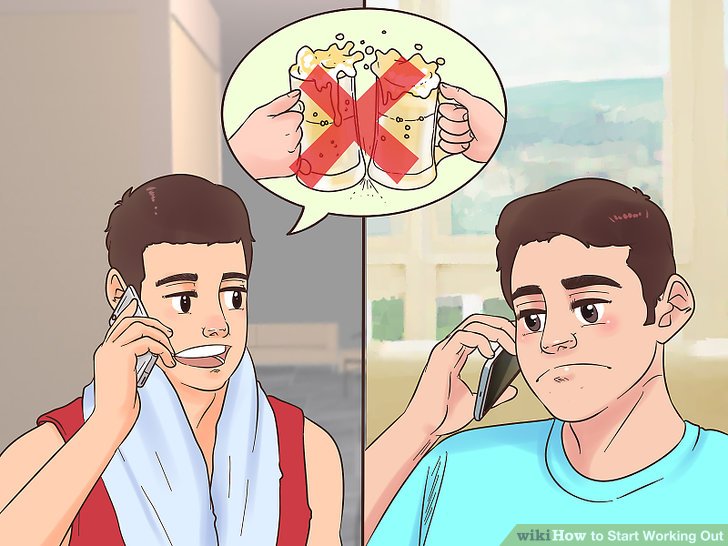
Proper nutrition and hydration are crucial components of a successful workout routine. They provide the energy needed for exercise, aid in muscle recovery, and support overall well-being. Fueling your body correctly before, during, and after workouts is vital for maximizing results and minimizing potential risks. This section will explore the vital role of nutrition and hydration in achieving your fitness goals.
The Role of Nutrition in Supporting Workout Goals
Nutrition directly impacts workout performance and recovery. A balanced diet provides the necessary nutrients for energy production, muscle growth, and repair. Macronutrients, such as carbohydrates, proteins, and fats, play specific roles in fueling activities. Carbohydrates are the primary source of energy, proteins support muscle growth and repair, and fats provide essential fatty acids and contribute to overall health.
Micronutrients, vitamins, and minerals, are also vital for various bodily functions, including energy metabolism and muscle function.
Examples of Healthy Pre- and Post-Workout Meals
Pre-workout meals should focus on easily digestible carbohydrates for sustained energy and moderate protein to aid in muscle function. Examples include a small bowl of oatmeal with fruit and a handful of nuts, a whole-wheat toast with avocado and a hard-boiled egg, or a smoothie with protein powder, banana, and spinach. Post-workout meals prioritize protein to facilitate muscle repair and recovery.
Options include grilled chicken breast with brown rice and vegetables, a protein shake with berries and yogurt, or a tuna salad sandwich on whole-wheat bread.
The Importance of Staying Hydrated During and After Workouts
Maintaining adequate hydration is essential for optimal performance during exercise and recovery. Dehydration can lead to fatigue, reduced endurance, and muscle cramps. Water is the most important beverage for hydration, but other options like electrolyte drinks can be beneficial during prolonged or intense workouts. Drinking plenty of water before, during, and after exercise is key for replenishing fluids lost through sweat.
Impact of Different Dietary Choices on Exercise Performance
Dietary choices significantly impact exercise performance. A diet rich in processed foods, sugary drinks, and unhealthy fats can negatively affect energy levels, muscle function, and overall well-being. Conversely, a diet rich in fruits, vegetables, whole grains, lean proteins, and healthy fats can enhance endurance, strength, and recovery. For instance, a diet high in refined carbohydrates might lead to energy spikes and crashes, impacting consistent performance, while a balanced diet with complex carbohydrates will provide sustained energy throughout a workout.
Tips for Meal Prepping and Creating Healthy Snacks
Meal prepping can be a valuable tool for maintaining a healthy diet and ensuring you have nutritious options readily available. This involves planning your meals in advance, purchasing necessary ingredients, and preparing portions for the week. Healthy snacks can also be strategically planned and prepared. Examples include fruit and vegetable sticks with hummus, Greek yogurt with granola and berries, or trail mix made with nuts, seeds, and dried fruit.
By incorporating these strategies, you can support your workout routine and achieve your fitness goals effectively.
Staying Motivated and Consistent
Maintaining motivation throughout a workout journey is crucial for achieving long-term fitness goals. Consistency is key, and strategies for staying motivated are as varied as the individuals pursuing them. Understanding the factors that contribute to both motivation and its decline is vital for navigating the ups and downs of this process.Staying motivated requires a proactive approach, embracing strategies that support your personal well-being and progress.
This involves recognizing potential obstacles and formulating solutions to overcome them. Ultimately, maintaining consistent effort will lead to the desired outcomes.
Strategies for Maintaining Motivation
Sustained motivation is fostered by a multifaceted approach that includes setting achievable goals, celebrating milestones, and finding enjoyable activities. Recognizing and addressing potential obstacles is also crucial for sustained motivation.
- Setting Realistic Goals: Establishing achievable, measurable goals is paramount. Breaking down larger objectives into smaller, more manageable steps fosters a sense of accomplishment, thus boosting motivation. For instance, instead of aiming for a marathon in one month, set a goal of running for 15 minutes three times a week, then gradually increasing the duration and frequency.
- Finding Enjoyable Activities: The key to long-term consistency lies in choosing activities you genuinely enjoy. If you dislike running, explore alternatives such as swimming, dancing, or cycling. The more enjoyable the activity, the more likely you are to maintain consistent participation.
- Celebrating Progress: Acknowledging and celebrating milestones, no matter how small, is essential. This could involve treating yourself to a new workout outfit or simply taking time to appreciate the positive changes in your body and energy levels. Visual reminders of progress can also be very effective.
Overcoming Plateaus and Challenges
Plateaus and challenges are inevitable parts of any fitness journey. Understanding these hurdles and developing strategies to overcome them is vital for maintaining motivation.
- Addressing Plateaus: When progress slows or stalls, it’s important to reassess your routine and make necessary adjustments. This may involve increasing the intensity of your workouts, trying new exercises, or altering your diet. Seeking guidance from a fitness professional can be extremely beneficial during these periods.
- Overcoming Challenges: Challenges such as injuries, time constraints, or a lack of motivation can derail your progress. However, addressing these obstacles proactively is key. Developing coping mechanisms, like finding alternative workout options during injury or utilizing time management strategies, can help overcome these hurdles. Acknowledging that challenges are part of the process, and approaching them with a proactive mindset, can greatly contribute to maintaining your commitment.
Common Reasons for Losing Motivation and Solutions
Identifying the root causes of decreased motivation is the first step toward regaining focus and momentum.
- Lack of Time: Time constraints can be a significant barrier to maintaining a workout routine. Prioritizing your workouts by scheduling them into your calendar, or incorporating shorter, more intense workouts, can be very effective. Combining workouts with other daily activities, like taking the stairs instead of the elevator, is also a viable option.
- Burnout: Overtraining or pushing yourself too hard without adequate rest can lead to burnout. Adjusting your workout schedule to incorporate rest days and recovery techniques can help prevent this. A balanced approach that prioritizes both physical activity and rest is essential.
- Boredom: Repeating the same exercises without variation can lead to boredom and decreased motivation. Incorporating new activities, adjusting the intensity or duration of workouts, or changing your workout environment can reinvigorate your interest and motivation.
Understanding Workout Equipment and Techniques
Proper use of workout equipment is crucial for maximizing results and minimizing injury risk. Learning the correct techniques and understanding the various types of equipment available is essential for a safe and effective workout routine. This section will detail different equipment types, demonstrate proper techniques, highlight safety precautions, and provide visual aids to enhance your understanding.
Types of Workout Equipment
Understanding the different types of equipment available is vital for selecting the right tools for your goals and preferences. From basic free weights to advanced machines, a wide array of options cater to various needs and fitness levels.
- Free Weights: Dumbbells and barbells allow for a wide range of exercises targeting different muscle groups. Their versatility and cost-effectiveness make them a popular choice for many. They also encourage balance and core engagement as you control the weight.
- Resistance Bands: These elastic bands provide variable resistance, making them ideal for strength training and rehabilitation. They are portable, affordable, and offer a low-impact alternative to weights.
- Weight Machines: These machines offer guided movements and often isolate specific muscle groups, making them beneficial for beginners or those recovering from injuries. They provide controlled resistance, potentially reducing the risk of improper form.
- Cardio Equipment: Treadmills, ellipticals, stationary bikes, and rowing machines provide various cardiovascular workouts. They are beneficial for improving endurance and burning calories.
- Bodyweight Exercises: Using your own body weight as resistance, these exercises require no equipment and are highly accessible. They are great for building strength and endurance, particularly for beginners.
Proper Techniques for Using Equipment
Learning the correct form is crucial for maximizing the benefits of any exercise and minimizing the risk of injury.
- Free Weights: Proper form for dumbbell rows involves maintaining a neutral spine, a slight bend in the knees, and controlled movement throughout the exercise. Using a mirror to check your posture and form is highly recommended.
- Resistance Bands: Using resistance bands for bicep curls requires a secure anchor point. Focus on a slow and controlled movement to maximize muscle engagement and prevent injuries.
- Weight Machines: Each machine has specific instructions; carefully follow the guidelines provided with the machine. Consult with a trainer or read detailed instructions before starting.
- Cardio Equipment: Correct posture and form are important on cardio equipment. Proper foot placement on treadmills, correct hand placement on elliptical machines, and consistent form on stationary bikes all contribute to safety and effectiveness.
Safety Precautions
Prioritizing safety during workouts is paramount.
- Warm-up: Always begin with a warm-up to prepare your muscles for the workout. This includes light cardio and dynamic stretching.
- Proper Form: Correct form prevents injuries. Pay close attention to proper technique to maximize results and minimize risks.
- Listen to Your Body: If you experience pain, stop the exercise immediately. Don’t push through discomfort.
- Cool-down: Cool-down after each workout to help your muscles recover. Static stretching is a good choice.
- Proper Clothing and Footwear: Wear appropriate clothing and footwear that allows for full range of motion and support.
Visual Guide to Proper Form
This table provides visual representations of proper form for selected exercises.
| Exercise | Proper Form Illustration | Description |
|---|---|---|
| Dumbbell Bench Press | (Imagine a picture here showing a person performing a dumbbell bench press with correct posture, hands positioned correctly on the dumbbells, and a stable back) | Lie on a bench, holding dumbbells. Lower the dumbbells towards your chest, maintaining a controlled movement, and press them back up. |
| Dumbbell Rows | (Imagine a picture here showing a person performing a dumbbell row with a straight back, slight bend in the knees, and controlled movement of the dumbbell) | Bend at the waist, keeping your back straight. Maintain a neutral spine and pull the dumbbell towards your chest. |
| Resistance Band Bicep Curl | (Imagine a picture here showing a person performing a resistance band bicep curl with the band anchored properly and controlled movement) | Anchor the band, and with a controlled movement, curl the band towards your shoulders. |
Benefits and Drawbacks of Different Equipment
| Equipment Type | Benefits | Drawbacks |
|---|---|---|
| Free Weights | Increased muscle strength and power, improved balance, and cost-effective. | Requires proper form to prevent injury, potentially higher risk of injury if not used correctly. |
| Resistance Bands | Affordable, portable, low-impact, and effective for muscle conditioning. | Limited resistance compared to free weights, may not be suitable for advanced users. |
| Weight Machines | Guided movements, isolate specific muscle groups, reduce the risk of injury. | Can be expensive, limited range of exercises, and can feel less natural. |
| Cardio Equipment | Improved cardiovascular health, calorie burning, and accessibility. | May require more space, and can be monotonous if not varied. |
Common Workout Injuries and Prevention
Starting a workout routine is an exciting journey, but it’s essential to be aware of potential injuries and how to prevent them. Understanding common pitfalls and proactive strategies will help you stay safe and achieve your fitness goals. By focusing on proper form, gradually increasing intensity, and listening to your body, you can significantly reduce your risk of injury.
Common Beginner Workout Injuries
Many common workout injuries among beginners stem from improper form, insufficient warm-up, or pushing the body beyond its current capacity. These injuries often occur in the joints, muscles, and tendons. Understanding the specific areas prone to injury can help you develop strategies to mitigate risk.
Muscle Strains
Muscle strains, characterized by pain, tenderness, and swelling, often result from overexertion, poor posture, or insufficient stretching before exercise. Sudden movements or lifting heavy weights with poor form can also lead to muscle strains. For example, a sudden, jerky movement during a weightlifting exercise could strain a muscle in the shoulder or back. Taking time to warm up and using proper technique is crucial in preventing these injuries.
Proper warm-up and cool-down routines are essential to prepare muscles for activity and to allow them to recover.
Joint Pain (e.g., Knee Pain, Shoulder Pain)
Joint pain, including knee pain and shoulder pain, is frequently encountered by beginners. Repetitive motions, improper form during exercises, and lack of flexibility can contribute to joint issues. Overuse injuries can arise from consistently performing exercises without allowing the joints sufficient time to recover. For example, running long distances without proper stretching or support can cause knee pain.
Building strength in the supporting muscles around the joint can also prevent injuries.
Tendinitis
Tendinitis, characterized by inflammation in a tendon, commonly affects the elbow, shoulder, and wrist. Repetitive movements, such as overuse of the elbow during certain exercises, or inadequate rest between workouts can contribute to tendinitis. Gradually increasing the intensity and duration of workouts, combined with adequate rest and recovery, can help prevent this condition. For instance, a tennis player who increases their practice time drastically without allowing their tendons to adjust might develop tennis elbow.
Ligament Sprains
Ligament sprains, involving damage to the ligaments that connect bones, often result from sudden twisting or impact movements. Landing improperly from a jump or making sharp turns during exercise can lead to a sprain. Proper warm-up exercises, focusing on flexibility and balance, can significantly reduce the risk of ligament sprains.
Preventing Workout Injuries
A proactive approach to injury prevention is essential for a safe and effective workout routine.
- Proper Warm-up and Cool-down: A thorough warm-up prepares the muscles for activity, while a cool-down helps them recover. This involves dynamic stretches, such as arm circles and leg swings, to increase blood flow and prepare the muscles for exercise. Static stretches, where you hold a stretch for a period of time, are important for the cool-down.
- Gradual Progression: Increasing the intensity, duration, or weight gradually allows the body to adapt to the demands of exercise. Avoid abrupt changes to prevent sudden stress on muscles and joints.
- Proper Form and Technique: Learning proper form and technique from a qualified instructor or through resources like instructional videos is crucial to minimize risk. Correct form distributes stress evenly and protects joints and muscles.
- Listening to Your Body: Recognize signs of pain or discomfort and stop the exercise immediately. Rest and recovery are vital for muscle repair and preventing overuse injuries.
- Adequate Rest and Recovery: Allowing sufficient time for rest between workouts enables muscles and joints to repair and rebuild. Getting adequate sleep is also crucial for recovery.
Recovering from Workout Injuries
Proper recovery is essential for healing and preventing further injury.
- Rest and Ice: Resting the injured area is crucial, and applying ice to reduce swelling and pain is a standard practice. Following the RICE protocol (Rest, Ice, Compression, Elevation) can aid in the recovery process.
- Pain Management: Over-the-counter pain relievers can help manage discomfort. Consult a healthcare professional for advice on appropriate pain medication and dosage.
- Physical Therapy: A physical therapist can provide tailored exercises and guidance to help regain strength and flexibility after an injury.
Progression and Adapting Workouts
Maintaining consistent progress in your fitness journey hinges on the ability to adapt your workouts. This involves progressively increasing the intensity and duration of your training, tailoring exercises to your evolving fitness level, and adjusting your routine to accommodate changing goals. By understanding and implementing these strategies, you can optimize your workouts for maximum results and avoid plateaus.
Progressive Overload
Progressive overload is a key principle in fitness. It involves gradually increasing the demands placed on your body over time. This can be achieved by increasing the weight lifted, the number of repetitions or sets, the duration of your workout, or the intensity of your cardio. Crucially, this gradual increase allows your body to adapt and improve its strength, endurance, and overall fitness.
A common mistake is increasing the intensity or duration too rapidly, leading to injury or burnout. Therefore, a methodical approach is essential.
Adapting Workouts Based on Individual Progress
Monitoring your progress is crucial for adapting your workouts. Regularly assessing your performance indicators, such as weight lifted, repetitions completed, or time taken for cardio activities, allows you to track improvements and make informed adjustments. This ongoing evaluation will determine if adjustments are needed to maintain progressive overload and prevent plateaus.
Modifying Exercises for Different Fitness Levels
Adapting exercises to match individual fitness levels is paramount. Beginners may need modifications to avoid injury and build a solid foundation. Advanced individuals might require more challenging variations to continue pushing their limits. This tailored approach ensures that the exercise remains effective and safe for all participants.Examples include:
- Beginner: Bodyweight squats. Intermediate: Barbell squats. Advanced: Front squats with added weight.
- Beginner: Walking or jogging for 15-20 minutes. Intermediate: Running for 30-45 minutes. Advanced: Interval training with sprints and rest periods.
Workout Progression Stages
The following table Artikels the different stages of workout progression, highlighting key considerations for each phase:
| Stage | Duration/Intensity | Focus | Considerations |
|---|---|---|---|
| Beginner | Short duration, low intensity | Building a foundation, mastering proper form | Listen to your body, avoid overexertion |
| Intermediate | Increasing duration and intensity gradually | Improving strength and endurance, incorporating more complex exercises | Maintain consistent workout frequency, track progress |
| Advanced | Long duration, high intensity | Pushing physical limits, achieving peak performance | Focus on recovery and injury prevention, consider specialized training |
Adjusting Workouts Based on Changing Goals
As your fitness goals evolve, your workouts need to adapt accordingly. If you transition from weight loss to muscle building, the focus of your workouts must shift. This could involve adding resistance training, increasing protein intake, and modifying your cardio routine. The ability to adjust workouts based on shifting goals is essential for long-term fitness success.
Outcome Summary
In conclusion, starting a workout routine is a journey of self-discovery and consistent effort. By following the steps Artikeld in this guide, you’ll be well-equipped to begin your fitness journey with confidence and a clear plan. Remember to prioritize listening to your body, setting achievable goals, and celebrating your progress along the way. This comprehensive approach will help you establish a workout routine that fits your needs, leading to a healthier and more fulfilling lifestyle.