Post-workout recovery is crucial for optimal performance and injury prevention. This comprehensive guide delves into the multifaceted aspects of recovery, from the importance of nutrition and hydration to active recovery strategies, rest, sleep, and mind-body techniques. Understanding these elements empowers individuals to maximize their recovery process and achieve their fitness goals safely and effectively.
The guide meticulously explores the role of macronutrients, protein sources, and hydration in the recovery process. It also Artikels effective active recovery methods, emphasizing the importance of rest and sleep. Furthermore, it examines the vital role of mind-body techniques in managing stress and promoting overall well-being, all contributing to a holistic approach to recovery.
Nutrition for Recovery

Post-workout nutrition plays a critical role in optimizing recovery and maximizing athletic performance. Proper nourishment supports muscle repair, replenishes energy stores, and aids in overall well-being. The right combination of nutrients can significantly impact recovery time and the effectiveness of training.A balanced approach to post-workout nutrition, focusing on macronutrients and micronutrients, is key to a swift and effective recovery.
Consuming the appropriate amounts and types of carbohydrates, protein, and fats immediately after exercise helps kickstart the repair and replenishment processes within the body.
Macronutrients in Post-Workout Recovery
The body utilizes macronutrients (carbohydrates, protein, and fats) for various functions during and after exercise. Carbohydrates are crucial for replenishing glycogen stores in muscles, while protein is essential for repairing and building muscle tissue. Fats provide energy and support hormone production, all of which contribute to the recovery process.
Post-Workout Meals and Snacks
Consuming a meal or snack containing a balanced blend of macronutrients shortly after training is highly recommended. Examples include a protein shake with fruit and a handful of nuts, or a whole-wheat sandwich with lean protein and vegetables. The timing and composition of these meals and snacks significantly influence the body’s ability to recover and rebuild.
Protein Sources and Recovery Benefits
Protein is essential for muscle repair and growth. The following table highlights various protein sources and their respective benefits for post-workout recovery:
| Protein Source | Amino Acid Profile | Recovery Benefits |
|---|---|---|
| Chicken Breast | High in essential amino acids | Promotes muscle protein synthesis, crucial for repairing and rebuilding muscle tissue damaged during exercise. |
| Whey Protein | Complete protein | Offers quick absorption, enabling the body to utilize the amino acids rapidly for muscle repair and growth, making it ideal for post-workout consumption. |
| Greek Yogurt | Rich in protein and calcium | Supports bone health, crucial for athletes, and provides essential protein for muscle recovery. Calcium also aids in muscle contraction and relaxation. |
| Tofu | Complete protein | A good source of plant-based protein, offering a valuable alternative for individuals following vegetarian or vegan diets. Provides essential amino acids for muscle recovery. |
Hydration for Recovery
Adequate hydration is vital for optimal recovery. Fluid loss through sweat during exercise must be replenished to maintain bodily functions and support the recovery process.Fluid intake recommendations should consider the intensity and duration of the workout. Before exercise, consume enough fluids to stay well-hydrated. During exercise, sip fluids regularly to prevent dehydration. After exercise, drink fluids to replace lost fluids and electrolytes.
The specific amount needed will vary based on individual factors.
Vitamins and Minerals in Recovery
Vitamins and minerals play important roles in various bodily functions, including muscle repair and recovery. For example, vitamin C supports collagen production, essential for connective tissue repair. Magnesium is involved in muscle contraction and relaxation. Consuming a balanced diet rich in fruits, vegetables, and whole grains can help ensure adequate intake of these essential micronutrients.
Active Recovery Strategies

Following a rigorous workout, active recovery plays a crucial role in promoting muscle repair, reducing soreness, and enhancing overall performance. This phase, often overlooked, is just as important as the workout itself. It allows the body to efficiently recover, replenishing energy stores and mitigating the risk of injury. Effective active recovery methods facilitate a smoother transition into the next training session.Active recovery involves engaging in low-intensity physical activity that allows blood to circulate throughout the body, promoting the removal of metabolic waste products and aiding in the healing process.
This contrasts with complete rest, where blood flow might stagnate, potentially hindering recovery. Choosing appropriate active recovery strategies can significantly impact your overall training and well-being.
Low-Intensity Activities for Post-Workout Recovery
Effective active recovery encompasses a range of low-intensity activities. These activities are designed to promote blood circulation and reduce muscle soreness without placing excessive stress on the body. Examples of suitable activities include:
- Light walking: A simple and accessible activity, light walking helps to circulate blood, reduce muscle stiffness, and improve lymphatic drainage. This can be particularly beneficial for individuals recovering from intense workouts or those who prefer a gentle recovery routine.
- Light jogging or cycling: These activities offer a slightly higher intensity than walking, further promoting blood circulation and aiding in the removal of metabolic waste products. They are suitable for individuals seeking a slightly more vigorous recovery method, but the intensity should be kept low enough to avoid further taxing the muscles.
- Gentle swimming: Swimming is a low-impact exercise that engages multiple muscle groups, aiding in blood circulation and recovery. The buoyancy of the water reduces stress on joints, making it suitable for individuals recovering from injuries or those seeking a less strenuous form of active recovery.
- Yoga or Tai Chi: These practices combine stretching and mindful movement, promoting flexibility, relaxation, and blood flow. Yoga and Tai Chi are particularly beneficial for improving range of motion and reducing muscle tension.
- Foam rolling: This technique involves using a foam roller to massage muscles, improving blood circulation, reducing muscle tension, and alleviating soreness. Foam rolling is effective in targeting specific muscle groups and improving flexibility.
Stretching Techniques for Enhanced Recovery
Stretching plays a vital role in post-workout recovery, improving flexibility and reducing muscle soreness. Different stretching techniques target various aspects of muscle recovery.
| Stretching Technique | Benefits |
|---|---|
| Static Stretching | Improves flexibility and reduces muscle soreness by holding a stretch for an extended period. |
| Dynamic Stretching | Improves range of motion and prepares muscles for activity by gradually increasing the stretch. |
| PNF Stretching | Increases flexibility and reduces muscle tension by combining isometric contractions with passive stretching. |
Compression Garments and Muscle Recovery
Compression garments, such as athletic wear with compression, can aid in recovery by promoting blood flow, reducing muscle swelling, and potentially mitigating post-exercise soreness. They apply gentle pressure to the muscles, facilitating the removal of metabolic waste products and improving blood circulation. This can contribute to a faster recovery process.
Active Recovery vs. Complete Rest
Active recovery differs significantly from complete rest. While complete rest allows the body to rest, active recovery keeps the body moving at a low intensity, promoting blood circulation and facilitating the removal of metabolic waste. This approach can be more effective in reducing muscle soreness and promoting overall recovery compared to complete rest.
Comparison of Active Recovery Methods
Various active recovery methods offer distinct advantages. Walking, for instance, is a simple and accessible method for promoting blood flow. Gentle swimming provides a low-impact workout, benefiting individuals recovering from injuries. Foam rolling helps to target specific muscle groups, alleviating soreness and improving flexibility. The optimal choice depends on individual preferences, recovery needs, and the type of workout performed.
Rest and Sleep for Recovery
Adequate rest and sleep are fundamental components of the recovery process following exercise. Just as nutrition and active recovery strategies play vital roles, sleep profoundly influences muscle repair, growth, and overall well-being. A proper sleep regimen, coupled with stress management techniques, contributes significantly to optimizing post-workout recovery.Sleep provides a crucial window for the body to repair and rebuild tissues damaged during exercise.
This restorative process, including muscle protein synthesis and hormonal regulation, is significantly facilitated during sleep. Without sufficient sleep, the body struggles to effectively repair itself, leading to a diminished recovery response and potential performance plateaus.
Significance of Sleep in Muscle Repair and Growth
Sleep is crucial for muscle protein synthesis, a key process in repairing and building muscle tissue. During sleep, the body releases hormones that promote muscle growth and repair, such as growth hormone. Adequate sleep allows the body to effectively utilize the nutrients consumed after exercise for muscle recovery and growth. Insufficient sleep hinders these processes, potentially impacting workout outcomes and recovery time.
Optimizing Sleep Hygiene
Maintaining optimal sleep hygiene is essential for promoting quality sleep. A consistent sleep schedule helps regulate the body’s natural sleep-wake cycle, also known as the circadian rhythm. Going to bed and waking up around the same time each day, even on weekends, reinforces this rhythm. A relaxing bedtime routine, such as taking a warm bath, reading a book, or listening to calming music, signals the body that it’s time to wind down.
Creating a sleep-conducive environment, including a dark, quiet, and cool bedroom, minimizes distractions and promotes a restful sleep environment. Employing strategies like using blackout curtains, earplugs, or a white noise machine can significantly enhance sleep quality.
Relationship Between Sleep Deprivation and Impaired Recovery
Sleep deprivation significantly impairs the recovery process. Studies have shown a strong correlation between insufficient sleep and reduced muscle protein synthesis, delayed muscle recovery, and an increased risk of injury. Chronic sleep deprivation can also lead to hormonal imbalances, impacting mood, energy levels, and overall well-being, thereby hindering the ability to perform at optimal levels. For example, a lack of sleep can lead to reduced performance in strength training and endurance activities, impacting training effectiveness.
Impact of Stress on the Recovery Process
Stress significantly impacts the recovery process. Elevated stress levels can lead to hormonal imbalances that hinder muscle repair and growth. Chronic stress can also disrupt sleep patterns, leading to a vicious cycle of poor recovery and reduced performance. Prolonged stress may result in an overproduction of cortisol, a stress hormone that can interfere with muscle protein synthesis.
Strategies for Stress Management
Stress management techniques are crucial for promoting recovery. Techniques like mindfulness, meditation, deep breathing exercises, and yoga can help reduce stress levels. Engaging in regular physical activity, even light exercise, can also act as a stress reliever. Prioritizing hobbies and spending time with loved ones are essential for maintaining a healthy mental and emotional state, further supporting recovery.
Importance of Rest Days
Rest days are integral to the overall recovery process. They allow the body to fully replenish its energy stores and repair tissues, minimizing the risk of overtraining. Rest days enable the body to rebuild muscle tissue and improve performance in subsequent workouts. Overtraining can lead to burnout, reduced performance, and increased susceptibility to injury, which rest days help prevent.
For example, an athlete might schedule a rest day after a particularly strenuous workout to allow the body to fully recover before the next training session.
Mind-Body Techniques for Recovery

Maintaining physical well-being after exercise extends beyond nutrition and rest. Mind-body techniques play a crucial role in facilitating recovery by addressing the mental and emotional aspects of exertion. By incorporating these practices, individuals can optimize their body’s natural healing processes and enhance their overall sense of well-being.A holistic approach to recovery acknowledges the intricate connection between the mind and body.
Stress, anxiety, and negative emotions can hinder the body’s ability to repair itself after physical exertion. Mind-body techniques provide strategies to manage these factors, creating a more conducive environment for recovery and preventing potential burnout.
Mindfulness Practices for Stress Reduction
Mindfulness practices, including meditation and deep breathing exercises, promote a state of present-moment awareness, allowing individuals to detach from racing thoughts and anxieties. This detachment facilitates relaxation and reduces the physiological effects of stress, thereby supporting physical recovery.
- Meditation offers a structured way to quiet the mind and cultivate a sense of calm. Different types of meditation, such as focused attention meditation, open monitoring meditation, and loving-kindness meditation, each offer unique benefits. Regular meditation practice can help regulate the autonomic nervous system, promoting relaxation and reducing stress hormones.
- Mindfulness involves paying attention to the present moment without judgment. It can be integrated into daily activities like walking, eating, or even simple tasks. Practicing mindfulness can enhance self-awareness and promote a more balanced perspective on physical and mental challenges.
- Deep breathing exercises are simple yet powerful techniques to regulate the breath and reduce stress. Slow, controlled breathing can activate the parasympathetic nervous system, counteracting the effects of the stress response. These exercises can be incorporated into daily routines or used as a tool to manage stress during physical activity.
Progressive Muscle Relaxation
Progressive muscle relaxation is a technique that involves systematically tensing and releasing different muscle groups in the body. This process helps to identify and release physical tension, which is often associated with stress and anxiety. By consciously releasing tension, individuals can experience a sense of calm and relaxation, which can aid in post-workout recovery.
Stress Management Techniques
Effective stress management strategies are vital for optimizing recovery after workouts. Identifying stressors and developing coping mechanisms can significantly improve an individual’s ability to bounce back from physical exertion.
- Identifying and addressing stress triggers is a crucial step in managing stress. Recognizing situations, thoughts, or emotions that induce stress can pave the way for developing proactive strategies to manage them.
- Developing healthy coping mechanisms is essential to mitigate the impact of stress. These mechanisms can range from engaging in physical activities to practicing relaxation techniques, spending time in nature, or seeking social support.
Nature and Music for Relaxation
Spending time in nature has been shown to reduce stress and improve mental well-being. The calming presence of natural elements can lower cortisol levels and promote a sense of peace and tranquility. Similarly, listening to relaxing music can induce a state of calm, reducing stress hormones and enhancing the body’s ability to recover.
Mindfulness Exercises for Stress and Relaxation
| Mindfulness Exercise | Description | Benefits |
|---|---|---|
| Deep Breathing | Focus on inhaling and exhaling deeply, paying attention to the sensation of the breath. | Reduces stress, calms the mind, and lowers heart rate. |
| Body Scan Meditation | Paying attention to different parts of the body, noticing sensations without judgment. | Promotes body awareness, reduces physical tension, and promotes relaxation. |
| Walking Meditation | Focusing on the sensations of walking, such as the contact of the feet with the ground, and the movement of the body. | Cultivates present moment awareness, reduces stress, and improves focus. |
Injury Prevention and Management
Maintaining physical well-being extends beyond just the workout itself; proactive measures are crucial for preventing injuries and ensuring a safe and effective training regimen. Understanding the potential pitfalls and implementing preventive strategies can significantly reduce the risk of setbacks and allow you to maximize your training results.A comprehensive approach to injury prevention requires a multifaceted strategy encompassing warm-up and cool-down routines, awareness of common injuries, and a keen understanding of potential warning signs.
This proactive approach is essential for injury management, enabling you to address issues swiftly and safely.
Proper Warm-up and Cool-down Routines
Effective warm-up and cool-down routines are essential components of injury prevention. A proper warm-up prepares the body for physical exertion by gradually increasing blood flow to muscles and increasing their elasticity. This reduced risk of muscle strain and tears. Conversely, a cool-down allows the body to gradually return to its resting state, preventing blood pooling and promoting muscle recovery.
These routines are not optional but rather crucial for injury mitigation.
Common Post-Workout Injuries and Their Causes
Recognizing common post-workout injuries and their potential causes empowers you to take preventative measures. Muscle strains, tendonitis, and joint pain are frequently encountered. Muscle strains often result from overexertion or improper form during exercise. Tendonitis arises from repetitive movements or overuse of specific muscle groups. Joint pain may stem from poor posture, improper form, or inadequate warm-up routines.
Strategies for Preventing Injuries During and After Workouts
Implementing preventative strategies can significantly reduce the risk of injury. Prioritize a thorough warm-up encompassing dynamic stretches, such as arm circles and leg swings, to prepare your muscles for the workout. Ensure proper form during exercises to avoid unnecessary stress on joints and muscles. Gradually increase the intensity and duration of workouts to allow your body to adapt.
Adequate rest and recovery are equally crucial for injury prevention.
Recognizing Signs of Potential Injuries and Seeking Medical Attention
Understanding the signs of potential injuries is paramount for prompt management. Sharp, localized pain, swelling, or a feeling of popping or tearing in a muscle or joint should immediately raise concerns. If discomfort persists or worsens, seeking professional medical attention is essential. Early intervention can prevent further complications and ensure a safe recovery.
Table of Common Injuries and Potential Causes
The following table illustrates the different types of injuries and their potential causes, along with preventive strategies:
| Injury Type | Potential Cause | Prevention Strategies |
|---|---|---|
| Muscle Strain | Overexertion, improper form, insufficient warm-up | Proper warm-up, stretching, maintaining proper form, gradual progression of exercises |
| Tendonitis | Repetitive movements, overuse, inadequate rest | Gradual progression of exercises, adequate rest periods, incorporating cross-training |
| Joint Pain | Poor posture, improper form, inadequate warm-up, repetitive stress on joints | Strengthening exercises to support joints, maintaining good posture, avoiding overuse, listening to body |
Conclusive Thoughts
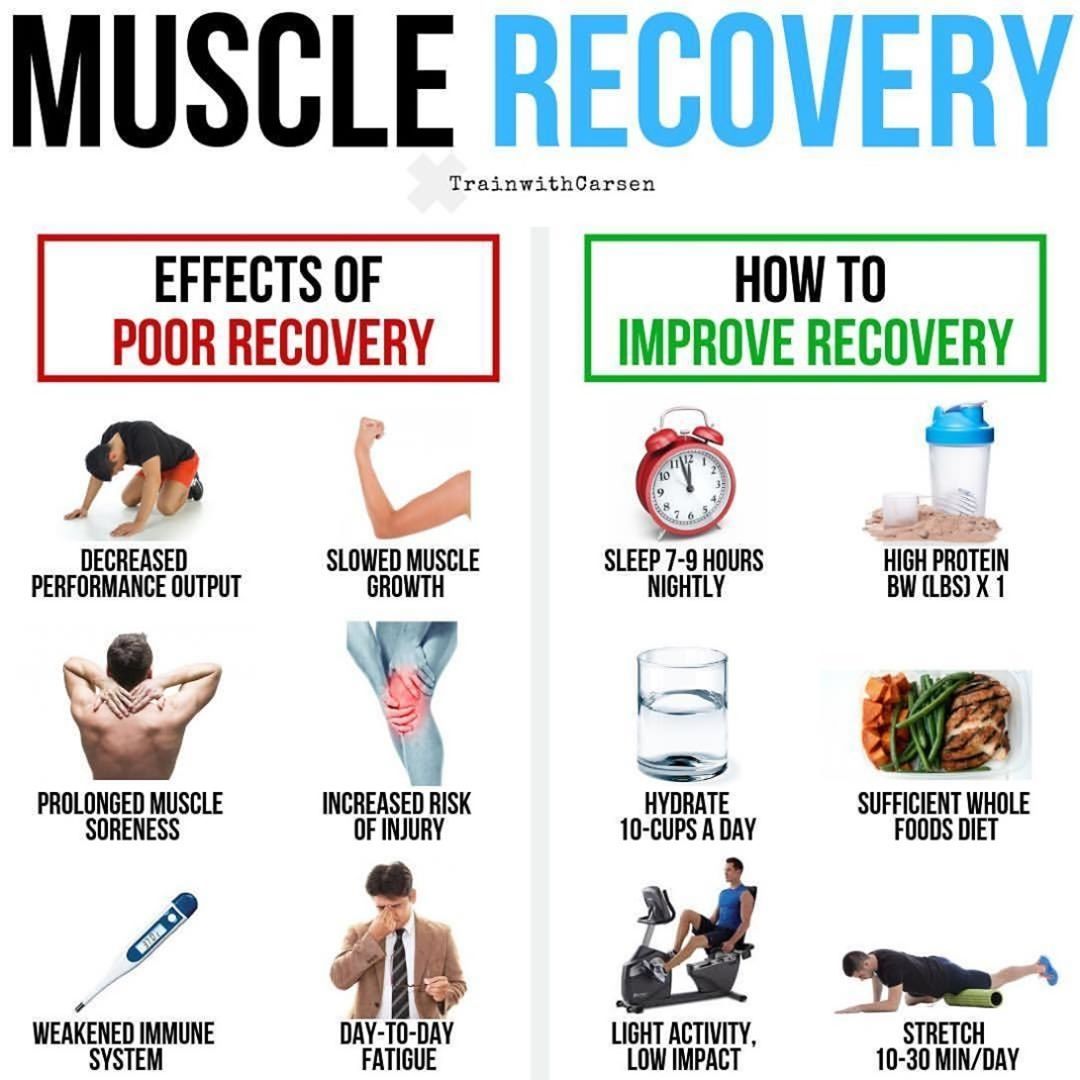
In conclusion, recovering effectively after workouts is a multifaceted process encompassing nutrition, active recovery, rest, sleep, and mind-body techniques. By prioritizing these elements, individuals can optimize their recovery, prevent injuries, and ultimately achieve their fitness goals while maintaining their overall well-being. This guide serves as a valuable resource for anyone seeking a deeper understanding of post-workout recovery and its importance in their fitness journey.