Unlock the full potential of your treadmill with this comprehensive guide. From essential safety precautions and setup procedures to effective workout routines and advanced techniques, we’ll equip you with the knowledge to maximize your treadmill experience. This guide is designed for all fitness levels, from beginners to seasoned athletes, ensuring a safe and enjoyable journey towards a healthier lifestyle.
This guide delves into various aspects of treadmill use, including workout routines tailored to specific goals like weight loss, cardio, and muscle building. It also covers crucial elements such as monitoring your progress, troubleshooting common issues, and understanding the importance of safety and injury prevention. Furthermore, customization options for different fitness levels and individual needs are explored.
Getting Started with Treadmill Use
Embarking on a treadmill fitness journey requires careful consideration of safety and proper procedures. This section provides a comprehensive guide to help you navigate the initial stages of treadmill use, from setup to optimal workout routines. Understanding the features and functionalities of your treadmill will enhance your experience and safety.
Treadmill Safety Precautions
Prioritizing safety is paramount when using a treadmill. Adherence to safety guidelines can prevent potential injuries and ensure a positive workout experience. Always ensure the treadmill is on a stable, level surface. Never operate a treadmill if it shows any signs of damage or malfunction.
- Supervision is crucial, especially for beginners. A trusted companion should be present during the initial stages of use.
- Proper footwear is essential. Use athletic shoes designed for running or exercising to provide adequate support and cushioning.
- Inform others of your workout plan and estimated duration.
- Clear the area around the treadmill to prevent obstacles during use.
- Avoid distractions while using the treadmill to maintain focus and awareness of your surroundings.
- Consult a physician before starting any new exercise program, particularly if you have any underlying health conditions.
Treadmill Setup Procedure
A proper treadmill setup is fundamental for safe and effective use. Follow these steps meticulously to ensure a secure and stable environment for your workout.
- Choose a suitable location. Select a level floor space free from obstructions and hazards.
- Unpack the treadmill and carefully examine all components for damage. If any parts are damaged, contact the manufacturer for assistance.
- Follow the manufacturer’s instructions for assembly, ensuring all bolts and screws are tightened securely. Refer to the manual for detailed assembly procedures.
- Level the treadmill. Use the provided leveling tools to ensure the treadmill is stable and even. This prevents wobbling and ensures a smooth workout.
- Plug in the treadmill, following the power requirements Artikeld in the manual.
Warm-up Routines
Proper warm-up routines are vital before any treadmill session. They prepare the body for exertion, reducing the risk of injury and enhancing performance. A warm-up should gradually increase your heart rate and body temperature.
- Begin with a light walk at a slow pace for 5-10 minutes.
- Gradually increase the speed and incline to match your target workout intensity.
- Include dynamic stretches such as arm circles, leg swings, and torso twists to enhance flexibility and range of motion.
- Listen to your body. If you experience any discomfort, stop the warm-up and consult a healthcare professional.
Treadmill Features and Functions
A comprehensive understanding of treadmill features and their functions enhances your ability to optimize workouts and maximize the equipment’s potential. This table Artikels common features and their purposes.
| Feature | Function |
|---|---|
| Speed Controls | Adjusts the rate at which the belt moves, influencing the intensity of the workout. |
| Incline Controls | Modifies the slope of the treadmill belt, adding resistance and engaging more muscle groups. |
| Time/Distance/Calories Displays | Monitor progress and track workout metrics, aiding in goal setting and performance analysis. |
| Programmable Workouts | Offer pre-set workout routines for varied intensity levels and durations. |
| Emergency Stop Button | Provides a quick way to stop the treadmill in case of an emergency or discomfort. |
Adjusting Speed and Incline Settings
Adjusting speed and incline settings allows for personalized workout intensity and targets specific fitness goals. Understanding how to modify these settings is crucial for tailoring workouts to individual needs.
- Speed adjustments are usually controlled by buttons or a dial on the treadmill console.
- Incline adjustments are often managed by similar controls on the console.
- Begin with low settings and gradually increase the speed and incline based on your fitness level and comfort.
- Consult the treadmill manual for specific instructions regarding control panel functionalities.
Effective Workout Routines
Treadmill workouts offer a versatile platform for achieving diverse fitness goals. Understanding structured routines, tailored exercise selection, and proper posture is crucial for maximizing results and minimizing risk. This section details effective workout plans for beginners, highlighting different exercises, and emphasizing the importance of posture in safe and effective use of the treadmill.Effective treadmill workouts go beyond simply walking or running.
They involve a carefully planned approach to duration, intensity, and exercise selection. A structured plan allows for gradual progression, minimizing the risk of injury and maximizing the benefits of the workout. The following sections Artikel strategies to optimize your treadmill experience for various goals.
Beginner Workout Plan
A structured beginner plan is essential for establishing a sustainable fitness routine. This plan focuses on gradual progression, building endurance and consistency.
- Week 1-2: Focus on walking intervals. Alternating between brisk walking and moderate walking for 15-20 minutes, 3 times a week. This establishes a baseline fitness level and allows the body to adapt to the activity.
- Week 3-4: Gradually increase the intensity and duration of your walking intervals. Increase the brisk walking duration by 1-2 minutes each week. Consider adding a short period of light jogging into the workout.
- Week 5-8: Gradually introduce running intervals into the routine. Start with short bursts of running (e.g., 1 minute) followed by walking recovery periods. Increase the running time progressively.
- Week 9-12: Continue to increase running intervals and decrease walking intervals, aiming for a sustained running session of 30-45 minutes, 3-4 times a week. Adjust intensity based on perceived exertion.
Treadmill Exercises Categorized by Benefits
Different treadmill exercises cater to various fitness objectives. A well-rounded approach involves combining exercises to achieve optimal results.
- Cardiovascular Health: Running, jogging, and interval training are excellent for improving heart health and boosting endurance. These exercises increase heart rate and promote blood circulation.
- Weight Management: Moderate to high-intensity treadmill workouts burn calories, aiding in weight loss and maintenance. Incorporating intervals can significantly increase calorie expenditure.
- Muscle Strengthening: Incorporating incline walking and interval training can effectively build lower body strength. These exercises engage leg muscles and improve overall strength.
- Flexibility and Joint Mobility: Walking on a slight incline can improve flexibility and joint mobility. This is beneficial for individuals seeking to improve range of motion.
Proper Posture on the Treadmill
Maintaining correct posture while using a treadmill is crucial for preventing injuries and maximizing effectiveness.
- Upright Stance: Maintain an upright posture, avoiding hunching or leaning forward or backward. Keep your back straight and shoulders relaxed.
- Natural Stride: Allow your legs to move naturally, avoiding overstriding or short strides. Focus on a smooth and controlled gait.
- Foot Strike: Ensure your feet land midfoot or slightly ahead of your center of gravity to avoid impact injuries. Avoid heel strikes.
Treadmill Workouts for Different Goals
Different treadmill workout routines are suitable for various fitness goals.
- Weight Loss: High-intensity interval training (HIIT) is a highly effective method for weight loss. This approach involves alternating between high-intensity bursts and recovery periods. Running at a moderate pace for longer durations is also beneficial.
- Cardio Improvement: Continuous running at a moderate pace for extended periods, and incorporating intervals, are ideal for improving cardiovascular health. The duration and intensity of these workouts should be tailored to the individual’s fitness level.
- Muscle Building: Incorporating incline walking or running, along with strength training exercises, can contribute to muscle building. The focus should be on challenging the muscles through varied intensity and duration. A combination of these methods yields optimal results.
Treadmill Workouts for Specific Health Conditions
Individuals with specific health conditions should consult their physician before starting a treadmill workout routine.
- Arthritis: Low-impact activities like walking on a slight incline are beneficial. Consult a physical therapist for personalized recommendations.
- Heart Conditions: Start with low-intensity walking and gradually increase duration and intensity. Always consult with a cardiologist before initiating a new workout routine.
- Pregnancy: Consult with a healthcare professional to determine suitable workouts. Modified routines with shorter durations and lower intensities are recommended.
Workout Routine Comparison Table
| Workout Routine | Duration (minutes) | Intensity | Equipment Needed |
|---|---|---|---|
| Beginner Walking | 20-30 | Moderate | Treadmill |
| Interval Training | 20-45 | High | Treadmill |
| Endurance Running | 30-60 | Moderate-High | Treadmill |
| Incline Walking | 20-45 | Moderate-High | Treadmill |
Monitoring Progress and Performance
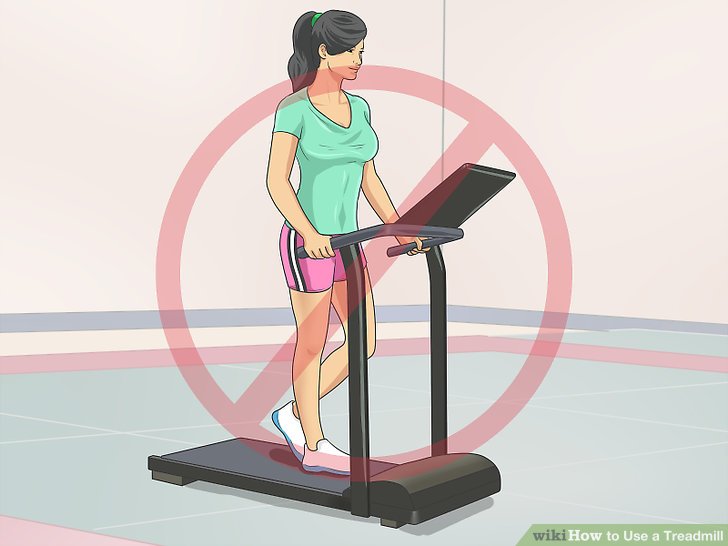
Tracking your treadmill workouts allows you to assess your fitness journey’s effectiveness and make informed adjustments to your routine. Understanding how to monitor your progress, heart rate, calorie burn, and utilize the treadmill’s console effectively is crucial for achieving your fitness goals. Consistent monitoring empowers you to fine-tune your workout strategy and optimize your results.Effective workout monitoring involves several key aspects, including detailed tracking of your performance metrics, such as speed, incline, and heart rate, to gauge your progress and make necessary adjustments to your training plan.
This detailed tracking is important for understanding how your body responds to exercise and tailoring your routine accordingly.
Tracking Workout Progress
Consistent tracking of your treadmill workouts provides valuable insights into your fitness development. Regularly recording your workout duration, speed, incline, and heart rate allows you to identify patterns and trends in your performance. This data serves as a baseline for future workouts, helping you assess your progress and make adjustments to your routine. Note that recording the time of day and any pre-existing conditions or injuries is equally important.
These details can be used to correlate changes in your performance with other factors.
Monitoring Heart Rate
Monitoring your heart rate during treadmill workouts is a critical component of assessing your cardiovascular exertion and overall fitness level. A heart rate monitor or the treadmill’s built-in heart rate sensors can measure your heart rate accurately. Maintaining a target heart rate zone is important for maximizing calorie burn and cardiovascular benefits. Heart rate zones are determined by a percentage of your maximum heart rate (MHR).
The common ranges for heart rate zones during moderate-intensity exercise are typically between 60% and 80% of your MHR.
Measuring Calorie Burn
Accurately estimating calorie burn during treadmill workouts requires considering various factors, including your weight, age, gender, and the intensity of your workout. Treadmill consoles often provide estimated calorie burn calculations based on these inputs. You can also use online calculators or fitness apps to calculate calorie expenditure. Remember that calorie burn estimations are approximations and individual results may vary.
Utilizing Treadmill Console for Workout Tracking
Treadmill consoles offer various features for workout tracking, including pre-programmed workouts, heart rate monitoring, and calorie burn estimations. Understanding how to use these features allows you to track your progress and customize your workouts effectively. Familiarize yourself with the console’s interface to effectively use these features to record your workouts and monitor your performance. Most treadmill consoles have a user-friendly interface that provides clear instructions.
Relationship Between Speed, Incline, and Calorie Burn
The relationship between speed, incline, and calorie burn is complex and directly proportional. A higher speed and incline generally result in a higher calorie burn rate. This relationship is not linear, as calorie expenditure is influenced by individual factors like body weight, metabolic rate, and fitness level. The following table illustrates a possible correlation between speed, incline, and estimated calorie burn, which can vary significantly.
| Speed (mph) | Incline (%) | Estimated Calorie Burn (per 30 minutes) |
|---|---|---|
| 3.0 | 0 | 150 |
| 3.5 | 0 | 200 |
| 4.0 | 5 | 250 |
| 4.5 | 5 | 300 |
| 5.0 | 10 | 350 |
Troubleshooting and Maintenance
Proper treadmill maintenance is crucial for ensuring safe and effective use, extending the machine’s lifespan, and preventing potential injuries. Regular checks and upkeep minimize the risk of malfunctions and unexpected breakdowns, allowing for a consistent and reliable workout experience.Troubleshooting common issues proactively is key to avoiding interruptions in your fitness routine. Understanding the potential problems and their solutions empowers you to address them quickly and efficiently, saving time and ensuring optimal use of your treadmill.
This section details essential maintenance practices and guides you through resolving typical treadmill problems.
Common Treadmill Problems and Solutions
Understanding the potential issues with your treadmill allows for prompt resolution, minimizing downtime and ensuring optimal performance. A proactive approach to maintenance is key to preventing more serious problems and keeping your treadmill in top condition.
- Motor Issues: A malfunctioning motor is a common treadmill problem. Symptoms may include unusual noises, slow speed, or complete failure to start. Troubleshooting involves checking the motor’s connections, ensuring adequate airflow around the motor, and verifying the fuse or circuit breaker. If the issue persists, professional assistance is recommended.
- Belt Problems: A loose or damaged belt can lead to instability and potential injury. Inspect the belt for any signs of wear, damage, or misalignment. Adjusting the belt tension according to the manufacturer’s instructions is essential for proper operation. If the belt is severely damaged, professional replacement is necessary.
- Control Panel Malfunctions: Problems with the control panel can range from display issues to complete system failure. Start by checking the power cord and connections to ensure that the control panel is receiving power. A malfunctioning display may be due to a faulty connection or a software glitch. If the problem persists, contact customer support for guidance.
- Safety Features Malfunctions: Treadmills are equipped with safety features such as emergency stop buttons and safety sensors. These features are vital for user safety. Regularly check the functionality of these safety features to ensure they are working correctly. If any safety feature is not functioning properly, professional assistance is required.
Importance of Regular Treadmill Maintenance
Proactive maintenance extends the lifespan of your treadmill and reduces the risk of costly repairs. A well-maintained treadmill ensures safe and reliable use, minimizing potential hazards and maximizing workout effectiveness.
- Preventing Major Breakdowns: Regular checks and maintenance tasks can help in identifying potential problems early, preventing them from escalating into major breakdowns. Minor issues addressed promptly save time and money compared to addressing major malfunctions.
- Ensuring Safety: Maintenance checks guarantee the safety features of the treadmill are functioning properly. This proactive approach reduces the risk of accidents during workouts.
- Optimizing Performance: Maintaining optimal functionality allows the treadmill to perform at its peak efficiency. This ensures smooth operation and a consistent workout experience.
How to Clean and Maintain a Treadmill
Regular cleaning and maintenance are essential to keeping your treadmill in top condition and extending its lifespan. This includes both surface cleaning and component inspection.
- Surface Cleaning: Wipe down the treadmill belt and deck regularly with a damp cloth to remove dust, dirt, and sweat. Avoid harsh chemicals or abrasive cleaners that could damage the surface.
- Component Inspection: Regularly check the motor, belt, and control panel for any signs of wear or damage. Pay particular attention to lubrication points and ensure they are properly lubricated according to the manufacturer’s recommendations.
Troubleshooting Steps for Common Treadmill Issues
This table Artikels common treadmill problems and the steps to troubleshoot them.
| Problem | Troubleshooting Steps |
|---|---|
| Motor not starting | Check power cord, circuit breaker, and fuse. Inspect motor connections. |
| Belt slipping | Adjust belt tension according to manufacturer’s instructions. Inspect belt for damage. |
| Control panel not responding | Check power cord and connections. Try restarting the treadmill. |
| Unusual noises | Identify the source of the noise (e.g., belt, motor). Consult user manual or professional assistance. |
Replacing Worn Parts on a Treadmill
Replacing worn parts on a treadmill may require specific tools and procedures. Always consult the manufacturer’s manual for detailed instructions before attempting any repairs.
- Gather Necessary Tools: Ensure you have all required tools, including screwdrivers, wrenches, and any specialized tools specified in the manual.
- Disassemble the Affected Area: Carefully follow the disassembly instructions in the user manual to avoid damaging other components.
- Install New Part: Replace the worn part with the new part, ensuring proper alignment and secure connections.
- Reassemble the Treadmill: Follow the reassembly instructions in the user manual, ensuring all connections are tight and secure.
- Test the Treadmill: After reassembly, test the treadmill to ensure that all functions are working properly.
Advanced Techniques and Considerations
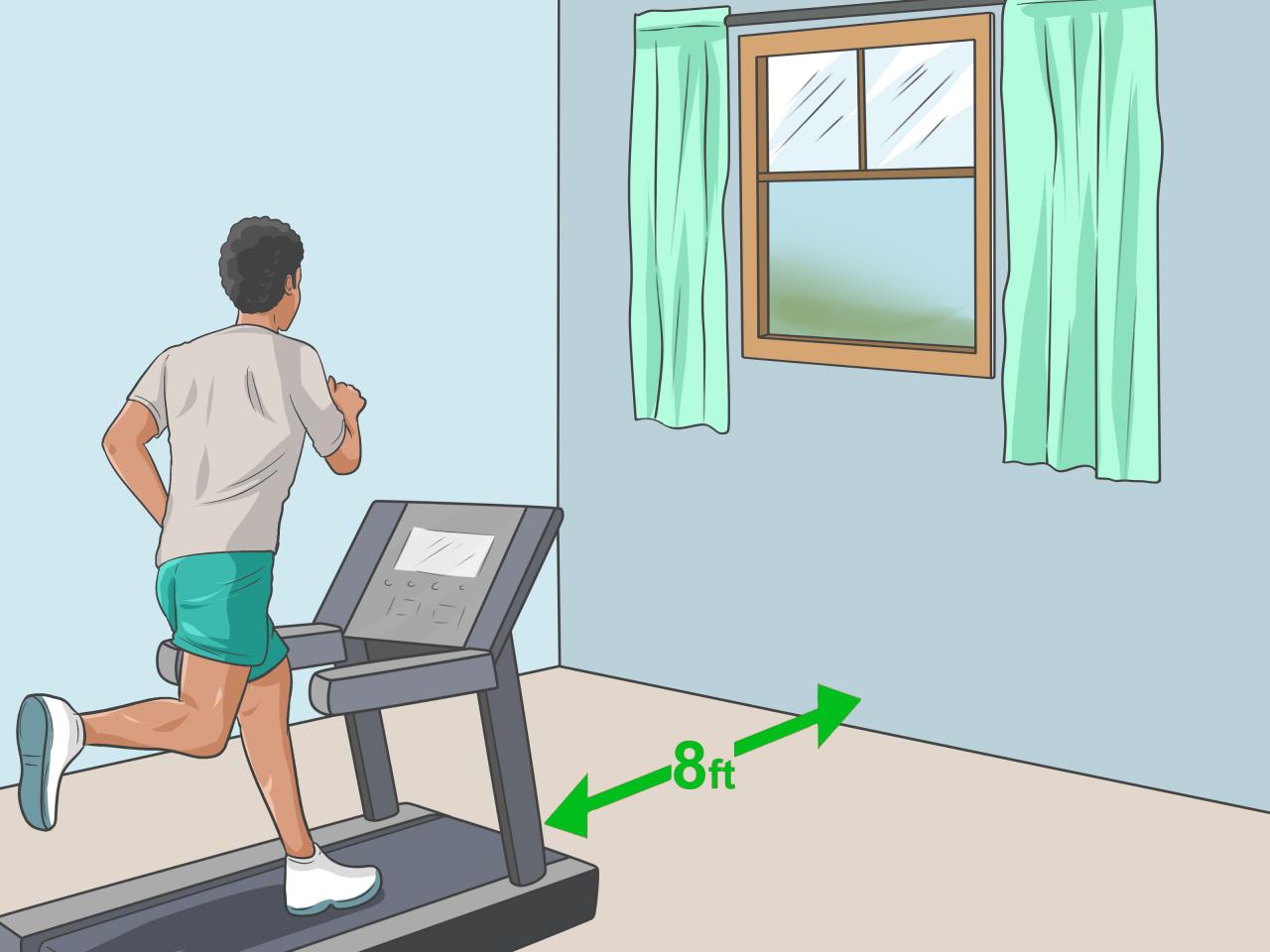
Elevating your treadmill workouts beyond the basics can unlock significant improvements in fitness and enjoyment. This section explores advanced techniques, including interval training, motivational strategies, overcoming plateaus, understanding surface variations, and brand comparisons, to help you maximize your treadmill experience.
Interval Training Benefits
Interval training, alternating high-intensity bursts with recovery periods, is a highly effective method for improving cardiovascular fitness, burning calories, and building endurance. On a treadmill, this involves varying speeds and inclines. For example, a 30-minute workout might include 1-minute intervals at a sprint pace, followed by 2 minutes of moderate jogging. Consistent interval training can lead to a significant boost in metabolism, enabling continued calorie burning even after the workout ends.
Furthermore, it challenges the body to adapt and improve performance over time.
Music and Motivation in Workouts
Music plays a pivotal role in maintaining motivation and focus during treadmill workouts. Choosing upbeat and energizing music can significantly enhance enjoyment and drive. Creating a playlist tailored to different workout intensities can further elevate the experience. This personalization enhances engagement and can lead to a more effective and enjoyable workout. Moreover, motivational music can provide the extra push needed to maintain intensity and overcome fatigue.
Overcoming Plateaus
Plateaus in treadmill workouts are a common experience. To overcome them, it’s essential to adjust the workout routine. This might involve increasing the duration, incline, or speed of workouts, or introducing new exercises. For instance, incorporating hill sprints or interval training can help break through plateaus. Varying the workout schedule, such as incorporating cross-training activities or strength training, can also help maintain progress.
A consistent and well-structured workout plan is key.
Treadmill Surface Impact
Different treadmill surfaces can affect the impact and comfort during workouts. A smoother surface generally leads to less jarring movements, making it better for individuals with joint concerns. Conversely, a slightly more textured surface can provide more stability and support. Incorporating varied treadmill surfaces into your routine can help target different muscle groups and improve overall fitness.
Comparison of Treadmill Brands
| Brand | Key Features | Typical Price Range |
|---|---|---|
| Brand A | High-impact cushioning, advanced incline control, large touchscreen display | $1,500 – $2,500 |
| Brand B | Quiet operation, compact design, user-friendly interface, 10% incline | $800 – $1,500 |
| Brand C | Foldable design, Bluetooth connectivity, adjustable speed, 12% incline | $600 – $1,200 |
| Brand D | Customizable workout programs, various pre-set routines, built-in heart rate monitoring | $1,000 – $1,800 |
Note: Price ranges are approximate and may vary depending on specific model features and retailer. Brand names are used for illustrative purposes only. Choosing a treadmill that suits your individual needs and budget is crucial for a positive workout experience.
Safety and Injury Prevention
Proper treadmill use is crucial for a safe and effective workout. Prioritizing safety measures minimizes the risk of injuries and allows for a more enjoyable and sustainable exercise routine. This section details essential safety precautions, focusing on footwear, hydration, injury prevention, and treadmill maintenance.
Importance of Proper Footwear
Appropriate footwear is paramount for safe treadmill use. Running shoes specifically designed for impact absorption and stability are recommended. Ill-fitting or inappropriate shoes can lead to injuries such as plantar fasciitis, shin splints, or knee pain. Choosing shoes with good arch support, cushioning, and a secure fit is vital for protecting your joints and reducing the risk of overuse injuries during treadmill workouts.
Ensure the shoes are in good condition and replace them as needed to maintain optimal performance and safety.
Significance of Hydration During Treadmill Workouts
Hydration is critical during treadmill workouts, especially when exercising at higher intensities or for extended periods. Dehydration can lead to fatigue, muscle cramps, and reduced performance. It is essential to drink plenty of water before, during, and after your workout. Carry a water bottle or use a hydration pack for easy access to fluids throughout your session.
Monitoring your body’s hydration signals is crucial. Listen to your body’s cues and drink water proactively. The goal is to maintain consistent hydration levels.
Preventing Common Treadmill Injuries
Proper warm-up and cool-down routines, along with maintaining a consistent pace and form, can significantly reduce the risk of injuries. Listen to your body and take rest days when needed to allow for muscle recovery. Avoid pushing yourself too hard, especially in the beginning. Building up exercise intensity gradually helps prevent overuse injuries.
Common Treadmill Injuries and Prevention Strategies
| Injury | Prevention Strategies |
|---|---|
| Plantar Fasciitis | Wear supportive shoes, stretch the plantar fascia regularly, and maintain proper posture during treadmill use. Consider using orthotics for extra support. |
| Shin Splints | Gradually increase workout intensity, wear supportive shoes, and maintain proper running form. Ensure the treadmill’s belt is properly tensioned. Strengthening exercises for the lower leg muscles can also be helpful. |
| Knee Pain | Maintain proper posture, use appropriate footwear, and avoid sudden changes in speed or incline. If you have pre-existing knee conditions, consult with a healthcare professional before starting a treadmill workout program. |
| Muscle Strains | Proper warm-up routines before each session are essential. Gradually increase the duration and intensity of your workouts. Listen to your body, and stop if you experience any pain. Consider incorporating strength training exercises to improve muscle strength and flexibility. |
Adjusting Treadmill Belt Tension
Proper treadmill belt tension is essential for both safety and performance. Incorrect tension can lead to belt slippage, causing accidents or damage to the machine. Check the treadmill’s manual for specific instructions on how to adjust the belt tension. Generally, a properly tensioned belt will not show excessive sag or wobble. If you notice any unusual movement or instability in the treadmill belt, seek assistance from a qualified technician to ensure the belt is properly adjusted and the machine is functioning safely.
Always follow the manufacturer’s guidelines for adjusting the belt tension.
Variations and Customization
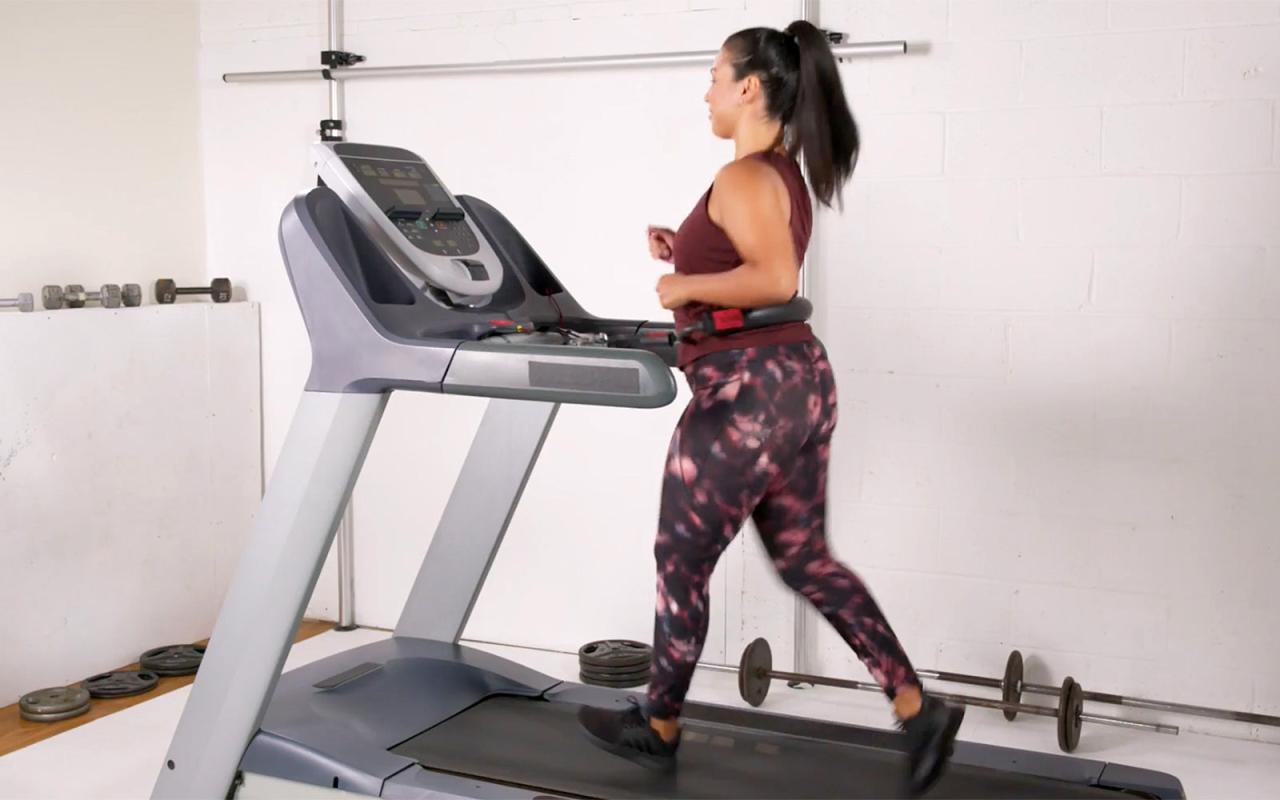
Maximizing your treadmill experience involves tailoring workouts to your individual needs and preferences. This section explores various treadmill accessories, workout customization options, and how to adjust for different fitness levels. Understanding these aspects allows you to optimize your training and achieve your fitness goals more effectively.
Treadmill Accessories
Treadmill accessories can enhance your workout experience and target specific muscle groups. They can also provide extra support and comfort. A variety of accessories are available to cater to individual needs.
- Heart Rate Monitors: These devices track your heart rate during exercise, providing valuable feedback on intensity. By monitoring your heart rate, you can adjust your pace and ensure you are exercising at a target heart rate zone that aligns with your fitness goals and health status. This allows for more effective and personalized workouts.
- Inclination Pads: These pads are integrated into the treadmill deck, enabling incline adjustments. Increasing the incline increases the resistance, engaging more muscles and mimicking outdoor terrain. This allows for a more challenging workout and can improve cardiovascular fitness.
- Resistance Bands: Attaching resistance bands to the treadmill or handlebars can provide extra resistance during workouts. This adds an element of strength training and can enhance the effectiveness of your cardiovascular exercises. This approach also allows for more effective calorie burning and muscle building.
- Handheld or Chest Strap Heart Rate Monitors: These devices track your heart rate during exercise. They provide real-time feedback on intensity and allow you to adjust your pace to maintain a target heart rate zone. This real-time feedback allows for more effective and personalized workouts.
Customizing Workouts for Individual Needs
Personalizing treadmill workouts is crucial for maximizing effectiveness and enjoyment. Consider factors like your fitness level, goals, and preferences when creating your workout routines.
- Warm-up and Cool-down: Start each session with a warm-up period of 5-10 minutes to prepare your muscles for exercise. A cool-down period of 5-10 minutes at the end is just as important for allowing your heart rate to gradually return to its resting state.
- Workout Duration: Tailor the duration of your workouts to your fitness level and goals. Beginners might start with shorter sessions and gradually increase duration as their fitness improves. Advanced users can perform longer, more intense workouts.
- Intensity Level: Adjust the speed and incline of the treadmill to maintain a comfortable yet challenging intensity level. For example, a beginner might maintain a lower speed and incline, while an advanced user might choose a higher speed and incline.
- Rest Intervals: Include rest intervals in your workouts to allow your body to recover and prevent overexertion. Proper rest intervals allow for optimal recovery, reduce the risk of injury, and improve the overall effectiveness of your training.
Adjusting Workouts for Different Fitness Levels
Workout routines should be adjusted based on individual fitness levels. Proper adjustments allow individuals to achieve their desired results while minimizing the risk of injury.
- Beginners: Start with shorter durations and lower intensity levels, gradually increasing both as fitness improves. A low incline and moderate speed are recommended for beginners. Focus on building a consistent routine and maintaining good form.
- Intermediate: Increase workout duration, intensity, and incline. Include interval training (alternating high-intensity periods with lower intensity recovery periods) to challenge the cardiovascular system. For example, a 20-minute workout with alternating periods of fast walking and jogging is an excellent option.
- Advanced: Engage in longer workouts with high intensity and incline levels. Consider incorporating advanced programs and techniques to push physical limits and maintain fitness levels. High-intensity interval training (HIIT) is a valuable option for pushing boundaries and maximizing calorie expenditure.
Treadmill Programs
Treadmill models offer a range of pre-programmed workouts. These programs provide structure and guidance, helping users tailor their workouts.
- Beginner Programs: These programs often start with low intensity and gradually increase the difficulty. These programs are beneficial for new users who want to build a solid foundation for fitness.
- Interval Programs: These programs alternate high-intensity periods with recovery periods, effectively improving cardiovascular fitness. These programs offer a structured approach to improving fitness and can be customized based on individual preferences and fitness goals.
- Weight Loss Programs: These programs typically involve a combination of speed, incline, and duration to promote calorie burning. These programs can be helpful for individuals aiming to lose weight and maintain a healthy weight.
Treadmill Accessories and Their Benefits
| Accessory | Benefits |
|---|---|
| Heart Rate Monitors | Track heart rate, personalize workouts, improve workout effectiveness |
| Inclination Pads | Increase resistance, target more muscles, mimic outdoor terrain, improve cardiovascular fitness |
| Resistance Bands | Add resistance, enhance strength training, increase workout intensity, improve calorie burning |
| Handheld or Chest Strap Heart Rate Monitors | Track heart rate, provide real-time feedback, adjust pace for target heart rate zones |
Final Wrap-Up
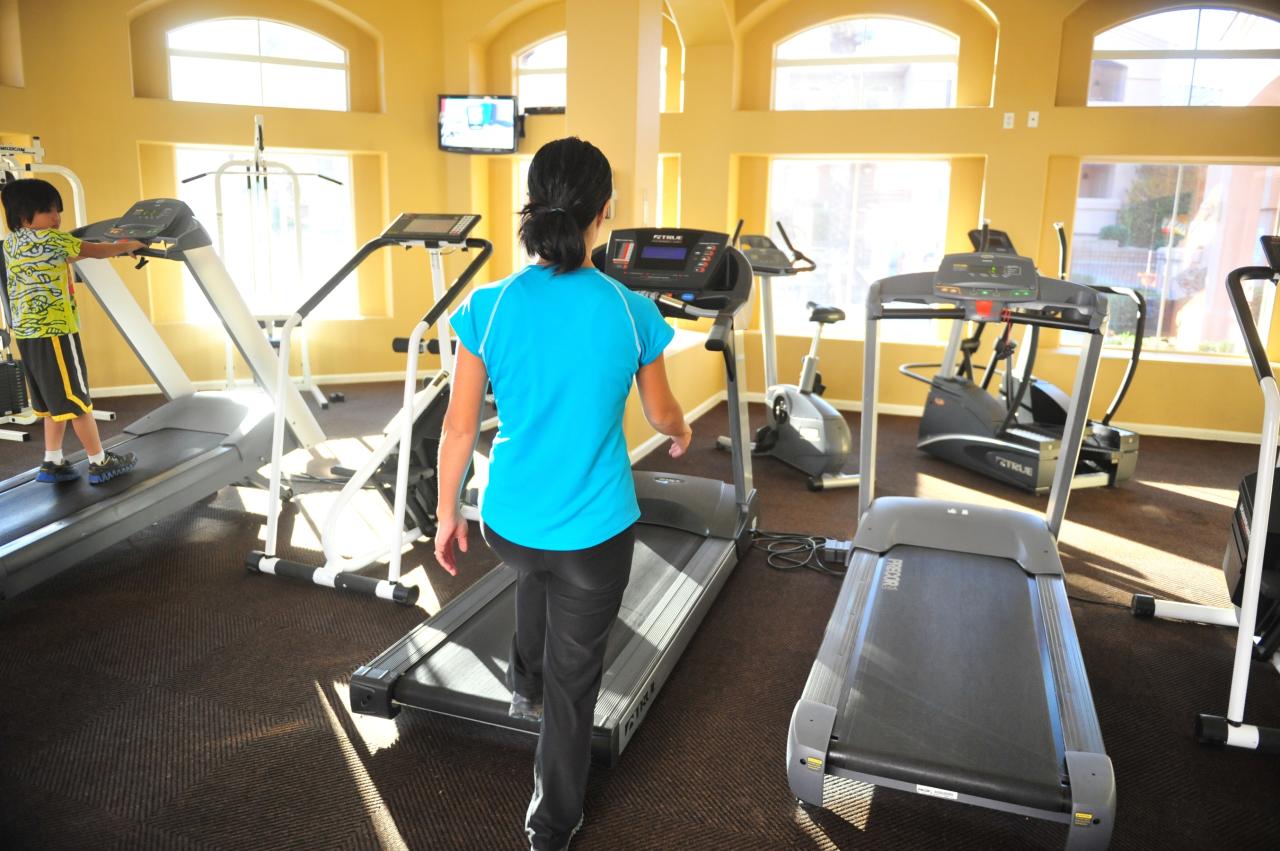
In conclusion, this guide has provided a detailed overview of how to effectively utilize a treadmill. We’ve covered everything from the initial setup and safety procedures to advanced techniques and maintenance. By following the provided information, you can optimize your treadmill workouts for maximum benefit, while ensuring safety and injury prevention. Remember to adjust the guide to your individual needs and fitness level for the best results.