Mastering the pull-up is a testament to dedication and perseverance. This comprehensive guide unveils the secrets to performing pull-ups effectively, from fundamental techniques to advanced variations, ensuring both optimal results and safety. We’ll explore various grip styles, body positioning, and progressive training strategies to help you achieve your pull-up goals.
This detailed guide covers everything from a beginner’s introduction to advanced techniques, including essential warm-up and cool-down routines. Understanding proper form, common mistakes, and injury prevention is paramount, and we will address these crucial aspects to maximize your training experience. We’ll also delve into nutritional strategies and recovery plans to support your muscle growth and overall well-being.
Introduction to Pull-Ups
Pull-ups are a highly effective compound exercise that targets multiple muscle groups in the upper body, including the back, biceps, forearms, and shoulders. They are a popular choice for individuals seeking to build strength, improve posture, and enhance overall fitness. Beyond the physical benefits, pull-ups foster discipline and perseverance, as mastering this exercise often requires dedication and consistent effort.Understanding the variations of pull-ups and their specific muscle engagement allows for tailored training programs, ultimately optimizing results and minimizing the risk of injury.
This section will delve into the different types of pull-ups, their historical significance, and the critical importance of proper form and safety measures.
Pull-Up Variations
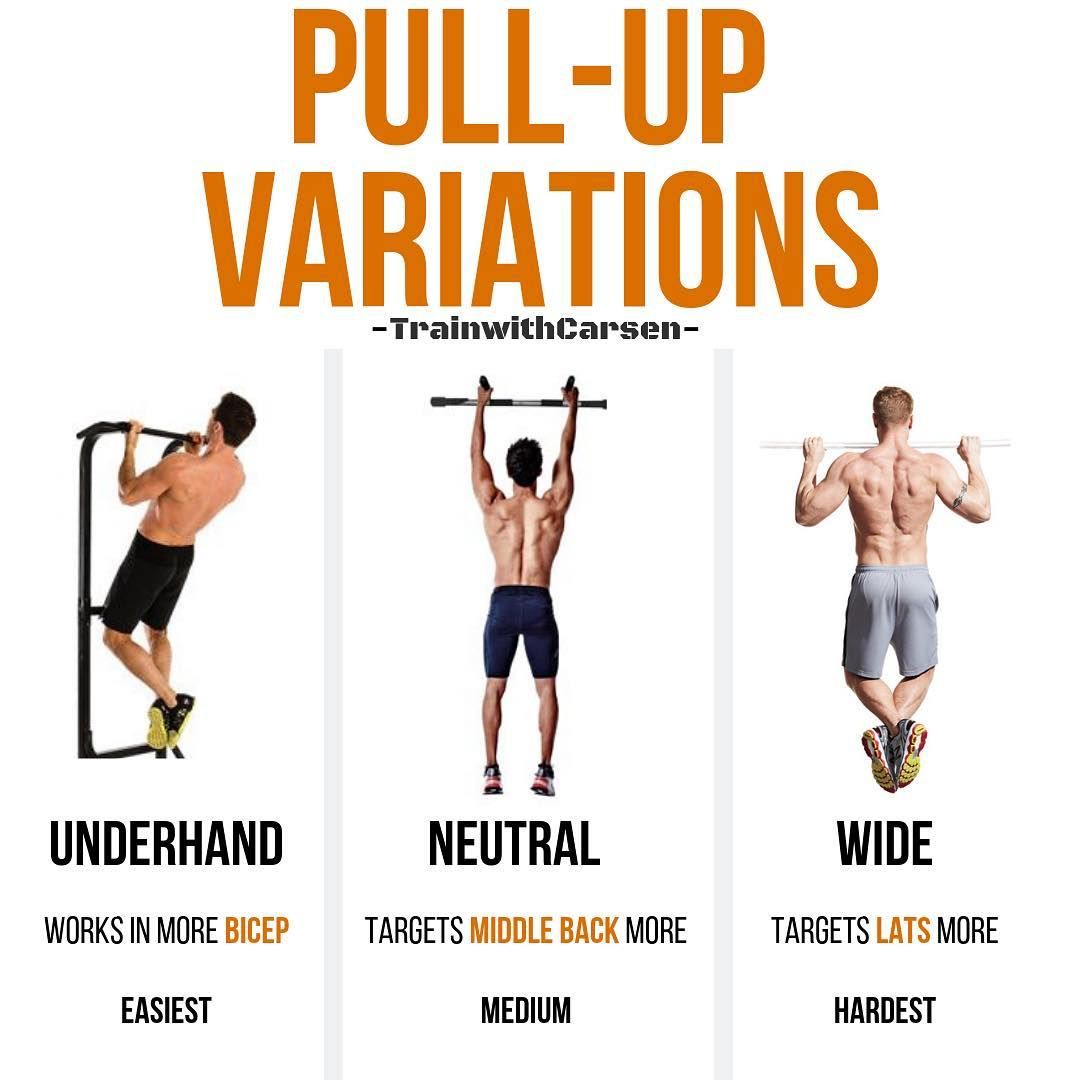
Different grip widths and hand positions during a pull-up engage different muscle groups, influencing the difficulty level. Variations include standard pull-ups, wide grip pull-ups, and close grip pull-ups.
Muscle Engagement and Grip Widths
| Pull-Up Variation | Target Muscles | Grip Width | Difficulty Level |
|---|---|---|---|
| Standard Pull-Up | Lats (latissimus dorsi), biceps, forearms, and rhomboids | Shoulder-width or slightly wider | Moderate |
| Wide Grip Pull-Up | Lats, rhomboids, and upper back muscles are emphasized. | Wider than shoulder-width | Challenging |
| Close Grip Pull-Up | Biceps and forearms are more heavily engaged. | Narrower than shoulder-width | Difficult |
Proper grip width selection is crucial for effective muscle activation and injury prevention. The table above summarizes the different variations and their corresponding muscle engagement, grip width, and difficulty level. Careful consideration of these factors will help individuals choose the appropriate variation to meet their fitness goals.
Historical Significance
Pull-ups have a rich history, tracing back to ancient civilizations. Their inclusion in various physical activities and athletic competitions demonstrates their enduring importance in developing upper body strength. For instance, pull-ups have been a part of military training programs for centuries, emphasizing their significance in building physical prowess and endurance. They remain a cornerstone of many physical activities, including gymnastics and weightlifting.
Importance of Proper Form and Safety
Maintaining proper form during pull-ups is essential to avoid injury and maximize results. This involves a controlled upward and downward motion, focusing on the contraction of the target muscles. Prioritizing safety is paramount; proper warm-up routines and seeking guidance from qualified fitness professionals are recommended for beginners.
Fundamental Techniques
Mastering the pull-up involves more than just brute strength; it’s about executing the movement with precision and control. Proper form is crucial for maximizing effectiveness, minimizing risk of injury, and achieving consistent progress. This section details the key techniques for performing pull-ups safely and efficiently.
Hand Placement for Different Pull-Up Styles
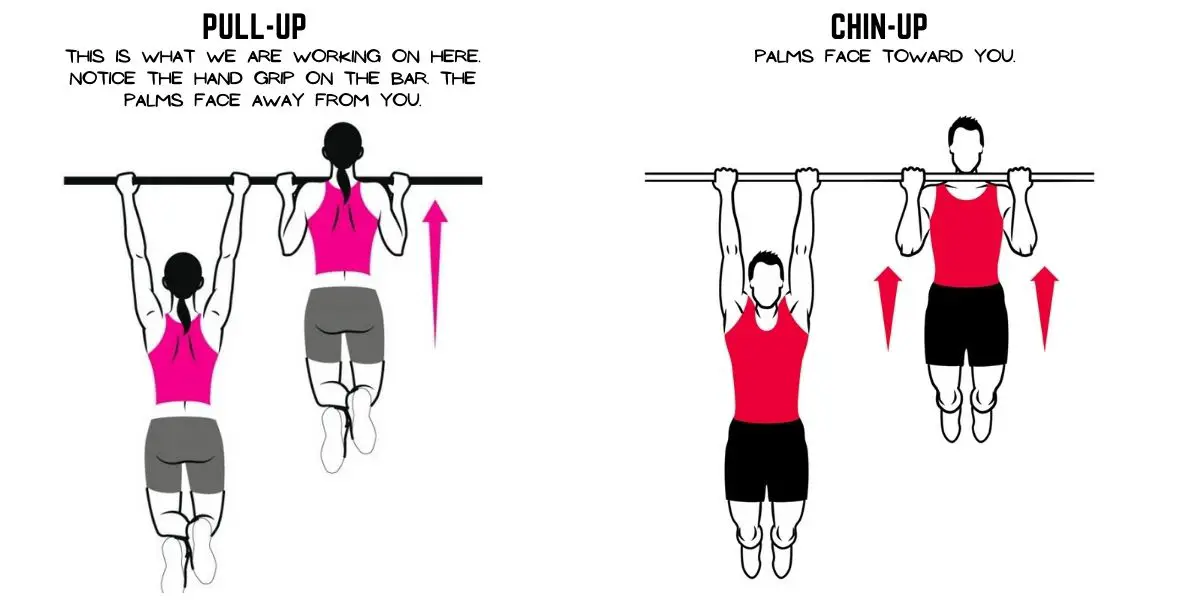
Proper hand placement significantly influences the difficulty and focus of the pull-up. Varying grip widths and hand positions target different muscle groups and require adjustments in technique. A wide grip emphasizes latissimus dorsi engagement, while a close grip targets the biceps and back muscles more directly. Neutral grip, with palms facing each other, provides a balance between the two.
Maintaining a Neutral Spine and Core Engagement
Maintaining a neutral spine and actively engaging the core are essential for a safe and effective pull-up. A neutral spine, where the natural curves of the spine are maintained, protects the lower back from strain. Simultaneously, core engagement stabilizes the body, enabling a controlled movement path. This prevents unwanted arching or sagging, ensuring proper leverage and force transmission.
Correct Body Positioning Throughout the Movement
Starting from the initial position, a straight body is critical. Keep your core engaged, and your body in a straight line from head to heels. During the pull-up, maintain this straight line throughout the entire movement. This prevents excessive swinging or unwanted movements, allowing for a more targeted and controlled pull.
Importance of Controlled Movements, Emphasizing Eccentric Contractions
Control is paramount in pull-up execution. Rushing through the movement often leads to poor form and increased risk of injury. Focusing on controlled movements, especially during the eccentric (lowering) portion of the exercise, is essential for building strength and preventing potential harm. The eccentric phase allows for muscle recovery and reduces the chance of sudden stress on the joints.
Key Steps in Performing a Pull-Up
Understanding the steps involved in performing a pull-up helps to ensure proper form and maximize the benefits of the exercise. The following table Artikels the key stages, providing visual cues for each step.
| Step | Description | Visual Cue |
|---|---|---|
| 1. Initial Position | Assume the starting position with your body hanging straight, core engaged, and maintaining a neutral spine. | Body suspended straight from the bar, chin level with the bar, shoulders relaxed. |
| 2. Pulling Phase | Pull yourself up by engaging your back muscles, keeping your body in a straight line. Focus on controlled movement and avoid swinging. | Body pulling upwards in a straight line, elbows bending towards the body. |
| 3. Full Pull-Up | Pull your chin above the bar, maintaining the straight-line body position. | Chin above the bar, body in a straight line. |
| 4. Lowering Phase | Lower yourself slowly and controlled, focusing on the eccentric contraction of your back muscles. Maintain a neutral spine throughout the descent. | Controlled descent, maintaining a straight line from head to heels. |
Progression and Building Strength
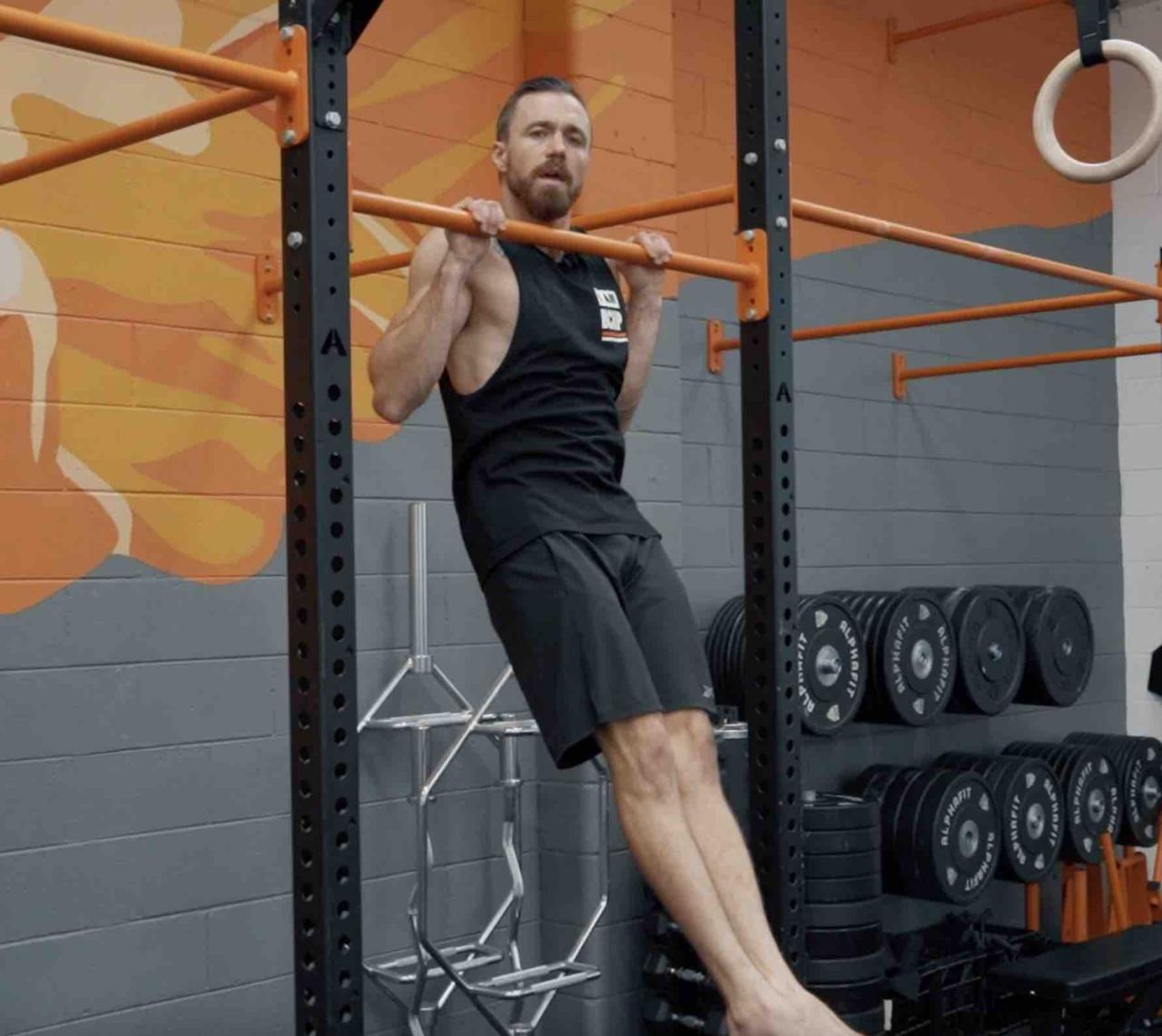
Mastering pull-ups requires a structured approach that builds strength gradually. A well-designed progression plan considers the individual’s starting point and progressively increases the challenge, minimizing the risk of injury. This approach allows for consistent improvement and ultimately leads to successful pull-up performance.A key element of this progression is understanding the importance of proper form and technique. This ensures that the gains in strength are developed through the appropriate muscle groups, avoiding potential imbalances or inefficiencies.
Proper form also minimizes the risk of injury and promotes long-term gains.
Assisted Pull-Up Techniques
Utilizing assisted pull-up techniques is a vital component of the progression plan for beginners. These techniques help to build the necessary strength and develop the correct muscle engagement patterns. Different methods and equipment can provide variable levels of assistance, allowing individuals to tailor the support to their current capabilities.
- Resistance Bands: These bands provide variable resistance, offering progressive difficulty. By attaching the band to a sturdy object, individuals can perform assisted pull-ups, gradually reducing the band’s support as strength increases. This approach allows for a smooth transition to unassisted pull-ups. This is a cost-effective and versatile option for achieving progressive overload.
- Pull-Up Machines: These machines offer various assistance levels, often featuring adjustable resistance. This feature allows for personalized adjustments to the level of support provided. Pull-up machines are particularly helpful for individuals who lack the upper body strength required for unassisted pull-ups, enabling them to focus on proper form and gradually build strength.
- Partner Assisted Pull-Ups: A training partner can provide support during the pull-up motion, allowing individuals to focus on the proper form and control. The partner can gradually decrease the assistance as the individual’s strength improves. This method is very helpful for building confidence and understanding the full range of motion.
Increasing Repetitions and Sets
A systematic increase in repetitions and sets is crucial for progressive overload. This principle of gradually increasing the workload stimulates the muscles to adapt and grow stronger. Begin with a manageable number of repetitions and sets, and progressively increase the load over time.
- Start with a low number of repetitions (e.g., 2-3) and sets (e.g., 1-2). As strength increases, gradually increase the repetitions and sets. The goal is to aim for a progressive overload, gradually increasing the challenge over time.
- Focus on proper form over quantity. Maintaining perfect form is essential. Prioritizing proper form prevents injuries and ensures that the muscles are being targeted effectively. It is better to perform a few repetitions with correct form than many with poor form.
- Rest between sets. Adequate rest allows the muscles to recover and prepare for the next set. A rest period of 60-90 seconds between sets is often recommended for effective recovery.
Overcoming Plateaus
Plateaus in pull-up performance are common. To overcome these plateaus, consider the following strategies.
- Vary your workout routine. Introducing different exercises, such as different variations of pull-ups or other upper body exercises, can stimulate muscle growth and overcome plateaus. This approach can introduce new challenges and prevent the body from adapting to the same routine.
- Modify your technique. Ensuring the correct technique is crucial. Fine-tuning form can often unlock progress and break through plateaus. Consider consulting a fitness professional for feedback on your technique.
- Increase the intensity of your workouts. A greater workload can challenge the body and force it to adapt. Consider increasing the weight, resistance, or repetitions. Gradually increase the intensity of your workouts to avoid injury.
Sample Pull-Up Progression Program
| Week | Exercise | Sets | Reps | Assistance |
|---|---|---|---|---|
| 1 | Assisted Pull-Ups (resistance band) | 2 | 2-3 | High |
| 2 | Assisted Pull-Ups (resistance band) | 2 | 3-4 | Medium |
| 3 | Assisted Pull-Ups (resistance band) | 2 | 4-5 | Low |
| 4 | Assisted Pull-Ups (machine) | 2 | 5-6 | Medium |
| 5 | Assisted Pull-Ups (machine) | 2 | 6-8 | Low |
| 6 | Unassisted Pull-Ups | 1 | As many as possible (AMRAP) | None |
Common Mistakes and Solutions
Mastering the pull-up requires meticulous attention to form. Common errors, often subtle, can hinder progress and even lead to injury. Identifying these mistakes and understanding their solutions is crucial for both beginners and experienced individuals striving for optimal performance and injury prevention. This section delves into prevalent errors, their underlying causes, and effective corrective strategies.
Common Pull-Up Mistakes and Their Causes
Understanding why mistakes occur is paramount to correcting them. Many issues stem from a lack of proper understanding of the fundamental movement pattern or insufficient strength in the supporting muscles. Incorrect posture, inadequate grip strength, and insufficient core engagement can all contribute to poor form.
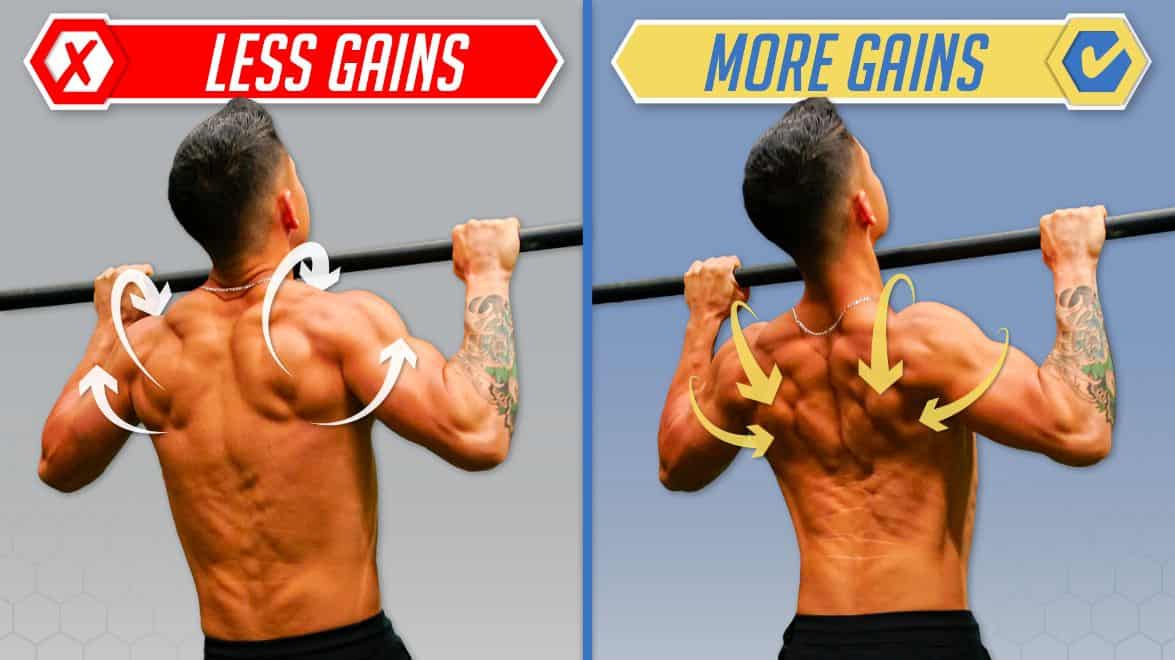
- Inconsistent Body Position: During the pull-up, maintaining a straight line from head to heels is critical. A common error is arching the back, which reduces the effectiveness of the pulling muscles and shifts the load to the lower back. This can lead to discomfort and injury. Similarly, a rounded back can also hinder the movement. The weight distribution should be evenly spread across the back, engaging the entire back musculature, from the upper back to the lower back.
- Inadequate Grip Strength: A weak grip can prevent proper body control and increase the risk of dropping from the bar. Improper grip placement or a lack of hand strength can also contribute to the inability to complete a pull-up.
- Insufficient Core Engagement: The core plays a vital role in maintaining stability and body tension during the pull-up. A weak core can lead to a lack of stability, resulting in unwanted movement and difficulty completing the exercise. Engaging the core throughout the entire movement is essential for maintaining proper form and preventing injury.
Corrective Exercises and Solutions
Addressing these issues involves targeted exercises and adjustments to technique. Specific exercises can strengthen the relevant muscles and improve form.
- Back Strengthening Exercises: Exercises that target the latissimus dorsi (lats), rhomboids, and trapezius muscles, such as rows, pulldowns, and face pulls, are crucial for building the strength needed to execute pull-ups correctly. These exercises also increase the overall strength of the back musculature, improving the ability to maintain correct posture during the pull-up.
- Grip Strengthening Exercises: Exercises like farmer’s walks, wrist curls, and dead hangs help build grip strength and endurance, crucial for maintaining a firm hold on the pull-up bar.
- Core Strengthening Exercises: Planks, crunches, and Russian twists are effective for strengthening the core muscles, providing the stability needed for a controlled pull-up movement.
Common Pull-Up Injuries and Prevention
Injuries related to pull-ups often stem from improper form, overuse, or insufficient warm-up.
- Shoulder Injuries: Overuse or incorrect form during pull-ups can lead to rotator cuff injuries, impingement syndrome, or shoulder dislocations. Proper form, warm-up, and cool-down routines are crucial in preventing these injuries. Prioritize proper shoulder positioning and engage your rotator cuff muscles throughout the movement.
- Wrist Injuries: Excessive force or improper grip can strain or injure the wrists. Warm-up exercises for the wrists and using a proper grip can prevent these issues. Ensure the grip is firm but not excessively tight, and avoid jerking motions.
- Back Injuries: Inadequate back strength or poor form can lead to lower back pain or injuries. Maintaining a neutral spine and engaging the core muscles throughout the movement helps prevent these issues.
Comparison Table of Common Pull-Up Mistakes
| Mistake | Cause | Solution |
|---|---|---|
| Inconsistent body position (arching or rounding) | Insufficient back strength, lack of core engagement | Strengthen back muscles (rows, pulldowns), engage core throughout the movement |
| Inadequate grip strength | Weak grip muscles, improper grip placement | Grip strengthening exercises (farmer’s walks, dead hangs), correct grip placement |
| Insufficient core engagement | Weak core muscles, lack of awareness | Core strengthening exercises (planks, crunches), maintain core tension |
Advanced Techniques and Variations
Mastering the pull-up involves progressing beyond basic repetitions. Advanced variations, like negative pull-ups, muscle-ups, and kipping pull-ups, build significantly greater strength, power, and overall upper body athleticism. These techniques demand a higher level of coordination, explosiveness, and body awareness.Understanding these variations allows for targeted training and helps identify areas needing further development.
Negative Pull-Ups
Negative pull-ups focus on the eccentric (lowering) portion of the pull-up movement. This isolates the strength needed to control the descent, often neglected in traditional pull-ups. This technique is excellent for building strength in the lowering phase, which is crucial for complete pull-up mastery.
- Execution: Begin at the top of a pull-up bar, holding a grip slightly wider than shoulder-width apart. Engage your back muscles, and slowly lower yourself down, maintaining control and a consistent tempo. The key is to keep your body in a straight line throughout the descent, avoiding swinging or uncontrolled movement. Avoid using momentum or bouncing to assist the descent.
- Benefits: Strengthening the eccentric contraction of the back muscles. Improving control and precision in the lowering phase. Developing a more powerful descent, which can aid in other exercises.
- Challenges: Requires significant upper body strength and control. Maintaining a consistent pace throughout the descent can be challenging. Requires high level of core strength to prevent sagging.
Muscle-Ups
Muscle-ups are a more advanced pull-up variation that combines a pull-up with a dip. They require a substantial amount of strength, leverage, and coordination.
- Execution: Start with a pull-up, and as you approach the top of the movement, transition your grip from overhand to underhand. This is the critical component of the muscle-up. Once in the underhand grip, forcefully push off the bar to elevate your body further, transitioning into a dip position, and pull yourself back up.
- Benefits: Significant strength development across the entire upper body. Develops explosive power and coordination. Great for improving overall body control.
- Challenges: Requires exceptional strength in the shoulders, back, and arms. Transitioning from overhand to underhand grip during the pull-up is a challenging skill to master. Developing the necessary explosive power for the push-up portion can take considerable practice.
Kipping Pull-Ups
Kipping pull-ups use momentum and body swing to complete the lift. They require a high level of coordination and explosiveness.
- Execution: Start in a dead hang position. Initiate a controlled swing, using your legs to propel your body upward. As you approach the top, transition to a pull-up motion. This is a technique that is best understood through visual demonstration.
- Benefits: Improve explosive strength and power. Develop a more efficient movement pattern for pull-ups. Increase the overall range of motion during the pull-up.
- Challenges: Requires advanced coordination and body awareness. Maintaining proper form and control during the swing can be challenging. It’s crucial to ensure the body is not over-swinging, as this can lead to injury.
Comparison of Advanced Pull-Up Variations
| Variation | Focus | Benefits | Challenges |
|---|---|---|---|
| Negative Pull-Ups | Eccentric strength and control | Improved control, back strength | Requires significant control |
| Muscle-Ups | Full body strength and coordination | Increased upper body strength | Requires advanced coordination |
| Kipping Pull-Ups | Explosiveness and momentum | Increased power and efficiency | Requires advanced coordination |
Warm-up and Cool-down Routines

Proper warm-up and cool-down routines are essential components of any exercise program, especially when performing demanding exercises like pull-ups. These routines prepare the body for the physical demands of the workout, reducing the risk of injury, and promoting efficient recovery. A well-structured warm-up and cool-down will improve performance and enhance the overall effectiveness of the training.
Warm-up Routine for Pull-Ups
A comprehensive warm-up routine prepares the shoulder, back, and arm muscles for the dynamic movements of pull-ups. This involves gradually increasing blood flow and activating the relevant muscle groups. This process reduces the risk of strain or injury during the workout.
- Dynamic Stretching (5-7 minutes): This phase involves controlled movements that mimic the actions of pull-ups. Examples include arm circles (forward and backward), shoulder rotations, torso twists, and wrist rotations. These dynamic stretches enhance range of motion and prepare the muscles for the pull-up motion.
- Light Cardio (3-5 minutes): Activities like jogging in place, jumping jacks, or high knees increase blood flow to the muscles. This prepares the cardiovascular system for the workout and improves muscle oxygenation. Starting with light cardio sets the stage for more intense exercises.
- Specific Pull-up Preparation (3-5 minutes): This phase includes a series of progressively challenging pull-up variations, like assisted pull-ups or negative pull-ups. Gradually increasing the intensity prepares the muscles for the full pull-up motion, allowing for greater strength and control.
Cool-down Routine for Pull-Ups
A proper cool-down routine is crucial to facilitate muscle recovery and prevent delayed-onset muscle soreness (DOMS). It involves slowing down the heart rate, reducing muscle tension, and promoting blood flow back to the muscles.
- Static Stretching (5-7 minutes): This phase involves holding each stretch for 20-30 seconds. Focus on stretching the major muscle groups used in pull-ups, such as the shoulders, back, biceps, and triceps. Examples include holding a triceps stretch, lat stretch, and rear deltoid stretch. Holding static stretches for the appropriate duration increases flexibility and reduces muscle stiffness.
- Light Cardio (2-4 minutes): Low-intensity cardio, such as walking or light cycling, helps to further reduce muscle tension and promote blood flow to the muscles, aiding in the recovery process. Gradually decreasing the intensity prepares the body for rest.
Warm-up and Cool-down Routine Table
| Activity | Type | Duration (minutes) | Description |
|---|---|---|---|
| Arm circles (forward & backward), shoulder rotations, torso twists, wrist rotations | Dynamic Stretching | 5-7 | Prepare muscles for pull-ups by increasing range of motion. |
| Jogging in place, jumping jacks, high knees | Light Cardio | 3-5 | Increase blood flow and prepare the cardiovascular system. |
| Assisted pull-ups, negative pull-ups | Specific Pull-up Preparation | 3-5 | Gradually increase intensity, preparing muscles for full pull-ups. |
| Holding a triceps stretch, lat stretch, rear deltoid stretch | Static Stretching | 5-7 | Reduce muscle tension and promote recovery. |
| Walking or light cycling | Light Cardio | 2-4 | Further reduce muscle tension and promote blood flow. |
Nutrition and Recovery
Proper nutrition and recovery strategies are crucial for maximizing progress in pull-up training. They play a significant role in supporting muscle growth, repair, and overall well-being, allowing for efficient adaptation to the demands of pull-up exercises. Without adequate nourishment and recovery, the body struggles to adapt and repair, potentially leading to decreased performance, injury risk, and reduced motivation.
Importance of Macronutrients
A balanced intake of protein, carbohydrates, and healthy fats is essential for building and maintaining muscle mass. These macronutrients provide the necessary building blocks and energy for muscle repair and growth. Protein is paramount for muscle synthesis, carbohydrates fuel workouts, and healthy fats contribute to overall health and hormone production. Without sufficient protein intake, the body may struggle to rebuild muscle tissue after the stress of pull-up training, hindering progress.
Protein Intake for Muscle Growth
Protein is vital for muscle protein synthesis, the process of building new muscle tissue. Adequate protein intake supports muscle repair after the intense exertion of pull-up workouts. The recommended protein intake for building muscle varies based on individual factors like body weight, activity level, and training goals. A general guideline is to consume 1.6 to 2.2 grams of protein per kilogram of body weight daily.
This ensures the body has sufficient building blocks for optimal muscle growth. For example, a 70kg individual might need approximately 112-154 grams of protein daily.
Carbohydrates for Energy
Carbohydrates serve as the primary energy source for the body, including during pull-up workouts. They provide the fuel necessary for optimal performance and prevent muscle glycogen depletion, which can lead to fatigue and reduced training intensity. A balanced intake of complex carbohydrates, such as whole grains, fruits, and vegetables, is beneficial. These complex carbohydrates release energy gradually, sustaining energy levels throughout the workout.
Hydration and Muscle Function
Proper hydration is critical for optimal muscle function. Dehydration can impair muscle performance and increase the risk of injury. Staying adequately hydrated supports muscle contraction, nutrient transport, and overall bodily functions. Consume enough water throughout the day, and adjust intake based on activity levels and climate conditions. Consider sports drinks for electrolyte replenishment during intense training sessions.
Recovery Strategies
Optimizing recovery after pull-up workouts is essential for preventing injury and promoting muscle growth. These strategies are crucial for allowing the body to repair and adapt to the demands of training. Proper recovery enables the body to adapt to the stress of training and maximize gains.
Stretching and Flexibility
Regular stretching after pull-up workouts helps improve flexibility and range of motion. This can reduce muscle soreness and stiffness, and improve overall mobility. Focus on stretching the major muscle groups used in pull-ups, such as the back, biceps, and shoulders. Examples include static stretches, such as holding a stretch for 20-30 seconds, and dynamic stretches, such as arm circles.
Massage Therapy
Massage therapy can help reduce muscle tension and soreness after pull-up workouts. It promotes blood flow to the muscles, facilitating the removal of metabolic waste products and promoting recovery. Consider massage therapy as a supplementary recovery strategy, particularly after intense training sessions.
Sleep for Muscle Repair
Adequate sleep is essential for muscle repair and recovery. During sleep, the body releases hormones that promote muscle growth and repair. Aim for 7-9 hours of quality sleep each night to support optimal recovery and adaptation to training. Consistent sleep patterns promote hormone release and recovery, supporting overall health and fitness.
Nutritional and Recovery Strategies
- Consume a balanced diet rich in protein, carbohydrates, and healthy fats. A balanced diet provides the necessary nutrients for muscle growth and repair.
- Prioritize protein intake. Aim for 1.6-2.2 grams of protein per kilogram of body weight daily.
- Consume complex carbohydrates for sustained energy.
- Stay hydrated by drinking plenty of water throughout the day.
- Incorporate stretching into your routine to improve flexibility and reduce muscle soreness.
- Consider massage therapy to reduce muscle tension and promote recovery.
- Ensure adequate sleep. Aim for 7-9 hours of quality sleep per night.
Safety Considerations and Precautions
Proper safety precautions are crucial when performing pull-ups, as improper form or lack of attention can lead to injuries. Understanding potential risks and implementing preventative measures ensures a safe and effective workout routine. Prioritizing safety minimizes the chance of setbacks and promotes long-term progress in strength development.Safe pull-up execution involves meticulous attention to technique, equipment, and the recognition of warning signs.
This section provides detailed guidance on these critical aspects.
Importance of Proper Safety Equipment and Techniques
Proper safety equipment and techniques significantly reduce the risk of injury during pull-up exercises. Using a pull-up bar designed for the specific workout environment and ensuring it is securely fastened prevents accidents. Maintaining a stable and neutral grip is also vital to prevent unnecessary strain on the wrists and hands. A secure grip minimizes the risk of dropping during the exercise, and the use of appropriate supportive equipment prevents falls.
Recognizing and Preventing Potential Injuries
Pull-ups, while beneficial, can cause injuries if not performed correctly. Shoulder pain is a common concern, often stemming from improper form or overuse. Avoid excessive arching of the back, which can put undue stress on the lower back. Maintaining a neutral spine position throughout the exercise is essential. Thorough warm-up routines and appropriate rest periods are crucial to prevent overuse injuries.
Listen to your body; if pain persists, discontinue the exercise and consult a healthcare professional.
Importance of a Spotter for Advanced Pull-Ups
For advanced pull-up variations, particularly those involving heavier weights or greater ranges of motion, having a spotter is crucial. A spotter can provide assistance during the exercise and help prevent falls, which could lead to serious injuries. Spotters ensure a controlled and safe environment for more challenging pull-up exercises. A spotter can manage the weight during the pull-up and assist with the lowering portion, preventing any sudden drops or falls.
Warning Signs Indicating a Need to Stop the Exercise
Recognizing warning signs is critical for preventing serious injury. Stopping the exercise immediately is vital when experiencing sharp pain or discomfort.
- Sharp pain in the shoulders, elbows, or wrists.
- Persistent or worsening back pain.
- A feeling of tightness or strain in the muscles that is not typical for the exercise.
- Difficulty maintaining a neutral grip or position.
- Any sudden or unexpected movements during the exercise.
By acknowledging and addressing these warning signs, you can prevent potential injuries and ensure a safe and effective workout experience.
Pull-Up Training Programs (Examples)
Effective pull-up training requires a structured approach tailored to individual fitness levels. These sample programs provide a framework for beginners, intermediates, and advanced individuals, guiding them through progressive overload and consistent practice. Understanding the importance of proper form, rest, and nutrition is crucial for maximizing results and preventing injuries.
Beginner Pull-Up Training Program
This program focuses on building the necessary strength and endurance for performing pull-ups. It emphasizes mastering the fundamental movement pattern before increasing the load. Key to success is consistent effort and proper form over speed.
| Day | Exercise | Sets | Reps | Rest (minutes) |
|---|---|---|---|---|
| Monday | Assisted Pull-ups (machine or resistance band) | 3 | 8-12 | 1.5 |
| Wednesday | Lat Pulldowns | 3 | 10-15 | 1.5 |
| Friday | Bent-over Rows | 3 | 10-15 | 1.5 |
| Saturday | Incline Dumbbell Rows | 3 | 10-15 | 1.5 |
Intermediate Pull-Up Training Program
This program builds upon the foundation established in the beginner program, gradually increasing the difficulty and volume of training. This phase focuses on increasing the number of pull-ups performed and improving the overall strength required.
| Day | Exercise | Sets | Reps | Rest (minutes) |
|---|---|---|---|---|
| Monday | Pull-ups | 3 | 6-8 | 2 |
| Wednesday | Negative Pull-ups | 3 | 6-8 | 2 |
| Friday | Pull-up Variations (e.g., wide grip, close grip) | 3 | 8-10 | 2 |
| Saturday | Barbell Rows | 3 | 10-12 | 2 |
Advanced Pull-Up Training Program
This program targets advanced athletes seeking to maximize pull-up performance and increase their volume of pull-ups. It emphasizes pushing beyond comfort zones, increasing intensity, and refining technique.
| Day | Exercise | Sets | Reps | Rest (minutes) |
|---|---|---|---|---|
| Monday | Pull-ups | 3-4 | 8-12 | 2-3 |
| Wednesday | Weighted Pull-ups | 2 | 5-7 | 3 |
| Friday | High-Rep Pull-ups | 3 | 12-15 | 2 |
| Saturday | Muscle-up Variations | 2 | 3-5 | 3 |
Consistency and Progressive Overload
Consistent training is paramount in achieving pull-up proficiency. The programs should be followed regularly, ideally 2-3 times per week, allowing adequate rest for muscle recovery. Progressive overload involves gradually increasing the demands on the muscles over time. This can be achieved by increasing the number of sets, reps, or weight lifted.
Closing Summary
In conclusion, this guide has provided a comprehensive roadmap for mastering pull-ups. From foundational techniques to advanced variations, we’ve explored the nuances of proper form, progression, and safety. By understanding the principles Artikeld, you can effectively build strength, improve your fitness, and confidently execute pull-ups with optimal form and safety. Remember, consistency and dedication are key to achieving your goals.