Embark on a transformative journey to optimal fitness with this comprehensive guide on exercising effectively at the gym. This resource provides a structured approach to understanding gym routines, from foundational knowledge to advanced techniques, empowering you to achieve your fitness goals. Whether you’re a seasoned athlete or just starting your fitness journey, this guide offers valuable insights and practical advice.
This guide will explore the various facets of gym exercise, from choosing the right exercises to understanding equipment and techniques. We’ll delve into the importance of nutrition and recovery, safety precautions, and strategies for maintaining motivation and consistency. You’ll gain practical knowledge to design a personalized workout routine that suits your needs and aspirations.
Introduction to Gym Exercise

Exercising at the gym encompasses a wide range of physical activities performed using specialized equipment and facilities. It differs from home workouts in its structured environment, access to a variety of equipment, and often more structured guidance from trainers. This structured approach, combined with a supportive community, can be instrumental in achieving fitness goals.Gym exercise offers a plethora of advantages over home workouts.
The controlled environment provides safety and reduces the risk of injuries due to improper form. Access to a wide range of equipment enables diverse training programs and helps target specific muscle groups. The social aspect of gym exercise can also be motivating, encouraging consistency and adherence to fitness plans.
History of Gym Exercise
The concept of structured exercise and training facilities has roots in ancient civilizations. While the modern gym as we know it emerged in the 20th century, the idea of dedicated spaces for physical training has been around for millennia. Ancient Greece, for example, had dedicated facilities for athletic training and competitions. The development of modern gyms is intrinsically linked to the rise of fitness consciousness and the desire for accessible and comprehensive exercise programs.
Different Types of Gym Exercises
Gym exercises are broadly categorized into cardio and strength training. Cardio exercises enhance cardiovascular health, while strength training builds muscle mass and improves overall strength. These two categories are not mutually exclusive, and many effective workout routines incorporate elements of both. For example, a workout might include a cardio session followed by strength training exercises.
Comparison of Cardio and Strength Training
| Exercise Type | Equipment | Exercises |
|---|---|---|
| Cardio | Treadmill, elliptical, stationary bike, rowing machine, stair climber | Running, cycling, elliptical training, rowing, stair climbing |
| Strength Training | Dumbbells, barbells, weight machines, resistance bands | Squats, bench press, bicep curls, overhead press, deadlifts, lunges, rows |
The table above provides a concise overview of common equipment and exercises for both cardio and strength training. Proper use of equipment is crucial to prevent injuries and maximize results. It is advisable to seek guidance from qualified trainers to learn the correct form and technique for each exercise.
Choosing the Right Gym Exercises
Selecting appropriate gym exercises is crucial for achieving desired fitness outcomes. A well-structured workout plan tailored to individual goals maximizes effectiveness and minimizes the risk of injury. Understanding your fitness objectives and incorporating a proper warm-up and cool-down are key elements for a safe and productive gym experience.Effective exercise selection directly impacts the attainment of personal fitness goals.
Choosing exercises aligned with these objectives ensures efficient use of time and resources, leading to faster progress and sustained motivation.
Importance of Fitness Goals
Understanding your fitness goals is paramount for selecting the right exercises. Different goals require different types of workouts. This personalization maximizes results and reduces the risk of frustration or plateaus.
- Weight Loss: Focus on exercises that burn a significant number of calories, such as cardio activities like running, cycling, or swimming. Strength training plays a role in boosting metabolism, aiding in long-term weight management.
- Muscle Gain: Prioritize strength training exercises that target specific muscle groups. Exercises like squats, bench presses, and deadlifts are examples of compound movements that work multiple muscle groups simultaneously.
- Improved Cardiovascular Health: Incorporate exercises that elevate your heart rate, such as running, swimming, or brisk walking. These exercises strengthen the cardiovascular system, improving endurance and overall health.
- Increased Flexibility and Range of Motion: Include stretching and flexibility exercises to enhance joint mobility and prevent injuries. Yoga and Pilates are excellent examples of activities focusing on flexibility.
- Stress Reduction: Consider activities that promote relaxation and stress relief, such as yoga, meditation, or light cardio exercises. These activities contribute to mental well-being alongside physical health.
Warm-up Routine
A thorough warm-up routine prepares the body for exercise, reducing the risk of injury and maximizing performance. It gradually increases blood flow to muscles, increasing their elasticity and readiness for more strenuous activity.A typical warm-up involves a light cardio activity, such as jogging in place or jumping jacks, for 5-10 minutes. This is followed by dynamic stretching, which involves controlled movements that increase the range of motion in the joints.
Examples include arm circles, leg swings, and torso twists.
Cool-down Routine
A cool-down is just as important as a warm-up. It gradually decreases heart rate and blood pressure, allowing the body to return to its resting state. This process helps prevent muscle soreness and stiffness.A cool-down routine typically involves static stretching, holding each stretch for 15-30 seconds. Examples include holding a hamstring stretch, quad stretch, or triceps stretch.
The cool-down period also provides an opportunity for reflection and evaluation of the workout.
Sample Workout Plan for Beginners
This sample workout plan focuses on cardio and strength training for beginners, aiming for three sessions per week, with rest days in between. This plan is a starting point and can be adjusted based on individual progress and preferences.
| Day | Cardio | Strength Training |
|---|---|---|
| Monday | 30 minutes brisk walking on a treadmill |
|
| Wednesday | 30 minutes cycling |
|
| Friday | 30 minutes swimming |
|
Equipment and Techniques
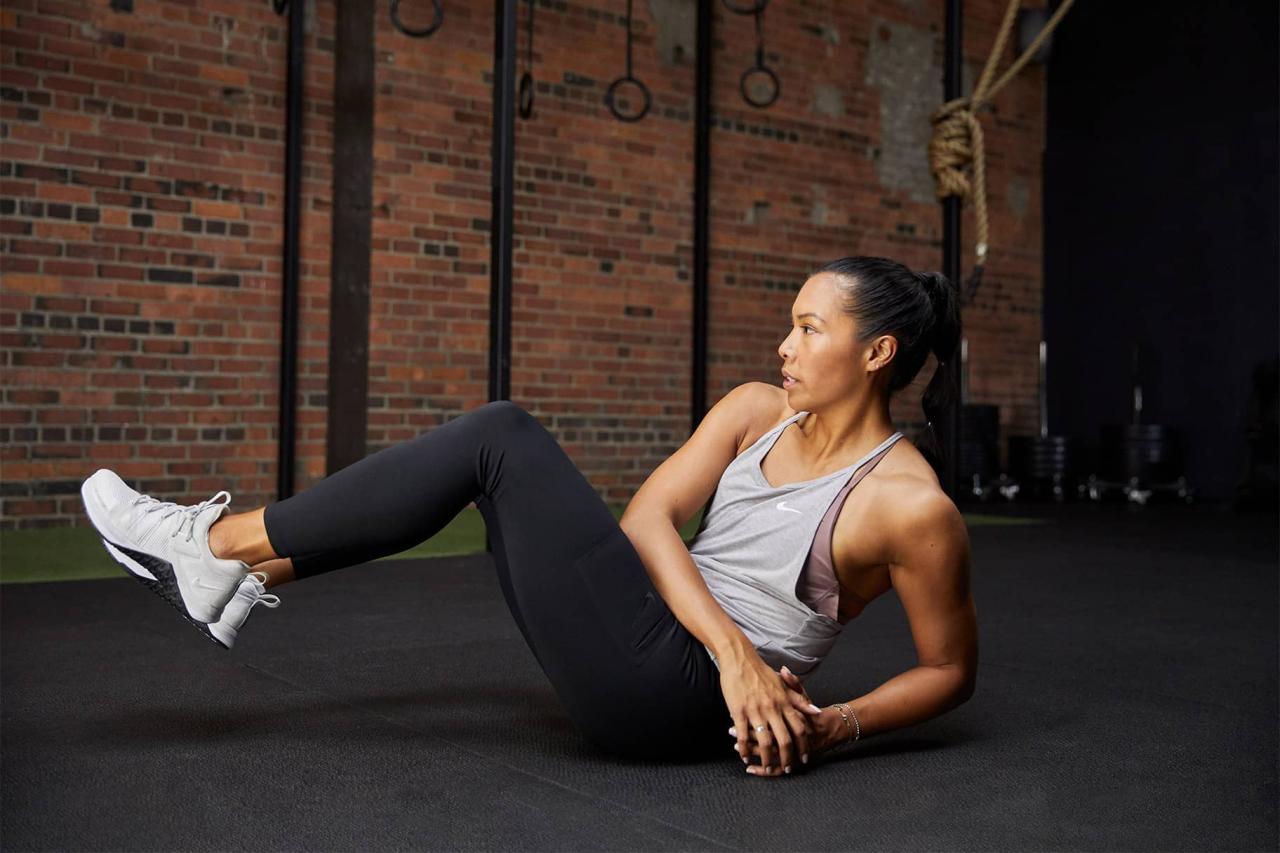
Proper use of gym equipment and adherence to correct lifting techniques are crucial for a safe and effective workout. Understanding the mechanics of each piece of equipment and practicing mindful form minimizes the risk of injury and maximizes results. This section will cover essential equipment, proper lifting techniques, and the significance of form and posture.
Using Gym Equipment Correctly
Effective gym workouts depend on the proper operation of equipment. Familiarize yourself with the specific instructions for each machine and follow the guidelines provided by the gym.
- Treadmills: Adjust the incline and speed gradually to avoid strain. Start with a lower incline and speed and gradually increase as your fitness improves. Always hold onto the handrails for balance when starting or stopping. Never run while distracted or on your phone.
- Weight Machines: Read the instructions carefully before using a weight machine. Select a weight appropriate for your strength level and adjust the machine settings as needed. Ensure the machine is locked securely in place before starting your repetitions.
- Free Weights (Dumbbells and Barbells): Proper weight selection is essential. Start with lighter weights and gradually increase the load as your strength improves. Always maintain a stable and controlled movement throughout each repetition.
Proper Lifting Techniques for Safety and Effectiveness
Safe and effective weight training relies on correct lifting techniques. This minimizes the risk of injury and maximizes the benefits of the workout.
- Warm-up: Before lifting weights, warm up your muscles with light cardio and dynamic stretches. This prepares your body for the workout and reduces the risk of injury.
- Breathing: Maintain a steady breathing pattern during your lifts. Exhale during the exertion phase and inhale during the recovery phase. This helps maintain proper form and reduces the risk of injury.
- Control: Focus on controlled movements throughout the entire range of motion. Avoid jerky or uncontrolled movements, as these increase the risk of injury.
- Spotters: When working with heavy weights, consider using a spotter to assist you, especially during the most challenging part of the exercise.
Form and Posture During Exercises
Maintaining correct form and posture is vital for both safety and effectiveness. Proper form ensures that the targeted muscles are engaged, minimizing strain on other areas and maximizing the benefits of the exercise.
- Posture: Maintain an upright posture with a straight back and engaged core throughout the exercise. This helps stabilize your body and prevents injury.
- Range of Motion: Complete the full range of motion for each exercise. This ensures that all targeted muscles are worked effectively.
- Proper Alignment: Ensure your body is aligned correctly throughout the exercise. This includes proper positioning of your feet, knees, and hips.
Common Mistakes to Avoid
Common mistakes can lead to injuries and hinder progress. Avoiding these mistakes will contribute to a safer and more productive workout.
- Rounding your back during squats or bench press: This can put undue stress on your spine and increase the risk of injury. Keep your back straight and maintain a neutral spine position.
- Jerking or uncontrolled movements: This can lead to injuries. Maintain controlled movements throughout the exercise.
- Lifting weights that are too heavy: This can lead to poor form and injuries. Start with lighter weights and gradually increase the load as your strength improves.
Proper Form Examples
The table below demonstrates proper form for common exercises.
| Exercise | Correct Form | Common Mistakes |
|---|---|---|
| Squats | Maintain a straight back, chest up, and weight distributed evenly on both feet. | Rounded back, improper weight distribution, and using momentum instead of controlled movements. |
| Bench Press | Keep elbows close to the body, maintain a neutral spine, and push the weight straight up. | Arching back, jerking motion, and using momentum instead of controlled movements. |
Creating a Personalized Workout Routine
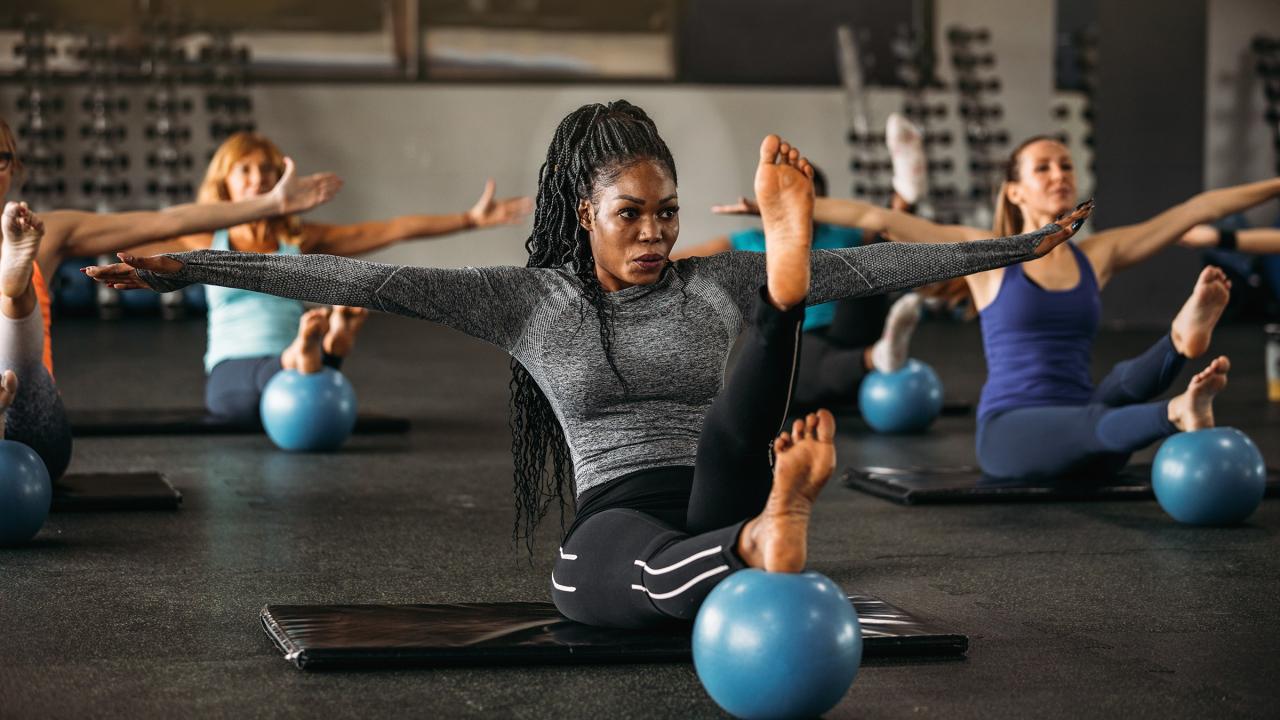
Developing a personalized workout routine is crucial for maximizing fitness gains and preventing plateaus. This involves tailoring the program to individual needs, preferences, and goals. Understanding your body’s limitations and capabilities, and aligning exercises with your personal circumstances, ensures a safe and effective approach.A well-structured routine fosters consistency and motivation, driving progress towards achieving fitness objectives. It is essential to be realistic and patient, as progress takes time and dedication.
Adapting the routine as your fitness level improves ensures ongoing challenges and sustained results.
Tailoring the Routine to Individual Needs
Understanding individual needs is paramount to creating a successful workout routine. Factors such as current fitness level, health conditions, and personal preferences all play a role. Beginner routines should prioritize fundamental exercises with proper form, while advanced routines should focus on progressive overload and more complex movements. Consider any pre-existing injuries or limitations, and consult with a healthcare professional before starting any new workout regimen.
Structuring a Weekly Workout Schedule
A structured weekly workout schedule provides a framework for consistency and progress. This schedule should incorporate a variety of exercises targeting different muscle groups, ensuring balanced development. It should also incorporate rest days to allow muscles to recover and rebuild. A sample schedule might include strength training on Mondays, Wednesdays, and Fridays, with cardio on Tuesdays and Thursdays, and rest on Saturdays and Sundays.
Adjusting the schedule to accommodate personal time constraints and preferences is crucial.
Adjusting the Routine Based on Progress and Goals
Regular evaluation of progress and goal attainment is essential for adapting the workout routine. Monitoring weight lifting performance, tracking fitness metrics, and evaluating overall well-being can provide valuable insights. As strength increases, the routine should be modified by increasing the weight lifted, sets, or reps, or by incorporating more complex exercises. This progressive overload is key to achieving long-term results.
Similarly, if goals shift or new goals are introduced, the workout schedule should be modified to reflect these changes.
Sample Workout Routines for Different Fitness Levels
Different fitness levels require different approaches to exercise. Routines should be tailored to specific needs, focusing on safe and effective movements. A beginner’s routine might focus on compound exercises with lighter weights and fewer sets. An intermediate routine would involve more complex movements and higher intensity, while an advanced routine could incorporate advanced techniques like plyometrics and more complex variations of existing exercises.
- Beginner Routine (3 days/week): Focuses on fundamental compound exercises. Examples include squats, push-ups, rows, and lunges. Typically, 2-3 sets of 8-12 repetitions per exercise.
- Intermediate Routine (4 days/week): Incorporates more complex movements and higher intensity. Examples include deadlifts, bench presses, overhead presses, and pull-ups. Typically, 3-4 sets of 6-12 repetitions per exercise.
- Advanced Routine (5 days/week): Emphasizes progressive overload, advanced techniques, and high-intensity training. Examples include Olympic lifts, power cleans, and plyometrics. Typically, 4-5 sets of 3-6 repetitions per exercise.
Comparing and Contrasting Workout Schedules for Various Goals
Workout schedules should align with specific fitness goals. A routine focused on building muscle mass would differ from one aimed at improving cardiovascular health. For muscle gain, compound exercises with progressive overload are crucial, whereas cardio-focused routines would emphasize endurance training. A balanced approach incorporating both strength training and cardiovascular exercise can be effective for overall fitness and well-being.
For example, a routine aiming for weight loss should combine cardio with strength training to maximize calorie expenditure and build muscle mass to boost metabolism.
| Goal | Workout Schedule Focus | Example Activities |
|---|---|---|
| Muscle Gain | Strength training, compound exercises, progressive overload | Squats, bench presses, deadlifts, rows |
| Weight Loss | Cardio, strength training, calorie control | Running, cycling, swimming, strength training, controlled diet |
| Improved Cardiovascular Health | Cardiovascular exercises, endurance training | Running, swimming, cycling, HIIT |
Nutrition and Recovery
Proper nutrition and recovery are crucial components of a successful gym routine. They are just as important as the exercises themselves. A balanced approach to both ensures that your body has the resources to perform effectively and safely, maximizing the benefits of your workouts. This crucial aspect of your fitness journey will aid in achieving your goals more efficiently and safely.
Importance of Nutrition
Optimal nutrition provides the body with the essential building blocks for muscle growth, repair, and overall health. Nutrients such as protein, carbohydrates, and healthy fats are vital for energy production, tissue synthesis, and hormone regulation. Without a balanced intake of these nutrients, your body may struggle to adapt to the demands of exercise and you may not see the desired results.
Pre-Workout Nutrition
Pre-workout nutrition fuels your body for optimal performance during your gym session. Consume a combination of complex carbohydrates and lean protein approximately 1-2 hours before your workout. This provides sustained energy release without causing digestive distress. Examples include whole-grain toast with peanut butter, oatmeal with fruit, or a small portion of grilled chicken with brown rice. This approach helps prevent energy crashes and improves workout intensity and endurance.
Post-Workout Nutrition
Post-workout nutrition is just as vital as pre-workout nutrition. It aids in muscle recovery and replenishment of glycogen stores. Consume a combination of protein and carbohydrates within 30-60 minutes after your workout. This window is considered the “anabolic window” where your body is most receptive to nutrient uptake for muscle repair and growth. Good choices include protein shakes with fruit, a turkey sandwich on whole-wheat bread, or a Greek yogurt with berries.
These options help in promoting muscle protein synthesis and replenishing energy levels.
Hydration
Adequate hydration is paramount for overall health and exercise performance. Water is essential for numerous bodily functions, including regulating temperature, transporting nutrients, and removing waste products. Dehydration can lead to fatigue, reduced performance, and muscle cramps. Maintaining proper hydration throughout the day, including before, during, and after workouts, is crucial. Carry a water bottle with you and sip on it consistently, especially during and after exercise.
Rest and Recovery
Rest and recovery are essential for muscle growth and repair. During exercise, muscle fibers are damaged. Rest allows the body to rebuild and strengthen these fibers, leading to increased muscle mass and strength. Insufficient rest can lead to overtraining, injury, and reduced performance. Adequate sleep and downtime are key factors for optimal recovery.
Sleep and Rest Tips
Sufficient sleep is vital for recovery and muscle repair. Aim for 7-9 hours of quality sleep per night. Establish a consistent sleep schedule to regulate your body’s natural sleep-wake cycle. Create a relaxing bedtime routine to promote sleep. Avoid caffeine and alcohol close to bedtime, as they can interfere with sleep quality.
Prioritize a comfortable sleep environment. If you experience persistent sleep problems, consult a healthcare professional.
Safety and Injury Prevention

Maintaining safety is paramount when exercising at the gym. Proper precautions, understanding potential injuries, and knowing how to respond are crucial for a positive and injury-free experience. This section provides essential guidelines for safe gym practices.Safe gym practices minimize the risk of accidents and injuries, ensuring a productive and enjoyable workout environment. This section Artikels critical safety precautions, potential injury scenarios, and appropriate responses to enhance gym safety.
Safety Precautions
Gym safety involves proactive measures to mitigate risks. Adhering to these precautions helps prevent accidents and injuries.
- Proper Form and Technique: Maintaining correct form during exercises is vital. Improper technique can lead to strain or injury. Consult with trainers or refer to instructional videos to ensure proper execution of exercises.
- Equipment Maintenance: Ensure that all gym equipment is in good working order. Report any malfunctioning equipment immediately to prevent accidents.
- Spotting During Weightlifting: Always have a spotter for exercises involving heavy weights. Spotters are essential for preventing injury in case of weightlifting failure.
- Proper Warm-up and Cool-down: Warming up prepares the muscles for exercise, while cooling down helps the body recover. Adequate warm-up and cool-down routines significantly reduce the risk of injury.
- Hydration and Nutrition: Staying hydrated and maintaining proper nutrition are essential for optimal performance and injury prevention. Dehydration and nutritional deficiencies can increase the risk of muscle strain or fatigue.
Potential Injuries and Avoidance
Recognizing potential injuries and understanding preventive measures can significantly reduce the risk of gym-related problems.
- Muscle Strains and Sprains: Muscle strains and sprains are common injuries. Gradually increasing the intensity and duration of workouts, along with proper warm-up and cool-down routines, helps prevent these injuries.
- Joint Injuries: Joint injuries, such as cartilage tears or dislocations, can occur with improper form or excessive force. Focus on maintaining proper form and avoiding overexertion to prevent joint problems.
- Back Injuries: Back injuries are a significant concern in weightlifting. Maintaining proper posture and spinal alignment during exercises helps avoid back pain and injury.
- Overtraining: Overtraining can lead to muscle fatigue, soreness, and increased risk of injury. Listen to your body, and incorporate rest days into your workout schedule.
Spotting During Weightlifting
Spotting is a crucial safety measure in weightlifting. Proper spotting technique prevents injuries to the lifter and the spotter.
- Understanding the Technique: A spotter should be positioned strategically to provide support and guidance to the lifter. Their position depends on the specific exercise being performed.
- Communication is Key: Clear and concise communication between the lifter and spotter is vital. Verbal cues help the spotter anticipate potential issues and react appropriately.
- Proper Positioning: The spotter should be positioned to support the weight safely and effectively, preventing injury to both the lifter and the spotter. The spotter should be able to react to sudden changes in the weight.
- Recognizing Signs of Failure: Spotters should be attentive to signs that indicate the lifter is struggling or about to fail. Knowing when to intervene is critical for injury prevention.
Recognizing and Responding to Common Gym Injuries
Prompt recognition and appropriate response to common gym injuries can minimize complications.
- Muscle Soreness: Muscle soreness after exercise is common. Rest, ice, compression, and elevation (RICE) are often helpful in managing muscle soreness. Seek medical advice if the soreness is severe or persistent.
- Sprains: Sprains often involve swelling, pain, and limited movement. Follow the RICE protocol and consult a medical professional for diagnosis and treatment.
- Bruises: Bruises are often a result of impacts or falls. Applying ice and elevation can help manage pain and swelling.
- Severe Injuries: In cases of severe injury, such as fractures or dislocations, seek immediate medical attention. Do not attempt to move the injured person unless necessary for immediate life-saving measures.
Warm-up and Cool-down Routines
Effective warm-up and cool-down routines are essential for preparing the body for exercise and facilitating recovery.
- Warm-up Activities: A warm-up routine typically includes light cardio exercises, such as jogging or jumping jacks, followed by dynamic stretches, like arm circles or leg swings. These activities increase blood flow and prepare the muscles for the workout.
- Cool-down Activities: Cool-down activities involve slower-paced cardio and static stretching. Static stretching involves holding each stretch for a period of time. This helps reduce muscle soreness and stiffness.
Motivation and Consistency
Maintaining a consistent gym routine requires more than just initial enthusiasm. Sustaining motivation and establishing a regular workout schedule are crucial for achieving fitness goals. This section explores strategies to stay motivated, develop consistent habits, and overcome common obstacles. Understanding the importance of realistic goals and celebrating achievements further enhances the journey towards a healthier lifestyle.Consistent gym attendance, like any new habit, requires careful planning and adaptation.
This section will explore strategies for maintaining motivation and consistency, focusing on setting realistic goals, celebrating achievements, and identifying and overcoming common barriers to consistent exercise. Furthermore, the advantages of working out with a partner will be highlighted.
Strategies for Staying Motivated
Maintaining motivation during workouts is a continuous process. Regular self-reflection and adjustment are key to sustaining interest. It’s important to recognize that motivation fluctuates; therefore, a flexible approach is essential. Finding activities that you enjoy, whether it’s listening to music, podcasts, or audiobooks, can significantly improve the workout experience and increase enjoyment.
Techniques for Maintaining a Consistent Workout Schedule
Creating a structured workout schedule and adhering to it consistently is vital for achieving fitness goals. This involves integrating workouts into your daily or weekly routine. Consider using a calendar or app to schedule workouts, marking them as important appointments. Scheduling workouts in advance allows you to visualize them as non-negotiable commitments, similar to appointments with a doctor.
Importance of Setting Realistic Goals and Celebrating Achievements
Setting realistic fitness goals is paramount to long-term success. Unrealistic expectations can lead to frustration and abandonment of the routine. Start with achievable goals, gradually increasing the intensity and duration of workouts as progress is made. Small, incremental improvements are more sustainable than sudden, drastic changes. Celebrating achievements, no matter how small, reinforces positive behavior and boosts motivation.
Acknowledging milestones, such as reaching a new weightlifting record or completing a set number of workouts, creates a sense of accomplishment and encourages continued effort.
Common Barriers to Consistent Exercise and Solutions
Several factors can impede consistent exercise. Lack of time, conflicting commitments, and feelings of fatigue are common obstacles. Prioritizing exercise by scheduling specific workout times, breaking down workouts into shorter sessions, and finding ways to make workouts more enjoyable can help overcome these barriers. Addressing feelings of fatigue might involve adjusting the intensity of workouts or incorporating rest days into the schedule.
Moreover, seeking support from friends, family, or a personal trainer can provide valuable encouragement and accountability.
Benefits of Exercising with a Workout Buddy
Working out with a friend or partner can significantly enhance motivation and consistency. Shared goals and mutual encouragement create a supportive environment. Having a workout buddy can provide accountability, motivation, and social interaction. This shared experience can make the workout journey more enjoyable and less monotonous. Furthermore, a workout buddy can provide support during challenging workouts and offer encouragement during periods of low motivation.
Conclusive Thoughts

In conclusion, this guide has equipped you with the essential knowledge and tools to navigate the world of gym exercise. By understanding the benefits of gym workouts, selecting appropriate exercises, mastering equipment and techniques, and prioritizing nutrition and recovery, you can achieve your fitness goals effectively and safely. Remember to stay motivated, consistent, and prioritize safety. Your journey to a healthier and more active lifestyle begins now.