Functional training, unlike traditional exercises focusing on isolated muscle groups, emphasizes movements mimicking everyday activities. This approach builds strength and improves overall fitness, leading to better performance in daily tasks and reducing the risk of injuries. This comprehensive guide will delve into the fundamentals, from defining functional training to outlining effective workout programs and safety considerations.
Understanding the key principles of functional training is crucial for designing effective workouts. By incorporating exercises that engage multiple muscle groups simultaneously, individuals can enhance their overall physical capabilities and improve their quality of life.
Introduction to Functional Training
Functional training emphasizes movements that mimic real-life activities. It prioritizes compound exercises that engage multiple muscle groups simultaneously, improving overall strength, power, and stability. This approach contrasts with traditional isolation exercises, which focus on isolating individual muscle groups. The key difference lies in the application of strength to everyday tasks.Functional training improves daily activities like lifting objects, climbing stairs, and maintaining balance.
This approach promotes efficiency and reduces the risk of injury by building strength and stability needed for real-world tasks. The principles behind functional training are rooted in biomechanics and the human body’s natural movement patterns.
Defining Functional Training
Functional training is a method of exercise that aims to enhance the body’s ability to perform everyday activities efficiently and effectively. It focuses on compound movements that mimic natural human motions. This contrasts with traditional training that isolates individual muscle groups.
Key Principles of Functional Training
Functional training prioritizes compound movements, emphasizing the integration of multiple muscle groups. These exercises mimic real-life activities and improve the body’s ability to move efficiently. Exercises are designed to improve strength, power, balance, and coordination, promoting overall functional fitness. It’s crucial to tailor exercises to individual needs and limitations.
Benefits of Functional Training
Functional training provides a range of benefits, including improved strength, power, and balance. It enhances overall athletic performance by improving the efficiency and effectiveness of movement patterns. This translates into improved daily activities and a reduced risk of injury. Furthermore, it enhances coordination, and stability, leading to better performance in various physical tasks.
Differences between Functional Training and Traditional Exercises
Traditional exercises often isolate individual muscle groups, whereas functional training emphasizes compound movements that engage multiple muscle groups simultaneously. Traditional exercises frequently use machines or isolation exercises to target specific muscles, while functional training employs free weights and bodyweight exercises to mimic real-world movements. This difference is crucial for building functional strength and improving overall fitness.
Comparison of Traditional and Functional Exercises
| Traditional Exercise | Functional Training Counterpart | Description | Benefits |
|---|---|---|---|
| Bicep Curl | Carrying groceries | A bicep curl isolates the biceps muscle, while carrying groceries involves multiple muscle groups in the arms, shoulders, and core, mimicking a real-world task. | Builds isolated bicep strength, while carrying groceries strengthens multiple muscle groups for daily tasks and improves core stability. |
| Leg Press | Climbing stairs | Leg press uses a machine to isolate leg muscles, whereas climbing stairs engages the quadriceps, hamstrings, glutes, and core muscles in a natural movement pattern. | Strengthens quadriceps, hamstrings, and glutes, while climbing stairs builds functional strength and improves balance and coordination. |
Types of Functional Training Exercises
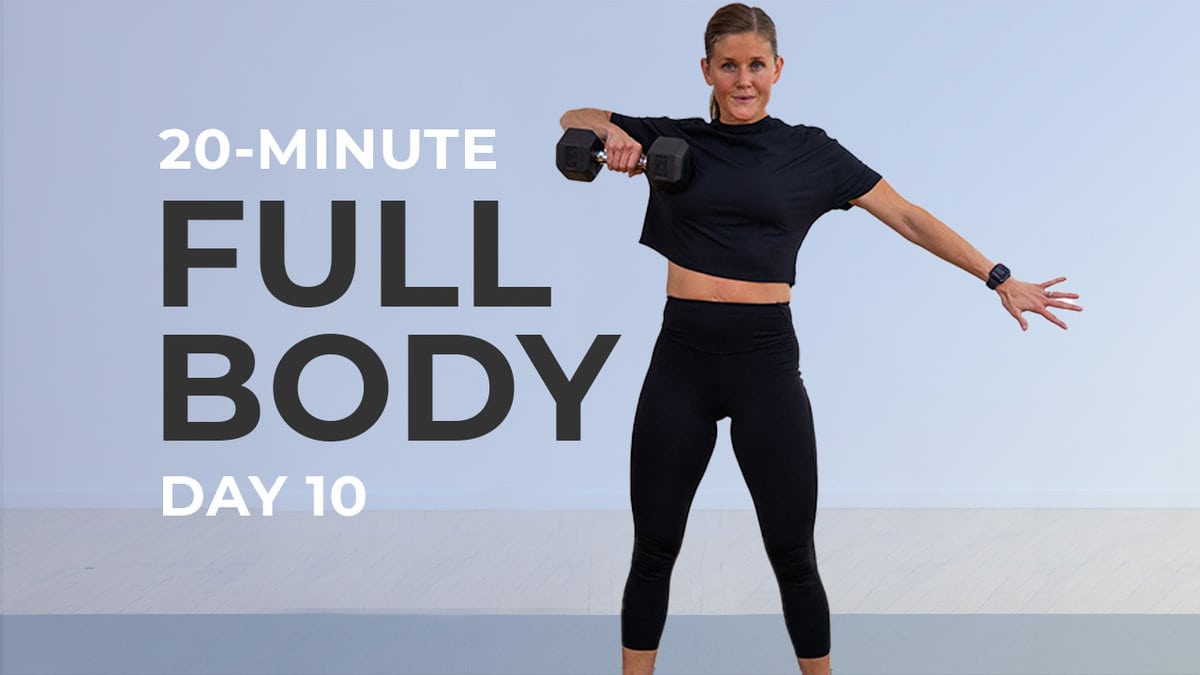
Functional training emphasizes exercises that mimic real-life movements, enhancing overall strength and stability. This approach focuses on compound movements, engaging multiple muscle groups simultaneously, and promoting coordination and balance. By incorporating these principles, individuals can improve their performance in daily activities and sports.
Categorization of Functional Training Exercises
Functional training exercises can be categorized based on the movement patterns they target. This structured approach allows individuals to focus on specific areas of improvement and develop a comprehensive fitness routine. Different categories of exercises target various muscle groups, ensuring a well-rounded workout.
Exercises Targeting Specific Muscle Groups
This section Artikels exercises designed to strengthen different muscle groups. Understanding the exercises targeting each muscle group allows for tailored training programs. Specific exercises for each category are provided for a clearer understanding of the variety within functional training.
- Upper Body Exercises: These exercises focus on building strength and endurance in the arms, shoulders, and back. They are crucial for activities requiring upper body strength and stability.
- Examples of Upper Body Exercises:
- Push-ups: A fundamental exercise engaging the chest, shoulders, and triceps. Variations like incline or decline push-ups target different muscle groups.
- Rows: Exercises targeting the back muscles, including the latissimus dorsi and rhomboids. Different variations, like barbell rows or dumbbell rows, offer various challenges.
- Overhead Press: A compound exercise involving the shoulders, triceps, and upper back muscles. Utilizing dumbbells or barbells provides different levels of resistance.
- Core Exercises: These exercises strengthen the core muscles, crucial for stability, balance, and posture. Strong core muscles are vital for activities requiring core engagement and support.
- Examples of Core Exercises:
- Plank: A static exercise that engages the entire core, including the rectus abdominis, obliques, and transverse abdominis. Maintaining proper form is essential for effective engagement.
- Crunches: A common exercise primarily targeting the rectus abdominis. Different variations, like Russian twists, add variety and target different core muscles.
- Bicycle Crunches: A dynamic exercise engaging the obliques, promoting core stability and strength.
- Lower Body Exercises: These exercises strengthen the muscles of the legs and glutes, enhancing power and stability. Lower body strength is crucial for activities requiring mobility and stability.
- Examples of Lower Body Exercises:
- Squats: A fundamental exercise engaging the quadriceps, hamstrings, and glutes. Various squat variations, such as goblet squats or jump squats, target specific muscle groups and intensities.
- Lunges: An exercise targeting the quads, hamstrings, and glutes. Forward, reverse, and lateral lunges offer different challenges and target various muscle groups.
- Deadlifts: A compound exercise engaging multiple muscle groups in the lower body and back. This exercise builds overall strength and power in the lower body.
Summary Table of Functional Training Exercises
| Body Part | Exercise 1 | Exercise 2 | Exercise 3 |
|---|---|---|---|
| Upper Body | Push-ups | Rows | Overhead Press |
| Core | Plank | Crunches | Bicycle Crunches |
| Lower Body | Squats | Lunges | Deadlifts |
Equipment and Tools for Functional Training
Functional training often relies on a variety of equipment to enhance exercise versatility and challenge the body in dynamic ways. Proper selection and use of these tools can significantly elevate the effectiveness and safety of workouts. This section will detail common equipment, their benefits, drawbacks, and effective usage strategies.
Types of Resistance Equipment
A wide range of equipment provides resistance for functional training exercises. Choosing the right equipment depends on the specific goals and the individual’s fitness level. Proper selection and usage are crucial to maximize the effectiveness and minimize the risk of injury.
- Resistance Bands: These versatile bands offer adjustable resistance, making them suitable for various strength and conditioning exercises. They are portable, affordable, and ideal for home workouts. Resistance bands are highly adaptable to a wide range of exercises, from strength training to rehabilitation. They can be used for both strength and flexibility training, allowing for progressive overload and targeted muscle engagement.
- Kettlebells: These weighted balls are a popular choice for functional training. Their unique design promotes rotational movements and full-body engagement. Kettlebells are effective for building strength, power, and cardiovascular fitness. They are often used in compound movements that target multiple muscle groups simultaneously.
- Dumbbells: Dumbbells provide controlled resistance for isolating and strengthening individual muscle groups. They are adaptable for a broad range of exercises, from bicep curls to shoulder presses. Dumbbells are excellent for targeted muscle development and strength building.
- Medicine Balls: Medicine balls, ranging in weight, are utilized for exercises that involve throws, catches, and dynamic movements. They improve core strength, stability, and coordination. Medicine balls are essential for exercises that focus on explosiveness, agility, and power.
Advantages and Disadvantages of Each Type
Different equipment offers various advantages and disadvantages. Understanding these factors is essential for informed choices.
- Resistance Bands: Advantages include portability, affordability, and adaptability to various exercises. Disadvantages include limited resistance compared to free weights and the potential for injury if not used correctly. Careful selection of resistance levels and proper form are paramount to avoid injury and maximize effectiveness.
- Kettlebells: Advantages include the development of rotational strength, improved core stability, and full-body engagement. Disadvantages include a higher risk of injury if not used with proper technique and the potential for uneven weight distribution. Consistent practice with proper form is essential to avoid injuries and maximize benefits.
- Dumbbells: Advantages include isolating muscle groups, providing controlled resistance, and being suitable for various exercises. Disadvantages include the need for space, potentially slower progress compared to compound movements, and the need for careful form to avoid injury.
- Medicine Balls: Advantages include enhancing core strength, improving coordination, and providing dynamic movement. Disadvantages include a higher risk of injury if not used with proper technique, potentially requiring more space compared to other equipment, and the need for proper form to avoid injury.
Effective Usage Strategies
Proper technique is crucial when using functional training equipment. The use of proper form significantly enhances safety and effectiveness.
- Resistance Bands: Start with a band appropriate for your strength level and gradually increase resistance. Maintain consistent tension throughout the exercise. Pay close attention to proper form to avoid injuries and maximize results.
- Kettlebells: Prioritize controlled movements, ensuring a stable posture throughout each exercise. Focus on proper grip and technique, as these directly impact exercise effectiveness and safety. Seek guidance from qualified trainers for optimal technique and avoid potential injuries.
- Dumbbells: Maintain a neutral spine and controlled movements. Maintain consistent tension throughout the exercise. Focus on isolating the target muscle group and avoiding excessive momentum.
- Medicine Balls: Focus on controlled throws and catches, maintaining a stable core throughout the exercise. Gradual progression is key to avoid injury and maximize results. Start with lighter weights and gradually increase difficulty.
Equipment Table
| Equipment | Description | Common Use | Advantages | Disadvantages |
|---|---|---|---|---|
| Resistance Bands | Elastic bands offering adjustable resistance. | Strength training, rehabilitation, warm-up. | Portable, affordable, versatile, adaptable to various exercises. | Limited resistance compared to free weights, potential for injury if not used correctly. |
| Kettlebells | Weighted ball with a handle. | Strength training, full-body exercises, rotational movements. | Develops rotational strength, improves core stability, full-body engagement. | Higher risk of injury if not used with proper technique, uneven weight distribution possible. |
Programming Functional Training Workouts
Properly planned functional training workouts are crucial for achieving desired results, maximizing efficiency, and minimizing risk of injury. A well-structured program considers individual goals, fitness levels, and available resources, allowing for consistent progress and long-term adherence. This section details the process of creating effective functional training programs.
Importance of Workout Planning
Effective workout planning is paramount to achieving desired outcomes. A structured approach ensures consistency, progression, and prevents plateaus. It also allows for the monitoring of progress and adjustments to the program as needed. A poorly planned program can lead to frustration, lack of motivation, and even injuries. Thorough planning allows for a more targeted approach to fitness goals.
Creating a Structured Functional Training Program
Developing a structured program involves several key steps. First, define specific, measurable, achievable, relevant, and time-bound (SMART) goals. Next, assess individual fitness levels and limitations. This assessment should consider factors such as current physical abilities, any pre-existing injuries, and current lifestyle. Based on this assessment, create a program that progressively challenges the body, incorporating various functional movements and intensities.
Finally, schedule workouts, and adjust the program based on progress and feedback. This continuous evaluation is essential for maintaining a program’s effectiveness.
Different Workout Routines for Various Goals
Different workout routines cater to various goals, from strength and power development to improved balance and flexibility. Strength-focused routines emphasize compound exercises that engage multiple muscle groups, promoting overall strength and power. Balance-oriented programs integrate exercises that challenge the body’s equilibrium, improving stability and proprioception. Flexibility programs, on the other hand, emphasize stretches and mobility exercises to enhance range of motion and reduce risk of injury.
Sample Weekly Functional Training Program
| Day | Workout Focus | Exercises (Examples) |
|---|---|---|
| Monday | Full Body Strength | Squats, Push-ups, Rows, Deadlifts, Lunges |
| Tuesday | Balance and Core | Single-leg squats, Plank variations, Bird-dog, Side plank |
| Wednesday | Active Recovery | Light cardio, Yoga, Foam rolling, Active stretching |
| Thursday | Strength (Upper Body) | Pull-ups, Dips, Overhead Press, Bicep Curls, Triceps Extensions |
| Friday | Strength (Lower Body) | Bulgarian Split Squats, Hamstring Curls, Calf Raises, Step-ups |
| Saturday | Flexibility and Mobility | Dynamic stretching, Static stretching, Foam rolling, Yoga |
| Sunday | Rest or Active Recovery | Complete rest, light walk, or gentle stretching |
This sample program provides a framework. Adjustments should be made based on individual needs and preferences. For example, individuals with limited mobility may need modifications to exercises, while advanced athletes may benefit from increased intensity or more complex variations.
Common Mistakes in Functional Training
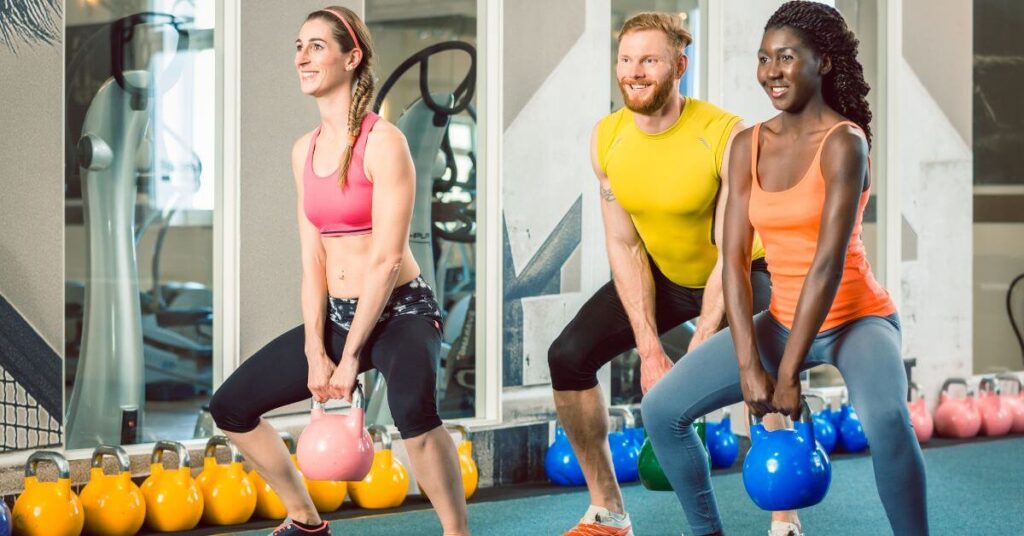
Functional training, designed to enhance everyday movement, requires a meticulous approach. Understanding common errors and their underlying reasons is crucial for achieving optimal results and preventing injuries. By recognizing these pitfalls, individuals can adjust their techniques and optimize their training programs.Common errors in functional training often stem from a lack of proper form, inadequate understanding of the exercises, or insufficient attention to crucial aspects like breathing and rest.
Addressing these errors through conscious effort and appropriate guidance can significantly improve training outcomes and reduce the risk of setbacks.
Identifying Poor Form
Proper form is fundamental to functional training. Incorrect form can lead to inefficient exercise execution, reduced effectiveness, and increased risk of injury. Many individuals may rush through exercises, prioritizing speed over accuracy. This often results in compromised technique, impacting the effectiveness of the movement pattern and negating the intended benefits. Furthermore, a lack of awareness about the specific muscles engaged in each exercise can lead to improper form, thereby hindering the targeted strengthening and conditioning.
Understanding Incorrect Breathing Techniques
Breathing plays a significant role in functional training, influencing stability, power output, and overall performance. Improper breathing techniques can lead to decreased efficiency, reduced endurance, and even pain during the exercises. Holding one’s breath during exercises can create unnecessary strain on the cardiovascular system, impacting the exercise’s effectiveness. Failure to coordinate breathing with the movement can lead to compromised muscle engagement, making the exercise less effective.
Conversely, inappropriate breathing during a workout can also affect the training’s effectiveness, leading to diminished results.
Addressing Other Common Errors
Other frequent mistakes include neglecting warm-up routines, not listening to one’s body, and insufficient recovery time. A thorough warm-up is crucial to prepare the muscles and joints for the demands of the exercise, while ignoring pain signals can lead to injuries. Insufficient rest periods can hinder the body’s ability to repair and rebuild, leading to decreased performance and an increased risk of burnout.
Furthermore, a lack of individualized programming and adherence to a structured plan can limit progress and lead to frustration.
Tips for Avoiding Common Mistakes
Consistent practice, guided instruction, and proper technique are key to minimizing errors. Seeking guidance from qualified professionals, such as certified personal trainers or physical therapists, can provide valuable insights and tailored advice. Furthermore, using visual aids and following demonstrations can significantly improve understanding and execution. Regularly reviewing and adjusting training programs can help to optimize performance and address any evolving needs.
Table of Common Mistakes and Corrections
| Mistake | Description | Correction |
|---|---|---|
| Poor Form | Rushing through exercises, prioritizing speed over accuracy, lack of awareness of targeted muscles. | Slow down and focus on proper technique. Seek guidance from a qualified professional. Use visual aids or demonstrations to improve understanding. |
| Incorrect Breathing | Holding one’s breath during exercises, failure to coordinate breathing with movement. | Focus on controlled breathing, coordinating breaths with the exercise’s phases. Inhale during the easier phase and exhale during the more strenuous phase. |
| Neglecting Warm-up | Skipping warm-up routines to prepare muscles and joints. | Include dynamic stretches and light cardio before each workout to prepare the body for the exercise. |
| Ignoring Pain Signals | Disregarding pain signals during exercises, potentially leading to injury. | Listen to your body; stop if you feel pain. Modify exercises as needed to avoid discomfort. Seek professional guidance if pain persists. |
| Insufficient Recovery | Not allowing adequate rest periods for muscle repair and rebuilding. | Prioritize rest and recovery between workouts. Listen to your body’s signals and adjust training intensity accordingly. |
Safety Considerations in Functional Training
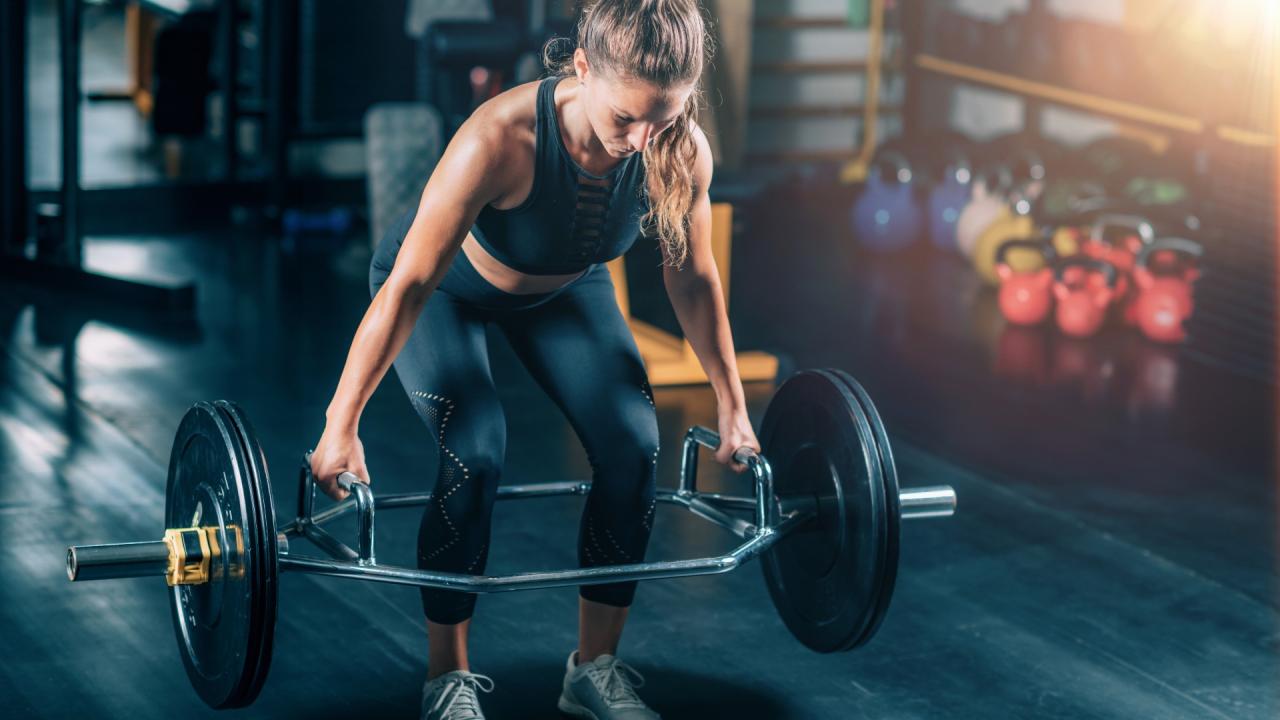
Functional training, while offering numerous benefits, requires careful attention to safety protocols. Prioritizing safety is paramount to prevent injuries and ensure a positive training experience. Proper technique, warm-up, cool-down, and injury prevention strategies are integral components of any successful functional training program.Thorough preparation and awareness of potential risks are essential for maximizing the effectiveness and minimizing the potential for harm during functional training sessions.
A proactive approach to safety fosters a safe and empowering environment for individuals to achieve their fitness goals.
Importance of Safety Precautions
Safety precautions are crucial in functional training to prevent injuries and ensure a positive experience. Proper techniques and mindful execution are key elements in injury prevention. Understanding and implementing safety precautions reduces the risk of strains, sprains, and other musculoskeletal issues, allowing participants to progress safely and effectively.
Proper Warm-up and Cool-down Procedures
A thorough warm-up is essential to prepare the body for the demands of functional training. It gradually increases blood flow to muscles, raises core temperature, and improves flexibility and range of motion. A dynamic warm-up, involving movements similar to the exercises in the workout, is highly recommended. A static cool-down, which involves holding stretches for a set period, helps muscles recover and prevents stiffness.
Recognition and Avoidance of Potential Injuries
Proper form and technique are paramount in minimizing the risk of injury. Incorrect form can place undue stress on joints and muscles, increasing the likelihood of strains, sprains, or tears. Recognizing potential warning signs, such as sharp pain, unusual discomfort, or instability, is vital. If any of these symptoms arise, immediately cease the exercise and consult a healthcare professional.
Significance of Proper Form and Technique
Maintaining proper form and technique during functional training exercises is critical for preventing injuries. Focus on controlled movements, using proper posture and alignment. Seeking guidance from qualified instructors is highly recommended, especially for beginners, to ensure correct execution. Proper technique significantly reduces the risk of injury and maximizes the effectiveness of the exercise.
Adjusting Exercises Based on Individual Needs
Modifying exercises to accommodate individual needs and limitations is essential for safety and effectiveness. Consider factors such as physical limitations, previous injuries, and current fitness level when selecting exercises. Adjusting the intensity, range of motion, or load can make the exercise more suitable. Consult with a qualified healthcare professional or certified personal trainer for personalized exercise recommendations.
Safety Tips for Functional Training
- Listen to your body: Pay attention to any pain or discomfort. If you feel pain, stop the exercise immediately.
- Use proper form and technique: Focus on controlled movements and proper posture. Seek guidance from qualified instructors if needed.
- Warm up and cool down: Prepare your body for exercise with a dynamic warm-up and conclude with a static cool-down.
- Proper footwear: Wear appropriate footwear that provides stability and support for the exercises.
- Proper hydration: Drink plenty of water before, during, and after your workout to prevent dehydration.
- Appropriate progression: Start with lighter weights or resistance and gradually increase the intensity and load over time.
- Proper rest and recovery: Allow adequate rest between sets and workouts to allow muscles to recover.
- Seek professional guidance: Consider consulting with a healthcare professional or certified personal trainer for personalized exercise recommendations and safety advice.
Functional Training for Specific Populations

Functional training, while beneficial for a wide range of individuals, requires careful adaptation to cater to the specific needs and limitations of different populations. This adaptability is crucial for maximizing the effectiveness and safety of the training program, preventing injuries, and promoting optimal results. Considering factors such as age, physical condition, and prior injuries is paramount in creating personalized functional training plans.Individualization in functional training programs is essential for achieving optimal outcomes.
Generic approaches often fail to address the unique needs of each individual, potentially leading to suboptimal results or even injuries. Tailoring exercises and intensity levels to individual capabilities and limitations ensures a safe and effective training experience. This approach allows for gradual progression, prevents overexertion, and fosters long-term adherence to the program.
Adapting Functional Training for Seniors
Seniors often face age-related physical changes, including decreased muscle mass, bone density, and flexibility. Functional training programs for seniors must prioritize maintaining or improving functional strength, balance, and mobility to support independent living. Lower-impact exercises, such as chair squats, modified push-ups against a wall, and seated rows, are crucial for seniors. Emphasis should be placed on maintaining balance and coordination.
Supervised exercise sessions and close monitoring are particularly important for this population.
Adapting Functional Training for Athletes
Functional training plays a vital role in enhancing athletic performance. It addresses the specific needs of athletes, including improving power, speed, agility, and endurance. Functional training for athletes should incorporate exercises that mimic movements within their sport. For example, plyometrics, balance drills, and resistance training tailored to specific athletic movements are important for enhancing athletic capabilities. The goal is to improve the athlete’s ability to perform actions related to their sport efficiently and effectively.
Adapting Functional Training for Individuals with Injuries
Functional training for individuals with injuries is critical for rehabilitation and restoring optimal function. A personalized approach is essential, taking into account the specific injury, its stage of recovery, and the individual’s pain tolerance. Exercises should be designed to gradually increase strength, range of motion, and flexibility without exacerbating the injury. Modifications and progressions are key for ensuring safe and effective recovery.
Close collaboration with healthcare professionals is vital to ensure the safety and efficacy of the training program.
Examples of Modified Exercises
The following table illustrates examples of modifications for different populations. These modifications are not exhaustive and should be adjusted based on the individual’s specific needs and abilities.
| Population | Modification 1 | Modification 2 | Modification 3 |
|---|---|---|---|
| Seniors | Chair squats with a light weight or resistance band | Modified push-ups against a wall or incline | Balance exercises using a stability ball or foam pad |
| Athletes | Plyometric exercises with reduced intensity or repetitions | Resistance training using lighter weights or resistance bands | Agility drills with shorter distances or fewer repetitions |
| Individuals with Injuries | Exercises performed with reduced range of motion or intensity | Use of assistive devices like crutches or braces | Exercises performed in a pool or on a mat |
Measuring Progress in Functional Training
Monitoring progress is crucial for optimizing functional training programs and ensuring clients achieve their desired outcomes. Regular assessment allows for adjustments to the program, promoting continued improvement and preventing plateaus. Understanding how to measure progress effectively empowers both the trainer and the client to track improvements, fostering motivation and a sense of accomplishment.Tracking progress in functional training goes beyond simply measuring weight lifted.
It encompasses a holistic evaluation of strength, flexibility, balance, and overall functional movement patterns. A comprehensive approach allows for a more accurate reflection of progress and identifies areas needing specific attention.
Methods for Tracking Strength Improvements
Understanding strength improvements in functional training requires a multi-faceted approach. Different exercises target various muscle groups and movement patterns. Progressive overload, a key principle in strength training, is essential. This involves gradually increasing the weight, resistance, or repetitions over time. Regular assessments, like strength testing with standardized assessments like the 1RM (one repetition maximum), are crucial.
Using a consistent testing protocol across sessions ensures reliable comparisons. For example, if a client performs a bench press, consistent form, using the same weight plates and bar, and the same number of repetitions, will help track progress more accurately.
Evaluating Flexibility and Range of Motion
Assessing flexibility and range of motion (ROM) is essential for functional training. Flexibility is vital for injury prevention and optimal movement. Static stretches, dynamic stretches, and other assessments can help evaluate ROM. Utilizing a goniometer or measuring tape provides quantifiable data for tracking improvements. Regularly recording ROM measurements allows for precise tracking of progress, such as improved joint mobility in movements like squats or lunges.
A client starting with limited hip flexion can be tracked with each session to see improvements in ROM, allowing for adjustments in the training program.
Analyzing Balance and Stability
Balance and stability are fundamental for functional movement. Various assessments can gauge balance improvements. Using balance platforms, which measure the center of pressure and time spent in a stable position, provides quantitative data. Clinically validated balance tests, like the Berg Balance Scale, can also be employed. These assessments offer insights into postural control, providing a benchmark for progress tracking.
Tracking balance improvements is vital for injury prevention and overall movement efficiency, such as improving the ability to perform activities of daily living like walking or climbing stairs.
Employing Metrics and Tools for Progress Tracking
Various metrics and tools aid in tracking progress. Digital workout journals can log workouts, repetitions, and sets, offering a convenient way to track progress over time. Fitness trackers, with features for activity monitoring and sleep analysis, provide supplementary data. Video analysis can capture movement patterns, allowing for objective evaluation of form and efficiency. This data can help identify areas where form needs correction to maximize progress and minimize injury risk.
Motivational Strategies for Continued Participation
Maintaining motivation is crucial for sustained progress. Celebrating milestones, no matter how small, fosters a sense of accomplishment. Setting realistic goals, creating a supportive training environment, and using visualization techniques can boost motivation. Adjusting the program to incorporate client interests and preferences also contributes to sustained participation. Tracking progress visually with charts or graphs can provide a tangible representation of effort and achievement.
Progress Tracking Methods Table
| Metric | Description | Measurement |
|---|---|---|
| Strength | The ability to exert force against resistance. | 1RM (one repetition maximum), repetition maximum (RM), weight lifted, resistance used, and number of repetitions. |
| Flexibility | The ability to move joints through a full range of motion. | Goniometry, measuring tape, visual assessment of joint range, and subjective feedback from the client. |
| Balance | The ability to maintain equilibrium and stability. | Balance platforms, static and dynamic balance tests, time spent in a stable position, and clinical balance scales. |
Closure
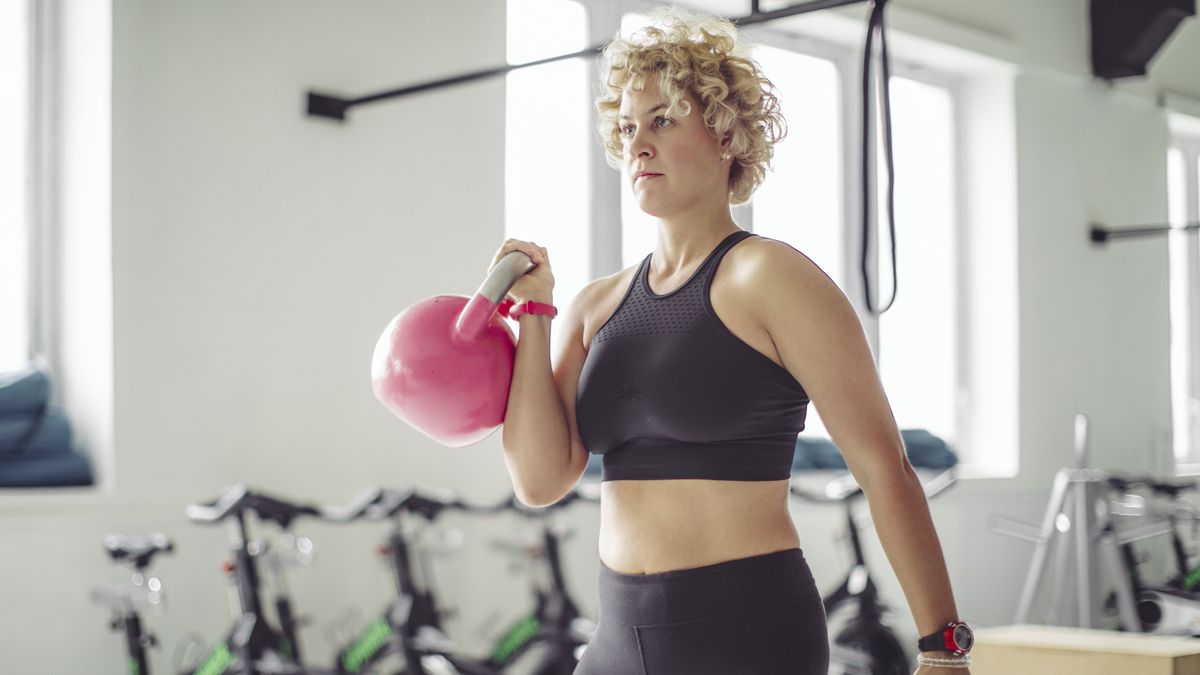
In conclusion, mastering functional training involves a holistic approach encompassing proper form, targeted exercises, and individualized programs. By understanding the principles, practicing safe techniques, and adjusting workouts for specific needs, individuals can reap the numerous benefits of functional training. This comprehensive guide provides the essential knowledge and tools for successful implementation.