Embarking on a fitness journey as a beginner can feel daunting, but with the right approach, it can be incredibly rewarding. This guide provides a comprehensive overview of how to exercise effectively and safely, starting from the ground up. We’ll explore essential strategies for setting realistic goals, choosing appropriate exercises, and creating a consistent routine. Understanding the importance of proper nutrition, hydration, and safety precautions will also be addressed, empowering you to enjoy the process and achieve your fitness aspirations.
Common barriers to starting an exercise routine, such as lack of time or motivation, will be discussed. We’ll delve into the significance of starting slow and gradually increasing intensity, and the crucial role of consistency and patience in achieving your fitness goals. Practical tips for creating a sustainable routine, along with strategies for overcoming plateaus, will be explored.
This guide will equip you with the knowledge and tools necessary to begin your fitness journey with confidence and excitement.
Introduction to Exercise for Beginners
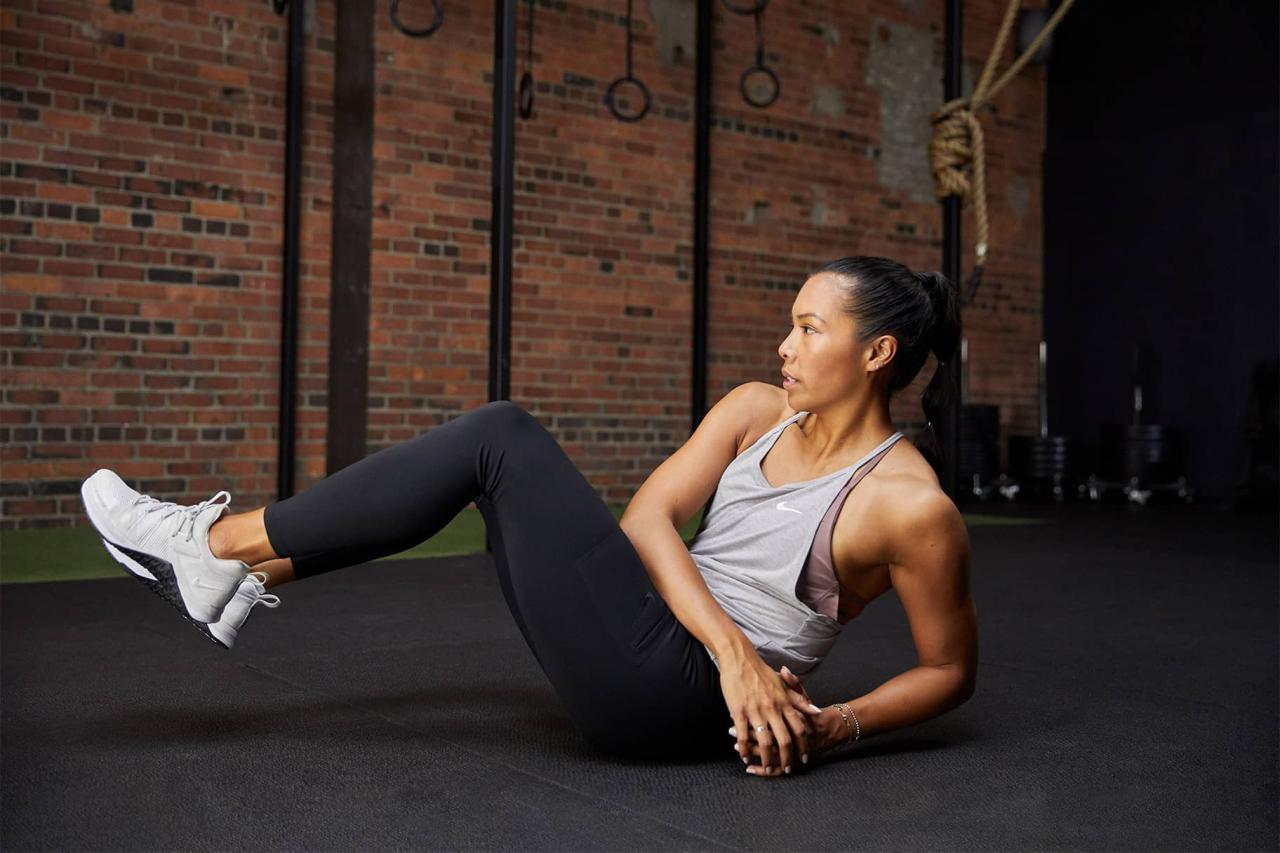
Embarking on a journey to a healthier lifestyle often starts with a commitment to regular exercise. This commitment, while crucial for overall well-being, can be daunting for beginners. Understanding the importance of exercise, acknowledging potential barriers, and adopting a gradual approach can transform this challenge into an achievable and rewarding experience. Starting slow and building momentum, combined with consistent effort, paves the path towards achieving fitness goals.Common obstacles that beginners often encounter include a lack of time, motivation, or prior experience.
Finding suitable exercises, fitting them into daily routines, and maintaining consistency can seem daunting. However, these obstacles are surmountable with the right approach and mindset.
Benefits of Starting Slow
A gradual increase in exercise intensity is crucial for beginners. Pushing oneself too hard initially can lead to injuries, demotivation, and a feeling of overwhelm. Starting with shorter durations and lower intensities allows the body to adapt gradually, building endurance and strength over time. This approach minimizes the risk of injury, promoting a positive experience and encouraging continued participation.
A gradual progression allows for the body to adjust to the demands of exercise, resulting in a more sustainable and enjoyable experience. For example, instead of aiming for a 30-minute run on the first day, a beginner could start with 10-15 minutes of brisk walking and gradually increase the duration and intensity as their fitness improves.
Importance of Consistency and Patience
Achieving fitness goals requires dedication and a patient approach. Consistency in exercise is key to reaping the numerous health benefits. It’s essential to understand that results take time. Patience and perseverance are crucial to overcoming plateaus and maintaining motivation. It is vital to recognize that progress may not always be linear, and setbacks are a normal part of the journey.
Regular exercise can lead to a range of positive effects, including improved cardiovascular health, weight management, stress reduction, and enhanced mood.
Types of Exercises for Beginners
Choosing the right exercises for beginners is essential for a positive and successful experience. The table below Artikels several exercise types suitable for individuals starting their fitness journey. It is important to consult with a healthcare professional before beginning any new exercise program, especially if you have any underlying health conditions.
| Exercise Type | Description | Example |
|---|---|---|
| Walking | A low-impact cardiovascular exercise that is easily accessible and adaptable to different fitness levels. | Brisk walking for 15-30 minutes, gradually increasing the pace and duration. |
| Swimming | A full-body workout that is gentle on the joints and provides excellent cardiovascular benefits. | Swimming laps for 20-30 minutes, focusing on proper form. |
| Yoga | A practice that combines physical postures, breathing techniques, and meditation. Yoga promotes flexibility, strength, and mental well-being. | Following a beginner-friendly yoga routine for 30-45 minutes, focusing on proper alignment and breath control. |
| Cycling | A low-impact cardio exercise that engages multiple muscle groups. | Cycling at a moderate pace for 20-30 minutes, gradually increasing the intensity. |
Setting Realistic Goals and Expectations

Embarking on a fitness journey as a beginner requires a thoughtful approach to goal-setting. A well-defined plan, grounded in realistic expectations, is crucial for long-term success and avoiding frustration. This section Artikels key strategies for establishing achievable fitness targets and managing progress effectively.Setting realistic fitness goals is paramount for maintaining motivation and preventing burnout. Unrealistic expectations can lead to disappointment and a premature abandonment of the fitness journey.
Instead, focus on gradual progress and celebrate small victories along the way.
Realistic Fitness Goals for Beginners
A beginner’s fitness journey should prioritize building a foundation of healthy habits. These goals are designed to be achievable within a reasonable timeframe, promoting gradual progress and sustained motivation.
- Consistently engaging in at least 30 minutes of moderate-intensity exercise most days of the week.
- Increasing daily activity levels through simple modifications, such as taking the stairs instead of the elevator.
- Improving flexibility and range of motion through stretching exercises.
- Maintaining a balanced and nutritious diet.
- Sleeping adequately for optimal recovery.
Applying SMART Goal Setting
The SMART framework provides a structured approach to goal setting. Applying this framework to fitness goals ensures they are specific, measurable, achievable, relevant, and time-bound.
- Specific: Instead of “exercise more,” aim for “walk for 30 minutes three times a week.” This clearly defines the action and frequency.
- Measurable: Track your progress. Did you walk for 30 minutes three times this week? How many steps did you take? Quantifiable data helps monitor progress.
- Achievable: Start with goals that are within reach. If you’re sedentary, walking for 10 minutes a day is achievable. Gradually increase the duration and frequency.
- Relevant: Align your goals with your overall well-being. How will this activity improve your health? Do you want to lose weight, build strength, or improve your cardiovascular health?
- Time-bound: Set a timeframe for achieving your goals. Aim to walk for 30 minutes three times a week for the next month. This provides a deadline for evaluation and motivation.
Gradual Progression and Avoiding Overexertion
A crucial aspect of successful fitness is gradual progression. Rushing into intense workouts can lead to injuries and discourage continued participation.
- Begin with activities you enjoy. This increases the likelihood of maintaining consistency. Choosing activities you find enjoyable makes adherence easier.
- Listen to your body. Rest when needed. Rest is crucial for muscle recovery and preventing injuries.
- Gradually increase the intensity, duration, or frequency of your workouts. This approach allows your body to adapt to the new demands.
Tracking Progress and Celebrating Milestones
Tracking progress provides motivation and demonstrates the positive effects of exercise.
- Use a fitness journal, a fitness app, or a similar tool to monitor your workouts.
- Note your exercise duration, intensity, and any other relevant data.
- Celebrate milestones, no matter how small. Did you reach a new goal? Acknowledge and reward yourself.
Overcoming Plateaus in Fitness Journeys
Plateaus are common in fitness journeys. Recognize these periods as opportunities for adjustment and adaptation.
- Evaluate your current routine. Are you still challenged by your current workouts? Is your diet aligned with your fitness goals?
- Adjust your workouts by increasing intensity, duration, or frequency. Introduce new exercises to keep things interesting and challenging.
- Modify your diet to support your fitness goals. Is it providing the nutrients you need to perform at your best? Consider consulting a nutritionist for personalized guidance.
Estimated Time Commitment for Beginners
The table below provides an estimated time commitment for various beginner-friendly exercises. Remember these are estimations and individual needs may vary.
| Exercise Type | Estimated Time Commitment (per session) |
|---|---|
| Walking | 20-30 minutes |
| Brisk Walking | 30-45 minutes |
| Yoga | 30-60 minutes |
| Bodyweight Exercises | 20-45 minutes |
| Swimming | 30-60 minutes |
Choosing the Right Types of Exercises
Starting a new exercise routine can feel overwhelming, but understanding the different types of exercises and their suitability for beginners is key to a successful and enjoyable journey. This section will guide you through selecting exercises that align with your physical capabilities, preferences, and fitness goals. Remember, consistency is more important than intensity in the initial stages.Choosing the right exercises is crucial for achieving fitness goals safely and effectively.
Different exercises target various aspects of physical well-being, from cardiovascular health to muscle strength and flexibility. This section will help you understand the benefits and drawbacks of various exercise types and provide practical examples to help you make informed choices.
Cardiovascular Exercises
Cardiovascular exercises, also known as cardio, are vital for improving heart health and endurance. They involve continuous movement that elevates your heart rate and breathing.
- Brisk walking: A simple and accessible option for beginners, brisk walking can be easily incorporated into daily routines. Walking at a pace that increases your heart rate and breathing is beneficial. Even short walks contribute significantly to cardiovascular health.
- Cycling: Indoor or outdoor cycling offers a low-impact way to build endurance. Beginners can start with shorter durations and gradually increase the intensity and duration of their rides.
- Swimming: A full-body workout that’s gentle on the joints. Swimming is a fantastic choice for those with joint pain or injuries.
Strength Training Exercises
Strength training exercises build muscle mass and strength. This is essential for maintaining bone density, improving metabolism, and enhancing overall physical function.
- Bodyweight exercises: These exercises utilize your own body weight for resistance. Examples include push-ups (modified on knees if needed), squats, lunges, and planks. Proper form is crucial; start with fewer repetitions and gradually increase as you get stronger.
- Resistance bands: These are portable and affordable tools for strength training. They provide resistance that can be adjusted to suit different fitness levels. Simple exercises like bicep curls, tricep extensions, and rows are possible.
- Light weights: Using light dumbbells or resistance machines is another effective way to build strength. Start with low weights and gradually increase the weight as you gain strength.
Flexibility Exercises
Flexibility exercises improve joint mobility and range of motion. These exercises help prevent injuries and enhance overall body awareness.
- Yoga: A holistic practice combining physical postures, breathing techniques, and meditation. Yoga can improve flexibility, balance, and stress reduction.
- Stretching: Simple stretching exercises can be done daily to improve flexibility. Static stretching, holding a stretch for a set period, is beneficial for increasing flexibility.
Beginner-Friendly Exercise Table
| Exercise Type | Beginner-Friendly Exercises |
|---|---|
| Cardio | Brisk walking, cycling, swimming |
| Strength Training | Bodyweight exercises (modified), resistance bands, light weights |
| Flexibility | Yoga, stretching |
Exercise Equipment Options
Choosing the right equipment depends on your budget, space, and personal preferences.
- Resistance bands are inexpensive, portable, and effective for various strength training exercises.
- Dumbbells are versatile and suitable for a range of strength training exercises.
- Exercise machines can provide guided workouts and targeted muscle groups, but they require more space and often a higher initial investment.
Choosing Exercises Based on Preferences and Fitness Levels
Consider your preferences when selecting exercises. If you enjoy team sports, consider joining a recreational league. Beginners should start with exercises they find enjoyable and gradually increase the intensity and duration as their fitness levels improve.
Consulting with a Healthcare Professional
It is essential to consult with a healthcare professional before starting any new exercise routine, especially if you have any underlying health conditions.
A healthcare professional can assess your individual needs and recommend exercises suitable for your specific circumstances.
Creating a Consistent Exercise Routine
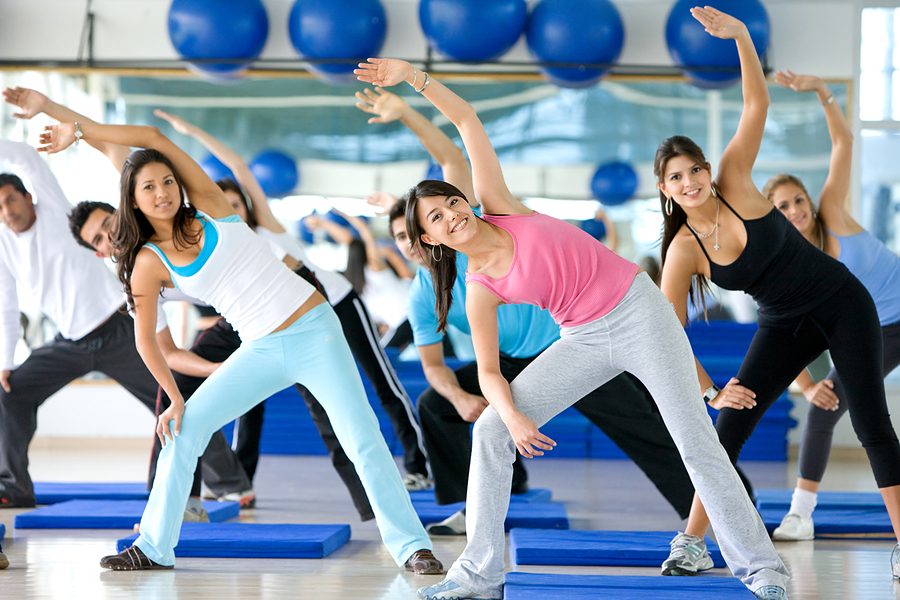
Establishing a consistent exercise routine is crucial for reaping the long-term benefits of physical activity. Consistency fosters habit formation, leading to improved physical and mental well-being. A structured approach allows for gradual progress and minimizes the risk of injury. By incorporating flexibility and listening to your body, you can tailor your routine to fit your lifestyle and goals.
Sample Weekly Exercise Schedule for Beginners
A sample weekly schedule, designed for beginners, offers a framework for building a routine. This structure allows for flexibility and adjustment based on individual needs and preferences. It’s essential to remember that this is a template; modify it to fit your schedule and energy levels.
- Monday: Light cardio, such as brisk walking for 30 minutes. Focus on maintaining a moderate pace. Include simple stretching exercises.
- Tuesday: Rest day. This allows your muscles to recover and rebuild.
- Wednesday: Bodyweight exercises like squats, push-ups (modified if needed), and lunges. Perform 2 sets of 10-12 repetitions for each exercise.
- Thursday: Light cardio, such as cycling or swimming, for 30 minutes. Maintain a comfortable intensity.
- Friday: Yoga or Pilates session for flexibility and core strength. These sessions should be approximately 30 minutes.
- Saturday: A longer cardio session, such as jogging or a longer walk. Adjust the duration based on your comfort level.
- Sunday: Rest day. This allows your body to fully recover and prepare for the week ahead.
Importance of Warm-up and Cool-down
Warm-up exercises prepare the body for physical activity by increasing blood flow to the muscles, improving flexibility, and reducing the risk of injury. A proper warm-up should last for 5-10 minutes and incorporate light cardio and dynamic stretching. Cool-down exercises, performed after the workout, help the body gradually return to its resting state. They aid in reducing muscle soreness and improve recovery.
Examples include static stretching, held for 15-30 seconds each.
Incorporating Rest Days
Rest days are essential for muscle recovery and growth. They allow the body to repair tissues and rebuild muscle fibers. Without adequate rest, the body is at risk of injury and overtraining. Listen to your body and schedule rest days when needed. Over time, the body will adapt and become more resilient to exercise.
Listening to the Body and Adjusting the Routine
It’s crucial to pay attention to how your body responds to exercise. If you experience pain or discomfort, adjust the intensity, duration, or type of exercise. Beginners often find it helpful to start with shorter sessions and gradually increase the duration and intensity over time. Listen to your body’s signals and adjust your routine as needed.
Exercise Routines Tailored to Different Beginner Fitness Levels
This table Artikels example exercise routines for different beginner fitness levels, emphasizing gradual progression. Remember, this is a sample, adjust based on your personal capabilities.
| Fitness Level | Cardio (minutes) | Strength Training (sets/reps) | Flexibility (minutes) |
|---|---|---|---|
| Beginner (Low Fitness) | 15-20 minutes, light intensity | 1 set of 8-10 repetitions for each exercise | 10 minutes |
| Beginner (Moderate Fitness) | 20-30 minutes, moderate intensity | 2 sets of 10-12 repetitions for each exercise | 15 minutes |
| Beginner (High Fitness) | 30-45 minutes, moderate to high intensity | 3 sets of 12-15 repetitions for each exercise | 20 minutes |
Common Mistakes Beginners Make and How to Avoid Them
Beginners often make mistakes that can hinder their progress or cause injury. These mistakes are common, and understanding them can prevent issues.
- Skipping warm-up and cool-down: A crucial step for injury prevention. Include light cardio and dynamic stretching for 5-10 minutes before each workout and static stretching for 5-10 minutes after.
- Overtraining: Beginners often push themselves too hard, leading to exhaustion and injury. Listen to your body and adjust the intensity and duration of workouts accordingly. Rest days are critical.
- Poor form: Improper form during exercises can lead to injury. Learn proper techniques from a qualified professional or trusted resources.
- Lack of consistency: Consistency is key to seeing results. Stick to a regular exercise schedule and gradually increase the intensity and duration over time.
- Inadequate hydration: Hydration is crucial for exercise performance and recovery. Drink plenty of water before, during, and after your workout.
Nutrition and Hydration for Beginners
Proper nutrition and hydration are crucial for supporting your exercise goals and ensuring a safe and effective workout routine. A balanced diet provides the energy needed for physical activity, aids in muscle recovery, and helps prevent injuries. Hydration maintains optimal energy levels during workouts and promotes overall well-being. This section will delve into the importance of these two elements for beginner exercisers.
Balanced Diet for Exercise Goals
A balanced diet, rich in essential nutrients, is paramount for supporting exercise goals. It fuels your workouts, aids in muscle repair and growth, and provides the building blocks for overall health. The types and quantities of nutrients you consume directly impact your energy levels, performance, and recovery time.
Healthy Meals and Snacks for Pre- and Post-Workout
Proper pre- and post-workout nutrition can significantly enhance your exercise experience. Pre-workout meals should provide sustained energy without causing digestive discomfort. Post-workout meals should focus on replenishing glycogen stores and repairing muscle tissue.
- Pre-Workout Snacks (1-2 hours before): A small portion of complex carbohydrates like whole-grain toast with fruit or a small bowl of oatmeal with a drizzle of honey, a handful of almonds, or a banana are good choices. These provide sustained energy without causing digestive distress.
- Post-Workout Meals (within 1-2 hours): Focus on a combination of protein and carbohydrates to replenish glycogen stores and aid muscle repair. Examples include a protein shake with fruit, a turkey sandwich on whole-grain bread, or a lean chicken salad with a side of brown rice. These meals provide the necessary nutrients for recovery and muscle growth.
Hydration for Exercise
Adequate hydration is essential for maintaining optimal energy levels and preventing dehydration during exercise. Water is the primary source of hydration, and maintaining a consistent intake throughout the day, and especially before, during, and after exercise, is crucial.
- Importance of Water: Water is vital for transporting nutrients, regulating body temperature, and lubricating joints. Dehydration can lead to fatigue, reduced performance, and muscle cramps. Carry a water bottle with you during your workouts and sip water regularly.
- Electrolyte Balance: During prolonged or intense exercise, electrolytes like sodium, potassium, and magnesium are lost through sweat. Replenishing these electrolytes is important for maintaining proper hydration and preventing muscle cramps. Sports drinks or electrolyte tablets can help replenish these electrolytes, especially after strenuous workouts.
Essential Nutrients for Exercise Recovery
Different nutrients play distinct roles in the recovery process after exercise. A balanced intake of these nutrients supports muscle repair, reduces soreness, and promotes overall well-being.
| Nutrient | Importance for Exercise Recovery |
|---|---|
| Protein | Essential for muscle repair and growth. Helps rebuild muscle tissue damaged during exercise. |
| Carbohydrates | Replenishes glycogen stores in muscles, providing energy for future workouts. |
| Vitamins and Minerals | Crucial for various bodily functions, including energy production, muscle function, and immune support. |
| Healthy Fats | Provide essential fatty acids for hormone production and cell function. |
Mindful Eating Habits
Mindful eating involves paying attention to your body’s hunger and fullness cues, eating slowly, and savoring your food. This approach can lead to a healthier relationship with food and improve digestion. It also helps you identify when you are truly hungry and prevent overeating.
Creating a Balanced Meal Plan for Exercise
Creating a balanced meal plan for exercise involves understanding your individual needs and incorporating a variety of foods from all food groups. A balanced meal plan will provide the nutrients necessary for exercise and recovery, while promoting overall health and well-being.
- Consider Your Needs: Factor in your activity level, age, and any dietary restrictions or preferences. Consult a registered dietitian or nutritionist for personalized guidance.
- Prioritize Whole Foods: Focus on whole, unprocessed foods like fruits, vegetables, lean proteins, and whole grains. These foods provide essential nutrients and fiber.
- Portion Control: Be mindful of portion sizes to manage calorie intake effectively.
- Hydration: Drink plenty of water throughout the day, especially before, during, and after exercise. Aim to drink half your body weight in ounces of water daily.
Safety Precautions for Beginners
Embarking on a fitness journey as a beginner requires a careful approach to ensure a safe and enjoyable experience. Understanding potential hazards, proper warm-up and cool-down techniques, and maintaining correct form are crucial for injury prevention. Prioritizing safety allows you to build a strong foundation for long-term fitness success.
Identifying Potential Safety Hazards
Exercise, while beneficial, can pose risks if not approached cautiously. Common hazards include improper form, inadequate warm-up, overexertion, and unsuitable exercise environments. These hazards can lead to injuries ranging from minor strains to more serious conditions. Recognizing and mitigating these risks is essential for safe exercise.
Proper Warm-up and Cool-down Techniques
Warm-up exercises prepare the body for physical activity by increasing blood flow to muscles and raising body temperature. This preparation reduces the risk of strains and tears. Cool-down exercises, conversely, gradually return the body to its resting state, aiding in the recovery process and preventing muscle stiffness. Proper warm-up and cool-down routines are vital for injury prevention.
Examples include light cardio, dynamic stretching, and static stretching.
Importance of Proper Form and Technique
Maintaining proper form and technique during exercises is paramount for safety and effectiveness. Using correct form reduces stress on joints and muscles, minimizing the risk of injuries. Observing proper form can be achieved through proper guidance and practice. Poor form often leads to incorrect muscle engagement, causing stress and potential injury.
Listening to Body Signals and Recognizing Signs of Overexertion
Recognizing your body’s signals is critical for preventing overexertion. Symptoms like sharp pain, dizziness, or shortness of breath are indicators to stop the exercise immediately. Ignoring these signals can lead to serious injuries. Understanding these signals is essential for exercise safety.
Practical Tips for Avoiding Common Exercise Injuries
Proper preparation and awareness significantly reduce the risk of common exercise injuries. Listen to your body and take rest days as needed. Gradually increase the intensity and duration of your workouts. Consult with a healthcare professional or certified fitness trainer for personalized guidance. Using appropriate footwear is another important step in preventing injuries.
Summary of Essential Safety Precautions
| Safety Precaution | Explanation |
|---|---|
| Proper Warm-up | Prepare the body for exercise by increasing blood flow and raising body temperature. |
| Proper Cool-down | Gradually return the body to its resting state, aiding in recovery and preventing stiffness. |
| Correct Form and Technique | Using correct form minimizes stress on joints and muscles, reducing injury risk. |
| Listen to Body Signals | Recognize and respond to signs of pain, dizziness, or shortness of breath. |
| Gradual Progression | Increase workout intensity and duration gradually to avoid sudden strain. |
| Appropriate Footwear | Wear supportive and appropriate footwear to reduce the risk of foot and ankle injuries. |
| Rest and Recovery | Allow adequate rest days for muscle recovery and to avoid overexertion. |
| Professional Guidance | Seek advice from healthcare professionals or certified fitness trainers for personalized guidance. |
Motivation and Mindset for Beginners
Embarking on a journey to improve physical well-being requires a strong foundation of motivation and a positive mindset. Understanding the importance of positive self-talk and cultivating a supportive environment are crucial for sustained progress. This section will delve into strategies for maintaining motivation, overcoming plateaus, and finding enjoyment in exercise.Developing a consistent exercise routine hinges significantly on your internal drive and outlook.
A positive mindset fosters resilience, enabling you to navigate challenges and celebrate milestones along the way. This section will equip you with tools to bolster your motivation, allowing you to progress confidently and enjoy the process of improving your health.
Importance of Positive Self-Talk and Mindset
A positive and encouraging inner dialogue is essential for sustained motivation. Focusing on progress rather than perfection is key. Acknowledging small victories, rather than dwelling on perceived shortcomings, builds confidence and reinforces positive habits. This approach fosters a healthy relationship with exercise, preventing feelings of frustration or discouragement. Constructive self-talk promotes a growth mindset, enabling individuals to view setbacks as opportunities for learning and adaptation.
Strategies for Overcoming Exercise Plateaus and Maintaining Motivation
Plateaus are a natural part of any fitness journey. Recognizing them as opportunities for adjustment, rather than obstacles, is crucial. Strategies for overcoming plateaus include: adjusting the intensity or duration of workouts, trying new exercises or routines, and incorporating rest days into the schedule. Seeking support from friends, family, or a fitness professional can provide encouragement and fresh perspectives.
Celebrating milestones, no matter how small, reinforces positive habits and keeps motivation high. Varying the types of activities can help maintain excitement and prevent boredom.
Importance of Finding Enjoyable Exercise Activities
Engaging in activities you genuinely enjoy is vital for long-term adherence. Experiment with different types of exercise until you discover those that spark your interest. Whether it’s dancing, swimming, hiking, or team sports, choosing activities you find enjoyable makes exercise a rewarding experience rather than a chore. This intrinsic motivation fosters a sustainable commitment to your fitness goals.
Motivational Quotes and Affirmations for Beginners
Regular exposure to positive affirmations and motivational quotes can significantly boost confidence and determination. These reminders reinforce the importance of self-care and perseverance in the face of challenges. These positive messages can help to cultivate a supportive internal environment.
- “The journey of a thousand miles begins with a single step.” – Lao Tzu
- “Believe you can and you’re halfway there.” – Theodore Roosevelt
- “The only way to do great work is to love what you do.” – Steve Jobs
- “You don’t have to be great to start, but you have to start to be great.” – Zig Ziglar
- “The difference between ordinary and extraordinary is that little extra.” – Jimmy Johnson
Creating a Supportive Environment for Exercise
A supportive environment significantly impacts the success of any exercise program. Enlisting the support of friends, family, or joining a fitness group can provide encouragement, accountability, and shared experiences. Having a supportive network provides encouragement during challenging periods and facilitates celebration of progress. Creating a dedicated exercise space, whether at home or in a gym, can enhance the motivation to work out.
Motivational Strategies for Staying Consistent
Consistency is key to achieving long-term fitness goals. A structured approach to exercise and a well-defined schedule are essential. Regular check-ins with yourself or a partner can provide accountability and reinforcement of goals. Maintaining a detailed log of your progress helps visualize achievements and track improvement.
| Motivational Strategy | Description | Example |
|---|---|---|
| Positive Self-Talk | Focusing on progress and effort rather than perfection | “I’m making progress, even though it’s slow. I’m proud of myself.” |
| Reward System | Recognizing achievements with small rewards | A new workout outfit after reaching a fitness milestone. |
| Setting Realistic Goals | Breaking down larger goals into smaller, achievable steps | Walking for 15 minutes daily instead of aiming for a marathon. |
| Visual Aids | Using visual reminders of goals | Posting motivational quotes or progress charts. |
| Accountability Partner | Sharing fitness goals with a friend or family member | Working out with a friend or joining a fitness class. |
Conclusion

In conclusion, this comprehensive guide provides a structured approach to exercise for beginners, covering everything from setting realistic goals and choosing appropriate exercises to creating a sustainable routine and prioritizing safety. By understanding the importance of gradual progression, consistency, and proper nutrition, beginners can confidently embark on their fitness journeys. Remember to listen to your body, celebrate milestones, and enjoy the process of improving your health and well-being.
This guide provides a solid foundation for a lifetime of healthy habits.