Mastering the squat is key to building strength and improving overall fitness. This comprehensive guide provides a detailed look at proper form, technique, and safety considerations for executing squats effectively. Whether you’re a beginner or an experienced lifter, understanding the nuances of the squat will help you maximize results and minimize risk.
We’ll explore the essential elements of a proper squat, including stance, depth, movement execution, safety precautions, variations, and visual aids. Each aspect is meticulously explained to ensure a thorough understanding of the technique.
Proper Stance and Posture
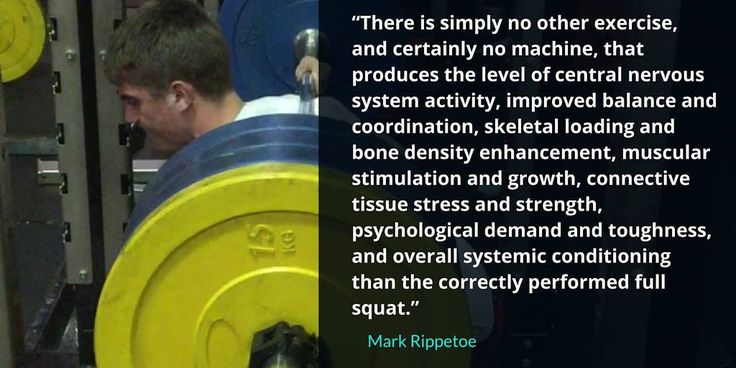
Proper posture and stance are crucial for performing squats safely and effectively. A well-aligned body position distributes stress evenly, minimizes strain on joints, and maximizes muscle engagement. This section details the ideal foot placement, spinal alignment, core stability, head and neck positioning, and compares proper and improper postures for squats.
Foot Placement
Foot placement significantly impacts the squat’s biomechanics. Optimal foot placement allows for a balanced and stable base of support, preventing knee injuries and maximizing muscle activation. Variations in foot placement cater to individual body types. Individuals with wider hips, for instance, might benefit from a wider stance, while those with narrower hips may find a narrower stance more comfortable and stable.
The feet should be positioned slightly outward, generally at a 30-degree angle, though individual variations are acceptable. This outward rotation allows for a more natural knee alignment during the squat.
Neutral Spine Position
Maintaining a neutral spine is paramount for safety and effectiveness during squats. A neutral spine position involves a natural curve in the lumbar region, avoiding excessive rounding or arching. This position allows for proper spinal alignment and prevents unnecessary stress on the lower back. Common postural errors include rounding the back excessively during the squat or allowing the spine to arch excessively.
The tendency to round the back, especially during the descent phase, can strain the lower back, increasing the risk of injury.
Core Stability
A stable core is essential for maintaining balance and control during the squat. The core muscles (abdominal and back muscles) act as a supportive framework, preventing the spine from collapsing and ensuring a controlled movement. Engaging the core throughout the squat enhances stability, reducing the risk of injury and promoting optimal performance. A strong core also helps maintain proper spinal alignment, which is crucial for injury prevention and optimal exercise form.
Head and Neck Positioning
Proper head and neck positioning is vital for maintaining balance and preventing strain on the neck muscles. The head should be held in a neutral position, neither tilted forward nor backward. Looking straight ahead, maintaining a relaxed posture, and aligning the head with the spine ensures efficient and safe movement. Excessive forward head tilting can strain the neck muscles, causing discomfort and impacting posture.
Comparison of Proper and Improper Posture
| Aspect | Proper Posture | Improper Posture |
|---|---|---|
| Foot Placement | Slightly outward, 30-degree angle, stable base. | Feet pointed straight ahead, narrow or too wide stance, unstable base. |
| Spine Position | Neutral, natural curve in the lumbar region, maintained throughout the movement. | Rounded back, excessive arching, collapsing spine. |
| Core Engagement | Actively engaged, maintaining stability throughout the movement. | Weak core engagement, lack of support, compromised stability. |
| Head and Neck | Neutral position, looking straight ahead, aligned with the spine. | Forward head tilt, looking down, strained neck muscles. |
Depth and Range of Motion
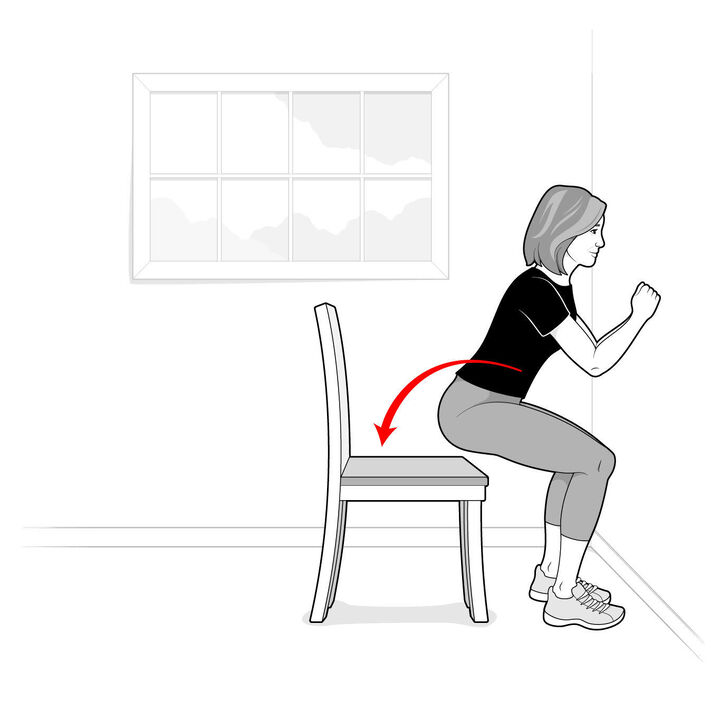
Proper squat depth is crucial for maximizing the benefits of the exercise while minimizing potential risks. Achieving the ideal depth, while maintaining a controlled range of motion, is key to a safe and effective workout. This section will delve into the optimal depth for squats, considering various fitness levels, and highlight the importance of controlled movement. It will also discuss the link between squat depth and hip flexibility and provide practical techniques for improving it.Achieving a full range of motion in squats is essential for targeting the intended muscle groups effectively.
Maintaining control during the entire movement is vital for injury prevention and optimal results. This includes smoothly descending and ascending while maintaining proper form.
Ideal Squat Depth
Determining the ideal squat depth depends on individual fitness levels and flexibility. For beginners, a shallower squat, where the thighs are parallel to the ground or slightly above, is recommended. This allows them to focus on mastering the technique without the added strain of deeper positions. Intermediate and advanced individuals, with improved flexibility, can aim for a deeper squat, often reaching below parallel.
However, it’s vital to prioritize proper form over the depth itself.
Importance of Controlled Range of Motion
Maintaining a controlled range of motion is paramount during squats. This involves smoothly descending and ascending, avoiding sudden movements that could lead to injury. A controlled descent allows for gradual engagement of muscles, while a controlled ascent prevents jarring forces on the joints. This technique is crucial for injury prevention, especially for individuals with pre-existing joint issues.
Relationship Between Squat Depth and Hip Flexibility
Hip flexibility plays a significant role in achieving deeper squats. Tight hip flexors, hamstrings, and other related muscles can limit the range of motion, hindering the ability to descend deeply. Improving hip flexibility directly impacts squat depth, allowing individuals to engage more muscles and achieve a greater range of motion. This improved range of motion contributes to a more efficient workout.
Different Squat Depths and Their Implications
| Squat Depth | Benefits | Risks |
|---|---|---|
| Shorter (above parallel) | Easier to learn, less strain on joints, good for beginners. | Reduced muscle engagement, potentially less effective for building muscle. |
| Parallel | Targets major muscle groups, good for overall strength. | May still be challenging for some individuals, potentially causing strain. |
| Below Parallel (Deep Squat) | Enhanced muscle activation, potentially increased strength gains, targets deeper muscle groups. | Requires greater flexibility and balance, potentially placing increased stress on the knees and ankles. Careful consideration for pre-existing conditions is necessary. |
Techniques to Improve Hip Flexibility
Improving hip flexibility is essential for achieving deeper squats. Regular stretching exercises specifically targeting hip flexors, hamstrings, and glutes can significantly improve range of motion. Dynamic stretching, such as leg swings and hip circles, is recommended to prepare the body for squats. Static stretching, holding each stretch for 30 seconds, can also enhance flexibility over time. Incorporating regular mobility work, like foam rolling, can aid in releasing tension in the hips and surrounding areas.
A qualified physical therapist or fitness professional can provide personalized recommendations and guidance.
Movement Execution
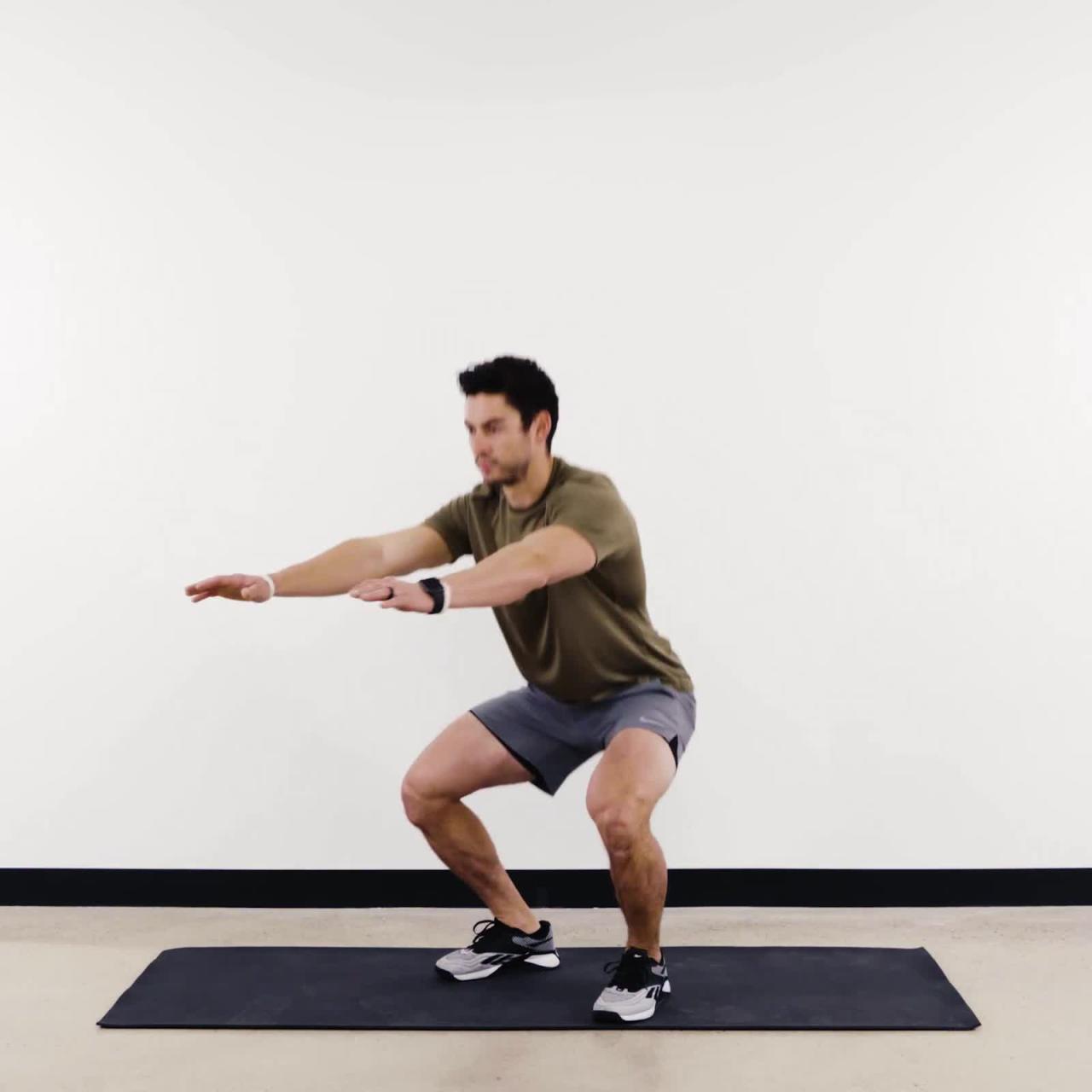
Proper squat execution involves a controlled descent and ascent, maintaining a stable posture throughout. This meticulous approach ensures optimal muscle engagement and reduces the risk of injury. Efficient movement execution is crucial for maximizing the benefits of the exercise and achieving the desired results.Executing squats with precision is paramount to reaping the full benefits of the exercise. This includes maintaining control throughout the entire movement, utilizing the appropriate muscle groups, and avoiding common errors.
Understanding the intricacies of descent, ascent, and the role of key muscle groups will help you achieve a safe and effective squat.
Descent Technique
The descent phase of the squat should be controlled and deliberate. Imagine you are sitting into a chair, maintaining a neutral spine and a stable core. Avoid collapsing forward or backward. Maintain a consistent tempo throughout the movement.
Ascent Technique
The ascent should be equally controlled. Push through your heels to return to the starting position. Engage your glutes and quads to propel you upward. Avoid a jerky or uncontrolled movement. Maintain an upright posture and a stable core.
Muscle Engagement
The glutes, quads, and hamstrings are the primary muscle groups engaged in the squat. The glutes are crucial for hip extension and maintaining posterior chain strength. The quads are essential for knee extension during the ascent. The hamstrings play a role in maintaining hip stability and knee flexion during the descent. Proper activation of these muscles ensures a balanced and effective squat.
Common Mistakes and Remedies
- Rounding the back: This is a common mistake that puts undue stress on the lower back. Maintaining a neutral spine throughout the movement is essential. Engage your core to support your back and keep it straight. If you feel your back rounding, stop and re-establish proper form.
- Leaning forward or backward: Maintaining an upright posture is key to proper squat form. Keep your chest up and shoulders back throughout the entire movement. Improper posture can lead to imbalances and injuries. Focus on maintaining an upright posture and a stable core.
- Knee caving inward: This is a common mistake that puts stress on the knees. Ensure your knees track outward in line with your feet to maintain proper alignment and avoid injury. If your knees cave in, modify the squat or seek guidance from a qualified trainer.
- Using momentum: Squats should be performed with control, not momentum. Avoid using your momentum to lift. Focusing on proper form and muscle engagement will improve your squat and minimize the risk of injury.
Variations and Technique
Different squat variations exist, each with slight modifications in form. The proper technique for each variation is essential for safety and effectiveness.
- Back Squat: Focus on maintaining a neutral spine and a stable core. Use a barbell across your upper back for support.
- Front Squat: Maintain an upright posture and a stable core. Hold the barbell across your shoulders for support.
- Goblet Squat: Keep your back straight and maintain a stable core. Hold a dumbbell or kettlebell close to your chest for support.
- Pistol Squat: Maintain a stable core and balance throughout the movement. Perform the squat with one leg. Practice and gradually increase the duration of the exercise.
Step-by-Step Squat Guide
Perform squats with control and focus on maintaining proper form throughout the entire movement.
- Prepare: Assume a stance with your feet shoulder-width apart, toes slightly outward. Maintain a neutral spine and an upright posture.
- Descent: Inhale and lower your body by bending at your hips and knees. Keep your back straight and your chest up.
- Depth: Lower yourself until your thighs are parallel to the floor, or as deep as your mobility allows, maintaining proper form. Focus on maintaining a stable core and a neutral spine.
- Ascent: Exhale and push through your heels to return to the starting position. Engage your glutes and quads to propel yourself upward.
- Repeat: Repeat the movement for the desired number of repetitions.
Safety Considerations
Proper squat technique is crucial for maximizing benefits and minimizing risks. However, even with perfect form, safety measures are essential for injury prevention. This section highlights potential risks, the importance of warm-up and cool-down, and the role of proper form and weight selection in avoiding harm. It also addresses modifications for individuals with pre-existing conditions.Understanding the potential risks associated with improper squat technique is vital to safe practice.
Incorrect form can lead to various musculoskeletal injuries, including strains, sprains, and joint pain. Inadequate warm-up and cool-down routines increase the risk of muscle soreness, stiffness, and delayed-onset muscle soreness (DOMS). Using improper weights can overload joints and muscles, increasing the risk of serious injuries. Therefore, a proactive approach to safety is paramount.
Potential Risks of Improper Technique
Improper squat technique significantly increases the risk of various injuries. These risks include lower back pain, knee pain, ankle sprains, and muscle strains. Inadequate form can lead to improper loading of the spine, knees, and ankles, resulting in significant pain and potential long-term damage. This risk is further exacerbated by poor balance, inadequate mobility, or insufficient core engagement.
Practicing with improper form can lead to muscle imbalances, potentially causing pain and limiting range of motion.
Importance of Warm-up and Cool-down
Thorough warm-up and cool-down routines are essential for injury prevention before and after squats. A proper warm-up prepares the muscles for the demanding exercise by increasing blood flow, raising body temperature, and improving flexibility. This reduces the risk of muscle strains and tears. A cool-down helps the body gradually return to its resting state, reducing muscle soreness and stiffness.
A warm-up should typically involve dynamic stretches and light cardio exercises, while a cool-down should include static stretches. Examples of dynamic stretches include arm circles, leg swings, and torso twists. Static stretches, such as holding a hamstring stretch, are suitable for the cool-down.
Significance of Proper Form and Weights
Using proper form and appropriate weights is crucial for injury prevention during squats. Proper form ensures that the weight is distributed evenly throughout the body, minimizing stress on specific joints. Selecting weights that are manageable for your current strength level prevents overloading the muscles and joints, decreasing the risk of injury. Gradually increasing the weight and practicing proper form are vital to avoiding sudden increases in stress on the body.
The amount of weight should be determined by your fitness level, experience, and the specific exercise.
Common Squat Injuries and Preventive Measures
| Injury | Preventive Measures ||—————————-|——————————————————————————————————————————————————————————————————————-|| Lower back pain | Maintain a neutral spine throughout the movement.
Engage your core muscles to stabilize your spine. Use proper form and avoid rounding your back. || Knee pain | Ensure proper knee tracking, keeping your knees aligned with your toes.
Avoid excessive inward or outward rotation of the knees. Use appropriate footwear and consider knee braces for added support. || Ankle sprains | Ensure proper foot placement and maintain stability during the squat. Use appropriate footwear and consider ankle braces for added support.
Ensure the ankle and foot have adequate flexibility. || Muscle strains (quadriceps, hamstrings, glutes) | Gradually increase the weight and repetitions. Ensure proper warm-up and cool-down routines. Focus on controlled movements and avoid jerky motions. Maintain proper form to avoid overstretching muscles.
|| Hip impingement | Maintain a controlled range of motion, avoiding excessive hip flexion or external rotation. Focus on proper posture and maintain a neutral pelvis. Consider hip mobility exercises to improve flexibility. |
Importance of Listening to Your Body
Listening to your body and modifying the exercise as needed is critical for injury prevention. If you experience pain during squats, stop immediately and assess the source of the discomfort. Modifying the exercise, such as reducing weight or altering form, can help alleviate pain and prevent further injury. This is a crucial aspect of injury prevention. Continuously monitor your body’s response and adjust the exercise as needed.
Modifications for Pre-existing Conditions
Individuals with pre-existing conditions, such as knee injuries, back problems, or osteoporosis, may require modifications to the squat exercise. Consult with a healthcare professional or a qualified physical therapist to determine appropriate modifications. They can provide personalized recommendations based on individual needs and limitations. These modifications may involve altering the depth of the squat, using different equipment, or incorporating other exercises.
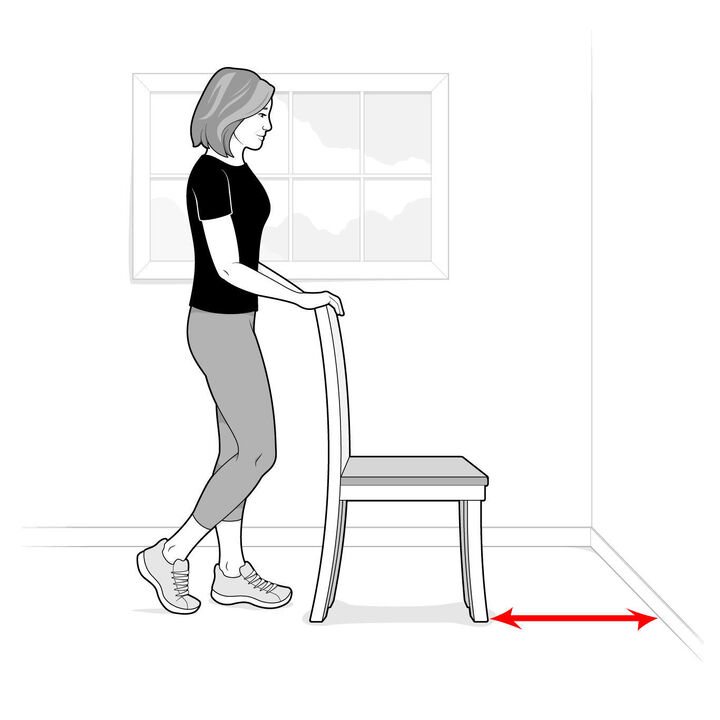
Modifications may include using resistance bands, lighter weights, or performing squats against a wall.
Variations and Progressions
Mastering the squat involves more than just one technique. Exploring variations and progressive overload is crucial for maximizing muscle engagement, improving overall strength, and preventing plateaus. This section delves into diverse squat types, strategies for gradual progression, and how to choose the right variation for your fitness goals.
Different Types of Squats
Various squat variations target different muscle groups and require distinct form adjustments. Understanding these variations allows you to tailor your training to specific needs and goals.
- Goblet Squats: Holding a dumbbell or kettlebell in front of your chest, goblet squats emphasize core engagement and quadriceps development. This variation is excellent for beginners due to its stability and controlled movement.
- Front Squats: Barbell positioned across the front of your shoulders, front squats primarily work the quads and upper body. The added shoulder stability requirement makes it a more advanced variation.
- Back Squats: Barbell placed across your upper back, back squats are a full-body exercise, heavily targeting the posterior chain (glutes, hamstrings, and lower back) and quads. This is often considered the gold standard for lower-body strength development.
- Zercher Squats: Barbell held in a unique position across the front of the shoulders, Zercher squats focus on core strength and stability. They demand considerable core engagement and are suitable for those aiming to enhance core strength alongside leg development.
Progressive Overload Strategies
Progressive overload is the key to continuous strength gains. It involves gradually increasing the demands on your muscles over time, whether through increasing weight, sets, reps, or the time under tension.
- Incrementally Increase Weight: Start with a weight you can comfortably manage for the prescribed number of repetitions. Gradually increase the weight by small increments (e.g., 2.5 or 5 pounds) as you become stronger. This consistent increase is crucial for continuous improvement.
- Increase Sets and Reps: Once you can comfortably perform the desired number of repetitions with a given weight, increase the number of sets or repetitions. For instance, if you can do 3 sets of 8 repetitions, gradually increase to 4 sets of 8 or 3 sets of 10.
- Reduce Rest Periods: Decreasing rest periods between sets forces your muscles to work harder and faster. This method helps build muscular endurance and improve power output. A reduction of 15-30 seconds is a good starting point.
Squat Variations and Muscle Groups
The following table highlights the primary muscle groups targeted by different squat variations:
| Squat Variation | Primary Muscle Groups |
|---|---|
| Goblet Squat | Quadriceps, Core, Calves |
| Front Squat | Quadriceps, Upper Body, Shoulders, Core |
| Back Squat | Quadriceps, Glutes, Hamstrings, Lower Back, Core |
| Zercher Squat | Quadriceps, Core, Upper Back |
Effectiveness of Variations for Fitness Goals
The choice of squat variation influences the specific benefits achieved.
- Strength Building: Back squats are often preferred for maximum strength gains due to the substantial load they can handle and the overall muscle recruitment.
- Hypertrophy (Muscle Growth): Goblet squats can be very effective for hypertrophy, as they promote muscle growth by increasing the time under tension.
- Power and Explosiveness: Front squats and Zercher squats can help develop explosive power, due to the dynamic nature of these movements.
Gradual Weight Increase Strategies
Increasing weight gradually minimizes the risk of injury and allows the body to adapt effectively.
- Start Light: Begin with a weight that allows you to maintain proper form throughout the entire set. Focus on perfect form over heavy weights.
- Consistent Progression: Increase weight gradually, rather than making drastic jumps. This steady progression allows your muscles to adapt safely and effectively.
- Listen to Your Body: If you experience pain or discomfort, reduce the weight or rest until the issue resolves. Prioritize your well-being.
Advanced Squat Variations (Form Demonstration)
Advanced squat variations, such as front squats, require meticulous form to maximize effectiveness and minimize injury risk.
- Front Squat Form: Keep your back straight, chest up, and core engaged. Maintain a neutral spine and controlled movement throughout the entire range of motion. Avoid rounding your back or arching your lower back.
Visual Aids and Illustrations
Visual aids are crucial for effectively demonstrating proper squat technique and identifying potential errors. Clear visual representations, combined with detailed descriptions, greatly enhance understanding and facilitate learning. These aids allow individuals to visualize the ideal body positioning, movement patterns, and muscle engagement, promoting accurate execution and injury prevention.Visual representations of correct and incorrect squat forms, coupled with illustrations of different variations, significantly aid in understanding the nuances of each technique.
Detailed descriptions accompanying these visuals further clarify the subtle aspects of posture, depth, and movement, fostering a more comprehensive understanding. This approach strengthens the learning process and enhances the overall effectiveness of the instruction.
Proper Squat Stance and Posture
Understanding the proper stance and posture is paramount in achieving optimal squat form and preventing injuries. Visual representations of the ideal posture during various stages of the squat provide clear guidelines for correct alignment.
- Feet Placement: Visuals depict feet positioned shoulder-width apart or slightly wider, toes angled slightly outward. This ensures a stable base and allows for efficient force transmission during the movement.
- Back Posture: Illustrations show a neutral spine, maintaining a straight back throughout the squat. This prevents excessive rounding or arching of the lower back, which could lead to injury.
- Shoulder Position: Visuals illustrate the importance of keeping shoulders back and down, maintaining a relaxed posture without straining the neck or shoulders. This posture helps to maintain balance and prevent unnecessary stress on the upper body.
- Head Position: Visual representations showcase a neutral head position, looking straight ahead, preventing straining of the neck and maintaining proper balance. This ensures the body remains aligned.
Proper Squat Depth and Range of Motion
Visual demonstrations of the appropriate squat depth are vital to understanding the complete range of motion. Illustrative representations show the difference between a partial squat and a full squat, highlighting the importance of maintaining a full range of motion for optimal muscle activation.
- Partial Squat: Visuals depict a squat where the hips do not descend below parallel to the knees, demonstrating the limited range of motion.
- Full Squat: Visuals demonstrate the squat where the hips descend below parallel to the knees, ensuring the complete range of motion for optimal muscle activation and overall fitness benefits.
Visual Representation of Squat Variations
Different squat variations demand specific adjustments in posture and technique. Visual aids illustrate these variations, highlighting the key differences and emphasizing proper execution for each.
- Goblet Squat: Visuals demonstrate holding a weight in front of the chest, emphasizing a stable core and a balanced posture during the squat.
- Back Squat: Visuals demonstrate the technique of placing a barbell across the upper back, focusing on maintaining a stable spine and balanced posture during the movement.
- Front Squat: Visuals showcase the technique of placing a barbell across the front of the shoulders, emphasizing a stable core and maintaining a balanced posture during the squat.
Illustrative Series of Squat Movement
A sequential series of images showcasing the entire squat movement from start to finish aids understanding of the complete motion. These images can highlight each stage of the squat, demonstrating the gradual movement from the starting position to the bottom position and back up.
Infographic: Muscle Engagement during Squats
An infographic displaying the muscle engagement during various squat types will effectively illustrate the benefits of each variation.
| Squat Type | Primary Muscle Groups | Secondary Muscle Groups |
|---|---|---|
| Goblet Squat | Quadriceps, Gluteus Maximus, Hamstrings | Calves, Core Muscles |
| Back Squat | Quadriceps, Gluteus Maximus, Hamstrings | Trapezius, Erector Spinae, Core Muscles |
| Front Squat | Quadriceps, Gluteus Maximus, Hamstrings | Anterior Deltoids, Core Muscles, Upper Back |
Last Recap
In conclusion, this guide provides a comprehensive framework for mastering the squat. By focusing on proper form, technique, safety, and variations, you can unlock the full potential of this fundamental exercise. Remember to listen to your body, progress gradually, and always prioritize safety. With practice and dedication, you can effectively incorporate squats into your fitness routine for optimal results.