Embark on a journey to discover the transformative power of hiking for fitness. This comprehensive guide delves into the essentials, from choosing the perfect trail to mastering techniques and maximizing your well-being. Beyond the physical benefits, you’ll explore the mental clarity and profound connection with nature that hiking fosters.
Learn how to select trails appropriate for your fitness level and experience, equipping yourself with the necessary gear and techniques. We’ll explore the crucial aspects of preparation, from essential gear to crucial nutrition and hydration strategies, ultimately empowering you to enjoy a safe and rewarding hiking experience.
Introduction to Hiking for Fitness
Hiking offers a fantastic way to improve fitness levels while enjoying the outdoors. It combines cardiovascular exercise with strength training, making it an excellent full-body workout. The rhythmic motion of walking, combined with varying terrain, challenges different muscle groups, promoting overall strength and endurance.Beyond the physical benefits, hiking fosters a connection with nature, reducing stress and promoting mental well-being.
The fresh air, scenic views, and quiet environment can create a sense of tranquility and rejuvenation, improving overall mood and cognitive function. The challenge of navigating trails and overcoming obstacles can also build mental resilience. Hiking is a rewarding activity that enhances both physical and mental health.
Different Types of Hiking Trails
Hiking trails vary significantly in their characteristics, making them suitable for individuals with different fitness levels. Understanding the different types of trails can help you choose the right one for your needs. Easy trails, often paved or with gentle inclines, are perfect for beginners and families. Moderate trails feature a combination of flat and moderately challenging terrain, with some inclines and declines.
Difficult trails, characterized by steep inclines, rocky terrain, and potentially long distances, require a higher level of fitness and preparation. The selection of trails should align with your physical capabilities and experience.
Hiking Trail Suitability for Fitness Levels
The choice of trail should match your fitness level and experience. Beginners should opt for well-maintained, easy trails with gentle inclines and minimal elevation changes. These trails allow for a gradual increase in physical activity without overwhelming the body. Experienced hikers can tackle more challenging trails with steeper inclines, rugged terrain, and longer distances. It is essential to assess your physical capabilities and choose trails that match your current fitness level.
Overexertion can lead to injuries.
Importance of Proper Preparation
Adequate preparation is crucial for safe and enjoyable hiking experiences. Proper preparation ensures you’re equipped to handle the challenges of the trail and minimize the risk of injury. This includes checking the weather forecast, packing appropriate clothing and gear, and having a first-aid kit readily available. Planning your route in advance and informing someone of your hiking plans is also essential for safety.
Hiking Trail Table
| Hiking Type | Terrain | Difficulty | Approximate Time Needed |
|---|---|---|---|
| Easy | Paved or gentle inclines, minimal elevation changes | Beginner | 2-4 hours |
| Moderate | Combination of flat and moderately challenging terrain, some inclines and declines | Intermediate | 4-6 hours |
| Difficult | Steep inclines, rocky terrain, potentially long distances | Advanced | 6+ hours |
Essential Gear for Hiking
Proper gear is crucial for a safe and enjoyable hiking experience. Choosing the right equipment for the specific trail conditions, including anticipated weather, terrain, and distance, is vital for success. A well-prepared hiker is a safe hiker. This section will detail essential gear for various hiking scenarios, outlining the purpose and importance of each item.
Essential Clothing
Appropriate clothing is paramount for comfort and safety during hikes. Layers are key to managing temperature fluctuations throughout the day, and moisture-wicking materials are essential to stay dry and prevent overheating or hypothermia. Selecting clothing suitable for the expected weather conditions is critical.
- Hiking boots: Durable hiking boots provide support and protection for your feet on uneven terrain. They should be broken in before your hike to avoid blisters and discomfort.
- Moisture-wicking base layers: These layers help draw sweat away from your skin, preventing chills and keeping you dry and comfortable.
- Insulating mid-layers: These layers, such as fleece jackets or sweaters, add warmth when needed and can be easily removed if the weather warms up.
- Waterproof outer shell: A waterproof jacket and pants are essential for unpredictable weather. They protect you from rain, wind, and snow.
- Hiking socks: Moisture-wicking hiking socks are crucial for preventing blisters and keeping your feet dry and comfortable.
Essential Backpacks
A properly sized backpack is critical for carrying necessary supplies. The capacity of the backpack should be tailored to the length and difficulty of the hike.
- Backpack: The backpack should be chosen based on the length and difficulty of the hike. A smaller backpack is suitable for shorter hikes, while a larger backpack is necessary for multi-day trips.
- Daypack: A daypack, typically 20-35 liters, is sufficient for day hikes, allowing space for water, snacks, and essentials.
- Larger backpacks: Larger backpacks, 40+ liters, are suitable for multi-day trips and offer more storage for food, tents, and other camping gear.
Essential Navigation and Safety Gear
Navigation and safety gear are paramount for any hike, particularly for extended or challenging trails.
- Navigation tools: A map and compass are essential for navigating in unfamiliar terrain. Knowing how to use these tools is vital for finding your way back.
- First-aid kit: A comprehensive first-aid kit should include bandages, antiseptic wipes, pain relievers, blister treatment, and any personal medications.
- Headlamp or flashlight: Essential for navigating in low-light conditions or emergencies.
- Sunscreen and sunglasses: Protect your skin and eyes from the sun’s harmful rays, especially at high altitudes or during extended hikes.
- Whistle: A whistle is a vital signaling device for emergencies or if you get separated from your group.
Essential Food and Water
Proper nutrition and hydration are crucial for sustained energy and performance during hikes.
- Water bottles or hydration pack: Carry enough water to stay hydrated throughout the hike. Consider a hydration pack for hands-free water access.
- High-energy snacks: Pack high-energy snacks like trail mix, energy bars, or dried fruit to replenish energy levels.
- Lunch or meals: Pack a lunch or meals, depending on the duration of the hike.
Essential Gear Table
| Item | Description | Importance | Example |
|---|---|---|---|
| Hiking boots | Durable footwear for support and protection | Essential for stability and comfort on varied terrain | Hiking boots with ankle support |
| Backpack | Container for carrying gear | Essential for carrying supplies and personal items | 50-liter backpack |
| Navigation tools | Map, compass, GPS | Essential for finding your way | Topographic map and compass |
| First-aid kit | Medical supplies for injuries | Crucial for treating minor injuries | Bandages, antiseptic wipes, pain relievers |
Hiking Techniques and Strategies

Hiking for fitness is more than just putting one foot in front of the other. Mastering effective techniques and strategies significantly enhances your experience, safety, and overall fitness gains. Understanding how to navigate various terrains, maintain balance, and conserve energy is crucial for a rewarding and successful hike.
Hiking Techniques for Different Terrains
Different terrains demand different approaches. Knowing the appropriate technique for each type of surface helps prevent injuries and maximizes your enjoyment. For example, loose gravel or rocky paths require a shorter, more stable stride compared to a firm trail. Selecting the right pace and technique ensures a smoother, more efficient journey.
- Flat Terrain: Maintain a consistent, steady pace, focusing on a rhythmic stride. This is often ideal for warming up or cooling down during a longer hike.
- Uphill Terrain: Reduce your stride length, increase your step frequency, and lean slightly into the incline. Keep your core engaged to maintain stability and avoid overexertion.
- Downhill Terrain: Shorten your stride, take smaller steps, and keep your weight balanced over your feet. Use your poles to absorb shock and maintain control. Avoid a rapid, uncontrolled descent.
- Steep Terrain: Use a shorter stride and focus on maintaining a slow, steady pace. Maintain good posture and balance, and consider using hiking poles to provide additional support.
- Technical Terrain (e.g., rocky, uneven): Focus on precise foot placement, using your poles for support and balance. Maintain a slow and deliberate pace to avoid slips and falls.
Strategies for Maintaining Posture and Balance
Maintaining proper posture and balance is essential for preventing injuries and ensuring a comfortable and efficient hike. It directly impacts energy expenditure and overall enjoyment.
- Posture: Keep your back straight, shoulders relaxed, and core engaged. This promotes stability and prevents strain on your back and neck. A tall posture helps maintain balance and reduces the risk of injury.
- Balance: Distribute your weight evenly across both feet. Ensure you have a secure footing before taking the next step, especially on uneven terrain. Use your hiking poles to aid balance, especially on slopes or loose surfaces.
Energy Conservation Techniques
Efficient energy management is key to enjoying a longer hike without feeling overly fatigued. Proper pacing and technique play a significant role in this aspect.
- Pace Yourself: Avoid pushing yourself too hard, especially at the beginning of a hike. Adjust your pace to match the terrain and your fitness level. Listen to your body and take rest breaks when needed.
- Stride Length and Frequency: Adjust your stride length and frequency to match the terrain and your fitness level. Smaller, more frequent steps are often more efficient on inclines and uneven terrain.
- Use Hiking Poles: Hiking poles can significantly reduce the strain on your knees and ankles, and can assist in conserving energy. Proper use of poles can improve efficiency on all terrains.
Hydration and Nutrition During Hiking
Staying properly hydrated and nourished is critical for maintaining energy levels and preventing dehydration. It’s essential to fuel your body adequately for peak performance and safety.
- Hydration: Carry a sufficient amount of water, especially on longer hikes. Drink regularly, even if you don’t feel thirsty. Dehydration can lead to fatigue, reduced performance, and even health complications.
- Nutrition: Pack energy-rich snacks and meals to replenish your energy stores during the hike. Examples include energy bars, dried fruits, nuts, and sandwiches. Choose foods that are easy to digest and won’t weigh you down.
Hiking Technique Table
| Technique | Description | Benefits | Example |
|---|---|---|---|
| Short, frequent steps | Reduces strain on joints, improves balance, and is more efficient on inclines. | Reduces risk of injury, conserves energy. | Ascending a steep hill |
| Long strides | Efficient on flat terrain and when maintaining a steady pace. | Conserves energy, allows for a smoother, faster pace. | Hiking on a paved trail |
| Wide base stance | Improves balance and stability on uneven surfaces. | Reduces risk of falls, enhances confidence on unstable ground. | Hiking across a rocky area |
| Using poles | Distributes weight, reduces strain on joints, and improves balance. | Increases efficiency, aids in descent. | Descending a steep trail |
Choosing the Right Hiking Trail

Selecting a suitable hiking trail is crucial for a safe and enjoyable experience. Matching the trail’s difficulty and terrain to your fitness level and experience ensures a rewarding hike. Careful consideration of factors like distance, elevation gain, and potential hazards is paramount to a successful outing.
Assessing Fitness Level and Experience
Understanding your current fitness level and hiking experience is fundamental to choosing a trail that challenges you appropriately without causing undue stress or injury. Beginners should opt for shorter, less strenuous trails with gradual inclines. Intermediate hikers can tackle longer distances with moderate elevation changes and varied terrain. Advanced hikers can explore challenging trails with significant elevation gain and potentially more technical sections.
Consider your recent physical activity and any pre-existing conditions when making your choice. Consult with a healthcare professional if needed.
Evaluating Trail Difficulty, Length, and Terrain
Trail difficulty is determined by a combination of factors including elevation gain, distance, and the nature of the terrain. Length refers to the total distance of the trail, while terrain encompasses the types of surfaces encountered, such as rocky paths, steep inclines, or muddy sections. Beginners should prioritize shorter trails with minimal elevation gain and relatively flat terrain.
Intermediate hikers can progressively tackle trails with moderate elevation gain and varied terrain. Advanced hikers should consider longer trails with significant elevation changes and potentially challenging terrain. Refer to trail maps and descriptions for detailed information.
Trail Examples for Different Levels
Appropriate trails for various fitness levels will provide a suitable challenge and ensure a positive experience. Beginners could explore paved trails in local parks or short, well-maintained loops. Intermediate hikers might enjoy moderate trails with some elevation gain, like a portion of a local mountain trail. Advanced hikers can select challenging trails with significant elevation changes and varied terrain, such as a section of a multi-day backpacking route.
Always research trail conditions and potential hazards before embarking on a hike.
Checking Trail Conditions and Weather Forecasts
Before heading out, it’s essential to verify current trail conditions and weather forecasts. Trail conditions can change rapidly due to weather, season, and recent events like storms or heavy rains. Check online resources, park websites, or local hiking groups for updated information. Weather forecasts are equally important, as sudden changes in weather can significantly impact your safety and enjoyment.
Be prepared for possible rain, wind, or temperature fluctuations. Monitoring weather conditions throughout the hike is crucial.
Trail Comparison Table
| Trail Name | Distance (miles) | Difficulty | Features |
|---|---|---|---|
| Easygoing Trail | 2 | Beginner | Paved, flat, suitable for families |
| Mount Pleasant Trail | 5 | Intermediate | Moderate elevation gain, varied terrain |
| Summit Ridge Trail | 8 | Advanced | Significant elevation gain, rocky sections, panoramic views |
Training for Hiking
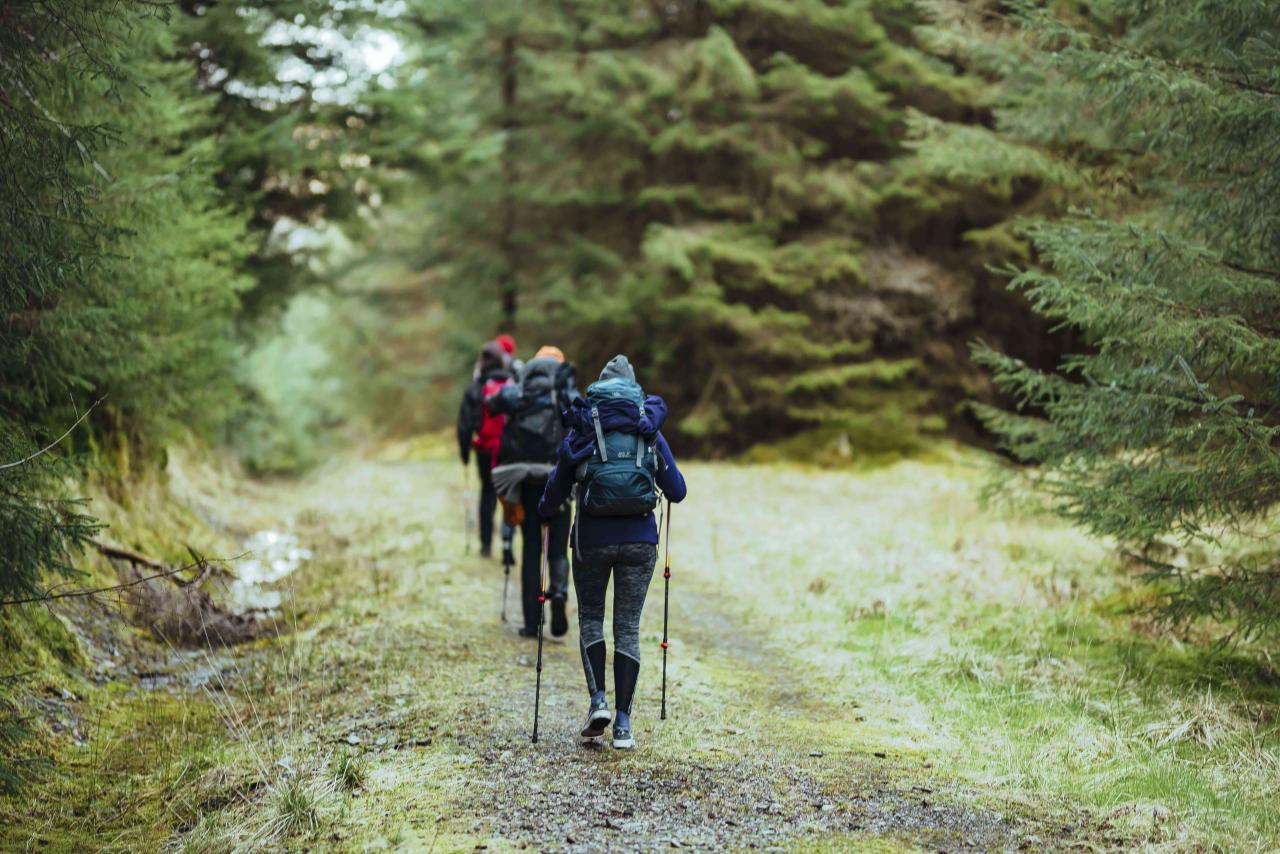
Preparing for a hiking adventure requires a structured training program tailored to your current fitness level and desired hiking goals. A gradual progression is crucial to avoid injuries and ensure a safe and enjoyable experience. This structured approach, coupled with appropriate exercises and sufficient rest, will significantly enhance your hiking performance and overall well-being.Effective training for hiking encompasses more than just leg strength.
It involves a holistic approach that strengthens the core, improves cardiovascular endurance, and builds overall body resilience. This multifaceted approach will equip you with the necessary physical capabilities to tackle any hiking trail with confidence.
Gradual Progression and Avoiding Overexertion
A gradual increase in training intensity is paramount for beginners and experienced hikers alike. Overexertion can lead to injuries and setbacks. A well-structured program allows the body to adapt progressively to the demands of hiking. This gradual approach ensures a safe and effective training experience. Begin with shorter hikes and gradually increase the duration and intensity as your fitness improves.
Exercises for Strengthening Legs, Core, and Overall Body
A comprehensive training program must address the key muscle groups crucial for hiking. This includes strengthening the legs for stability and power, the core for balance and posture, and the entire body for overall endurance. Regular exercise is essential for building strength and endurance.
- Leg Strengthening Exercises: Exercises like squats, lunges, calf raises, and step-ups are fundamental for building leg strength and power, crucial for maintaining balance and managing the terrain during hiking. These exercises target the quadriceps, hamstrings, and calf muscles, essential for efficient hiking.
- Core Strengthening Exercises: Planks, crunches, Russian twists, and bicycle crunches are vital for core strength, maintaining posture, and preventing back pain during extended hikes. A strong core promotes stability and balance, crucial for navigating uneven trails.
- Body Strengthening Exercises: Incorporating exercises like push-ups, rows, and pull-ups will improve overall strength, endurance, and stamina, which is beneficial for overcoming challenging hiking terrains. These exercises contribute to the holistic development of physical capabilities, necessary for hiking.
Building Endurance and Stamina
Developing hiking endurance and stamina requires a combination of cardiovascular exercises and progressive hiking experiences. Activities like running, swimming, cycling, and brisk walking are excellent for improving cardiovascular health and endurance. These activities enhance the body’s ability to efficiently deliver oxygen to the muscles, a key component for extended hiking durations.
- Cardiovascular Exercises: Activities like running, swimming, cycling, and brisk walking are effective for building cardiovascular endurance and stamina, which are essential for longer and more demanding hikes. These exercises strengthen the heart and lungs, improving the body’s ability to supply oxygen to the muscles during prolonged physical activity.
- Progressive Hiking: Gradually increasing the duration and intensity of hikes is vital for building stamina. Starting with shorter hikes and gradually increasing the distance and elevation gain will effectively train the body for more challenging hikes.
Significance of Rest and Recovery
Rest and recovery are crucial components of any training program, enabling the body to repair and rebuild muscle tissue after exercise. Adequate rest allows for muscle repair, prevents fatigue, and reduces the risk of injuries. Proper nutrition and hydration also play an important role in supporting the body’s recovery processes.
Training Program Example (Beginner to Advanced)
| Exercise | Description | Sets/Reps | Benefits |
|---|---|---|---|
| Walking | Brisk walking on flat terrain | 3-4 times/week, 30-60 minutes | Improved cardiovascular fitness, endurance |
| Squats | Stand with feet shoulder-width apart, lower body as if sitting in a chair | 3 sets of 10-12 reps | Strengthens quads, glutes, hamstrings |
| Lunges | Step forward with one leg, bending both knees to 90 degrees | 3 sets of 10-12 reps per leg | Strengthens quads, hamstrings, glutes, improves balance |
| Plank | Hold body in a straight line from head to heels | Hold for 30-60 seconds, 3 sets | Strengthens core, improves stability |
| Hiking | Increase duration and elevation gain gradually | 1-2 times/week, increasing distance and elevation | Builds hiking-specific endurance and strength |
Nutrition and Hydration for Hiking
Proper nutrition and hydration are crucial for a successful and enjoyable hiking experience. They play a vital role in sustaining energy levels, preventing fatigue, and ensuring optimal performance throughout the trek. Fueling your body adequately before, during, and after the hike is essential for a safe and rewarding adventure.Effective nutrition and hydration strategies directly impact your physical capabilities, mental focus, and overall well-being during your hike.
Proper fueling helps prevent energy crashes, while adequate hydration ensures your body functions efficiently, maintaining essential bodily processes. This section will provide key recommendations for nourishing your body before, during, and after your hiking trip.
Pre-Hike Nutrition
Adequate pre-hike nutrition is essential for providing your body with the energy it needs to tackle the physical demands of the hike. Consuming a balanced meal containing complex carbohydrates, lean protein, and healthy fats several hours before departure will ensure sustained energy release. This prevents early fatigue and supports your endurance throughout the trek. Examples of suitable pre-hike meals include oatmeal with nuts and berries, a whole-wheat sandwich with lean turkey or chicken, or a bowl of whole-grain pasta with vegetables and lean protein.
Fueling During the Hike
Maintaining energy levels during the hike is crucial to preventing fatigue and maintaining optimal performance. Regular intake of easily digestible snacks is important to sustain blood sugar levels. These snacks should be high in carbohydrates to provide a quick energy boost. Examples of suitable snacks include energy bars, dried fruit, trail mix, and whole-grain crackers. Carry small portions of these snacks in your backpack to ensure regular energy replenishment throughout the hike.
Hydration Strategies
Adequate hydration is paramount for maintaining optimal bodily functions during a hike. Dehydration can lead to fatigue, decreased performance, and even health risks. Starting the hike well-hydrated is essential, and it is important to continue replenishing fluids throughout the hike. Carry a reusable water bottle or hydration pack and sip on water regularly, regardless of thirst. Avoid sugary drinks as they can lead to electrolyte imbalances.
Post-Hike Recovery Nutrition
Post-hike recovery nutrition is just as important as pre- and during-hike nutrition. Replenishing glycogen stores and repairing muscle tissues are vital for recovery. Consuming a meal rich in protein and carbohydrates within an hour of finishing the hike helps with these processes. Examples of suitable post-hike meals include a protein shake, a bowl of fruit with yogurt, or a complete meal with lean protein and complex carbohydrates.
Recommended Foods for Hiking
Proper nutrition is vital for a successful hike. The table below provides recommendations for various food types, their benefits, and appropriate portion sizes for hikers.
| Food Type | Benefits | Portion Size |
|---|---|---|
| Oatmeal with Berries and Nuts | Sustained energy release, antioxidants | 1/2 cup dry oatmeal, 1/4 cup berries, 2 tablespoons nuts |
| Trail Mix | Combination of energy-boosting nuts, seeds, and dried fruit | 1/4 cup |
| Energy Bars | Convenient source of carbohydrates and protein | 1 bar |
| Dried Fruit | Quick energy source, natural sugars | 1/4 cup |
| Whole-Wheat Crackers | Good source of complex carbohydrates | 4-6 crackers |
| Lean Protein (e.g., Jerky, Chicken Breast) | Essential for muscle repair and growth | 2-3 ounces |
Safety Precautions and Emergency Preparedness
Hiking, while a rewarding activity, involves inherent risks. Understanding and implementing safety precautions is paramount to enjoying the experience and minimizing potential harm. Proper planning and preparation can significantly reduce these risks, ensuring a safe and enjoyable hike for all participants.
Importance of Safety Measures
Safety measures are crucial for mitigating risks associated with hiking. They encompass a wide range of considerations, from choosing appropriate trails to preparing for potential emergencies. A proactive approach to safety minimizes the likelihood of accidents and ensures a positive outcome in the event of unforeseen circumstances.
Safety Precautions for Navigating Terrain and Weather
Hiking conditions vary significantly based on terrain and weather. Adapting to these conditions is critical for maintaining safety. For example, uneven terrain requires heightened awareness and cautious foot placement. Adverse weather conditions, such as rain, snow, or strong winds, can significantly impact visibility and footing, necessitating careful consideration and adjustments to hiking plans.
Techniques for Minimizing Risks and Preventing Injuries
Several techniques can significantly reduce the risk of injury during a hike. These include maintaining a steady pace, avoiding distractions, and staying aware of surroundings. Using appropriate hiking footwear and clothing can provide crucial support and protection. Understanding and adhering to trail etiquette can also help avoid conflicts and accidents.
Emergency Preparedness
Emergency preparedness is a vital aspect of hiking. It encompasses having essential supplies, such as a first-aid kit, and knowing how to use communication devices. This preparation is crucial for dealing with unforeseen situations, ensuring that you can handle potential medical issues, injuries, or getting help in case of emergencies.
First-Aid Supplies and Communication Devices
A comprehensive first-aid kit should include bandages, antiseptic wipes, pain relievers, and any personal medications. Having a fully charged cell phone with a backup battery or a satellite communication device is essential for contacting emergency services.
Potential Hazards and Appropriate Responses
Several potential hazards can occur during a hike, requiring immediate action. These include injuries, falls, and encounters with wildlife. A well-prepared hiker should know how to respond to these situations, from providing first aid to seeking help.
Table of Hazards, Prevention, and Response
| Hazard | Prevention | Response |
|---|---|---|
| Slips and Falls | Wear appropriate footwear, maintain a steady pace, and be mindful of uneven terrain. | Assess the injury, apply first aid, and seek help if needed. |
| Wildlife Encounters | Maintain a safe distance, avoid sudden movements, and carry bear spray (if necessary). | Assess the situation, retreat slowly, and if necessary, contact authorities. |
| Hypothermia | Dress in layers, stay dry, and avoid prolonged exposure to cold temperatures. | Seek shelter, warm up slowly, and contact emergency services. |
| Dehydration | Drink plenty of water, and carry a sufficient water supply, considering the duration and conditions of the hike. | Drink water, seek shade, and contact emergency services if severe. |
| Lost or Disoriented | Inform someone of your hiking plans, stick to marked trails, and carry a map and compass. | Stay put, try to signal for help, and seek shelter if necessary. |
Exploring Different Hiking Destinations
Embarking on a hiking adventure offers more than just physical exertion; it provides a unique opportunity to connect with diverse landscapes and cultures. Discovering hidden gems and immersing yourself in the natural world enhances the overall experience. Planning a trip requires careful consideration of various factors, including destination selection, environmental responsibility, and historical context.Understanding the range of hiking destinations worldwide allows you to tailor your experience to your preferences and skill level.
From challenging mountain trails to serene coastal paths, the world offers a vast array of hiking possibilities. This exploration highlights key aspects of selecting and experiencing these diverse destinations.
Diverse Hiking Destinations Around the World
A global tapestry of landscapes awaits hikers. From the towering peaks of the Himalayas to the lush rainforests of Costa Rica, the world provides a diverse range of hiking experiences. Understanding these diverse environments enhances the enjoyment and safety of your journey.
Unique Landscapes and Natural Wonders
Hiking destinations boast a wide variety of natural wonders. The towering peaks of the Andes offer breathtaking views, while the dramatic canyons of the American Southwest reveal geological marvels. Each destination presents a unique perspective on the beauty and power of nature. The diverse landscapes include alpine meadows, coastal trails, and lush forests, each with its own unique charm.
For example, the rugged terrain of the Scottish Highlands presents a stark contrast to the verdant forests of the Appalachian Trail.
Planning and Booking Trips
Thorough planning is crucial for a successful and enjoyable hiking trip. Researching the destination, including trail difficulty and weather patterns, is essential. Booking accommodations and transportation in advance can streamline the travel process and ensure a smooth experience. Consider the best time to visit, considering weather and crowds. For example, spring and fall often offer pleasant temperatures and fewer crowds than summer months.
Respecting the Environment
Respecting the environment is paramount during any hiking trip. Leave no trace behind, pack out everything you pack in, and be mindful of fragile ecosystems. Minimizing your impact on the environment safeguards the natural beauty for future generations. Adhering to Leave No Trace principles ensures the preservation of these unique destinations.
Historical and Cultural Significance
Many hiking destinations hold historical and cultural significance. Understanding the stories behind these places enhances the experience. Researching the area’s history before your trip adds depth and context to your exploration. For example, hiking trails in ancient civilizations may provide insights into past cultures.
Table of Hiking Destinations
| Location | Description | Difficulty | Highlights |
|---|---|---|---|
| Mount Kilimanjaro, Tanzania | Africa’s highest peak, offering challenging ascents through diverse ecosystems. | Strenuous | Breathtaking views, diverse wildlife encounters. |
| Inca Trail, Peru | A historic trail through the Andes Mountains, leading to Machu Picchu. | Moderate to Strenuous | Cultural significance, stunning mountain scenery. |
| Appalachian Trail, USA | A long-distance trail spanning 2,190 miles across the eastern United States. | Moderate to Strenuous | Vast wilderness, historical landmarks, varying landscapes. |
| Torres del Paine, Chile | Patagonian wilderness with dramatic granite peaks and glaciers. | Moderate to Strenuous | Breathtaking landscapes, challenging climbs, abundant wildlife. |
Troubleshooting Common Hiking Issues

Hiking, while a rewarding activity, can present unexpected challenges. Understanding potential problems and their solutions is crucial for a safe and enjoyable experience. This section details common hiking issues, their causes, effective solutions, and preventive measures.
Blisters
Blisters are a common ailment for hikers, often resulting from friction between footwear and the skin. Improperly fitting or worn-out hiking boots are significant contributors. Consistent rubbing against the terrain also plays a role.
- Immediate Treatment: Carefully clean the blister with antiseptic solution and cover it with a sterile blister bandage. Avoid popping the blister yourself, as this can increase the risk of infection.
- Prevention: Ensure your hiking boots fit comfortably and are broken in before your hike. Apply moleskin or similar padding to high-friction areas of your feet. Consider wearing moisture-wicking socks to reduce friction and sweat.
Muscle Soreness
Muscle soreness, or delayed-onset muscle soreness (DOMS), is a common experience following strenuous physical activity. This soreness is often experienced one to two days after the activity and typically subsides within a few days. Overexertion, improper warm-up, or insufficient rest are among the factors.
- Treatment: Apply ice to the affected area for 15-20 minutes at a time, several times a day. Gentle stretching and light exercise can help alleviate soreness. Over-the-counter pain relievers can also provide temporary relief.
- Prevention: Gradually increase the intensity and duration of your hikes. Prior to each hike, warm up your muscles with dynamic stretches. Sufficient rest and recovery between hikes are essential.
Altitude Sickness
Altitude sickness, a condition caused by rapid changes in altitude, can affect hikers at high elevations. Symptoms can range from mild headache and nausea to more serious conditions. Factors include rapid ascent and inadequate acclimatization.
- Treatment: Descend to a lower altitude as quickly as possible. Rest, hydration, and over-the-counter pain relievers can help manage symptoms. If symptoms worsen, seek immediate medical attention.
- Prevention: Gradually ascend to high altitudes, allowing your body time to acclimatize. Drink plenty of water, and avoid alcohol and caffeine. Consult a doctor before hiking at high altitudes, especially if you have pre-existing health conditions.
Unexpected Weather Changes
Hiking conditions can rapidly change, presenting challenges for hikers. Sudden shifts in temperature, precipitation, or wind can lead to discomfort and safety concerns.
- Preparation: Pack layers of clothing to adapt to changing conditions. Be aware of weather forecasts before heading out and adjust your plans accordingly.
- Response: If caught in a sudden storm, seek shelter immediately in a sturdy natural overhang or a designated shelter. If caught in a blizzard, try to stay sheltered and conserve energy.
Equipment Malfunctions or Breakdowns
Equipment failure, such as a broken compass or a malfunctioning GPS device, can significantly impact a hiker’s safety and progress. Careless handling, wear and tear, or exposure to adverse conditions can cause this.
- Solutions: Have backup equipment, such as a spare map and compass, and a fully charged mobile device with a working GPS app. Learn to use your equipment effectively, and regularly check for any signs of wear or damage.
- Prevention: Regularly maintain your hiking equipment. Test the functionality of your compass and GPS device before embarking on a hike. Carry spare batteries or chargers for essential devices.
Troubleshooting Table
| Problem | Cause | Solution | Prevention |
|---|---|---|---|
| Blisters | Friction, ill-fitting boots, worn socks | Clean and bandage, consider moleskin | Properly fitted boots, well-broken-in shoes, moisture-wicking socks |
| Muscle Soreness | Overexertion, insufficient warm-up, lack of rest | Ice, stretching, over-the-counter pain relievers | Gradual increase in intensity, pre-hike warm-up, adequate rest |
| Altitude Sickness | Rapid ascent, inadequate acclimatization | Descent, rest, hydration, medical attention if needed | Gradual ascent, adequate hydration, pre-trip consultation |
| Unexpected Weather Changes | Sudden shifts in temperature, precipitation, or wind | Seek shelter, dress in layers, adjust plans | Check weather forecasts, pack appropriate layers, flexible itinerary |
| Equipment Malfunctions | Wear and tear, careless handling, exposure | Have backups, learn to use equipment effectively, regular maintenance | Regular equipment checks, spare parts, proper storage |
Concluding Remarks
In conclusion, this guide has provided a detailed roadmap for maximizing your hiking experience for fitness and well-being. By understanding the fundamental aspects of preparation, techniques, and safety, you’re well-equipped to embark on enriching adventures in nature. From choosing the right trail to understanding nutrition and safety precautions, this guide offers a comprehensive approach to hiking for fitness.
Remember to always prioritize safety and enjoy the journey!