Fitness apps have revolutionized personal well-being, offering personalized guidance and support for various fitness goals. This guide provides a thorough exploration of how to effectively utilize these apps, from initial setup to advanced functionalities, empowering you to maximize your fitness journey.
We’ll delve into the diverse world of fitness apps, examining their features, functionalities, and target audiences. This comprehensive resource covers everything from downloading and installing an app to creating personalized workout plans, tracking progress, and integrating them with your existing lifestyle. Understanding these elements is key to leveraging the full potential of these valuable tools.
Introduction to Fitness Apps
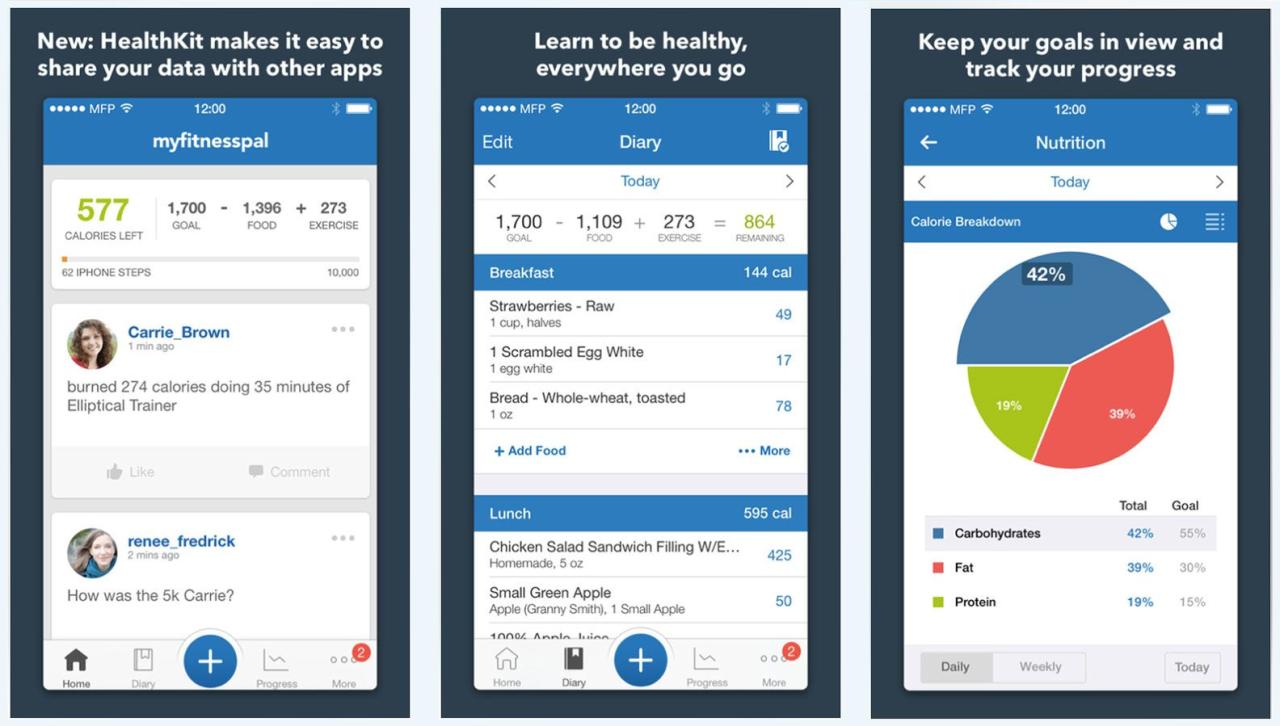
Fitness apps have revolutionized personal health and wellness, providing users with a convenient and personalized approach to achieving their fitness goals. These apps cater to a wide range of needs and preferences, offering guidance and support for various activities, from running and strength training to yoga and meditation. Their accessibility and affordability make them an attractive option for individuals seeking to improve their well-being, regardless of their prior experience or current fitness level.The broad range of functionalities, coupled with user-friendly interfaces, empowers individuals to track progress, set goals, and stay motivated.
By offering personalized feedback and support, fitness apps are increasingly becoming integral tools for maintaining a healthy lifestyle.
Different Types of Fitness Apps
Fitness apps are designed to support a diverse range of activities. Running apps often provide features like pace tracking, route mapping, and community engagement for runners. Strength training apps typically focus on workout routines, exercise demonstrations, and personalized workout plans tailored to specific goals. Yoga apps, on the other hand, usually feature guided sessions, pose demonstrations, and progression tracking to enhance users’ practice.
General Functionalities and Features
Most fitness apps share common functionalities to facilitate user engagement and progress tracking. These include goal setting and progress monitoring, exercise tracking, personalized workout plans, and social features for community interaction. Furthermore, many apps offer nutritional information and dietary guidance to complement the fitness regimen.
Target Audiences
The target audience for fitness apps varies significantly. Running apps are popular among runners of all levels, from beginners to seasoned athletes. Strength training apps appeal to individuals looking to build muscle mass, improve strength, or rehabilitate injuries. Yoga apps are utilized by those seeking flexibility, stress relief, and a holistic approach to wellness.
User Experience
The typical user experience with fitness apps involves a user-friendly interface that guides the user through various functions. The app’s navigation is typically intuitive, allowing users to easily access features like workout routines, progress tracking, and social interactions. The user experience also emphasizes personalization, allowing users to tailor the app to their specific needs and preferences.
Comparison of Popular Fitness App Categories
| Category | Focus | Key Features | Target Audience |
|---|---|---|---|
| Running | Tracking running progress and performance | Pace tracking, route mapping, GPS tracking, workout analysis, community forums | Runners of all levels, from beginners to seasoned athletes. |
| Strength Training | Providing structured workout routines and exercise demonstrations | Workout routines, exercise videos, progress tracking, personalized plans, strength measurement | Individuals looking to build muscle mass, improve strength, or rehabilitate injuries. |
| Yoga | Guiding users through yoga poses and sessions | Guided sessions, pose demonstrations, progression tracking, meditation exercises, breathing techniques | Individuals seeking flexibility, stress relief, and a holistic approach to wellness. |
Getting Started with Fitness Apps
Embarking on a fitness journey often begins with the selection and utilization of fitness apps. These apps provide a structured platform for tracking progress, motivating users, and guiding them through personalized workouts. This section will detail the crucial initial steps to successfully integrate a fitness app into your routine.The process of utilizing fitness apps can be simplified by following a few key steps.
This begins with the installation process, followed by account creation and profile setup. Understanding how to set personal fitness goals, track progress, and customize workout plans will empower users to maximize the app’s benefits. Finally, connecting fitness devices will enhance data collection and analysis, providing a comprehensive view of your fitness journey.
Downloading and Installing a Fitness App
Successfully downloading and installing a fitness app is a straightforward process. Begin by navigating to the app store (either Google Play Store or Apple App Store) on your smartphone or tablet. Search for the specific fitness app you wish to use. Once located, tap the “Install” button to initiate the download. The app will then be installed onto your device.
Upon completion, the app icon will be visible on your device’s home screen, ready for use.
Creating an Account and Setting Up Profiles
Creating an account within a fitness app typically involves providing personal information such as your name, date of birth, and email address. You will also be prompted to select a username and password for secure access. After successfully creating an account, you can proceed to set up your profile. This step often includes inputting details like your height, weight, and fitness goals.
Some apps allow you to add photos, which can further personalize your profile. This personalized setup ensures the app can tailor its recommendations and tracking to your specific needs.
Setting Personal Fitness Goals and Tracking Progress
Establishing personal fitness goals is paramount to successful app utilization. Specific, measurable, achievable, relevant, and time-bound (SMART) goals are ideal. Examples of SMART goals include “lose 10 pounds in 3 months,” “run a 5k in 12 weeks,” or “increase daily step count by 2000 steps.” Fitness apps typically provide tools to track progress against these goals, such as graphs and charts.
Visual representation of progress helps maintain motivation and allows for adjustments to your plan as needed. This ongoing assessment is vital to staying on track and achieving your desired results.
Customizing Workout Plans and Schedules
Most fitness apps allow for customization of workout plans and schedules. This often involves selecting the types of exercises you want to perform, the frequency of workouts, and the intensity level. Some apps even offer pre-designed workout routines. Users can adapt and modify these plans to fit their specific needs and preferences. This customization enhances user experience and helps maintain engagement in the fitness journey.
Connecting Fitness Devices to a Fitness App
Connecting fitness devices, such as smartwatches or fitness trackers, to a fitness app can significantly enhance the data collection and analysis capabilities. This synchronization enables the app to automatically track your activity, such as steps taken, heart rate, and sleep patterns. This integration is beneficial because it allows for a more holistic view of your overall fitness. It’s essential to understand the specific steps required for device connection.
| Fitness Device | Connection Steps |
|---|---|
| Smartwatch (e.g., Apple Watch) | 1. Open the fitness app on your phone. 2. Open the Bluetooth settings on your phone. 3. Turn on Bluetooth on your smartwatch. 4. Select the fitness app on your smartwatch to connect. 5. Follow any additional prompts on your phone or smartwatch. |
| Fitness Tracker (e.g., Fitbit) | 1. Open the fitness app on your phone. 2. Open the Bluetooth settings on your phone. 3. Turn on Bluetooth on your fitness tracker. 4. Select the fitness app on your fitness tracker to connect. 5. Follow any additional prompts on your phone or fitness tracker. |
Utilizing App Features for Workouts
Fitness apps offer a versatile platform for enhancing your workout experience. They go beyond simple tracking to provide structured routines and personalized guidance. This section explores the various ways these apps support different workout types, enabling users to follow pre-designed routines, craft personalized plans, and meticulously track progress through key metrics.
Different Workout Types Supported
Fitness apps cater to a wide range of workout preferences. They typically support various types, allowing users to select exercises aligned with their goals and interests. These types often include cardio, strength training, yoga, HIIT, and more. The availability of specific workout types varies across different applications.
Following Pre-Designed Workout Routines
Many fitness apps provide pre-designed workout routines tailored to specific goals, such as weight loss, muscle gain, or improved cardiovascular health. These routines typically Artikel exercises, sets, repetitions, and rest periods, making it easy for users to follow a structured program without needing to plan everything themselves. Following a structured routine ensures consistent effort and progression.
Creating Personalized Workout Plans
Beyond pre-designed routines, many apps allow users to create personalized workout plans. This involves selecting exercises, adjusting repetitions and sets, and specifying rest periods based on individual preferences and fitness levels. Personalized plans offer flexibility and customization, ensuring the workout aligns precisely with the user’s specific needs.
Tracking Workout Progress with Metrics
Fitness apps provide robust tools for tracking workout progress. Metrics such as heart rate, calories burned, distance covered, and time spent exercising can be monitored. This data allows users to observe trends, adjust their routines, and gauge their improvement over time. Consistent monitoring and analysis of these metrics enable users to make data-driven adjustments to their fitness journey.
Example of Workout Types Supported by Different Apps
| App | Workout Types |
|---|---|
| Nike Training Club | Strength training, HIIT, yoga, running, walking |
| Peloton | Cycling, running, strength training, yoga |
| MyFitnessPal | No specific workout plans, but supports tracking workouts from other apps |
| Fitbit | Walking, running, cardio, yoga, strength training, swimming |
Tracking Metrics During Workouts
Fitness apps commonly feature real-time tracking of metrics during workouts. For example, a user performing a cardio workout can monitor their heart rate on a running app. The app displays this information on the screen and records it for later analysis. Similarly, calories burned can be estimated during a workout session and logged. Other metrics, such as distance covered, steps taken, and workout duration, are also typically recorded.
By using these tools, users can gain a comprehensive understanding of their performance.
Example: During a 30-minute run, a user can monitor their heart rate using a fitness app. The app will display the heart rate in real time, allowing the user to adjust their pace as needed. The app will also record the calories burned and the distance covered. After the workout, the user can review the data to evaluate their performance and make necessary adjustments to their workout routine.
Tracking Fitness Progress
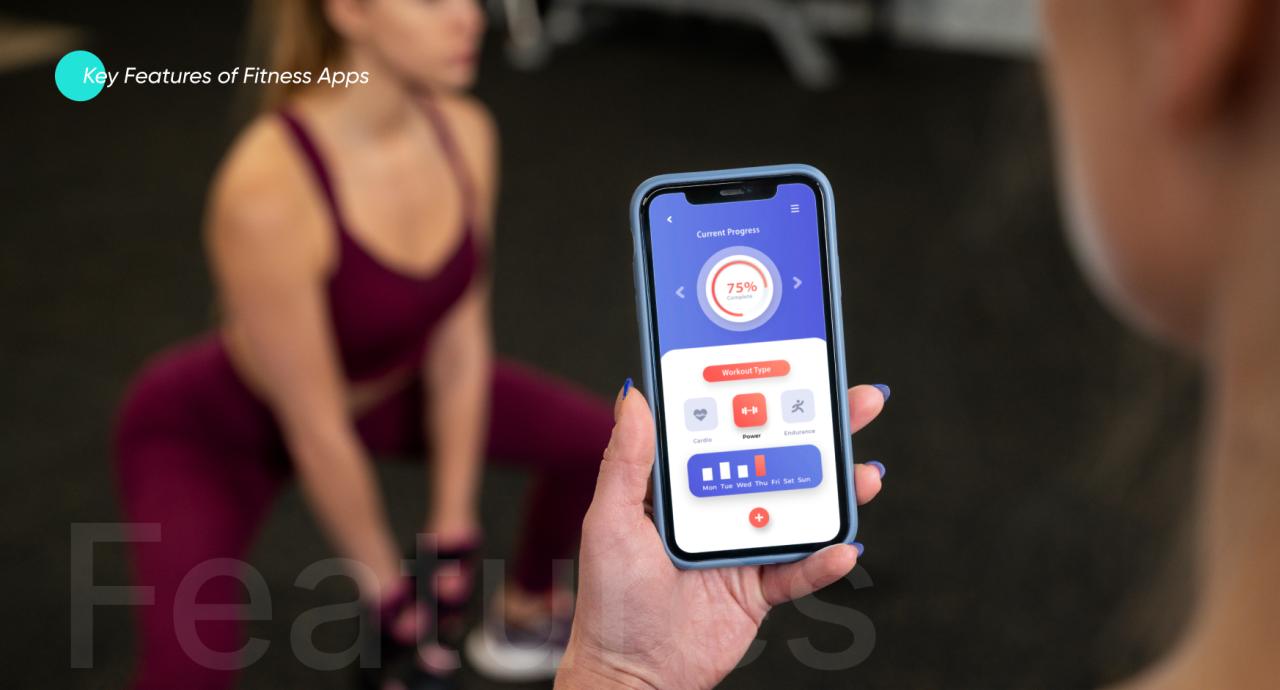
Monitoring fitness progress over time is crucial for understanding your body’s response to training and making informed adjustments to your fitness plan. Consistent tracking allows you to identify patterns, celebrate achievements, and adapt your goals as you evolve. This section will detail effective methods for monitoring progress, analyzing trends, and setting goals based on your observed data.Analyzing your workout data reveals patterns and trends, enabling you to gauge your progress and make necessary adjustments to your fitness routine.
This insightful analysis can guide you toward achieving your desired fitness level. By identifying trends in your workout data, you can gain a deeper understanding of your strengths and weaknesses, enabling you to tailor your workouts and dietary choices for optimal results.
Methods for Monitoring Progress
Consistent tracking is key to understanding your progress. Different methods can provide varied insights. Employing multiple methods can offer a more comprehensive view of your fitness journey.
- Using built-in app features: Many fitness apps offer built-in tools for tracking workouts, nutrition, and sleep. These features often provide graphs, charts, and summaries to illustrate progress. Utilizing these features can be straightforward and efficient for initial progress tracking.
- Employing external tools: For detailed analysis, consider using spreadsheets or dedicated fitness tracking software. External tools offer more control over data manipulation and visualization options, enabling you to generate customized reports and analyses.
- Creating a dedicated journal: A physical or digital journal can provide a space for detailed notes on your workouts, nutrition, and feelings. Combining this with app data offers a comprehensive picture of your progress and provides valuable personal reflections.
Analyzing Trends in Workout Data
Analyzing trends in your workout data allows you to identify patterns and tailor your fitness plan for optimal results.
- Identifying patterns in workouts: Look for trends in your workout intensity, duration, and frequency. Regularly review this data to identify areas where you’re consistently excelling or struggling. This enables you to focus on improving areas needing attention and maintaining consistency in successful routines.
- Visualizing trends with graphs: Graphs and charts can effectively illustrate trends in your workout data. Consider plotting your workout frequency, intensity, or duration over time. This visualization allows for easy identification of patterns and improvement areas.
- Identifying plateaus: Identify any periods of stalled progress (plateaus). This might indicate a need for adjusting your workout routine, incorporating new exercises, or modifying your diet.
Setting and Adjusting Fitness Goals
Setting realistic and achievable goals is crucial for maintaining motivation and achieving desired results.
- Establishing SMART goals: Use the SMART framework (Specific, Measurable, Achievable, Relevant, Time-bound) to define your goals. This ensures that your goals are clear, actionable, and attainable.
- Adjusting goals based on progress: Regularly review your progress and adjust your goals accordingly. As you achieve milestones, set new, challenging goals to maintain motivation and progress.
- Setting short-term and long-term goals: Combine short-term milestones with long-term objectives. This creates a roadmap for your fitness journey and provides incremental achievements to maintain momentum.
Visual Representations of Fitness Data
Different visual representations can highlight specific aspects of your fitness journey.
| Visual Representation | Description |
|---|---|
| Line graphs | Illustrate changes in a single variable over time, such as weight, heart rate, or workout duration. |
| Bar charts | Display comparisons of different variables, such as the number of workouts per week or the calories burned in various activities. |
| Pie charts | Show the distribution of different components, such as the breakdown of calories from different food groups. |
| Scatter plots | Highlight relationships between two variables, such as the correlation between sleep duration and workout performance. |
Motivating Yourself with Progress Tracking
Tracking your fitness progress can be a powerful motivator.
- Celebrating milestones: Acknowledge and celebrate your achievements, no matter how small. This reinforcement keeps you motivated and focused on your goals.
- Visualizing progress: Use visual representations of your progress, such as graphs and charts, to track your journey and showcase your achievements.
- Reflecting on progress: Take time to reflect on your progress and identify areas for improvement. This self-assessment is crucial for maintaining motivation and making informed decisions.
Using Apps for Nutrition and Recovery
Fitness apps are increasingly integrating features to support not only exercise but also nutrition and recovery. This comprehensive approach allows users to create a holistic wellness plan, promoting sustainable results beyond just physical activity. By integrating nutrition tracking and sleep monitoring, apps help users understand the interplay between their choices and their overall well-being.
Nutrition Tracking in Fitness Apps
Fitness apps often incorporate detailed nutrition tracking to help users understand the caloric intake and nutrient composition of their meals. This feature allows for mindful eating and adjustment of dietary habits to support fitness goals. Nutrition tracking empowers users to make informed choices and maintain a balanced diet.
Planning Healthy Meals and Tracking Dietary Intake
Many fitness apps provide tools for planning meals and tracking dietary intake. These tools often include pre-populated food databases, allowing users to quickly log their meals. Users can input specific ingredients or meal names to track nutritional values automatically. Detailed nutritional breakdowns allow for adjustments in portion sizes or ingredient choices to maintain a balanced intake.
Features for Monitoring Sleep Patterns and Recovery
Fitness apps also offer features for tracking sleep patterns. These features usually involve sensors or questionnaires to record sleep duration, quality, and any disturbances. This information is often presented visually, enabling users to identify patterns and make adjustments to their sleep hygiene routines. Data on sleep quality can correlate with energy levels, workout performance, and overall recovery.
By linking sleep data with exercise and nutrition, the apps provide a comprehensive view of holistic wellness.
Examples of Using Nutrition and Recovery Features
For instance, a user might use a nutrition tracking app to log a breakfast of oatmeal with berries and nuts. The app would automatically calculate the calories, protein, carbohydrates, and other nutrients consumed. This data can be used to adjust other meals to maintain a balanced intake. Furthermore, the app might provide recommendations for similar meals with alternative ingredients.
Sleep tracking features can help users identify patterns of poor sleep, such as irregular sleep schedules or caffeine consumption, and prompt adjustments to improve sleep quality.
Contrasting Nutrition Tracking Methods
| Feature | Manual Input | Barcode Scanning | Restaurant/Pre-made Meal Databases |
|---|---|---|---|
| Ease of Use | Requires manual entry of food and portion sizes. | Quick and easy entry via barcode scanning. | Simplified input by selecting from pre-loaded data. |
| Accuracy | Dependent on user accuracy in inputting details. | Highly accurate due to database verification. | Accuracy varies depending on the database’s completeness. |
| Time Commitment | Potentially time-consuming for detailed logging. | Faster data entry compared to manual input. | Quickest method for familiar meals. |
| Examples | Manually entering the exact ingredients and quantities. | Scanning the barcode of a pre-packaged meal. | Selecting a restaurant dish from the app’s database. |
App Integrations and Connectivity
Fitness apps are increasingly interconnected, allowing users to seamlessly integrate their various devices and data sources for a more comprehensive and personalized fitness journey. This connectivity enhances the user experience by providing a holistic view of their activity and progress, fostering a more integrated and engaging approach to fitness.
Different Ways Fitness Apps Integrate with Other Devices
Fitness apps leverage diverse methods to integrate with other devices. These integrations often involve direct communication protocols, enabling data exchange between the app and the device. Some apps employ Bluetooth Low Energy (BLE) technology for real-time data transfer, while others use cloud-based synchronization to store and retrieve data across various platforms. These approaches ensure a unified experience for users by connecting various aspects of their fitness regimen.
How Apps Connect with Wearable Fitness Trackers
Most fitness apps support integration with popular wearable fitness trackers. These connections usually involve Bluetooth pairing, allowing the app to receive real-time data from the tracker, such as heart rate, steps, and sleep patterns. This synchronization enables users to view and analyze their fitness data in a centralized location within the app. Furthermore, some trackers utilize proprietary communication protocols that need specific app support.
This means users may need to download or update their app to ensure compatibility with their chosen tracker.
Syncing Data Between Different Apps and Devices
Synchronization of data across multiple apps and devices is crucial for a holistic fitness tracking experience. Users often utilize multiple apps for different aspects of their fitness routine, such as a running app, a strength training app, and a nutrition app. Seamless data synchronization ensures that all these apps can access and display a consistent view of the user’s fitness progress.
Data synchronization often occurs via cloud-based services, which allows for automatic updates and consistency across devices. Users should ensure their apps and devices are all logged in to the same cloud account for efficient synchronization.
Examples of Using Integrations for a Seamless Experience
A user tracking their daily activity might use a wearable fitness tracker for step count and heart rate. The app can automatically sync this data. Furthermore, this user might use a separate app to log their workouts. Data from the tracker and the workout app can be synchronized, providing a complete view of the user’s activity level and exercise routine.
This holistic view allows users to analyze their performance and make informed adjustments to their fitness regimen. For instance, a user might notice a correlation between their step count and energy levels, which could inform their decision to adjust their workout intensity.
Table of Devices Compatible with Common Fitness Apps
The following table provides examples of devices compatible with common fitness apps. Note that compatibility can vary depending on the specific app and the device’s specifications.
| Fitness App | Compatible Devices |
|---|---|
| Strava | Smartwatches (Apple Watch, Samsung Galaxy Watch), Fitness Trackers (Fitbit, Garmin), Smartphones |
| Nike Training Club | Smartphones, Tablets |
| MyFitnessPal | Smartphones, Tablets |
| Peloton | Smart TVs, Tablets, Smartphones |
Troubleshooting Common Issues
Fitness apps can be powerful tools for achieving health and fitness goals. However, users may encounter various problems during their app experience. This section provides solutions to common issues, guiding you through troubleshooting steps and facilitating effective use of your fitness application.
Connectivity Problems
Effective connectivity is crucial for seamless app functionality. Problems like poor internet connection, weak mobile signal, or outdated device software can disrupt app operations. Understanding these issues and their potential resolutions is vital for a smooth user experience.
- Check your internet connection. Ensure your device has a stable internet connection, whether Wi-Fi or cellular data. A weak or unstable connection can cause delays or prevent data synchronization. Try restarting your router or mobile device to resolve temporary connection issues. If you’re using cellular data, ensure your data plan has sufficient bandwidth. If your connection remains unstable, consider contacting your internet service provider for assistance.
- Verify your device’s network settings. Ensure that your device is connected to a stable network. In cases where the app isn’t connecting to the server, check your device’s network settings. Confirm that you have the correct network credentials and that the network is enabled. If using cellular data, ensure data roaming is not hindering access.
- Update your device’s software. Outdated device software can cause compatibility issues with fitness apps. Ensure your operating system and relevant app updates are current. Checking for and installing updates is crucial for app performance and security. Update the app itself if there are updates available.
App Functionality Issues
Some issues may arise within the app itself, such as unexpected crashes, errors during data input, or failure to load certain features. Addressing these concerns is essential for maintaining a productive fitness routine.
- Restart the app. A simple restart can often resolve minor glitches and temporary errors within the application. Force-quitting and relaunching the app is a common solution. If the problem persists, consider restarting your device as well.
- Clear the app’s cache. The app’s cache stores temporary data that can sometimes cause errors. Clearing the cache can free up space and resolve functionality issues. Check the app’s settings for instructions on how to clear the cache.
- Check for app updates. Software updates often include bug fixes and improvements to app functionality. Regularly checking for updates can prevent or resolve issues. If a recent update caused a problem, revert to the previous version if possible.
- Contact customer support. If the problem persists after trying these solutions, contacting the app’s customer support is recommended. Support teams are well-equipped to troubleshoot specific issues and provide tailored assistance.
Data Synchronization Problems
Data synchronization is critical for tracking progress and ensuring accurate records. Issues with data synchronization can lead to inaccurate data, lost records, or difficulties in accessing past information.
- Check your internet connection. As mentioned previously, a stable internet connection is essential for successful synchronization. If your connection is unstable, synchronization will likely fail.
- Ensure the app has sufficient permissions. The app needs permission to access certain device features or data. Ensure the app has the necessary permissions to synchronize data effectively.
- Clear app data and cache. Clearing app data and cache can sometimes resolve synchronization problems by removing potential conflicts or corrupted data.
Contacting Customer Support
Customer support teams are available to assist with various app-related issues. They provide specialized help for unique user problems.
- Find contact information. Look for contact information within the app or on the app developer’s website. The developer’s website or app store page may contain contact information.
- Describe the problem clearly. Provide specific details about the issue you’re experiencing, including error messages, steps to reproduce the problem, and any relevant information.
- Be prepared to answer questions. Support representatives may ask you clarifying questions to help them diagnose the problem. Provide accurate and complete answers.
Table of Common Issues and Troubleshooting Steps
| Issue | Troubleshooting Steps |
|---|---|
| Connectivity problems | Check internet connection, device network settings, and update device software. |
| App crashes or errors | Restart the app, clear the app’s cache, and check for app updates. |
| Data synchronization issues | Check internet connection, ensure app permissions, and clear app data and cache. |
Enhancing the Fitness App Experience
Personalizing your fitness app experience can significantly boost your motivation and adherence to your goals. By tailoring the interface and features to your specific needs, you can create a more engaging and effective tool for your fitness journey. This section details strategies for maximizing your app’s potential.Effective fitness app use involves more than just following a workout plan; it’s about creating a personalized and intuitive experience that aligns with your lifestyle.
Understanding how to customize notifications, engage with the community, and utilize advanced features empowers you to make the most of your chosen fitness app.
Personalizing the App Interface and Settings
Customizing your fitness app’s interface allows for a more user-friendly experience. This includes adjusting colors, fonts, and layouts to match your preferences, enhancing visual appeal and engagement. Selecting themes or using customizable widgets can create a more personalized and visually appealing interface.
Maximizing App Functionalities
Many fitness apps offer advanced features beyond basic workout tracking. Exploring and understanding these features can unlock additional benefits and insights. This includes utilizing features like sleep tracking, nutrition analysis, and stress monitoring. Integrating these features can provide a more holistic view of your well-being and help you achieve your goals more effectively.
Customizing Notification Settings
Customizing notification settings is crucial for maintaining engagement and adherence to your fitness plan. It allows you to receive timely reminders and encouragement without being overwhelmed. Notifications can be tailored to specific activities, times of day, or workout goals. For example, you can set reminders for upcoming workouts or daily hydration goals. You can also set preferences for the frequency and type of notifications.
Community Engagement and Interaction
Engaging with the fitness app community can provide support and motivation. Many apps facilitate interaction through forums, challenges, or social sharing. Participating in these features can foster a sense of camaraderie and provide valuable insights from other users. Connecting with like-minded individuals can also boost motivation and create a supportive environment.
Personalization Options within Fitness Apps
| Feature | Description | Example |
|---|---|---|
| Theme Selection | Changing the visual appearance of the app. | Light, dark, or custom color themes. |
| Widget Customization | Personalizing the display of key information. | Displaying steps, calories burned, or upcoming workout reminders. |
| Notification Preferences | Adjusting the frequency and type of notifications. | Receiving reminders for workouts, sleep goals, or hydration. |
| Profile Customization | Adding personal details and preferences to your profile. | Setting goals, dietary restrictions, or fitness levels. |
| Integration with Other Apps | Connecting the fitness app with other apps. | Connecting with music apps, sleep trackers, or nutrition apps. |
Last Recap
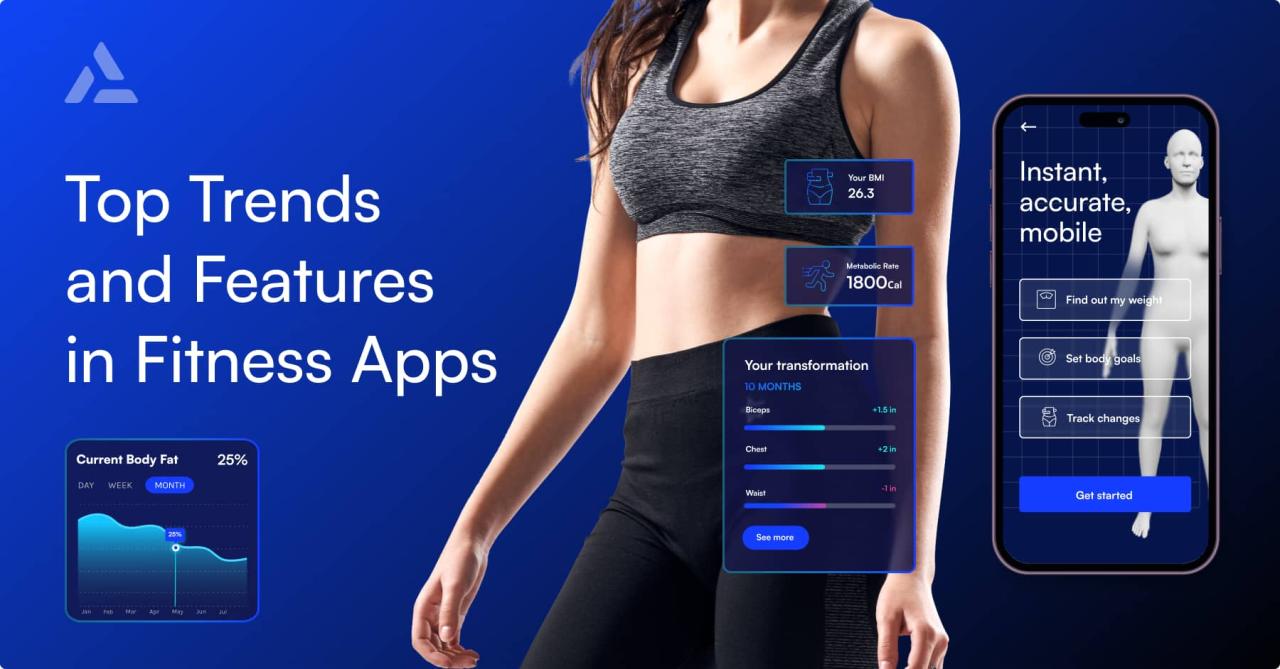
In conclusion, this guide has provided a comprehensive overview of navigating the world of fitness apps. By understanding the various features, functionalities, and integration possibilities, you’re empowered to create a tailored fitness experience aligned with your individual goals. This resource offers a pathway to maximize the benefits of these apps and ultimately achieve optimal results.