Navigating the postpartum period can be challenging, but incorporating exercise safely and effectively is crucial for physical and mental well-being. This comprehensive guide provides a roadmap for women, offering insights into the unique needs of the postpartum body and tailored exercise routines. Understanding the physical and hormonal changes following childbirth is key to creating a safe and effective exercise program.
This guide explores various aspects, from the critical importance of pelvic floor health to the impact of exercise on mental well-being and breastfeeding. It also considers individual needs and potential concerns, providing valuable advice on modifying routines to accommodate different stages of recovery and specific conditions. Expert advice is included to ensure women make informed decisions about their postpartum fitness journey.
Understanding the Postpartum Body
The postpartum period is a time of significant physical and hormonal adjustment for a new mother. Understanding the changes experienced after childbirth is crucial for safely and effectively incorporating exercise back into a woman’s routine. This understanding allows for the development of personalized exercise plans that support healing, strength building, and overall well-being.
Physical Changes After Childbirth
Postpartum physical changes are multifaceted and impact exercise in various ways. The uterus returns to its pre-pregnancy size, often requiring time and support. The abdominal muscles may be stretched and separated, potentially leading to diastasis recti. Pelvic floor muscles, crucial for bladder and bowel control, may be weakened or strained. Additionally, changes in posture and body mechanics are common due to the shift in the center of gravity.
These changes directly affect the suitability and intensity of exercise.
Hormonal Shifts and Their Influence
Significant hormonal fluctuations occur after childbirth. Estrogen and progesterone levels decline sharply, impacting mood, energy levels, and recovery time. The body also produces significant amounts of prolactin, which plays a role in milk production and can influence sleep patterns and overall well-being. These hormonal shifts can impact exercise tolerance, requiring adjustments in intensity and duration.
Recovery Timeline Comparison: Vaginal vs. Cesarean Delivery
The recovery timeline for vaginal and Cesarean deliveries differs. Vaginal deliveries typically involve a quicker return to normal activities. However, individual recovery experiences vary. Cesarean deliveries often necessitate a longer recovery period due to abdominal incision healing and potential complications. Both types of delivery require careful consideration of exercise restrictions and a phased approach to physical activity.
For example, a woman who underwent a Cesarean section might require more rest and slower progression than one who had a vaginal birth.
Postpartum Discomforts and Exercise Restrictions
Common postpartum discomforts, such as pain, soreness, and fatigue, necessitate modifications to exercise routines. Postpartum pain, whether related to episiotomy, C-section incisions, or general body aches, requires cautious movements. The intensity and type of exercise must be adjusted to accommodate these discomforts and promote healing. For instance, low-impact activities like walking or prenatal yoga can be incorporated initially, gradually progressing to more strenuous exercises as the body heals.
Pelvic Floor Health and Exercise
Pelvic floor health is essential for women’s overall well-being, especially after childbirth. Weakened pelvic floor muscles can lead to urinary incontinence, pelvic organ prolapse, and other complications. Exercises targeting the pelvic floor muscles, such as Kegels, are crucial for recovery and long-term health. Regular pelvic floor exercises can help restore strength and prevent future problems.
Potential Postpartum Complications and Exercise
Potential complications following pregnancy, such as postpartum hemorrhage, infections, or mood disorders, can influence exercise routines. The presence of these complications necessitates medical consultation before resuming exercise. A doctor’s guidance is crucial to ensure the exercise program aligns with the individual’s recovery needs and medical condition. For example, a woman experiencing postpartum depression may need to modify her exercise plan to prioritize mental health alongside physical recovery.
Typical Recovery Phases and Recommended Exercise Levels
| Recovery Phase | Duration (Approximate) | Recommended Exercise Level |
|---|---|---|
| Early Postpartum (First few weeks) | Weeks 1-4 | Light, low-impact activities like walking, gentle stretching, and pelvic floor exercises. Rest is paramount. |
| Postpartum (Weeks 4-12) | Weeks 5-12 | Gradually increase activity, incorporating exercises that target core strength and endurance, such as modified Pilates or prenatal yoga. Consult with a healthcare professional. |
| Postpartum (Weeks 12-24) | Weeks 13-24 | Increase intensity and duration of exercise as tolerated, focusing on full-body workouts and strength training. |
Safe Exercise Regimens for Postpartum

Postpartum recovery is a unique journey, and understanding the appropriate exercise regimen is crucial for both physical and mental well-being. This phase requires careful consideration of the body’s needs, individual recovery timelines, and the importance of gradual progression. Following a safe and effective exercise plan can aid in regaining strength, promoting healing, and restoring energy levels.A tailored approach to postpartum exercise is essential.
This means understanding the different phases of recovery, recognizing individual fitness levels, and prioritizing listening to your body. This document provides a comprehensive overview of safe and effective exercise options, considering various factors to ensure a healthy and successful return to physical activity.
Postpartum Exercise Phases
The postpartum period is typically divided into phases, each with its own unique exercise considerations. Understanding these stages helps tailor exercise routines to the specific needs of the mother and the healing process. Early postpartum, typically the first six weeks, focuses on recovery and healing. The second phase involves gradual strengthening and increased activity levels. Later stages emphasize returning to pre-pregnancy fitness levels while considering the long-term health of the mother.
Safe and Effective Exercises for Each Phase
- Early Postpartum (Weeks 1-6): Focus on gentle activities like walking, light stretching, and pelvic floor exercises. Avoid high-impact exercises and activities that could strain the abdominal muscles or pelvic floor. Listen closely to your body and rest when needed. Consult with your healthcare provider before initiating any exercise program.
- Mid-Postpartum (Weeks 7-12): Gradually increase the intensity and duration of exercises. Consider incorporating exercises that target the core, back, and legs. Examples include modified planks, squats, and controlled weight training. Ensure that any new exercise is introduced slowly and with proper form.
- Late Postpartum (Weeks 13+): Focus on regaining pre-pregnancy fitness levels. This may involve increasing the intensity and duration of workouts, adding cardio activities, and resuming higher-impact exercises, provided there are no complications. Proper warm-up and cool-down are essential.
Sample Workout Plan
This sample workout plan is a guideline and should be adapted to individual needs and fitness levels. Consult your healthcare provider before starting any exercise program.
| Fitness Level | Recovery Stage | Workout Examples |
|---|---|---|
| Beginner | Early Postpartum | 10-15 minutes of walking, gentle stretching, Kegel exercises, light arm circles, and seated abdominal exercises. |
| Intermediate | Mid-Postpartum | 20-30 minutes of brisk walking, modified squats, planks, and light weight training (using resistance bands). |
| Advanced | Late Postpartum | 30-45 minutes of brisk walking, jogging, swimming, or cycling, along with full-body weight training, and advanced core exercises. |
Comparing Exercise Types
- Yoga: Yoga offers gentle stretches, strength training, and relaxation techniques. It can be beneficial for improving flexibility, balance, and stress reduction. Modifications for specific needs during postpartum are crucial.
- Walking: Walking is a low-impact cardio exercise suitable for most postpartum stages. It can help improve cardiovascular health, boost mood, and promote circulation.
- Swimming: Swimming is a low-impact exercise that can be beneficial for strengthening muscles and improving cardiovascular health. It’s often well-suited for postpartum recovery due to the buoyancy of the water.
Listening to Your Body and Pain Signals
Recognizing and responding to pain signals is crucial. Sharp, sudden pain or persistent discomfort warrants immediate cessation of activity and consultation with a healthcare provider. Understanding the difference between normal muscle soreness and actual pain is essential for a safe and healthy recovery.
Warm-up and Cool-down Routines
Proper warm-up and cool-down routines are essential for preparing the body for exercise and facilitating recovery. A warm-up gradually increases blood flow and prepares muscles for activity. A cool-down helps the body return to a resting state and reduces muscle soreness.
Modifications for Early Postpartum
Exercises during the early postpartum period often require modifications. For example, modifications in exercises that target the core or pelvic floor may be needed to avoid putting unnecessary stress on these areas.
Core and Pelvic Floor Strengthening
Strengthening core and pelvic floor muscles is crucial for overall stability and support. Kegel exercises and other specific exercises can help in restoring strength and function. Consult with your healthcare provider to determine the most appropriate exercises for your specific needs.
Nutrition and Exercise
Postpartum recovery is a unique period requiring careful attention to both exercise and nutrition. Proper nutrition plays a crucial role in supporting the body’s healing process, replenishing energy stores, and facilitating the return to physical activity. A well-balanced diet, combined with a safe and appropriate exercise regimen, can contribute significantly to a smoother and more effective postpartum transition.A balanced approach to nutrition and exercise is paramount for optimal postpartum recovery.
The body undergoes significant physiological changes during pregnancy and childbirth, and these changes continue as it readjusts to its pre-pregnancy state. Providing the body with the necessary nutrients and hydration is essential for supporting these processes, particularly muscle repair and overall energy levels.
Relationship Between Nutrition and Postpartum Recovery and Exercise
Adequate nutrition is critical for postpartum recovery and exercise. Nutrients support the body’s repair mechanisms, aiding in the healing of tissues and muscles. Proper nutrition also provides the energy needed for physical activity, allowing women to engage in exercise safely and effectively. A lack of essential nutrients can hinder recovery, potentially leading to fatigue and reduced exercise capacity.
Importance of Hydration
Hydration is crucial for exercise performance and recovery, especially during the postpartum period. Sufficient water intake helps to transport nutrients, regulate body temperature, and facilitate muscle function. Dehydration can lead to fatigue, reduced exercise capacity, and impaired recovery. Adequate hydration is key to supporting both the physical and mental well-being of postpartum women.
Nutritional Needs During Postpartum
Nutritional needs increase during the postpartum period to support breastfeeding, wound healing, and the body’s overall recovery. The body’s energy demands increase, and a diet rich in essential nutrients is vital to maintain energy levels and exercise capacity. Postpartum women need a balanced intake of macronutrients (carbohydrates, proteins, and fats) and micronutrients (vitamins and minerals).
Dietary Recommendations for Supporting Muscle Recovery and Tissue Repair
Postpartum dietary recommendations should prioritize foods rich in protein, which is crucial for muscle repair and tissue regeneration. Including lean protein sources like chicken, fish, beans, and lentils is beneficial. Consuming foods rich in antioxidants, such as fruits and vegetables, can support overall healing and reduce inflammation. Adequate intake of vitamins and minerals, particularly vitamin D, calcium, and iron, is important for bone health and blood production.
Dietary Approaches for Supporting Postpartum Fitness
Different dietary approaches can be tailored to support postpartum fitness goals. A balanced approach focusing on whole, unprocessed foods is generally recommended. Consultations with registered dietitians or nutritionists can provide personalized dietary plans based on individual needs and preferences. A well-structured approach can be adjusted to support breastfeeding, weight management, or other specific goals.
Recommended Nutritional Intake During the Postpartum Period
| Nutrient | Recommended Intake (Approximate) | Importance |
|---|---|---|
| Protein | 1.5-2 grams per kilogram of body weight | Muscle repair, tissue regeneration, energy production |
| Carbohydrates | 45-65% of total daily calories | Energy source for exercise, supporting breastfeeding |
| Fat | 20-35% of total daily calories | Essential for hormone production, nutrient absorption |
| Iron | Increased needs during breastfeeding | Blood production, preventing anemia |
| Calcium | Increased needs during breastfeeding | Bone health, muscle function |
| Vitamin D | Increased needs for bone health | Immune function, calcium absorption |
| Fiber | Adequate intake for digestion and gut health | Maintaining healthy bowel movements |
Examples of Healthy Meal Plans for Postpartum Women
A sample meal plan for a postpartum woman could include a breakfast of oatmeal with berries and nuts, a lunch of grilled chicken salad with mixed greens, and a dinner of lentil soup with whole-wheat bread. Snack options could include yogurt with fruit or a handful of almonds. These examples illustrate a balanced approach incorporating essential nutrients to support postpartum recovery and exercise.
Exercise and Mental Well-being
The postpartum period presents unique challenges for a woman’s mental well-being. Hormonal fluctuations, sleep deprivation, and the significant adjustment to motherhood can contribute to feelings of anxiety, stress, and even depression. Incorporating regular exercise into this period can be a powerful tool for managing these emotional shifts and fostering a sense of well-being.Exercise plays a crucial role in promoting mental well-being during the postpartum period, providing numerous benefits that extend beyond physical fitness.
It acts as a natural stress reliever and mood enhancer, helping mothers navigate the emotional rollercoaster of this life transition. By focusing on both physical and mental health, women can better manage the unique demands of motherhood and foster a positive and healthy outlook.
Positive Impact of Exercise on Postpartum Mental Health
Regular physical activity has a profound impact on postpartum mental health, contributing to a more balanced emotional state. Exercise releases endorphins, which have mood-boosting effects, similar to those of antidepressants. This natural mood elevation can help combat feelings of anxiety and depression, common in the postpartum period.
Connection Between Physical Activity and Stress Reduction
Physical activity acts as a powerful stress reliever. The physical exertion involved in exercise allows the body to release pent-up tension and stress. This can help mothers cope with the pressures of childcare, household responsibilities, and personal adjustments. Engaging in activities like brisk walking, swimming, or yoga can effectively reduce stress levels.
Benefits of Exercise for Mood Regulation and Emotional Well-being
Exercise significantly contributes to mood regulation and emotional well-being. The combination of physical exertion and the release of endorphins creates a positive feedback loop, enhancing feelings of happiness and contentment. Regular exercise can also improve sleep quality, which is often disrupted during the postpartum period, further contributing to emotional stability. This improved sleep quality can also improve overall mood and mental clarity.
Examples of Exercises for Relaxation and Stress Relief
Numerous exercises can promote relaxation and stress relief. Gentle yoga routines, particularly those focusing on deep breathing and stretching, are particularly effective. Swimming, Tai Chi, and even mindful walks in nature can create a calming effect and help reduce stress. These activities can be tailored to individual needs and preferences, ensuring a comfortable and effective experience.
Exercise and Body Image Issues
Exercise can play a significant role in addressing body image concerns that some mothers may experience after pregnancy. By focusing on the physical benefits and improvements rather than solely on weight loss, exercise fosters a positive body image. The focus on strength, endurance, and overall well-being can help mothers feel more confident and empowered. The key is to prioritize feelings of accomplishment and well-being over superficial measurements.
Importance of Maintaining a Healthy Mindset
Maintaining a healthy mindset during the postpartum period is essential for overall well-being. Mothers should prioritize self-care, including exercise, healthy nutrition, and adequate rest. Cultivating a positive self-image and embracing the changes in their bodies is crucial.
Role of Support Systems During Exercise
Support systems, including family and friends, play a vital role in encouraging and sustaining exercise routines. Encouragement from loved ones can be instrumental in overcoming challenges and maintaining motivation. Group fitness classes or support groups can also provide a sense of community and shared experience.
Setting Realistic Exercise Goals
Setting realistic exercise goals is critical for maintaining motivation and preventing burnout. Starting with small, achievable goals and gradually increasing intensity and duration is key. Mothers should prioritize consistency over strenuous workouts, ensuring they find activities they enjoy and can incorporate into their daily lives. Focusing on long-term well-being is crucial.
Exercise and Breastfeeding
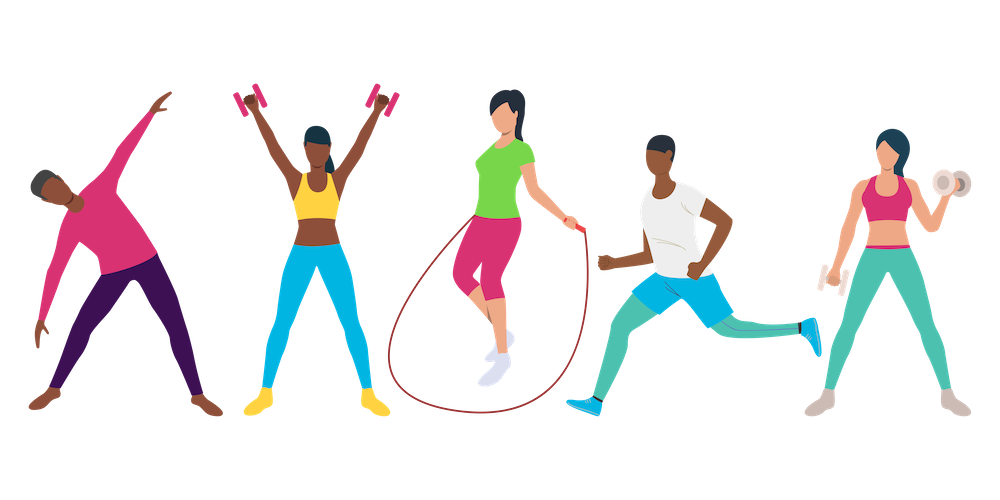
Maintaining a healthy lifestyle after pregnancy is crucial for both the mother’s and baby’s well-being. Exercise plays a vital role in postpartum recovery and overall health, but breastfeeding mothers need to consider how their exercise routine might affect milk production and their comfort. Understanding the interplay between these factors allows for the creation of safe and effective exercise strategies that support both the mother and her infant.Properly structuring exercise routines while breastfeeding involves careful consideration of the mother’s body’s needs, breastfeeding schedules, and the potential impact on milk production and quality.
This section delves into the relationship between exercise and breastfeeding, providing practical guidance for creating a sustainable and enjoyable fitness journey during this special period.
Impact of Exercise on Milk Production and Quality
Exercise generally does not significantly decrease milk production in healthy mothers. A mother’s body is remarkably efficient at maintaining milk supply to meet her baby’s needs, even during periods of increased physical activity. In fact, some studies suggest that moderate-intensity exercise may even contribute to maintaining a healthy milk supply. However, the quality of milk is influenced by several factors.
A well-balanced diet, proper hydration, and overall maternal health significantly affect the nutrients and composition of breast milk.
Modifying Exercise Routines to Accommodate Breastfeeding Schedules
Breastfeeding schedules vary greatly depending on the baby’s needs and the mother’s preferences. Flexibility is key. Planning workouts around feeding times and ensuring adequate rest and recovery periods can prevent fatigue and discomfort. Exercise sessions can be strategically scheduled around feeding times, taking advantage of periods when the baby is sleeping or engaged in other activities. Consider incorporating short bursts of exercise throughout the day, if possible, rather than relying on a single, longer session.
Examples of Exercises That Can Be Performed While Breastfeeding
Numerous exercises are suitable for breastfeeding mothers, allowing for physical activity without compromising their feeding schedule. Prioritizing low-impact exercises that do not strain the breasts is essential.
- Walking: A gentle and accessible exercise that can be incorporated into daily routines. Short walks throughout the day can be beneficial, and can be easily adapted to different levels of fitness.
- Swimming: A low-impact exercise that is particularly gentle on the joints and can be adapted to different levels of fitness. Swimming can provide a full-body workout without putting undue stress on the breasts.
- Yoga: Gentle yoga poses can improve flexibility and posture without causing discomfort during breastfeeding. Many yoga poses can be modified to suit individual needs and comfort levels.
- Pelvic floor exercises: These exercises are crucial for postpartum recovery and can be performed discreetly and easily while breastfeeding.
Importance of Hydration and Nutrition During Breastfeeding and Exercise
Adequate hydration is paramount during exercise, especially while breastfeeding. Sufficient fluid intake ensures the quality and quantity of breast milk remain optimal. A balanced diet rich in essential nutrients is also crucial for both the mother’s recovery and the baby’s development. Nourishing foods that support energy levels and milk production are recommended.
Effects of Exercise on Milk Supply and Composition
Exercise, when done appropriately, does not negatively impact milk supply or composition. The body’s regulatory mechanisms ensure that milk production remains adequate to meet the baby’s needs. The effects of exercise on milk composition are minimal.
Potential Discomfort During Exercise and Breastfeeding
Some mothers may experience discomfort during exercise due to the strain on the breasts. Proper support and positioning during exercise are important. Sore nipples or engorgement can occur, especially during periods of increased activity. Addressing discomfort promptly is crucial for maintaining a comfortable and enjoyable exercise routine.
Safe and Effective Ways to Manage Potential Discomfort
Wearing supportive sports bras that are well-fitted and appropriate for breastfeeding is crucial. Regularly checking and adjusting the positioning of the baby during feeding can reduce discomfort. Proper nutrition and hydration are essential to prevent engorgement.
Exercises That Can Be Done While Breastfeeding
| Exercise | Description | Modifications for Breastfeeding |
|---|---|---|
| Walking | A low-impact cardiovascular exercise. | Wear a supportive sports bra. Adjust pace as needed. |
| Swimming | A low-impact full-body workout. | Wear a supportive swimsuit or tankini. |
| Yoga | A mind-body practice focusing on flexibility and strength. | Modify poses as needed to avoid discomfort. |
| Pelvic Floor Exercises | Exercises to strengthen the pelvic floor muscles. | Can be performed discreetly. |
Addressing Specific Concerns
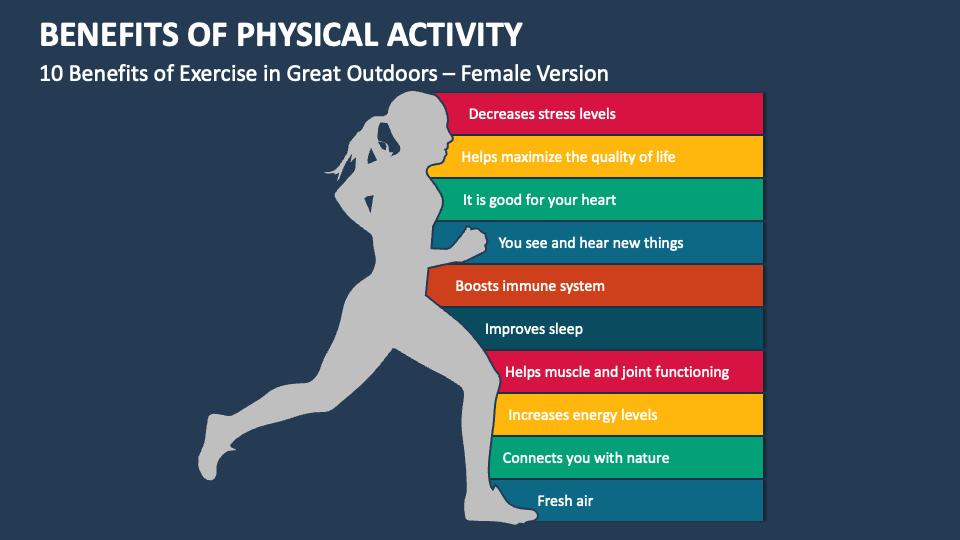
Postpartum recovery is a unique journey for every woman, and understanding potential concerns is crucial for navigating this period safely and effectively. Addressing these concerns proactively can help women feel empowered and supported as they embark on their path to wellness. This section delves into specific issues related to pain, discomfort, pre-existing conditions, and the importance of professional guidance.Acknowledging and addressing concerns is paramount in fostering a supportive environment for postpartum women.
By providing clear information and resources, we can empower women to make informed decisions about their health and well-being during this transformative period.
Pain and Discomfort Management
Postpartum pain and discomfort are common, ranging from minor aches to more significant issues. Effective management involves recognizing the source of the pain, whether it’s related to episiotomy healing, Cesarean scar tenderness, or general muscle soreness. Understanding the nature of the discomfort is key to developing an appropriate management plan. This may involve over-the-counter pain relievers, gentle stretching, and potentially physical therapy.
Pre-existing Medical Conditions
Women with pre-existing medical conditions, such as diabetes, hypertension, or heart conditions, require careful consideration when initiating postpartum exercise. Consultations with healthcare professionals are critical to determine appropriate exercise levels and modifications. Understanding the specific limitations and needs of each condition is vital for tailoring a safe and effective exercise program. A collaborative approach between the woman, her healthcare provider, and potentially a physical therapist is essential.
Exercise Precautions for Women with Pre-existing Conditions
Women with pre-existing conditions should prioritize consulting with their healthcare providers before beginning any exercise regimen. This step is essential for tailoring the exercise program to the individual’s specific needs and limitations. The program should be adjusted to accommodate the pre-existing condition while ensuring it does not exacerbate existing symptoms.
Importance of Consulting a Healthcare Professional
Before initiating any exercise routine after childbirth, consulting with a healthcare provider is absolutely essential. This consultation allows for a personalized assessment of the individual’s physical condition, including any complications from delivery or pre-existing health concerns. The healthcare professional can identify potential risks, tailor an exercise plan, and provide guidance on appropriate intensity and duration.
Role of Physical Therapists and Postpartum Specialists
Physical therapists and postpartum specialists play a critical role in guiding postpartum exercise. They offer specialized knowledge and expertise in assessing individual needs and designing safe and effective exercise routines. Their understanding of the musculoskeletal system and postpartum recovery allows them to provide tailored recommendations for exercises that address specific concerns and promote overall well-being. This specialized guidance can help prevent potential injuries and optimize recovery.
Resources for Support and Guidance
Numerous resources can offer support and guidance during postpartum exercise. These resources include healthcare providers, physical therapists, certified postpartum doulas, and online communities. Seeking out support networks can provide valuable encouragement, advice, and accountability as women navigate this new phase of their lives. Local support groups and online forums can also be valuable resources.
Potential Medical Conditions and Exercise Considerations
| Medical Condition | Exercise Considerations |
|---|---|
| Diabetic conditions | Exercise should be incorporated gradually, and blood sugar levels should be closely monitored. Consult with a healthcare provider to understand appropriate exercise intensity and duration. |
| Hypertension | Low-impact exercises like walking, swimming, or stationary cycling are generally recommended. Avoid exercises that increase blood pressure significantly. Consult with a healthcare provider to understand exercise limitations. |
| Cardiac conditions | Consult with a cardiologist before starting any exercise program. Start with low-intensity activities and gradually increase the duration and intensity as tolerated. |
| Postpartum depression | Gentle exercise can be beneficial, but prioritize mental well-being. Focus on activities that promote relaxation and stress reduction. Discuss exercise options with a healthcare provider or mental health professional. |
| Pelvic floor dysfunction | Consult with a physical therapist specializing in pelvic floor rehabilitation. Exercises should focus on strengthening and improving pelvic floor muscle function. Avoid activities that put excessive strain on the pelvic floor. |
Ending Remarks
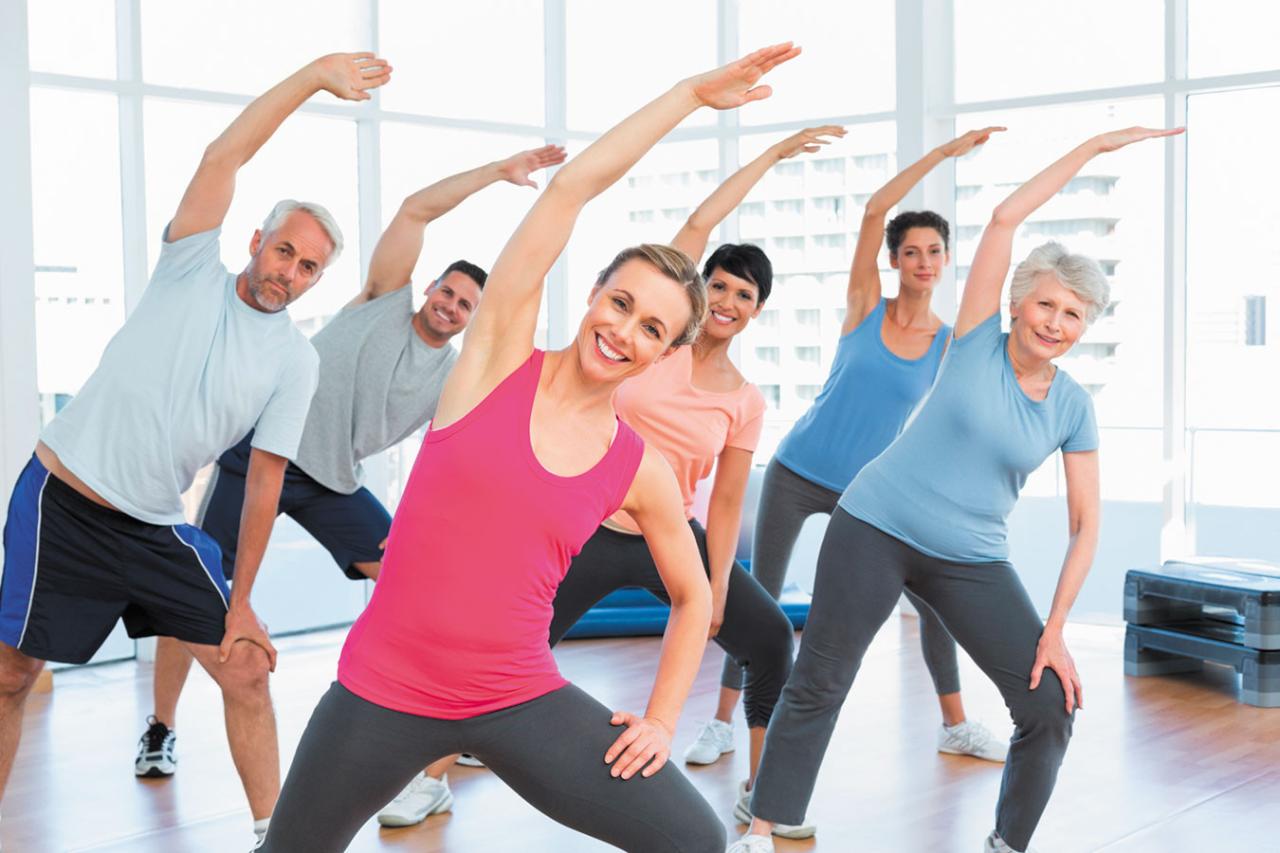
In conclusion, this guide emphasizes the importance of a personalized approach to postpartum exercise. By understanding the unique needs of the body at each stage of recovery, women can safely and effectively regain their fitness levels. Prioritizing listening to their bodies, consulting healthcare professionals, and focusing on overall well-being is paramount. Remember that every woman’s journey is unique, and this guide provides a foundation for a healthy and empowering postpartum experience.