Achieving a sculpted six-pack is a journey of dedication and understanding. This comprehensive guide delves into the multifaceted aspects of achieving this aesthetic goal, from proper nutrition and targeted exercise to essential recovery strategies. It explores the intricacies of abdominal muscle development, emphasizing the importance of a holistic approach that encompasses both physical and mental well-being.
The guide will detail the critical elements required for building a strong core, outlining the role of different abdominal muscles, the significance of nutrition in supporting muscle growth, and effective exercise routines. It will also address common misconceptions and mistakes, offering practical advice for achieving visible results. Furthermore, it emphasizes the importance of consistency and the integration of recovery for sustainable progress.
Defining Six-Pack Abs
The term “six-pack abs” refers to the visible, defined rectus abdominis muscles, appearing as a set of six separate, vertical bands across the abdomen. This aesthetic is achieved through a combination of factors, not simply by developing the abdominal muscles. It is a complex interplay of muscle development, body composition, and the amount of subcutaneous fat covering the abdominal area.
Achieving a visible six-pack is a sign of low body fat percentage, combined with sufficient development of the rectus abdominis muscles.Visible abdominal muscles are not just about strength; they are about the interplay between muscle definition and the amount of fat covering the abdominal region. A low body fat percentage is crucial for revealing the underlying muscle structure.
Individuals with a higher body fat percentage may have strong abdominal muscles, but they will not be visibly apparent. This is where the crucial balance of exercise and diet comes into play.
Defining the Rectus Abdominis
The rectus abdominis is the primary muscle responsible for the “six-pack” appearance. It is a long, flat muscle situated vertically along the front of the abdomen. This muscle is primarily responsible for flexing the spine and compressing the abdomen. The other abdominal muscles, including the internal and external obliques, transverse abdominis, and the erector spinae muscles, contribute to overall core strength and support.
These muscles, along with the rectus abdominis, work synergistically to provide stability and support for the spine.
Physiological Changes for Visible Abs
Several physiological changes are necessary for the development of visible abdominal muscles. A reduction in body fat percentage is paramount. This reduction allows the rectus abdominis to become more visible. Simultaneously, the development of the rectus abdominis through targeted exercises is essential. Muscle hypertrophy, or growth, leads to increased definition and visible separation between the individual muscle segments.
Comparison of Abdominal Exercises
The effectiveness of different exercises depends on the specific muscles they target. The following table illustrates the relative effectiveness of various abdominal exercises in engaging the major abdominal muscles.
| Exercise | Primary Muscle Targeted | Secondary Muscles Engaged | Description |
|---|---|---|---|
| Crunches | Rectus Abdominis | Obliques, Hip Flexors | Lying on back, hands behind head, lift upper body towards knees. |
| Leg Raises | Rectus Abdominis | Hip Flexors, Lower Back | Lying on back, lift legs towards ceiling. |
| Plank | Rectus Abdominis, Transverse Abdominis, Obliques | Erector Spinae, Shoulders | Holding a straight line from head to heels, supported by forearms and toes. |
| Russian Twists | Obliques | Rectus Abdominis, Shoulders | Sitting on the floor, knees bent, twist torso from side to side, holding a weight. |
| Bicycle Crunches | Rectus Abdominis, Obliques | Hip Flexors, Shoulders | Lying on back, alternating elbow to opposite knee. |
The table above highlights the different muscle groups targeted by various exercises. Choosing a varied exercise regimen that targets these muscles from different angles will result in more comprehensive development and definition. Consistency and progressive overload are key to achieving visible results.
Nutrition for Six-Pack Abs
Proper nutrition plays a pivotal role in achieving visible abdominal muscles. A well-structured diet, focusing on lean protein, complex carbohydrates, and healthy fats, is crucial for building muscle mass and reducing body fat, ultimately revealing the coveted six-pack. A balanced approach, combined with consistent exercise, is essential for sustainable results.Achieving a visible six-pack requires a meticulous approach to caloric intake and macronutrient ratios.
A carefully planned diet, combined with targeted exercise, will yield the desired results. Maintaining a healthy caloric deficit, while ensuring adequate protein intake, is paramount for fat loss without sacrificing muscle mass. Furthermore, understanding the role of hydration and electrolyte balance is essential for optimal muscle growth and recovery.
Sample Daily Meal Plan
This sample meal plan provides a framework for a daily diet that emphasizes lean protein, complex carbohydrates, and healthy fats. Adjust portion sizes based on individual needs and activity levels.
- Breakfast (approx. 400 calories): Oatmeal with protein powder, berries, and nuts. This provides complex carbohydrates for sustained energy, lean protein for muscle repair, and healthy fats for satiety.
- Lunch (approx. 500 calories): Grilled chicken salad with mixed greens, quinoa, and avocado. This combination offers lean protein, complex carbohydrates, and healthy fats for sustained energy and satiety.
- Snack (approx. 200 calories): Greek yogurt with fruit and a handful of almonds. This provides protein, calcium, and healthy fats for sustained energy and satiety.
- Dinner (approx. 600 calories): Baked salmon with roasted vegetables (broccoli, carrots, and sweet potatoes). This provides lean protein, complex carbohydrates, and essential vitamins and minerals for overall health and muscle growth.
- Pre-workout Snack (approx. 150 calories): Protein shake with banana. This combination offers a quick source of protein and carbohydrates for energy before a workout.
- Post-workout Snack (approx. 200 calories): Cottage cheese with fruit and a small amount of whole-grain crackers. This provides protein for muscle recovery and carbohydrates for replenishing energy stores.
Caloric Intake and Macronutrient Ratios
Caloric intake and macronutrient ratios are crucial for visible abdominal muscles. A balanced diet with a controlled caloric deficit is essential for fat loss.
Optimal protein intake (1.6-2.2 grams per kilogram of body weight) is vital for muscle preservation and growth. Complex carbohydrates (such as whole grains, fruits, and vegetables) provide sustained energy, and healthy fats (such as avocados, nuts, and olive oil) support hormone production and satiety.
Individual caloric needs vary depending on factors such as activity level, age, and gender. Consult a registered dietitian or nutritionist for personalized recommendations.
Hydration and Electrolyte Balance
Adequate hydration and electrolyte balance are critical for muscle growth and recovery. Water helps transport nutrients, regulate body temperature, and facilitate metabolic processes.
Electrolytes, such as sodium, potassium, and magnesium, are essential for muscle function, nerve transmission, and fluid balance. Dehydration can negatively impact workout performance and recovery.
Healthy Food Options and Macronutrient Profiles
This table provides examples of healthy food options and their approximate macronutrient profiles (per 100 grams).
| Food | Protein (g) | Carbohydrates (g) | Fat (g) |
|---|---|---|---|
| Chicken Breast | 30 | 0 | 2 |
| Brown Rice | 2 | 22 | 1 |
| Avocado | 2 | 9 | 15 |
| Salmon | 20 | 0 | 6 |
| Greek Yogurt | 12 | 5 | 3 |
Exercise Routines for Six-Pack Abs
Developing a strong core is crucial for achieving visible six-pack abs. Beyond aesthetics, a robust core contributes to better posture, improved balance, and a reduced risk of back pain. A well-structured workout routine, combined with a healthy diet, is the most effective approach to revealing those sculpted abdominal muscles.A comprehensive exercise routine targeting the core muscles is essential for visible abdominal definition.
Focusing on exercises that engage the various abdominal muscles – rectus abdominis, obliques, and transverse abdominis – is key to achieving optimal results. Remember, consistent effort and proper form are paramount to avoiding injuries and maximizing muscle activation.
Structured Workout Routine
This routine is designed to be performed 2-3 times per week, allowing for adequate rest and recovery between sessions. Adjust the sets, reps, and rest times based on your fitness level and experience. Listen to your body and take breaks when needed.
Effective Exercises for Abdominal Muscles
A variety of exercises are essential to target different areas of the core. This list includes variations and modifications to cater to various fitness levels.
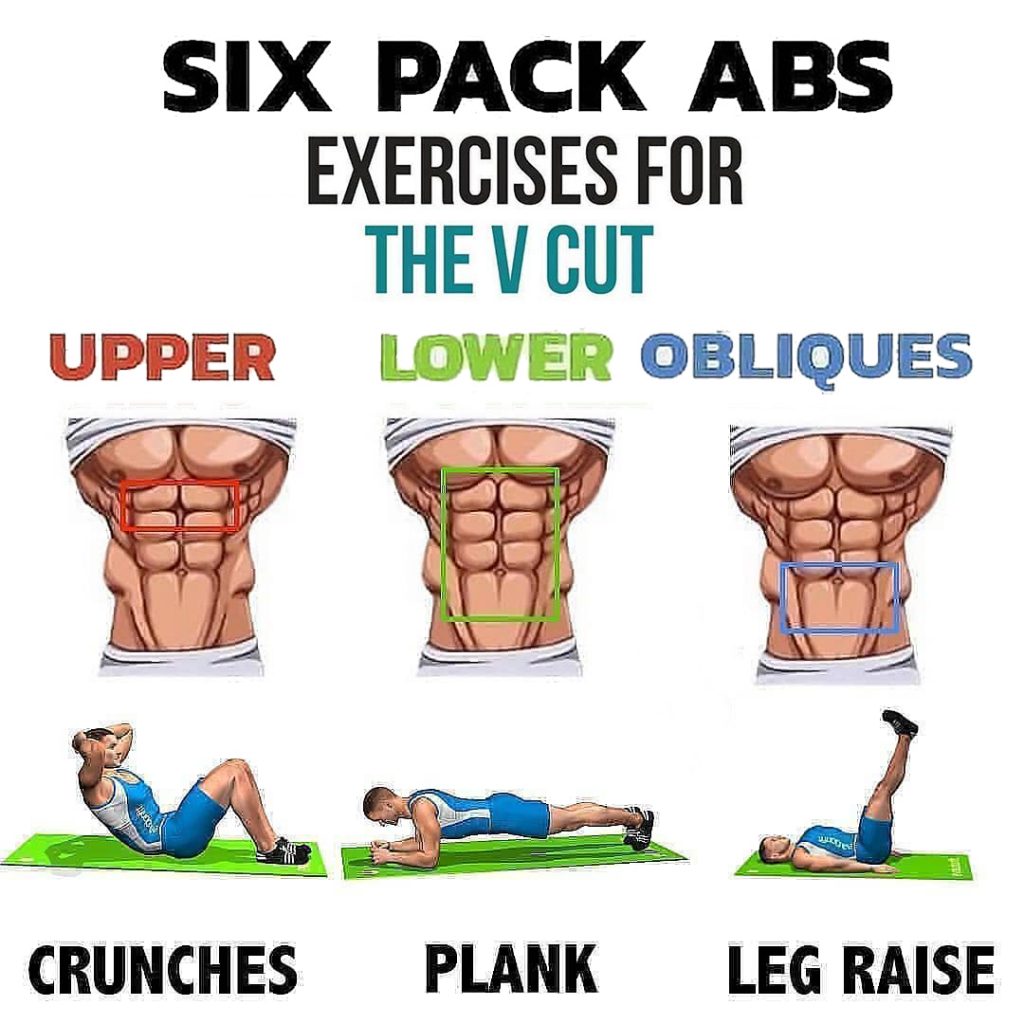
- Crunches: A fundamental exercise for the rectus abdominis. Lie on your back with knees bent and feet flat on the floor. Place hands behind your head or on your chest. Contract your abdominal muscles and lift your shoulders off the ground, keeping your back pressed against the floor. Lower yourself back down slowly.
Variations: Reverse crunches, Russian twists, decline crunches. Modifications: Perform crunches with your knees slightly elevated, or with a light weight on your chest for increased resistance.
- Plank: This exercise targets the entire core, including the rectus abdominis, obliques, and transverse abdominis. Start in a prone position, forearms on the ground, elbows directly under shoulders. Extend your body into a straight line from head to heels, engaging your core to maintain a stable posture. Hold for as long as possible. Variations: Side plank, forearm plank, knee plank.
Modifications: Begin with shorter hold times and gradually increase duration. Support your body weight with knees on the ground.
- Leg Raises: This exercise primarily targets the rectus abdominis and lower abdominal muscles. Lie flat on your back with arms by your side or hands under your glutes for support. Raise your legs straight up towards the ceiling, engaging your core to maintain control. Lower your legs back down slowly. Variations: Hanging leg raises, weighted leg raises.
Modifications: Perform leg raises with a slight bend in the knees for reduced intensity. Support your back by placing a towel or cushion under your lower back.
- Bicycle Crunches: This exercise engages the obliques and rectus abdominis. Lie on your back with hands behind your head. Bring one elbow towards the opposite knee, as you simultaneously extend the other leg straight. Alternate sides. Variations: Weighted bicycle crunches, incline bicycle crunches.
Modifications: Perform bicycle crunches with a lighter resistance.
Proper Form and Technique
Maintaining proper form is crucial to avoid injuries and maximize the effectiveness of the exercises. Focus on controlled movements, engaging your core throughout the entire exercise. Avoid arching your back or straining your neck.
Sample Workout Routine
| Exercise | Sets | Reps | Rest Time (seconds) |
|---|---|---|---|
| Crunches | 3 | 15-20 | 30 |
| Plank | 3 | Hold for 30-60 seconds | 60 |
| Leg Raises | 3 | 15-20 | 30 |
| Bicycle Crunches | 3 | 15-20 per side | 30 |
Consistency and Progression
Achieving a visible six-pack requires dedication and a structured approach. Simply starting a workout routine and diet plan isn’t enough; consistency and progressive adaptation are crucial for sustainable results. Understanding how to track progress and adjust your strategies is key to maintaining motivation and seeing optimal outcomes.Consistent training and dietary habits are fundamental for building the necessary muscle definition.
A sustained commitment to both ensures your body adapts to the demands of your regimen, fostering long-term success in developing your desired physique.
Importance of Consistent Training
Consistency in your training schedule is vital for building muscle and burning fat. Regular workouts stimulate muscle growth and metabolism, which are both essential components in achieving a six-pack. Skipping workouts disrupts this process, potentially hindering progress. Finding a schedule that works for your lifestyle and sticking to it, even if it means small adjustments, is a crucial step toward your goal.
Aim for a balanced approach where you’re challenging your body while also allowing for rest and recovery.
Importance of Consistent Dietary Habits
Maintaining a consistent and balanced diet is equally important as consistent training. A proper diet provides the necessary nutrients for muscle growth, repair, and overall health. Fluctuations in your dietary habits can negatively impact your progress and overall well-being. Establishing a diet plan that you can adhere to long-term is paramount to your success.
Tracking Progress
Tracking your progress is essential for staying motivated and making necessary adjustments. Utilize a journal, app, or fitness tracker to document your workouts, dietary intake, and measurements (waist circumference, body weight, etc.). Regularly reviewing this data will help you identify patterns and make informed decisions to optimize your results.
Progressive Overload
Progressive overload is a fundamental principle in exercise science. It involves gradually increasing the demands on your muscles over time to stimulate continuous growth and adaptation. This could involve increasing the weight lifted, the number of repetitions, or the sets performed. Without progressive overload, your body adapts to the current routine and growth plateaus.
Example of Progressive Overload
For example, if you can currently perform 10 push-ups, aim to increase the number to 12, then 15, and so on, progressively increasing the challenge. This gradual increase in the intensity and volume of your workouts is essential for continued muscle growth. Similar adjustments can be applied to other exercises.
Potential Challenges and Strategies
Maintaining consistency and motivation can be challenging. Recognizing potential hurdles and having strategies to overcome them is essential.
- Lack of Motivation: Staying motivated requires setting realistic goals, celebrating milestones, and finding activities that make workouts enjoyable. A supportive community, such as a workout buddy or online group, can provide encouragement and accountability.
- Time Constraints: Scheduling workouts and preparing meals in advance can help manage time effectively. Consider shorter, high-intensity workouts to maximize results within your schedule.
- Injuries: Proper warm-up and cool-down routines, along with listening to your body, can help prevent injuries. If an injury occurs, consult with a healthcare professional to ensure a safe and effective recovery plan.
- Plateaus: When progress slows, consider adjusting your workout routine, diet, or rest schedule. Introduce new exercises, increase intensity, or consult a fitness professional for guidance.
Recovery and Rest
Proper recovery is just as crucial as the workout itself when striving for a well-defined six-pack. Adequate rest allows your muscles to repair and rebuild, leading to enhanced growth and minimizing the risk of injury. Without sufficient recovery, your body struggles to adapt to the training stimulus, hindering progress towards your aesthetic goals. A well-structured recovery plan complements your exercise routine, optimizing your body’s ability to respond positively to the training stress.Rest and recovery are not passive periods; they are active processes that are vital for muscle repair and growth.
Stress, poor sleep, and insufficient rest can significantly impede progress toward achieving a six-pack. Conversely, a dedicated approach to recovery can accelerate muscle growth and reduce the risk of injury. Integrating active recovery techniques, like stretching and light cardio, further enhances the process.
Importance of Adequate Sleep
Sufficient sleep is essential for muscle repair and growth. During sleep, the body releases growth hormones that are crucial for rebuilding muscle tissue damaged during workouts. Aim for 7-9 hours of quality sleep per night to maximize your body’s restorative processes. Chronic sleep deprivation can negatively affect hormone levels, leading to decreased muscle protein synthesis and hindering progress toward achieving a six-pack.
Role of Stress Management
Stress significantly impacts muscle recovery. Elevated cortisol levels, a hormone released in response to stress, can interfere with muscle protein synthesis. Chronic stress can also lead to poor sleep quality, further hindering muscle recovery. Practicing stress-reducing techniques, such as meditation, yoga, or deep breathing exercises, can help maintain optimal hormone balance and improve overall recovery. These techniques are beneficial in managing stress and allowing for improved muscle repair.
Benefits of Active Recovery
Active recovery techniques, such as light cardio and stretching, promote blood flow to the muscles, facilitating the removal of metabolic waste products. This process aids in reducing muscle soreness and stiffness, accelerating recovery. Stretching improves muscle flexibility, reducing the risk of injury during subsequent workouts. Active recovery also helps maintain the range of motion, promoting optimal performance.
Regular stretching sessions increase muscle elasticity and reduce the risk of future muscle injuries.
Recovery Techniques and Benefits
| Recovery Technique | Benefits |
|---|---|
| Sleep (7-9 hours) | Muscle repair, growth hormone release, improved hormone balance |
| Stress Management (Meditation, Yoga) | Reduced cortisol levels, improved sleep quality, optimal hormone balance |
| Light Cardio (Walking, Cycling) | Improved blood flow, reduced muscle soreness, waste product removal |
| Stretching (Static, Dynamic) | Increased muscle flexibility, reduced risk of injury, improved range of motion |
| Massage Therapy | Improved blood circulation, reduced muscle tension, pain relief |
| Cold Therapy (Ice Baths) | Reduced inflammation, muscle soreness relief, decreased swelling |
Common Mistakes and Misconceptions
Achieving a defined six-pack is a journey requiring dedication and a comprehensive approach. Understanding common pitfalls and misconceptions is crucial for avoiding wasted effort and frustration. This section will highlight frequent errors and clarify common misunderstandings to guide you toward success.Many individuals focus solely on abdominal exercises, overlooking the crucial role of nutrition and overall lifestyle. This misconception can lead to disappointment and hinder progress.
Addressing these common mistakes and misconceptions is essential to a successful six-pack journey.
Common Dietary Errors
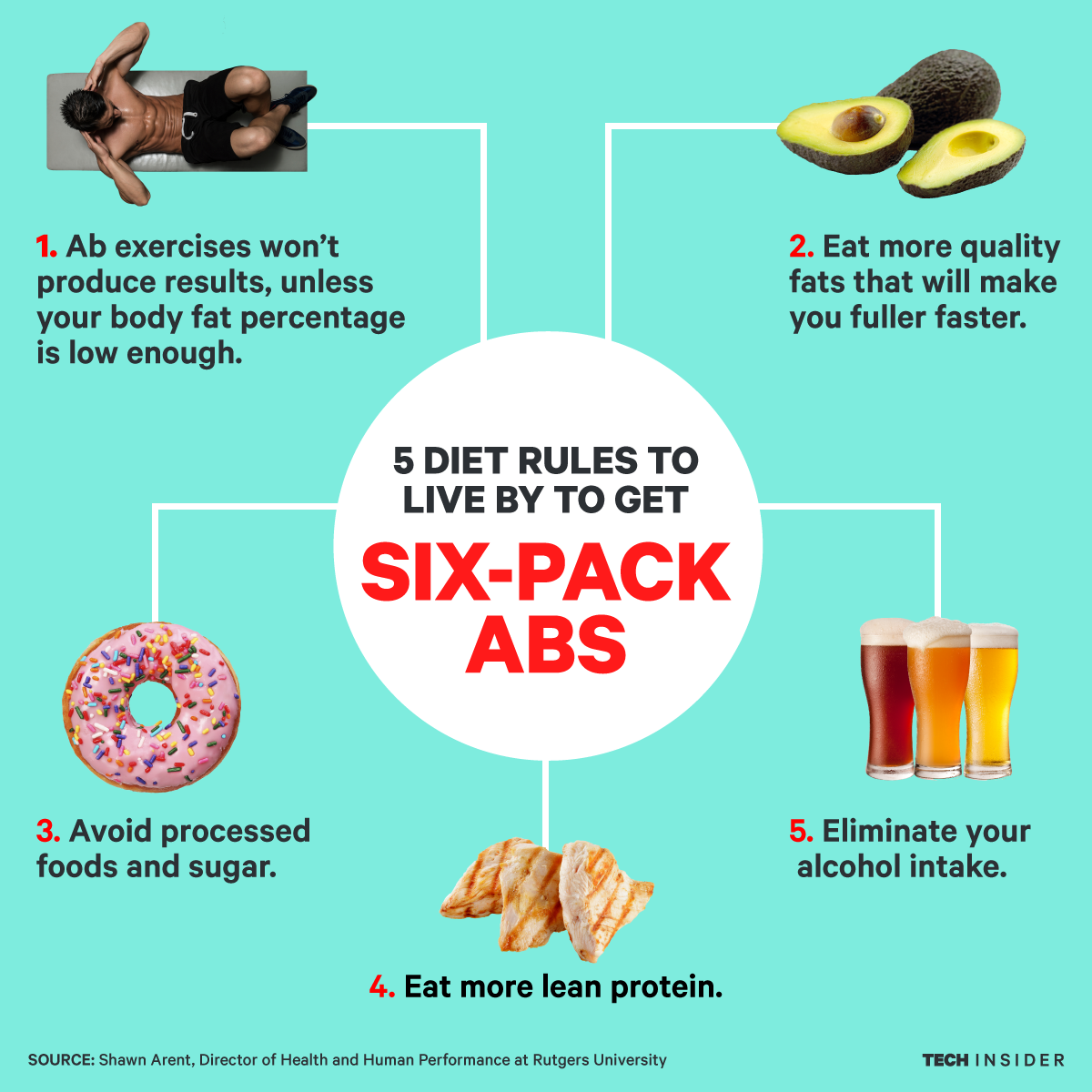
A strong emphasis on calorie control and a balanced diet is fundamental for visible abdominal definition. Insufficient protein intake can hinder muscle growth, while excessive consumption of processed foods and sugary drinks can hinder progress. Maintaining a consistent and nutritious diet is essential for achieving a toned physique.
- Ignoring Calorie Balance: Simply reducing calories without considering macronutrient distribution (protein, carbohydrates, and fats) can lead to muscle loss, hindering progress towards a six-pack. A balanced calorie deficit, coupled with adequate protein intake, is crucial for preserving muscle mass while losing fat.
- Focusing Solely on Cardio: While cardiovascular exercise is important for overall health and fat loss, it alone will not sculpt abdominal muscles. Combining cardio with strength training and a balanced diet is a more effective approach.
- Neglecting Protein Intake: Protein is vital for muscle repair and growth. Insufficient protein can hinder muscle development, making it harder to achieve a visible six-pack. Ensure you consume enough protein to support your activity level and goals.
Exercise Misconceptions
While targeted abdominal exercises are important, a holistic approach encompassing various exercises is key. Over-reliance on crunches, for example, can lead to imbalances and limitations in overall strength and fitness.
- Over-reliance on Crunches: Isolating abdominal muscles with only crunches can lead to imbalances in core strength. A comprehensive workout involving various core exercises, including planks, leg raises, and Russian twists, is more effective in developing a strong and defined core.
- Ignoring the Importance of Compound Exercises: Exercises like squats, deadlifts, and rows, while not directly targeting the abs, contribute to overall core strength and fat loss, indirectly impacting abdominal definition. A well-rounded workout routine should incorporate these compound exercises.
- Insufficient Variation: Performing the same abdominal exercises repeatedly can lead to plateaus. Varying your exercises and intensity helps to challenge your muscles and promote continuous progress.
Misconceptions about Abs
The perception of a six-pack is often influenced by unrealistic portrayals in media. Genetics and body composition play a role, and a visible six-pack is not achievable for everyone in the same timeframe. A balanced approach, combining dedication, proper nutrition, and exercise, is crucial for realistic expectations.
- Genetic Predisposition: Genetics influence body composition and fat distribution. Individuals with a naturally lower body fat percentage might find it easier to develop visible abdominal muscles.
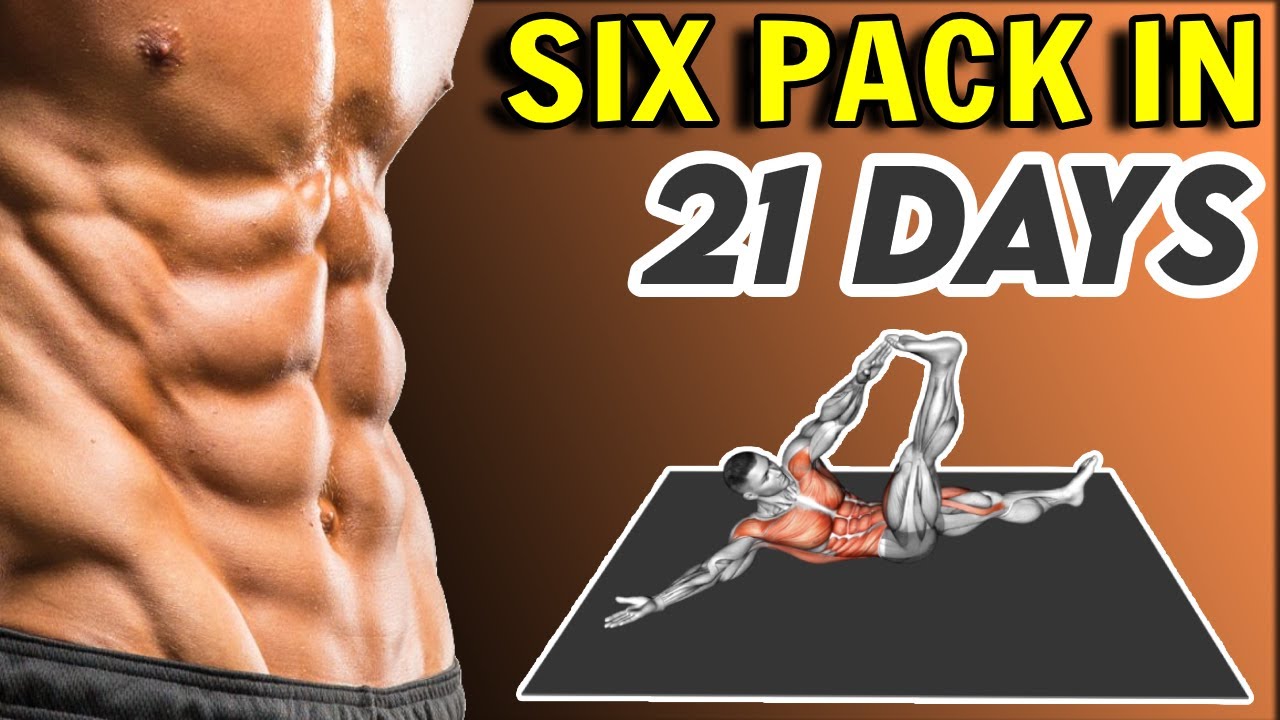
- Quick Fix Fallacy: Achieving a six-pack requires a sustained commitment to diet, exercise, and recovery. There are no shortcuts or magic solutions.
- Misinterpreting Body Fat Percentage: While a low body fat percentage is essential, the definition and visibility of abdominal muscles are also influenced by muscle development and overall body composition.
Beyond the Aesthetic

Developing a strong core extends far beyond achieving a visually appealing six-pack. The benefits of a robust core extend to overall physical function, posture, and well-being. Understanding these advantages empowers individuals to approach core training with a broader perspective, appreciating its multifaceted contributions to a healthier and more active lifestyle.
Core Strength and Posture
A strong core acts as a foundational support system for the entire body. It stabilizes the spine, pelvis, and shoulders, contributing significantly to proper posture. Good posture not only enhances aesthetics but also reduces strain on the musculoskeletal system, decreasing the risk of back pain and injuries. This stability translates to a more efficient use of energy during daily activities, promoting ease of movement and preventing discomfort.
Maintaining proper spinal alignment also reduces the risk of long-term postural issues and associated problems.
Core Strength and Body Mechanics
Core strength is intrinsically linked to effective body mechanics. A strong core facilitates smooth, controlled movements by providing a stable platform for limbs to operate from. This improved stability reduces the risk of injury during physical activities, whether it’s lifting weights, playing sports, or performing everyday tasks. The core’s role in transferring forces across the body also enhances overall athletic performance.
Core Strength and Performance Enhancement
Strong core muscles play a crucial role in a wide array of activities. In sports like running, swimming, and weightlifting, a stable core allows for more efficient movement and power generation. This is particularly evident in activities requiring rapid changes in direction, where a strong core provides the necessary stability and control. For example, a golfer with a strong core can maintain a more stable posture during the swing, leading to more consistent and powerful shots.
Similarly, in everyday tasks like lifting objects or climbing stairs, a strong core reduces strain and improves efficiency.
Core Strength and Overall Health
Beyond physical performance, a strong core contributes to overall health and well-being. Core exercises improve balance, coordination, and proprioception, all of which are crucial for maintaining stability and preventing falls, particularly as individuals age. Strong core muscles also support better digestion and circulation, contributing to improved overall health. A stable core contributes to a healthier spine and reduced risk of lower back pain, which is a common ailment affecting many individuals.
Visual Representations
Visual representation plays a crucial role in understanding the journey towards achieving a well-defined six-pack. By observing the physical characteristics of individuals with varying levels of core strength, we can gain valuable insights into the process and identify key indicators of progress. This section will explore the visual differences between individuals with strong and weak core muscles, highlighting the importance of proper form and muscle development.
Defining a Healthy Individual with Well-Defined Six-Pack Abs
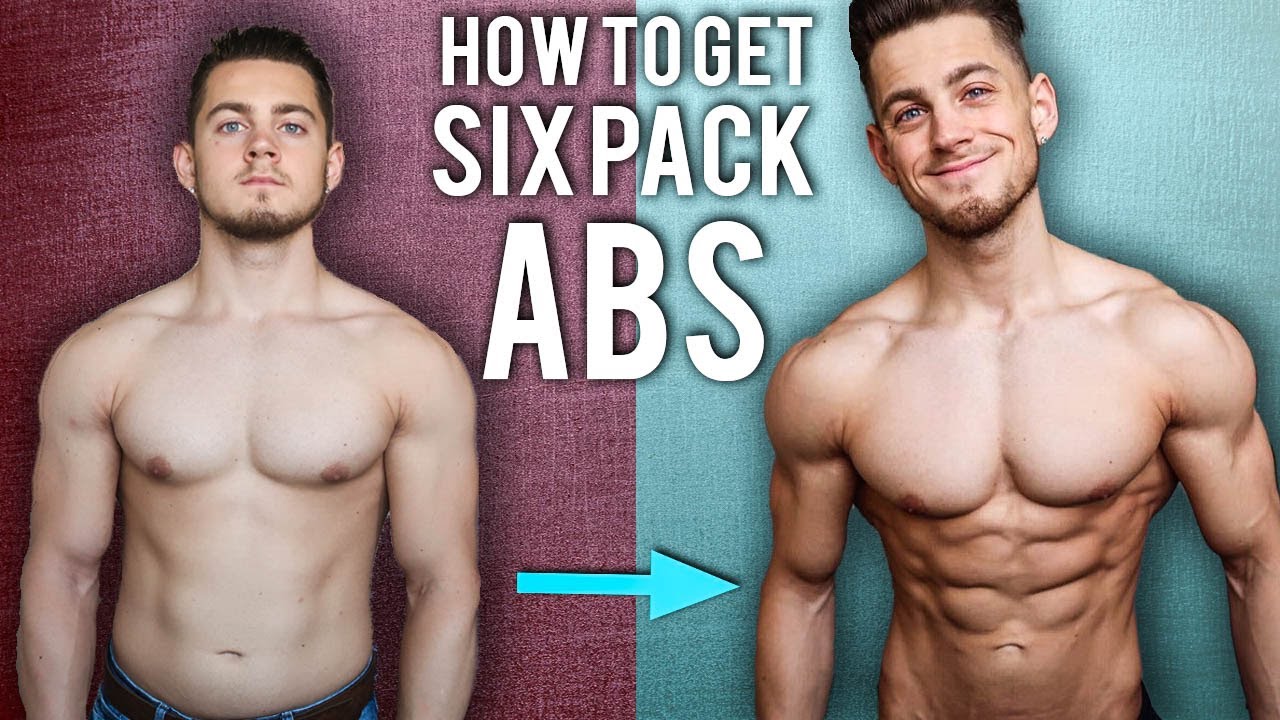
A healthy individual with well-defined six-pack abs exhibits a visible, symmetrical separation of the rectus abdominis muscles. These muscles are clearly delineated, creating a distinct “six-pack” appearance. The individual will likely possess a low body fat percentage, allowing the underlying muscle structure to be readily apparent. Their posture will be upright and aligned, demonstrating core stability. Their movements will be controlled and coordinated, reflecting a strong connection between their core and the rest of their body.
Noticeable is the absence of any visible bulging or unevenness in the abdominal area, and the overall appearance is balanced and aesthetically pleasing.
Defining a Person with a Weaker Core
A person with a weaker core often presents with a less defined abdominal region. The rectus abdominis muscles may be less visible, and the separation between them might be indistinct or absent. Body posture may be compromised, with a tendency towards a rounded back or slouching. Their movements will likely exhibit a lack of control and coordination, potentially demonstrating instability in their core.
In addition, the individual may show some visible fat accumulation in the abdominal area, hindering the visibility of the underlying muscle structure. This individual’s overall appearance might be characterized by a less balanced and stable posture.
Levels of Abdominal Muscle Development
The development of abdominal muscles, like any other muscle group, occurs gradually. Different levels of development are characterized by varying degrees of definition and separation of the rectus abdominis muscles. A beginner might show little or no visible separation, whereas an intermediate lifter may have a noticeable, but not completely defined, six-pack. Advanced individuals will demonstrate a highly defined and symmetrical six-pack, with sharp lines and clear separation.
These levels of development reflect progressive strength and endurance training, highlighting the importance of consistent effort and proper form.
Body Types and Ideal Abdominal Training Approaches
| Body Type | Ideal Abdominal Training Approach |
|---|---|
| Ectomorph (Lean and linear build) | Focus on high-repetition exercises, aiming for a greater volume of work. Include compound exercises to target multiple muscle groups. Prioritize proper form over heavy weights. |
| Mesomorph (Balanced and athletic build) | Respond well to moderate-intensity training, including a mix of isolation and compound exercises. Can effectively utilize both high and low repetitions, finding an effective balance. |
| Endomorph (Rounder and more full build) | Prioritize exercises that improve overall body composition, including cardio and compound movements. Emphasize proper form and calorie management alongside targeted abdominal exercises. |
The table above illustrates that the ideal training approach is tailored to the individual’s body type. It is important to recognize that genetics play a role, but consistent effort and proper technique are key factors in achieving the desired results, regardless of the body type.
Summary
In conclusion, achieving six-pack abs is a journey that necessitates a multifaceted approach. This guide has explored the essential components of this journey, from understanding the science behind abdominal development to practical exercises and nutritional strategies. By combining dedication, proper technique, and a holistic approach to recovery, you can unlock your body’s potential and embark on a transformative journey toward a stronger, healthier, and more aesthetically pleasing physique.