Mastering the bench press is a cornerstone of strength training, enabling significant gains in upper body strength and muscle development. This comprehensive guide delves into the intricacies of performing the bench press correctly, covering everything from fundamental form and technique to safety considerations, variations, and essential recovery strategies. Whether you’re a seasoned lifter or a beginner, this guide equips you with the knowledge to perform the exercise safely and effectively.
The bench press, a popular compound exercise, targets multiple muscle groups in the chest, shoulders, and triceps. Proper form is paramount to maximizing results and minimizing the risk of injury. This guide will walk you through each step, offering detailed explanations, helpful visuals, and practical advice.
Proper Form and Technique
The bench press is a fundamental exercise for building upper body strength, particularly in the chest, shoulders, and triceps. Mastering proper form is crucial for maximizing results and minimizing the risk of injury. Correct technique not only enhances effectiveness but also promotes a safer and more efficient workout.
Hand Placement
Proper hand placement on the barbell is essential for a stable and controlled movement. Hands should be positioned slightly wider than shoulder-width apart. This provides a balanced grip and allows for a more natural elbow angle throughout the exercise. Ensure your hands are directly under the weight to prevent unnatural stress on your wrists. Experiment to find the width that best suits your individual body structure and comfort level.
Foot Placement
Foot placement plays a significant role in maintaining stability and balance during the bench press. Feet should be flat on the floor, positioned firmly beneath the hips. This stable base anchors your body, enabling you to maintain a rigid core and prevent unwanted movement.
Back Position and Spine Neutrality
Maintaining a neutral spine is paramount to prevent injury and ensure effective muscle engagement. The back should be pressed firmly against the bench throughout the entire movement. This constant contact with the bench maintains a stable position and prevents arching or rounding of the spine. An arched back can significantly alter the stress placed on the spine and the surrounding muscles.
This neutral spine position promotes optimal force transmission during the lift.
Sequence of Movements
The bench press follows a specific sequence of movements to maximize effectiveness and minimize injury risk. Beginning in the starting position, lower the barbell slowly and controlled towards your chest. Pause momentarily before pushing the barbell back up to the starting position. Throughout the entire exercise, maintain a consistent and controlled pace. Never use momentum to perform the lift.
This sequence is critical for preventing injuries.
Controlled Movements
Controlled movements are essential for optimizing the benefits of the bench press. Rushing the movement can compromise proper form and increase the risk of injury. Each phase of the movement – lowering, pausing, and pushing – should be performed with deliberate intention and controlled pace. This helps target the intended muscles and reduces the risk of strain or tear to the muscles and joints.
Avoiding Common Mistakes
Common mistakes can significantly detract from the effectiveness of the bench press and increase the risk of injury. One common mistake is arching the back, which alters the stress placed on the spine and surrounding muscles. Another is flaring the elbows outward, which can lead to shoulder pain and improper muscle activation. Correcting these common mistakes is essential for a safe and effective workout.
Proper Form vs. Common Mistakes
| Proper Form | Common Mistake |
|---|---|
| Hands positioned slightly wider than shoulder-width apart, directly under the weight. | Hands positioned too narrow or too wide, not directly under the weight. |
| Back pressed firmly against the bench, maintaining a neutral spine. | Back arches, rounding, or lifting off the bench. |
| Elbows tucked in and close to the body. | Elbows flared outward, away from the body. |
| Controlled lowering and pushing of the barbell. | Rushing the movement, using momentum, or bouncing the weight. |
| Feet flat on the floor, stable base. | Unstable foot placement. |
Warm-up and Cool-down Routines
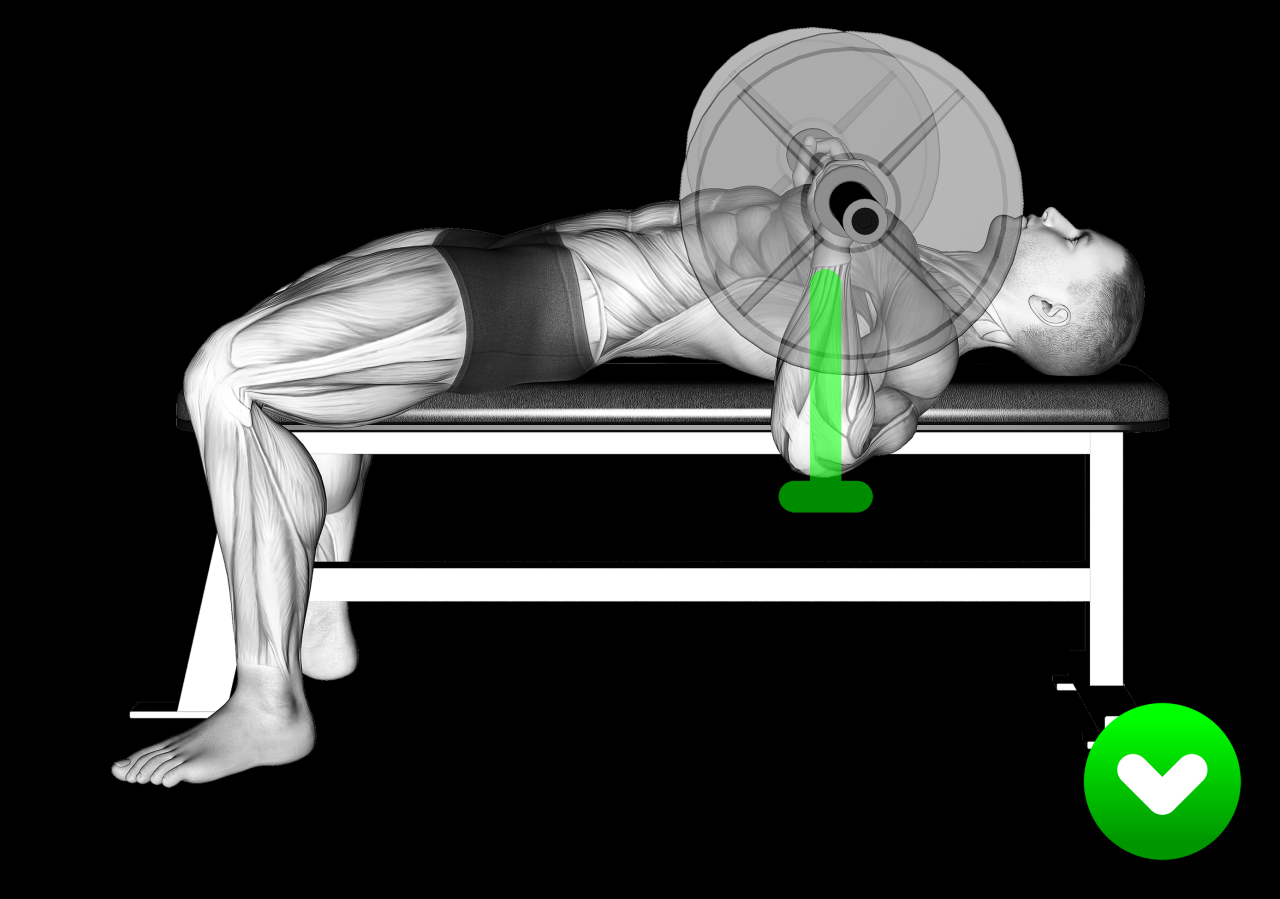
Proper warm-up and cool-down routines are crucial for maximizing performance and minimizing the risk of injury during bench press exercises. A well-structured warm-up prepares the muscles for the demands of the workout, while a cool-down helps the body recover and prevents muscle soreness. This section details specific routines designed to optimize your bench press experience.
Warm-up Routine for Bench Press
A comprehensive warm-up routine prepares the body for the strenuous demands of bench press. Dynamic stretching, light cardio, and gradually increasing weight loads are essential components to enhance blood flow, increase muscle temperature, and reduce the risk of injury. This approach helps to prevent muscle strains, tears, and joint pain during the workout.
- Light Cardio (3-5 minutes): Activities like jogging in place, jumping jacks, or rowing machines enhance blood circulation and elevate core body temperature, preparing the muscles for the exercise.
- Dynamic Stretching (5-7 minutes): This involves controlled movements that mimic the bench press motion. Examples include arm circles, shoulder rotations, chest stretches, and light band pull-aparts. These movements improve flexibility and range of motion.
- Light Bench Press Sets (3-5 sets): Begin with very light weights, focusing on the form. Gradually increase the weight in each set, preparing the muscles for the main workout sets. Each set should consist of 8-12 repetitions.
Cool-down Routine for Chest and Shoulders
A cool-down routine is essential for promoting muscle recovery and preventing stiffness. Static stretches, which involve holding a stretch for a period of time, are ideal for this phase. They help reduce muscle soreness, improve flexibility, and enhance blood flow to the muscles, ensuring a smoother recovery process.
- Chest Stretch (Hold for 20-30 seconds): Place your hands behind you on a bench or chair, and lean forward. This stretches the chest muscles. A variation is to extend one arm forward and use the other hand to pull on the elbow.
- Shoulder Stretch (Hold for 20-30 seconds): Extend one arm forward and bend the elbow. Use the other hand to pull on the elbow, gently stretching the shoulder muscles. Repeat on the other side.
- Triceps Stretch (Hold for 20-30 seconds): Extend one arm behind you, and bend the elbow. Use the other hand to gently push down on the bent elbow, stretching the triceps. Repeat on the other side.
- Back Stretch (Hold for 20-30 seconds): Extend one arm forward and bend the elbow, bringing the hand behind your head. Use the other hand to gently push down on the bent elbow, stretching the back muscles. Repeat on the other side.
Benefits of Warm-up and Cool-down Routines
Warm-up routines prepare the body physiologically for exercise, decreasing the risk of injury. By gradually increasing blood flow, raising muscle temperature, and improving flexibility, warm-up routines lessen the risk of strains, tears, and joint pain. Similarly, cool-down routines promote recovery by reducing muscle soreness and stiffness, improving blood flow, and preventing lactic acid buildup. This process helps muscles return to their normal state, minimizing the negative effects of exercise.
Safety Considerations

Proper bench press technique is crucial for maximizing results and minimizing the risk of injury. Understanding and adhering to safety precautions is paramount to a safe and effective workout. This section focuses on the vital role of spotters, appropriate weight selection, and injury prevention strategies.
Importance of Spotters and Spotting Technique
Spotters are essential for bench press, providing crucial support and reducing the risk of injury. A trained spotter can help prevent a lifter from getting stuck or injured during a failed lift. The spotter’s primary role is to anticipate and react to potential issues, ensuring the lifter’s safety throughout the exercise. Effective spotters use proper technique to assist the lifter, maintain proper body position, and quickly react to any signs of distress.
Safety Precautions During Bench Press
Following safety precautions is essential to mitigate potential risks during bench press. Ensure the bench is stable and securely fastened to prevent shifting. Properly securing the barbell and using appropriate weight plates are critical for avoiding accidents. Maintaining a safe environment is a shared responsibility between the lifter and spotter, minimizing any unnecessary hazards.
Weight Selection and Progressive Overload
Proper weight selection is fundamental to safe and effective progressive overload. Start with a weight that allows for controlled repetitions without compromising form. Gradually increase the weight over time, adhering to a progressive overload strategy. This method allows for consistent improvement in strength while mitigating the risk of injury due to sudden increases in resistance. A well-structured weight progression plan ensures safe and gradual strength development.
Recognizing and Avoiding Potential Injuries
Recognizing warning signs of potential injuries is crucial for preventing serious harm. Sharp pain or discomfort during the exercise should immediately signal a stop. Listen to your body and avoid pushing through pain. Understanding potential injuries and how to avoid them is a proactive measure for a safe workout.
Potential Causes of Injury and Mitigation Strategies
| Potential Cause of Injury | Mitigation Strategy |
|---|---|
| Improper Warm-up | Thorough warm-up routines, including dynamic stretches and light cardio, prepare the muscles for the intensity of the exercise, preventing injuries. |
| Inadequate Spotting | Ensure a spotter with proper training and experience is present. Spotters must understand proper spotting techniques and react effectively to potential issues. |
| Lifting Too Heavy | Gradually increase weight according to a well-structured plan. Avoid increasing the load too quickly. Focus on maintaining proper form. |
| Lack of Proper Form | Maintain proper bench press form throughout the exercise. Consistent attention to technique helps prevent common injuries. Consider consulting a qualified fitness professional for personalized form assessments. |
| Poor Bench Press Technique | Prioritize proper form throughout the exercise, including shoulder position, elbow angle, and foot placement. Practice good technique consistently. |
Variations and Progressions
The bench press, while a fundamental exercise, offers numerous variations that target different muscle groups and offer diverse training experiences. Understanding these variations allows for a more comprehensive approach to strength development and muscle engagement. This section explores various bench press modifications, comparing their muscle engagement and offering progressive overload strategies for optimal results.
Different Bench Press Variations
Different bench press variations alter the angle of the body and the position of the hands, thereby changing the emphasis on specific muscle groups. This enables a comprehensive workout targeting various parts of the chest, shoulders, and triceps. Understanding these variations is key to a well-rounded workout plan.
Incline Bench Press
The incline bench press targets the upper chest more directly than the flat bench press. The altered angle of the torso causes a shift in muscle activation, placing more emphasis on the upper pectoral muscles. This variation is excellent for isolating and developing the upper chest.
Decline Bench Press
The decline bench press, in contrast, focuses on the lower pectoral muscles. The downward angle of the bench positions the body in a way that prioritizes the lower chest region. This variation is useful for developing a more balanced and complete chest physique.
Close-Grip Bench Press
The close-grip bench press, performed with hands positioned closer together, emphasizes the triceps brachii muscles more than the flat bench press. The closer grip significantly increases the triceps’ involvement in the movement. This variation is crucial for building a strong and defined triceps muscle.
Comparison of Muscle Engagement
| Variation | Primary Muscle Groups | Secondary Muscle Groups | Form Differences |
|---|---|---|---|
| Flat Bench Press | Pectoralis major (all heads), anterior deltoids, triceps brachii | Biceps brachii, serratus anterior, rectus abdominis | Horizontal pushing motion with body in a straight line |
| Incline Bench Press | Upper Pectoralis major, anterior deltoids, triceps brachii | Biceps brachii, serratus anterior, rectus abdominis | Slight upward tilt of the bench |
| Decline Bench Press | Lower Pectoralis major, anterior deltoids, triceps brachii | Biceps brachii, serratus anterior, rectus abdominis | Slight downward tilt of the bench |
| Close-Grip Bench Press | Triceps brachii, pectoralis major (all heads), anterior deltoids | Biceps brachii, serratus anterior, rectus abdominis | Narrower grip, focusing on triceps engagement |
Progressive Overload Strategies
Progressive overload is a crucial component of any strength training program. It involves gradually increasing the weight, sets, or repetitions over time to continuously challenge the muscles and promote growth. This approach ensures ongoing progress and prevents plateaus.
Progression Examples
| Week | Weight (lbs) | Sets | Repetitions |
|---|---|---|---|
| 1 | 100 | 3 | 8 |
| 2 | 110 | 3 | 8 |
| 3 | 120 | 3 | 8 |
| 4 | 130 | 3 | 8 |
| 5 | 100 | 3 | 10 |
The table above illustrates a basic example. Adjustments should be made based on individual progress and needs. The key is to consistently increase the demand on the muscles without compromising form. Increasing repetitions or sets while maintaining weight can also be effective methods.
Nutrition and Recovery
Proper nutrition is crucial for optimizing bench press performance and promoting muscle recovery. A well-balanced diet that supports protein synthesis, carbohydrate replenishment, and adequate hydration is essential for maximizing gains and preventing injuries. This section delves into the vital role nutrition plays in the bench press journey.Optimal nutrition fuels muscle repair and growth, which are critical components of strength training.
The body requires specific nutrients to facilitate the recovery process after intense exercise like bench pressing.
Protein Intake for Muscle Repair and Growth
Protein is the cornerstone of muscle repair and growth. After a bench press workout, your muscles experience microscopic tears. Protein provides the building blocks (amino acids) necessary to repair and rebuild these tissues, leading to increased muscle size and strength. Consuming sufficient protein post-workout is vital for this process. A general guideline is to consume 1.6 to 2.2 grams of protein per kilogram of body weight daily.
Role of Carbohydrates in Fueling Workouts
Carbohydrates are the primary source of energy for your body, especially during intense workouts like bench pressing. They provide the fuel your muscles need to contract and perform the exercise effectively. A balanced intake of carbohydrates ensures you have the energy required to complete your sets and reps with proper form.
Importance of Adequate Hydration
Hydration is equally important for bench press performance and recovery. Water is essential for numerous bodily functions, including transporting nutrients, regulating temperature, and lubricating joints. Dehydration can lead to fatigue, decreased performance, and muscle cramps, all of which can hinder your bench press progress. Maintain consistent hydration throughout the day, especially before, during, and after your workout.
Strategies for Optimizing Post-Workout Recovery
Post-workout recovery strategies are essential for muscle repair and growth. Consuming a protein-rich meal or snack within 1-2 hours after your bench press session can significantly aid in the recovery process. Proper sleep is also critical for muscle repair and growth hormones to function optimally. Aim for 7-9 hours of quality sleep per night.
Relationship Between Nutrition and Bench Press Performance
| Nutrient | Role in Bench Press Performance | Example of Food Sources |
|---|---|---|
| Protein | Essential for muscle repair and growth, promoting strength gains. | Lean meats, poultry, fish, eggs, dairy products, beans, lentils |
| Carbohydrates | Provide energy for the workout, replenishing glycogen stores. | Whole grains, fruits, vegetables, starchy vegetables |
| Healthy Fats | Support hormone production and overall health. | Avocados, nuts, seeds, olive oil |
| Hydration | Essential for optimal performance, preventing fatigue and muscle cramps. | Water, unsweetened beverages |
A well-structured diet, including sufficient protein, carbohydrates, and healthy fats, coupled with proper hydration, can significantly improve bench press performance and promote recovery.
Breathing Techniques
Proper breathing is crucial for maintaining stability, form, and overall performance during the bench press. It directly impacts the ability to generate force, control the movement, and reduce the risk of injury. A well-timed breath can help you effectively utilize your muscles and prevent strain on your back.Understanding the interplay between breathing and the bench press is essential for a safe and effective workout.
Conscious control of your breath throughout the entire lift, from the initial set-up to the final lockout, can significantly enhance your results. Breathing correctly during the bench press allows you to maximize your strength output and reduce the risk of injury.
Importance of Proper Breathing
Proper breathing techniques during the bench press are vital for maintaining stability and form. Controlled breathing can help prevent arching of the lower back, ensuring that the weight is supported by the chest and shoulders, rather than the spine. This approach reduces the risk of injury and allows for a more productive workout.
Timing of Breaths During the Lift
The timing of your breath is paramount to optimal bench press performance. During the eccentric (lowering) phase, exhale smoothly. This helps maintain tension in the chest and shoulder muscles, stabilizing the lift. During the concentric (lifting) phase, inhale deeply and powerfully. This helps to generate force and support the upward movement.
Controlling Your Breathing for Form and Stability
To maintain proper form and stability during the bench press, focus on a consistent breathing pattern. A controlled inhale and exhale will promote stability and help you maintain a neutral spine throughout the movement. Avoid holding your breath, as this can lead to a loss of stability and increase the risk of injury.
Breathing Patterns for Various Bench Press Variations
- Standard Bench Press: Inhale deeply as you lower the bar to your chest. Exhale as you press the bar back up. Repeat this pattern for each rep.
- Close-Grip Bench Press: Similar to standard bench press, but focus on a more controlled and consistent breath. Maintain tension and stability throughout the entire movement.
- Incline Bench Press: Inhale deeply as you lower the bar to your chest. Exhale forcefully as you push the bar back up.
- Decline Bench Press: Inhale deeply as you lower the bar to your chest. Exhale and push the bar back up. Focus on a controlled, steady breath throughout the movement.
Guide to Proper Breathing Techniques
A consistent breathing pattern during the bench press is key to safety and efficiency. Inhale deeply before the lift, filling your lungs to capacity. Exhale during the lowering portion of the movement to maintain tension and control. Inhale powerfully as you push the weight back up, and exhale once the lift is complete. Maintain a steady rhythm throughout the set.
Common Mistakes and How to Correct Them
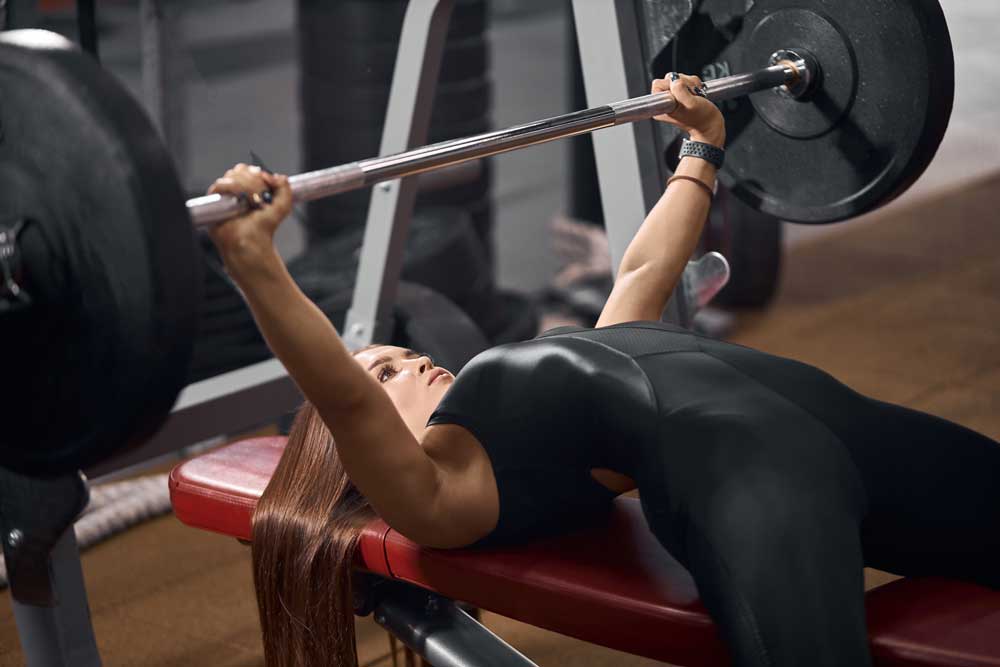
Proper bench press technique is crucial for maximizing strength gains and minimizing injury risk. Understanding common errors and their solutions empowers beginners to execute the exercise safely and effectively. This section will delve into frequent mistakes, their underlying causes, and how to rectify them.Common errors often stem from a lack of proper understanding of the exercise mechanics, insufficient warm-up, or a focus on lifting heavy weights without mastering the form.
Correcting these errors is key to building strength safely and effectively.
Identifying Common Beginner Mistakes
A thorough understanding of common mistakes is essential for effective correction. Beginners frequently exhibit form deviations that impact the efficacy and safety of the exercise. These errors often manifest as imbalances in the body positioning or inappropriate movements.
- Incorrect Grip Width: Grip width that is too narrow or too wide can hinder proper shoulder positioning and stability. A grip that is too narrow can cause excessive strain on the shoulders and elbows. Conversely, a grip that is too wide can decrease the amount of chest engagement and lead to a less efficient movement.
- Insufficient Chest Engagement: A lack of engagement of the chest muscles during the bench press can result in a reliance on other muscle groups, which can increase the risk of injury. Beginners may not be fully engaging their chest muscles and instead relying on their shoulders or triceps. This will decrease the overall effectiveness of the exercise and will not target the intended muscle groups.
- Arch in the Lower Back: An excessive arch in the lower back can lead to strain on the lumbar spine and decrease the stability of the entire body. This mistake can cause discomfort and, if persistent, lead to long-term injuries.
- Elbow Position: Incorrect elbow positioning can result in either excessive shoulder strain or insufficient chest engagement. Elbows that are too close together during the lift may cause shoulder impingement, whereas elbows that are too far apart may decrease the effectiveness of the exercise and increase the risk of injury.
Causes of Common Mistakes
Understanding the reasons behind these mistakes allows for targeted and effective solutions. Common causes include insufficient knowledge of proper form, lack of attention to detail during the lift, and the desire to lift heavier weights without mastering the technique.
Correcting Common Mistakes
This section provides actionable steps for correcting common errors. These steps focus on building a solid foundation in proper form before progressively increasing weight.
| Mistake | Cause | Correction | Effects on Body and Technique |
|---|---|---|---|
| Incorrect Grip Width | Lack of awareness of optimal grip width for body type. | Adjust grip to a comfortable and stable position. Consider the width of your shoulders. |
|
| Insufficient Chest Engagement | Lack of focus on chest muscle activation during the lift. | Concentrate on feeling the chest muscles working throughout the movement. Engage the chest before lowering and pushing. |
|
| Arch in the Lower Back | Poor core engagement and lack of awareness of proper back alignment. | Engage the core muscles and flatten the lower back against the bench. |
|
| Elbow Position | Lack of understanding of proper elbow angle. | Keep elbows slightly flared outwards during the lift, maintaining a controlled arc. |
|
Different Bench Press Equipment
The selection of bench press equipment significantly impacts the exercise’s effectiveness and safety. Choosing the right equipment caters to individual needs and preferences, optimizing the bench press experience. Understanding the characteristics and potential benefits of each type of equipment empowers users to make informed decisions.Different bench press equipment offers varying levels of support and adjustability, influencing the user’s form and technique.
The correct equipment selection is critical for both optimal results and injury prevention. A bench that accommodates the user’s body type and allows for proper positioning is essential.
Types of Bench Press Benches
Various bench press benches cater to different needs and preferences. Each type presents unique advantages and disadvantages, impacting the overall exercise experience.
- Flat Benches: These benches maintain a fixed, horizontal position. Flat benches are generally the most basic and affordable option. They offer a neutral posture and promote a stable platform for the lifter. The consistent angle allows for a more controlled movement, facilitating focus on form and technique. However, flat benches may not be suitable for all users, particularly those with back or shoulder issues.
They can also limit the range of motion and might not accommodate diverse body types effectively.
- Incline Benches: These benches incline the backrest at a specific angle, typically ranging from 15 to 45 degrees. Incline benches isolate the upper chest and shoulder muscles more effectively. This targeted isolation can be beneficial for muscle hypertrophy and development. However, the increased angle can put more stress on the shoulder joint, potentially increasing the risk of injury if not used correctly.
Careful form and technique are crucial for injury prevention.
- Decline Benches: Decline benches position the backrest at an angle downward, typically ranging from 15 to 45 degrees. Decline benches primarily target the lower chest muscles. This specific targeting can promote muscle development in this area. However, similar to incline benches, a decline bench can increase the stress on the shoulder and neck if the form is compromised.
The angle can make it harder to maintain proper form, requiring more awareness and control.
- Adjustable Benches: These benches allow for the adjustment of the backrest’s angle, enabling users to perform flat, incline, and decline bench presses. Adjustable benches provide versatility and cater to a wider range of exercises. This versatility accommodates different muscle groups and user needs. However, they can be more expensive than fixed benches. Careful attention to the quality and stability of the adjustable mechanism is vital, as unstable adjustment can compromise safety and form.
Comparing Bench Press Equipment
The table below provides a comparative overview of the different bench press equipment options, highlighting their key characteristics.
| Equipment Type | Description | Benefits | Drawbacks |
|---|---|---|---|
| Flat Bench | Fixed horizontal position | Neutral posture, stable platform, controlled movement | Limited range of motion, may not suit all body types |
| Incline Bench | Backrest angled upwards | Isolated upper chest and shoulder focus | Increased shoulder stress, potential for injury |
| Decline Bench | Backrest angled downwards | Isolated lower chest focus | Increased shoulder and neck stress, form maintenance challenges |
| Adjustable Bench | Adjustable backrest angle | Versatility, caters to various exercises and body types | Higher cost, potential for unstable adjustments |
Influence of Equipment on Form and Technique
Proper form and technique are paramount, regardless of the equipment used. The type of bench directly influences the position of the body, the range of motion, and the muscles engaged. The equipment’s stability and adjustability play a crucial role in maintaining proper form and preventing injuries.
A flat bench promotes a stable, controlled movement, while adjustable benches offer the versatility to customize the exercise for different muscle groups. This variability in angles, ranges, and muscle engagement can lead to a more challenging and potentially more beneficial workout. Choosing the right bench for individual needs is vital for safety and effectiveness.
Importance of Choosing the Right Equipment
Selecting the right bench press equipment is crucial for optimizing the workout experience. The chosen equipment directly influences the effectiveness and safety of the exercise. Different equipment caters to varying needs and preferences, and the selection must align with the individual’s body type, goals, and limitations. Considering the bench’s stability, adjustability, and overall design is vital. By carefully selecting the right bench press equipment, users can ensure proper form and technique, maximize results, and minimize the risk of injury.
Illustrative Examples
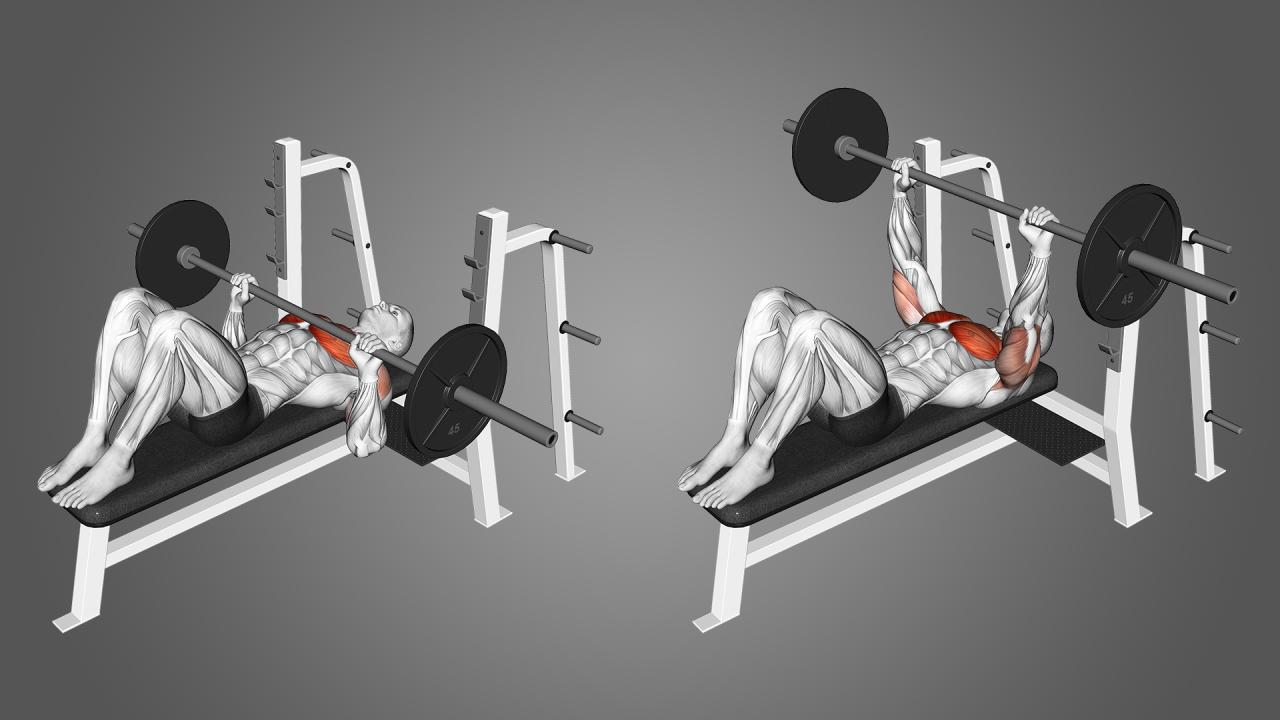
Understanding the various bench press variations is crucial for a comprehensive workout routine. Each variation targets specific muscle groups and offers unique benefits and challenges. Proper selection of exercises, based on individual needs and goals, maximizes training effectiveness and minimizes the risk of injury.This section details different bench press exercises, highlighting the muscles worked, advantages, and disadvantages. It also demonstrates how to incorporate these variations into a full-body workout routine.
Variations of the Bench Press
Different bench press variations target specific muscle groups and provide unique training stimuli. This allows for a more comprehensive approach to chest development and overall upper body strength.
- Flat Bench Press: This is the standard bench press, performed on a flat bench. It primarily targets the pectoralis major (chest), anterior deltoids (front shoulders), and triceps brachii (back of the arms). The flat bench press is a foundational exercise for building overall upper body strength. Its simplicity and effectiveness make it a staple in many workout routines.
- Incline Bench Press: Performed on an inclined bench, this variation emphasizes the upper chest and anterior deltoids. It allows for a greater range of motion and potentially less stress on the lower back compared to the flat bench press. However, the incline bench press might be more challenging for individuals with shoulder limitations.
- Decline Bench Press: Performed on a decline bench, this variation primarily targets the lower chest and triceps. The decline bench press can help build a fuller, more defined chest, while also providing a different stimulus compared to the flat or incline bench press. Individuals with shoulder problems might find this variation more challenging.
- Close-Grip Bench Press: Performed with a close grip on the barbell, this variation places greater emphasis on the triceps brachii and the inner portion of the chest. It is often used to stimulate the chest muscles from a different angle and to help improve triceps strength. The close-grip bench press can also help to increase shoulder stability and prevent injury if done properly.
- Wide-Grip Bench Press: Performed with a wide grip on the barbell, this variation primarily targets the outer portion of the chest and the shoulders. It allows for a wider range of motion and can help improve overall chest development. A wider grip can also contribute to better shoulder stability.
Benefits and Drawbacks of Variations
Understanding the benefits and drawbacks of each variation is key to choosing the appropriate exercises for your needs. This awareness helps tailor a workout program that optimizes progress and minimizes risk.
- Flat Bench Press: Excellent for overall chest development and strength. However, it can place more stress on the lower back and shoulders if form is compromised.
- Incline Bench Press: Targets the upper chest effectively. The potential for shoulder discomfort is a possible drawback if the exercise is performed incorrectly.
- Decline Bench Press: Excellent for developing the lower chest and triceps. It can be challenging for individuals with shoulder or neck issues.
- Close-Grip Bench Press: Promotes triceps growth and chest development. It might cause more shoulder stress compared to other variations.
- Wide-Grip Bench Press: Enhances outer chest development. It might place greater stress on the wrists and elbows compared to other variations.
Importance of Understanding Exercise Variations
- Targeted Muscle Stimulation: Different variations target different areas of the chest, shoulders, and triceps, allowing for a more comprehensive workout.
- Preventing Muscle Imbalances: Incorporating various variations helps prevent muscle imbalances by providing a diverse stimulus to different muscle groups.
- Injury Prevention: Using a variety of exercises reduces the risk of overuse injuries by preventing repetitive stress on the same muscle groups.
- Maximizing Results: Understanding the variations allows for tailoring the program to address specific weaknesses and maximize results.
Example Full-Body Workout
| Exercise | Sets | Reps | Muscle Groups Targeted |
|---|---|---|---|
| Barbell Bench Press (Flat) | 3 | 8-12 | Pectorals, Anterior Deltoids, Triceps |
| Incline Dumbbell Press | 3 | 10-15 | Upper Chest, Anterior Deltoids |
| Decline Dumbbell Press | 3 | 10-12 | Lower Chest, Triceps |
| Overhead Press | 3 | 8-12 | Shoulders, Triceps |
| Barbell Rows | 3 | 8-12 | Back, Biceps |
| Squats | 3 | 10-15 | Quads, Glutes, Hamstrings |
| Deadlifts | 1 | 5-8 | Back, Legs, Core |
Closure
In conclusion, mastering the bench press involves a multifaceted approach encompassing proper form, safety precautions, targeted variations, and mindful recovery. By understanding the nuances of each element, you can elevate your bench press performance, optimize muscle growth, and enhance your overall fitness journey. Remember that consistency and progressive overload are key to achieving lasting results. This guide has provided a roadmap for achieving your bench press goals, fostering safe and effective workouts.