Mastering the shoulder press is crucial for building a strong and well-defined upper body. This comprehensive guide delves into the intricacies of various shoulder press techniques, from the fundamental overhead press to the dynamic Arnold press. We’ll explore the muscles engaged, proper form, and safety precautions to ensure you achieve optimal results without risking injury.
This guide provides a detailed overview of shoulder press exercises, encompassing various aspects such as different equipment options, modifications for diverse fitness levels, and tailored workout routines. It also covers important aspects of nutrition and recovery for optimal results.
Introduction to Shoulder Press
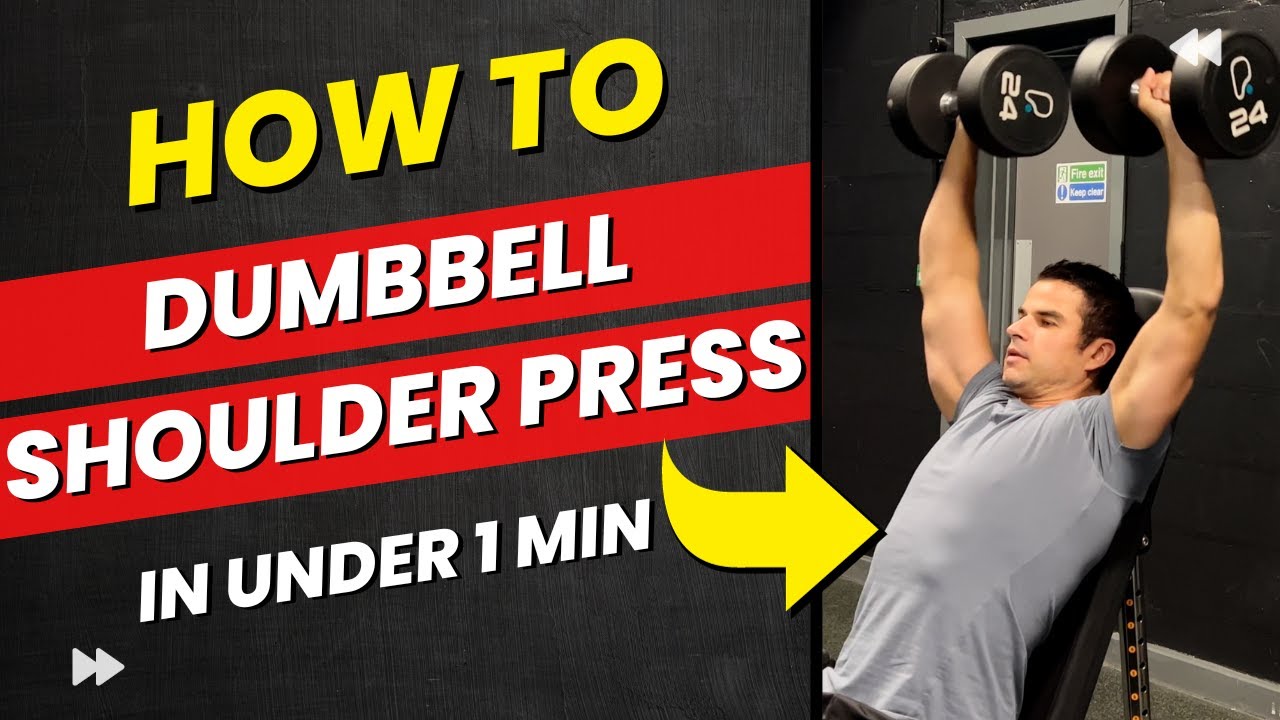
The shoulder press, also known as the overhead press, is a compound exercise that targets the muscles of the shoulder girdle, including the deltoids, trapezius, and rotator cuff muscles. It’s a fundamental exercise for building strength and size in the upper body, contributing to overall athletic performance and functional movement. Proper form and technique are crucial to maximize benefits and minimize the risk of injury.Different variations of the shoulder press cater to varying needs and preferences, each emphasizing slightly different muscle groups.
Understanding these variations is key to selecting the appropriate exercise for individual goals and limitations.
Shoulder Press Variations
Various equipment and hand positions differentiate the shoulder press. These variations offer specific advantages and emphasize different aspects of the exercise.
- Overhead Press (Barbell): This variation utilizes a barbell, held over the shoulders, and involves a controlled lifting motion until the bar is fully extended above the head. It effectively targets the anterior, lateral, and posterior deltoids, as well as the triceps and upper back muscles.
- Arnold Press (Dumbbell): This variation employs dumbbells, starting with the dumbbells at shoulder height, and rotating the weights outwards as they are pressed overhead. It targets the same major muscles as the overhead press but also involves a greater range of motion and shoulder stabilization.
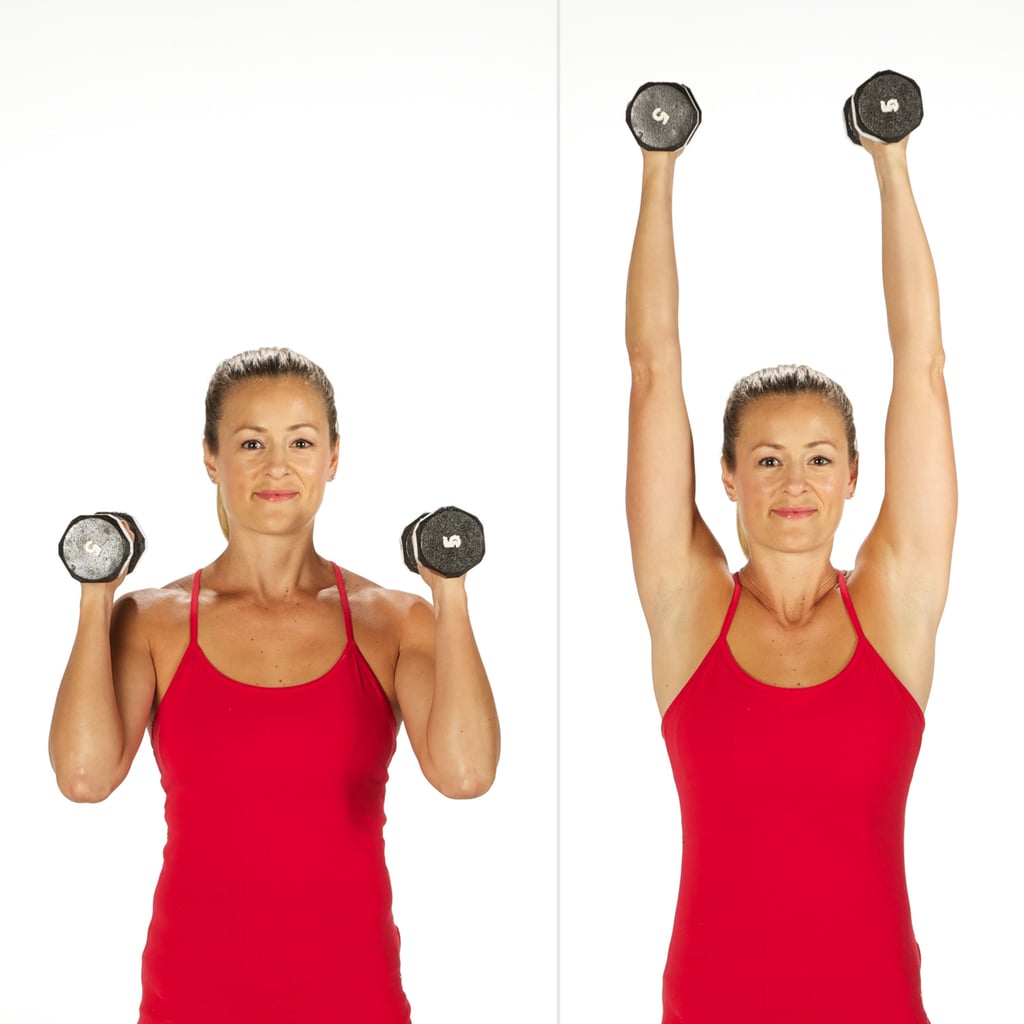
- Dumbbell Shoulder Press: This variation utilizes dumbbells, starting with the dumbbells at shoulder height, and pressing them directly overhead. It effectively targets the deltoids, and also involves a greater range of shoulder stabilization.
- Machine Shoulder Press: This variation utilizes specialized gym equipment, providing a controlled and often assisted movement pattern. This often provides a more focused workout on the deltoids, while minimizing the need for significant upper body stabilization.
Primary Muscles Worked
The shoulder press engages multiple muscle groups, contributing to its effectiveness as a compound exercise.
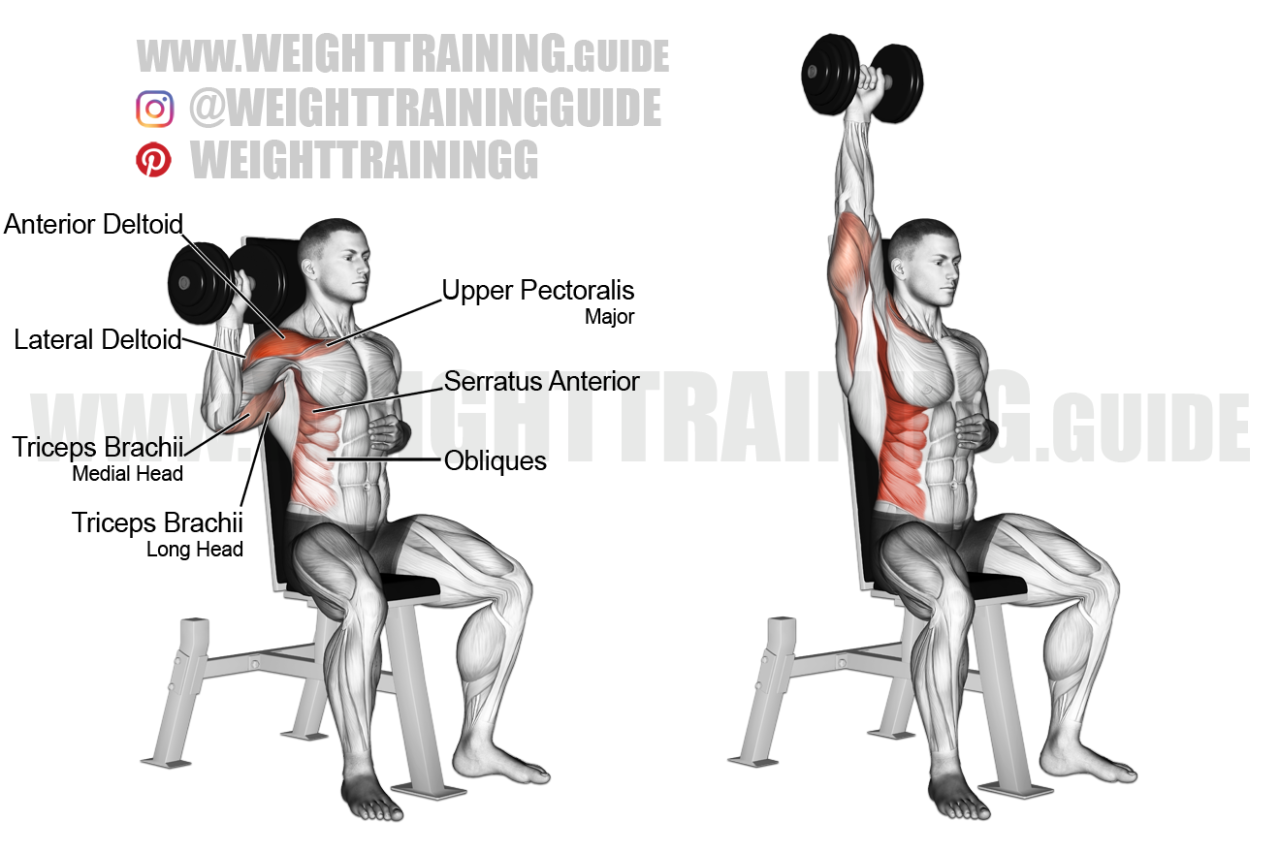
- Deltoids: The deltoids, composed of three heads (anterior, lateral, and posterior), are the primary movers during the shoulder press. They are responsible for abduction, flexion, and extension of the shoulder joint.
- Trapezius: The trapezius muscles, located in the upper back, play a significant role in shoulder stabilization and scapular retraction, aiding in maintaining proper form throughout the exercise.
- Rotator Cuff Muscles: The rotator cuff muscles (supraspinatus, infraspinatus, teres minor, and subscapularis) are crucial for shoulder joint stability and smooth movement during the exercise. They help maintain the shoulder joint in a healthy range of motion.
- Triceps Brachii: The triceps brachii muscles, located on the back of the upper arm, are synergistically involved in the final extension of the arm during the press. They are often activated more with heavier weights or more advanced movements.
Exercise Summary Table
The table below provides a concise overview of the different shoulder press variations, highlighting the muscles engaged and a brief description.
| Exercise Type | Muscles Worked | Brief Description |
|---|---|---|
| Overhead Press (Barbell) | Deltoids, Trapezius, Triceps, Rotator Cuff | Pressing a barbell overhead from a shoulder position. |
| Arnold Press (Dumbbell) | Deltoids, Trapezius, Triceps, Rotator Cuff | Pressing dumbbells overhead, rotating the dumbbells outward during the movement. |
| Dumbbell Shoulder Press | Deltoids, Trapezius, Triceps, Rotator Cuff | Pressing dumbbells directly overhead from a shoulder position. |
| Machine Shoulder Press | Deltoids, Trapezius, Triceps, Rotator Cuff | Pressing a weight on a machine from a shoulder position. |
Proper Form and Technique
Mastering proper form and technique is paramount for maximizing the effectiveness and minimizing the risk of injury during shoulder press exercises. Correct posture, grip, and controlled movements ensure targeted muscle engagement and prevent strain on the joints. Understanding the variations in shoulder press exercises allows for a tailored approach to individual fitness goals.
Posture and Grip
Maintaining proper posture throughout the exercise is critical for safety and effectiveness. A neutral spine and a stable core are essential. The back should remain straight, not arched or rounded, to protect the lower back and spinal column. A firm stance with feet shoulder-width apart provides a solid base for stability. The grip should be consistent and secure, allowing for controlled movement without slippage.
The hands should be placed slightly wider than shoulder-width apart for most variations, allowing for optimal leverage and engagement of the shoulder muscles. A slightly wider grip engages the front deltoids more, while a narrower grip emphasizes the middle deltoids.
Overhead Press Variations
The overhead press, a fundamental exercise, involves a series of controlled movements from the starting position to the overhead position and back. Understanding the steps in each phase will maximize efficiency and reduce the risk of injury.
- Starting Position: Begin with the barbell or dumbbells positioned at the level of your collarbones. Your elbows should be slightly bent, with the palms facing forward or slightly in. Maintain a stable core and a neutral spine, keeping your back straight and shoulders back.
- The Lifting Phase: Initiate the upward movement by engaging your shoulder muscles and extending your elbows. Maintain control throughout the lift, ensuring a smooth and steady ascent. Avoid jerking or using momentum to propel the weight.
- The Overhead Position: Once the weight reaches the top position, ensure your shoulders are fully extended, and your elbows are locked straight. Pause briefly in this position to feel the contraction in your shoulder muscles. Keep your core engaged to maintain stability and prevent unwanted movement.
- The Lowering Phase: Lower the weight in a controlled manner, maintaining the same form and muscle engagement as during the lifting phase. Avoid letting the weight drop or bounce back down. Bring the weight back to the starting position slowly and deliberately, maintaining tension in your shoulder muscles.
Stable Core and Controlled Movements
A stable core is essential for maintaining proper posture and balance during the shoulder press. It acts as a foundation for the movement, preventing unwanted swaying or shifting. Controlled movements are crucial to maximize muscle activation and reduce the risk of injury. Rushing through the exercise can lead to poor form, which can place excessive stress on the joints and increase the risk of injury.
Focus on maintaining a steady tempo throughout the entire movement, from the starting position to the overhead position and back.
Comparison of Shoulder Press Variations
| Variation | Grip Width | Focus | Core Engagement ||—|—|—|—|| Barbell Overhead Press | Slightly wider than shoulder-width | Overall shoulder development | High || Dumbbell Overhead Press | Slightly wider than shoulder-width | Isolates shoulders, improves balance | Moderate || Arnold Press | Slightly wider than shoulder-width, rotating the dumbbells outwards during the lift | Engages all three heads of the deltoids, promotes rotation and stability | High |
Benefits of Shoulder Press
The shoulder press, a fundamental exercise in strength training, offers a multitude of benefits beyond simply building impressive shoulder muscles. It’s a compound movement that engages multiple muscle groups, contributing significantly to overall upper body strength and stability. Proper form and technique are crucial to maximize these benefits while minimizing risk of injury.Effective shoulder pressing enhances not only strength but also stability, particularly in the shoulder joint.
This exercise strengthens the rotator cuff muscles, which are critical for maintaining shoulder joint health and preventing injuries. The stabilizing muscles around the shoulder girdle also benefit, leading to better posture and reduced risk of pain and discomfort. This translates into improved performance in everyday activities and athletic endeavors.
Strength and Stability Benefits
The shoulder press directly targets the deltoids (anterior, lateral, and posterior), which are crucial for shoulder abduction and horizontal flexion. By strengthening these muscles, the shoulder press contributes significantly to overall upper body strength and power. Furthermore, the exercise activates stabilizing muscles in the shoulder girdle, including the trapezius, rhomboids, and serratus anterior. This integrated approach strengthens the shoulder complex, improving shoulder stability and reducing the risk of injury during overhead movements.
Consistent shoulder pressing contributes to increased strength in the upper body, enabling better performance in activities demanding overhead lifting, pushing, or throwing.
Overall Upper Body Development
The shoulder press is a compound exercise, meaning it involves multiple joints and muscle groups. Beyond the deltoids, the exercise also engages muscles in the chest, triceps, and upper back. This integrated approach contributes significantly to the development of a well-rounded upper body physique. By working multiple muscle groups simultaneously, the shoulder press promotes a balanced muscular development throughout the upper body.
This holistic approach enhances overall strength and endurance, benefiting a wide range of activities.
Impact on Posture and Shoulder Health
Maintaining proper posture is essential for overall well-being. The shoulder press, when performed correctly, can positively influence posture by strengthening the muscles supporting the shoulder girdle. This, in turn, can lead to improved posture and reduced risk of back pain and shoulder impingement. Strengthening the muscles around the shoulder joint through proper shoulder press form helps to improve shoulder health and stability.
This reduces the likelihood of developing shoulder pain, especially in individuals with pre-existing conditions.
Advantages and Disadvantages of Shoulder Press Variations
Different shoulder press variations target specific muscle groups and offer unique advantages and disadvantages.
| Shoulder Press Variation | Advantages | Disadvantages |
|---|---|---|
| Barbell Shoulder Press | Excellent for building overall shoulder strength and mass, good for beginners. | Requires more stability and coordination than dumbbell presses, potential for improper form if not properly supervised. |
| Dumbbell Shoulder Press | Allows for greater range of motion and more targeted muscle engagement, promotes greater shoulder stability. | Can be challenging for beginners to maintain balance and control, may not build as much overall shoulder mass as barbell presses. |
| Overhead Press (using kettlebells) | Improved shoulder stability and control, engages core muscles more effectively. | Requires significant core strength and coordination, may not be suitable for all fitness levels. |
| Machine Shoulder Press | Easier to learn and execute with correct form, isolates shoulder muscles more effectively. | Limited range of motion, may not build as much overall strength and power as free weight variations. |
Variations and Modifications
Exploring diverse equipment options, body positions, and modifications caters to individual needs and preferences. Adapting the shoulder press allows individuals with varying levels of experience, physical limitations, or specific goals to safely and effectively engage in this beneficial exercise. These variations and modifications ensure the exercise remains challenging and beneficial for a broad spectrum of users.
Equipment Variations
Different equipment offers unique challenges and benefits. Understanding these distinctions allows users to select the best option for their individual needs and goals.
- Dumbbells: Dumbbells provide excellent versatility and allow for a greater range of motion, promoting stabilization and control. Their portability makes them ideal for home workouts. The varied weight options cater to different strength levels.
- Barbells: Barbells, particularly with adjustable weight plates, enable heavier loads for enhanced strength development. The barbell’s stable platform allows for more controlled movements, aiding in form maintenance. The increased weight allows for progressive overload, which is crucial for strength gains.
- Machines: Machine-based shoulder presses offer a more controlled environment, reducing the risk of injury for beginners or those with form concerns. Their guided movements can assist in mastering proper technique. The resistance is often adjustable, accommodating different strength levels.
Body Position Variations
Altering body position can target specific muscle groups and provide different levels of challenge.
- Standing Shoulder Press: This variation is generally considered the most challenging and effective for overall shoulder strength. Maintaining balance and proper form are crucial aspects to consider.
- Seated Shoulder Press: Seated shoulder presses reduce the balance demand, making it more suitable for individuals who are new to the exercise or have mobility limitations. The stability offered by the seated position allows for better focus on the movement.
- Incline Shoulder Press: This variation targets the anterior (front) deltoids more intensely than the other variations. The incline position modifies the angle of the movement, resulting in a specific emphasis on different muscle fibers. The incline can also assist in improving upper body strength.
Modifications for Limited Mobility or Injuries
Adjustments can be made to accommodate individuals with limited mobility or specific injuries.
- Reduced Weight: Lowering the weight used during the exercise minimizes stress on the joints and allows for continued engagement without jeopardizing form or safety.
- Alternative Equipment: Using resistance bands or lighter dumbbells can modify the exercise for those recovering from injuries or with limited mobility. The reduced weight helps in performing the exercise safely.
- Assisted Movements: Using a partner or exercise band can provide support during the shoulder press, assisting with balance or range of motion. Assistance can help to maintain proper form.
Shoulder Press Variations Table
The following table Artikels various shoulder press variations, equipment needed, and targeted muscles.
| Variation | Equipment | Targeted Muscles |
|---|---|---|
| Standing Dumbbell Shoulder Press | Dumbbells | Anterior deltoids, lateral deltoids, posterior deltoids, triceps, and upper trapezius |
| Seated Barbell Shoulder Press | Barbell | Anterior deltoids, lateral deltoids, posterior deltoids, triceps, and upper trapezius |
| Incline Dumbbell Shoulder Press | Dumbbells | Anterior deltoids, lateral deltoids, triceps |
| Machine Shoulder Press | Shoulder Press Machine | Anterior deltoids, lateral deltoids, triceps |
Safety Precautions
Proper form and technique are crucial for effective shoulder presses, but safety is paramount. Neglecting safety precautions can lead to various injuries, ranging from minor discomfort to severe musculoskeletal damage. Understanding potential risks and implementing preventive measures is vital for a safe and productive workout.Shoulder presses, while generally safe, involve significant stress on the shoulder joint and surrounding muscles.
Improper form or excessive weight can easily strain or injure these delicate structures. A comprehensive approach to safety includes a thorough warm-up, proper lifting technique, and a gradual cool-down.
Potential Risks and Injuries
Shoulder injuries are a common concern with weightlifting. These include rotator cuff tears, impingement syndrome, labral tears, and shoulder dislocations. Overtraining, poor form, and lifting weights beyond one’s capacity increase the risk of these injuries. Individuals with pre-existing shoulder conditions should exercise caution and consult with a healthcare professional before initiating a shoulder press routine.
Importance of Warm-up and Cool-down
A proper warm-up prepares the muscles and joints for the stress of exercise, reducing the risk of injury. A dynamic warm-up, involving movements that mimic the shoulder press motion, increases blood flow and flexibility. This process primes the muscles for optimal performance and reduces the chance of strains or tears. Similarly, a cool-down period allows the body to gradually return to its resting state, preventing muscle stiffness and soreness.
Proper Lifting Techniques
Correct lifting techniques are fundamental in preventing shoulder injuries. Maintain a neutral spine throughout the exercise. Avoid jerking or forcing the movement. Focus on controlled, deliberate repetitions. Ensure proper breathing patterns to maintain stability and prevent strain on the neck and back.
Use a spotter if needed for heavier weights to prevent injury and to ensure proper form.
Common Mistakes and How to Avoid Them
| Common Mistake | Explanation | How to Avoid |
|---|---|---|
| Rounding the back | This shifts the load away from the shoulders and onto the spine, increasing the risk of injury. | Maintain a straight back throughout the entire exercise. Engage your core muscles to support the spine. |
| Using too much weight | Lifting weights beyond your capacity puts excessive stress on the shoulders and surrounding structures. | Start with a weight that allows you to maintain proper form. Gradually increase the weight as your strength improves. |
| Jerking the weight | This creates an uncontrolled movement, increasing the risk of injury and potentially damaging tendons and ligaments. | Focus on controlled, smooth movements. Emphasize the concentric and eccentric phases of the exercise. |
| Using only the front deltoids | Over-reliance on the front deltoids leads to imbalance and potential strain on the shoulder joint. | Engage the entire shoulder girdle and surrounding muscles. Maintain a controlled and balanced movement. |
| Lack of proper form in the eccentric phase | This phase is equally important, but often overlooked, and can lead to shoulder pain and injury. | Lower the weight slowly and under control, ensuring a smooth transition to the starting position. |
Workout Routines and Programming
Proper workout routines are crucial for maximizing the benefits of shoulder press exercises and achieving specific fitness goals. Tailored programs, incorporating appropriate rep ranges and progressive overload, are essential for stimulating muscle growth and strength development. This section details sample routines designed for various objectives, along with guidance on adjusting these programs for individual progress.
Sample Workout Routines
Different workout routines cater to distinct fitness goals. Understanding the purpose of each routine helps in selecting the most effective program for achieving desired outcomes. The following examples provide structure and guidance for designing personalized workout routines.
- Strength Training Routine: This routine focuses on maximizing strength gains by emphasizing heavier weights and lower repetitions. Lower reps with higher weight are crucial for building strength. This approach stimulates the nervous system and improves force production. A typical strength-focused routine might involve 3-4 sets of 3-5 repetitions.
- Hypertrophy Routine: This routine targets muscle growth by utilizing moderate weights and higher repetitions. The higher rep range (6-12) with moderate weight is ideal for stimulating muscle protein synthesis, leading to greater hypertrophy. This is a common approach for building muscle mass.
- Endurance Routine: This routine prioritizes muscular endurance by utilizing lighter weights and higher repetitions. A typical routine might involve 3-4 sets of 12-15 or more repetitions. This routine is often part of a conditioning program and helps improve overall work capacity.
Rep Ranges and Sets for Different Fitness Levels
Selecting appropriate rep ranges and sets is critical for effective training. Different fitness levels require customized approaches to stimulate muscle growth and avoid overtraining.
- Beginner: Beginners should focus on mastering proper form and building a foundation of strength. Lower reps (8-12) and moderate weight, with 2-3 sets, are suitable for beginners to ensure they don’t get injured. This allows the body to adapt gradually to the stress of exercise.
- Intermediate: Intermediate lifters can progressively increase the weight and intensity. Moderate reps (6-10) and 3-4 sets are often suitable. This allows for more significant strength and muscle gains.
- Advanced: Advanced lifters can handle heavier weights and higher intensity. Higher reps (3-6) and higher weight with 4-5 sets are suitable for those seeking maximum strength and muscle development. This allows for greater overload and continued progression.
Progressive Overload
Progressive overload is a fundamental principle of resistance training. It involves gradually increasing the demands on the muscles over time to stimulate continued growth and strength gains.
- Increasing Weight: Incrementally increasing the weight lifted is a common approach. This forces the muscles to adapt and become stronger. Start with a weight you can handle for the desired rep range, and gradually increase the weight as you get stronger.
- Increasing Sets or Reps: Increasing the number of sets or repetitions is another method. As you become stronger, you can increase the number of sets or repetitions to challenge the muscles further. This ensures that the muscles are continually challenged.
- Adjusting Rest Periods: Decreasing rest periods between sets can also increase the intensity and promote greater muscle fatigue, forcing the muscles to adapt and grow stronger.
Sample Workout Routines Table
This table Artikels sample workout routines for various fitness goals, incorporating appropriate rep ranges and sets.
| Goal | Exercise | Sets | Reps | Rest (minutes) |
|---|---|---|---|---|
| Strength | Shoulder Press | 3 | 3-5 | 2-3 |
| Strength | Overhead Press | 4 | 5-7 | 2-3 |
| Hypertrophy | Lateral Raises | 3 | 8-12 | 1-2 |
| Hypertrophy | Front Raises | 3 | 10-15 | 1-2 |
| Endurance | Arnold Press | 3 | 12-15 | 0.5-1 |
| Endurance | Dumbbell Shoulder Press | 4 | 15-20 | 0.5-1 |
Common Mistakes and How to Correct Them
Proper shoulder press form is crucial for maximizing results and minimizing the risk of injury. Understanding common errors and their corresponding corrections can significantly enhance your workout experience and contribute to long-term shoulder health. This section details prevalent mistakes, their underlying causes, and effective strategies for improvement.Common errors in shoulder press technique often stem from a lack of proper awareness of the body’s mechanics and the specific muscle groups engaged.
Improper form can lead to a variety of issues, including pain, reduced effectiveness, and potential for injury. Addressing these issues with targeted corrective exercises and mindful attention to technique can prevent these problems.
Identifying Common Mistakes
Many common shoulder press errors stem from an inadequate understanding of the correct form and muscle activation. These errors can lead to a misalignment of the joints and muscles, which reduces the effectiveness of the exercise and potentially causes discomfort or injury. Identifying these mistakes is a key step in achieving optimal results.
Impact on Shoulder Health
Inaccurate shoulder press form can lead to a variety of issues, including rotator cuff strain, impingement syndrome, and joint instability. Incorrect movement patterns place undue stress on the shoulder joint, leading to pain, reduced range of motion, and potential for long-term damage. Proper technique minimizes stress on the shoulder complex and maximizes effectiveness.
Corrective Exercises and Techniques
Implementing corrective exercises is essential to addressing underlying causes and strengthening supporting muscles. These exercises aim to improve form, strengthen stabilizing muscles, and improve range of motion. These techniques are often tailored to the specific error being addressed.
Table of Common Mistakes, Causes, and Solutions
| Common Mistake | Causes | Solutions |
|---|---|---|
| Rounding of the shoulders | Lack of core engagement, improper scapular stabilization, and excessive anterior tilt of the pelvis. | Engage core muscles, focus on retracting scapulae, and practice exercises to improve posterior chain strength. Try incorporating scapular wall slides or rows. |
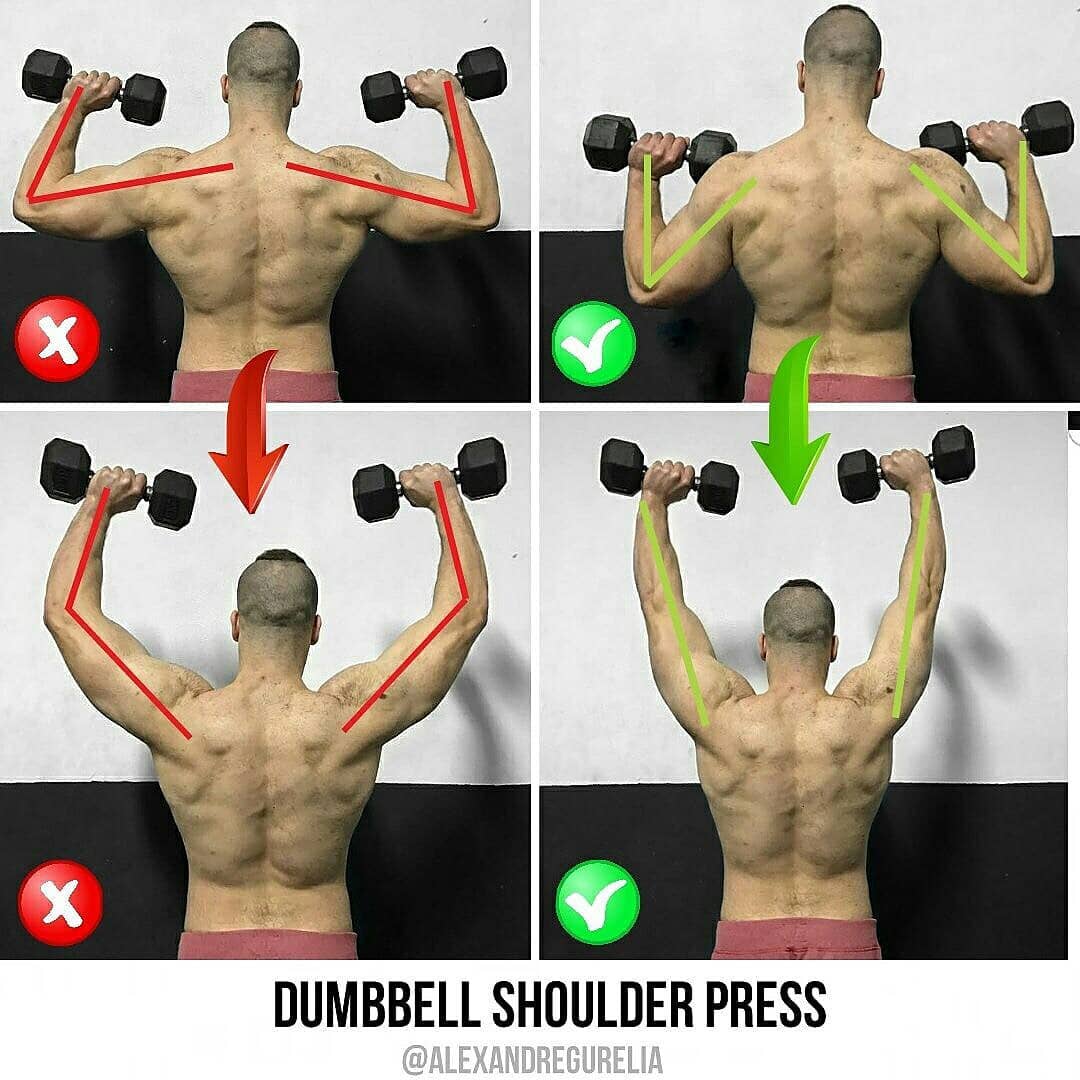
| Elbows pointing outwards | Poor shoulder external rotation, improper grip, and lack of focus on proper alignment. | Focus on maintaining a neutral position of the elbows throughout the movement. Adjust grip width and practice shoulder external rotation exercises. |
| Lifting the weight with the upper back | Inadequate core engagement, and reliance on the upper back muscles for movement. | Prioritize core engagement throughout the movement. Ensure the movement originates from the shoulders and chest, not the back. Practice planks or hollow body exercises. |
| Using momentum instead of controlled movement | Lack of proper technique, insufficient muscle engagement, and desire to complete reps quickly. | Focus on controlled movement, using slow and deliberate repetitions. Ensure each rep is executed with proper form, even if it takes longer. This prevents injury. |
| Inconsistent form throughout the set | Lack of concentration, fatigue, and failure to maintain proper alignment throughout the exercise. | Practice maintaining proper form with lighter weights initially, gradually increasing the load. Ensure that each repetition is executed with precision and control. |
Advanced Techniques and Strategies
Elevating your shoulder press beyond the fundamentals requires a nuanced understanding of advanced variations, tempo manipulation, and strategies for maximizing muscle engagement. This section delves into these concepts, providing practical insights to unlock further strength and hypertrophy gains.Advanced techniques go beyond simply increasing weight. They involve refining your approach to stimulate specific muscle fibers, optimize training volume, and improve overall performance.
This section will provide you with the tools to take your shoulder press to the next level.
Advanced Variations and Progressions
Mastering the fundamental shoulder press is a crucial stepping stone to incorporating more advanced variations. These variations target specific muscle groups, increase the range of motion, and demand greater stability. This allows for increased intensity and a more comprehensive workout. Examples include the behind-the-neck press, which emphasizes the posterior deltoids, and the Arnold press, which provides a dynamic range of motion.
Each variation targets different aspects of the shoulder muscles, fostering balanced development.
Tempo for Hypertrophy and Strength
Employing varied tempos during your shoulder press exercises allows for the targeting of specific adaptations. Different tempos can be used to promote either hypertrophy (muscle growth) or strength development. For hypertrophy, a slower eccentric (lowering) phase is often used. For example, lowering the weight over 4 seconds emphasizes the lengthening of the muscle fibers, promoting muscle damage and stimulating growth.
Conversely, for strength, a faster eccentric phase can be employed, often in conjunction with a controlled and explosive concentric phase. This approach aims to build strength and power output. This principle applies to all compound exercises.
Maximizing Muscle Engagement and Activation
Focusing on maintaining proper form and control throughout the exercise is paramount to maximize muscle engagement. Techniques like controlled pauses at the top or bottom of the movement, or using resistance bands to provide additional tension, can significantly enhance muscle activation. By ensuring consistent tension throughout the movement, you can ensure that the target muscles are engaged and worked throughout the entire range of motion.
Advanced Exercises
Advanced exercises build upon the foundational shoulder press, increasing complexity and intensity. They often incorporate additional ranges of motion, variations in stability, and require greater skill and coordination. These advanced variations often target specific muscle fibers or require greater stability to effectively perform.
- Behind-the-Neck Press: This variation emphasizes the posterior deltoids, increasing the range of motion and requiring greater shoulder stability. Proper form and warm-up are crucial to prevent injury.
- Arnold Press: The Arnold press adds a dynamic rotational component, challenging the anterior, medial, and posterior deltoids. It emphasizes a full range of motion and provides a significant workout. This variation is excellent for improving shoulder strength and overall muscle development.
- Dumbbell Lateral Raises with Resistance Band: This variation uses a resistance band to add tension, further engaging the lateral deltoids. This adds a degree of difficulty, and is effective in targeting the side portions of the shoulder.
- Close-Grip Shoulder Press: This variation targets the triceps brachii and front deltoids more than other presses. This approach allows for a greater focus on the front of the shoulder.
- Front Raises with Resistance Band: This variation emphasizes the front deltoids, increasing the tension and challenge on the shoulder muscles.
Nutrition and Recovery
Proper nutrition and recovery are crucial for maximizing the benefits of shoulder press workouts and preventing injuries. A well-structured approach to fueling your body and allowing it to repair and rebuild is essential for long-term progress and overall well-being. Ignoring these factors can hinder muscle growth, increase your risk of injury, and potentially lead to burnout.Optimal nutrition plays a significant role in supporting the body’s ability to recover from intense workouts like shoulder presses.
The body requires specific nutrients to repair damaged muscle tissue, synthesize new proteins, and replenish energy stores. A balanced diet rich in the right types of nutrients ensures your body has the resources it needs to adapt to the demands of training.
Role of Protein in Muscle Recovery
Protein is the cornerstone of muscle repair and growth. Adequate protein intake is vital for rebuilding muscle fibers broken down during exercise. Consuming enough protein helps to stimulate muscle protein synthesis, which is the process of building new muscle tissue. The body needs sufficient amino acids, the building blocks of protein, to facilitate this process.
Importance of Rest and Recovery
Rest and recovery are essential for allowing the body to adapt to the stress of training. During rest periods, the body repairs muscle tissue, replenishes energy stores, and reduces the risk of overtraining and injury. Without adequate rest, the body may not be able to fully recover, potentially leading to decreased performance, increased risk of injury, and even burnout.
Sufficient sleep and downtime are equally important components of an effective recovery strategy.
Sample Meal Plan for Shoulder Press Training
This meal plan provides a general framework for supporting shoulder press training. Adjust portion sizes and specific foods to meet individual caloric needs and preferences. It is crucial to consult with a registered dietitian or nutritionist for personalized recommendations.
- Breakfast (Pre-Workout): A protein-rich breakfast, such as Greek yogurt with berries and nuts, provides sustained energy for the workout and aids in muscle protein synthesis. This breakfast helps to replenish glycogen stores in the muscles and provides the amino acids needed for muscle repair.
- Post-Workout Meal: Within one hour of completing the workout, consume a meal or snack high in protein and carbohydrates. This helps to replenish glycogen stores and stimulate muscle protein synthesis, supporting recovery and muscle growth. Examples include chicken breast with brown rice and vegetables, or a protein shake with fruit.
- Lunch: A balanced lunch with lean protein, complex carbohydrates, and healthy fats, such as grilled fish with quinoa and a side salad, helps to sustain energy levels throughout the day. It provides the necessary nutrients for overall body function.
- Dinner: A protein-rich dinner, such as lean beef with sweet potato and steamed broccoli, provides essential nutrients for muscle recovery and overall health. This meal supports the body’s restorative processes after a day of activity.
- Snacks: Include healthy snacks like protein bars, Greek yogurt, or a handful of almonds between meals to maintain energy levels and prevent overeating at larger meals.
Final Summary
In conclusion, this comprehensive guide has provided a thorough understanding of how to perform shoulder press exercises effectively and safely. By understanding the proper form, benefits, variations, and safety precautions, you can integrate this exercise into your workout routine to enhance strength, stability, and overall upper body development. Remember to prioritize proper form, progressive overload, and adequate recovery for optimal results.