Bicep curls, a fundamental exercise for building arm strength and definition, are often performed incorrectly, leading to suboptimal results and potential injuries. This guide delves into the intricacies of bicep curls, from proper form and technique to variations, safety precautions, and workout routines. Whether you’re a beginner or an experienced lifter, this comprehensive approach will equip you with the knowledge and skills to effectively target your biceps and achieve your fitness goals safely and efficiently.
Understanding the different types of bicep curls, such as barbell curls, dumbbell curls, and concentration curls, is crucial. This guide will provide detailed explanations of each variation, highlighting their unique benefits and targeting specific muscle areas within the bicep. Furthermore, mastering proper form is paramount to injury prevention and maximizing muscle engagement. The provided instructions will guide you through the steps of each exercise, ensuring correct posture and controlled movements for optimal results.
Introduction to Bicep Curls
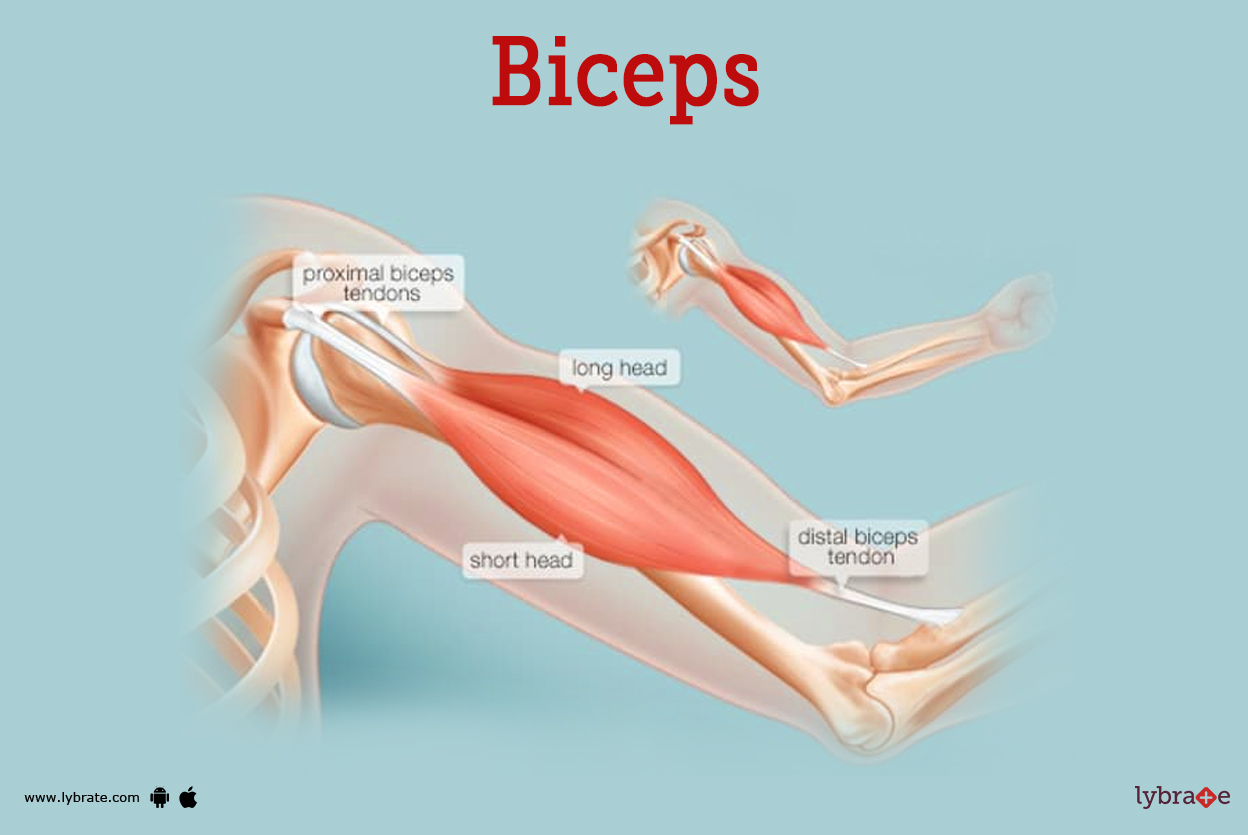
Bicep curls are a fundamental exercise in weight training, primarily targeting the biceps brachii muscle group, which is responsible for flexing the elbow joint. They are an essential component of upper body strength and aesthetic development. Proper execution of bicep curls is crucial for maximizing muscle activation and minimizing the risk of injury. Understanding different variations of the exercise allows for targeted training and caters to varying fitness levels and goals.Proper form in bicep curls is paramount.
Maintaining a controlled movement throughout the exercise, focusing on the targeted muscle groups, and avoiding momentum-based lifts are essential for achieving optimal results and preventing injuries such as strains or tears to the muscles or tendons. Consistent, proper form leads to safer and more effective training.
Types of Bicep Curls
Various types of bicep curls cater to different training needs and preferences. These variations offer unique challenges and emphasize specific aspects of the biceps muscle. Understanding the distinctions between these types allows for tailored workouts and improved training effectiveness.
Exercise Variations Table
| Exercise Type | Target Muscle | Description |
|---|---|---|
| Barbell Curl | Biceps Brachii | This classic exercise involves lifting a barbell with an underhand grip. The lifter stands with feet shoulder-width apart and maintains a neutral spine. The barbell is lifted from the thighs to the shoulders, focusing on controlled flexion of the elbows. |
| Dumbbell Curl | Biceps Brachii | Using dumbbells allows for unilateral (one-sided) training, emphasizing balance and stability. Similar to barbell curls, dumbbells are lifted from the thighs to the shoulders, maintaining a controlled tempo. The difference is the individual control of each dumbbell. |
| Concentration Curl | Biceps Brachii | This exercise isolates the biceps muscle by performing the curl while seated with one arm supported by the inner aspect of the opposite thigh. This allows for a greater emphasis on the biceps brachii, with less involvement of the shoulders and back. |
| Hammer Curl | Biceps Brachii, Forearms | Utilizing a neutral grip with dumbbells, the hammer curl isolates the biceps brachii and forearms. The dumbbells are lifted from the thighs to the shoulders, with the palms facing each other throughout the movement. |
| Spider Curl | Biceps Brachii | Performed while lying on a bench or incline, this variation isolates the biceps by using a barbell or dumbbells. The weight is lifted towards the shoulders with a controlled movement. |
Correct Form and Technique
Proper form and technique are paramount in bicep curls. Ignoring these aspects can lead to injuries and hinder progress. Maintaining correct posture and controlled movements are key to maximizing the effectiveness of the exercise while minimizing risk. This section details the steps for a standard barbell curl, emphasizing crucial elements for optimal results.
Barbell Curl Procedure
Executing barbell curls correctly requires careful attention to detail throughout the exercise. This involves maintaining a neutral spine and a controlled tempo, avoiding momentum to target the biceps effectively.
- Starting Position: Stand with your feet shoulder-width apart, holding the barbell with an underhand grip slightly wider than shoulder-width. Your back should be straight, and your core engaged. This initial posture ensures stability and prevents unwanted movement during the lift.
- Lowering the Barbell: Slowly lower the barbell back to the starting position, maintaining a controlled descent. This controlled lowering phase ensures that the target muscles are actively engaged, preventing the use of momentum or swinging.
- Raising the Barbell: As you lift the barbell, focus on contracting your biceps. Avoid using your shoulders or back to initiate the movement. Keep your elbows tucked in and close to your sides, maintaining a neutral spine. This ensures that the biceps are the primary movers and prevents unnecessary stress on other muscle groups.
- Full Contraction: Continue lifting until the barbell is fully contracted at the top of the curl. Pause for a moment to feel the contraction in your biceps before lowering the weight.
- Controlled Descent: Repeat the lowering phase, ensuring a controlled and slow return to the starting position. This controlled descent prevents the risk of injury and helps isolate the target muscles.
Common Mistakes and Corrections
Understanding common mistakes in bicep curls is crucial for preventing injuries and maximizing results. The table below Artikels typical errors and their corresponding corrections.
| Mistake | Correction |
|---|---|
| Swinging the weight | Maintain controlled movements throughout the entire lift. Focus on a slow and deliberate ascent and descent, emphasizing muscle contraction rather than relying on momentum. |
| Using momentum | Concentrate on isolating the bicep muscles. Avoid using your shoulders, back, or hips to initiate or assist the lift. |
| Inconsistent grip | Maintain a consistent and firm grip throughout the exercise. Adjust the grip width as needed to ensure comfort and stability. |
| Rounding the back | Keep your back straight and core engaged throughout the exercise. Avoid arching or rounding your back, as this can place unnecessary stress on your spine. |
| Lifting too heavy | Begin with a weight that allows you to maintain proper form throughout the set. Gradually increase the weight as you gain strength and control. |
Variations and Alternatives
Expanding upon the fundamental bicep curl, numerous variations cater to specific muscle engagement and fitness levels. These modifications and alternatives are valuable tools for achieving targeted strength gains, preventing injury, and adapting to individual needs. Understanding these options allows for a more comprehensive and effective workout routine.
Different Bicep Curl Variations
Various bicep curl variations target different aspects of the biceps brachii, enabling focused strength development. Understanding these variations can lead to a more comprehensive and effective workout routine.
- Hammer Curls: This variation emphasizes the brachialis muscle, which lies underneath the biceps. Holding the dumbbells with palms facing each other, the curl is performed in a similar manner to standard curls. This is a beneficial alternative for individuals looking to target a different area of the bicep and brachialis. It’s often considered a slightly more challenging variation than standard curls due to the neutral grip and the unique way it engages the brachialis.
- Concentration Curls: This variation isolates the biceps brachii by performing the curl while seated on a bench, with one elbow resting on the inner thigh. The controlled movement and reduced leverage make this exercise more challenging for isolating the target muscle group. Concentration curls are often favored by those seeking a more focused and controlled bicep contraction.
- Incline Curls: By performing curls while lying on an incline bench, this variation emphasizes the long head of the biceps. The slight change in leverage and angle of the bicep during the movement promotes a more concentrated contraction on the targeted area.
- Decline Curls: Similar to incline curls, but performed on a decline bench, this variation targets the short head of the biceps. The altered angle of the bicep during the movement helps isolate and engage the short head of the biceps, leading to more targeted strength development.
- Cable Curls: Employing a cable machine, this variation allows for constant tension throughout the entire range of motion. The consistent tension helps improve muscle endurance and strength, while also providing a safer alternative, especially for individuals with shoulder limitations. This variation is often favored for its ability to provide consistent resistance.
Modifications for Different Fitness Levels
Adjusting bicep curl variations caters to different fitness levels, allowing for progressive overload and customized workouts. Modifying weight, repetitions, and sets enables individuals to challenge themselves while respecting their current strength and conditioning.
- Weight Selection: Beginners should start with lighter weights to maintain proper form. As strength increases, gradually increase the weight to progressively challenge the muscles. Using a weight that allows for controlled repetitions of 8-12 is generally considered optimal.
- Repetition Ranges: Adjusting repetition ranges based on fitness level allows for targeted muscle growth. Beginners might focus on higher repetition ranges (12-15) to build endurance, while advanced individuals might use lower repetition ranges (6-8) to maximize strength gains.
- Rest Intervals: Rest intervals between sets can be adjusted depending on the fitness level. Beginners might benefit from longer rest periods to allow for recovery, while experienced lifters may shorten rest intervals to promote greater intensity.
Alternatives for Injuries or Limitations
Alternatives to bicep curls accommodate individuals with injuries or limitations. These modifications can maintain a focus on bicep strength and conditioning.
- Dumbbell Bicep Curls with Resistance Bands: Using resistance bands provides an alternative for those with shoulder issues or injuries. The resistance bands can offer adjustable resistance to adapt to the individual’s limitations and progression.
- Assisted Bicep Curls Machine: Machines offering resistance support can provide a safe and controlled exercise for individuals with injuries or limitations. The machine can offer adjustable resistance, aiding in controlled repetitions and reducing strain on injured areas.
- Alternative Exercises: Other exercises like hammer curls or concentration curls can also be used to target biceps while avoiding direct strain on the injured area.
Comparison of Variations
Comparing bicep curl variations highlights their unique strengths and weaknesses. This analysis helps individuals choose the most suitable variation for their goals and limitations.
| Variation | Description | Difficulty |
|---|---|---|
| Hammer Curl | A bicep curl variation performed with a neutral grip. | Medium |
| Concentration Curl | A seated bicep curl with the elbow resting on the inner thigh. | Medium |
| Standard Curl | A bicep curl with an overhand grip. | Easy to Moderate |
| Incline Curl | A bicep curl performed while lying on an incline bench. | Moderate |
| Decline Curl | A bicep curl performed while lying on a decline bench. | Moderate |
Safety Precautions and Considerations
Bicep curls, while a beneficial exercise, carry potential risks if not performed with proper care. Understanding the safety precautions and considerations associated with this exercise is crucial for injury prevention and optimal results. A well-structured approach to warm-up, cool-down, rest, and weight selection, coupled with awareness of potential injuries, can significantly enhance the safety and effectiveness of your bicep curl routine.Proper technique and adherence to safety guidelines are paramount.
This section will Artikel the essential steps to ensure a safe and productive bicep curl workout.
Potential Risks and Injuries
Bicep curls, like any weight-training exercise, carry the risk of various injuries. Improper form, excessive weight, and insufficient warm-up can lead to strains, tears, and inflammation of the muscles, tendons, and ligaments in the elbow, shoulder, and forearm. Overtraining can exacerbate these risks, leading to delayed onset muscle soreness and potential long-term issues. Understanding these potential pitfalls is key to injury prevention.
Warm-up and Cool-down Procedures
Adequate preparation before and after each workout is crucial. A comprehensive warm-up should precede bicep curls to increase blood flow to the muscles, preparing them for the exertion. This typically involves dynamic stretching, such as arm circles and wrist rotations, followed by light cardio, like jogging in place or jumping jacks, for about 5-10 minutes. A cool-down period following the exercise is equally important.
Static stretching, holding each stretch for 15-30 seconds, targets the bicep, forearm, and shoulder muscles, aiding in recovery and reducing muscle soreness.
Rest and Recovery for Muscle Growth
Adequate rest is essential for muscle growth and injury prevention. Muscles need time to repair and rebuild after exercise. Insufficient rest can lead to overtraining, fatigue, and reduced performance. A proper workout schedule should include rest days to allow for muscle recovery. For example, if you train biceps twice a week, ensuring at least one day of rest between workouts is crucial.
The body needs sufficient time to synthesize proteins, which is critical for muscle repair and growth.
Common Bicep Curl Injuries and Prevention
A range of injuries can result from bicep curl exercises. Here are some common examples:
- Elbow Tendonitis: Overuse or improper form can inflame the tendons around the elbow joint. Preventing this involves using lighter weights, maintaining proper form, and avoiding excessive repetitions.
- Biceps Tendon Rupture: This severe injury involves a tear in the biceps tendon. Proper warm-up, gradual weight increases, and controlled movements are vital for prevention.
- Shoulder Impingement: Repetitive bicep curls can lead to impingement of the shoulder joint structures. Proper form, focusing on controlled movements, and avoiding excessive weight can mitigate this risk.
- Forearm Strain: Overexertion or improper form can strain the muscles and tendons in the forearm. Prioritizing proper form, gradually increasing weight, and avoiding abrupt movements can reduce this risk.
Appropriate Weight Selection and Intensity Adjustment
Using appropriate weight is paramount to avoiding injury and maximizing results. Beginners should start with lighter weights to develop proper form. As strength improves, gradually increase the weight to challenge the muscles while maintaining proper form. Adjusting the intensity based on individual fitness levels is key to achieving progress without risking injury. Listening to your body and avoiding pain are crucial indicators for adjusting intensity.
Progression and Workout Routines
Progressive overload is key to achieving results with bicep curls. Gradually increasing the weight, resistance, or volume of your workouts stimulates muscle growth and strength gains. Understanding proper progression is crucial for avoiding plateaus and maximizing your training efforts.Consistent effort and thoughtful planning are essential for progressive overload. Adjusting the weight, sets, reps, and rest periods are all critical components of a well-structured workout routine.
This allows your body to adapt and improve over time, ensuring you continue to challenge your muscles and see results.
Progressive Overload Strategies
Understanding how to progressively overload your biceps is vital for continuous improvement. Increase the weight incrementally, typically by 2.5 to 5 pounds or by a similar percentage each time you lift. Alternatively, you can increase the number of sets or reps performed. Consider adding a new exercise variation to your routine to further challenge the muscles. A gradual increase in the overall volume, such as performing additional sets or reps, is another effective approach.
Sample Workout Routines
Different goals require different workout routines. The following examples illustrate how to tailor bicep curl routines to specific objectives.
Beginner Routine (Focus: Building Muscle Endurance)
This routine emphasizes building a solid foundation for bicep development, focusing on proper form and increasing volume gradually.
| Day | Exercise | Sets | Reps | Rest (minutes) |
|---|---|---|---|---|
| Monday | Dumbbell Curl | 3 | 10-12 | 1 |
| Wednesday | Hammer Curl | 3 | 10-12 | 1 |
| Friday | Concentration Curl | 3 | 10-12 | 1 |
Intermediate Routine (Focus: Strength and Hypertrophy)
This routine builds on the beginner routine by increasing weight and volume, focusing on strength and hypertrophy.
| Day | Exercise | Sets | Reps | Rest (minutes) |
|---|---|---|---|---|
| Monday | Barbell Curl | 4 | 8-10 | 2 |
| Wednesday | Dumbbell Curl | 3 | 12-15 | 1 |
| Friday | Spider Curl | 3 | 10-12 | 1 |
Advanced Routine (Focus: Maximum Strength)
This routine is designed for individuals with a strong foundation, emphasizing maximal strength gains.
| Day | Exercise | Sets | Reps | Rest (minutes) |
|---|---|---|---|---|
| Monday | Barbell Curl | 5 | 5-7 | 3 |
| Wednesday | Close-Grip Barbell Curl | 4 | 8-10 | 2 |
| Friday | Preacher Curl | 3 | 10-12 | 1 |
Proper form and technique are paramount throughout the progression. Using proper form prevents injury and maximizes the effectiveness of the exercise.
Common Mistakes and How to Avoid Them
Proper form is crucial for maximizing bicep curl benefits and minimizing injury risk. Understanding common errors and their corrections is essential for safe and effective training. This section details frequent mistakes and how to rectify them, ensuring a stronger and healthier workout.
Incorrect Grip
Maintaining a proper grip is fundamental to a safe and effective bicep curl. An improper grip can lead to strain on the wrists, forearms, and potentially the elbows. The grip should be neither too wide nor too narrow, allowing for controlled movement and preventing unwanted stress on the joints.
- Grip too wide: A grip that is excessively wide can place undue stress on the wrists and forearms, leading to potential injury. This can also hinder the bicep’s ability to fully contract. To correct this, adjust the grip width to a more comfortable and controlled position, ensuring that the hands are not strained.
- Grip too narrow: A grip that is too narrow can also be problematic. It can lead to an uneven distribution of weight and potentially strain the wrists. By widening the grip slightly, the load on the wrists is reduced, promoting better form.
Inconsistent Elbow Position
Maintaining a consistent elbow position throughout the curl is crucial for targeting the biceps effectively and preventing injury. Inconsistent elbow movement can lead to strain on the elbow joint and reduce the effectiveness of the exercise.
- Elbows moving outward: Allowing the elbows to drift outward during the curl can shift the emphasis away from the biceps and onto the shoulders and forearms. To correct this, focus on keeping the elbows close to the body, and slightly tucked, throughout the entire movement.
- Elbows not tucked: Not tucking the elbows, instead letting them drift away, can hinder the bicep’s ability to fully contract, leading to reduced gains and potential for injury. Maintain a tucked position to isolate the bicep muscles effectively.
Using Momentum
Using momentum instead of controlled muscle contractions during the bicep curl can significantly diminish the effectiveness of the exercise and potentially lead to injury. It also prevents the muscle from fully engaging and growing properly.
- Jerking the weight: Instead of utilizing the strength of the bicep muscles, jerking the weight upwards using momentum places undue strain on the joints and surrounding muscles. This is dangerous and counterproductive to the exercise’s intended outcome. To correct this, concentrate on slow and controlled movements, ensuring each rep is driven by the bicep muscle’s contraction.
Improper Lifting Technique
Proper lifting technique is paramount to preventing injuries and maximizing results. Improper technique can lead to imbalances, strains, and potentially serious injuries, which could cause long-term issues.
- Lifting with a locked back: Lifting with a locked back can hinder the proper engagement of the bicep muscles and potentially strain the spine. Maintain a slightly arched back to ensure proper posture and reduce the stress on the spinal column.
- Lifting with a rounded back: Lifting with a rounded back places significant stress on the spinal column and surrounding muscles. Maintain a neutral spine to protect the back from strain.
Lack of Warm-up
A proper warm-up is crucial to prepare the muscles for exercise and prevent injuries. Without adequate warm-up, the muscles are not prepared for the exertion and are more prone to tears and strains.
- Neglecting warm-up: Neglecting a proper warm-up can result in muscle strains, tears, and delayed-onset muscle soreness (DOMS). Begin with light cardio and dynamic stretching to prepare the muscles for the exercise.
Inadequate Rest and Recovery
Adequate rest and recovery are vital for muscle growth and repair. Insufficient rest can lead to fatigue, reduced performance, and potential injury.
- Insufficient rest between sets: Not allowing sufficient rest between sets can lead to fatigue and impede the muscle’s ability to repair and grow. Allow adequate rest to promote optimal muscle recovery.
Seeking Professional Guidance
A qualified professional can provide personalized guidance and address any specific concerns.
- Importance of professional guidance: A qualified fitness professional can assess your form, identify any potential issues, and provide tailored advice to optimize your training. This guidance is crucial for preventing injury and maximizing results.
Advanced Techniques and Tips
Optimizing bicep curl performance for maximum growth and strength requires a deeper understanding of advanced techniques. Beyond the fundamental form, these strategies enhance muscle engagement, promote recovery, and target specific muscle fibers. This section delves into advanced methods for achieving peak bicep development.Advanced techniques go beyond the basic curl, focusing on strategies that maximize muscle activation, promote growth, and target specific muscle fibers.
Proper nutrition and hydration are crucial for recovery and muscle growth, and variations in grip styles are essential for effective training.
Maximizing Bicep Growth and Strength
Advanced training methodologies are crucial for pushing past plateaus and achieving optimal bicep growth. Progressive overload, incorporating variations, and utilizing advanced rep ranges are key components of these strategies.
Importance of Proper Nutrition and Hydration
Proper nutrition and hydration are paramount for muscle recovery and growth. A balanced diet rich in protein, complex carbohydrates, and healthy fats supports muscle repair and replenishment. Adequate hydration is equally vital for nutrient transport and muscle function. Sufficient water intake helps with muscle contraction and overall performance.
Different Grip Styles for Targeting Muscle Fibers
Varying grip styles allows for targeting different muscle fibers within the biceps. A neutral grip emphasizes the brachialis muscle, while a pronated grip (palms facing down) primarily engages the biceps brachii. A supinated grip (palms facing up) targets both the biceps brachii and brachialis. Experimenting with these variations ensures comprehensive bicep development.
- Neutral Grip: This grip, with palms facing each other, focuses on the brachialis muscle, which lies beneath the biceps brachii. Exercises with a neutral grip often result in a more significant pump and a fuller appearance in the forearm region, as well as a greater contraction sensation in the biceps. Examples include hammer curls, where the forearm is rotated during the curl, and concentration curls.
- Pronated Grip (Palms Down): A pronated grip, with palms facing down, primarily engages the biceps brachii. This is the most common grip for standard barbell curls. It emphasizes the long head of the biceps.
- Supinated Grip (Palms Up): A supinated grip, with palms facing up, engages both the biceps brachii and brachialis. This grip is often used for standard dumbbell curls, as well as concentration curls.
Advanced Bicep Curl Tips and Techniques
Numerous advanced techniques can elevate your bicep training. These include strategies for optimizing workout intensity, incorporating advanced rep ranges, and emphasizing proper form throughout the entire range of motion.
- Progressive Overload: Gradually increasing the weight, sets, or reps over time is crucial for challenging your muscles and promoting growth. This principle ensures continuous stimulation of the muscle tissue, encouraging adaptation and hypertrophy.
- Supersets: Performing two exercises back-to-back with minimal rest can maximize muscle fatigue and stimulate growth. For example, alternating between bicep curls and hammer curls in a superset format will target different muscle fibers and promote a greater metabolic response. This technique can be effective for both hypertrophy and strength gains.
- Variable Resistance: Utilizing variable resistance equipment or techniques, such as resistance bands, can create a greater range of motion, ensuring consistent tension on the muscle throughout the exercise. The progressive resistance generated from resistance bands can provide more effective and targeted results compared to using fixed weights.
- Eccentric Emphasis: Focusing on the controlled lowering phase (eccentric contraction) of the exercise can increase muscle tension and promote growth. Slow and controlled movements during the eccentric phase will lead to greater muscle damage, thus prompting a more pronounced recovery and growth response.
Last Recap
In conclusion, this guide has thoroughly explored the nuances of bicep curls, from foundational techniques to advanced variations and safety considerations. By understanding proper form, selecting appropriate variations, and incorporating safe practices, you can effectively target your biceps and achieve your fitness goals. Remember, consistency and proper progression are key to continuous improvement and long-term success. Consult with a healthcare professional or certified trainer if needed to tailor the exercises to your specific needs and limitations.