Learning how to do push-ups correctly is crucial for maximizing benefits and minimizing risk. This comprehensive guide provides a step-by-step approach to mastering proper form, exploring variations, and building strength safely. From foundational alignment to advanced modifications, you’ll gain the knowledge to perform push-ups effectively and prevent common mistakes.
This guide covers everything from the fundamental form and alignment of a perfect push-up, to various modifications for different fitness levels and potential issues. We also delve into the importance of progressive overload and safe strategies to prevent injuries. Furthermore, the guide explores the benefits of push-ups for overall fitness and provides insights on warm-up, cool-down, and injury prevention.
Proper Form and Alignment
Proper form is crucial for maximizing the benefits of push-ups and minimizing the risk of injury. Maintaining correct alignment throughout the exercise ensures engagement of the correct muscle groups and promotes a safe and effective workout. A strong foundation in proper form will help you progress to more advanced variations and achieve optimal results.
Hand Placement
Proper hand placement is essential for maintaining a stable and controlled push-up. Hands should be positioned slightly wider than shoulder-width apart. This wider stance provides greater stability and allows for a more controlled range of motion. The fingers should point forward, and the hands should be firmly planted on the ground. Ensure your hands are not too close together or too far apart.
The ideal distance will vary based on individual body proportions.
Body Alignment
Maintaining a straight line from head to heels is paramount in the push-up. The body should form a straight, rigid plank from the top of the head to the heels, avoiding any sagging or bending at the waist or hips. This engagement of the core muscles is crucial for stability and prevents injury. Imagine a straight line extending from your head through your body and down to your heels.
This alignment engages core muscles for stability and helps maximize the effectiveness of the exercise.
Maintaining a Straight Line
Maintaining a straight line from head to heels throughout the entire exercise is crucial for proper form. This requires engagement of the core muscles and consistent attention to posture. Imagine a taut string pulling you from the top of your head to your heels, ensuring that your back remains flat and your hips do not sag. This helps prevent strain on your lower back and ensures the targeted muscles are engaged effectively.
Core Engagement
Engaging core muscles is vital during push-ups. The core acts as a stabilizer, maintaining the straight line from head to heels and preventing unwanted movement. By actively engaging your abdominal muscles, you promote stability and maximize the effectiveness of the exercise. Tightening your core throughout the movement helps prevent your back from arching or your hips from sagging.
Common Mistakes and Corrections
| Mistake | Correction ||—|—|| Sagging back | Maintain a straight line from head to heels, engaging core muscles. Visualize a taut string pulling you from head to heels. || Dropping hips | Keep hips aligned with the rest of the body. Ensure a straight line from head to heels throughout the entire movement. || Bending elbows outward | Push with straight arms, focusing on a controlled movement.
Keep your elbows pointed slightly inward. || Uneven hand placement | Position hands slightly wider than shoulder-width apart, ensuring a stable base. |
Shoulder, Elbow, and Wrist Positioning
Proper positioning of shoulders, elbows, and wrists is essential for a safe and effective push-up. Shoulders should be directly above the wrists, maintaining a straight line from head to heels. Elbows should be pointed slightly inward, avoiding outward bending, to engage the appropriate muscles. Wrists should be aligned with the forearms, avoiding any twisting or bending. This alignment promotes proper force transfer and minimizes strain on the wrists.
Variations and Modifications
Push-ups, while a fundamental exercise, can be adapted to cater to different fitness levels and specific needs. Understanding variations and modifications is crucial for maximizing the benefits of this exercise while minimizing the risk of injury. This section details various push-up variations and modifications, along with guidance on how to perform them correctly.
Push-Up Variations
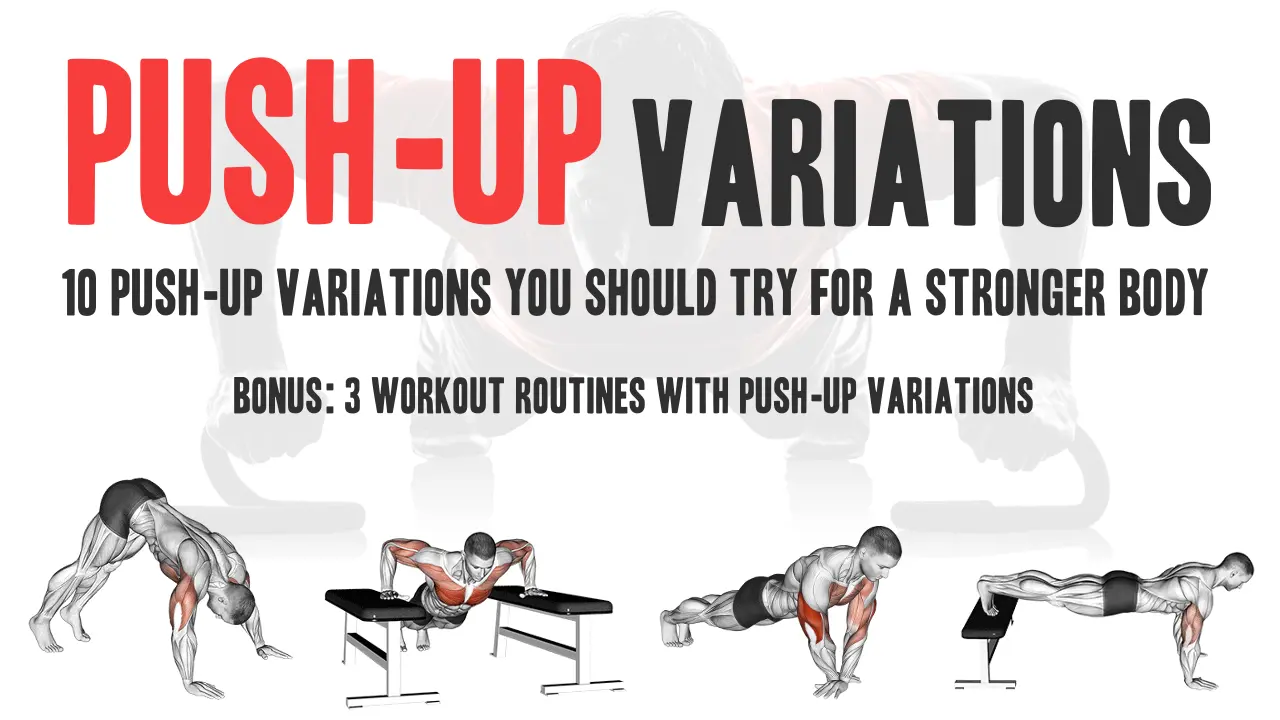
Different push-up variations target muscles in slightly different ways, and modify the intensity. This allows individuals to progressively challenge themselves while keeping the exercise safe and effective.
| Variation | Description | Benefits |
|---|---|---|
| Incline Push-ups | Performed on an elevated surface like a bench or a table. | Reduces the intensity, making it easier for beginners and individuals recovering from injuries. Excellent for building strength gradually. |
| Decline Push-ups | Performed with the hands on an elevated surface and feet on the ground. | Increases the intensity, challenging advanced users. Excellent for targeting the upper chest and shoulders. |
| Clap Push-ups | Performed by clapping the hands in the air during the upward movement. | Increases the difficulty, enhancing explosive power and core engagement. Requires more strength and coordination. |
| Diamond Push-ups | Performed with hands close together, forming a diamond shape under the chest. | Focuses on the triceps, increasing the challenge for intermediate and advanced users. |
| Wide-Grip Push-ups | Performed with hands positioned wider than shoulder-width apart. | Targets the chest muscles more extensively. Requires greater shoulder stability. |
| Knee Push-ups | Performed with knees on the ground, maintaining a straight line from head to heels. | Reduces the intensity, making it suitable for beginners and individuals with less upper body strength. Good for building a foundation of strength. |
Modifications for Different Fitness Levels
Adapting push-ups to different fitness levels is vital for safety and effectiveness. Individuals can modify push-ups to make them easier or more challenging.
| Modification | Description |
|---|---|
| Incline Push-ups | Use a bench or elevated surface for support. This reduces the load on the chest muscles, making it easier to maintain proper form. |
| Knee Push-ups | Perform push-ups with knees on the ground. This reduces the overall intensity, making the exercise more manageable. |
Incline Push-Up Guide
The incline push-up is an excellent modification for beginners. It helps in building strength and developing proper form before progressing to standard push-ups.
- Find a stable elevated surface, such as a bench or a sturdy chair.
- Position your hands shoulder-width apart on the elevated surface.
- Maintain a straight line from head to heels, keeping your core engaged.
- Lower your body until your chest nearly touches the elevated surface.
- Push back up to the starting position.
- Repeat the movement for the desired number of repetitions.
Modifications for Specific Needs
Certain individuals may have specific needs that require modifications to push-ups.
| Modification | Description |
|---|---|
| Shoulder Issues | Avoid push-up variations that exacerbate shoulder pain. Consider incline push-ups or knee push-ups to reduce stress on the shoulders. Consult a physical therapist for tailored exercises. |
| Wrist Problems | Avoid push-up variations that put excessive strain on the wrists. Modify to incline or knee push-ups or consider alternative exercises. Consult a physician for appropriate treatment. |
Progression and Building Strength
Mastering the push-up requires a structured approach to gradually increase strength and endurance. A well-designed progression plan is essential to avoid injury and maximize results. This involves understanding the importance of rest, recovery, and proper form throughout the journey. Implementing progressive overload and smart variations ensures sustainable improvement.
Gradual Difficulty Increase
Progressive overload is the key to building strength in push-ups. This involves incrementally increasing the demands placed on your muscles over time. Begin with easier variations, such as incline push-ups, and gradually decrease the support until you can perform standard push-ups. Focus on maintaining proper form throughout this process. Experimenting with different variations, like knee push-ups, allows you to target specific muscle groups and gradually increase the challenge.
Sample Workout Plan for Building Push-up Strength
This sample plan Artikels a structured approach to building push-up strength. It’s crucial to listen to your body and adjust the plan as needed.
- Week 1-2: Focus on mastering proper form with incline push-ups (hands on a raised surface). Aim for 3 sets of as many repetitions (AMRAP) as possible, with good form being the priority. Rest 60-90 seconds between sets.
- Week 3-4: Transition to knee push-ups. Continue 3 sets of AMRAP, maintaining proper form. Increase the number of repetitions as your strength improves. Rest 60-90 seconds between sets.
- Week 5-6: Gradually decrease the support for knee push-ups, progressing towards standard push-ups. Focus on maintaining a controlled descent and ascent. Aim for 3 sets of 5-8 repetitions, or as many repetitions as possible with good form. Rest 90-120 seconds between sets.
- Week 7-8: Continue standard push-ups, aiming for 3 sets of 8-12 repetitions. Increase the sets as your strength improves. Rest 90-120 seconds between sets.
- Week 9 onwards: Increase the sets or repetitions gradually, or incorporate advanced push-up variations like decline push-ups, or clapping push-ups. Maintain proper form and listen to your body.
Importance of Rest and Recovery
Adequate rest and recovery are crucial for muscle growth and strength gains. Muscles repair and rebuild during rest periods. Insufficient rest can lead to overtraining, injury, and decreased performance. Aim for 7-9 hours of sleep per night, and incorporate rest days into your workout schedule to allow your muscles to recover. Prioritizing recovery ensures you can push yourself harder in subsequent workouts without risk of injury.
Strategies for Preventing Injuries During Push-up Progression
Proper warm-up and cool-down are essential before and after each workout session. Starting with light cardio and dynamic stretches (arm circles, shoulder rotations) prepares the muscles for the workout. A cool-down consisting of static stretches (holding stretches for 15-30 seconds) helps to reduce muscle soreness and improve flexibility. A proper form is paramount. If pain occurs, stop the exercise and consult a healthcare professional.
Sample Progression Chart
A sample chart to track your progress is presented below:
| Week | Exercise | Sets | Reps | Rest (minutes) |
|---|---|---|---|---|
| 1-2 | Incline Push-ups | 3 | AMRAP | 1-1.5 |
| 3-4 | Knee Push-ups | 3 | AMRAP | 1-1.5 |
| 5-6 | Standard Push-ups | 3 | 5-8 | 1.5-2 |
| 7-8 | Standard Push-ups | 3 | 8-12 | 1.5-2 |
| 9 onwards | Standard Push-ups/Variations | 3-4 | 12+ | 1.5-2 |
Benefits and Considerations
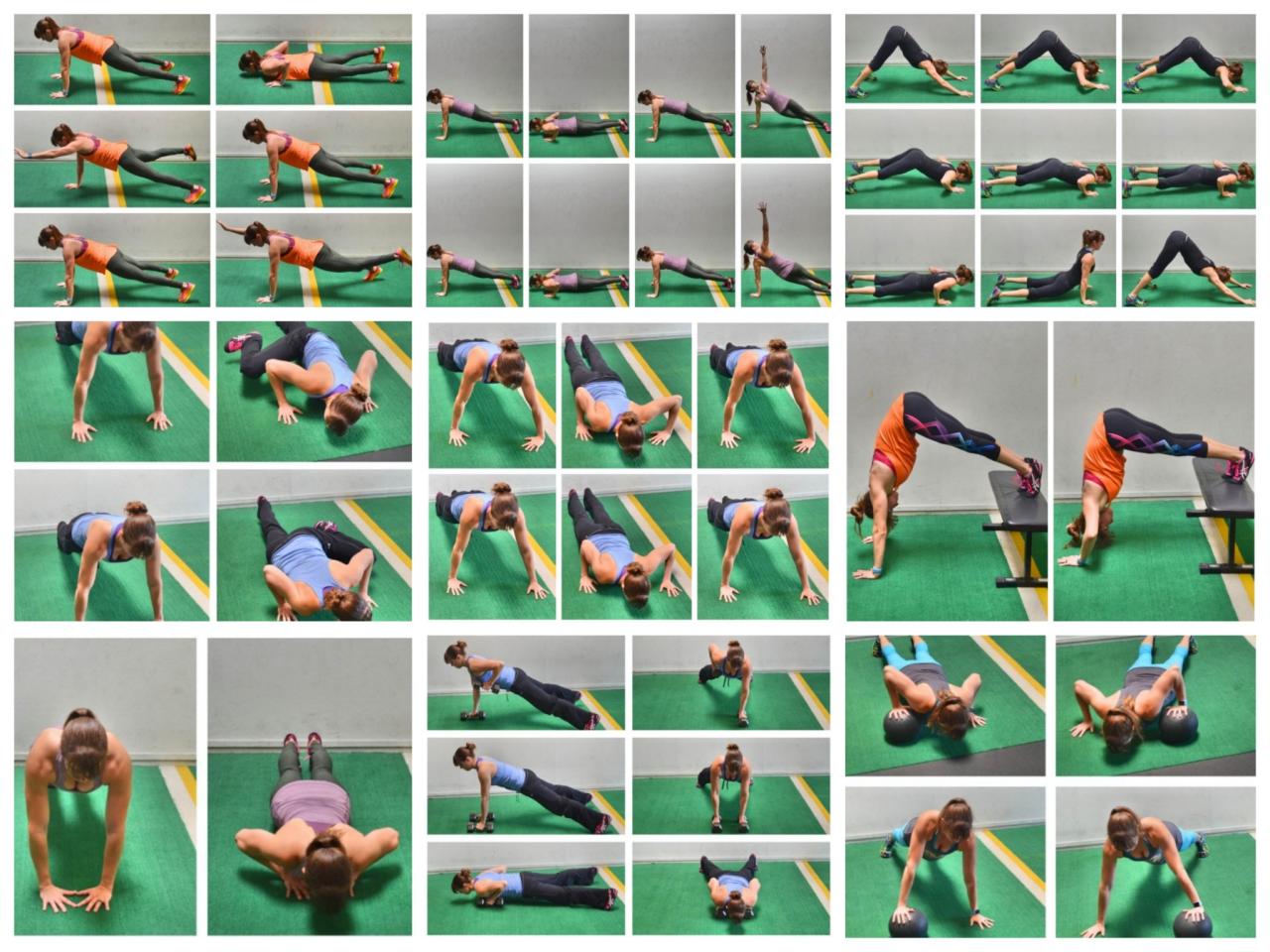
Push-ups, a fundamental bodyweight exercise, offer a multitude of physical and mental advantages. Beyond their effectiveness in strengthening core muscles and upper body, they contribute significantly to overall fitness and well-being. This section will delve into the advantages of push-ups, the importance of warm-up and cool-down routines, their role in comprehensive fitness, precautions for individuals with specific health conditions, and strategies for determining appropriate intensity levels.Understanding the multifaceted benefits of push-ups is crucial for maximizing their effectiveness and minimizing potential risks.
Proper warm-up and cool-down procedures are essential to prevent injuries and optimize performance. This section emphasizes these factors and provides tailored guidance for individuals with various needs and health conditions.
Physical Benefits of Push-ups
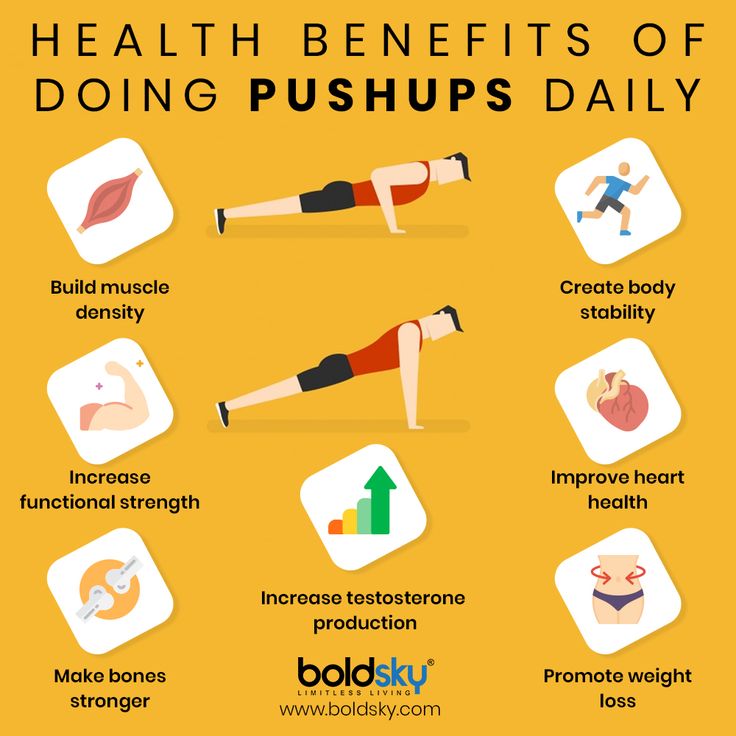
Push-ups effectively target multiple muscle groups, including the pectorals, triceps, shoulders, and core. This comprehensive muscle engagement contributes to improved upper body strength, endurance, and definition. Furthermore, the stabilization required during push-ups strengthens core muscles, enhancing posture and reducing the risk of back pain. Improved cardiovascular health is also a notable benefit, as push-ups increase heart rate and blood flow.
Mental Benefits of Push-ups
Beyond the physical improvements, push-ups can have a positive impact on mental well-being. The act of pushing through exertion releases endorphins, natural mood boosters, which can alleviate stress and anxiety. The sense of accomplishment achieved after completing a set of push-ups fosters a positive self-image and boosts self-confidence.
Importance of Warm-up and Cool-down Routines
Adequate warm-up routines prepare the muscles for the demands of exercise. A dynamic warm-up, involving arm circles, shoulder rotations, and light cardio, increases blood flow to the muscles, reducing the risk of injury. A proper cool-down, comprising static stretches that hold each stretch for 15-30 seconds, allows the muscles to gradually return to their resting state, preventing stiffness and soreness.
Role of Push-ups in Overall Fitness
Push-ups are a valuable component of a well-rounded fitness program. They contribute to improved strength, endurance, and cardiovascular health. By incorporating push-ups into a routine that includes other exercises like squats and lunges, individuals can achieve comprehensive physical fitness.
Precautions for Individuals with Specific Health Conditions
Certain health conditions may necessitate modifications or complete avoidance of push-ups. Individuals with shoulder injuries, wrist problems, or severe back pain should consult a healthcare professional before incorporating push-ups into their routine. Those with cardiovascular issues should start with fewer repetitions and gradually increase the intensity.
Determining the Right Intensity Level
The optimal intensity level for push-ups varies based on individual fitness levels and goals. Beginners should start with as many repetitions as possible with good form, gradually increasing the number of repetitions or sets as strength improves. Experienced individuals can challenge themselves by using variations like incline or decline push-ups. Monitoring exertion and adjusting intensity according to perceived exertion is key.
Listening to the body is crucial, avoiding pushing through pain. Adjusting intensity allows for progress without compromising safety.
Common Mistakes and How to Avoid Them
Understanding common push-up mistakes is crucial for achieving proper form and maximizing the benefits of this exercise. Incorrect form can lead to injuries and hinder progress. By identifying and correcting these errors, individuals can perform push-ups safely and effectively, building strength and improving overall fitness.
Identifying Common Form Errors
A key to successful push-up execution lies in recognizing and understanding common errors. These mistakes often stem from a lack of proper alignment, insufficient core engagement, or inadequate understanding of the exercise’s mechanics. Recognizing these errors allows for targeted correction, leading to better form and reduced risk of injury.
Incorrect Wrist Position
Incorrect wrist position is a frequent mistake in push-up execution. This often results in discomfort, pain, and potential wrist injuries. Maintaining a neutral wrist position is essential for proper form and avoids unnecessary strain on the wrist joint. The wrists should be in line with the elbows and shoulders, avoiding bending or extending them excessively.
Incorrect Shoulder Position
Poor shoulder positioning is another common error, often causing discomfort and hindering the effectiveness of the push-up. Maintaining proper shoulder position involves keeping the shoulders aligned with the elbows and wrists. Avoiding hunching or rounding the shoulders is critical for maintaining a stable and controlled movement. Excessive rounding can place undue stress on the shoulder joints.
Inaccurate Elbow Position
Incorrect elbow positioning during push-ups can lead to shoulder strain or injury. Maintaining an appropriate angle between the elbows and body is vital. Elbows should track downward, rather than flaring outward, maintaining a controlled and safe movement.
Insufficient Core Engagement
Lack of core engagement during push-ups can lead to improper form and reduced effectiveness. Actively engaging the core muscles during the exercise helps stabilize the body, maintain proper alignment, and maximize the use of the chest, shoulder, and triceps muscles. This ensures that the movement is controlled and focused on the targeted muscle groups.
Incorrect Foot Placement
Foot placement plays a vital role in maintaining balance and stability during push-ups. Proper foot placement involves placing the feet together or slightly apart, depending on individual comfort and stability. Ensuring a solid base is crucial for maintaining alignment and minimizing the risk of injury.
Solutions for Common Mistakes
To correct these common mistakes, a structured approach is necessary. By focusing on the described adjustments, individuals can achieve proper push-up form.
- Incorrect Wrist Position: Ensure wrists are in line with elbows and shoulders. If experiencing discomfort, modify the exercise by using a slightly elevated surface, such as a bench or pillow, for the hands. This helps maintain a more neutral wrist position.
- Incorrect Shoulder Position: Focus on maintaining shoulder blades drawn down and back throughout the exercise. Visualizing pulling the shoulders down and away from the ears can help achieve proper alignment. Squeezing shoulder blades together can aid in stability.
- Inaccurate Elbow Position: Practice keeping elbows close to the body throughout the movement. Visualize the elbows tracking downward rather than flaring outwards. This ensures the proper use of the target muscles.
- Insufficient Core Engagement: Engage core muscles by drawing the navel toward the spine. Maintaining a tight core throughout the exercise improves stability and control.
- Incorrect Foot Placement: Adjust foot placement to a comfortable and stable position. A slight separation of the feet can provide a more secure base. Experiment with different placements to find the best option.
Safety Precautions and Injury Prevention
Proper push-up form is crucial for effectiveness and injury avoidance. However, even with perfect technique, the potential for injury exists. This section Artikels safety measures to minimize risk and maximize the benefits of this exercise. Understanding and implementing these precautions can significantly enhance your push-up experience.Careful attention to warm-up, cool-down, and proper progression is essential for preventing injuries.
Pushing yourself too hard can lead to strain and pain. Recognizing and addressing discomfort early on is vital for avoiding long-term problems.
Importance of Proper Warm-up and Cool-down
A thorough warm-up prepares your muscles and joints for the stress of exercise, reducing the risk of strains and tears. A dynamic warm-up, involving movements that mimic push-up motions, such as arm circles, shoulder rotations, and chest stretches, prepares the muscles for the exertion required. A cool-down, including static stretches of the chest, shoulders, and triceps, helps to gradually return your body to a resting state, preventing stiffness and soreness.
Failure to adequately warm up and cool down can lead to muscle soreness, strains, and even joint pain.
Risks of Pushing Yourself Too Hard
Pushing beyond your current physical capacity can lead to various injuries. Overexertion can strain muscles, leading to pain and delayed-onset muscle soreness (DOMS). It can also cause joint pain, particularly in the shoulders, elbows, and wrists. Gradually increasing the number of repetitions, sets, or the difficulty of the variation is key. Avoid pushing yourself too quickly; listen to your body, and adjust your workout plan accordingly.
Recognizing and Addressing Pain or Discomfort
Recognizing pain or discomfort during a push-up is crucial for injury prevention. Sharp, sudden pain warrants immediate cessation of the exercise. Persistent or aching pain, even if not sharp, should be heeded. Adjusting your form, reducing the number of repetitions, or taking a break is recommended. If pain persists, consult a healthcare professional to rule out any underlying conditions.
Do not ignore pain; it’s a sign that something is wrong.
Avoiding Injuries Associated with Incorrect Form
Incorrect form during push-ups can lead to a variety of injuries. For example, a rounded back during push-ups puts undue stress on the lower back. A poor wrist position can cause wrist pain or injury. Maintaining proper alignment, particularly in the spine and wrists, is critical. Refer to the previous section on proper form and alignment for specific details.
Consistent adherence to proper form minimizes injury risks.
Safe Progression from Easier to More Difficult Variations
Progressive overload is a key principle in strength training. Gradually increasing the difficulty of the push-up variations is crucial for avoiding injuries and building strength safely. Start with easier variations, such as incline push-ups against a wall or elevated surface, and gradually progress to more challenging variations like decline push-ups or clap push-ups. This systematic progression allows your body to adapt and avoid sudden increases in stress on your muscles and joints.
Rushing this progression is counterproductive and potentially dangerous.
Final Review
This guide has equipped you with the knowledge to perform push-ups with optimal form, safety, and effectiveness. Remember to prioritize proper alignment, gradual progression, and safety precautions. By consistently practicing the techniques Artikeld, you can build strength, improve your overall fitness, and enjoy the numerous benefits of this fundamental exercise. This guide has provided a comprehensive approach, enabling you to master push-ups confidently and safely.