Medicine balls are versatile fitness tools that can elevate your workouts to new heights. This comprehensive guide provides a thorough overview of medicine ball exercises, from beginner-friendly routines to advanced techniques. We’ll explore the various types of medicine balls, the benefits they offer, and crucial safety considerations. Whether you’re a seasoned athlete or just starting your fitness journey, this guide will equip you with the knowledge and resources to maximize your medicine ball workouts.
We’ll delve into different exercises, explaining proper form and technique, and highlighting the muscle groups targeted. You’ll discover how to select the right medicine ball weight and size for your needs. The guide also includes workouts tailored to specific fitness goals, offering examples of full-body routines. Furthermore, you’ll learn essential safety precautions and common mistakes to avoid, ensuring a safe and effective workout experience.
Introduction to Medicine Balls
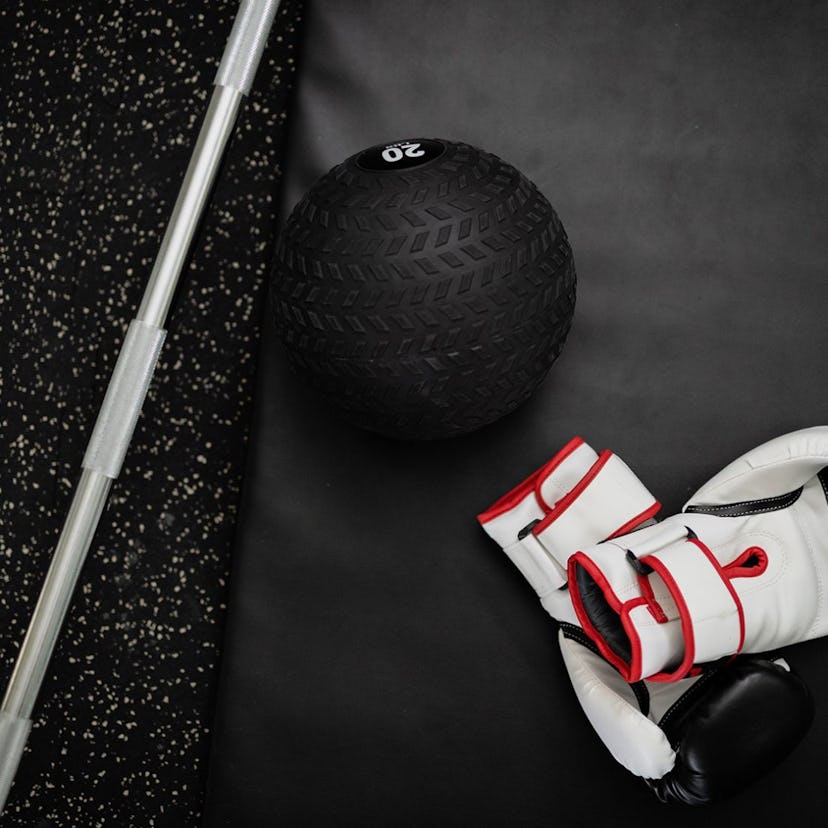
A medicine ball is a weighted ball used in various exercises, primarily focusing on improving strength, power, and overall fitness. It’s a versatile piece of equipment that can be integrated into a wide range of workout routines, from strength training to rehabilitation. Its unique design encourages core engagement and dynamic movements, leading to enhanced athletic performance.The core function of a medicine ball is to provide resistance during exercises, challenging the user to work harder and develop greater strength and power.
Its weight, shape, and material all contribute to the specific benefits it offers. Different weights and materials cater to diverse fitness levels and exercise goals.
Types of Medicine Balls
Medicine balls come in various forms, each with its own characteristics. The primary distinction lies in the weight and the material used. Weighted medicine balls are available in different weight classes, typically ranging from 2 to 20 pounds or more. This variety allows users to gradually increase the challenge as they progress. Weighted rubber medicine balls are commonly used for their durability and resilience.
They provide a good balance of weight and flexibility. Other types include leather and plastic medicine balls, offering distinct features and benefits.
Medicine Ball Exercise Benefits
Using medicine balls in exercise routines offers a range of advantages. They enhance core strength and stability, crucial for maintaining balance and preventing injuries. The dynamic movements required with medicine balls promote power development, leading to improved athletic performance in activities requiring explosive movements. Medicine balls also contribute to better coordination and proprioception, increasing awareness of body position and movement.
Medicine Ball Materials Comparison
Different materials used for medicine balls exhibit various characteristics that influence their suitability for different users and exercises. The table below highlights the advantages and disadvantages of common medicine ball materials.
| Material | Pros | Cons |
|---|---|---|
| Rubber | Durable, resilient, and often more affordable than other materials. Provides a good grip during exercises. Offers a bouncy feel, enhancing certain exercises like throws and catches. | May not be as aesthetically pleasing as other materials. Can get sweaty or slippery during intense workouts if not properly maintained. |
| Leather | Provides a firm grip, particularly helpful for users with sweaty hands. Often considered more aesthetically pleasing than rubber. | Can be more expensive than rubber. Leather can be less durable than rubber and more prone to wear and tear, especially if subjected to extreme force or neglect. |
| Plastic | Lightweight and often affordable. Can be easily cleaned and maintained. Usually comes in various vibrant colors, which can be motivating for exercise routines. | Can be less durable than rubber or leather. May feel less responsive or bouncy compared to rubber. Might not provide as secure a grip as leather. |
Basic Medicine Ball Exercises
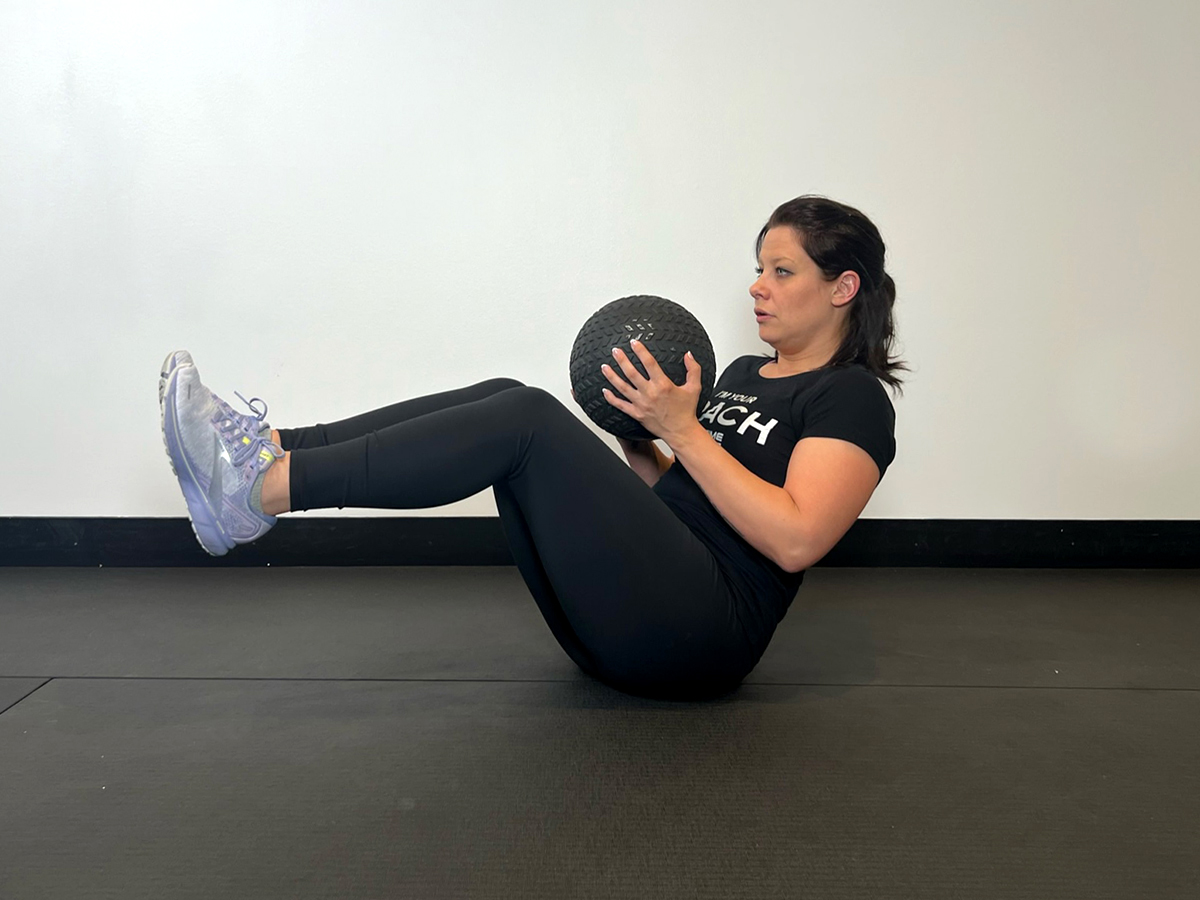
Medicine balls offer a dynamic and effective way to enhance strength, power, and coordination. These versatile tools can be incorporated into various fitness routines, targeting multiple muscle groups simultaneously. This section will detail five fundamental exercises suitable for beginners, focusing on proper form and technique.Understanding the correct form and technique for each exercise is crucial for maximizing benefits and minimizing the risk of injury.
Consistent practice, coupled with proper form, will lead to improvements in strength, power, and overall fitness.
Fundamental Medicine Ball Exercises for Beginners
These exercises are designed for individuals new to medicine ball training, providing a solid foundation for more advanced movements. Each exercise focuses on key muscle groups, enhancing strength and coordination.
- Medicine Ball Chest Pass: This exercise effectively targets the chest, shoulders, and triceps. Stand with feet shoulder-width apart, holding the medicine ball in front of your chest. Extend your arms, passing the ball overhead to a partner. Return the ball to your chest with controlled movements. Proper form involves maintaining a straight back and avoiding jerking movements.
The chest muscles drive the upward movement, while the triceps and shoulders support the extension and control.
- Medicine Ball Squat: This exercise engages the quads, glutes, and hamstrings. Hold the medicine ball in front of your chest. Lower your body into a squat position, ensuring your knees remain aligned with your toes. Maintain a straight back and engage your core muscles. Push through your heels to return to the starting position.
This exercise strengthens lower body muscles and improves balance.
- Medicine Ball Overhead Throw: This exercise targets the shoulders, back, and core. Stand with feet shoulder-width apart, holding the medicine ball above your head. Rotate your torso and throw the ball with power to a partner. Control the ball as it returns to you. This exercise develops shoulder stability, back strength, and core engagement.
- Medicine Ball Woodchop: This exercise strengthens the obliques, shoulders, and back muscles. Stand with feet shoulder-width apart, holding the medicine ball in front of your chest. Swing the ball diagonally across your body from one side to the other, engaging your core and shoulder muscles. This exercise targets rotational movements and improves core stability.
- Medicine Ball Russian Twists: This exercise primarily targets the abdominal muscles, including the obliques. Sit on the floor with knees bent and feet flat on the ground. Hold the medicine ball in front of your chest. Lean back slightly and twist your torso from side to side, maintaining a stable core. This exercise improves core strength and stability.
Targeted Muscle Groups
The following table Artikels the muscle groups engaged in each of the exercises discussed.
| Exercise | Targeted Muscle Groups |
|---|---|
| Medicine Ball Chest Pass | Chest, Shoulders, Triceps |
| Medicine Ball Squat | Quads, Glutes, Hamstrings |
| Medicine Ball Overhead Throw | Shoulders, Back, Core |
| Medicine Ball Woodchop | Obliques, Shoulders, Back |
| Medicine Ball Russian Twists | Abdominals (including obliques) |
Intermediate Medicine Ball Exercises

Intermediate medicine ball exercises build upon the foundational movements, incorporating more complex variations and increased resistance. These exercises enhance strength, power, and coordination, preparing users for more advanced training. They are designed for individuals who have a solid understanding of proper form and are comfortable with basic medicine ball exercises.
Intermediate Medicine Ball Exercise Variations
This section details five intermediate medicine ball exercises, outlining their variations, progressions, benefits, and challenges. Each exercise is presented with a focus on proper form and technique.
| Exercise | Difficulty | Targeted Muscle Groups |
|---|---|---|
| Medicine Ball Slams | Intermediate | Shoulders, core, legs, and back. |
| Medicine Ball Chest Passes | Intermediate | Shoulders, chest, and core. |
| Medicine Ball Woodchoppers | Intermediate | Obliques, back, and shoulders. |
| Medicine Ball Rotational Throws | Intermediate | Core, shoulders, and hips. |
| Medicine Ball Lunges | Intermediate | Quads, glutes, hamstrings, and core. |
Medicine Ball Slams
Medicine ball slams involve a powerful throwing motion that targets the entire body. Variations include altering the height of the throw, the angle of the throw, and the number of repetitions. Progressions involve gradually increasing the weight of the medicine ball and the intensity of the slams. The benefits of medicine ball slams include improved explosive power, core strength, and overall athleticism.
Challenges can include maintaining proper form to avoid injury and the need for a safe space to execute the exercise. For instance, slamming a medicine ball against a wall or into a soft target can reduce the risk of injury.
Medicine Ball Chest Passes
Medicine ball chest passes involve throwing the ball to a partner or wall and catching it with the chest. Variations include different angles of throws, partner-assisted passes, and alternating arms. Progressions involve increasing the weight of the medicine ball, distance of throws, and speed of the exercise. Benefits include improved shoulder stability, chest strength, and coordination. Challenges include maintaining a controlled release and catch, and ensuring a safe throwing environment.
Medicine Ball Woodchoppers
Medicine ball woodchoppers are dynamic exercises that target the obliques and back muscles. Variations involve altering the angle of the torso, and the height of the swing. Progressions involve increasing the weight of the medicine ball and the range of motion. Benefits include improved core stability, back strength, and rotational power. Challenges include maintaining proper posture and avoiding twisting injuries.
Medicine Ball Rotational Throws
Medicine ball rotational throws emphasize core engagement and shoulder stability. Variations include throwing to a target, throwing over a shoulder, or with a partner. Progressions involve increasing the weight of the medicine ball and the distance of the throws. Benefits include improved core strength, shoulder mobility, and overall athleticism. Challenges can include maintaining a stable core and throwing accurately.
Medicine Ball Lunges
Medicine ball lunges combine a traditional lunge with the addition of a medicine ball. Variations include alternating legs, adding a twist with the medicine ball, or incorporating a jump. Progressions involve increasing the weight of the medicine ball, the range of motion of the lunge, and adding a jump. Benefits include improved leg strength, balance, and core stability.
Challenges include maintaining balance and ensuring proper form during the exercise. Proper technique is crucial to avoid knee pain or injury.
Advanced Medicine Ball Exercises
Mastering medicine ball exercises demands a high level of strength, coordination, and stability. This section delves into advanced techniques and variations, suitable for individuals with a solid foundation in medicine ball training. These exercises push the limits of the body’s capabilities, promoting significant improvements in power, explosiveness, and core strength.
Advanced Medicine Ball Throws
This section Artikels advanced medicine ball throws, demanding exceptional coordination and explosive power. These exercises focus on developing power output and improving dynamic stability. The increased complexity necessitates proper form and a gradual progression from basic to advanced variations.
- Medicine Ball Overhead Slam: This exercise involves a powerful overhead slam of the medicine ball from a staggered stance. The emphasis is on generating maximal power through the hips and core, followed by a controlled return to the starting position. Variations include different hand placements for adjusting the target area and rotational variations. Proper form is critical to prevent injuries.
The potential benefits include enhanced explosive power and core strength. Potential risks include shoulder and wrist injuries if form is compromised. Focus on maintaining a neutral spine throughout the movement.
- Medicine Ball Chest Pass with Rotation: This advanced exercise involves a dynamic chest pass combined with a rotational movement. The medicine ball is passed overhead to a partner while simultaneously rotating the torso. The exercise enhances core stability, shoulder mobility, and rotational power. Variations include incorporating different pass trajectories (high or low) and the incorporation of jumps during the pass. Proper form is vital for preventing shoulder injuries and maintaining a controlled movement.
The benefits include improved rotational power, core strength, and shoulder mobility. Potential risks include shoulder impingement or strains if form is compromised.
- Medicine Ball Russian Twists with Jump: This exercise enhances rotational power and explosive strength. Holding the medicine ball, perform Russian twists while incorporating a jump. The jump introduces an element of explosive power, significantly increasing the demand on the core and shoulder girdle. Variations include using different medicine ball weights and incorporating different jump heights. Maintaining proper form is essential for preventing lower back injuries.
The benefits include increased rotational power, core strength, and explosive power. Potential risks include lower back pain if form is compromised.
Advanced Medicine Ball Slams and Throws
This section highlights advanced medicine ball slams and throws that emphasize power, control, and precision. The focus is on achieving optimal form to maximize the benefits while minimizing risks.
- Medicine Ball Slams with Plyometric Jumps: This exercise integrates medicine ball slams with plyometric jumps, increasing the intensity and demands on the body. The medicine ball is slammed to the ground, and the individual performs a plyometric jump immediately after the slam. This exercise enhances explosive power, strength, and agility. Variations include altering the type of jump and the timing of the slam to the jump.
Proper form is critical to avoid injuries. The potential benefits include enhanced explosive power, strength, and agility. Potential risks include injuries to the knees and ankles if form is compromised. Prior plyometric experience is highly recommended.
- Medicine Ball Throws to Targets: This exercise emphasizes precision and accuracy in medicine ball throws. The thrower aims for specific targets while maintaining form. Variations include incorporating different target distances and the use of multiple targets. The exercise improves hand-eye coordination, accuracy, and reaction time. The benefits include improved hand-eye coordination, accuracy, and reaction time.
Potential risks include injuries to the shoulder and wrist if the form is not maintained or the throw is performed with excessive force.
Exercise Comparison
| Exercise | Complexity | Impact |
|---|---|---|
| Medicine Ball Overhead Slam | High | Explosive Power, Core Strength |
| Medicine Ball Chest Pass with Rotation | High | Rotational Power, Core Stability |
| Medicine Ball Russian Twists with Jump | High | Rotational Power, Explosive Strength |
| Medicine Ball Slams with Plyometric Jumps | Very High | Explosive Power, Strength, Agility |
| Medicine Ball Throws to Targets | Medium-High | Hand-Eye Coordination, Accuracy |
Medicine Ball Workouts for Specific Goals
Medicine balls offer a versatile training tool adaptable to various fitness objectives. This section details workouts tailored for weight loss, strength building, and core development, providing practical examples and sample routines for different fitness levels. Understanding how to integrate medicine balls into existing routines will further enhance workout effectiveness.Effective medicine ball workouts are highly customizable, allowing for adjustments based on individual goals and fitness levels.
This adaptability makes medicine balls a valuable asset for both beginners and experienced athletes seeking to challenge their bodies in new ways.
Weight Loss Workouts
These workouts focus on calorie expenditure and metabolic rate elevation. Combining cardio-based exercises with strength training movements using medicine balls will significantly increase calorie burn. The high intensity and varied movements challenge the body’s energy systems, promoting fat burning.
- Cardio Burst Intervals: Alternate between high-intensity medicine ball exercises like chest passes, slams, and throws, and short bursts of cardio such as running or jumping jacks. This method maximizes calorie expenditure and improves cardiovascular health. For example, 30 seconds of medicine ball slams followed by 30 seconds of high knees. Repeat for 10-15 minutes.
- Circuit Training: Design a circuit incorporating medicine ball exercises such as squats with medicine ball throws, lunges with overhead medicine ball presses, and burpees with medicine ball twists. This approach maximizes calorie burning and improves overall fitness. Repeat the circuit for 3-4 rounds, with short rest periods between exercises.
Strength Training Workouts
These workouts focus on building muscle mass and enhancing strength using the medicine ball’s resistance. By increasing the intensity of exercises, participants can achieve significant strength gains.
- Compound Exercises: Incorporate medicine ball exercises into compound movements like squats, deadlifts, and bench presses. For example, add medicine ball slams or throws after each set of squats to add extra resistance and engagement of upper body muscles.
- Progressive Overload: Gradually increase the weight of the medicine ball or the intensity of the exercises to progressively challenge the muscles and drive strength gains. This approach allows for continuous improvement in strength and power output.
Core Strengthening Workouts
These workouts target the abdominal, back, and oblique muscles, enhancing core stability and improving posture. The unpredictable nature of medicine ball movements forces the core to constantly engage and stabilize.
- Plank Variations: Combine medicine ball exercises such as medicine ball twists or side planks with medicine ball holds, to increase the intensity and challenge core stability.
- Rotational Exercises: Incorporate rotational movements like medicine ball slams, wood chops, and Russian twists. These exercises are excellent for strengthening oblique muscles and improving core rotation.
Full-Body Workouts with Medicine Balls
Full-body workouts utilizing medicine balls provide a comprehensive approach to fitness. By combining strength training, cardio, and core exercises, participants can achieve significant results.
- Example Workout A: Begin with warm-up exercises, followed by a circuit of medicine ball squats, medicine ball chest passes, and medicine ball slams. Complete 3 rounds, with short rest periods between exercises. Cool down with stretching. This routine incorporates strength, cardio, and core elements.
- Example Workout B: Perform a combination of medicine ball rotational exercises, such as wood chops and Russian twists, alternating with plyometric exercises like medicine ball jumps. Complete 3 rounds with short rest periods. This routine combines core strength with explosive movements.
Incorporating Medicine Balls into Existing Routines
Medicine balls can be seamlessly integrated into existing workout routines. By replacing or supplementing existing exercises with medicine ball variations, you can increase intensity and challenge your muscles in new ways.
- Exercise Substitution: Replace traditional dumbbell or barbell exercises with medicine ball alternatives. For example, substitute dumbbell rows with medicine ball rows to introduce a new dynamic.
- Exercise Augmentation: Add medicine ball exercises to the end of your current routine. This could include adding medicine ball throws or slams to your existing strength training regimen, or including medicine ball twists as a core exercise.
Safety Considerations and Precautions
Proper safety precautions are paramount when incorporating medicine balls into your fitness routine. Understanding potential risks and implementing appropriate strategies will help you maximize the benefits while minimizing the chances of injury. Choosing the right weight and understanding common mistakes are crucial for a safe and effective workout.Safe exercise is not just about avoiding injury; it’s about maximizing the positive impact of your workout.
Following these safety guidelines will ensure you derive the full benefits of using a medicine ball while mitigating any potential harm.
Selecting the Appropriate Medicine Ball Weight
Choosing the right medicine ball weight is essential for both effectiveness and safety. The weight should align with your current fitness level and strength. Overexertion can lead to injuries, while a ball that is too light will not provide sufficient resistance for effective training.A good starting point is to select a medicine ball that allows you to perform the exercises with good form and controlled movements.
If you are new to medicine ball training, starting with a lighter weight is recommended. As your strength and technique improve, you can gradually increase the weight. It’s important to listen to your body and adjust the weight accordingly.
Potential Injuries and Prevention
Using medicine balls, like any strenuous activity, carries the risk of injuries if proper precautions are not taken. Common injuries associated with medicine ball exercises include wrist strains, shoulder injuries, and back problems.To prevent these injuries, maintain proper form throughout each exercise. Warm-up adequately before each workout to prepare your muscles and joints for the activity. Gradually increase the intensity and complexity of your exercises to avoid overexertion.
Listen to your body and stop if you experience any pain. Proper warm-up, cool-down, and a consistent progression of difficulty are key to injury prevention. Consider consulting with a qualified healthcare professional for personalized advice.
Common Mistakes to Avoid
Understanding and avoiding common mistakes is crucial for safe and effective medicine ball workouts. These mistakes can lead to injuries or hinder progress.
- Improper Form: Maintaining correct form is paramount. Incorrect form can put undue stress on joints and muscles, increasing the risk of injury. Focus on controlled movements and proper posture throughout each exercise. Ensure you are engaging the appropriate muscles and maintaining alignment.
- Insufficient Warm-up: Skipping a proper warm-up can significantly increase the risk of injury. A comprehensive warm-up should prepare the muscles and joints for the dynamic movements involved in medicine ball exercises. Include dynamic stretches and light cardio to prepare your body for the workout.
- Overexertion: Pushing yourself beyond your limits can lead to injuries. Gradually increase the intensity and complexity of your exercises to avoid overexertion. Start with lighter weights and fewer repetitions, gradually increasing as your strength and technique improve.
- Ignoring Pain Signals: Disregarding pain signals can lead to serious injuries. If you experience any pain during an exercise, stop immediately. Pain is a warning sign that something is wrong, and ignoring it can lead to more significant problems down the line.
Medicine Ball Variations and Equipment
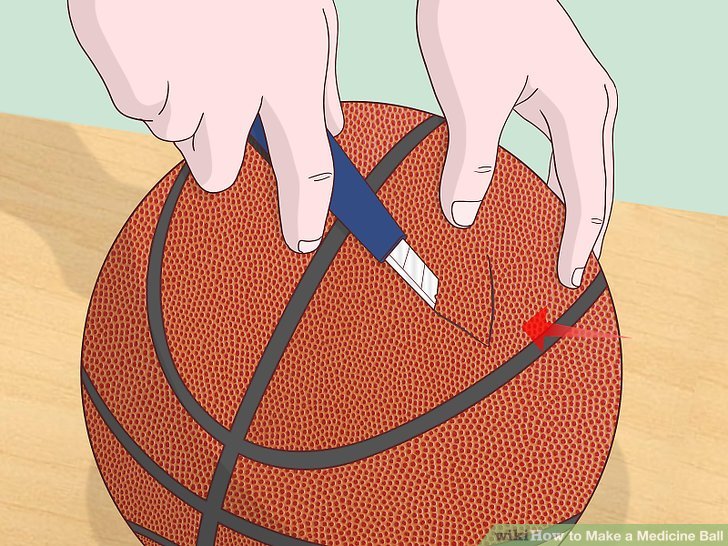
Medicine balls offer a wide array of exercise possibilities, but their effectiveness can be enhanced by understanding different variations and considering complementary equipment. This section explores various medicine ball techniques and alternative tools, highlighting their benefits and drawbacks to help you optimize your workouts.
Medicine Ball Variations
Different medicine ball variations target specific muscle groups and movement patterns. Understanding these variations can significantly impact the effectiveness and safety of your training.
- Medicine Ball Slams:
- Medicine Ball Throws:
- Medicine Ball Rotations:
- Medicine Ball Lunges:
This dynamic exercise combines explosive power with controlled movement. It involves throwing the medicine ball against a surface and catching it. Medicine ball slams work multiple muscle groups, including the shoulders, back, core, and legs, while improving power and coordination. Proper form is crucial to avoid injury.
These exercises come in many forms, including chest passes, overhead throws, and lateral throws. These throws engage different muscle groups depending on the direction and target, promoting strength, power, and stability. Proper technique, focusing on controlled movement and balanced exertion, is vital.
These involve twisting movements with the medicine ball, targeting the core and oblique muscles. This exercise is essential for improving core strength and stability. Consistency in form is crucial to achieve maximum benefit.
This exercise combines the power of a medicine ball with the functional benefit of a lunge. Holding a medicine ball can engage your core more effectively during the lunge, helping you maintain balance and stability. This combination helps you strengthen multiple muscle groups, and proper technique is vital to maximize benefits and minimize injury risk.
Alternative Equipment
While medicine balls are versatile, other equipment can complement and enhance your workouts. These include resistance bands, kettlebells, and weighted vests.
- Resistance Bands:
- Kettlebells:
- Weighted Vests:
These can provide variable resistance, allowing for controlled movements and focused strengthening. They’re useful for isolation exercises and can be incorporated into medicine ball workouts to add variety and challenge. They can be more affordable and portable than some other options. However, resistance bands might not be suitable for very high-intensity exercises.
These weighted, rounded bells offer dynamic movements and can be used for swings, cleans, and snatches. These movements can improve strength, power, and coordination. They may be a good option for developing specific functional movements, but they might not be as versatile as medicine balls.
Adding weight to your body during exercises like squats, lunges, and push-ups can increase resistance and muscle activation. They are particularly helpful for compound exercises, but they can be challenging for some individuals. They can be more useful for increasing overall body weight strength rather than targeting specific muscle groups.
Medicine Ball Size Comparison
Different medicine ball sizes offer varying benefits, and choosing the right size depends on your fitness level and goals. The following table Artikels some common sizes and their corresponding features.
| Size | Weight | Benefits |
|---|---|---|
| Small (2-4 lbs) | 2-4 pounds | Ideal for beginners, improving coordination and control. Great for exercises emphasizing accuracy and control. |
| Medium (4-8 lbs) | 4-8 pounds | Suitable for intermediate exercisers, promoting strength and power. A good balance between control and exertion. |
| Large (8-12 lbs) | 8-12 pounds | Best for advanced exercisers, maximizing strength and power. Useful for high-intensity exercises and explosive movements. |
Medicine Ball Exercises for Different Fitness Levels
Medicine balls offer a versatile and effective way to enhance strength, power, and overall fitness. Tailoring exercises to individual fitness levels ensures optimal results and prevents injuries. This section provides examples and routines suitable for beginners, intermediate, and advanced athletes, allowing for progressive improvement and a safe training experience.Understanding your current fitness level is crucial for selecting appropriate exercises.
A proper exercise progression allows you to gradually increase the intensity and complexity of movements, maximizing results while minimizing risk. Careful consideration of your limitations and a gradual increase in the difficulty of exercises is key to avoiding injury.
Beginner Medicine Ball Exercises
These exercises focus on building foundational strength and coordination. Proper form and controlled movements are emphasized to develop a strong base for future, more challenging exercises.
- Medicine Ball Chest Pass: Stand with feet shoulder-width apart, holding the medicine ball in front of your chest. Extend your arms straight overhead, passing the ball back to your starting position. Begin with a light medicine ball to ensure control and proper form. Progress by increasing the weight of the ball or performing more repetitions.
- Medicine Ball Slams (modified): Stand with feet shoulder-width apart, holding a light medicine ball in front of you. Lower the ball to the ground in front of you. With controlled movements, gently lift the ball and bring it back to your chest. Repeat for desired repetitions.
- Medicine Ball Wall Toss: Stand a few feet from a wall. Toss the medicine ball against the wall, catching it as it bounces back. Begin with a shorter distance and lighter ball. Gradually increase the distance to challenge your reaction time and coordination.
Intermediate Medicine Ball Exercises
Building on the foundation of beginner exercises, intermediate routines focus on increasing intensity and complexity.
- Medicine Ball Chest Pass (Advanced): Stand with feet shoulder-width apart, holding a medium-weight medicine ball in front of your chest. Extend your arms straight overhead, passing the ball back to your starting position. Increase the ball weight and repetitions.
- Medicine Ball Slams: Stand with feet shoulder-width apart, holding a medium-weight medicine ball in front of you. Lower the ball to the ground in front of you. Explosively lift the ball and bring it back to your chest. Focus on maintaining proper form throughout the movement to prevent injury. Increase the weight of the ball or the number of repetitions to increase intensity.
- Medicine Ball Rotations: Stand with feet shoulder-width apart, holding a medium-weight medicine ball in front of your chest. Rotate your torso to the right and left, passing the ball from one side to the other. Maintain a controlled movement to improve core stability and strength.
Advanced Medicine Ball Exercises
These exercises require a higher level of strength, power, and coordination. Focus on controlled movements and proper form.
- Medicine Ball Slams (Advanced): Stand with feet shoulder-width apart, holding a heavy medicine ball in front of you. Lower the ball to the ground in front of you. Explosively lift the ball and bring it back to your chest. Increase the weight of the ball, number of repetitions, and/or include additional variations such as rotational medicine ball slams.
- Medicine Ball Overhead Throws: Stand with feet shoulder-width apart, holding a heavy medicine ball overhead. Explosively throw the ball to a partner or a target. Increase the weight of the medicine ball and/or include variations such as lateral throws to improve power and coordination.
- Medicine Ball Lunges: Stand with feet shoulder-width apart, holding a medicine ball in front of your chest. Perform a lunge forward with one leg while maintaining a stable core. Maintain balance and proper form during the exercise.
Conclusion
In conclusion, this guide has provided a complete roadmap to mastering the medicine ball. By understanding the various exercises, proper form, and safety precautions, you can effectively integrate medicine balls into your existing fitness routine or create a new one focused on specific goals, such as strength training, weight loss, or core strengthening. We’ve explored the benefits, risks, and variations of this versatile tool.
Remember to choose the right medicine ball for your fitness level and always prioritize safety.