Workout injuries are a common concern for individuals of all fitness levels. Understanding how to prevent them is crucial for achieving fitness goals safely and effectively. This guide provides a comprehensive overview of essential strategies, from proper warm-up and cool-down routines to selecting the right equipment and listening to your body’s signals.
By following these preventative measures, you can significantly reduce your risk of injury and enjoy a more rewarding and sustainable fitness journey. We’ll delve into various aspects, including exercise form, gradual progression, rest and recovery, and the importance of nutrition and hydration.
Warm-up and Cool-down Routines
Proper warm-up and cool-down routines are crucial components of any exercise program. They prepare the body for physical exertion and facilitate recovery, minimizing the risk of injuries. These routines help improve performance, flexibility, and overall well-being. By incorporating appropriate warm-up and cool-down activities, individuals can enhance their workout experience and reduce the chances of muscle strains, sprains, or other common exercise-related injuries.
Warm-up Routines for Various Workout Types
Effective warm-up routines prepare the body for the demands of exercise by gradually increasing blood flow to muscles, raising body temperature, and improving flexibility. This prevents sudden stress on the muscles and joints. The duration and specific exercises should be tailored to the type of workout.
- Cardio Warm-up: A cardio warm-up should involve low-intensity activities like brisk walking, jogging, or cycling for 5-10 minutes. This gradually elevates the heart rate and prepares the cardiovascular system for the more intense exercise to follow. Dynamic stretches, such as arm circles, leg swings, and torso twists, can also be incorporated to increase blood flow to muscles and improve range of motion.
- Strength Training Warm-up: A strength training warm-up should focus on preparing the muscles for the resistance exercises. Light cardio, such as jumping jacks or high knees, for 5-7 minutes, followed by dynamic stretches like arm raises, leg swings, and torso twists, are excellent choices. Performing a few sets of light weight exercises, using 40-60% of your maximum weight, for 8-12 repetitions, can also be beneficial.
This allows muscles to adjust to the anticipated load and reduce the risk of strains or tears.
Cool-down Routines for Different Muscle Groups
A proper cool-down is essential for gradually returning the body to its resting state after exercise. It helps to reduce muscle soreness, improve flexibility, and promote recovery. Cool-down routines should involve static stretching exercises that target the specific muscle groups used during the workout.
- Lower Body Cool-down: Hold each stretch for 20-30 seconds, focusing on major muscle groups like hamstrings, quadriceps, calves, and glutes. Examples include hamstring stretches, quadriceps stretches, and calf stretches. Gentle walking or light cycling can also aid in recovery and circulation.
- Upper Body Cool-down: Incorporate stretches for shoulder, chest, back, and arm muscles. Examples include shoulder stretches, chest stretches, and triceps stretches. Holding each stretch for 20-30 seconds can promote flexibility and reduce muscle stiffness.
Warm-up and Cool-down Routine Examples
The following examples demonstrate how warm-up and cool-down routines can be adapted for different fitness levels. Adjust the duration and intensity of exercises to suit your individual needs and capabilities.
| Workout Type | Warm-up Duration | Key Exercises |
|---|---|---|
| Cardio | 5-10 minutes | Brisk walking, jogging, jumping jacks, arm circles, leg swings |
| Strength Training | 7-10 minutes | Light cardio, dynamic stretches, light weight exercises |
Proper Form and Technique

Maintaining proper form and technique during exercise is paramount to preventing injuries and maximizing results. Incorrect form can lead to strained muscles, joint pain, and long-term musculoskeletal issues. Understanding the correct execution of each exercise and recognizing common errors is crucial for a safe and effective workout routine.Proper form and technique ensure that the targeted muscles are engaged effectively, reducing the risk of overexertion or compensation from other muscle groups.
It also minimizes stress on joints and connective tissues, thus lowering the likelihood of sprains, strains, and other common workout injuries. Knowing the correct form and how to avoid common mistakes can significantly enhance your workout experience.
Importance of Proper Form in Exercise
Correct exercise form is essential for achieving optimal results and preventing injuries. By engaging the intended muscles correctly, you enhance the effectiveness of the workout and improve your performance over time. Proper form also reduces the risk of strain and tear to muscle fibers and ligaments, promoting long-term musculoskeletal health. Employing correct form ensures you are targeting the correct muscle groups and maximizing the benefits of each exercise.
Common Exercise Form Mistakes and Corrections
Many common mistakes in exercise form stem from improper posture, lack of awareness of body mechanics, or insufficient understanding of the exercise. Recognizing these mistakes and correcting them is crucial for a safe and effective workout.
- Incorrect Posture: Poor posture, such as slouching during a squat, can put undue stress on the lower back and knees. Correct posture involves maintaining a neutral spine and engaging core muscles. This helps distribute the load evenly across the body, preventing potential injury.
- Inadequate Warm-up: Jumping into a strenuous exercise without a proper warm-up can lead to muscle strains. A dynamic warm-up, which involves movements similar to the exercises, gradually prepares the muscles and increases blood flow, reducing the risk of injury.
- Lack of Control: Rushing through exercises or performing them with uncontrolled movements can lead to injuries. Slow, controlled movements, focusing on proper form throughout the exercise, help reduce stress on joints and muscles.
- Using Incorrect Weight: Using weights that are too heavy for your current strength level can lead to form breakdown, which may result in injuries. Gradually increasing the weight over time, while maintaining proper form, helps you progress safely and effectively.
Identifying and Avoiding Injuries Related to Improper Form
Understanding the signs and symptoms of potential injuries is critical to avoiding them. Pain in a joint or muscle that intensifies during or after exercise should be immediately addressed. Stopping the exercise and resting the affected area is important. If the pain persists or worsens, consulting a healthcare professional is recommended.
Exercise Form Examples
The table below demonstrates correct and incorrect forms for three common exercises, highlighting injury prevention tips.
| Exercise | Correct Form | Incorrect Form | Injury Prevention Tip |
|---|---|---|---|
| Squat | Stand with feet shoulder-width apart, back straight, chest up, and lower hips as if sitting in a chair. Keep knees aligned with toes. | Rounding the back, allowing knees to cave inward, or pushing knees beyond toes. | Maintain a stable core and control the descent and ascent. Use a mirror to check your form. |
| Push-up | Maintain a straight line from head to heels, elbows close to the body, and lower chest to the floor. | Sagging hips, allowing elbows to flare out, or arching the back. | Ensure your hands are shoulder-width apart and your body is in a straight line. Start with your knees on the floor for support if needed. |
| Overhead Press | Stand with feet shoulder-width apart, shoulder blades together, and lift the weight overhead with a controlled motion. | Rounding the back, allowing the weight to shift, or using momentum to lift. | Keep your core engaged throughout the lift and maintain a stable base. Use a spotter for heavier weights. |
Gradual Progression and Overtraining Prevention
Proper exercise progression is crucial for maximizing results and minimizing the risk of injury. A gradual increase in training intensity and volume allows the body to adapt effectively, reducing the stress on muscles, joints, and connective tissues. This approach is essential for long-term fitness and avoids the potential pitfalls of overtraining.Overtraining, characterized by excessive fatigue, decreased performance, and increased susceptibility to injuries, arises when the body is subjected to an intense training regimen without adequate rest and recovery.
Addressing this issue is critical to preventing setbacks and ensuring continued progress. The key is to understand the principles of gradual progression and implement strategies to avoid overtraining.
Gradual Progression in Exercise Intensity and Volume
Gradual progression involves incrementally increasing the demands placed on the body. This encompasses factors like the intensity of workouts (e.g., weight lifted, speed of running), the duration of exercise sessions, and the frequency of training. A slow and steady increase allows the body’s systems to adapt without experiencing excessive stress. For example, a runner might increase their weekly mileage by 10% per week or a weightlifter might add a few pounds to their lifts every two to three weeks.
Risks of Overtraining
Overtraining can manifest in various ways, impacting both physical and mental well-being. Common symptoms include persistent fatigue, decreased motivation, diminished performance, irritability, and difficulty sleeping. Overtraining also increases the risk of injuries, such as muscle strains, tendonitis, and stress fractures. This is because the body is not given sufficient time to recover and repair itself, leading to micro-tears and inflammation.
Furthermore, a decrease in immune function may occur, increasing the likelihood of illness.
Monitoring Workout Progress and Adjusting Intensity
Regularly monitoring workout progress is vital for adapting training intensity. This involves tracking key metrics like weight lifted, repetitions, distance covered, time taken, and perceived exertion. Using a workout log or a fitness tracking app can be extremely helpful in this regard. Analyzing these data allows for adjustments to training intensity and volume as needed. For instance, if a weightlifter notices they are consistently unable to complete the prescribed repetitions with proper form, it signals a need to reduce the weight or increase rest intervals.
Importance of Rest and Recovery
Adequate rest and recovery are indispensable components of a well-rounded training program. Rest allows the body to repair and rebuild tissues damaged during exercise, preventing injuries and promoting optimal performance. The body repairs itself during sleep. Rest periods should be planned strategically, including adequate sleep, rest days, and active recovery techniques like light stretching or walking. Recovery is not just about rest days; it also encompasses proper nutrition and hydration.
For example, consuming a balanced diet and maintaining sufficient fluid intake supports the body’s repair mechanisms.
Listen to Your Body and Rest
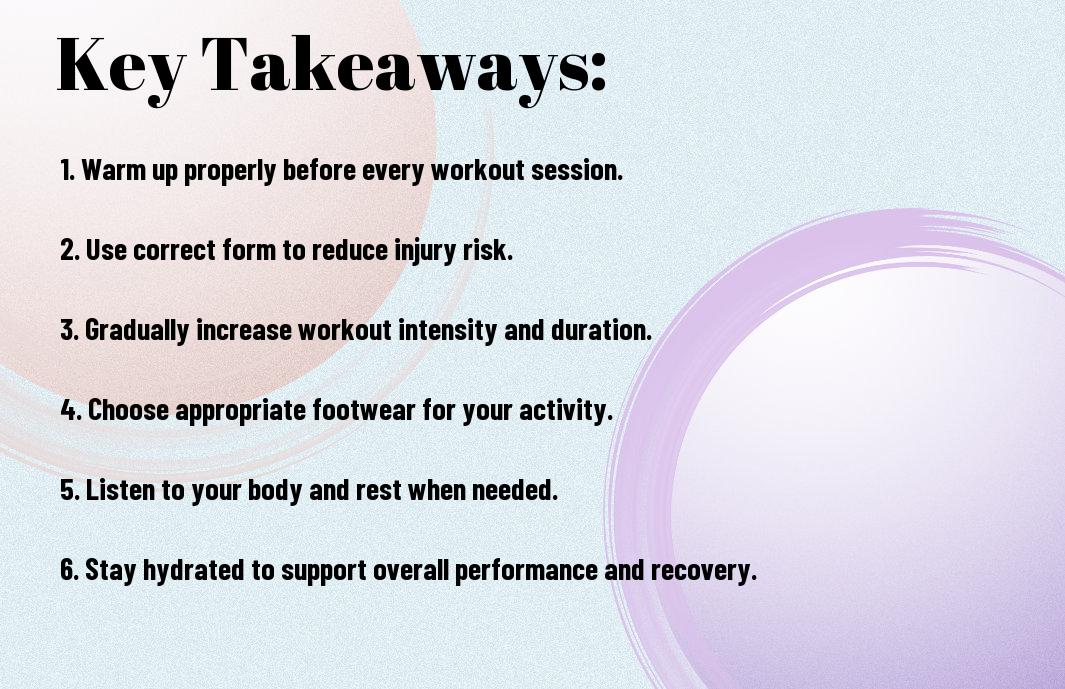
Understanding your body’s signals during exercise is crucial for preventing injuries. Ignoring pain or pushing through discomfort can lead to more serious problems. Proactive rest and recovery strategies are vital for optimizing performance and overall well-being. Proper rest allows your body to repair and rebuild, leading to long-term gains.
Recognizing Pain Signals During Exercise
Pain during exercise serves as a vital warning sign. Different types of pain have varying implications. Acute, sharp pain often indicates a sudden injury, such as a muscle strain or tear. A dull, aching pain may suggest overuse or inflammation. Ignoring these signals can escalate the issue, potentially leading to more significant injuries.
It is important to discern between normal muscle soreness, which often develops after exercise, and more serious pain that requires immediate attention.
Strategies for Dealing with Minor Aches and Pains
Minor aches and pains are a common part of exercise, but appropriate responses can prevent escalation. Rest, ice, compression, and elevation (RICE) are often effective for managing minor discomfort. Applying ice packs for 15-20 minutes at a time, several times a day, can reduce inflammation. Using compression bandages can support injured areas. Elevating the affected limb can also assist in reducing swelling.
If discomfort persists or worsens, consulting a healthcare professional is recommended.
Recognizing Signs of Overexertion and Rest Days
Overexertion, characterized by persistent fatigue, decreased performance, and an increased susceptibility to injuries, requires attention. If you experience persistent muscle soreness, difficulty sleeping, or a noticeable decline in performance, a rest day or two might be necessary. These are often indicators that the body needs time to recover. Listening to your body’s signals is crucial to preventing overtraining syndrome.
Examples include feeling unusually fatigued, experiencing a significant decrease in performance, and experiencing frequent muscle soreness or stiffness. Rest days allow the body to repair and rebuild, preventing overtraining.
Importance of Sleep and Nutrition in Injury Prevention and Recovery
Adequate sleep and proper nutrition are essential components of injury prevention and recovery. Sleep allows the body to repair tissues, synthesize hormones, and consolidate memories, all crucial for muscle repair and recovery. A balanced diet provides the necessary nutrients for muscle growth and repair, as well as energy for workouts. Nutritional deficiencies can hinder recovery and increase the risk of injuries.
A well-balanced diet rich in protein, carbohydrates, and healthy fats is critical. Aiming for 7-9 hours of quality sleep each night is recommended. Adequate sleep and nutrition play a critical role in the body’s ability to recover and prevent injuries.
Equipment Selection and Use

Proper equipment selection and safe usage are crucial for injury prevention during workouts. Choosing the right tools for your fitness level and workout type can significantly reduce the risk of strain, sprains, and other injuries. Careful consideration of equipment condition and proper technique are equally vital. Ignoring these factors can lead to unexpected and potentially serious consequences.
Importance of Appropriate Equipment Selection
Selecting the correct equipment is essential to match your fitness level and workout goals. Using equipment that is too heavy or complex for your current strength and skill level can lead to improper form and increase the likelihood of injury. Conversely, using equipment that is too light may not provide an adequate challenge, hindering progress and potentially leading to stagnation.
Matching the equipment to the specific exercise being performed is equally important, as different exercises require specific equipment for optimal performance and safety.
Guidelines for Safe Equipment Use
Adhering to safety guidelines when using exercise equipment is paramount. Always consult the manufacturer’s instructions before using any piece of equipment. Understand the proper way to set up and adjust the equipment for your body type and size. Ensure the equipment is securely fastened and stable before beginning your workout. Proper form and technique should be paramount, and modifications should be made as needed to maintain safe form throughout the workout.
Potential Risks of Improper or Poorly Maintained Equipment
Using improper or poorly maintained equipment can expose you to various risks. Faulty equipment can malfunction during use, leading to sudden stops, unexpected movements, or equipment collapses. Improperly maintained equipment can harbor bacteria or other contaminants, posing health risks. Equipment with worn parts can put excessive stress on the user’s body, increasing the risk of injuries such as sprains, strains, or fractures.
Suitable Equipment for Different Workout Types and Fitness Levels
The following table provides a general guideline for equipment selection based on workout type and fitness level. Remember, this is a general guide, and individual needs may vary. Consult with a fitness professional for personalized recommendations.
| Workout Type | Recommended Equipment | Safety Tips |
|---|---|---|
| Cardio (Beginner) | Treadmill, stationary bike, elliptical | Check for proper incline/resistance settings, ensure machine is stable, maintain good posture, start slowly and gradually increase intensity. |
| Cardio (Intermediate) | Treadmill, stationary bike, elliptical, rowing machine | Monitor heart rate, use proper form and technique, pay attention to any pain or discomfort, gradually increase intensity and duration. |
| Cardio (Advanced) | Assault bike, Concept2 rower, stair climber | Prioritize proper form and technique, use appropriate weights and resistance levels, monitor progress, and adjust intensity as needed. |
| Strength Training (Beginner) | Dumbbells (lighter weights), resistance bands, bodyweight exercises | Focus on proper form, start with lighter weights, gradually increase weight and reps as you get stronger, warm up before each workout. |
| Strength Training (Intermediate) | Dumbbells (moderate weights), barbells, weight machines | Use proper form and technique, warm up before each set, use spotters for heavy lifts, consult with a trainer to learn appropriate form. |
| Strength Training (Advanced) | Dumbbells (heavy weights), barbells, weight machines, power rack | Proper form is paramount, use spotters for heavy lifts, have a clear workout plan, monitor progress, and adjust accordingly. |
Nutrition and Hydration

Proper nutrition and hydration are crucial for optimal workout performance and injury prevention. A balanced diet provides the necessary energy, nutrients, and building blocks for muscle repair and growth, reducing the risk of strains, sprains, and other musculoskeletal issues. Adequate hydration supports bodily functions, including muscle contractions, nutrient transport, and temperature regulation, all vital during exercise.Understanding the interplay between nutrition, hydration, and workout performance is key to preventing injuries.
A well-structured approach to nutrition and hydration ensures your body is properly fueled and supported throughout your workout regime, minimizing the likelihood of fatigue and the resulting risk of injury.
Role of Nutrition in Preventing Workout Injuries
Nutrition plays a pivotal role in injury prevention by providing the body with the necessary components for muscle repair and tissue growth. Protein is essential for muscle synthesis, while carbohydrates provide energy for workouts, and fats contribute to hormone production and overall health. A well-balanced diet encompassing all three macronutrients is fundamental to supporting the body’s recovery process and reducing the risk of injuries.
Importance of Proper Hydration
Proper hydration is critical for maintaining optimal bodily function during and after workouts. Dehydration can lead to decreased performance, muscle cramps, and an increased risk of injuries. Adequate fluid intake before, during, and after exercise is vital for supporting circulatory function and preventing overheating. Maintaining electrolyte balance is also important, as electrolytes are lost through sweat and must be replenished to prevent muscle cramps and other complications.
Healthy Pre-Workout and Post-Workout Meals
Pre-workout meals should provide sustained energy without causing digestive discomfort. Examples include whole-grain toast with avocado and a side of fruit, or a small bowl of oatmeal with berries and nuts. Post-workout meals should focus on replenishing glycogen stores and repairing muscle tissue. Examples include a protein shake with fruit and a small portion of brown rice, or a lean protein source like grilled chicken with sweet potato and steamed vegetables.
Choosing foods with a high glycemic index (GI) before exercise can be detrimental to performance.
Identifying Nutritional Deficiencies
Recognizing potential nutritional deficiencies is crucial for preventing workout injuries. Symptoms like fatigue, muscle weakness, or persistent soreness can indicate underlying deficiencies. Consulting with a registered dietitian or healthcare professional can help identify any nutritional gaps and develop a personalized plan to address them. Regular blood tests can also reveal potential deficiencies in vitamins and minerals, which can be detrimental to muscle recovery and overall health.
This approach can significantly reduce the risk of workout injuries by ensuring the body receives the necessary nutrients.
Stretching and Flexibility
Maintaining flexibility is crucial for injury prevention and overall well-being. Regular stretching helps improve range of motion, reduces muscle tension, and enhances athletic performance. It plays a significant role in preventing muscle strains, sprains, and other common workout injuries. By incorporating stretching into your routine, you can support healthy muscle function and reduce the risk of future discomfort.Effective stretching programs are not only about preventing injuries but also about enhancing athletic performance.
Stretching increases blood flow to the muscles, improving their elasticity and reducing the likelihood of muscle tears or pulls. Proper stretching also helps maintain a healthy range of motion, allowing for greater flexibility and improved posture.
Importance of Stretching for Injury Prevention
Stretching is vital for injury prevention in physical activities. It helps improve muscle elasticity and flexibility, which directly reduces the risk of strains, tears, and other injuries. Muscles that are adequately stretched are better able to handle the demands of exercise and daily activities. Stretching also reduces muscle soreness and stiffness, promoting quicker recovery after workouts. Regular stretching routines can improve posture and balance, lowering the risk of falls and other associated injuries.
Essential Stretches for Different Muscle Groups
A comprehensive stretching routine should target various muscle groups. Proper stretching ensures that all parts of the body are adequately prepared and protected. A well-rounded approach minimizes the risk of injuries.
- Lower Body Stretches: These stretches focus on hamstrings, quads, hip flexors, and calves. Examples include hamstring stretches (lying down, seated, or standing), quad stretches (using a wall or chair), and calf stretches (using a wall or against a stable surface). These stretches improve flexibility in the lower body, aiding in activities such as running, jumping, and squatting.
- Upper Body Stretches: Targeting chest, shoulders, back, and triceps muscles. Examples include chest stretches (using a wall or door frame), shoulder stretches (cross-body, overhead), and triceps stretches (using a towel or arm). These stretches maintain flexibility and range of motion in the upper body, crucial for activities like lifting, pushing, and overhead movements.
- Core Stretches: Targeting abdominal and lower back muscles. Examples include spinal twists, leg raises, and cat-cow stretches. These stretches promote core stability, which is vital for preventing back pain and injuries during exercise and daily activities.
Frequency and Duration of Stretching Sessions
Regular stretching sessions are crucial for maintaining flexibility. Consistency is key to reaping the benefits of stretching.
- Frequency: Aim for at least two to three stretching sessions per week. However, daily stretching is even more beneficial, and can greatly reduce the risk of injuries.
- Duration: Hold each stretch for 15-30 seconds, focusing on a comfortable range of motion. Avoid bouncing or forcing the stretch, which can lead to injury. A longer duration is more effective in increasing flexibility. The duration of each stretch should be tailored to individual needs, gradually increasing as flexibility improves.
Maintaining Flexibility for Long-Term Injury Prevention
Maintaining flexibility is a continuous process, not a one-time event. It requires consistent effort and dedication. Flexibility is essential for reducing injury risk over time.Regular stretching routines should be part of a comprehensive fitness plan, not just a supplement. This consistency reduces the risk of future injuries, improves athletic performance, and enhances overall well-being. Incorporating stretching into daily life can significantly contribute to long-term injury prevention and improve physical health.
Pre-existing Conditions and Injuries
Understanding and addressing pre-existing conditions or injuries is crucial for safe and effective exercise. A tailored approach, taking into account individual limitations, can significantly reduce the risk of exacerbating existing issues or developing new ones. This section will explore how pre-existing conditions or injuries can impact workout routines and provide strategies for modification.Pre-existing conditions, such as arthritis, back pain, or heart conditions, can influence the types of exercises suitable for an individual.
Injuries, such as a recent ankle sprain or a history of knee problems, require particular attention to prevent re-injury. Careful consideration of these factors is essential for designing a safe and effective exercise program.
Impact of Pre-existing Conditions on Workout Routines
Pre-existing conditions or injuries can limit the range of motion, cause pain, or increase the risk of further damage if not managed appropriately. For example, someone with chronic back pain might need to avoid exercises that involve excessive twisting or bending. Similarly, individuals with knee problems may need to modify exercises that put stress on the joint. Careful assessment of the condition and its limitations is necessary to prevent potential harm.
Strategies for Modifying Workouts
Modifying workouts to accommodate pre-existing conditions or injuries involves several key strategies. These modifications often include adjusting intensity, duration, and type of exercise. For example, a person with arthritis might benefit from low-impact exercises like swimming or water aerobics. Alternatively, they might need to shorten the duration of high-impact exercises. In cases of recent injuries, complete rest and rehabilitation exercises prescribed by a healthcare professional are paramount.
Consider using lighter weights, resistance bands, or bodyweight exercises to reduce stress on affected areas. In addition, modify the exercise form or posture. A physical therapist or doctor can help you modify exercises to fit your specific needs.
Exercises to Avoid with Specific Injuries or Conditions
Certain exercises can exacerbate pre-existing conditions or injuries. For example, individuals with carpal tunnel syndrome should avoid exercises that involve repetitive wrist movements. Similarly, those with lower back pain should avoid exercises that involve heavy lifting or twisting motions. Individuals with knee injuries should avoid high-impact activities like running or jumping until cleared by a healthcare professional.
- Back Pain: Avoid exercises that involve heavy lifting, excessive twisting, or bending. Focus on exercises that strengthen the core and improve posture.
- Knee Injuries: Avoid high-impact activities like running or jumping. Focus on low-impact exercises like swimming or cycling. Ensure you consult a healthcare professional for exercises that are appropriate for your specific injury.
- Shoulder Injuries: Avoid exercises that involve overhead movements or forceful external rotation. Focus on exercises that strengthen the rotator cuff and improve range of motion. Again, consult with a physical therapist.
Importance of Consulting a Doctor or Physical Therapist
Before starting any new workout routine, especially if you have pre-existing conditions or injuries, it is crucial to consult with a doctor or physical therapist. They can assess your specific needs, evaluate your condition, and provide personalized recommendations. A professional can help determine which exercises are safe and effective for you, and can help modify existing exercises to prevent injury.
They can also create a safe progression plan to avoid worsening existing conditions.
Choosing the Right Workout
Selecting a workout that aligns with your fitness level and goals is crucial for achieving desired results and preventing injuries. A poorly chosen workout can lead to frustration and setbacks, while a suitable workout fosters motivation and progress. Understanding your current fitness level and establishing realistic goals are fundamental steps in this process.Choosing exercises appropriate for your fitness level is vital for safe and effective workouts.
Gradual progression, listening to your body, and avoiding overtraining are equally important for preventing injuries and ensuring long-term fitness success.
Matching Exercises to Fitness Levels
Understanding your current fitness level is essential for selecting appropriate exercises. This tailored approach prevents injuries and maximizes results. Choosing exercises that challenge you without overwhelming you is key to progress.
| Fitness Level | Exercise Type | Key Considerations |
|---|---|---|
| Beginner | Low-impact cardio, bodyweight exercises, and simple strength training | Focus on proper form, start with lighter weights or resistance, and gradually increase intensity and duration. Choose exercises with clear instructions and visual demonstrations. |
| Intermediate | Moderate-intensity cardio, compound exercises, and progressive strength training | Increase the weight or resistance, incorporate more complex movements, and challenge your body with higher intensity and duration. Explore variations of exercises to increase the difficulty. |
| Advanced | High-intensity cardio, advanced strength training, and specialized exercises | Focus on advanced techniques, incorporate advanced exercises with proper form, and gradually increase intensity and duration. Consider advanced workout routines that incorporate more challenging exercises. |
Examples of Suitable Exercises
This section provides examples of exercises suitable for each fitness level, emphasizing the importance of gradual progression.
- Beginner: Walking, jogging, cycling, swimming, bodyweight squats, push-ups (modified), and lunges (modified). Start with short durations and gradually increase the time and intensity.
- Intermediate: Running, brisk walking, cycling at higher speeds, strength training with light weights, and variations of squats, push-ups, and lunges. Incorporate interval training and longer durations.
- Advanced: High-intensity interval training (HIIT), weightlifting with heavier weights, plyometrics, and advanced variations of bodyweight exercises. Gradually increase the intensity and complexity of the workout.
Gradual Progression in Exercise Selection
Gradual progression is a crucial element in exercise selection, ensuring that you don’t overload your body and risk injury. It involves incrementally increasing the intensity, duration, or complexity of your workout over time. This approach allows your body to adapt to the new demands and prevents potential injuries. A systematic approach to exercise progression is key to sustained fitness improvement.
- Begin with a manageable workout routine and gradually increase the intensity or duration.
- Listen to your body and adjust your workout as needed.
- Focus on proper form and technique throughout the entire workout.
- Monitor your progress and celebrate your achievements.
Ultimate Conclusion
In conclusion, preventing workout injuries involves a multifaceted approach encompassing various key elements. From mindful warm-up and cool-down routines to the careful selection and use of equipment, and understanding the significance of proper nutrition, hydration, and rest, this comprehensive guide equips you with the tools to stay safe and healthy while pursuing your fitness aspirations. By prioritizing injury prevention, you’ll maximize your chances of long-term fitness success and avoid setbacks.