Proper lunge technique is crucial for maximizing fitness gains and minimizing injury risk. This comprehensive guide delves into the essential aspects of performing lunges correctly, from fundamental variations to advanced modifications. Whether you’re a seasoned athlete or just starting your fitness journey, understanding the intricacies of the lunge will enhance your workout and contribute to long-term well-being.
This guide provides a detailed breakdown of the proper stance, posture, and execution of various lunge variations, including forward, reverse, and lateral lunges. It also addresses common mistakes, offering practical solutions and safety considerations. Furthermore, it explores progression strategies and modifications suitable for different fitness levels and physical limitations.
Introduction to Lunges
Lunges are a fundamental lower-body exercise that targets multiple muscle groups. They are highly effective for building strength, power, and endurance in the legs and glutes. Proper execution is crucial for maximizing benefits and minimizing risk of injury.Lunges are dynamic movements that involve a controlled shift of weight from one leg to the other, mimicking a walking motion with an exaggerated stride.
This controlled movement pattern activates and strengthens various muscle groups, including quads, hamstrings, glutes, and calves. Understanding the different types of lunges and their variations is important for tailoring workouts to individual fitness goals and physical capabilities.
Lunges: Variations and Benefits
Lunges can be performed in several variations, each targeting slightly different muscle groups and requiring specific form adjustments. Mastering each variation will enhance your overall lower body strength and stability.
- Forward Lunges: This classic variation is a great all-around exercise for building leg strength and improving balance. Forward lunges involve stepping forward with one leg and lowering the body until both knees are bent at approximately 90-degree angles. The front knee should not extend beyond the toes. This variation emphasizes quadriceps, hamstrings, and glutes.
- Reverse Lunges: Reverse lunges primarily target the glutes and hamstrings. In this variation, you step backward with one leg, lowering your body until both knees are bent at 90 degrees. The back knee should nearly touch the ground. This variation is often beneficial for individuals who want to strengthen their posterior chain.
- Lateral Lunges: Lateral lunges work the inner thighs and groin muscles more significantly. They involve stepping to the side with one leg, bending both knees, and lowering your hips until the inside of the supporting leg’s knee is aligned with the ankle. This variation is beneficial for hip mobility and stability.
- Walking Lunges: Walking lunges combine the benefits of forward and reverse lunges in a continuous motion. This variation strengthens and tones the entire lower body while improving cardiovascular fitness. The movement transitions from one leg to the other, mimicking a walking pattern. Each step is a complete lunge.
Comparison of Lunge Variations
Understanding the differences between lunge variations is crucial for effective workout planning.
| Lunge Variation | Primary Muscle Groups Targeted | Benefits |
|---|---|---|
| Forward Lunge | Quadriceps, Hamstrings, Glutes | Strengthens quadriceps, hamstrings, and glutes. Improves balance and coordination. |
| Reverse Lunge | Glutes, Hamstrings, Calves | Strengthens glutes, hamstrings, and calves. Improves stability and posterior chain strength. |
| Lateral Lunge | Inner Thighs, Groin, Glutes | Strengthens inner thighs, groin muscles, and glutes. Improves hip mobility and stability. |
| Walking Lunge | All lower body muscles | Full-body workout, improves cardiovascular fitness, and strengthens core muscles. |
Proper Stance and Posture
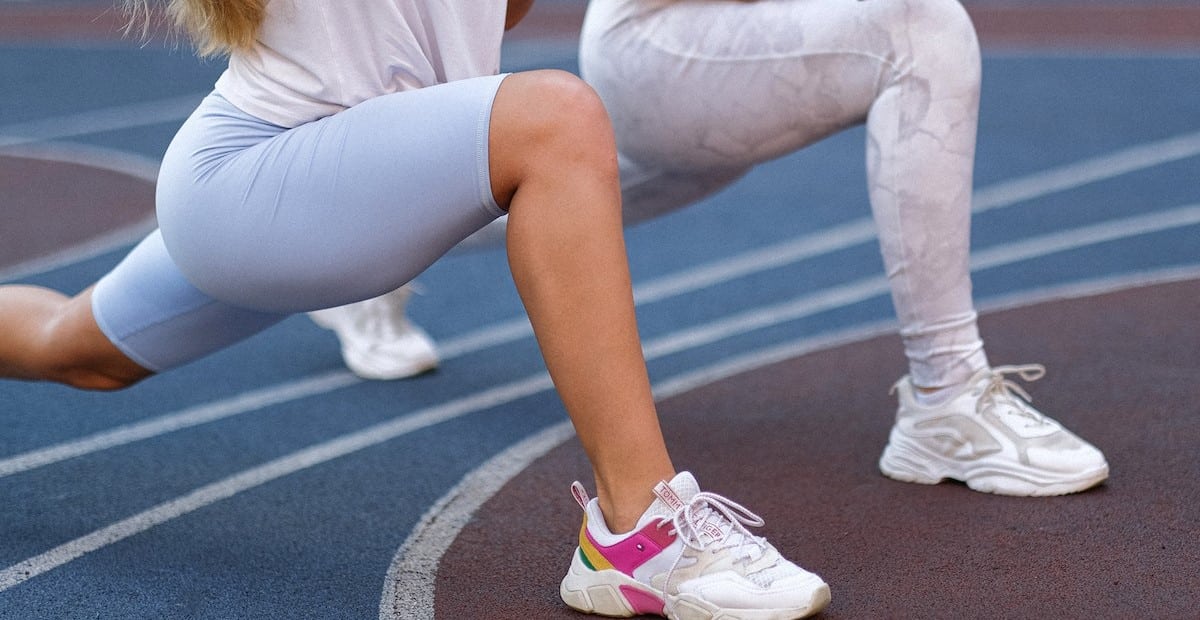
Maintaining proper stance and posture during lunges is crucial for maximizing the exercise’s effectiveness and minimizing the risk of injury. A well-aligned posture ensures that the target muscles are engaged, and the movement is controlled, promoting stability and preventing strain on the joints. This section will delve into the ideal foot placement, spinal alignment, hip and knee positioning, and maintaining an upright posture during various lunge variations.Proper foot placement, spinal alignment, and knee positioning are essential components of a safe and effective lunge.
Maintaining a neutral spine and an upright posture during the exercise are critical for preventing back pain and promoting proper muscle activation.
Ideal Foot Placement for Lunge Variations
Foot placement significantly impacts the effectiveness and safety of a lunge. The appropriate foot placement varies depending on the specific lunge variation. A consistent stance ensures proper engagement of the target muscles and reduces the risk of imbalance or injury.
- Forward Lunge: The front foot should be positioned directly beneath the hip, with the toes pointing forward. The back foot should be positioned slightly outward, but maintaining a relatively straight line. This placement ensures a stable base and allows for a controlled range of motion.
- Reverse Lunge: The back foot should be positioned directly beneath the hip, with the toes pointing forward. The front foot should be positioned slightly outward, but maintaining a relatively straight line. This alignment ensures a stable base and controlled movement.
- Lateral Lunge: The feet should be positioned wider than shoulder-width apart, with the toes pointing outwards. This allows for a controlled lateral movement, engaging the muscles on the outer thighs and hips.
Correct Alignment of Spine, Hips, and Knees
Maintaining correct alignment of the spine, hips, and knees is paramount for a safe and effective lunge. This ensures proper engagement of the target muscles and reduces the risk of injury.The spine should remain neutral throughout the entire movement. Avoid arching or rounding the back. The hips should remain aligned with the shoulders and spine. The knees should track directly over the ankles, preventing excessive inward or outward movement.
Importance of Maintaining a Neutral Spine
A neutral spine is crucial for preventing lower back pain and maintaining proper form. Maintaining spinal neutrality during a lunge helps engage the core muscles and ensures that the weight is distributed evenly. This reduces the strain on the back and improves the effectiveness of the exercise.
Maintaining a neutral spine during lunges is vital for preventing lower back pain and promoting stability.
Maintaining an Upright Posture
Maintaining an upright posture while performing lunges helps engage the core and postural muscles. This improves balance, reduces stress on the spine and promotes optimal performance. Sinking into the hips, or slouching, should be avoided. Keep the chest lifted, shoulders back, and core engaged.
Common Postural Mistakes and Corrections
| Postural Mistake | Description | Correction |
|---|---|---|
| Rounded Shoulders | The shoulders are rounded forward, losing the natural curvature of the back. | Actively retract the shoulders, drawing them back and down. Engage the back muscles to maintain a straight posture. |
| Forward Head Posture | The head is positioned forward, increasing the strain on the neck. | Engage the neck muscles to maintain a neutral head position aligned with the spine. |
| Knee Caving In | The knees collapse inward during the lunge, putting stress on the knees. | Focus on keeping the knees aligned with the toes, engaging the inner thighs to stabilize the knees. |
| Leaning Forward | The upper body leans forward, losing balance and control. | Maintain an upright posture, engaging the core muscles to stabilize the body. Keep the chest up and shoulders back. |
Step-by-Step Execution
Proper execution of lunges is crucial for maximizing benefits and minimizing risk of injury. Understanding the distinct steps for each variation of the lunge is essential for achieving the desired outcome. Consistency and controlled movements are key to effective training.
Forward Lunge
Executing a forward lunge requires a controlled, deliberate approach. Maintaining balance and proper form throughout the movement is paramount.
- Starting Position: Assume a standing position with feet shoulder-width apart. Maintain a neutral spine and an upright posture. Keep your core engaged.
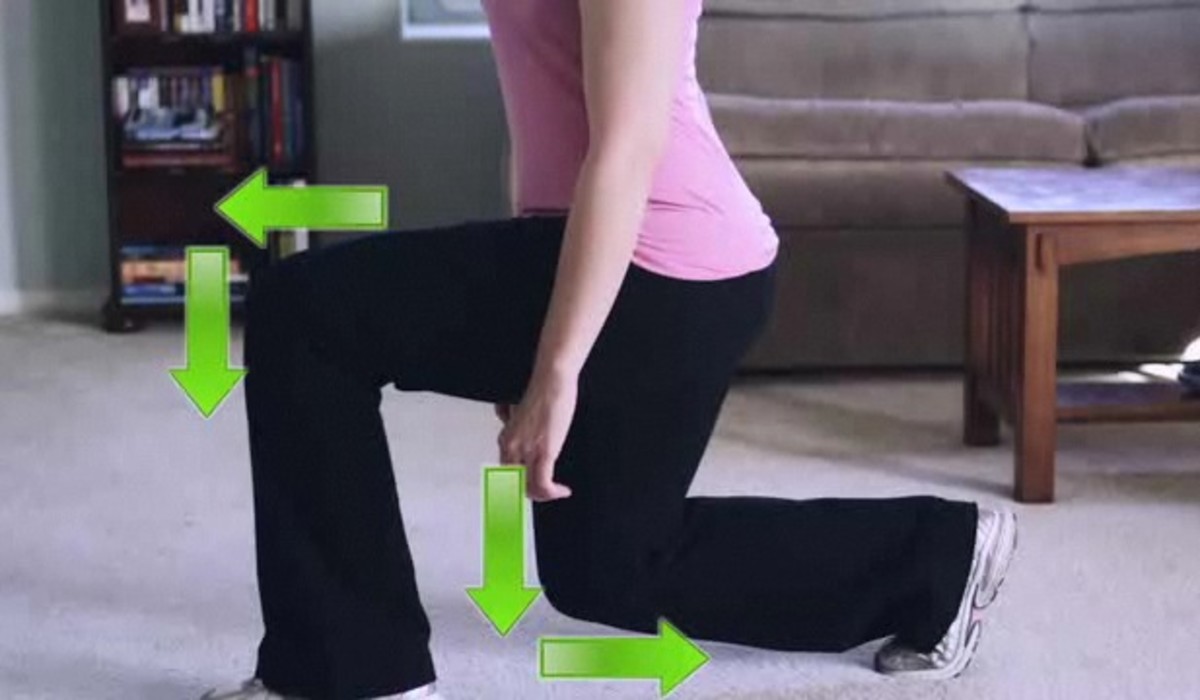
- Step Forward: Step forward with one leg, ensuring the knee of the front leg remains aligned directly above the ankle. The back knee should descend towards the floor, but not touch it.
- Lowering Phase: Continue to lower your body until both knees are bent at approximately 90-degree angles. Ensure your front knee does not extend beyond your toes.
- Pushing Up: Push off the front foot to return to the starting position. Maintain control throughout the movement.
- Repeat: Repeat the process with the opposite leg.
Reverse Lunge
The reverse lunge is a variation that targets different muscle groups compared to the forward lunge. Its execution involves a step backward.
- Starting Position: Begin in a standing position with feet shoulder-width apart, maintaining a neutral spine and upright posture. Engage your core.
- Step Backward: Step backward with one leg, ensuring the knee of the back leg remains aligned directly above the ankle. The front knee should descend towards the floor, but not touch it.
- Lowering Phase: Lower your body until both knees are bent at approximately 90-degree angles. Ensure your back knee does not extend beyond your toes.
- Pushing Up: Push off the back foot to return to the starting position. Maintain control throughout the movement.
- Repeat: Repeat the process with the opposite leg.
Lateral Lunge
The lateral lunge focuses on strengthening the inner thighs and glutes, as well as improving hip mobility.
- Starting Position: Begin in a standing position with feet shoulder-width apart. Maintain a neutral spine and upright posture. Engage your core.
- Step to the Side: Step laterally with one leg, maintaining a straight posture and balanced stance. Keep your weight evenly distributed.
- Lowering Phase: Lower your body until the knee of the leg that is stepping laterally is bent at approximately a 90-degree angle. The other leg should remain straight and the heel on the ground. Ensure your knee stays aligned over your ankle.
- Pushing Up: Push off the outside foot to return to the starting position. Maintain control throughout the movement.
- Repeat: Repeat the process with the opposite leg.
Hand Positioning
Maintaining a neutral hand position is important for stability and balance.
For all lunge variations, hands can be placed on hips, or slightly in front of the body for stability and balance. This neutral position helps maintain a good posture and core engagement.
Comparison Table
| Lunge Variation | Step 1 | Step 2 | Step 3 | Step 4 |
|---|---|---|---|---|
| Forward Lunge | Stand with feet shoulder-width apart. | Step forward with one leg. | Lower body until both knees are at 90 degrees. | Push off front foot to return. |
| Reverse Lunge | Stand with feet shoulder-width apart. | Step backward with one leg. | Lower body until both knees are at 90 degrees. | Push off back foot to return. |
| Lateral Lunge | Stand with feet shoulder-width apart. | Step laterally with one leg. | Lower body until knee is at 90 degrees. | Push off outside foot to return. |
Common Mistakes and How to Correct Them
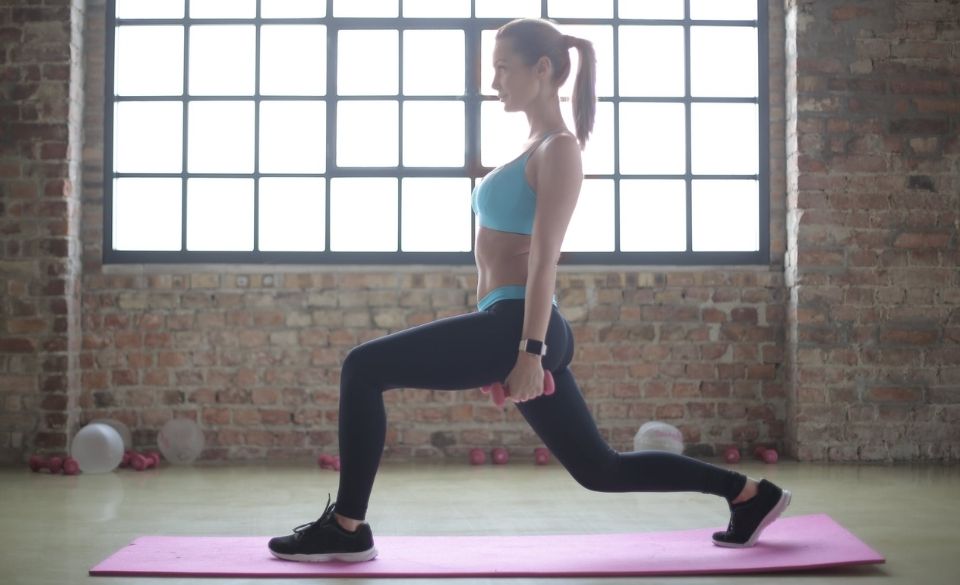
Proper form is crucial for maximizing the benefits of lunges while minimizing the risk of injury. Understanding common errors and their corrections empowers individuals to perform lunges safely and effectively. This section will Artikel frequent mistakes, their underlying causes, and the steps to rectify them, ultimately promoting optimal technique and injury prevention.Incorrect lunge technique can lead to a variety of issues, including knee pain, hip discomfort, and imbalances in muscle strength.
By focusing on controlled movements and precise form, individuals can avoid these problems and reap the full benefits of this exercise.
Identifying Frequent Mistakes
Understanding the potential pitfalls in lunge execution is vital for improvement. Common errors frequently stem from a lack of awareness or insufficient practice. These issues, if left unaddressed, can result in suboptimal performance and increased risk of injury.
Correcting Common Errors
Careful attention to the details of lunge execution is essential for safe and effective results. This section will detail the common mistakes and how to correct them, focusing on the importance of controlled movements.
Consequences of Improper Form
Maintaining proper lunge form is paramount for minimizing the risk of injury and maximizing the exercise’s benefits. Ignoring proper technique can lead to a range of issues, from mild discomfort to significant musculoskeletal problems. Consistent and controlled movements are essential for injury prevention and performance optimization.
| Mistake | Cause | Solution |
|---|---|---|
| Forward Lean | Often due to a lack of core engagement or poor balance. The lifter might compensate for instability by leaning forward. | Engage the core muscles. Maintain an upright posture. Keep the chest up and shoulders back. Focus on pushing through the heel of the front foot. |
| Knee Caving In | Occurs when the lifter’s knee moves inward during the lunge. This is frequently related to improper alignment or weak quadriceps muscles. | Ensure the front knee remains directly above the ankle. Engage the quadriceps muscles of the front leg to maintain proper alignment. Consider using light weights or resistance bands to strengthen the quadriceps. |
| Landing on the Ball of the Foot | This can place excessive stress on the ankle and knee joints. Lack of awareness about foot placement during the descent is a contributing factor. | Land with the entire foot flat on the ground, ensuring the heel remains in contact. Focus on the heel-toe motion during the descent. |
| Insufficient Depth | Frequently caused by a lack of flexibility or poor awareness of the correct range of motion. | Lower the body until the front thigh is parallel to the ground. Ensure the back knee is close to the ground, but not touching. |
| Uneven Stance | Occurs when the feet are not properly aligned or the lifter is not balanced. | Maintain a consistent stance throughout the exercise. Ensure the feet are positioned shoulder-width apart, or slightly wider, depending on individual comfort and balance. |
Progression and Modifications
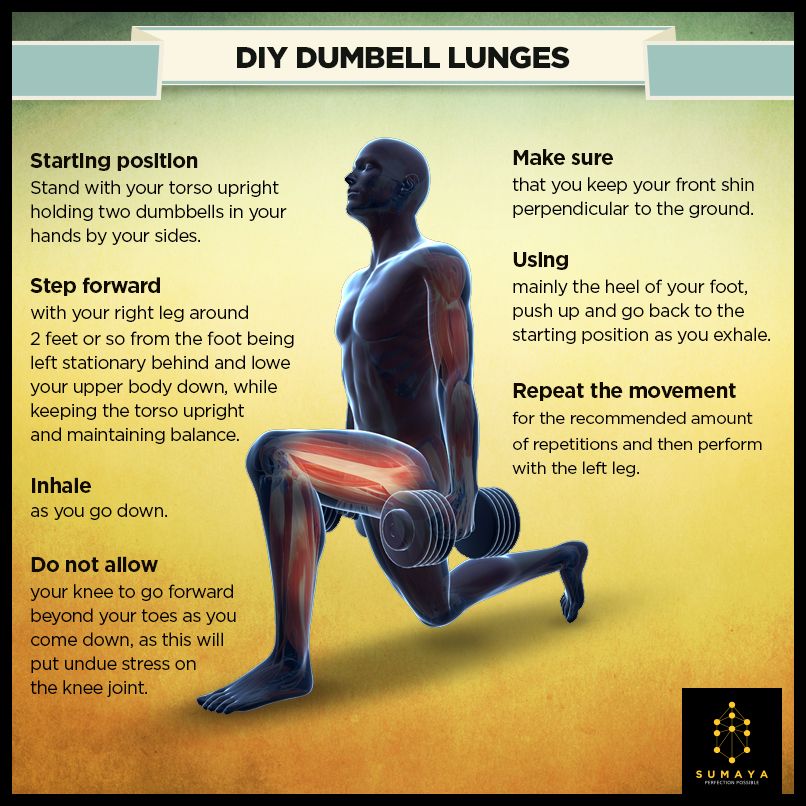
Mastering the lunge involves not just perfect form but also gradual progression. Understanding how to increase the challenge and adapt the exercise for various needs is crucial for long-term success and injury prevention. This section Artikels strategies for progressing from basic lunges to more advanced variations and accommodating individual limitations.
Increasing Difficulty
Progressive overload is a fundamental principle in exercise. Increasing the intensity of lunges over time allows for continued muscle development and improved cardiovascular fitness. This can be achieved through several methods, including:
- Increasing the Range of Motion: Gradually deepening the front knee bend, while maintaining proper form, challenges the muscles further. This can be achieved by stepping forward a longer distance and focusing on the full range of motion, ensuring the front knee doesn’t extend beyond the toes.
- Increasing the Resistance: Adding weights, whether dumbbells, kettlebells, or resistance bands, increases the load on the muscles, demanding more effort from the stabilizing and working muscles. Start with light weights and gradually increase the weight as you get stronger.
- Increasing the Step Length: Moving further apart with each lunge step demands greater stability and strength. Start with a moderate step length and progressively increase the distance as you gain proficiency.
- Holding a Static Position: Once you are comfortable with a particular lunge variation, you can hold the position for a set amount of time to further challenge your muscles and improve strength.
Modifications for Limited Mobility or Injuries
Adjusting lunges for individuals with limited mobility or injuries is crucial to prevent exacerbating existing problems and allow safe participation. Modifications can include:
- Using a Support Surface: Placing one hand or both hands on a wall, bench, or stable surface can reduce the demand on balance and stabilization, while allowing a full range of motion for the working leg. This modification is particularly helpful for individuals with balance issues.
- Shortening the Stride: Reducing the distance between the legs can make the exercise less challenging, allowing for greater control and stability. A shorter step length will significantly reduce the stress on the knee joint.
- Performing Lunges on an Elevated Surface: Utilizing a slightly elevated surface, such as a step or platform, can lessen the stress on the knee joint, particularly beneficial for those with knee pain. Start with a minimal elevation and increase it as you gain strength.
- Modifying the Knee Position: For individuals with knee problems, a variation where the back knee is slightly elevated above the ground, while maintaining a straight line from the knee to the ankle, can help to alleviate pressure on the knee joint.
Lunge Variations for Different Fitness Levels
Different lunge variations can cater to various fitness levels and experience.
- Basic Lunges: Ideal for beginners, these involve a forward lunge with both legs alternating, maintaining a 90-degree angle at the front knee and a straight back.
- Reverse Lunges: Stepping backward with one leg instead of forward. This variation targets the posterior chain and improves balance.
- Walking Lunges: A continuous movement where you alternate legs in a walking pattern, promoting cardiovascular fitness and leg strength.
- Lateral Lunges: Stepping to the side, keeping the working leg straight and maintaining a 90-degree angle at the front knee. This variation targets the inner thighs and hip abductors.
Listening to Your Body
It’s paramount to listen to your body during any exercise, including lunges. Discomfort or pain should never be ignored. Resting or modifying the exercise if needed is critical for preventing injuries and promoting progress. Understanding your body’s signals will lead to safer and more effective workouts.
Lunge Modifications Table
| Modification | Description | Benefits |
|---|---|---|
| Basic Lunge | Standard forward lunge, alternating legs. | Strengthens quads, glutes, hamstrings, and core. |
| Reverse Lunge | Stepping backward with one leg. | Targets posterior chain, improves balance, and strengthens glutes and hamstrings. |
| Walking Lunge | Continuous movement, alternating legs in a walking pattern. | Cardiovascular workout, improves balance and leg strength. |
| Lateral Lunge | Stepping to the side, keeping the working leg straight. | Targets inner thighs, hip abductors, and improves hip mobility. |
| Assisted Lunge | Using a wall or bench for support. | Reduces balance demands, allows for full range of motion. |
Warm-up and Cool-down
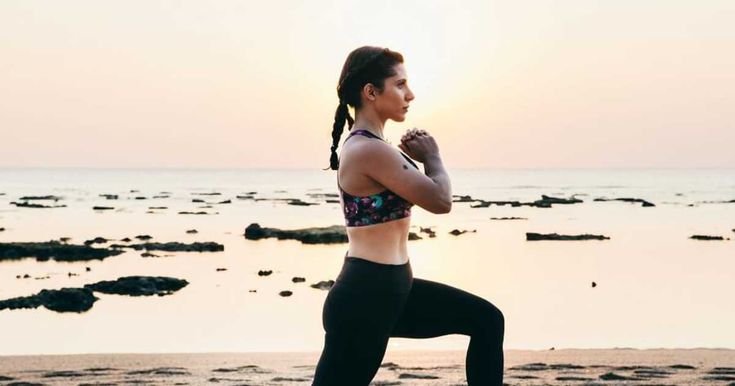
Proper warm-up and cool-down routines are essential components of any exercise program, including lunges. They prepare the body for the physical demands of the workout, minimizing the risk of injury and maximizing performance. These routines also facilitate a smoother transition back to a resting state, promoting recovery and reducing muscle soreness.A well-structured warm-up and cool-down routine prepares the muscles for the exertion of lunges, gradually increasing blood flow and improving flexibility.
This helps to prevent injuries like strains, sprains, and muscle tears, while also enhancing the effectiveness of the exercise itself. Conversely, a proper cool-down allows the body to return to a resting state gradually, reducing muscle soreness and promoting recovery.
Warm-up Routine for Lunges
A comprehensive warm-up routine for lunges should encompass both general and specific exercises. General warm-up activities elevate the heart rate and increase blood flow to the muscles, while specific warm-up exercises prepare the targeted muscle groups for the demanding movements of lunges. This combination optimizes performance and reduces injury risk.
- Cardiovascular Warm-up (5-10 minutes): Light cardio activities such as brisk walking, jogging in place, or cycling are crucial for increasing blood flow and preparing the cardiovascular system for the workout. This prepares the body for the increased demands of lunges.
- Dynamic Stretching (5-10 minutes): Dynamic stretches, which involve controlled movements that mimic the actions of lunges, are important for improving flexibility and range of motion. Examples include arm circles, leg swings (forward and backward), torso twists, and high knees.
- Specific Lunges (5-10 minutes): Perform a few sets of low-intensity lunges with a shorter step length, focusing on the form and feeling of the exercise without pushing yourself too hard. This will prepare the muscles for the full range of motion and stress of the exercise.
Cool-down Routine for Lunges
A cool-down routine is as important as a warm-up, allowing the body to transition smoothly from exercise to rest. The cool-down gradually decreases the heart rate, promotes the removal of metabolic waste products, and enhances flexibility.
- Static Stretching (5-10 minutes): Static stretching involves holding a stretch for a period of time, targeting the muscles used during the workout. This allows the muscles to recover and regain their length. Examples include holding hamstring stretches, quadriceps stretches, and hip flexor stretches.
- Light Cardio (5 minutes): Continuing light cardio, such as slow walking or gentle cycling, helps to further reduce heart rate and promote blood flow back to the core. This promotes recovery and reduces the likelihood of muscle stiffness.
- Deep Breathing (2-3 minutes): Focusing on deep, controlled breathing helps to regulate the body’s systems and promote relaxation. This is a critical component of the cool-down, aiding in recovery and reducing feelings of fatigue.
Importance of Warm-up and Cool-down
Proper warm-up and cool-down routines are vital for injury prevention and optimal performance. A well-structured warm-up routine prepares the body for the demands of exercise, reducing the risk of strains, sprains, and tears. A cool-down routine facilitates the body’s return to a resting state, reducing muscle soreness and promoting recovery.
Stretching for Injury Prevention
Stretching is crucial for maintaining flexibility and preventing injuries. Regular stretching improves range of motion, reduces muscle tension, and increases blood flow to the muscles.
Regular stretching is an essential component of injury prevention.
- Hamstring Stretch: Gently bend one knee, keeping the other leg straight. Lean forward from the hips, keeping your back straight, until you feel a stretch in the back of your thigh. Hold for 20-30 seconds.
- Quadriceps Stretch: Stand on one leg, grabbing the ankle of the other leg with your hand. Pull the heel towards your glutes, keeping your back straight, until you feel a stretch in the front of your thigh. Hold for 20-30 seconds.
- Hip Flexor Stretch: Kneel on one knee, and place the other leg forward with the knee bent at a 90-degree angle. Lean forward from the hips, keeping your back straight, until you feel a stretch in the front of your hip. Hold for 20-30 seconds.
- Calf Stretch: Place your hands against a wall or chair for support. Step one leg back, keeping your heel on the ground and your knee straight. Lean into the stretch, until you feel a stretch in the calf muscle. Hold for 20-30 seconds.
Safety Considerations
Proper form and technique are paramount when performing lunges to maximize benefits and minimize the risk of injury. Understanding the potential pitfalls of improper form and proactive measures for safe progression is crucial for injury prevention and optimal results. This section emphasizes the importance of safety precautions, strengthening relevant muscles, appropriate footwear, and safe progression methods.
Importance of Proper Form and Technique
Maintaining correct posture and alignment during lunges is essential to prevent strain and injury. Proper form distributes stress evenly across the muscles, tendons, and joints, reducing the risk of imbalances and subsequent pain. Incorrect form can lead to imbalances in the lower body, knee pain, and back problems. Consistent adherence to proper technique minimizes these risks, fostering a safe and effective workout routine.
Potential Risks of Improper Lunge Form
Improper form during lunges can lead to a variety of musculoskeletal injuries. Knee pain is a common consequence, often resulting from the misalignment of the knee joint during the movement. Incorrect positioning can also strain the hip flexors, quadriceps, and hamstrings, potentially leading to muscle tears or sprains. Furthermore, poor posture can put undue stress on the lower back, increasing the risk of back pain and injury.
Understanding these potential risks allows individuals to proactively adjust their form and prevent potential harm.
Strengthening Muscles Involved in Lunges
Strengthening the muscles responsible for stabilizing and supporting the lunge movement is vital for injury prevention. Exercises like squats, deadlifts, and glute bridges, along with targeted exercises for the quadriceps, hamstrings, and core muscles, build strength and endurance. This comprehensive approach enhances stability and control during lunges, mitigating the risk of muscle strain or imbalances. Examples include front squats, Romanian deadlifts, and planks to improve stability and balance.
Importance of Appropriate Footwear
Selecting suitable footwear is critical for maintaining balance and stability during lunges. Shoes with adequate cushioning and support are essential for absorbing impact and preventing ankle sprains. Flat shoes with minimal support or high heels may not provide the necessary stability, potentially increasing the risk of injuries. Proper footwear acts as a crucial safety net, providing the necessary foundation for a safe and effective lunge routine.
Safe and Effective Lunge Progressions
Safe progression in lunge exercises is key to gradual improvement and injury avoidance. Beginners should start with shorter strides and lighter weights. Gradually increase the distance, resistance, and repetitions as strength and stability improve. Incorporating modifications, like performing lunges on an elevated surface or using lighter weights, ensures a gradual progression that minimizes strain. The key is to progressively challenge the body while maintaining proper form, ensuring a smooth and injury-free transition.
For example, using a step to raise one leg higher, allowing a greater range of motion and strength.
Variations and Alternatives
Lunges are a versatile exercise, offering various modifications and alternatives to target the same muscle groups and achieve different goals. Exploring these variations can enhance workout routines, address individual needs, and prevent overuse injuries. Understanding the advantages and disadvantages of each option allows for a more informed and effective approach to exercise.
Lunge Variations
Different lunge variations modify the intensity and focus of the exercise. These variations often target similar muscle groups, but with varying degrees of emphasis and impact.
- Jump Lunges: These lunges involve a jump from the front lunge position to switch legs. This variation increases the cardiovascular component and adds a plyometric element, emphasizing power and explosiveness. Jump lunges require a good level of lower body strength and balance, and a proper warm-up is essential. They work the quads, hamstrings, glutes, and calves, with added emphasis on the cardiovascular system.
The increased impact can be a factor for those with knee or ankle issues. Proper form and controlled movements are crucial to prevent injury.
- Walking Lunges: These lunges involve a continuous walking motion, alternating legs with each step. This variation is a great option for endurance training and a good way to cover more ground in a workout. Walking lunges are a lower-impact alternative to jump lunges, focusing on building strength and endurance, and are less demanding on the joints. They target the same muscle groups as standard lunges, including the quads, hamstrings, glutes, and calves.
The advantage is the improved range of motion and endurance training.
- Reverse Lunges: Reverse lunges involve stepping backward with one leg instead of forward. This variation provides a different angle of activation for the same muscles and can help balance muscle development. Similar to forward lunges, reverse lunges work the quadriceps, hamstrings, glutes, and calves. They might be less demanding on the knees than forward lunges for some individuals, and are good for improving hip flexibility.
However, they also require balance and proper form to avoid injury.
Alternative Exercises
Alternative exercises can target similar muscles as lunges, offering variety and addressing potential limitations.
- Pistol Squats: This exercise involves a single-leg squat, challenging balance and requiring significant lower body strength. It works the quads, hamstrings, glutes, and core, emphasizing balance and stability. It’s more advanced than lunges and demands significant strength and mobility. Pistol squats target the same muscles, but with a greater emphasis on single-leg strength.
- Bulgarian Split Squats: This exercise involves positioning one leg on a bench or elevated surface. It works the quads, hamstrings, glutes, and core, providing a more intense quad activation than standard lunges. This exercise emphasizes balance and stability, and is useful for targeting specific muscle groups. It’s a great alternative for those who want a more focused quad workout.
- Step-Ups: Step-ups involve stepping onto a raised platform, alternating legs. This exercise strengthens the quads, glutes, and hamstrings. It’s a good option for improving leg strength and power, especially for those working towards improving athletic performance. Step-ups are generally a lower-impact alternative to lunges, and can be performed with varying levels of intensity depending on the height of the platform.
Comparison of Variations and Alternatives
| Exercise | Primary Muscle Groups | Impact | Advantages | Disadvantages |
|---|---|---|---|---|
| Standard Lunges | Quads, hamstrings, glutes, calves | Moderate | Versatile, good for beginners, balanced muscle activation | Can be taxing on knees for some |
| Jump Lunges | Quads, hamstrings, glutes, calves, cardiovascular | High | Increases power, cardio workout | Higher impact, requires more balance |
| Walking Lunges | Quads, hamstrings, glutes, calves | Moderate | Endurance focused, less impact | Can be less intense for advanced |
| Reverse Lunges | Quads, hamstrings, glutes, calves | Moderate | Different muscle activation angle, good for balance | Can be challenging on hips for some |
| Pistol Squats | Quads, hamstrings, glutes, core | High | Excellent single-leg strength | Requires high level of balance |
| Bulgarian Split Squats | Quads, hamstrings, glutes, core | Moderate to High | Targeted quad activation | Requires balance and proper form |
| Step-Ups | Quads, glutes, hamstrings | Moderate | Good for leg strength, varied intensity | Requires a platform, can be less versatile |
Wrap-Up
In conclusion, mastering the correct lunge technique is a multifaceted process encompassing proper form, controlled movements, and a mindful approach to safety and progression. By adhering to the guidelines presented in this guide, you can significantly enhance your lunge performance, reduce the risk of injury, and achieve optimal fitness results. Remember to listen to your body, and progressively challenge yourself as you improve.