Bodyweight exercises offer a powerful and accessible path to fitness, requiring no equipment beyond your own body. This comprehensive guide delves into the fundamentals, from understanding proper form and selecting effective exercises, to crafting personalized routines and progressing safely. Whether you’re a beginner or seeking to elevate your fitness, this resource provides a structured approach to maximizing your bodyweight training experience.
This guide meticulously covers essential aspects, including beginner routines, various exercise types, and advanced techniques. We will discuss safe exercise progressions, injury prevention, and the crucial roles of nutrition and recovery in optimizing your results. By the end of this guide, you will possess the knowledge and tools to design and execute a bodyweight training program tailored to your specific goals and fitness level.
Introduction to Bodyweight Exercises
Bodyweight exercises utilize your own body weight as resistance, making them accessible and versatile. They require no equipment, allowing for workouts anytime, anywhere. This approach to fitness is becoming increasingly popular due to its efficiency and adaptability.Bodyweight training offers a comprehensive approach to physical fitness, improving strength, endurance, and flexibility. This form of exercise is particularly beneficial for individuals seeking a cost-effective and convenient way to enhance their overall well-being.
Key Benefits of Bodyweight Training
Bodyweight exercises offer a multitude of advantages for individuals seeking to improve their physical and mental health. These benefits extend beyond just physical strength and endurance.
- Accessibility and Affordability: Bodyweight exercises are readily available and do not require any specialized equipment or gym memberships. This makes them accessible to people of all ages and fitness levels. The cost-effectiveness of this method is undeniable.
- Versatility and Adaptability: Bodyweight exercises can be modified to cater to varying fitness levels and goals. Exercises can be adjusted to suit different needs, from beginners to advanced athletes. This flexibility allows for customization and progression.
- Improved Strength and Endurance: Regular bodyweight training progressively strengthens muscles and improves cardiovascular endurance. This is achieved through the controlled exertion of body weight against gravity. As strength increases, the intensity and complexity of exercises can be elevated.
- Enhanced Flexibility and Balance: Many bodyweight exercises inherently promote flexibility and balance. The controlled movements and range of motion in exercises like squats and lunges improve joint mobility and balance.
- Improved Mental Well-being: Physical activity, including bodyweight training, has been shown to positively impact mental well-being. The release of endorphins during exercise can reduce stress and anxiety, contributing to a sense of overall well-being.
Importance of Proper Form in Bodyweight Exercises
Proper form is crucial for maximizing the benefits of bodyweight exercises and preventing injuries. Maintaining correct posture and technique throughout the exercise is vital. Using correct form avoids strain on joints and muscles.
- Injury Prevention: Correct form minimizes the risk of injuries associated with improper execution of bodyweight exercises. By ensuring the correct posture and alignment, the stress on joints and muscles is reduced.
- Effective Muscle Engagement: Proper form ensures that the target muscles are engaged effectively. This leads to greater strength gains and reduces the risk of working other muscles unnecessarily.
- Improved Performance: A strong understanding of proper form leads to a more efficient workout, maximizing the effectiveness of the exercise.
- Long-term Gains: Consistency in proper form leads to more effective results over time, and fewer chances of setbacks due to injury.
Types of Bodyweight Exercises
Bodyweight exercises can be categorized into different groups based on the body parts targeted. This allows for a more focused and effective workout routine.
| Category | Examples |
|---|---|
| Upper Body | Push-ups, dips, rows, planks, and shoulder taps. |
| Lower Body | Squats, lunges, calf raises, and glute bridges. |
| Core | Crunches, leg raises, Russian twists, and side planks. |
Getting Started with Bodyweight Training
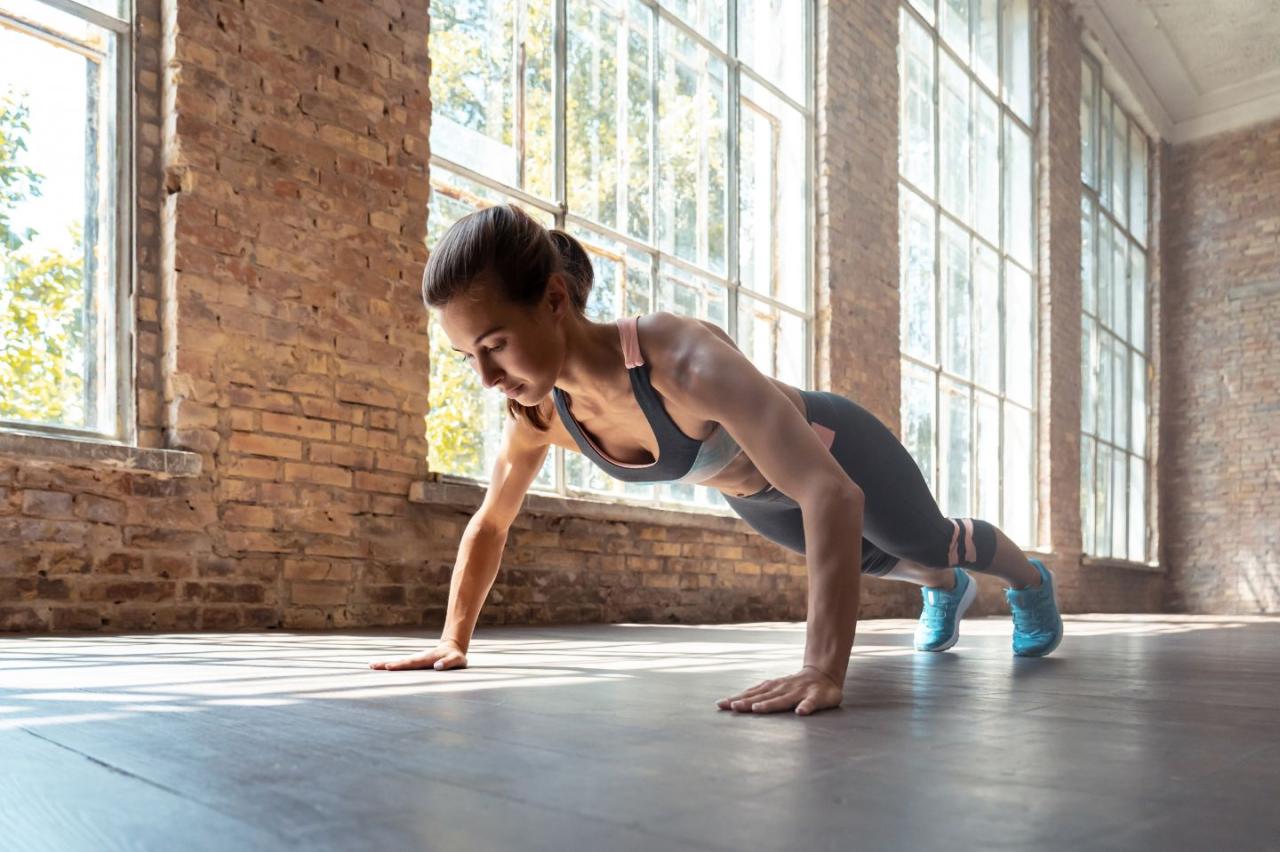
Embarking on a bodyweight training journey is a fantastic way to enhance strength, endurance, and overall fitness without needing expensive equipment. This approach leverages your own body weight as resistance, making it accessible and adaptable to various fitness levels. This section details the essentials for initiating your bodyweight training program, including necessary equipment, fitness assessment, and a beginner’s workout routine.Starting a bodyweight training program requires a mindful approach to ensure safety and effectiveness.
Proper form and progressive overload are key to achieving results while preventing injuries. Understanding your current fitness level is critical for creating a safe and effective workout plan.
Essential Equipment for Bodyweight Training
A well-equipped home gym is not a prerequisite for bodyweight exercises. Most exercises can be performed with just a few basic items. These are optional but can enhance your training.
- Yoga Mat: A yoga mat provides cushioning and comfort during floor exercises, preventing friction and potential injuries. It’s particularly beneficial for exercises like push-ups and planks, reducing pressure on joints and improving overall comfort.
- Resistance Bands: Resistance bands can modify exercises and add an extra challenge to existing routines. They can be used for various exercises, adding an element of progression.
- Adjustable Bench or Chair: A bench or chair can assist with exercises that require elevated positions, like incline push-ups. This provides a safe and consistent support for proper form.
Assessing Your Fitness Level
Accurate self-assessment is crucial for developing a bodyweight training program tailored to your individual needs. This allows you to create a workout that is challenging yet attainable, avoiding injury and promoting gradual improvement.
- Consider your current activity level: Are you a sedentary individual, a regular walker, or already engaged in some form of physical activity? Recognizing your current activity level is crucial in designing a program that starts at a comfortable intensity and progressively increases.
- Evaluate your current strength and flexibility: Perform basic bodyweight exercises, such as push-ups, squats, and lunges. Pay attention to your range of motion, the amount of repetitions you can manage, and any discomfort. Record your results to track your progress. This assessment will inform the exercises and intensities you should initially focus on.
- Identify any existing injuries or physical limitations: Before starting any new workout routine, consulting with a healthcare professional is advisable, particularly if you have any pre-existing injuries or health conditions. They can offer personalized guidance to adapt the exercises to your specific needs and ensure your safety.
Beginner’s Workout Routine
A structured routine is key to progressive improvement. This sample routine is designed for beginners, emphasizing proper form over heavy weights. Consistency is crucial to seeing results.
| Exercise | Sets | Repetitions |
|---|---|---|
| Push-ups (modified on knees if needed) | 2 | 8-12 |
| Squats | 2 | 10-15 |
| Lunges (alternating legs) | 2 | 10-12 per leg |
| Plank | 1 | 30-60 seconds hold |
| Glute Bridges | 2 | 12-15 |
Sample Workout Schedule for Beginners
A consistent schedule is essential for building a sustainable exercise habit. This schedule provides a starting point and can be adapted based on your preferences and time constraints.
- Monday: Upper body focus (push-ups, rows, planks). Rest or light activity on other days.
- Wednesday: Lower body focus (squats, lunges, glute bridges). Rest or light activity on other days.
- Friday: Full-body workout (combining exercises from Monday and Wednesday). Rest or light activity on other days.
Essential Bodyweight Exercises
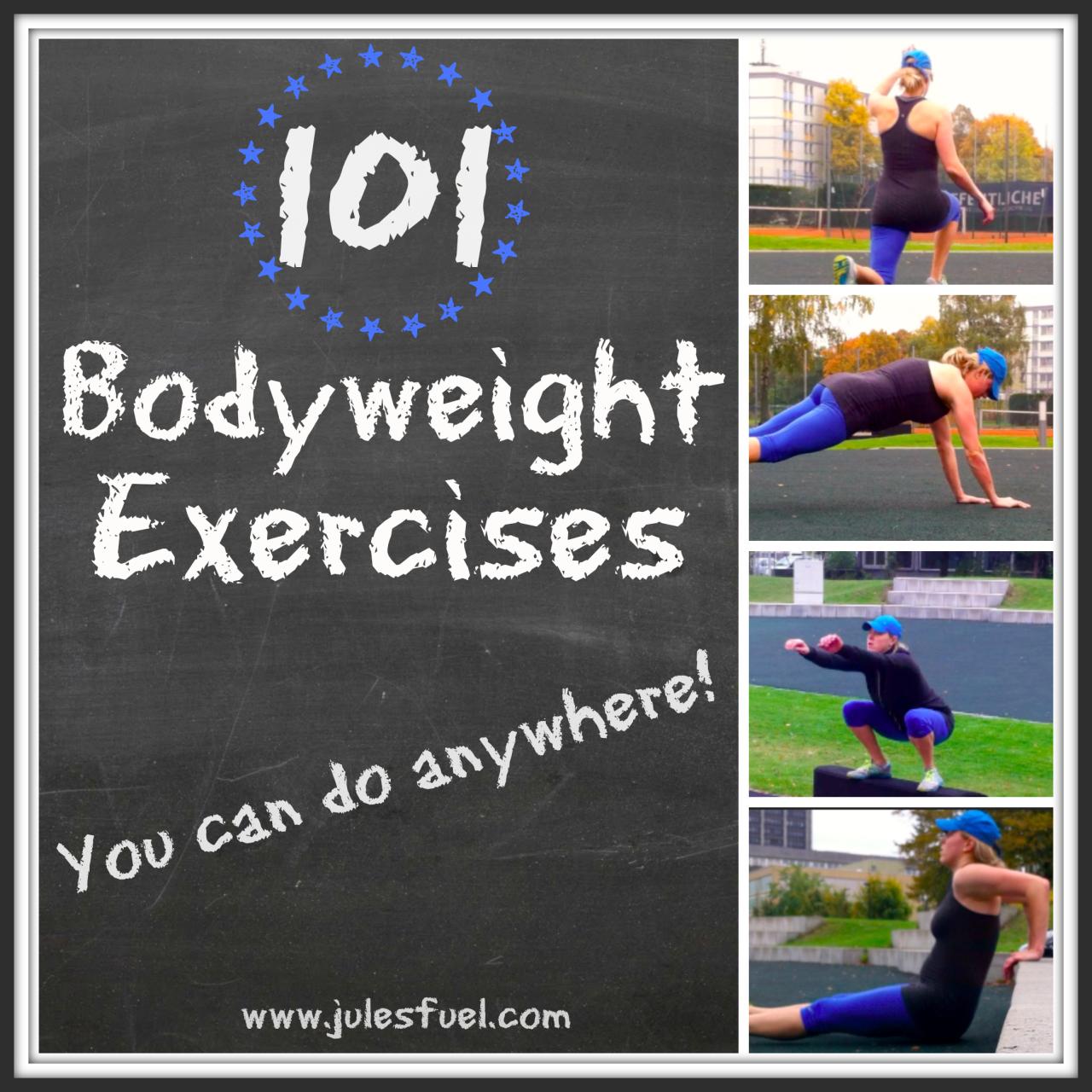
Bodyweight exercises offer a fantastic way to build strength, endurance, and improve overall fitness without requiring any equipment. Mastering these fundamental movements forms a solid foundation for more advanced training and can be incorporated into diverse fitness routines. Proper form is crucial for maximizing effectiveness and minimizing the risk of injury. Let’s delve into the specifics of some key bodyweight exercises.
Push-Ups
Push-ups are a compound exercise targeting the chest, shoulders, triceps, and core. Maintaining proper form is paramount to prevent injury and maximize results. Begin with your hands shoulder-width apart, palms flat on the ground. Your body should form a straight line from head to heels. Lower your chest towards the floor by bending your elbows, keeping them close to your body.
Push back up to the starting position, extending your arms fully. This exercise is adaptable; variations cater to different fitness levels.
- Standard Push-Ups: The fundamental form described above. A good starting point for building strength.
- Incline Push-Ups: Placing your hands on an elevated surface like a bench or table reduces the difficulty. Ideal for beginners.
- Decline Push-Ups: Placing your feet on an elevated surface increases the difficulty. A good progression for intermediate to advanced exercisers.
- Knee Push-Ups: Supporting your weight on your knees instead of your toes makes the exercise easier. A suitable option for beginners or when recovering from an injury.
Push-ups improve upper body strength, enhance core stability, and promote overall muscular development.
Squats
Squats are a powerful exercise for lower body strength and muscle development. Proper form prevents injury and maximizes effectiveness. Stand with your feet shoulder-width apart, toes slightly outward. Lower your body as if sitting in a chair, keeping your back straight and chest up. Bend your knees and hips simultaneously, ensuring your knees stay aligned with your toes.
Return to the starting position by pushing through your heels. Variations of squats cater to different fitness levels and goals.
- Standard Squats: The fundamental form, targeting quads, glutes, and hamstrings.
- Goblet Squats: Holding a dumbbell or kettlebell in front of your chest, you maintain a stable posture and a focused workout on the core and legs.
- Bulgarian Split Squats: One leg is elevated on a bench or chair, targeting the front leg and core muscles, while also strengthening the glutes and stabilizing muscles. This variation is a step up in intensity and stability.
- Pistol Squats: A single-leg squat, demanding greater balance and strength. A challenging variation for experienced individuals.
Squats strengthen the quadriceps, glutes, hamstrings, and core muscles, enhancing lower body power and stability.
Lunges
Lunges are a lower body exercise targeting the quads, glutes, hamstrings, and core. Proper form is crucial for maximizing benefits and minimizing injury risk. Take a large step forward with one leg, bending both knees to 90-degree angles. Ensure your front knee stays directly over your ankle, and your back knee almost touches the ground. Push off with your front foot to return to the starting position.
Variations of lunges cater to different fitness levels.
- Forward Lunges: The standard lunge, focusing on lower body strength.
- Reverse Lunges: Stepping backward with one leg, targeting similar muscles as forward lunges but emphasizing different muscle engagement.
- Walking Lunges: Alternating forward lunges, improving cardiovascular fitness and lower body strength.
- Lateral Lunges: Stepping to the side, targeting inner and outer thighs, and hip stability.
Lunges enhance lower body strength, improve balance, and increase cardiovascular fitness.
Planks
Planks are a core-strengthening exercise, targeting the abdominal muscles, back muscles, and shoulders. Maintain proper form to avoid strain or injury. Start in a prone position, forearms on the ground, elbows directly beneath shoulders, and toes on the ground. Engage your core, keeping your body in a straight line from head to heels. Hold the position for a set duration.
Variations of planks offer diverse levels of challenge.
- Standard Plank: The fundamental form, engaging the core and supporting muscles.
- Side Plank: Rotating your body to the side, strengthening the obliques and promoting stability.
- Forearm Plank: Using your forearms instead of hands, increasing the intensity.
- Plank with Leg Raises: Adding leg raises, challenging the core further and enhancing stability.
Planks enhance core strength, improve posture, and promote overall body stability.
Comparison Table
| Exercise | Variations | Primary Muscles Targeted | Benefits |
|---|---|---|---|
| Push-Ups | Standard, Incline, Decline, Knee | Chest, Shoulders, Triceps, Core | Upper body strength, core stability, muscular development |
| Squats | Standard, Goblet, Bulgarian Split, Pistol | Quads, Glutes, Hamstrings, Core | Lower body strength, muscle development, balance |
| Lunges | Forward, Reverse, Walking, Lateral | Quads, Glutes, Hamstrings, Core | Lower body strength, balance, cardiovascular fitness |
| Planks | Standard, Side, Forearm, Leg Raises | Abdominals, Back Muscles, Shoulders | Core strength, posture improvement, body stability |
Workout Routines and Progression
Mastering bodyweight exercises involves understanding how to structure effective routines and progressively challenge yourself. Consistent training and strategic progression are key to achieving results and preventing plateaus. This section details various workout structures and methods for increasing difficulty, enabling you to tailor your training to your fitness level and goals.
Sample 3-Day Full Body Workout Routine
This routine focuses on working all major muscle groups across three days, allowing for adequate rest and recovery. Each workout should be performed with good form and controlled movements.
- Day 1: Focuses on compound exercises like squats, push-ups, and rows. These exercises engage multiple muscle groups simultaneously, promoting overall strength and fitness.
- Day 2: Targets specific muscle groups with isolation exercises like planks, lunges, and hamstring curls. This allows for targeted strength development and improved muscle definition.
- Day 3: Emphasizes core strength and stability. Exercises like bicycle crunches, Russian twists, and leg raises are included to strengthen the core muscles. Rest and active recovery are essential on this day.
Sample 5-Day Upper/Lower Split Workout Routine
This routine divides workouts into upper and lower body days, allowing for more focused training and faster muscle recovery.
- Upper Body (Monday): Focuses on exercises like push-ups, dips, pull-ups (or assisted pull-ups), and rows to target the chest, shoulders, and back.
- Lower Body (Tuesday): Emphasizes exercises like squats, lunges, calf raises, and hamstring curls to target the legs and glutes.
- Rest (Wednesday): Allow your body to recover and rebuild. Light cardio, stretching, or foam rolling can be beneficial.
- Upper Body (Thursday): Similar exercises as Monday, but with variation in sets and repetitions.
- Lower Body (Friday): Similar exercises as Tuesday, but with variation in sets and repetitions.
Progressive Overload in Bodyweight Exercises
Progressive overload is crucial for continuous improvement. It involves gradually increasing the demands on your muscles over time, forcing them to adapt and become stronger.
- Increasing Repetitions: Gradually increase the number of repetitions you perform for each exercise. For example, if you can currently do 10 push-ups, aim to increase to 12, then 15, and so on.
- Increasing Sets: Increase the number of sets you perform for each exercise. If you currently do 3 sets of 10 push-ups, aim to increase to 4 sets.
- Increasing Difficulty: Progress to more challenging variations of the same exercise. For instance, move from standard push-ups to incline push-ups, or from regular squats to jump squats.
- Holding for Longer: Increase the duration of static holds for exercises like planks or bridges. This builds strength and endurance.
Adjusting Exercise Difficulty
Adjusting the difficulty of bodyweight exercises allows for tailored progression.
- Incline Variations: Raise your hands or feet to make exercises like push-ups and squats easier. For example, incline push-ups on a bench or elevated surface.
- Assisted Variations: Use a wall, chair, or partner to assist with exercises like pull-ups or dips.
- Modification of Stance: Alter the width of your stance or position to change the demand on different muscle groups.
- Modifying Range of Motion: Adjusting the range of motion of exercises to target specific muscles or decrease the load on joints.
Exercise Progression Table
This table provides a general guideline for exercise progression, categorized by fitness level.
| Exercise | Beginner | Intermediate | Advanced |
|---|---|---|---|
| Push-ups | Knee push-ups | Standard push-ups | Decline push-ups |
| Squats | Goblet squats | Barbell squats | Jump squats |
| Pull-ups | Assisted pull-ups | Standard pull-ups | Weighted pull-ups |
| Plank | Static hold (15-30 seconds) | Static hold (45-60 seconds) | Dynamic plank variations |
Safety and Precautions
Bodyweight exercises offer a fantastic way to improve fitness and strength without equipment, but proper safety precautions are crucial to prevent injuries. Understanding potential risks and implementing preventative measures can significantly enhance your workout experience and ensure long-term success.Safe and effective bodyweight training involves more than just performing exercises. It requires a mindful approach to form, preparation, and recovery.
This section details essential safety considerations to minimize the risk of injuries and maximize the benefits of your workouts.
Common Bodyweight Exercise Injuries
Bodyweight exercises, while generally safe, can lead to various injuries if not performed correctly. Common issues include muscle strains, joint pain (especially in the knees, ankles, and shoulders), and even fractures, particularly if proper form is neglected or if you push your limits too quickly. Understanding these potential risks allows you to adapt your workouts and prevent future issues.
Importance of Warming Up
A proper warm-up is essential to prepare your body for the demands of exercise. It increases blood flow to the muscles, raising their temperature and making them more pliable. This reduced risk of muscle tears and strains. A dynamic warm-up, incorporating movements similar to those in your workout, is particularly beneficial. Examples include arm circles, leg swings, and torso twists.
A good warm-up can significantly reduce the risk of injury during your bodyweight training.
Importance of Cooling Down
Cooling down after your workout is equally crucial. It allows your heart rate and breathing to return to normal gradually, reducing the risk of dizziness or muscle soreness. Static stretches, holding each stretch for 15-30 seconds, are ideal for cooling down. These stretches improve flexibility and reduce muscle stiffness.
Tips for Preventing Injuries
To minimize the risk of injuries during bodyweight exercises, consistently focus on proper form. Listen to your body; if a movement causes significant pain, stop immediately. Gradually increase the intensity and duration of your workouts. Don’t hesitate to modify exercises to suit your current fitness level. Using a mirror to check your form and seeking guidance from a qualified fitness professional can be helpful.
Proper hydration before, during, and after your workouts is also critical.
Common Bodyweight Exercise Mistakes and How to Avoid Them
| Mistake | Explanation | How to Avoid |
|---|---|---|
| Poor Form | Incorrect execution of exercises can lead to injuries. | Use a mirror to check your posture and alignment, and seek guidance from a qualified fitness professional. |
| Insufficient Warm-up | Skipping a warm-up increases the risk of muscle strains. | Always perform a dynamic warm-up before starting any workout. |
| Overtraining | Pushing your body beyond its limits leads to increased risk of injury. | Gradually increase the intensity and duration of your workouts. Don’t overexert yourself, especially in the beginning. |
| Ignoring Pain | Ignoring pain during exercises can lead to serious injuries. | Listen to your body. If a movement causes significant pain, stop immediately and consult a doctor or physical therapist. |
| Inadequate Rest | Insufficient rest between workouts can hinder recovery and increase risk of injury. | Allow adequate time for your body to recover between workouts. This varies from person to person, but a minimum of one day of rest is often recommended. |
Nutrition and Recovery
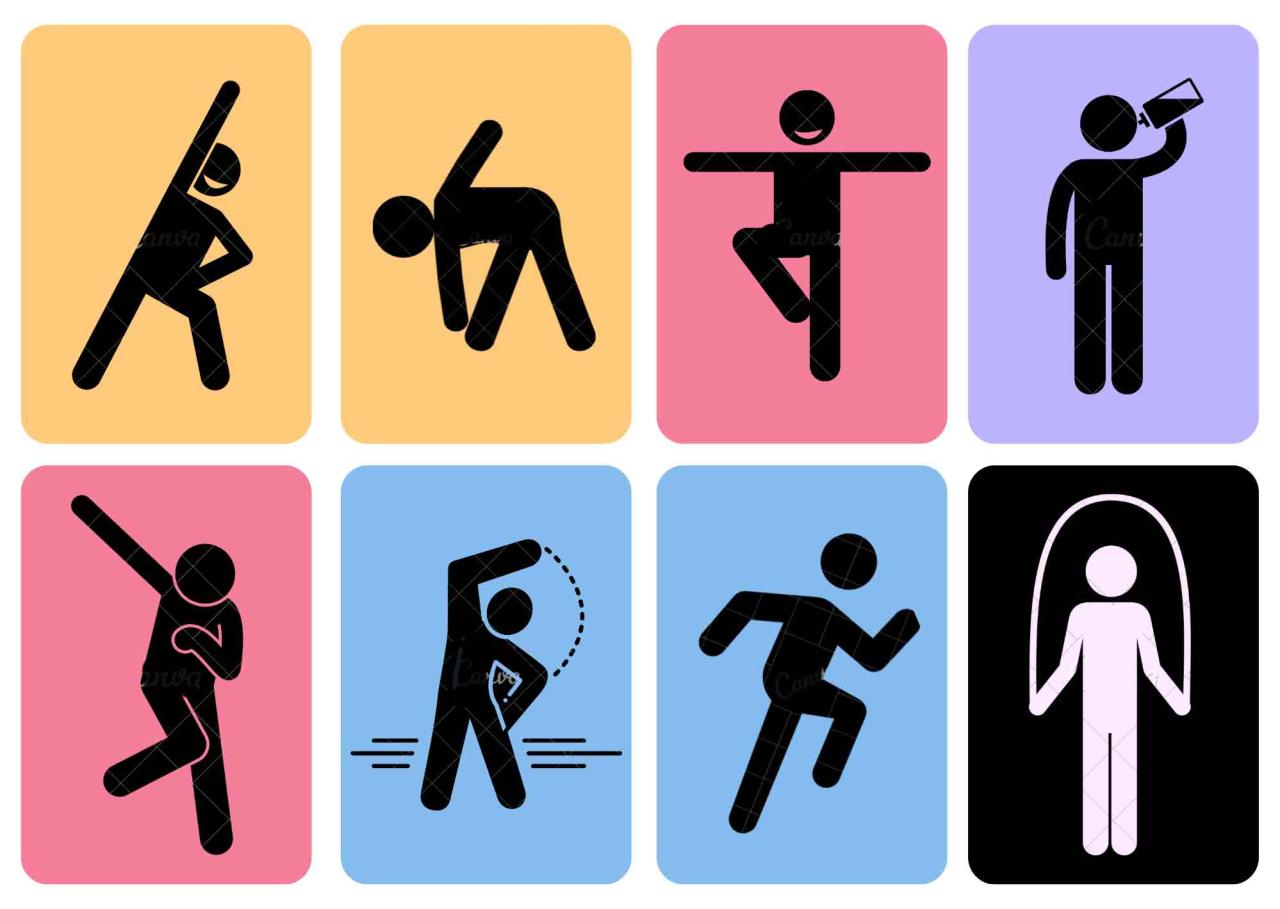
Proper nutrition and recovery are crucial components of a successful bodyweight training program. They fuel your workouts, aid in muscle repair, and optimize your overall well-being. Without adequate nutrition and recovery, you may experience decreased performance, increased risk of injury, and hindered progress towards your fitness goals.Nutrition plays a pivotal role in supporting your bodyweight training regimen. A balanced diet provides the necessary energy for exercise, promotes muscle growth and repair, and facilitates overall health and well-being.
Fueling your body effectively through proper nutrition is as important as the exercises themselves.
Importance of Protein Intake
Protein is essential for muscle growth and repair. During exercise, muscle fibers experience microscopic damage. Protein provides the building blocks for repairing and rebuilding these fibers, leading to increased muscle mass and strength. Adequate protein intake is crucial for individuals engaging in bodyweight training to support muscle growth.
Role of Hydration
Proper hydration is vital for optimal performance during bodyweight exercises. Water is essential for numerous bodily functions, including regulating body temperature, transporting nutrients, and removing waste products. Dehydration can lead to fatigue, decreased performance, and even injury. Maintaining adequate hydration is critical for sustaining energy levels and ensuring effective workouts.
Importance of Sleep for Recovery
Adequate sleep is paramount for recovery and muscle repair. During sleep, the body repairs and rebuilds tissues, including muscles. Insufficient sleep can negatively impact muscle growth, recovery time, and overall fitness progress. Prioritizing sleep is an integral part of a comprehensive bodyweight training plan.
Best Foods to Eat Before, During, and After a Workout
Nutrition timing is critical for optimizing workout performance and recovery. Consuming the right foods at the right times can significantly impact your training.
| Time | Food Recommendations | Rationale |
|---|---|---|
| Before Workout (1-2 hours) | Complex carbohydrates like brown rice, sweet potatoes, or whole-wheat bread; lean protein like chicken breast or fish; a small amount of healthy fats like avocado or nuts. | Provides sustained energy for the workout, prevents blood sugar crashes, and supports muscle function. |
| During Workout (if needed) | Small amounts of easily digestible carbohydrates like sports drinks or energy gels. | Replenishes glycogen stores during prolonged workouts, maintaining energy levels. |
| After Workout (within 30-60 minutes) | Protein-rich foods like Greek yogurt, protein shakes, or lean meats; complex carbohydrates for glycogen replenishment; and healthy fats for overall nutrition. | Promotes muscle repair and recovery, replenishes glycogen stores, and aids in protein synthesis. |
Advanced Techniques and Considerations
Bodyweight training, while effective for building strength and endurance at all levels, can be further enhanced by incorporating advanced techniques. These techniques, when applied correctly, can significantly elevate your fitness journey and challenge your body in new and exciting ways. Understanding these approaches is crucial for safe and effective progression.Understanding and applying these techniques safely and progressively will lead to better results and a more challenging and rewarding training experience.
Plyometrics
Plyometrics, or jump training, involves explosive movements that utilize the stretch-shortening cycle to generate maximum power. Incorporating plyometrics into bodyweight training can enhance power, speed, and agility. Examples include jump squats, burpees, and box jumps (using a stable surface for safety). Careful progression and adequate warm-up are essential to avoid injuries. A proper warm-up is crucial before attempting plyometric exercises.
This should include dynamic stretches targeting the major muscle groups involved in the exercises.
Core Engagement
Core engagement is paramount in all bodyweight exercises. A strong core provides stability, control, and power transfer throughout the body. Proper core engagement involves activating the abdominal muscles, lower back muscles, and obliques. Focus on maintaining a neutral spine throughout each exercise to maximize core engagement. This is especially important in compound movements like push-ups and squats.
Flexibility and Stretching
Maintaining adequate flexibility is crucial for injury prevention and optimal performance. Stretching before and after workouts is essential for increasing range of motion, improving muscle recovery, and reducing the risk of strains and tears. Static stretches, held for 20-30 seconds, are effective for improving flexibility. Dynamic stretches, involving controlled movements, prepare the body for exercise and improve blood flow to the muscles.
Mindfulness in Bodyweight Training
Mindfulness involves focusing on the present moment, particularly during exercise. By paying attention to your body’s sensations and breathing, you can enhance your awareness of proper form, improve concentration, and gain deeper insight into your body’s limits. Mindfulness also promotes better control during exercises, preventing injury. Practicing mindful breathing during challenging exercises can increase endurance and improve overall performance.
Sample Advanced Bodyweight Workout Routine
This routine is designed for individuals with a solid foundation in bodyweight training. Adjust the repetitions and sets to suit your fitness level and goals. Rest for 60-90 seconds between sets.
| Exercise | Sets | Repetitions |
|---|---|---|
| Burpees | 3 | 10-12 |
| Plyometric Push-ups | 3 | 8-10 |
| Jump Squats | 3 | 10-12 |
| Mountain Climbers | 3 | 30 seconds |
| Plank | 3 | Hold for 45-60 seconds |
| L-sit | 3 | Hold for 30-45 seconds |
Bodyweight Exercises for Specific Goals
Bodyweight exercises offer a versatile and accessible approach to achieving a wide range of fitness goals. They require no equipment, making them convenient and adaptable for various fitness levels. This section delves into tailored workout plans designed to support weight loss, muscle building, overall fitness improvement, and posture enhancement.Weight loss, muscle building, and overall fitness improvement are common goals that can be effectively addressed through bodyweight training.
These plans provide a structured framework to guide you towards achieving your objectives. Posture improvement is also discussed as a beneficial outcome that often accompanies consistent bodyweight exercise routines.
Workout Plan for Weight Loss
This plan emphasizes calorie expenditure and fat burning through a combination of cardio and strength-training exercises. Consistent adherence to this plan, combined with a healthy diet, will yield noticeable results.
- Warm-up (5 minutes): Dynamic stretches like arm circles, leg swings, and torso twists prepare the body for exercise.
- Cardio (20-30 minutes): High-intensity interval training (HIIT) incorporating burpees, mountain climbers, jumping jacks, and squat jumps. Adjust the duration and intensity based on your fitness level.
- Strength Training (20-30 minutes): Include exercises like push-ups, lunges, squats, and planks. Aim for 3 sets of 10-12 repetitions for each exercise. Rest for 60 seconds between sets.
- Cool-down (5 minutes): Static stretches like holding a hamstring stretch, quad stretch, and triceps stretch aid in recovery and flexibility.
Workout Plan for Muscle Building
This plan focuses on progressive overload, gradually increasing the intensity and volume of exercises to stimulate muscle growth. A balanced diet rich in protein is crucial for supporting muscle repair and development.
- Warm-up (5 minutes): Dynamic stretches like arm circles, leg swings, and torso twists.
- Strength Training (45-60 minutes): Focus on compound exercises such as squats, push-ups, lunges, and pull-ups (or assisted pull-ups). Perform 3-4 sets of 8-12 repetitions for each exercise. Prioritize proper form over lifting heavy weights. Rest for 60-90 seconds between sets. Progressive overload is key, gradually increasing the number of repetitions or sets over time.
- Cool-down (5 minutes): Static stretches like holding a hamstring stretch, quad stretch, and triceps stretch.
Workout Plan for Improving Overall Fitness
This plan aims to enhance cardiovascular health, strength, and flexibility. It includes a mix of cardio and strength training, promoting a holistic approach to fitness.
- Warm-up (5 minutes): Dynamic stretches like arm circles, leg swings, and torso twists.
- Cardio (20-30 minutes): Choose activities like jogging, running, or cycling to enhance cardiovascular health. Adjust the intensity and duration based on your fitness level.
- Strength Training (20-30 minutes): Include a mix of compound exercises like squats, push-ups, lunges, and rows. Aim for 2-3 sets of 10-15 repetitions for each exercise.
- Cool-down (5 minutes): Static stretches like holding a hamstring stretch, quad stretch, and triceps stretch.
Role of Bodyweight Exercises in Improving Posture
Bodyweight exercises can significantly improve posture by strengthening core muscles, improving spinal stability, and stretching tight muscles. This, in turn, reduces pain and discomfort associated with poor posture.
- Core strengthening exercises (e.g., planks, side planks, and Russian twists) directly target core muscles, improving spinal stability and reducing the risk of postural issues.
- Back strengthening exercises (e.g., back extensions, supermans) strengthen the muscles supporting the spine, improving posture and alleviating back pain.
- Stretching exercises (e.g., hamstring stretches, chest stretches, and shoulder stretches) can improve flexibility and correct muscle imbalances, contributing to improved posture.
Summary of Workout Plans for Different Fitness Goals
| Fitness Goal | Workout Plan Overview |
|---|---|
| Weight Loss | Focuses on HIIT cardio and strength training for calorie expenditure. |
| Muscle Building | Emphasizes compound exercises with progressive overload for muscle growth. |
| Overall Fitness | Combines cardio and strength training for enhanced cardiovascular health, strength, and flexibility. |
Last Word
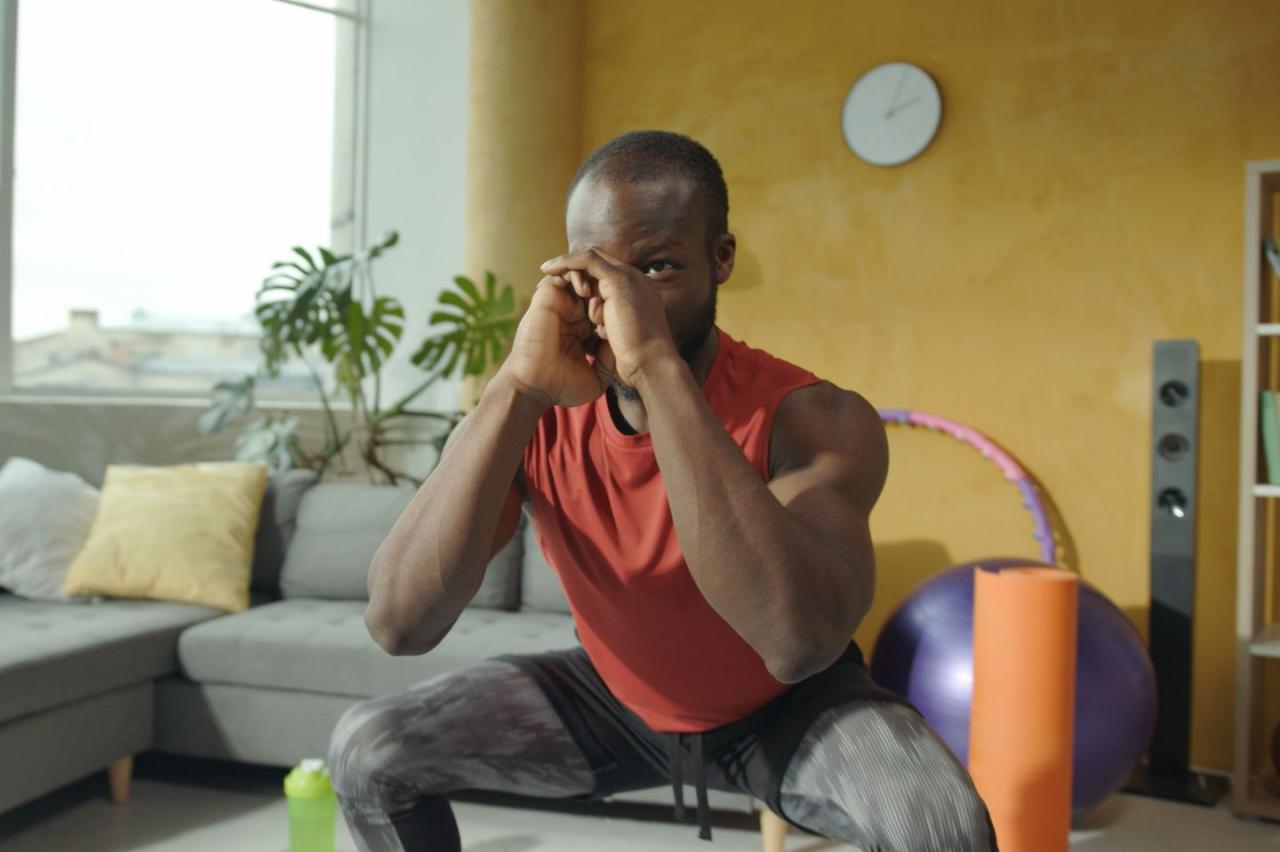
In conclusion, bodyweight exercises provide a versatile and effective approach to achieving a wide range of fitness goals. This guide has explored the principles of bodyweight training, from fundamental exercises to advanced techniques and tailored workout plans. By understanding proper form, progressively challenging yourself, and prioritizing safety, you can unlock the full potential of your bodyweight training journey.
Remember to listen to your body, adjust your routines as needed, and enjoy the rewarding process of building strength and fitness through bodyweight exercises.