Burning belly fat requires a multifaceted approach encompassing diet, exercise, and lifestyle adjustments. This guide delves into the intricacies of reducing visceral and subcutaneous fat, exploring effective strategies for achieving sustainable results. We’ll examine the science behind belly fat, equipping you with the knowledge to make informed decisions about your health journey.
From understanding the different types of fat and their health implications, to exploring various diet plans, exercises, and lifestyle factors, this comprehensive guide offers a roadmap to a healthier you. We’ll provide actionable steps and practical advice, helping you build a personalized plan for lasting fat reduction.
Understanding Belly Fat
Understanding the different types of body fat and their health implications is crucial for effective weight management. Excess belly fat, particularly visceral fat, poses significant risks to overall health. This section delves into the specifics of visceral and subcutaneous fat, highlighting their differences and the associated health concerns.
Types of Body Fat
Body fat is categorized into two main types: visceral and subcutaneous. Visceral fat is located around the internal organs, while subcutaneous fat lies directly beneath the skin. Understanding the distinction between these types is critical for comprehending the impact of belly fat on health.
Visceral and Subcutaneous Fat: A Comparison
Visceral fat, often referred to as “deep fat,” is stored around the internal organs, such as the liver and abdomen. Subcutaneous fat, on the other hand, is the more familiar “surface fat” that’s visible beneath the skin. Both contribute to overall body fat, but their locations and health implications differ significantly. The table below provides a comprehensive comparison:
| Type | Location | Health Risks | Prevention Strategies |
|---|---|---|---|
| Visceral Fat | Deep within the abdomen, surrounding internal organs | Increased risk of heart disease, type 2 diabetes, certain cancers, and high blood pressure. It’s often associated with inflammation throughout the body. | Regular physical activity, a balanced diet rich in fruits, vegetables, and whole grains, and stress management techniques. |
| Subcutaneous Fat | Located directly beneath the skin | While excess subcutaneous fat can contribute to weight gain and aesthetic concerns, it generally carries a lower risk of immediate health problems compared to visceral fat. However, excessive amounts can still increase the risk of certain diseases. | Similar to visceral fat prevention, a balanced diet, regular exercise, and stress management. Maintaining a healthy weight is also crucial. |
Health Risks Associated with Excess Belly Fat
Excessive belly fat, primarily visceral fat, is linked to numerous health issues. The accumulation of visceral fat contributes to inflammation, insulin resistance, and other metabolic dysfunctions. This can lead to a cascade of problems, including:
- Heart Disease: Visceral fat releases harmful substances into the bloodstream, increasing the risk of high blood pressure, high cholesterol, and abnormal blood sugar levels, all major contributors to heart disease.
- Type 2 Diabetes: Visceral fat disrupts insulin function, leading to elevated blood sugar levels. Over time, this can progress to type 2 diabetes, a chronic metabolic disorder.
- Certain Cancers: Studies suggest a correlation between visceral fat accumulation and an increased risk of certain cancers, such as colon, breast, and endometrial cancers. The exact mechanisms are still being investigated.
- Other Health Issues: The impact of excess belly fat extends to other health problems, including sleep apnea, osteoarthritis, and some mental health conditions.
Relationship Between Belly Fat and Health Conditions
The relationship between belly fat and health conditions is complex and multifaceted. High levels of visceral fat disrupt the body’s metabolic processes, leading to an increased risk of developing several chronic diseases. For instance, chronic inflammation, stemming from visceral fat accumulation, contributes to insulin resistance, a key factor in type 2 diabetes. Moreover, the hormonal imbalances often associated with excessive belly fat can impact various aspects of health, further emphasizing the importance of managing this type of fat.
Diet Strategies for Belly Fat Reduction
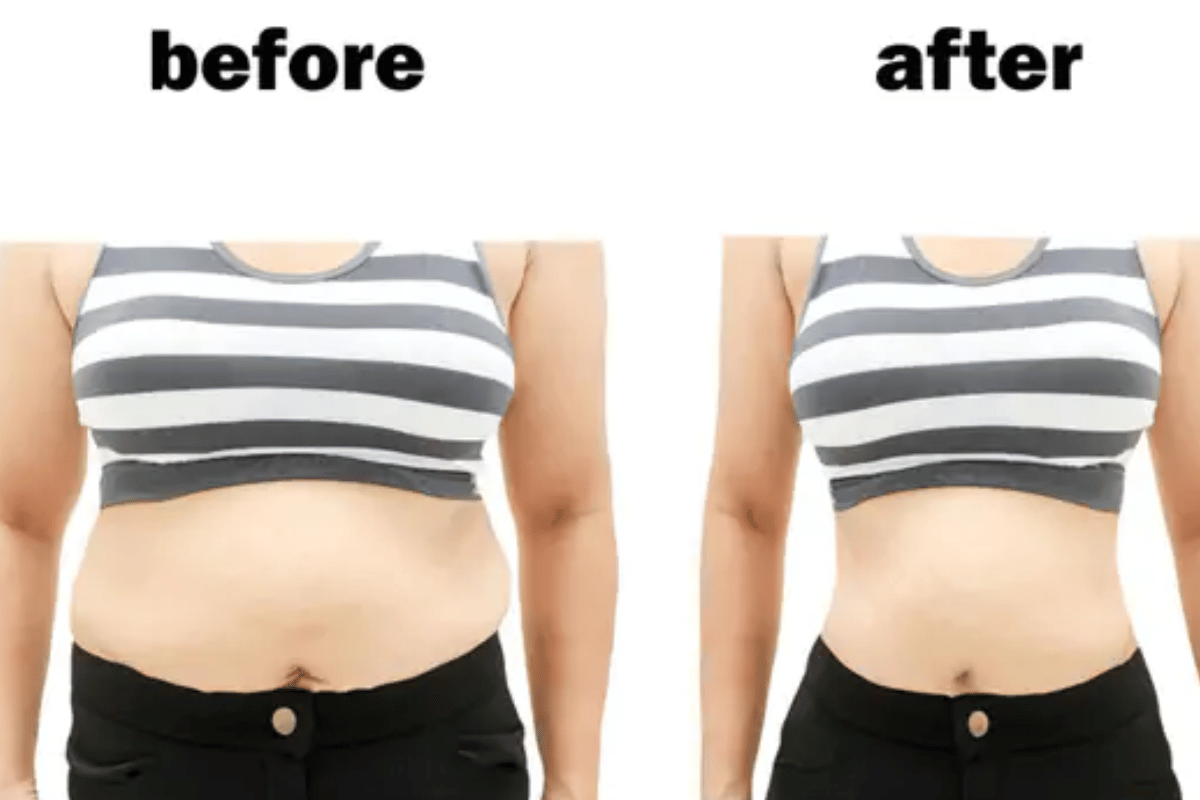
A healthy diet plays a crucial role in reducing belly fat. Focusing on nutrient-dense foods, controlling portion sizes, and adopting mindful eating habits can significantly contribute to achieving your goals. This section details effective dietary approaches for belly fat reduction, highlighting key foods to incorporate and avoid, and emphasizing the importance of portion control.Effective weight management often involves a combination of dietary strategies and regular exercise.
A balanced diet provides the necessary nutrients for bodily functions, while also contributing to a calorie deficit that facilitates fat loss. This section provides a structured approach to help you achieve your desired results.
Healthy Dietary Approaches
A healthy diet for belly fat reduction emphasizes whole, unprocessed foods rich in fiber, lean protein, and healthy fats. These foods promote satiety, regulate blood sugar levels, and support overall metabolic health.
- Focus on whole grains: Whole grains, such as brown rice, quinoa, and whole-wheat bread, are excellent sources of fiber, which aids in digestion and keeps you feeling full for longer. They are crucial for maintaining a stable energy level and preventing blood sugar spikes that can lead to fat storage.
- Prioritize lean protein sources: Lean protein sources, including chicken breast, fish, beans, lentils, and tofu, are essential for building and repairing tissues. They also promote satiety, preventing overeating and aiding in muscle preservation during weight loss.
- Incorporate healthy fats: Healthy fats, found in avocados, nuts, seeds, and olive oil, are vital for hormone production and overall health. They contribute to satiety, supporting a balanced and sustainable diet.
- Consume plenty of fruits and vegetables: Fruits and vegetables are packed with vitamins, minerals, and fiber, contributing to a balanced diet. Their high water content promotes satiety, aiding in controlling calorie intake.
Foods to Avoid
Certain foods can hinder belly fat reduction efforts due to their high calorie content, refined ingredients, and tendency to disrupt blood sugar regulation.
- Processed foods: Processed foods, often high in added sugars, unhealthy fats, and sodium, contribute to excess calorie intake and hinder weight loss. Examples include packaged snacks, sugary cereals, and fast food.
- Sugary drinks: Sugary drinks, such as soda and juice, provide empty calories that contribute to weight gain without providing essential nutrients. Their high sugar content can disrupt blood sugar levels and increase fat storage.
- Refined carbohydrates: Refined carbohydrates, such as white bread, white rice, and pastries, lack fiber and contribute to blood sugar fluctuations. These fluctuations can lead to increased appetite and cravings, hindering weight loss efforts.
- Fried foods: Fried foods are typically high in unhealthy fats and calories. Their excessive fat content can contribute to weight gain and hinder fat loss.
Importance of Portion Control and Mindful Eating
Portion control and mindful eating are essential components of any successful weight management strategy. They help individuals develop a healthier relationship with food, promoting mindful consumption and preventing overeating.
- Portion control: Being mindful of portion sizes is key to managing calorie intake. Using smaller plates and measuring food portions can help in controlling calorie intake and preventing overconsumption.
- Mindful eating: Mindful eating involves paying attention to hunger and fullness cues, eating slowly, and savoring each bite. This approach helps individuals develop a deeper understanding of their body’s needs, promoting healthier eating habits.
Comparison of Diets
The table below compares various diet types based on their core principles, sample meals, and potential challenges.
| Diet Type | Core Principles | Sample Meals | Potential Challenges |
|---|---|---|---|
| Mediterranean Diet | Focuses on fruits, vegetables, whole grains, legumes, and healthy fats. Emphasizes lean protein and limits red meat and processed foods. | Grilled fish with roasted vegetables and quinoa; Lentil soup with whole-wheat bread; Greek salad with olive oil and feta cheese. | May require adjustments to social gatherings and restaurant dining. Can be challenging to adhere to strictly in certain environments. |
| Low-Carb Diet | Limits carbohydrate intake to promote fat burning. Focuses on protein and healthy fats. | Steak with asparagus and avocado; Chicken salad with mixed greens and almonds; Cauliflower rice stir-fry with lean protein. | Potential for nutrient deficiencies if not carefully planned. May lead to fatigue and headaches if carbohydrates are restricted too drastically. |
| Vegan Diet | Excludes all animal products, emphasizing plant-based foods. | Vegetable stir-fry with brown rice; Lentil stew with whole-grain bread; Fruit and nut smoothie. | Can be challenging to obtain a complete range of nutrients without supplementation. May require careful planning to ensure adequate protein intake. |
| Paleo Diet | Focuses on foods that were available to early humans, excluding grains, legumes, dairy, and processed foods. | Grilled chicken breast with roasted vegetables; Salmon with asparagus and sweet potatoes; Beef stir-fry with broccoli. | May be difficult to maintain long-term due to limitations on food choices. May be restrictive for individuals with certain dietary needs. |
Healthy Snack Options
Healthy snacks can help curb hunger and support belly fat reduction. These options provide essential nutrients and help maintain stable energy levels throughout the day.
- Fruits and vegetables: Fruits and vegetables, such as apples, bananas, carrots, and celery, are excellent sources of fiber and vitamins. Their high water content promotes satiety and helps control calorie intake.
- Nuts and seeds: Nuts and seeds, such as almonds, walnuts, and chia seeds, provide healthy fats, protein, and fiber. They promote satiety and support overall health.
- Greek yogurt: Greek yogurt is a high-protein snack that promotes satiety and aids in muscle preservation.
- Hard-boiled eggs: Hard-boiled eggs are a convenient and nutritious snack rich in protein and essential nutrients.
Exercise for Belly Fat Loss
Exercise plays a crucial role in reducing belly fat alongside a healthy diet. Physical activity boosts metabolism, burns calories, and helps build muscle mass, all contributing to a healthier body composition. Targeted exercise can also strengthen the core muscles, supporting the abdominal area and promoting a more defined physique.Effective exercise strategies for belly fat loss encompass a combination of cardio, strength training, and high-intensity interval training (HIIT).
This approach not only burns calories but also fosters long-term healthy habits.
Cardio Exercises for Belly Fat Burning
Cardiovascular exercises are essential for calorie burning and improving overall cardiovascular health. They contribute significantly to belly fat reduction by increasing your heart rate and expending energy. Choosing activities you enjoy will enhance consistency and promote long-term adherence to your fitness goals.
- Running: A highly effective cardio exercise, running elevates heart rate and burns a significant number of calories. Varying pace and terrain can make running more engaging and effective.
- Swimming: A low-impact exercise that works multiple muscle groups while burning calories. Swimming is a fantastic choice for individuals of all fitness levels.
- Cycling: A versatile cardio option, cycling allows for varied intensity and duration, making it suitable for different fitness goals. Outdoor cycling provides an additional benefit of enjoying nature.
- Dancing: A fun and engaging way to burn calories and improve cardiovascular fitness. Dancing is a great option for those who want a more enjoyable cardio workout.
- Jumping Rope: A high-intensity cardio exercise that can quickly elevate your heart rate and burn calories. Jumping rope can be a highly effective workout for those seeking a quick calorie burn.
Strength Training for Overall Body Composition
Strength training is vital for building muscle mass. Muscle tissue burns more calories at rest than fat tissue, contributing to a higher metabolism and supporting belly fat reduction. Strength training also enhances overall body composition, making the body leaner and more toned.
High-Intensity Interval Training (HIIT)
High-Intensity Interval Training (HIIT) involves short bursts of intense exercise followed by brief recovery periods. HIIT workouts are known for their effectiveness in burning calories and improving cardiovascular fitness. This approach can be highly effective for belly fat reduction, requiring less time than traditional cardio regimens.
Importance of Consistent Exercise and Sustainable Routine
Consistency is key to achieving long-term results. Developing a sustainable exercise routine that aligns with your lifestyle and preferences is crucial for maintaining momentum and avoiding burnout. Finding activities you enjoy will increase the likelihood of sticking with your fitness plan.
Exercises to Target Abdominal Muscles
Targeting abdominal muscles directly strengthens the core, which supports the spine and enhances posture. These exercises contribute to a more defined abdominal region.
- Crunches: A classic exercise for targeting the rectus abdominis muscle. Proper form is essential to avoid straining the back.
- Planks: A challenging isometric exercise that strengthens the core muscles, including the rectus abdominis, transverse abdominis, and obliques.
- Leg Raises: A targeted exercise for strengthening the lower abdominal muscles.
- Bicycle Crunches: A more dynamic exercise that engages the obliques and rectus abdominis.
Sample Workout Plan
This sample workout plan provides a structure for incorporating cardio and strength training. Adjust the intensity and duration to match your fitness level. (Example):Monday: Cardio (running or cycling) – 45 minutes Tuesday: Strength Training (focus on upper body) – 60 minutes Wednesday: HIIT – 30 minutes Thursday: Strength Training (focus on lower body) – 60 minutes Friday: Cardio (swimming or dancing) – 45 minutes Saturday: Rest or Active Recovery Sunday: Rest or Active Recovery
Comparison of Exercise Types
| Exercise Type | Benefits | Considerations | Expected Outcomes |
|---|---|---|---|
| Running | Excellent calorie burning, improves cardiovascular health | Can be high-impact, requires proper form | Improved endurance, reduced belly fat, toned legs |
| Swimming | Low-impact, full-body workout, excellent for joint health | Requires access to a pool | Improved cardiovascular health, reduced belly fat, toned body |
| Cycling | Versatile, adjustable intensity, good for cardiovascular health | May require cycling equipment | Improved endurance, reduced belly fat, toned legs |
| HIIT | Efficient calorie burning, improves cardiovascular fitness | Requires proper form, may not be suitable for beginners | Increased metabolism, reduced belly fat, improved cardiovascular health |
Lifestyle Factors and Belly Fat

Beyond diet and exercise, various lifestyle factors significantly influence belly fat accumulation. Understanding these factors is crucial for a holistic approach to achieving and maintaining a healthy weight. These lifestyle elements often interact with dietary choices and exercise routines, creating a complex interplay that affects overall health and well-being.Lifestyle choices, beyond diet and exercise, play a substantial role in belly fat management.
These factors encompass stress levels, sleep patterns, hydration, and alcohol consumption, all of which can influence how the body stores and utilizes energy. Recognizing the impact of these factors allows for more effective strategies to reduce belly fat and improve overall health.
Stress and Belly Fat
Chronic stress can significantly impact belly fat accumulation. When stressed, the body releases cortisol, a hormone that promotes the storage of fat, particularly around the abdomen. This physiological response, while a survival mechanism in short bursts, becomes detrimental when stress becomes prolonged. High cortisol levels can lead to increased appetite, particularly for high-calorie foods, further contributing to belly fat.
Sleep Quality and Belly Fat
Adequate sleep is essential for regulating hormones that control appetite and metabolism. Insufficient sleep disrupts these hormonal balances, leading to increased hunger and reduced metabolic efficiency, which can contribute to belly fat accumulation. Studies have shown a correlation between poor sleep and higher body mass index (BMI), often accompanied by increased abdominal fat.
Hydration and Belly Fat Reduction
Staying adequately hydrated is crucial for overall health and can contribute to belly fat reduction. Water plays a vital role in numerous bodily functions, including metabolism and nutrient transport. Dehydration can lead to water retention, making the abdomen appear larger. Maintaining proper hydration can support a healthy metabolism and promote overall well-being, which may indirectly impact belly fat.
Alcohol Consumption and Belly Fat
Alcohol often contains significant calories, and its consumption can contribute to belly fat accumulation. Alcohol can interfere with the body’s metabolism, making it less efficient at burning calories. Moreover, alcohol can increase appetite and lead to poor dietary choices, which may exacerbate belly fat gain. The impact of alcohol consumption varies based on individual factors, including metabolism and frequency of consumption.
Stress Management Techniques
Stress management techniques can significantly help in reducing belly fat by controlling cortisol levels. Practicing mindfulness, yoga, or meditation can help reduce stress and promote relaxation, thus potentially influencing cortisol levels and fat storage patterns.
Examples of Stress-Reducing Activities
Numerous activities can help manage stress effectively. Examples include: deep breathing exercises, spending time in nature, listening to calming music, pursuing hobbies, and engaging in social activities. Choosing activities that bring joy and relaxation can be particularly beneficial.
Improving Sleep Quality
Establishing a consistent sleep schedule, creating a relaxing bedtime routine, and ensuring a comfortable sleep environment are essential for improving sleep quality. A regular sleep schedule regulates the body’s natural sleep-wake cycle, which can improve overall health, including metabolic function and fat storage patterns.
Lifestyle Factors Affecting Belly Fat
| Factor | Impact | Strategies | Examples |
|---|---|---|---|
| Stress | Increased cortisol, leading to fat storage, especially around the abdomen. Can also increase appetite. | Mindfulness, yoga, meditation, spending time in nature, hobbies | Deep breathing exercises, spending time in a garden, listening to calming music, pursuing a hobby |
| Sleep Quality | Disruption of hormones that regulate appetite and metabolism. Increased hunger and reduced metabolic efficiency. | Consistent sleep schedule, relaxing bedtime routine, comfortable sleep environment | Establishing a regular sleep-wake cycle, creating a calming bedtime routine, ensuring a dark and quiet bedroom |
| Hydration | Dehydration can lead to water retention, potentially making the abdomen appear larger. Can support a healthy metabolism. | Consume sufficient water throughout the day. | Carry a water bottle, set reminders to drink water, drink water with meals |
| Alcohol Consumption | High calorie content, interference with metabolism, increased appetite, and poor dietary choices. | Limit alcohol intake or abstain completely. | Choose lower-calorie alcoholic beverages, alternate alcoholic drinks with water, have a meal before or after consuming alcohol |
Supplements and Belly Fat Reduction
While diet and exercise are crucial for belly fat reduction, some individuals may explore supplements as potential adjuncts. However, it’s essential to approach supplementation with caution, understanding that these products are not a quick fix and should be used within a comprehensive healthy lifestyle. The effectiveness of supplements in aiding belly fat loss remains a subject of ongoing research and expert opinion.Supplements marketed for belly fat reduction often target various bodily processes.
These may include boosting metabolism, suppressing appetite, or improving fat burning. However, it’s important to remember that these effects are not always clinically proven and can vary significantly between individuals. Moreover, potential side effects or interactions with existing medications should be carefully considered.
Specific Supplements and Their Mechanisms
Supplements often touted for their potential role in belly fat reduction operate through various mechanisms. Understanding these mechanisms can help individuals make informed decisions. These mechanisms may include influencing hormones, enhancing metabolism, or promoting fat burning.
Potential Benefits and Risks of Supplements
Supplements, while potentially beneficial in certain cases, come with inherent risks. Their potential benefits often hinge on their ability to enhance the body’s natural processes. However, these benefits are not universally guaranteed. Adverse effects, including interactions with medications, can also occur. Therefore, consulting with a healthcare professional is paramount before introducing any new supplement into a routine.
List of Potential Supplements and Their Mechanisms
- Green Tea Extract: Green tea extract contains catechins, antioxidants that may boost metabolism and promote fat oxidation. This can potentially lead to a slight increase in calorie burning.
- Glucomannan: This dietary fiber can promote feelings of fullness, potentially reducing calorie intake and contributing to weight management. It works by absorbing water in the digestive tract, creating a sense of satiety.
- Garcinia Cambogia: This extract contains hydroxycitric acid (HCA), which may inhibit the production of citrate lyase, an enzyme involved in fat synthesis. It may also influence appetite regulation.
- Caffeine: Caffeine is a stimulant that can potentially increase metabolism and enhance fat burning. However, its effectiveness in sustained belly fat reduction remains a subject of debate.
Expert Opinions on Supplement Effectiveness
Expert opinions on the effectiveness of supplements for belly fat loss are varied. Some experts acknowledge the potential of certain supplements to support a healthy lifestyle, while others remain cautious, emphasizing the need for a comprehensive approach involving diet, exercise, and lifestyle modifications. Research on the efficacy of these supplements is still ongoing and not always conclusive.
Potential Interactions with Medications
It’s crucial to be aware of potential interactions between supplements and medications. Some supplements may interfere with the absorption or efficacy of certain medications. Therefore, it’s vital to discuss supplement use with a physician or pharmacist to identify any potential risks or necessary precautions.
Importance of Professional Consultation
Before introducing any supplements into a weight-loss routine, consulting a healthcare professional is paramount. They can assess individual needs, identify potential risks, and provide personalized guidance. This consultation is critical to ensure the supplement is safe and compatible with existing health conditions or medications.
Comparison of Supplements for Belly Fat Reduction
| Supplement | Mechanism | Potential Benefits | Potential Risks |
|---|---|---|---|
| Green Tea Extract | Boosts metabolism, promotes fat oxidation | Potential increase in calorie burning, antioxidant properties | Potential side effects like anxiety, insomnia; interactions with certain medications |
| Glucomannan | Promotes satiety by absorbing water | Reduced calorie intake, aids in weight management | Potential digestive discomfort, interactions with certain medications |
| Garcinia Cambogia | May inhibit fat synthesis, influence appetite | Potential support for fat reduction, appetite regulation | Potential side effects like headaches, nausea; interactions with certain medications |
| Caffeine | Stimulates metabolism, enhances fat burning | Potential increase in metabolism, improved focus | Potential side effects like anxiety, insomnia; interactions with certain medications |
Realistic Expectations and Sustainability
Achieving a healthy weight, including reducing belly fat, is a journey, not a sprint. Understanding this fundamental truth is crucial for maintaining motivation and preventing frustration. A realistic approach emphasizes gradual progress, focusing on sustainable lifestyle changes rather than quick fixes. This approach prioritizes long-term well-being over short-term results.Setting realistic goals and expectations for belly fat reduction is essential for avoiding disappointment and maintaining a healthy relationship with food and exercise.
This involves recognizing that significant changes take time and consistent effort. A balanced approach that incorporates healthy eating, regular exercise, and stress management will yield better and more sustainable results than drastic measures.
Importance of Realistic Goals
Setting realistic goals is paramount for long-term success. Unrealistic expectations often lead to frustration and abandonment of the healthy lifestyle. Goals should be specific, measurable, achievable, relevant, and time-bound (SMART). For example, aiming to lose 1-2 pounds per week is a realistic and sustainable goal for most individuals. Attempting to lose more rapidly can lead to unhealthy habits and potential health risks.
Long-Term Lifestyle Changes
Sustainable results stem from long-term lifestyle changes rather than temporary diet fads. These changes encompass dietary habits, exercise routines, and stress management techniques. A balanced diet rich in fruits, vegetables, lean proteins, and whole grains is essential. Consistent exercise, incorporating both cardio and strength training, promotes fat loss and muscle building. Stress management strategies, such as mindfulness and relaxation techniques, contribute to overall well-being.
Gradual and Consistent Progress
Belly fat reduction is a gradual process. Expecting overnight transformations is unrealistic and often counterproductive. A gradual and consistent approach, focusing on small, incremental improvements, is key to long-term success. This approach promotes a healthier relationship with food and exercise, minimizing the risk of setbacks. Celebrate small victories along the way, as these reinforce positive habits.
Successful Strategies for Maintaining Healthy Habits
Maintaining healthy habits requires consistency and discipline. A structured approach is essential. For example, scheduling regular exercise sessions and meal prep can aid in maintaining the desired lifestyle. Finding activities you enjoy, such as dancing, hiking, or swimming, will make exercise more sustainable. Building a supportive network of friends, family, or support groups can provide encouragement and accountability.
Keeping a food journal and tracking progress can provide valuable insights.
Avoiding Quick Fixes and Plateaus
Quick fixes and crash diets often lead to temporary results and rebound weight gain. These approaches are rarely sustainable and can be detrimental to overall health. Focus on long-term strategies instead. Plateaus in belly fat reduction are common and often temporary. Adjusting your diet, exercise routine, or stress management techniques can help overcome these challenges.
Consulting a healthcare professional or registered dietitian can provide personalized guidance and support.
Common Pitfalls to Avoid
- Skipping meals: Skipping meals can disrupt metabolism and lead to overeating later. Regular meals help regulate blood sugar and maintain energy levels.
- Ignoring stress: Chronic stress can lead to increased cortisol levels, which can contribute to fat storage, especially around the abdomen. Stress management techniques are vital for overall well-being and weight management.
- Lack of sleep: Insufficient sleep disrupts hormones that regulate appetite and metabolism, potentially hindering weight loss efforts.
- Unrealistic expectations: Expecting dramatic changes in a short period is unrealistic. Set achievable goals and celebrate small victories.
Overcoming Plateaus
Plateaus in belly fat reduction efforts are common. These are often temporary and can be overcome with adjustments to your current strategies.
- Adjust your diet: Consider increasing protein intake, adjusting portion sizes, or introducing new healthy foods. Increasing your intake of fiber-rich foods can help you feel fuller for longer.
- Increase exercise intensity or duration: Modifying your exercise routine, including adding more challenging workouts or increasing the duration of your workouts, can help overcome plateaus.
- Evaluate stress levels: If stress is a contributing factor, incorporate stress-reducing activities into your routine, such as meditation, yoga, or spending time in nature.
- Consult a healthcare professional: A healthcare professional or registered dietitian can provide personalized guidance and support to overcome plateaus and identify any underlying health issues.
Ending Remarks

Ultimately, achieving sustainable belly fat reduction involves a holistic approach that integrates healthy eating, effective exercise, and mindful lifestyle choices. This guide has provided a detailed framework for understanding the complexities of belly fat reduction, equipping you with the knowledge and strategies needed to make informed decisions and achieve your health goals. Remember, consistency and patience are key to success.