Embark on a transformative journey into the world of yoga with this comprehensive guide designed specifically for beginners. Discover the multifaceted benefits of yoga, from enhanced physical well-being to mental clarity and inner peace. This guide provides a structured approach to learning the fundamentals, equipping you with the knowledge and techniques necessary for a safe and fulfilling yoga practice.
This guide systematically covers essential aspects of yoga practice, including various yoga styles, fundamental poses, proper alignment, breathing techniques, and creating a supportive home practice environment. It also addresses common mistakes and provides valuable safety considerations, ensuring a smooth and enjoyable learning experience for beginners.
Introduction to Yoga for Beginners
Yoga, at its core, is a holistic practice originating in ancient India. It encompasses physical postures (asanas), controlled breathing techniques (pranayama), and meditation, aiming to cultivate a harmonious balance between body, mind, and spirit. It’s more than just stretching; it’s a journey of self-discovery and well-being.Yoga offers a multitude of benefits for beginners, extending far beyond physical flexibility.
Regular practice can lead to increased strength, improved posture, and reduced stress. Beyond the physical, yoga promotes mental clarity, emotional stability, and a deeper connection with oneself. This holistic approach to well-being can contribute significantly to overall quality of life.
Benefits of Yoga for Beginners
Yoga’s benefits extend beyond the physical realm, influencing mental and emotional well-being. A consistent practice can lead to a reduction in stress and anxiety, promoting a sense of calm and tranquility. Improved posture and strength contribute to a more confident and grounded demeanor. The mindful awareness cultivated through yoga fosters a deeper connection with the present moment, reducing feelings of overwhelm and promoting a greater sense of inner peace.
Essential Elements of Yoga Practice
Understanding the foundational elements of yoga practice is crucial for beginners. This includes proper alignment during asanas, mindful breathing techniques, and the importance of listening to one’s body. A gradual progression in practice, respecting individual limitations and capabilities, is key to safe and effective participation. A supportive environment, whether through classes or guided resources, can also significantly contribute to a positive learning experience.
Understanding Different Yoga Styles
Choosing a suitable yoga style is a significant aspect of a beginner’s journey. The practice’s style influences the intensity and focus of the session. Different styles cater to varying needs and preferences.
| Yoga Style | Key Characteristics | Suitable for Beginners? |
|---|---|---|
| Hatha Yoga | Focuses on basic postures (asanas) and controlled breathing (pranayama), emphasizing proper alignment and holding each pose for a set duration. Generally a slower-paced style. | Yes, excellent for beginners due to its foundational approach and emphasis on proper alignment. |
| Vinyasa Yoga | A dynamic flow-style yoga, linking postures together with controlled breath. It typically involves a sequence of movements and often incorporates more physical exertion than Hatha. | Potentially, but beginners might need to adjust the pace and intensity. |
| Iyengar Yoga | Emphasizes precise alignment and the use of props (e.g., blocks, straps) to support the body in achieving correct posture. | Yes, particularly helpful for beginners as the use of props allows for greater understanding of the correct posture and minimizes risk of injury. |
| Yin Yoga | A passive style that holds postures for extended periods (often several minutes), targeting deep connective tissues and promoting flexibility. | Potentially, but a gentle introduction to holding postures for longer durations might be beneficial. |
Essential Yoga Poses for Beginners
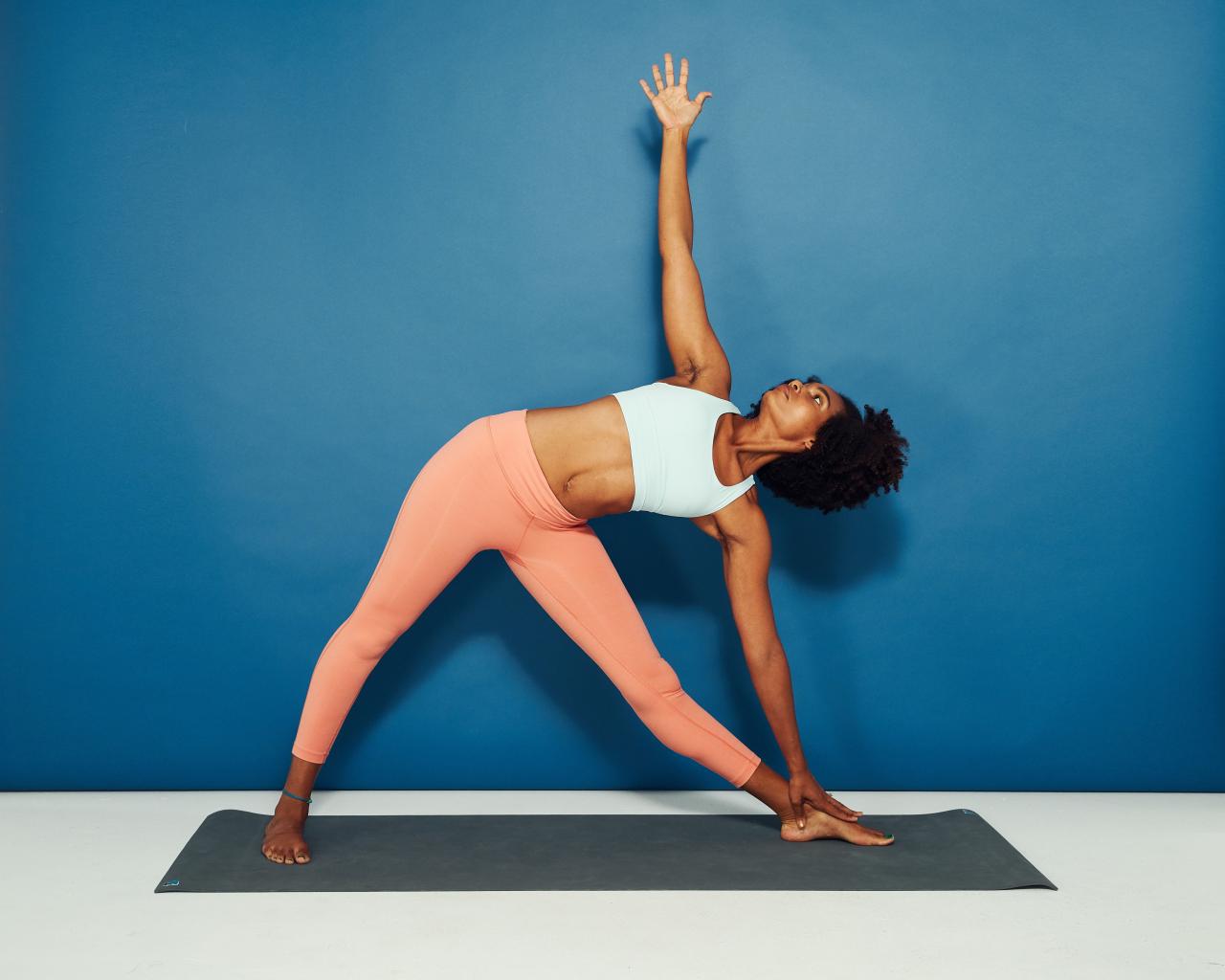
Embarking on your yoga journey requires understanding and practicing fundamental poses. These poses build strength, flexibility, and awareness of your body, forming a solid foundation for more advanced practices. Mastering these foundational postures will greatly enhance your overall well-being.Proper alignment and mindful breathwork are crucial for achieving the full benefits of each pose. Remember to listen to your body, avoid pushing yourself too hard, and focus on the present moment.
Standing Poses
Standing poses establish a connection between your body and mind, improving balance and grounding. These poses are foundational for many other yoga practices. Proper alignment ensures safety and effectiveness.
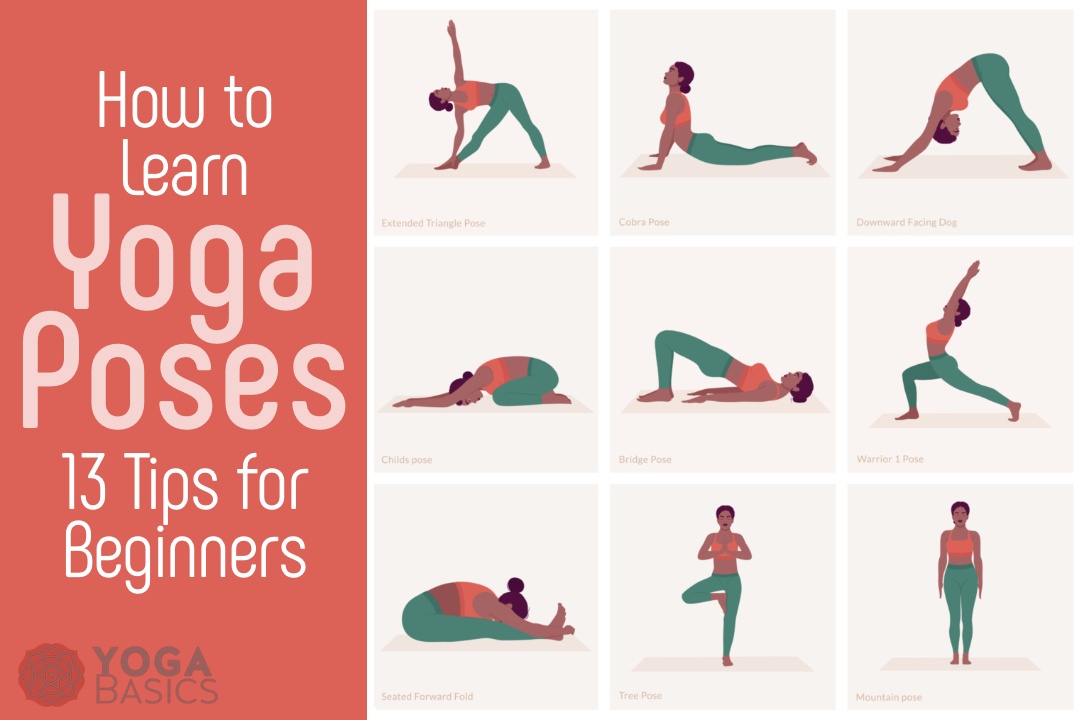
- Mountain Pose (Tadasana): Stand with feet together, grounding through all four corners of your feet. Lengthen your spine, relax your shoulders, and draw your awareness to the crown of your head. Focus on your breath, inhaling and exhaling deeply. This pose cultivates stability and a strong sense of self-awareness.
- Warrior I (Virabhadrasana I): Step one foot back, bend the front knee, ensuring it aligns over the ankle. Extend your arms parallel to the floor, with palms facing down. Keep your back straight and chest open. This pose strengthens the legs, improves balance, and stretches the hips and shoulders.
- Warrior II (Virabhadrasana II): Similar to Warrior I, but turn your front foot out 90 degrees. Extend your arms parallel to the floor, with palms facing down. Gaze over your front hand, keeping your back straight and shoulders relaxed. This pose strengthens the legs, improves balance, and stretches the hips, shoulders, and groin.
Seated Poses
Seated poses often promote relaxation, stillness, and introspection. These poses are ideal for calming the mind and preparing for deeper practices. Modifications are often necessary for beginners.
- Easy Pose (Sukhasana): Sit with your legs crossed, soles of the feet resting on the opposite thighs. Lengthen your spine, relax your shoulders, and place your hands on your knees. This pose cultivates a sense of calm and stability, and is beneficial for those new to seated postures.
- Child’s Pose (Balasana): Kneel on the floor, big toes touching. Sit back on your heels, and fold forward, resting your forehead on the mat. Extend your arms forward or rest them alongside your body. This pose gently stretches the hips, thighs, and ankles, and promotes relaxation and stress relief. Modifications include placing a blanket or cushion under your hips for added support.
Inversions
Inversions, such as supported shoulderstand and headstand, stimulate circulation, reduce stress, and improve mental clarity. Always practice with proper support and guidance.
- Supported Shoulderstand (Salamba Sarvangasana): Lie on your back with knees bent, feet flat on the floor. Lift your hips and legs off the floor, supporting them with your hands under your lower back. Rest your head on the floor, keeping your shoulders and neck relaxed. This pose improves circulation and is great for reducing stress. Using blankets or pillows under your hips and neck is crucial for support.
Pose Table
| Pose | Body Area(s) Focused | Description |
|---|---|---|
| Mountain Pose | Legs, core, back | Grounding, balance, posture |
| Warrior I | Legs, hips, shoulders | Strength, balance, flexibility |
| Warrior II | Legs, hips, shoulders, core | Strength, balance, flexibility, stability |
| Easy Pose | Hips, thighs, spine | Relaxation, stillness, focus |
| Child’s Pose | Hips, thighs, back, shoulders | Relaxation, stretch, stress relief |
| Supported Shoulderstand | Shoulders, back, neck, legs | Circulation, stress reduction, flexibility |
Benefits Table
| Pose | Benefits |
|---|---|
| Mountain Pose | Improved posture, balance, grounding |
| Warrior I | Strengthens legs, improves balance, stretches hips and shoulders |
| Warrior II | Strengthens legs, improves balance, stretches hips, shoulders, groin |
| Easy Pose | Calms the mind, promotes stillness, stretches hips and thighs |
| Child’s Pose | Relaxation, stress relief, stretches hips, thighs, ankles |
| Supported Shoulderstand | Improved circulation, stress reduction, flexibility |
Understanding Alignment and Modifications
Proper alignment in yoga poses is crucial for maximizing the benefits and minimizing the risk of injury. Correct alignment ensures that the pose is performed safely and effectively, stimulating the intended muscles and promoting overall well-being. It also allows for a deeper connection with the body and a more profound experience. Misalignments can lead to discomfort, strain, or even long-term issues.
Understanding modifications is equally important, as it caters to individuals with varying body types, flexibility levels, and physical limitations. Modifications ensure accessibility and safety for all practitioners.A foundational understanding of alignment and modifications allows for a safe and personalized yoga practice. This knowledge empowers individuals to tailor their practice to their specific needs, promoting a supportive and inclusive environment for all levels.
This ensures a positive and fulfilling yoga experience for everyone.
Importance of Proper Alignment
Proper alignment in yoga poses is essential for several reasons. It maximizes the benefits of the pose, allowing for a deeper stretch and strengthening of targeted muscles. It minimizes the risk of injury by preventing undue strain on joints and ligaments. Proper alignment also promotes a deeper connection with the body, allowing practitioners to develop a greater awareness of their physical limitations and capabilities.
Consistent practice with correct alignment can improve posture, balance, and overall body awareness.
Identifying Misalignments
Recognizing misalignments in yoga poses is vital for preventing injuries and ensuring a safe and effective practice. Common misalignments include improper spinal curvature, uneven weight distribution, or restricted joint movement. Practitioners should regularly check their posture and alignment in each pose. Observing oneself in a mirror or asking a qualified yoga instructor for feedback can aid in identifying potential misalignments.
Modifications for Different Body Types and Abilities
Modifications cater to individuals with varying body types and abilities. Modifications can include adjustments to posture, limb placement, or the use of props. This personalized approach allows individuals to adapt poses to their specific needs and limitations. Modifications ensure a safe and accessible practice for all practitioners.
Using Props Effectively
Yoga props such as blocks, straps, and blankets can be invaluable tools for support and modification. They allow practitioners to maintain proper alignment and deepen their practice. They provide support for individuals with limited flexibility or strength, enabling them to safely engage in the pose. Using props effectively can significantly enhance the experience for all levels.
Examples of Modifications with Props
- Blocks: Blocks can be used to raise the hands in poses like Downward-Facing Dog or Forearm Plank, allowing for a deeper stretch in the shoulders and arms. They can also support the hips in poses like Warrior II or Half Moon, promoting stability and proper alignment. Blocks can provide additional support for individuals with limited flexibility.
- Straps: Straps are useful for poses like Triangle Pose or Standing Forward Fold, allowing practitioners to maintain alignment and lengthen the spine. They also assist in increasing flexibility and promoting better posture. Straps can help those with limited mobility safely perform poses.
- Blankets: Blankets can provide support under the knees in poses like Child’s Pose or Savasana. This helps relieve pressure on the knees and promotes comfort and relaxation. They can also provide support for the head and neck in Savasana, allowing for a more restful posture.
Comparative Table of Prop Usage
| Pose | Prop | Modification | Benefit |
|---|---|---|---|
| Downward-Facing Dog | Blocks | Place blocks under hands | Deepens stretch in shoulders and arms |
| Triangle Pose | Straps | Wrap straps around hands | Enhances alignment and lengthens spine |
| Child’s Pose | Blankets | Place blanket under knees | Relieves pressure on knees, promotes comfort |
Breathing Techniques in Yoga
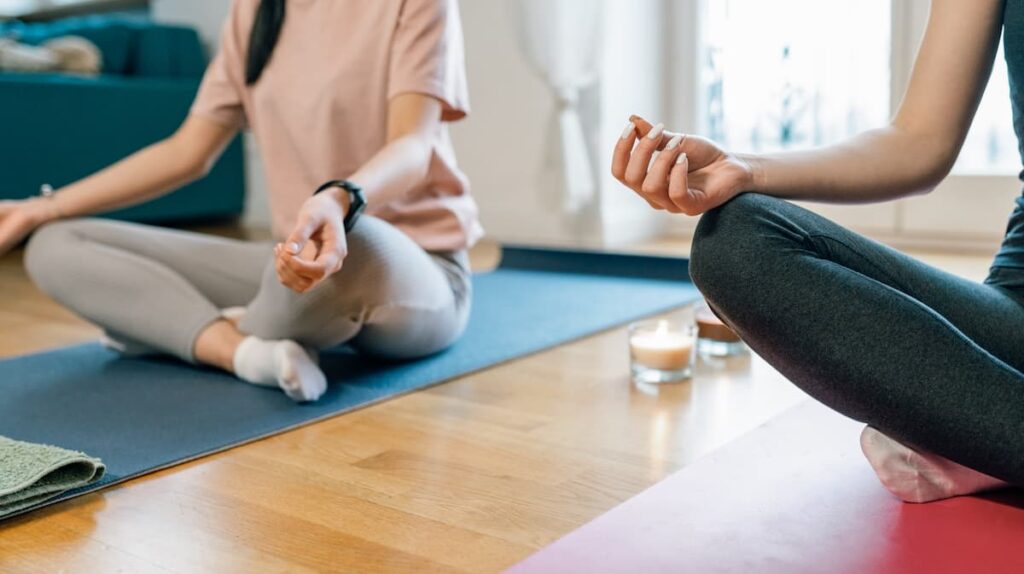
Breathing is fundamental to yoga practice, extending beyond mere oxygen intake. It’s a powerful tool for connecting mind and body, calming the nervous system, and deepening the experience of each pose. Proper breathwork enhances physical postures, promotes relaxation, and fosters mental clarity.Breathing techniques, or pranayama, are integral to yoga’s holistic approach. They are not merely exercises but conscious methods of controlling and directing the breath, impacting both physical and mental well-being.
By regulating the breath, practitioners can achieve a state of balance and harmony within themselves.
Importance of Breathwork in Yoga
Breathing techniques in yoga are not just about inhaling and exhaling. They’re about awareness and conscious control of the breath, which profoundly influences the body’s physiological responses. This awareness fosters a sense of calm and focus, allowing practitioners to connect with their inner selves. Effective breathwork helps manage stress, reduce anxiety, and promote relaxation. Further, it enhances the efficiency of the body’s oxygenation, supporting the physical demands of various yoga poses.
Fundamental Breathing Techniques
Understanding and mastering fundamental breathing techniques is crucial for a safe and effective yoga practice. These techniques are not just about inhaling and exhaling, but about the conscious regulation and manipulation of breath. These practices offer a range of benefits, including stress reduction, improved focus, and enhanced physical performance.
- Ujjayi Breath: This technique involves a conscious restriction of the breath, creating a soft, gentle sound akin to the ocean’s waves. This internal resistance promotes a sense of calm and stability. It helps regulate the nervous system, which is crucial for maintaining focus and control during yoga practice.
- Diaphragmatic Breath: Also known as belly breathing, this technique focuses on the movement of the diaphragm, the primary muscle for breathing. By engaging the diaphragm, practitioners can increase lung capacity and enhance the body’s ability to absorb oxygen. This type of breathing is beneficial for relaxation and stress reduction.
- Alternate Nostril Breathing (Nadi Shodhana): This technique involves alternately blocking each nostril while inhaling and exhaling. This practice is believed to balance the energy channels (nadis) in the body, promoting a sense of calm and focus. It can be particularly beneficial for reducing stress and promoting mental clarity.
Integrating Breathwork into Yoga Poses
Breathing techniques are not isolated exercises; they are essential components of yoga poses. Consciously coordinating breath with movement enhances the effectiveness and benefits of each posture. The rhythm of breath can support the body’s alignment, promote stability, and deepen the stretch.
- In poses requiring strength and stability, such as Warrior II or Triangle, maintaining a steady Ujjayi breath helps to stabilize the body and maintain focus.
- In poses requiring flexibility and lengthening, such as Forward Fold or Downward-Facing Dog, a deep diaphragmatic breath can assist in achieving a deeper stretch and increasing flexibility.
- In restorative poses, a slow, controlled breath can promote relaxation and release tension.
Table of Breathing Techniques and Corresponding Poses
This table illustrates how different breathing techniques can be integrated into various yoga poses.
| Breathing Technique | Yoga Pose | Description |
|---|---|---|
| Ujjayi Breath | Warrior II | Maintain a steady, controlled Ujjayi breath while engaging the muscles of the legs and core for stability. |
| Diaphragmatic Breath | Forward Fold | Inhale deeply and allow the belly to expand. Exhale slowly and fully, feeling the stretch in the hamstrings. |
| Alternate Nostril Breathing (Nadi Shodhana) | Child’s Pose | Practice Nadi Shodhana while relaxing in Child’s Pose. This helps calm the mind and reduce stress. |
Creating a Home Yoga Practice
Embarking on a yoga journey at home allows for a personalized and flexible practice. This section provides guidance on creating a supportive and inspiring environment for your yoga sessions. From setting up a dedicated space to choosing the right equipment and planning a routine, we will cover all the essential elements for a successful home practice.Creating a dedicated space for yoga practice at home fosters a sense of calm and focus.
This environment is more than just a place to do poses; it’s a sanctuary where you can connect with yourself.
Creating a Dedicated Yoga Space
A dedicated yoga space, even if it’s a small corner, promotes a mindful practice. Consider factors like lighting, temperature, and clutter. Natural light is ideal, but if not available, use soft, warm lighting. Maintain a comfortable temperature and clear the space of unnecessary items to create a serene atmosphere. Consider using rugs or mats to enhance comfort and provide cushioning.
Decorating with calming elements, such as plants or artwork, can also enhance the ambiance.
Selecting Yoga Attire and Equipment
Choosing the right attire and equipment can significantly impact your comfort and performance during your practice. Comfortable, breathable clothing allows for a full range of motion without restriction. Yoga pants, leggings, or athletic shorts are excellent choices. Moisture-wicking fabrics are particularly beneficial for maintaining comfort during poses. Appropriate footwear, such as socks or barefoot practice, is essential for maintaining stability and preventing slips.
A yoga mat is highly recommended for cushioning and grip, preventing injuries. Consider investing in a supportive bolster or blocks for added support during certain poses.
Planning a Beginner’s Yoga Routine
A structured yoga routine provides a framework for consistent practice. Begin with a warm-up, followed by a series of poses that focus on building strength, flexibility, and balance. Include restorative poses to calm your body and mind. A routine should progressively challenge your abilities without overwhelming you. Begin with shorter sessions and gradually increase the duration as your body adapts.
Listening to your body is paramount, and resting when needed is crucial.
Incorporating Music and Meditation
Incorporating music and meditation into your home yoga practice enhances the experience and promotes relaxation. Calming music can create a peaceful atmosphere and set a positive tone for your practice. Consider instrumental music or nature sounds. Meditation can help focus your mind, reduce stress, and deepen your connection with your body. Guided meditations are readily available for beginners.
Finding a style of music that resonates with you is key.
Essential Yoga Equipment
The following table Artikels essential yoga equipment and their purposes:
| Equipment | Purpose |
|---|---|
| Yoga Mat | Provides cushioning, grip, and stability during poses. |
| Yoga Blocks | Offer support and alignment for various poses, especially for beginners. |
| Bolster | Provides support and comfort for restorative poses, aiding relaxation. |
| Yoga Straps | Assist with reaching and holding poses that might be challenging to achieve independently. |
| Meditation Cushion (Zafu) | Provides a comfortable and stable seating position during meditation. |
Common Mistakes and Troubleshooting
Learning yoga is a journey of self-discovery and growth, and it’s completely normal to encounter challenges along the way. Understanding common mistakes and how to address them is crucial for a safe and effective practice. This section will highlight typical errors beginners make, offer solutions for improvement, and provide guidance on managing discomfort during your practice.Yoga, when approached with mindfulness and proper technique, can be a powerful tool for physical and mental well-being.
However, without attention to detail, common mistakes can hinder progress and potentially lead to injury. This section aims to equip you with the knowledge to identify and correct these errors, promoting a smoother and more enjoyable yoga experience.
Identifying Common Mistakes
Beginners often make errors related to alignment, breathing, and overall practice approach. These errors can impact the effectiveness of the poses and potentially lead to discomfort or injury. Understanding these pitfalls can significantly improve your yoga journey.
Troubleshooting Alignment Issues
Many common alignment errors stem from a lack of awareness or understanding of the body’s structure and limitations. Proper alignment ensures that the poses are performed safely and effectively, maximizing the benefits and minimizing the risk of injury.
- Incorrect spinal alignment: Rounding or arching the back excessively during poses can strain the spine. Maintaining a neutral spine is crucial for safety and effectiveness. Focus on engaging your core muscles and lengthening your spine to achieve a balanced posture.
- Uneven weight distribution: Distributing weight evenly across both sides of the body is essential in many poses. Uneven weight distribution can strain one side of the body more than the other. Practice consciously shifting your weight and finding balance.
- Over-extending joints: Pushing joints beyond their natural range of motion can cause pain and injury. It’s important to listen to your body and not force a pose. Focus on the feeling of the stretch without exceeding your limits.
Addressing Breathing Techniques
Breathing techniques, or pranayama, are integral to yoga practice. Correct breathing patterns enhance the benefits of asanas and support overall well-being. A mindful approach to breathing can greatly influence your experience.
- Holding breath during poses: Holding your breath while performing a pose can lead to dizziness or lightheadedness. Always maintain a smooth and steady breath throughout your practice. Focus on inhaling and exhaling deeply and naturally.
- Shallow breathing: Shallow breathing limits the flow of oxygen to your body and can lead to feelings of stress or anxiety. Practice deep, full breaths to optimize oxygen intake and promote relaxation.
Managing Pain and Discomfort
Pain or discomfort during yoga practice is a signal that something isn’t quite right. Learning to listen to your body is essential for injury prevention. If you experience pain, stop the pose immediately and find a comfortable resting position.
- Recognizing pain signals: Acute pain is a clear indicator that you should modify or stop the pose. Pay attention to the specific location and intensity of the discomfort.
- Using modifications: Many poses have modifications that can make them more accessible and less demanding. Explore modifications to make the poses more suitable for your body.
- Rest and recovery: Allowing your body adequate time to rest and recover is crucial. Rest between poses and avoid overexertion. Resting is part of the practice, as well as the body’s response.
Common Yoga Mistakes and Solutions
| Mistake | Solution |
|---|---|
| Incorrect spinal alignment | Engage core muscles, lengthen spine, maintain a neutral posture |
| Uneven weight distribution | Consciously shift weight, find balance |
| Over-extending joints | Listen to your body, don’t force poses, focus on gentle stretches |
| Holding breath during poses | Maintain a steady, smooth breath throughout the practice |
| Shallow breathing | Practice deep, full breaths, optimize oxygen intake |
Safety Considerations in Yoga
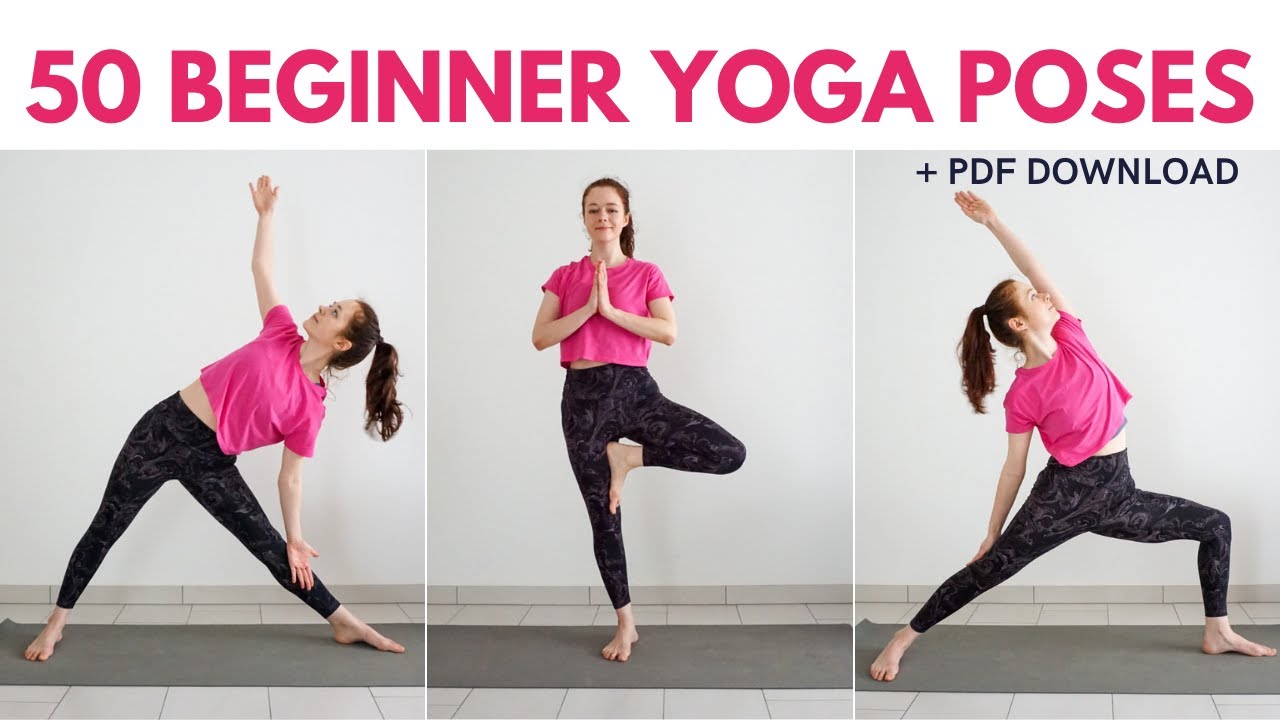
Yoga offers numerous physical and mental benefits, but it’s crucial to approach it with mindful awareness of safety precautions. Proper understanding and adherence to safety guidelines can significantly minimize the risk of injuries and ensure a positive and enriching yoga journey.Practicing yoga safely involves recognizing potential risks and taking proactive measures to mitigate them. This includes consulting with healthcare professionals, understanding individual limitations, and recognizing and avoiding common injury triggers.
By understanding the safety considerations Artikeld below, you can make informed choices and tailor your practice to optimize your well-being.
Importance of Consulting a Healthcare Professional
Before embarking on any new physical activity, including yoga, consulting a healthcare professional is paramount. This consultation is especially crucial for individuals with pre-existing medical conditions such as heart conditions, back problems, or injuries. A healthcare professional can assess your specific needs and limitations, recommending modifications or adjustments to your practice to ensure safety and efficacy. They can also identify any potential contraindications to certain poses or sequences that may not be suitable for your current health status.
Recognizing and Avoiding Injuries
Injuries in yoga can stem from various factors, including improper alignment, pushing beyond limits, and insufficient warm-up. Recognizing the warning signs of potential injury, such as sharp pain, persistent discomfort, or unusual sensations, is critical. Avoid pushing through pain; if a pose causes significant discomfort, it’s essential to modify or discontinue the pose immediately. A proper warm-up, including dynamic stretches, and cool-down routines are essential components of a safe yoga practice.
Precautions for Specific Conditions or Injuries
Certain medical conditions or injuries necessitate specific precautions during yoga practice. For instance, individuals with spinal conditions may require modified poses to prevent exacerbating existing issues. Those with knee injuries should prioritize modifications to avoid putting strain on the affected joint. Individuals with high blood pressure or other cardiovascular concerns should practice with caution and under the guidance of a qualified instructor.
Always consult with your healthcare provider for personalized recommendations. Listen to your body and stop if you experience any discomfort.
Safety Guidelines for Yoga Practice
- Prioritize Proper Warm-up and Cool-down: A comprehensive warm-up prepares the muscles and joints for the demands of yoga poses, reducing the risk of injury. A cool-down period allows the body to gradually return to its resting state. Dynamic stretches and light cardio are recommended warm-up activities.
- Listen to Your Body: Pay close attention to your body’s signals. If a pose causes pain, stop immediately and find an alternative position. Chronic pain is a sign to stop and seek medical attention.
- Maintain Proper Alignment: Correct alignment is essential for preventing injuries. A qualified instructor can demonstrate proper alignment for each pose. Yoga instructors should emphasize proper alignment.
- Use Props as Needed: Yoga props such as blocks, straps, and blankets can assist in achieving proper alignment and reduce strain on the body. Using props can also help in building confidence and improving body awareness.
- Practice Regularly with a Qualified Instructor: Consistent practice under the guidance of a certified instructor can provide valuable feedback and ensure proper technique. This can prevent injuries and optimize the practice.
| Safety Guideline | Description |
|---|---|
| Hydration | Drink plenty of water before, during, and after your yoga practice. Dehydration can lead to muscle cramps and other complications. |
| Proper Breathing | Maintain a steady, controlled breathing pattern during each pose. Avoid holding your breath. Incorporate controlled breathing techniques. |
| Avoid Overexertion | Gradually increase the intensity and duration of your practice. Avoid pushing your body beyond its limits, especially in the initial stages. Increase intensity gradually. |
| Consult Healthcare Professional | Before starting any new yoga program, consult your doctor or physical therapist to discuss any health concerns. |
Resources for Further Learning
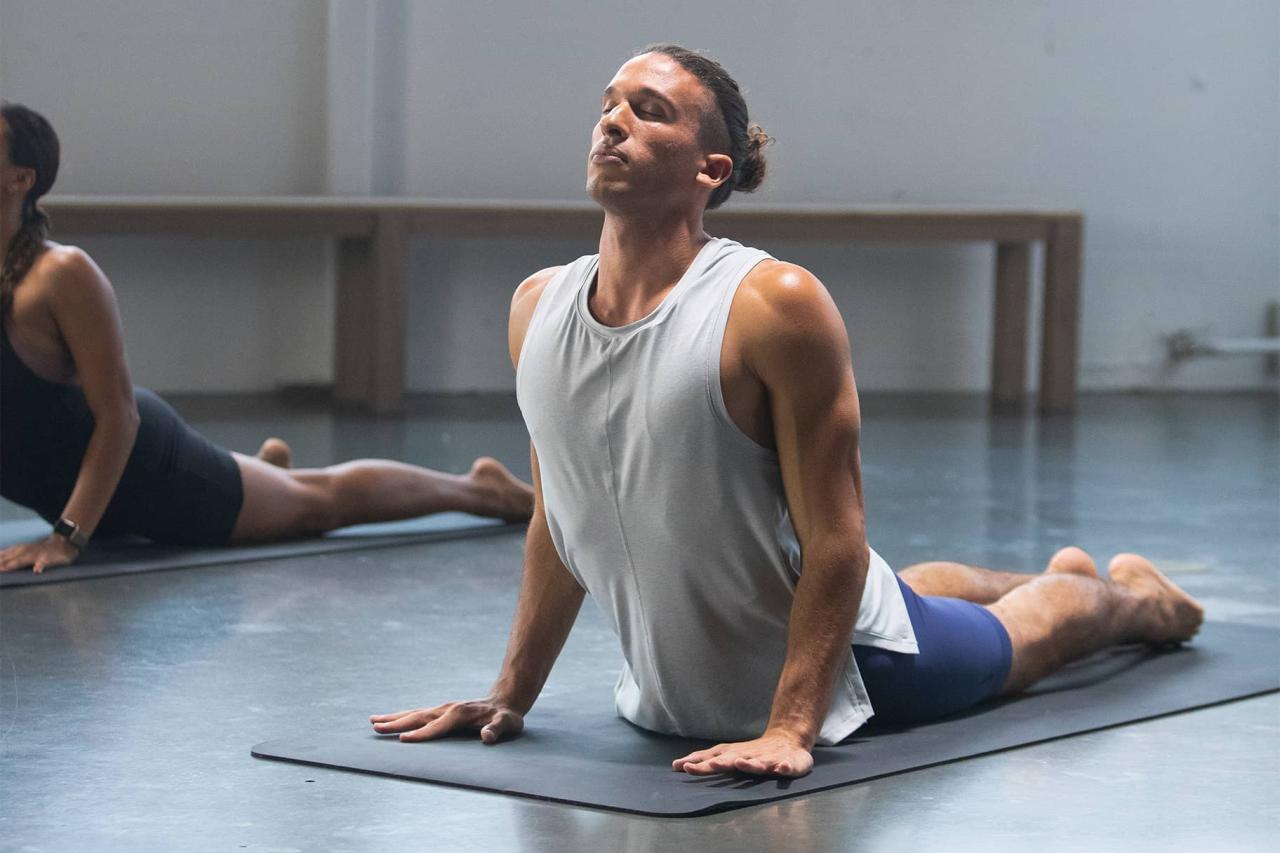
Embarking on your yoga journey is an exciting step, and continued learning can significantly enhance your practice. This section provides valuable resources to deepen your understanding and support your growth.A strong foundation in yoga, combined with ongoing learning, allows for safer, more effective, and more fulfilling practice. Access to reputable studios, informative books, and online communities provides guidance and inspiration.
Reputable Yoga Studios and Instructors
Finding a supportive and knowledgeable yoga instructor is crucial for a safe and effective practice. Look for studios with certified teachers who specialize in beginner-friendly classes. Inquire about the studio’s approach to alignment and modifications, ensuring it caters to different body types and experience levels. A strong community aspect is also beneficial.
Yoga Books and Websites for Beginners
Numerous resources offer a wealth of knowledge on yoga for beginners. Consider books that focus on foundational poses, alignment, and breathing techniques. Online platforms often provide detailed instructions, visual aids, and a sense of community. Seek out resources from experienced teachers with a clear and accessible writing style. Look for books that provide detailed explanations and illustrations of poses, focusing on alignment and safety.
Online Yoga Resources and Communities
Online resources offer a convenient and accessible way to expand your knowledge and connect with other practitioners. Yoga-focused websites and apps provide detailed instructions, videos, and guided practices. Online communities can foster support and motivation. Look for platforms that offer various levels of experience and offer modifications for beginners.
Recommended Resources
| Category | Resource | Description |
|---|---|---|
| Yoga Books | “Yoga for Dummies” by Mary Lou, or “Yoga: The Complete Guide” by the Yoga Alliance | These books offer comprehensive introductions to yoga, covering a wide range of poses, breathing techniques, and principles. They are known for their accessible language and detailed illustrations. |
| Yoga Studios/Instructors | [Local Yoga Studio Name], or [Online Yoga Instructor Name] | Search online directories or ask for recommendations to find reputable yoga studios and teachers near you. Look for studios with a clear commitment to beginner-friendly classes. |
| Online Yoga Resources | [Example: Yoga with Adriene, or Gaiam] | These platforms offer a wide range of free and paid online yoga classes, tutorials, and educational materials. Look for teachers with positive feedback and clear communication. |
| Yoga Communities | [Example: Yoga subreddit, or dedicated Facebook groups] | These online communities allow beginners to connect with other practitioners, share experiences, ask questions, and receive support. |
Outcome Summary
This guide has provided a foundational understanding of how to approach yoga for beginners. By exploring different yoga styles, mastering fundamental poses, and integrating crucial breathing techniques, you can cultivate a strong practice that supports both physical and mental well-being. Remember to prioritize safety, listen to your body, and gradually progress in your yoga journey. Further resources are provided to support your continued learning and growth.