Unlocking your full running potential is a journey of understanding your body, refining your technique, and strategically developing your training. This comprehensive guide provides a structured approach to running faster, encompassing fundamental biomechanics, effective training strategies, crucial techniques, essential gear, injury prevention, and the mental fortitude required for success. From mastering your stride to optimizing your nutrition, this guide equips you with the knowledge to achieve your running goals.
We’ll delve into the science behind running speed, exploring the key elements that contribute to optimal performance. This includes examining proper posture, efficient running gaits, the significance of core strength, and the crucial role of various muscle groups in propulsion. We’ll also address the importance of tailored training schedules, contrasting different speed training methods, and the significance of rest and recovery.
Fundamentals of Running Speed

Running faster involves more than just exertion; it’s a complex interplay of biomechanics, strength, and technique. Understanding the underlying principles of efficient running form can significantly improve performance and reduce injury risk. This section delves into the key elements that contribute to optimal running speed.Efficient running relies on a combination of factors, from the mechanics of each stride to the overall body alignment.
By mastering these fundamentals, runners can maximize their potential and achieve faster times.
Biomechanical Principles of Running
Effective running involves a delicate balance between stride length and stride frequency. Longer strides are often associated with higher speeds, but excessively long strides can lead to inefficient energy expenditure and increased risk of injury. Conversely, a high stride frequency, while potentially less visually impressive, can be more efficient in certain situations. Finding the optimal balance between these two elements is crucial for maximizing speed and minimizing fatigue.
The ideal stride length and frequency vary based on individual factors such as height, leg length, and running style.
Importance of Posture and Body Alignment
Maintaining proper posture and body alignment during running is vital for both speed and injury prevention. A tall posture with a slight forward lean allows for efficient propulsion and minimizes energy loss. A rigid, hunched posture, on the other hand, hinders natural movement and can lead to strain on the back and other muscles. Proper alignment of the hips, knees, and ankles also contributes to a smooth, controlled stride.
Runners should strive for a relaxed yet controlled posture, allowing the body to move freely and efficiently.
Comparison of Different Running Gaits
Various running gaits exist, each with its own characteristics and impact on speed. A forefoot strike, where the impact occurs under the ball of the foot, is often associated with a quicker stride and better energy return. A midfoot strike, commonly observed, is generally considered a more neutral position, while a heel strike can be less efficient and increase the risk of impact-related injuries.
The ideal running gait is often determined by individual biomechanics and training.
Relationship Between Core Strength and Running Speed
A strong core is essential for stable and efficient running form. A powerful core provides the necessary support for the torso, enabling smooth movement and preventing unwanted twists or shifts during the stride cycle. Core strength influences the efficient transfer of power from the legs to the upper body, leading to greater stride length and increased speed. Strong core muscles help maintain balance and stability, contributing to a more controlled and efficient running style.
Key Muscle Groups Involved in Running
A well-coordinated effort from multiple muscle groups is essential for effective running. This table Artikels the primary muscle groups involved in the running process and their roles in the motion.
| Muscle Group | Function | Location | Image Description |
|---|---|---|---|
| Quadriceps Femoris | Extends the knee joint, crucial for propelling the body forward. | Front of the thigh | The quadriceps group, situated at the front of the thigh, consists of four muscles that work together to extend the knee joint. |
| Hamstrings | Flex the knee joint, essential for the backswing of the leg and the transfer of energy during the stride. | Back of the thigh | Located at the back of the thigh, the hamstrings consist of three muscles—biceps femoris, semitendinosus, and semimembranosus—that work together to flex the knee joint. |
| Glutes (Gluteus Maximus, Medius, Minimus) | Extend the hip joint, vital for pushing off the ground and maintaining stability. | Buttocks | The gluteus maximus, medius, and minimus muscles are located in the buttocks region. They are responsible for hip extension, abduction, and external rotation. |
| Calves (Gastrocnemius, Soleus) | Plant the foot, crucial for pushing off the ground and maintaining propulsion. | Lower leg | The calf muscles, located at the lower part of the leg, are composed of the gastrocnemius and soleus muscles, which work together to plantar flex the ankle joint. |
| Core Muscles (Abdominals, Obliques) | Maintain posture, stabilize the torso, and transfer power from the legs to the upper body. | Abdomen and sides | The core muscles include the abdominal muscles and obliques, located in the abdomen and sides of the torso. They play a crucial role in maintaining posture, stabilizing the torso, and transferring power during the running motion. |
Training Strategies for Increased Speed

Developing speed in running requires a well-structured training plan that considers individual needs and gradually increases intensity and volume. A balanced approach combining speed work with proper rest and nutrition is crucial for consistent progress and injury prevention. This strategy should be adapted to the runner’s experience level and current fitness.A well-designed speed training program, tailored to the runner’s experience, will enhance their running performance by focusing on specific techniques and methods.
This program will also help to avoid potential injuries and optimize recovery.
Sample Weekly Training Schedule
This sample schedule provides a framework for runners of varying levels, emphasizing speed work. Adjust the volume and intensity based on individual fitness and recovery needs. Rest and active recovery are critical components of the schedule.
- Beginner (2-3 days per week): Easy runs (30-45 minutes), 1-2 short interval sessions (4-6 x 400m), and one day of cross-training or complete rest. Focus on building a solid base and understanding proper form.
- Intermediate (3-4 days per week): Easy runs (45-60 minutes), 2-3 interval sessions (6-8 x 400m or 800m), one tempo run (20-30 minutes), and one day of cross-training or complete rest. Gradually increase the intensity and duration of workouts.
- Advanced (4-5 days per week): Easy runs (60-90 minutes), 2-3 interval sessions (8-10 x 400m or 1000m), one tempo run (30-45 minutes), one long run (60-90 minutes), and one day of cross-training or complete rest. This schedule allows for more demanding workouts to push limits.
Comparison of Speed Training Methods
Different speed training methods offer distinct benefits. Understanding these methods allows runners to tailor their workouts effectively.
| Method | Description | Benefits | Example |
|---|---|---|---|
| Interval Training | Short, high-intensity bursts of running followed by periods of rest or recovery. | Improved speed, anaerobic capacity, and lactate threshold. | 8 x 400m with 200m jog recovery. |
| Tempo Runs | Sustained running at a comfortably hard pace for an extended period. | Improved lactate threshold and endurance. | 20-30 minutes at a pace that feels challenging but sustainable. |
| Hill Repeats | Running up hills at a high intensity, followed by recovery jogs down the hill. | Improved strength, power, and running economy. | 6-8 repetitions of running up a hill, followed by jogging down. |
Importance of Rest and Recovery
Rest and recovery are essential for muscle repair and adaptation to training. Ignoring this aspect can lead to overtraining, injuries, and reduced performance. Adequate sleep, nutrition, and active recovery are key.
Role of Nutrition in Speed Development
Nutrition plays a critical role in supporting speed development. Proper nutrition provides the energy needed for workouts, supports muscle repair, and aids in recovery.
Gradual Increase of Training Intensity and Volume
Increasing training intensity and volume too quickly can lead to injuries. A gradual progression is vital for adapting to the demands of speed training. Beginners should start with shorter intervals and lower intensities, progressively increasing both over time. Listen to your body and adjust the plan as needed.
Technique and Drills for Speed Improvement

Optimizing running technique and incorporating specific drills are crucial for enhancing speed and efficiency. Proper form minimizes strain, maximizes power output, and promotes injury prevention. This section will detail essential running drills and techniques, alongside the influence of different running surfaces.Effective running form is a combination of efficient foot strike, controlled arm movement, and a consistent breathing pattern.
Implementing these drills will progressively refine your form, ultimately translating to improved speed. A conscious effort to refine your running technique, along with consistent training, will yield noticeable improvements in your running speed.
Running Drills for Form Enhancement
Consistent practice of running drills can significantly improve running form and enhance speed. These drills help build strength, improve coordination, and refine your body’s natural rhythm during a run. By focusing on specific movements, you can gradually develop the muscles and technique needed for optimal running performance.
- High Knees: This drill involves lifting your knees high towards your chest while maintaining a quick cadence. This exercise strengthens the hip flexors and core, promoting a more efficient stride. Focus on driving your knees up rather than simply swinging your legs forward. Maintaining a quick cadence is key to maximizing the benefit of this drill. Proper form ensures the engagement of the correct muscles for optimal results.
- Butt Kicks: Similar to high knees, this drill involves driving your heels up towards your glutes. This strengthens the hamstrings and glutes, improving stride length and power. Concentrate on bringing your heel towards your glutes, ensuring the movement is not just a swinging motion but a purposeful elevation of the heel.
- Strides: Strides are short bursts of running at a faster pace than your normal training pace. These are typically performed on a track or a flat, open area. Strides are an effective way to develop speed and improve running economy. They help you build a strong base for sprinting, strengthening leg muscles, and increasing your stride rate.
Keep the stride short and controlled, maintaining proper posture and form.
Proper Running Technique
Effective running technique involves a coordinated effort of foot strike, arm movement, and breathing patterns. Optimizing these aspects can lead to improved running efficiency and reduced injury risk.
- Foot Strike: A midfoot or slightly forefoot strike is generally recommended for speed and efficiency. This allows for a more powerful push-off from the ground. Avoid striking the ground with your heel first, as this can lead to a less efficient stride and increased impact on the joints.
- Arm Movement: Keep your arms bent at a 90-degree angle and swing them forward and back, not across your body. This helps maintain balance and generate forward momentum. Avoid excessive arm movement, which can lead to unnecessary strain.
- Breathing Patterns: Develop a consistent breathing rhythm. This can be achieved by inhaling and exhaling rhythmically, often using a two- or three-step pattern. Maintaining a consistent rhythm reduces the strain on your respiratory system and improves your endurance during a run. Proper breathing technique is essential for optimal performance.
Running Surfaces and Their Effects
Different running surfaces can affect speed development. Grass, trails, and asphalt each present unique challenges and benefits.
- Asphalt: A common running surface, asphalt offers a relatively consistent and smooth surface, promoting faster speeds. The consistent surface allows for efficient strides and can be good for developing speed.
- Grass: Grass is a softer surface that can be more challenging for faster running. The unevenness of the surface requires more effort to maintain balance and can result in a slightly reduced pace. This surface can be beneficial for building strength and endurance.
- Trails: Trails provide a more varied terrain, requiring adjustments in stride length and form to maintain balance. The variable terrain of trails promotes a more robust running form, which can translate to improved performance on other surfaces. Trail running can be beneficial for injury prevention.
Running Drills Table
| Drill | Description | Benefits | Image Description |
|---|---|---|---|
| High Knees | Lifting knees high towards chest, quick cadence. | Strengthens hip flexors, core, improves stride efficiency. | Runner with knees raised high, maintaining a quick pace. |
| Butt Kicks | Driving heels up towards glutes. | Strengthens hamstrings, glutes, improves stride length and power. | Runner with heels driven upwards towards their glutes. |
| Strides | Short bursts of faster-than-normal running pace. | Develops speed, improves running economy, strengthens leg muscles. | Runner performing short bursts of faster running. |
Gear and Equipment Considerations
Proper gear is crucial for maximizing running performance and minimizing injury risk. Choosing the right footwear and apparel significantly impacts speed, comfort, and overall running experience. The right equipment can make the difference between a smooth, efficient run and a painful, unproductive one.
Footwear for Speed and Comfort
Appropriate footwear is paramount for efficient running. Running shoes provide crucial cushioning, support, and stability, which directly affect stride mechanics and energy transfer. Poorly fitted or inappropriate shoes can lead to imbalances, causing injuries and hindering speed gains. Runners should consider factors like foot type, running style, and the terrain they typically run on when selecting shoes.
Clothing for Optimized Performance and Injury Prevention
Running apparel plays a vital role in maximizing performance and preventing injuries. Moisture-wicking fabrics are essential for maintaining a comfortable temperature and preventing overheating or chafing. Proper clothing allows for optimal body temperature regulation, crucial for both comfort and performance. Clothing should also fit comfortably and not restrict movement. Specific clothing styles, like compression garments, can further aid in muscle support and recovery.
Running Apparel Comparison
Different fabrics and styles of running apparel offer varying advantages. Synthetic fabrics, such as polyester or nylon, excel at moisture-wicking, keeping runners dry and comfortable. Natural fabrics, like merino wool, offer breathability and odor resistance. Compression apparel provides support and can aid in muscle recovery, though some runners might find it slightly restrictive. Choosing the right fabric and style depends on individual preferences and environmental conditions.
Running Shoe Comparison Table
| Shoe Name | Features | Use Case | Price |
|---|---|---|---|
| Brooks Ghost 14 | Excellent cushioning, smooth ride, good stability | Neutral runners, everyday training, long runs | $120 – $150 |
| Nike Pegasus 39 | Balanced cushioning, responsive feel, versatile | Neutral runners, everyday training, various distances | $110 – $140 |
| Saucony Triumph ISO 6 | High stack height cushioning, excellent support, stability | Overpronators, runners needing extra cushioning and support | $130 – $160 |
| Hoka Clifton 9 | Maximum cushioning, ideal for long runs, soft landing | Neutral runners, runners needing maximum cushioning, long distances | $140 – $170 |
Note: Prices are approximate and may vary based on retailer and specific colorways. It is recommended to try on shoes in person to determine the best fit and feel.
Injury Prevention and Recovery
Running, while a rewarding activity, carries a risk of injury. Understanding common injuries, their causes, and effective prevention strategies is crucial for maintaining a consistent and enjoyable running regimen. Proper recovery methods are equally important for optimizing performance and preventing long-term issues.
Common Running Injuries and Their Causes
A variety of injuries can affect runners, from minor muscle strains to more serious conditions. These issues are often related to overuse, improper form, or insufficient preparation. Understanding the potential causes of these injuries allows runners to take proactive steps to mitigate their risk.
Strategies for Preventing Injuries
Preventing running injuries requires a multi-faceted approach. A well-structured warm-up prepares the body for the demands of running, gradually increasing blood flow and muscle temperature. Likewise, a proper cool-down period allows the body to transition back to a resting state, reducing muscle soreness and stiffness. These routines are essential components of a preventative strategy.
The Role of Stretching and Flexibility Exercises
Incorporating stretching and flexibility exercises into a running routine is vital for injury prevention. Stretching improves range of motion, reduces muscle tension, and enhances overall flexibility. This, in turn, helps prevent muscle imbalances and strains, which are common causes of running injuries. Regular stretching also improves posture and efficiency during running.
Effective Methods for Managing Pain and Recovering from Injuries
When injuries do occur, appropriate pain management and recovery are essential. Rest is often the first line of treatment, allowing the injured area to heal. Over-the-counter pain relievers can help manage discomfort. When pain persists or worsens, seeking professional medical advice is crucial. Physical therapy can play a significant role in rehabilitation and restoring full function.
Significance of Proper Rest and Sleep
Adequate rest and sleep are fundamental for injury prevention and recovery. Rest allows muscles to repair and rebuild, reducing the risk of overuse injuries. Sufficient sleep is essential for hormone regulation, immune function, and overall well-being. Both factors directly influence recovery from exertion.
Table of Common Running Injuries
| Injury | Cause | Symptoms | Prevention |
|---|---|---|---|
| Runner’s Knee (Patellofemoral Pain Syndrome) | Overuse, improper running form, tight muscles around the knee | Pain behind or around the kneecap, especially with activity. Stiffness and clicking sensations may also be present. | Strengthening quadriceps and hamstring muscles, proper running form, gradual increases in mileage, and regular stretching. |
| Achilles Tendonitis | Overuse, tight calf muscles, improper footwear | Pain and stiffness in the Achilles tendon, often worse in the morning or after periods of inactivity. Possible swelling and tenderness. | Stretching calf muscles regularly, using supportive footwear, gradually increasing running distance, and avoiding sudden changes in training intensity. |
| Plantar Fasciitis | Overuse, tight calf muscles, improper footwear, poor arch support | Pain in the heel and arch of the foot, often worse in the morning or after periods of inactivity. Stiffness and tenderness are common. | Stretching the plantar fascia and calf muscles, using supportive footwear, wearing orthotics if needed, and gradually increasing running distance. |
| Shin Splints | Overpronation (rolling inward of the foot), improper footwear, rapid increase in mileage | Pain along the shinbone, typically worse during or after running. Tenderness and swelling may occur. | Proper running form, supportive footwear, gradual increases in mileage, strengthening the muscles around the shin, and ensuring proper foot strike. |
Mental Aspects of Running Speed
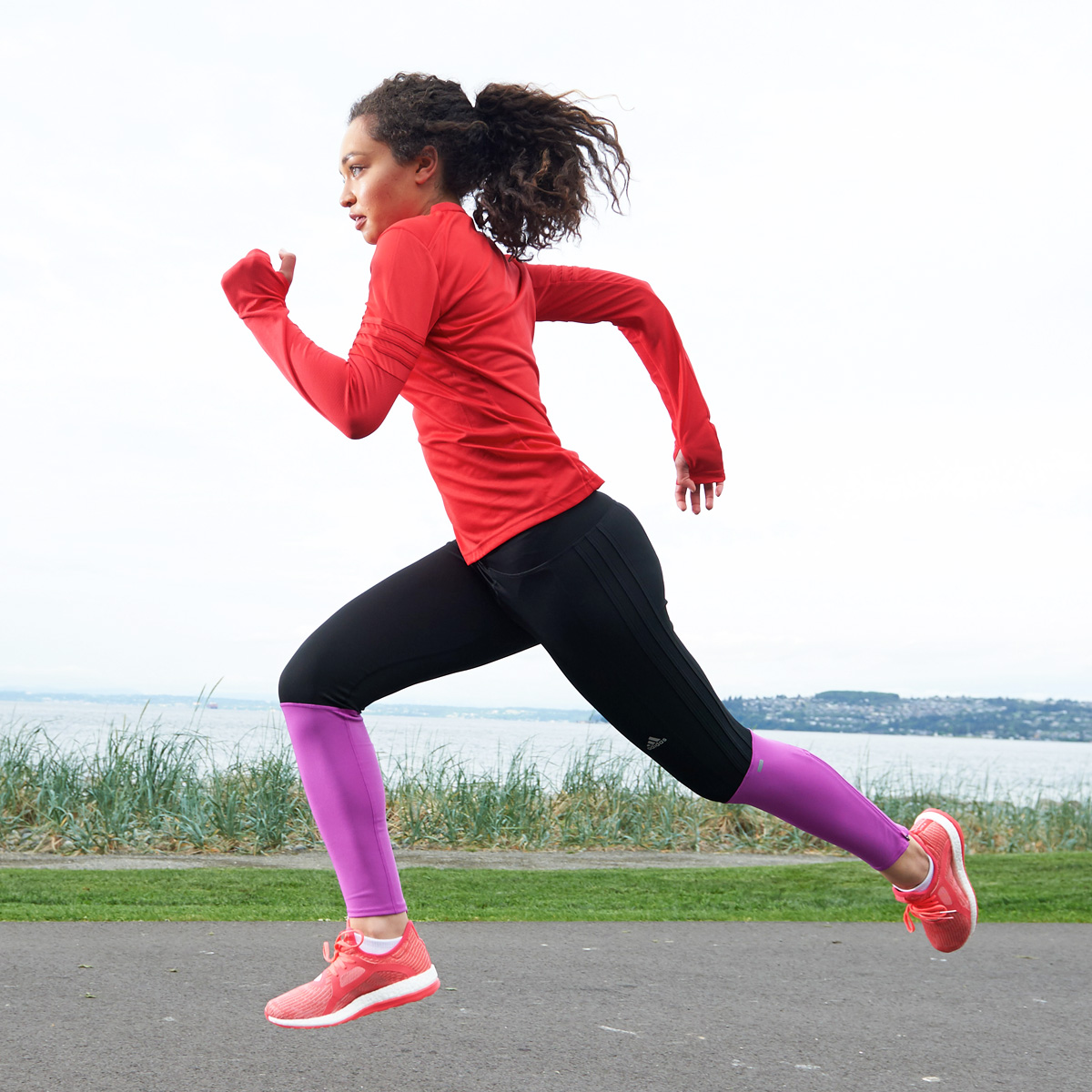
A successful running journey is not solely about physical training; a strong mental game is equally crucial. Cultivating a positive mindset and mastering mental strategies can significantly enhance performance and enjoyment. This section delves into the psychological factors that contribute to achieving running goals and maintaining motivation throughout the training process.A robust mental approach allows runners to push beyond perceived limitations, manage discomfort effectively, and ultimately achieve their desired speed and performance.
By understanding and utilizing mental strategies, runners can transform their approach to training and racing, leading to more successful and satisfying results.
Motivation and Mental Focus
Motivation and mental focus are essential for consistent training and achieving running goals. Runners need to stay driven and focused during challenging workouts and races. A strong internal drive is critical to overcoming fatigue and pushing through plateaus. Maintaining mental focus during training sessions and races helps to execute the desired technique and avoid distractions.
Positive Self-Talk and Visualization
Positive self-talk and visualization techniques are powerful tools for enhancing performance and managing stress. Encouraging self-dialogue and visualizing successful runs can build confidence and reduce anxiety. Runners should focus on affirmations like “I can do this,” “I am strong,” and “I am improving.” Visualizing successful runs helps to mentally prepare for the race and build confidence.
Overcoming Mental Barriers
Mental barriers can hinder a runner’s progress. These barriers may stem from fear of failure, self-doubt, or negative experiences. Addressing these barriers requires a conscious effort to reframe negative thoughts into positive ones. Identifying and challenging these barriers through mindfulness and positive self-talk can lead to overcoming them and achieving desired results. For instance, a runner feeling self-doubt can replace it with positive affirmations and visualization exercises to build confidence and overcome the barrier.
Goal Setting and Tracking Progress
Setting realistic and achievable goals is essential for motivation and progress. Break down larger goals into smaller, manageable milestones. Regularly tracking progress provides a sense of accomplishment and reinforces motivation. For example, a runner aiming to complete a marathon can set weekly goals for increasing mileage, or target specific times for achieving particular distances. Tracking progress through logs, charts, or apps can provide valuable insights and encourage continued effort.
Maintaining a Positive Attitude
Maintaining a positive attitude during training and races is crucial for long-term success. Embrace challenges as opportunities for growth and learning. Focus on the process and enjoy the journey, rather than solely focusing on the outcome. Celebrating small victories and acknowledging progress builds confidence and maintains enthusiasm. A positive attitude can significantly impact performance and enjoyment, leading to a more fulfilling running experience.
Ending Remarks
In conclusion, achieving faster running times is a multifaceted endeavor. This guide has provided a comprehensive overview of the key factors influencing running speed, from biomechanics and training strategies to the critical elements of gear, injury prevention, and mental preparedness. By integrating the knowledge and techniques presented here, you can develop a personalized plan to enhance your performance and achieve your desired running goals.
Remember consistency, proper technique, and a positive mindset are crucial for lasting success.