Mastering calf raises is crucial for developing strong and well-defined lower legs. This comprehensive guide delves into the intricacies of this essential exercise, exploring various techniques, progressions, and considerations for optimal results. From understanding the fundamental movements to recognizing potential risks, we aim to equip you with the knowledge needed to perform calf raises safely and effectively.
This guide covers everything from the foundational aspects of calf raises, such as the muscle groups targeted and proper form, to advanced variations and progressions. We’ll also discuss the benefits for overall leg strength, injury prevention, and athletic performance. Furthermore, we’ll examine different equipment options and their advantages, along with sample workout routines tailored to various fitness levels.
Finally, we’ll address potential injuries and preventative measures.
Introduction to Calf Raises
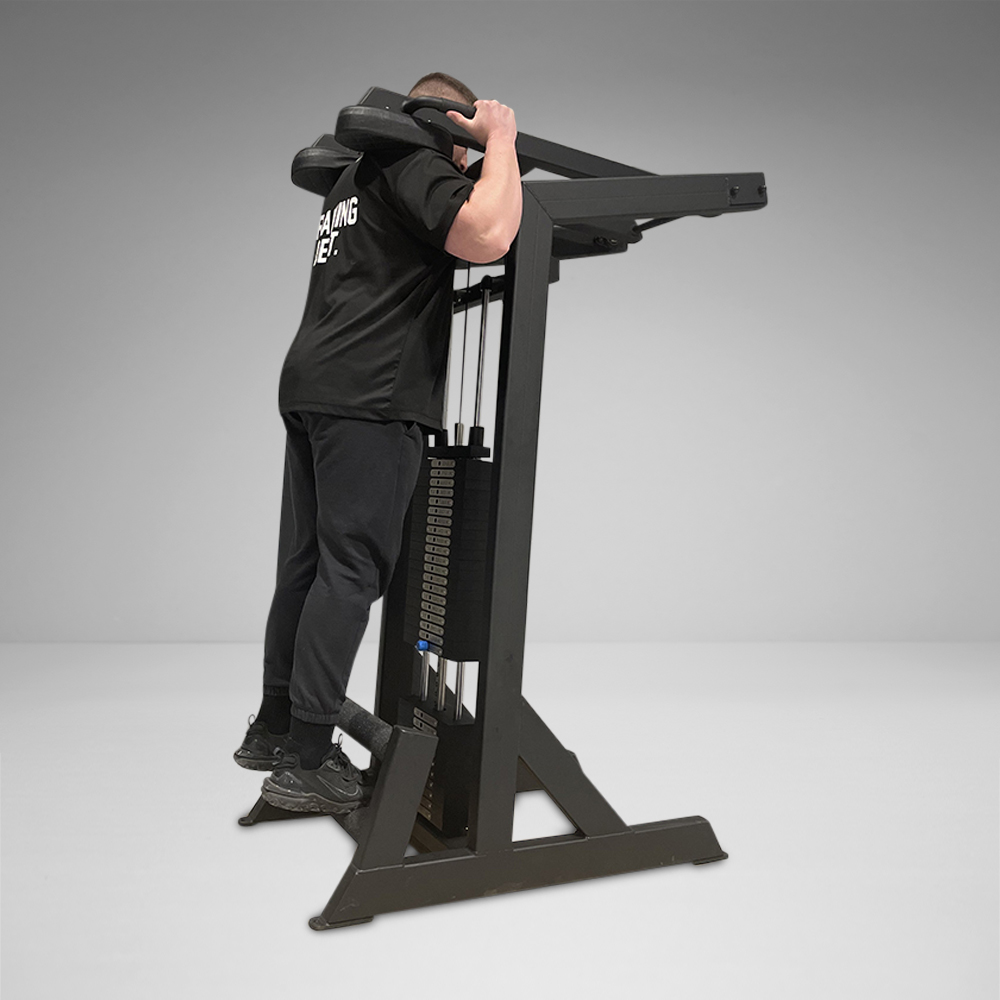
Calf raises are a fundamental exercise targeting the muscles of the lower leg, specifically the gastrocnemius and soleus muscles. They are crucial for overall leg strength and athletic performance, as well as for maintaining good posture and preventing injuries. Proper execution of calf raises contributes to a balanced lower body, enhancing both functional fitness and aesthetic appeal. They are a valuable addition to any strength training regimen.The importance of calf raises extends beyond simply building aesthetics.
Strong calf muscles are essential for activities requiring propulsion and stability, such as running, jumping, and even walking. They play a significant role in maintaining proper ankle alignment and reducing the risk of strains and sprains. This exercise is particularly beneficial for athletes in various sports, including basketball, soccer, and track and field.
Muscles Targeted by Calf Raises
Calf raises primarily target the gastrocnemius and soleus muscles, located in the posterior lower leg. The gastrocnemius, a two-headed muscle, is the larger and more superficial of the two, extending from the knee to the heel. The soleus, a deeper muscle, lies beneath the gastrocnemius and extends the entire length of the lower leg. Both muscles are vital for plantar flexion, the movement of pointing the toes downwards.
Developing these muscles enhances overall lower leg strength and flexibility.
History of Calf Raises
The precise origins of calf raises are somewhat obscure, as many strength training exercises have evolved over time. However, the concept of utilizing weight to strengthen lower leg muscles has been observed in various cultures and training regimens for centuries. The modern, standardized form of calf raises, as practiced today, likely emerged in the late 19th and early 20th centuries with the growth of organized weight training and athleticism.
Early training manuals and exercise guides often included variations of calf raises, demonstrating their recognition as an important lower body exercise.
Types of Calf Raises
Different variations of calf raises target the same muscles but with slight differences in engagement and emphasis. The choice of variation depends on individual goals, equipment availability, and physical limitations.
| Type | Muscles Targeted | Equipment Needed | Description |
|---|---|---|---|
| Standing Calf Raises | Gastrocnemius and Soleus | No equipment or a weight plate/bar | Standing with feet shoulder-width apart, raise up onto the balls of the feet, and lower back down. This variation primarily works the gastrocnemius muscle. |
| Seated Calf Raises | Soleus | A seated calf raise machine | Seated on a machine with the feet positioned on the platform, raise up onto the balls of the feet, and lower back down. The seated position isolates the soleus muscle, as the gastrocnemius is more engaged in standing raises. |
| Dumbbell Calf Raises | Gastrocnemius and Soleus | Dumbbells | Holding dumbbells, raise up onto the balls of the feet, and lower back down. This variation can offer a higher degree of resistance, depending on the weight of the dumbbells, and challenges the overall lower leg strength. |
Proper Form and Technique
Mastering the proper form and technique for calf raises is crucial for maximizing effectiveness and minimizing the risk of injury. Consistent, controlled movements are key to targeting the calf muscles and achieving optimal results. Proper form ensures that the exercise is focused on the intended muscle group, preventing strain on other areas and promoting a more efficient workout.Correct posture and positioning during calf raises are fundamental to ensuring a safe and effective exercise.
This includes maintaining a stable and balanced stance, with the focus on activating the calf muscles rather than relying on momentum or other body parts. Precise execution minimizes the potential for injury and maximizes the results of the exercise.
Posture and Positioning
Maintaining a stable and balanced stance is essential. Stand with feet shoulder-width apart, positioned firmly on the ground. Keep your back straight and core engaged, maintaining a neutral spine. This will provide a stable base for the exercise and help to prevent unwanted movement. Consider looking slightly forward to maintain a balanced center of gravity.
Proper alignment and posture are paramount for effective calf raises.
Step-by-Step Procedure for Standing Calf Raises
- Stand with feet shoulder-width apart, maintaining a stable stance on a flat surface.
- Slowly raise up onto the balls of your feet, keeping your heels off the ground. Focus on engaging your calf muscles during the lift.
- Pause briefly at the top of the movement, contracting your calf muscles fully.
- Lower your heels slowly back down to the ground, controlling the descent and maintaining a smooth, controlled motion.
- Repeat the movement for the desired number of repetitions.
Common Mistakes to Avoid
Several common errors can compromise the effectiveness and safety of calf raises. These mistakes often involve using momentum or incorrect posture, potentially leading to injury or hindering muscle engagement. Understanding these pitfalls is critical for achieving the best results.
Maintaining Balance During Calf Raises
Maintaining balance during calf raises is essential to preventing injury and ensuring the exercise is focused on the intended muscle group. Keep your weight evenly distributed across your feet, and maintain a stable posture by engaging your core muscles. Avoid swinging or using momentum to complete the exercise. Focus on a slow and controlled motion, and adjust your stance as needed to maintain balance throughout the entire movement.
Table of Common Mistakes and Corrections
| Mistake | Explanation | Correction | Image Description |
|---|---|---|---|
| Using momentum | Relying on swinging or jerking movements to complete the exercise instead of using calf muscle power. | Focus on a slow and controlled motion. Concentrate on contracting and releasing the calf muscles to perform the lift. | Image: A person performing calf raises with a jerky upward movement, versus a person performing the exercise with a slow, controlled upward movement. |
| Leaning forward or backward | Shifting weight off the center of the feet, causing an imbalance and strain on the lower back. | Maintain an upright posture with a straight back. Engage your core to stabilize your body and prevent excessive movement. | Image: A person performing calf raises with a leaning forward posture, versus a person maintaining a straight back and upright posture. |
| Lifting too quickly | Rushing the movement, leading to improper muscle engagement and potentially straining the calf muscles. | Control the ascent and descent of the exercise. Focus on slowly lifting and lowering your heels, ensuring a smooth, controlled motion. | Image: A person performing calf raises with a quick, explosive upward movement, versus a person performing the exercise with a slow and controlled upward movement. |
Variations and Progressions
Calf raises, while a fundamental exercise, can be significantly enhanced by incorporating variations and progressive overload. This allows for continued muscle stimulation, preventing plateaus and promoting continued growth and strength. Understanding different variations and how to progress through them is key to optimizing your calf training and achieving your fitness goals.Different calf raise variations target specific muscle fibers and offer varying levels of difficulty.
Progressive overload, in the context of calf raises, involves gradually increasing the resistance or challenge to continue stimulating muscle growth and strength gains.
Incline Calf Raises
Incline calf raises are performed on a slightly elevated surface. This variation places a greater emphasis on the front portion of the calf muscles, particularly the tibialis anterior muscle. This is helpful for individuals who wish to isolate or strengthen the front part of their calves more than the standard calf raise. The elevated surface alters the angle of the exercise, requiring more effort from the anterior portion of the calf muscles.
Proper form is crucial; maintain a controlled movement throughout the exercise. Start with a moderate weight and gradually increase resistance to stimulate progressive overload.
Decline Calf Raises
Decline calf raises are performed on a slightly lowered surface. This variation targets the posterior portion of the calf muscles, particularly the gastrocnemius. The lowered surface changes the angle of the exercise, making it more challenging to lift the weight, thus increasing the emphasis on the posterior portion of the calf muscles. Proper form, including maintaining a controlled movement throughout the exercise, is essential.
Start with a moderate weight and gradually increase resistance for progressive overload.
Resistance Band Calf Raises
Resistance band calf raises utilize elastic bands to increase the resistance during the exercise. These bands offer an adjustable and portable method to add resistance. This variation can be easily adjusted to suit varying strength levels. By changing the band tension, the resistance can be tailored to match the individual’s current fitness level. Starting with lighter resistance and gradually increasing the band tension allows for progressive overload.
This variation is particularly useful for individuals who want to add resistance without needing external weights.
Progression from Basic to Advanced
Progression from basic calf raises to more advanced variations involves gradually increasing the challenge. This could include using incline or decline surfaces, increasing weight, or incorporating resistance bands. Begin with basic calf raises, mastering the technique and form. Then, progress to incline or decline variations to target specific muscle fibers. Gradually increasing the weight used during the exercise is another progressive approach.
Finally, introducing resistance bands can offer additional resistance for those seeking advanced challenges.
Advanced Calf Raise Exercises
Advanced calf raise exercises include variations like single-leg calf raises or using a Smith machine. Single-leg calf raises enhance balance and stability, and improve activation of the individual muscles in each calf. Using a Smith machine provides a more controlled and stable environment for heavier weight lifting. This variation allows for significant weight increases, facilitating progressive overload.
These advanced exercises should only be attempted after mastering basic and intermediate variations, ensuring proper form and safety.
Benefits of Incorporating Variations
Incorporating various calf raise variations into a workout routine offers several benefits. These variations target different muscle fibers, leading to more comprehensive calf development. This balanced development helps prevent imbalances and ensures that all calf muscles are engaged. The progressive overload aspect of varying exercises prevents plateaus, ensuring consistent improvement in strength and muscle growth. Adapting exercises to the user’s fitness level and goals is crucial.
Comparison of Calf Raise Variations
Different calf raise variations target specific muscle groups and offer varying levels of resistance. Incline calf raises primarily target the front portion of the calf muscles, while decline calf raises focus on the posterior portion. Resistance band variations provide an adjustable method of resistance. The effectiveness of each variation depends on the individual’s goals and fitness level.
Ultimately, the most effective variation is the one that best suits the individual’s needs and allows for progressive overload.
Benefits and Considerations
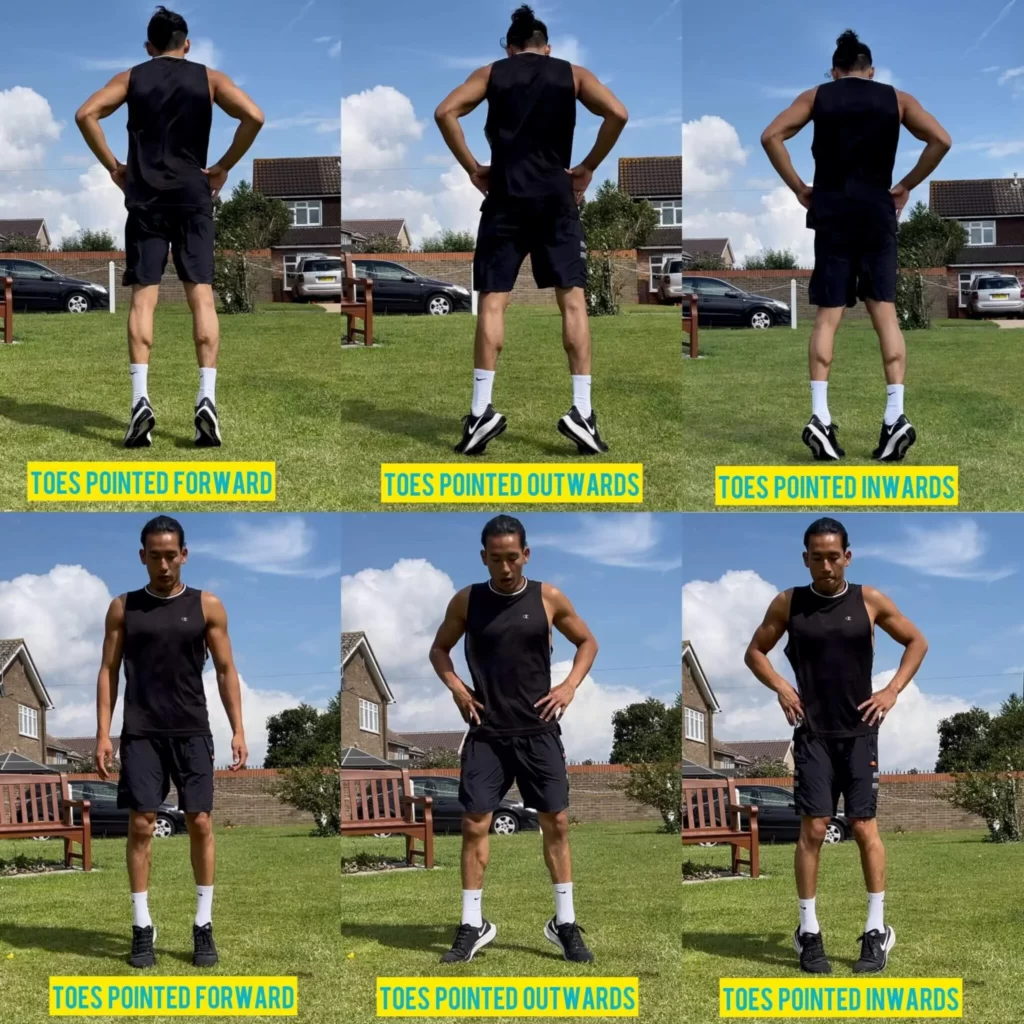
Calf raises, a seemingly simple exercise, offer a wealth of benefits for overall lower body fitness and well-being. Understanding these advantages, along with potential risks and precautions, empowers individuals to safely and effectively incorporate calf raises into their workout routines. Proper technique and mindful consideration of individual needs are crucial for maximizing the benefits and minimizing any potential harm.
Advantages for Lower Body Strength and Power
Calf raises directly target the calf muscles, comprising the gastrocnemius and soleus. Strengthening these muscles enhances the ability to push off the ground, essential for activities ranging from walking and running to jumping and sports performance. Improved calf strength contributes to a more powerful and efficient lower body, increasing overall athletic potential. This translates to better performance in activities that involve forceful contractions of the calf muscles.
Role in Injury Prevention
Strong calf muscles act as crucial stabilizers for the ankles and lower legs. This stabilization minimizes the risk of sprains, strains, and other injuries. By strengthening the calf muscles, individuals are better equipped to handle the demands of various physical activities, reducing the likelihood of these common injuries. A robust calf musculature plays a vital role in maintaining ankle joint integrity, especially during activities involving rapid changes in direction or high impact.
Impact on Athletic Performance
The power generated by the calf muscles is critical in many athletic pursuits. In sports like basketball, running, and jumping, powerful calf contractions are essential for explosive movements and maintaining stability. Enhanced calf strength and power contribute to improved agility, speed, and overall athletic performance. For example, sprinters rely heavily on powerful calf contractions to propel themselves forward.
Potential Risks and Precautions
While calf raises are generally safe, improper form or excessive intensity can lead to injuries. Overtraining or lifting weights beyond the body’s capacity can cause muscle strains, tendinitis, or other problems. It’s crucial to maintain proper posture and control during the exercise. Individuals with pre-existing ankle or foot conditions should consult a healthcare professional before incorporating calf raises into their routine.
Gradually increasing weight and repetitions is also essential to avoid sudden stress on the muscles and joints.
Importance of Warm-up and Cool-down
Adequate preparation before and after exercise is vital for minimizing the risk of injury. A proper warm-up increases blood flow to the muscles, preparing them for the demands of the exercise. Stretching the calf muscles before calf raises helps improve flexibility and range of motion, while cool-down exercises aid in recovery and prevent muscle soreness. This two-step approach is critical for safe and effective training, optimizing results and preventing potential issues.
Equipment and Tools
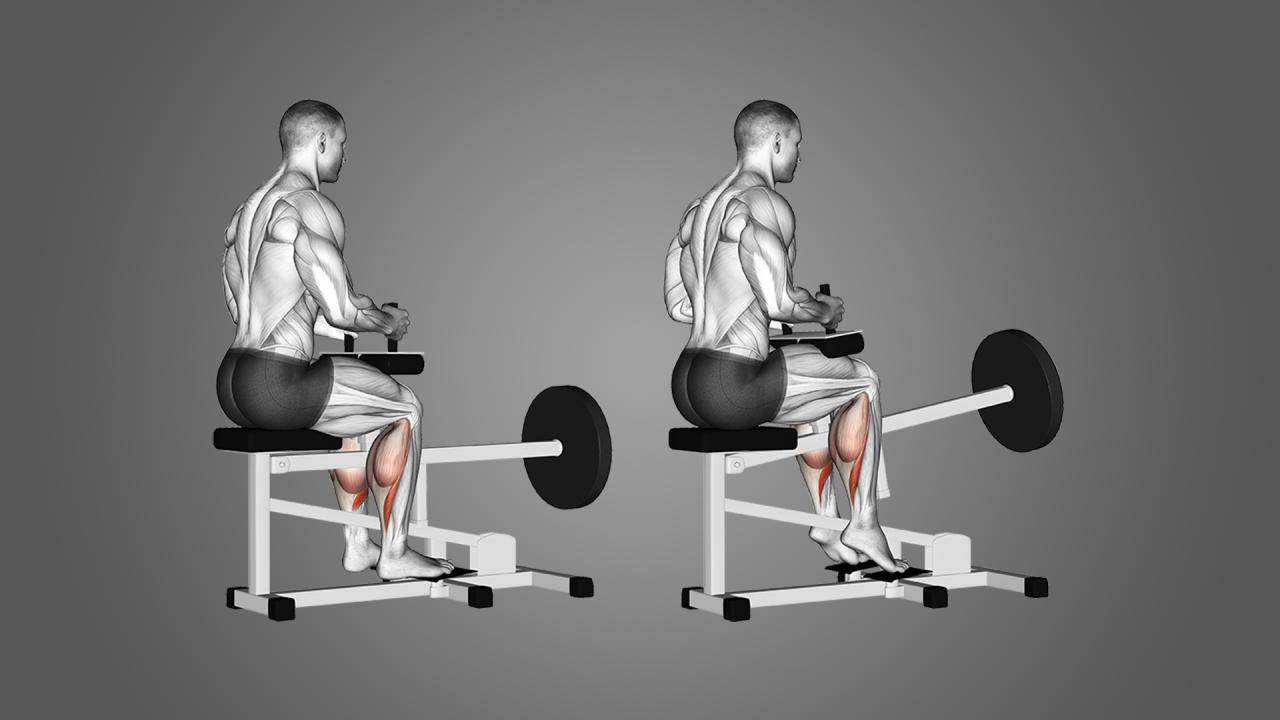
Calf raises can be performed using a variety of equipment, each offering unique advantages and disadvantages. Choosing the right equipment and weight is crucial for maximizing results and minimizing risk of injury. Understanding these options allows for personalized training and tailored progression.
Equipment Options
A range of equipment can be used to perform calf raises, from simple bodyweight exercises to more complex weighted options. Selecting the appropriate equipment depends on individual fitness levels, goals, and available resources.
- Bodyweight Calf Raises: This method utilizes no equipment, making it accessible to all. It’s excellent for beginners and a great way to establish proper form before progressing to more challenging variations. However, the lack of resistance limits the potential for muscle growth over time.
- Dumbbells: Dumbbells offer variable resistance, allowing for progressive overload. They are versatile and adaptable to various calf raise techniques. Using dumbbells can be more challenging to maintain balance compared to other methods, especially for heavier weights. The weight can be adjusted easily to cater to individual needs.
- Weight Plates: Plates, used with a squat rack or similar platform, provide substantial resistance. This is a powerful method for significant strength gains. However, proper setup and supervision are necessary to avoid injury and maintain balance. Plates offer a consistent and controlled method of adding resistance for focused training.
- Resistance Bands: Resistance bands offer an affordable and portable option for calf raises. They provide variable resistance, making them adaptable for different fitness levels. However, the resistance level is often less precise compared to weight plates or dumbbells, and the bands’ elasticity can sometimes affect the quality of the exercise. Resistance bands are great for a quick workout at home or on the go.
- Machines: Calf raise machines offer a stable platform and controlled movement. They are beneficial for isolating the calf muscles and are frequently found in gyms. However, the fixed range of motion might not be suitable for everyone, and the lack of variability can limit progressive overload. Calf raise machines can be excellent for individuals seeking focused muscle activation and controlled movement.
Selecting Weights and Resistance
Proper weight selection is crucial for maximizing results and minimizing injury. It should be challenging but manageable to perform the exercise with good form.
- Beginners: Begin with bodyweight or minimal weight. Focus on mastering proper form before increasing the resistance. Start with 2-3 sets of 10-15 repetitions.
- Intermediate: Gradually increase the weight or resistance as strength improves. Aim for 3-4 sets of 8-12 repetitions. Consider using dumbbells or resistance bands for variable resistance.
- Advanced: Significant weight or resistance is required to challenge the muscles. Advanced users may use weight plates or machines for higher resistance. Aim for 4-5 sets of 6-8 repetitions.
Modifying Calf Raises with Equipment
The choice of equipment allows for modifications to target specific aspects of the calf muscle or adjust the intensity.
- Dumbbells: Holding dumbbells during calf raises allows for a more dynamic and versatile exercise. Using dumbbells allows for a wider range of movement and can increase the intensity of the exercise.
- Weight Plates: Weight plates on a squat rack or similar platform provide a straightforward way to add resistance for challenging calf raises. This option provides a controlled and targeted method for progressive overload.
- Resistance Bands: Resistance bands can be wrapped around the ankles or fastened to a sturdy object to provide resistance. This is a convenient and accessible way to modify the exercise, adapting to different fitness levels.
Equipment Comparison
| Equipment | Advantages | Disadvantages | Suitable for |
|---|---|---|---|
| Bodyweight | Accessible, inexpensive, and suitable for beginners | Limited resistance, less effective for muscle growth over time | Beginners, form establishment |
| Dumbbells | Variable resistance, versatile, adaptable to different techniques | Potential for balance issues with heavier weights | Intermediate, advanced users |
| Weight Plates | High resistance, controlled movement, suitable for significant strength gains | Requires proper setup, supervision, and balance | Advanced users, strength focus |
| Resistance Bands | Affordable, portable, variable resistance, suitable for home workouts | Less precise resistance, potential for slipping | Beginners, intermediate, home workouts |
| Machines | Stable platform, controlled movement, isolates calf muscles | Fixed range of motion, limited variability | Focused muscle activation, controlled movement |
Workout Routines and Programs
Designing effective workout routines incorporating calf raises is crucial for maximizing results and minimizing the risk of injury. Properly structured routines cater to individual fitness levels, ensuring progressive overload and consistent muscle stimulation. This section Artikels various approaches to incorporate calf raises into your workout regimen, along with considerations for adjusting routines based on your progress.
Sample Workout Routines
Varying your workout routines is essential for challenging your muscles and preventing plateaus. This section details sample routines incorporating calf raises, tailored for different fitness levels. These examples provide a foundation, adaptable to suit individual needs and preferences.
- Beginner Routine: This routine focuses on establishing a foundation of calf strength and proper form. It emphasizes controlled movements and gradual increases in repetitions and sets. The goal is to build a solid base before progressing to more advanced routines.
- Intermediate Routine: This routine incorporates variations and heavier weights or resistance to challenge the muscles further. The emphasis shifts towards progressive overload, increasing the difficulty gradually while maintaining proper form. This routine aims to build strength and endurance.
- Advanced Routine: This routine involves more complex exercises and advanced variations. Higher repetitions and sets, combined with heavier weights or resistance, are crucial. This routine targets maximal strength and muscular development.
Sample Weekly Schedule
A structured weekly schedule is key to consistent progress and avoiding overtraining. This schedule offers a framework, adaptable to your individual needs and preferences.
- Monday: Lower body strength training, including calf raises. Aim for 2-3 sets of 10-15 repetitions. Focus on proper form.
- Wednesday: Calf raises, focusing on different variations, such as seated or standing calf raises. Perform 3 sets of 12-15 repetitions.
- Friday: Repeat the Monday routine or alternate with upper body strength training. Incorporate calf raises into the routine as appropriate.
- Rest: Rest days are essential for muscle recovery and growth. Allow at least one day of rest between calf raise workouts.
Adjusting Routines Based on Fitness Level
Adapting workout routines based on individual fitness levels ensures that the exercises are challenging but not overly strenuous. Modifications and progressions are crucial for consistent progress.
- Beginners: Start with lower repetitions and sets, using lighter weights or resistance. Focus on proper form and technique. Gradually increase the difficulty over time. A gradual progression is vital for preventing injury.
- Intermediate: Increase the weight, repetitions, or sets, and consider variations in the exercises. Maintain proper form throughout the workout. Adding different calf raise variations will further challenge the muscles.
- Advanced: Focus on higher repetitions, sets, and more challenging variations. Incorporate advanced techniques, such as drop sets or supersets. Ensure proper rest and recovery to avoid overtraining.
Importance of Rest and Recovery
Adequate rest and recovery are crucial for muscle growth and repair. Insufficient rest can hinder progress and lead to injury. Listen to your body and adjust the routine as needed.
- Recovery Time: Allow sufficient time for your muscles to recover between calf raise workouts. This allows for optimal muscle repair and growth.
- Listen to Your Body: Pay attention to any signs of pain or discomfort. If you experience pain, modify the routine or take a rest day.
- Nutrition: A balanced diet is essential for muscle recovery. Consume adequate protein and other nutrients to support muscle repair.
Sample Workout Plan
A sample workout plan for intermediate fitness level, focusing on calf raises:
Day 1: Leg day – include 3 sets of 12-15 repetitions of standing calf raises, 2 sets of 15-20 seated calf raises.
Day 2: Rest
Day 3: Back and Bicep exercises. Consider 2 sets of 12-15 repetitions of standing calf raises, to target muscles from different angles.Day 4: Rest
Day 5: Repeat Day 1.
Day 6: Repeat Day 3.
Day 7: Rest
Common Injuries and Prevention
Calf raises, while a beneficial exercise for strengthening the lower legs, can unfortunately lead to various injuries if not performed with proper form and technique. Understanding these potential injuries, their causes, and preventive measures is crucial for maximizing the benefits of this exercise while minimizing the risk of harm. Careful attention to form, progressive overload, and adequate rest periods are essential for injury avoidance.Proper warm-up, targeted stretching, and mindful progression are pivotal for safe and effective calf raise workouts.
This section will delve into the common injuries associated with calf raises, their underlying causes, and practical strategies to prevent and manage them. This includes the importance of stretching and flexibility exercises.
Common Calf Raise Injuries
Calf raises can strain or injure various structures in the lower leg, including the Achilles tendon, calf muscles (gastrocnemius and soleus), and plantar fascia. These injuries can range from mild discomfort to severe pain that restricts activity. Recognizing the symptoms of these injuries is critical for prompt intervention and recovery.
Causes of Calf Raise Injuries
Several factors contribute to injuries during calf raises. Inadequate warm-up, improper form, using excessive weight too quickly, insufficient rest between workouts, and underlying pre-existing conditions can all increase the risk of injury. Using improper footwear, performing the exercise on uneven surfaces, or performing the exercise with a lack of balance can also contribute. Furthermore, neglecting to address any pre-existing muscle imbalances can predispose individuals to injury.
Preventive Measures
Implementing these preventative measures can significantly reduce the risk of calf raise injuries:
- Thorough warm-up: A dynamic warm-up that includes movements like calf stretches, ankle circles, and light cardio will prepare the muscles and tendons for the exercise, reducing the risk of strains.
- Correct form: Maintaining a neutral spine and a controlled, slow movement throughout the exercise is critical. Avoid jerking or bouncing, which can put excessive stress on the tendons.
- Gradual progression: Increasing the weight or repetitions gradually, allowing the muscles and tendons to adapt, minimizes the risk of overloading.
- Adequate rest: Allowing sufficient rest between workouts allows the muscles and tendons to recover and rebuild strength, preventing overtraining.
- Proper footwear: Ensure supportive shoes with good ankle stability. Avoid working out in flip-flops or shoes with poor arch support.
- Surface considerations: Exercise on a stable, flat surface to avoid any imbalance or uneven stress on the calf muscles.
- Addressing pre-existing conditions: Consult a healthcare professional if you have any underlying conditions or injuries that may affect your calf raises. They can advise on modifications or alternative exercises.
Recovery from Calf Raise Injuries
Proper recovery is essential for healing and preventing future injuries. Following these guidelines can facilitate a faster recovery:
- RICE method: Rest, Ice, Compression, and Elevation (RICE) is a crucial initial treatment for most soft tissue injuries.
- Pain management: Over-the-counter pain relievers can help manage discomfort during the recovery period.
- Physical therapy: A physical therapist can provide tailored exercises and treatments to aid in the recovery process and prevent re-injury.
- Gradual return to exercise: A gradual and monitored return to exercise, under the guidance of a healthcare professional or physical therapist, is essential to avoid re-injury.
Stretching and Flexibility Exercises
Incorporating regular stretching and flexibility exercises is essential for maintaining healthy calf muscles and tendons.
- Static stretches: Holding stretches for 15-30 seconds can improve flexibility and reduce muscle tension. Examples include hamstring stretches, calf stretches, and soleus stretches.
- Dynamic stretches: Dynamic stretches involve controlled movements that increase blood flow and warm up the muscles. Examples include leg swings and ankle circles.
- Frequency: Regular stretching, ideally daily, is beneficial for long-term muscle health and injury prevention.
Final Wrap-Up
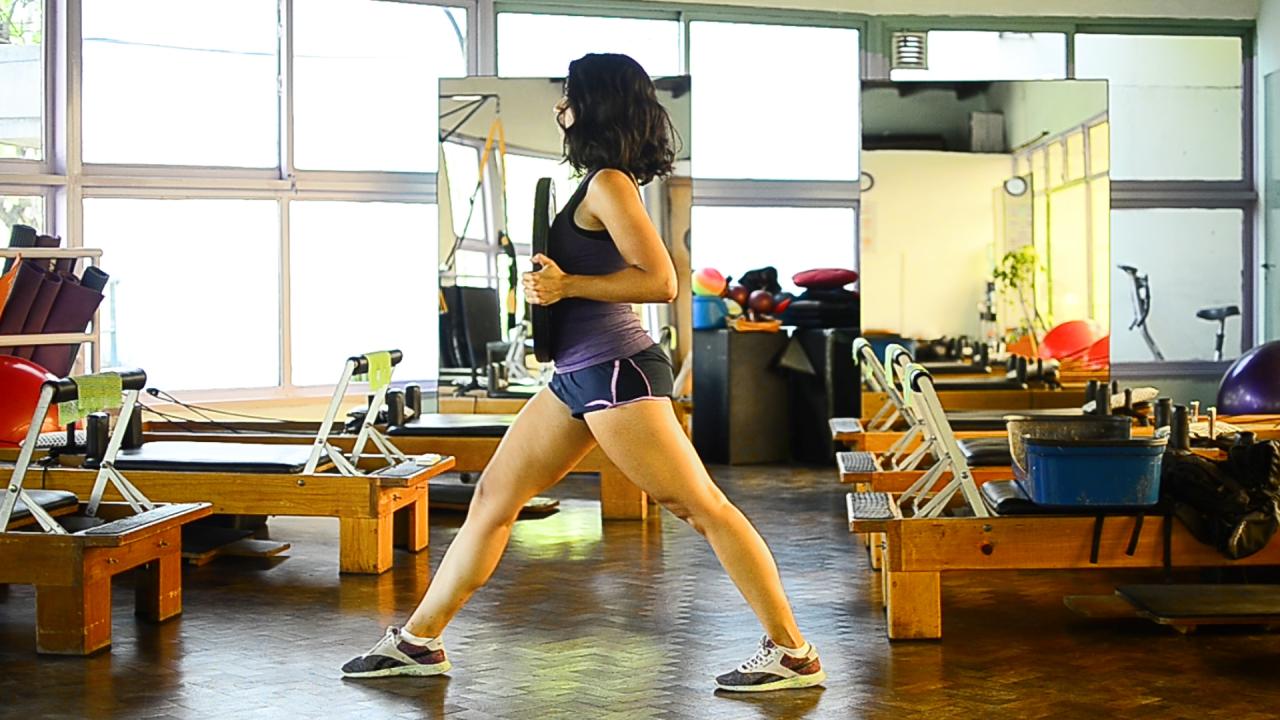
In conclusion, mastering calf raises involves understanding the proper form, exploring variations, and acknowledging the importance of safety and proper progression. This guide has provided a comprehensive overview of the exercise, from its fundamental principles to advanced techniques. By incorporating the knowledge presented here, you can effectively integrate calf raises into your workout routine, contributing to a stronger and healthier lower body.
Remember, consistency and proper form are key to achieving your desired results.