Embark on a journey to unlock the full potential of your rowing machine. This comprehensive guide provides a step-by-step approach to mastering the art of rowing, from initial setup to advanced techniques. Whether you’re a seasoned athlete or just starting your fitness journey, this guide will equip you with the knowledge and skills to make the most of your rowing machine.
Learn the proper form, essential warm-up and cool-down routines, and a variety of exercises to maximize your workout. Safety considerations and troubleshooting tips are also included, ensuring a safe and effective rowing experience. This resource will cover everything from getting started to advanced techniques, enabling you to achieve your fitness goals efficiently and safely.
Getting Started with a Rowing Machine
A rowing machine offers a fantastic full-body workout, improving cardiovascular health, muscular endurance, and core strength. This section details the essential steps to successfully incorporate a rowing machine into your fitness routine, including setup, machine types, and important considerations.
Setting Up Your Rowing Machine
Proper setup is crucial for a safe and effective workout. Follow these steps for optimal performance and injury prevention.
- Inspect the packaging and contents. Ensure all parts are present and undamaged.
- Choose a suitable location. Consider space requirements and accessibility.
- Position the machine on a level surface. This prevents wobbling and ensures a stable workout.
- Follow the manufacturer’s instructions for assembly. Consult the manual for specific steps, and proceed with caution.
- Adjust the seat and footrests to your height and body type. A proper fit prevents strain and discomfort during the workout.
- Test the machine by performing a few strokes to ensure it operates smoothly.
Types of Rowing Machines
Various rowing machine designs cater to different needs and budgets. Understanding the features of each type can help you select the best fit.
- Air Rowing Machines utilize resistance generated by the air displaced during the rowing motion. These models are typically lighter and more portable, often featuring a simple design. They are budget-friendly and excellent for users looking for an affordable home gym option.
- Magnetic Rowing Machines utilize magnets to regulate resistance. They offer a smooth and consistent workout experience, typically with digital displays showing workout metrics and progress. They provide greater durability and a wider range of adjustable settings than air rowing machines.
- Hydraulic Rowing Machines leverage hydraulic cylinders to create resistance. They are known for a powerful and responsive feel, providing an intense workout. This type is suitable for users seeking a higher level of resistance and intensity.
Importance of the Owner’s Manual
The owner’s manual is an invaluable resource for proper machine use and maintenance. It contains crucial information about the specific model.
“Thorough reading of the owner’s manual is essential for safe and efficient operation.”
It provides detailed instructions on assembly, operation, maintenance, and troubleshooting. Failure to consult this guide could result in improper usage, potentially leading to injury or damage to the equipment. It also includes information about warranty and contact details for support.
Rowing Machine Comparison Table
This table provides a comparative overview of different rowing machine models, showcasing features and price points.
| Brand | Features | Price (USD) |
|---|---|---|
| Concept2 | High-quality construction, accurate metrics, various models | $1,500-$3,000 |
| WaterRower | Smooth, quiet operation, high-end feel | $1,000-$2,500 |
| Matrix | Modern design, advanced features, high-tech displays | $1,200-$2,000 |
| NordicTrack | Affordable options with basic features, great value | $500-$1,000 |
Proper Form and Technique
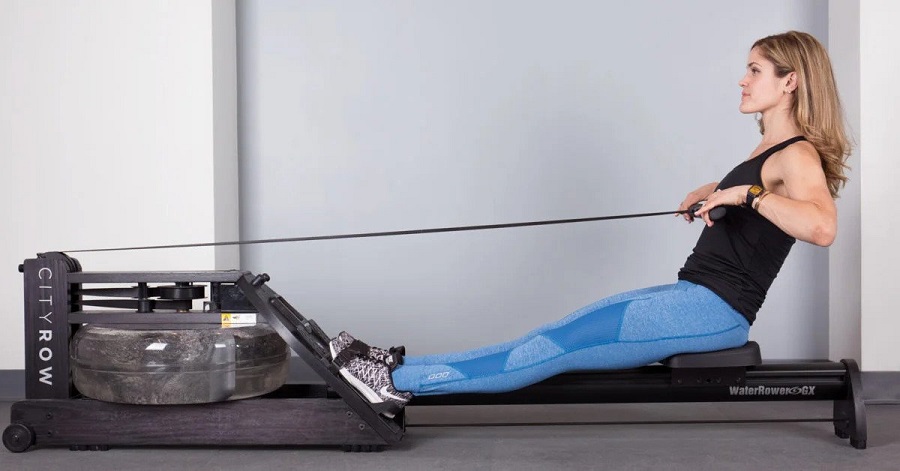
Mastering proper form and technique is crucial for maximizing the benefits of rowing and minimizing the risk of injury. Consistent, correct form ensures a smooth, efficient workout, allowing you to push your limits safely and effectively. Understanding the fundamental movements of the rowing stroke is paramount to achieving optimal performance.Correct posture is fundamental to safe and effective rowing.
Maintaining a stable core is essential for generating power and transferring force through the entire body. A strong core prevents unnecessary strain on the back and promotes a more fluid and controlled movement.
Correct Posture and Core Engagement
Maintaining a stable and engaged core throughout the entire rowing motion is vital. This involves a neutral spine, engaging your abdominal muscles, and maintaining a slight inward curve in the lower back. Proper posture allows for efficient transfer of power and reduces the risk of back pain. Your shoulders should remain relaxed and down, and your head should be aligned with your spine, avoiding any unnecessary strain on the neck.
Fundamental Rowing Strokes
The rowing stroke is a continuous sequence of movements. Understanding each phase, from the catch to the recovery, is key to achieving optimal efficiency and preventing injury.
- Catch: At the start of the stroke, your body should be in a straight line from head to heels. Your legs are extended, and your knees are slightly bent. The oars are in contact with the water. This position, called the catch, sets the stage for the powerful drive phase. Proper positioning at the catch allows for maximum leverage and minimizes wasted effort.
- Drive: This is the most powerful phase of the stroke. Using your legs, core, and back muscles, push through the water with your oars. Maintain a straight back and a controlled motion to maximize power transfer. As you drive, your legs extend, your torso rotates slightly, and your arms straighten.
- Finish: At the finish of the drive, your body should be positioned with your arms fully extended, your legs straight, and your core engaged. Your body should be leaning slightly forward, maintaining the posture developed in the drive phase. This is where the momentum generated through the drive is fully utilized.
- Recovery: The recovery phase is a controlled return to the catch position. As your arms and body return to the starting position, your legs flex slightly, and your core remains engaged. Maintain a smooth and controlled recovery to prepare for the next stroke.
Maintaining a Smooth and Rhythmic Motion
A smooth, rhythmic rowing motion is essential for efficiency and injury prevention. Avoid jerky movements or sudden stops. Maintain a steady pace and focus on maintaining a controlled tempo. The rhythm should flow from the catch to the recovery, allowing for consistent power output.
Common Rowing Mistakes and Corrections
| Mistake | Correction |
|---|---|
| Rounding the back during the drive | Engage the core and maintain a straight back throughout the stroke. Focus on a controlled and deliberate movement. |
| Pulling with the arms instead of the legs | Focus on using your legs as the primary power source. Extend your legs fully during the drive. |
| Jerky movements | Concentrate on maintaining a smooth and controlled motion from catch to recovery. Slow down if necessary to develop smooth transitions. |
| Not engaging the core | Consciously engage your abdominal muscles throughout the entire stroke. This will help stabilize your torso and improve power transfer. |
| Leaning too far forward or backward | Maintain a slight lean forward, keeping your back straight. Avoid excessive lean in either direction. |
Adjusting Seat and Handle Positions
Proper seat and handle adjustments are critical for optimal performance and comfort. Adjustments should be tailored to your individual body type and preferences.
- Seat Position: Adjust the seat to a comfortable height and position that allows for a natural and stable posture during the rowing motion. Ensure that your knees are slightly bent at the catch position. Adjust the seat to maintain a natural, straight-line alignment from your hips to your heels.
- Handle Position: Adjust the handle position to ensure that your arms are neither too stretched nor too compressed during the rowing motion. This will optimize the leverage and minimize strain on your shoulders and arms. The distance between your hands should be comfortable for the rowing stroke.
Warm-up and Cool-down Routines
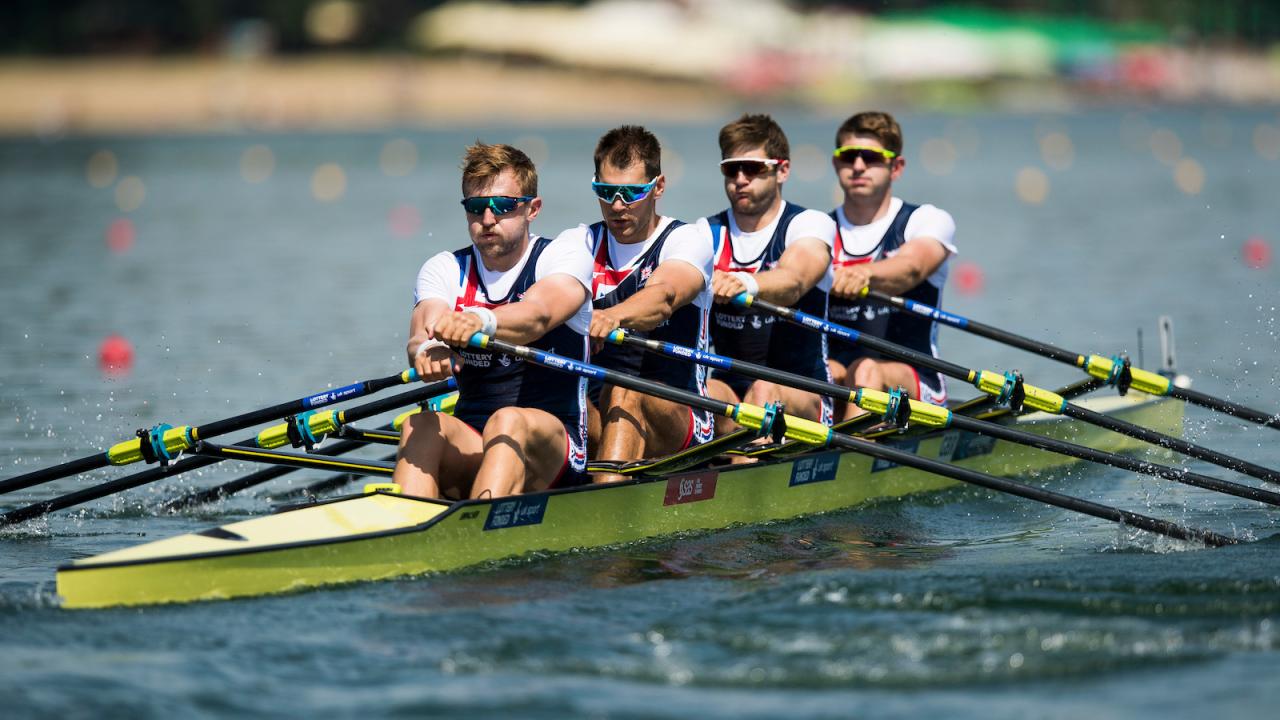
Proper warm-up and cool-down routines are crucial for maximizing the benefits of your rowing sessions and minimizing the risk of injury. A comprehensive warm-up prepares your muscles for the demanding movements of rowing, improving flexibility and blood flow. A thorough cool-down helps your body recover, reducing muscle soreness and stiffness. This section details specific routines to enhance your rowing experience.
Importance of Warm-up
A proper warm-up is essential before engaging in any physical activity, including rowing. It gradually increases blood flow to the muscles, raising core temperature and preparing them for the exertion to come. This increased blood flow delivers oxygen and nutrients to the muscles, improving their performance and reducing the risk of injury. A good warm-up also enhances flexibility and range of motion, allowing for a more effective and controlled rowing stroke.
Failing to warm up adequately can lead to muscle strains, tears, and other injuries.
Sample Warm-up Routine
This routine focuses on dynamic stretches to prepare your body for rowing. Dynamic stretches involve controlled movements that increase range of motion and improve blood flow.
- Arm Circles (forward and backward): Perform 10-15 repetitions in each direction, gradually increasing the range of motion. This warms up the shoulder and upper arm muscles, essential for the rowing stroke.
- Leg Swings (forward and backward): Perform 10-15 repetitions for each leg, focusing on maintaining a controlled and fluid motion. This warms up the hip and leg muscles, vital for generating power during the rowing stroke.
- Torso Twists: Perform 10-15 repetitions on each side, ensuring a controlled and smooth movement. This warms up the core muscles, supporting the body’s posture and movement during the rowing stroke.
- High Knees and Butt Kicks: Perform 20-30 seconds of each exercise, gradually increasing the intensity. This warms up the leg muscles and improves cardiovascular function, preparing your body for the workout.
- Light Rowing (5-10 minutes): Engage in a light rowing session at a low intensity for a few minutes to further prepare the muscles for the main workout.
Cool-down Routine
A proper cool-down is just as important as a warm-up. It gradually reduces your heart rate and blood pressure, allowing your body to return to its resting state. This process helps prevent muscle soreness and stiffness, promoting recovery and reducing the risk of delayed-onset muscle soreness (DOMS).
Sample Cool-down Routine
This routine incorporates static stretches to lengthen and relax the muscles used during rowing. Static stretches involve holding a stretch for a period of time, typically 20-30 seconds.
- Hamstring Stretch: Extend one leg straight behind you, keeping your back straight and your knee straight. Hold the stretch for 20-30 seconds, then repeat on the other leg.
- Quadriceps Stretch: Grab your foot and pull it towards your glutes. Keep your knee aligned with your hip and hold the stretch for 20-30 seconds, then repeat on the other leg.
- Calf Stretch: Place one leg back and bend your front knee, keeping your back straight. Hold the stretch for 20-30 seconds, then repeat on the other leg.
- Chest Stretch: Extend your arms out to the sides, and gently push your chest against a wall or door frame. Hold the stretch for 20-30 seconds.
- Back Stretch: Reach one arm across your body and use your opposite hand to gently pull it towards your chest. Hold for 20-30 seconds, then repeat on the other side.
- Shoulder Stretch: Reach one arm across your body and gently push it downwards with your opposite hand. Hold for 20-30 seconds, then repeat on the other side.
Stretches for Warming Up and Cooling Down
| Stretch | Description | Hold Time (seconds) |
|---|---|---|
| Arm Circles (forward/backward) | Circular movements of arms | 10-15 repetitions |
| Leg Swings (forward/backward) | Swinging legs forward and backward | 10-15 repetitions per leg |
| Torso Twists | Twisting torso from side to side | 10-15 repetitions |
| High Knees/Butt Kicks | Alternating high knees and butt kicks | 20-30 seconds |
| Hamstring Stretch | Extend one leg back, keeping the back straight | 20-30 seconds |
| Quadriceps Stretch | Pull foot towards glutes, keeping knee aligned with hip | 20-30 seconds |
| Calf Stretch | Extend one leg back, bending front knee | 20-30 seconds |
| Chest Stretch | Extend arms outwards and push chest against a wall/door | 20-30 seconds |
| Back Stretch | Reach one arm across body and gently pull | 20-30 seconds |
| Shoulder Stretch | Reach one arm across body and push downwards | 20-30 seconds |
Exercises and Workouts
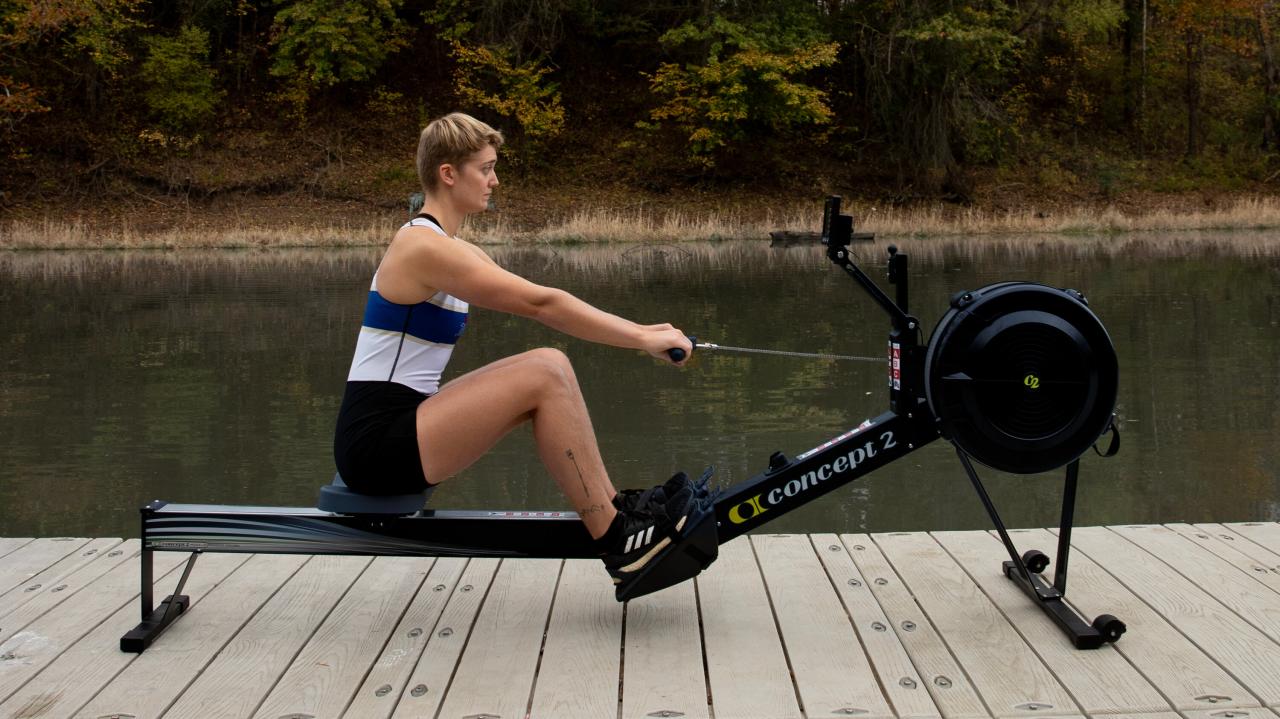
Rowing workouts offer a versatile and effective way to improve cardiovascular health, muscular strength, and endurance. Properly structured workouts can help you achieve a wide range of fitness goals, from weight loss to enhanced athletic performance. Tailoring your routine to your fitness level and objectives is key to maximizing results.
Example Rowing Workouts
Various rowing workouts cater to different fitness levels and goals. These examples provide a starting point, but remember to adjust based on your individual needs and progress.
- Beginner: Focus on building a base level of fitness. A typical beginner workout might consist of 20-30 minutes of continuous rowing at a moderate pace, with brief rest periods between sets. The goal is to improve endurance and establish a comfortable rhythm on the machine.
- Intermediate: Introduce intervals and varied resistance. A sample workout could include 20-minute intervals of high-intensity rowing (e.g., 1 minute at maximum effort, followed by 1 minute at a moderate pace). The goal is to build strength and improve cardiovascular fitness.
- Advanced: Maximize intensity and incorporate advanced techniques. A typical advanced workout might include longer, high-intensity intervals (e.g., 2-3 minutes at maximum effort, followed by 2 minutes of moderate recovery) to enhance anaerobic capacity and muscular power. Advanced users can also explore more challenging workouts involving longer durations at higher intensities.
Training Plans for Specific Goals
Tailoring a rowing workout to specific fitness goals is crucial for maximizing results. The plan should be aligned with the desired outcomes and adapted as progress is made.
- Weight Loss: Prioritize longer workouts at a moderate pace to burn more calories. Include high-intensity intervals to boost calorie expenditure. This plan should also incorporate a balanced diet and lifestyle.
- Muscle Building: Focus on strength training by using higher resistance levels. Incorporate compound movements, like rowing, that work multiple muscle groups. Proper nutrition and adequate rest are essential for muscle recovery and growth.
- Endurance Improvement: Prioritize longer workouts at a moderate pace, gradually increasing duration and intensity over time. This plan emphasizes building a strong aerobic base.
Rowing Exercises Targeting Muscle Groups
A rowing machine workout effectively targets numerous muscle groups. Specific exercises and combinations can be utilized to isolate and work various muscle groups.
| Muscle Group | Exercises |
|---|---|
| Back (lats, rhomboids, traps) | Rowing strokes (focus on proper form) |
| Arms (biceps, triceps) | Pulling motions in the rowing stroke |
| Core (abs, obliques) | Maintaining a stable core position throughout the rowing motion |
| Legs (quadriceps, hamstrings, glutes) | Leg drive during the rowing stroke |
Tracking Progress and Adjusting Intensity
Regularly tracking progress is essential for adapting your workout plan. This allows you to monitor your performance and make adjustments to maintain or improve results.
- Monitoring Metrics: Track time spent rowing, distance covered, and heart rate during workouts. This data provides valuable insights into your progress and performance.
- Adjusting Intensity: Based on progress, modify resistance, duration, or intensity of workouts to challenge yourself and maintain a progressive overload.
- Listen to Your Body: Pay attention to fatigue levels, muscle soreness, and overall well-being. Adjust intensity or rest periods as needed to avoid injury and ensure proper recovery.
Interval Training Examples
Interval training on a rowing machine involves alternating periods of high-intensity effort with recovery periods. This method enhances cardiovascular fitness and improves endurance.
Example Interval Workout: 20 minutes, alternating 1 minute at maximum effort with 1 minute at moderate pace. Repeat the cycle.
Safety Considerations
Using a rowing machine can be a rewarding exercise, but like any physical activity, it carries potential risks if proper precautions are not taken. Understanding these risks and implementing safety measures will ensure a positive and injury-free experience.Proper use and maintenance of the rowing machine are paramount for both safety and longevity. Adhering to the manufacturer’s guidelines and exercising caution will help prevent accidents and maintain the machine’s functionality.
Potential Risks Associated with Rowing Machine Use
Improper form and technique can lead to injuries such as back pain, shoulder strain, and wrist problems. Overexertion, particularly during high-intensity workouts, can cause muscle soreness, fatigue, and potentially more serious injuries. Failure to maintain a safe distance from the machine while in motion or while setting up or adjusting the machine can lead to collisions and injury.
A poorly maintained rowing machine could malfunction during use, causing injury or damage to the user. Sudden stops or changes in resistance can also cause injuries.
Safety Precautions While Using a Rowing Machine
Prior to using a rowing machine, it is crucial to warm up the body and prepare muscles for the workout. Proper stretching and a light cardio warm-up can prevent injuries during the workout. Maintain good posture throughout the rowing motion. Use a controlled and consistent pace. Avoid sudden movements or excessive resistance.
Listen to your body. If you experience pain, stop the exercise immediately. Always ensure the machine is securely fastened and the surroundings are free from obstacles. Inform someone of your workout plans, including the time, duration, and location.
Proper Maintenance Procedures for Rowing Machine Safety and Longevity
Regular maintenance is essential to ensure the machine’s safety and longevity. Cleaning the machine regularly prevents buildup of sweat and other materials that can affect its functionality. Inspect the machine regularly for any signs of wear and tear, such as loose screws, frayed cables, or damaged parts. Ensure that all parts are properly lubricated to prevent friction and wear.
Replace any worn-out or damaged parts promptly to maintain optimal performance and safety. Following the manufacturer’s recommendations for maintenance schedules and procedures is crucial.
Common Safety Warnings for Rowing Machines
| Warning Category | Specific Warnings |
|---|---|
| General Safety |
|
| Posture and Technique |
|
| Maintenance |
|
| Machine Malfunctions |
|
Troubleshooting and Maintenance
Maintaining your rowing machine ensures optimal performance and longevity. Regular checks and preventative maintenance can help avoid costly repairs and keep your workout sessions smooth and efficient. Understanding common issues and their solutions is key to maximizing your rowing experience.Troubleshooting common problems and performing routine maintenance tasks are crucial for maintaining a rowing machine’s functionality and extending its lifespan.
This section provides a comprehensive guide to identifying and resolving potential issues, as well as detailed steps for lubricating and cleaning your machine.
Common Rowing Machine Problems
Regular inspection and prompt action for minor issues can prevent larger problems. Some common issues include noisy operation, resistance inconsistencies, and malfunctions in the drive mechanism or the seat. Identifying these problems early is essential for a smooth workout and the longevity of your equipment.
- Noisy Operation: Unusual noises, such as grinding, screeching, or clicking sounds, often indicate a need for lubrication or adjustment. These sounds may originate from the drive system, seat mechanisms, or the resistance unit.
- Resistance Issues: If the resistance feels inconsistent or unresponsive, the drive system may need adjustment or lubrication. A worn or damaged resistance mechanism could also contribute to this issue.
- Drive System Malfunctions: Problems with the drive mechanism, including broken or worn cables, pulleys, or sprockets, can lead to resistance issues and noisy operation.
- Seat Malfunctions: Issues with the seat mechanism, such as difficulty adjusting or moving the seat, might require lubrication or tightening of the associated parts.
Troubleshooting Steps
A systematic approach to troubleshooting can save time and money. Start by carefully inspecting the machine for obvious signs of damage or wear. If the problem persists, consult the owner’s manual for specific instructions or contact a qualified technician.
- Identify the Source: Carefully listen to the sounds and feel the resistance. Identify the area of the machine where the problem seems to originate. Is the noise coming from the flywheel, the resistance mechanism, or the seat? Identifying the source can narrow down the potential causes.
- Consult the Manual: The owner’s manual provides specific troubleshooting guides and maintenance instructions for your specific model of rowing machine. Refer to it for potential solutions to the problem.
- Check for Obstructions: Ensure that there are no foreign objects lodged in any part of the machine. Objects caught in the mechanism can lead to malfunctions.
- Lubricate and Adjust: If necessary, lubricate moving parts according to the manufacturer’s instructions. Ensure that all components are properly adjusted and tightened. This often resolves minor issues.
- Seek Professional Help: If the problem persists after trying these steps, contact a qualified technician for assistance.
Maintenance Procedures
Preventive maintenance is crucial for keeping your rowing machine in optimal condition. Regular cleaning and lubrication will significantly extend the lifespan of your machine.
- Regular Cleaning: Wipe down the exterior of the machine with a damp cloth to remove dust and debris. Ensure that you do not use abrasive cleaners or harsh chemicals.
- Lubrication Schedule: Consult the owner’s manual for specific lubrication intervals. Lubricating moving parts with the correct lubricant prevents wear and tear, and maintains smooth operation.
- Inspect for Wear and Tear: Periodically inspect all components for signs of wear and tear, such as frayed cables, damaged pulleys, or loose bolts. Addressing these issues promptly can prevent more significant problems.
- Storing the Machine: If the machine is not in use for an extended period, store it in a clean, dry location to prevent moisture damage.
Lubrication Guide
Proper lubrication is essential for smooth operation and prevents friction and wear. Use the appropriate lubricant recommended by the manufacturer.
- Gather Supplies: Collect the appropriate lubricant (as specified in the owner’s manual), a clean cloth, and any necessary tools (e.g., small screwdriver, wrench). Ensure you have the right lubricant for the machine.
- Identify Lubrication Points: Locate the lubrication points on your rowing machine. These are typically detailed in the owner’s manual.
- Apply Lubricant: Apply a small amount of lubricant to the specified areas, ensuring that the moving parts are adequately coated.
- Wipe Excess Lubricant: Wipe away any excess lubricant to prevent dirt and debris from accumulating.
- Reassemble the Machine: Ensure that all parts are reassembled correctly. If necessary, consult the owner’s manual.
Variations and Advanced Techniques
Rowing machines offer a versatile platform for fitness enthusiasts seeking diverse training experiences. Beyond the fundamental rowing stroke, various advanced techniques and variations enhance workouts, targeting specific muscle groups and increasing overall performance. This section explores these advanced strategies, providing insights into implementing them safely and effectively.
Advanced Rowing Techniques
Mastering advanced rowing techniques requires a strong foundation in proper form and technique. These techniques build upon the fundamental stroke, often incorporating greater body engagement and power generation. Examples include the ‘catch-drive-finish’ approach, where the initial catch is emphasized for a more powerful and controlled start, and the ‘high-drive’ approach, focusing on generating power from the hips and core, resulting in a more explosive finish.
These techniques necessitate precision and control to maximize efficiency and minimize the risk of injury.
Variations of Basic Rowing Strokes
Modifying the basic rowing stroke allows for targeted training and enhanced workout diversity. These variations include the ‘fast-paced’ stroke, focusing on speed and quick transitions, and the ‘longer-stroke’ variation, emphasizing the full range of motion and greater engagement of the lower body. Varying the stroke rate and length, while maintaining proper form, can significantly impact the intensity and benefits of the workout.
Resistance Level Considerations
Adjusting resistance levels is crucial for adapting workouts to individual fitness levels and goals. A higher resistance level promotes greater muscular engagement and challenges the cardiovascular system, suitable for advanced users aiming to increase strength and endurance. Conversely, a lower resistance level allows for a focus on technique, stamina, and longer durations, ideal for beginners or those incorporating rowing into a mixed training program.
Consistency in resistance adjustments is key for progressive overload and consistent fitness gains.
Incorporating Rowing into a Mixed Training Routine
Rowing can seamlessly integrate into a mixed training routine, complementing other exercises and activities. For example, a routine combining rowing with weight training, cycling, or swimming can enhance overall fitness by targeting different muscle groups and energy systems. A balanced approach ensures comprehensive fitness development. Rowing’s ability to target both cardiovascular and muscular endurance makes it an ideal complement to various workout styles.
Rowing Machine Accessories
Numerous accessories enhance the rowing machine experience, providing greater customization and workout versatility. These include:
- Heart Rate Monitors: These devices track heart rate, allowing users to monitor their exertion levels and adjust intensity accordingly. Accurate heart rate monitoring facilitates personalized training and ensures workouts are within target zones.
- Resistance Bands: These bands can be integrated with the rowing machine for additional resistance, enabling users to challenge themselves with variable resistance levels.
- Ergonomic Seats: High-quality seats, with proper support and adjustments, minimize strain and maximize comfort, preventing discomfort and improving the overall user experience.
- Rowing Machine Storage Solutions: Dedicated storage solutions, like folding frames or wall-mounted systems, allow for space-saving storage and easy access to the machine.
Motivational Strategies
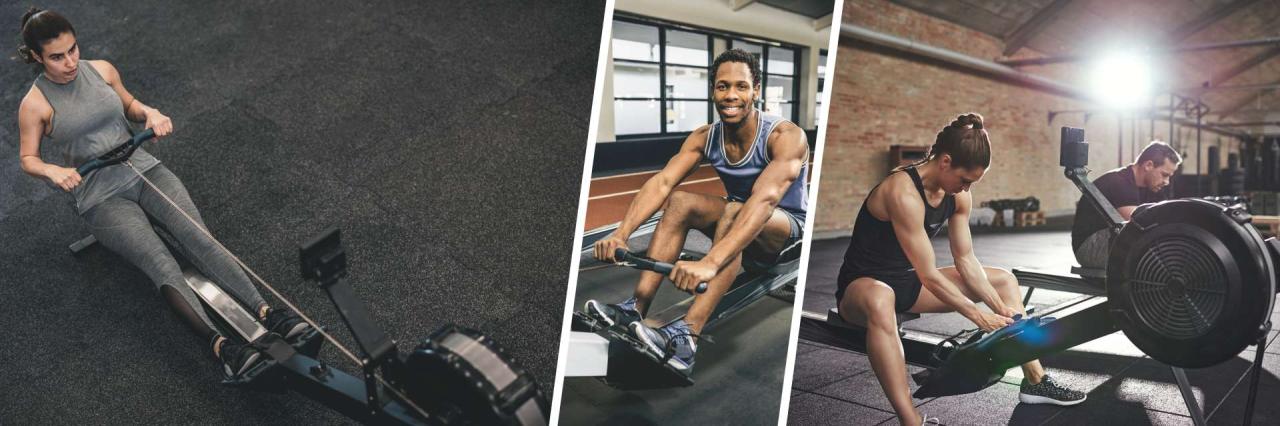
Staying motivated is crucial for achieving fitness goals, and rowing machine workouts are no exception. Consistency is key, and maintaining motivation throughout your rowing journey can significantly impact your progress and overall enjoyment. This section explores effective strategies to keep you engaged and driven.Understanding that motivation can fluctuate, these strategies provide practical tools to overcome plateaus and maintain a positive mindset.
Consistent effort, even on challenging days, leads to tangible results. Developing a routine and positive self-talk are important components of this process.
Setting Realistic Goals
Setting achievable goals is fundamental to sustained motivation. Unrealistic expectations can lead to frustration and discouragement. Break down larger fitness aspirations into smaller, manageable steps. For instance, aiming for a 15-minute rowing session three times a week is more attainable than a grueling hour-long workout every day. This approach fosters a sense of accomplishment with each small victory, motivating you to continue.
By consistently meeting smaller goals, you progressively build momentum toward larger objectives.
Tracking Progress and Celebrating Achievements
Regularly tracking your progress is a powerful motivator. This could involve noting your workout times, distances covered, or improvements in your rowing technique. A simple logbook or a dedicated fitness app can be invaluable tools. Documenting improvements, no matter how small, provides visual reinforcement of your efforts. Celebrate milestones, such as achieving a new personal best or consistently meeting your weekly workout goals.
These celebrations, both internal and external, reinforce the positive association with rowing and encourage you to continue striving for improvement. This acknowledgment of your efforts is vital for maintaining motivation and sustaining your fitness journey.
Motivational Techniques for Regular Rowing Workouts
Implementing various motivational techniques can enhance your rowing experience. Consider listening to upbeat music or podcasts during your workouts to keep your mind engaged and focused. Visualizing yourself succeeding in your rowing endeavors can be another powerful tool. Envision yourself smoothly rowing through challenging workouts, picturing your progress and improvement. This mental preparation can boost your confidence and enhance your performance.
Rowing with a friend or joining a rowing group can also be a fantastic way to stay motivated. The social aspect can provide encouragement, accountability, and shared enjoyment of the workout.
Inspirational Quotes Related to Fitness and Rowing
Inspirational quotes can serve as daily reminders of your potential and commitment to fitness. Quotes emphasizing perseverance, dedication, and the power of self-improvement can provide a mental boost. Finding quotes that resonate personally can help reinforce your commitment to rowing and your overall fitness goals.
“The difference between ordinary and extraordinary is that little extra.”
Jimmy Johnson
“The only way to do great work is to love what you do.”
Steve Jobs
“The journey of a thousand miles begins with a single step.”
Lao Tzu
Ways to Stay Motivated While Using a Rowing Machine
Maintaining a positive mindset is key to sustained motivation. Focus on the benefits of rowing, such as improved cardiovascular health, increased strength, and enhanced overall well-being. Remind yourself of your personal reasons for engaging in rowing. Perhaps it’s about stress relief, personal challenge, or a goal to improve overall fitness. Remember that consistency, not perfection, is the key to progress.
Small daily efforts, even on days you feel less motivated, add up to significant long-term gains.
Ending Remarks
In conclusion, this guide has provided a detailed overview of how to use a rowing machine effectively and safely. From initial setup to advanced techniques, we’ve covered all the essential aspects of rowing. By following the provided steps and tips, you can optimize your workouts, maximize results, and enjoy a rewarding rowing experience. Remember to prioritize safety and consult your doctor before starting any new exercise program.