This guide provides a comprehensive overview of how to use an exercise bike effectively. It covers everything from selecting the right type of bike to understanding advanced techniques, ensuring you maximize your fitness journey. Whether you’re a beginner or an experienced cyclist, this resource offers practical advice and detailed instructions for a successful exercise bike experience.
The guide begins with an exploration of different exercise bike types, highlighting their unique features and benefits. It then progresses through essential setup procedures, ensuring a safe and optimal starting position. Subsequent sections detail proper usage, covering aspects like adjusting resistance, maintaining posture, and understanding safety precautions. The guide also encompasses workout routines, maintenance tips, and important dietary considerations, all designed to elevate your exercise bike experience.
Introduction to Exercise Bikes
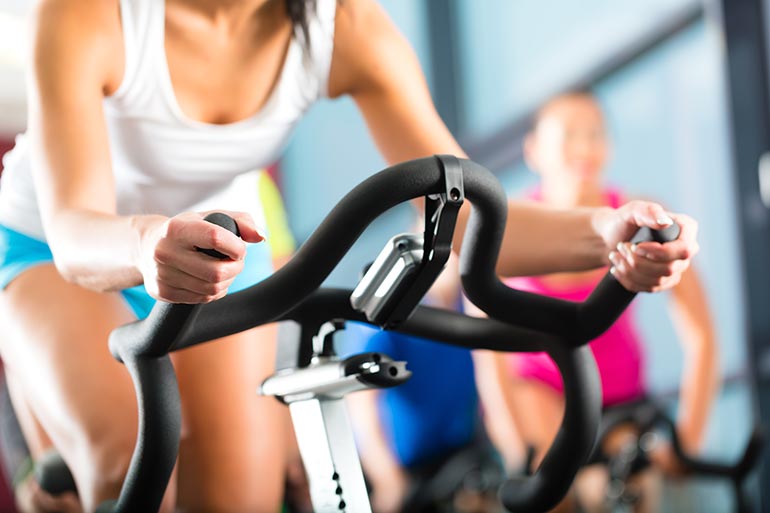
Exercise bikes are a popular and versatile piece of home fitness equipment. They offer a convenient and effective way to improve cardiovascular health, build strength, and achieve various fitness goals. Different types of exercise bikes cater to diverse needs and preferences, ranging from simple stationary bikes to more advanced models with integrated resistance systems and interactive programs. Understanding the various types and their features is crucial for selecting the most suitable exercise bike for personal fitness objectives.The benefits of using an exercise bike extend beyond simply burning calories.
Consistent use can contribute to improved cardiovascular health, increased endurance, and enhanced muscle strength in the legs and core. This equipment also provides a low-impact workout, making it suitable for individuals of all fitness levels, including those recovering from injuries or those with joint issues. Furthermore, exercise bikes are often quiet and easily integrated into a home fitness routine, offering flexibility and convenience.
Types of Exercise Bikes
Various exercise bike models cater to different needs and preferences. These include upright bikes, recumbent bikes, and spin bikes, each with unique characteristics. Understanding the distinctions between these types is essential for selecting the most suitable bike for individual needs.
Upright Bikes
Upright exercise bikes are a common type, often characterized by a seated position that mimics a traditional bicycle. These bikes typically have a simple design, focusing on a straightforward cardio workout. The upright position engages the core and upper body more actively than a recumbent bike, which may be beneficial for certain users. The relatively lower cost and compact size make them popular choices for home gyms.
Recumbent Bikes
Recumbent bikes offer a more reclined seating position, which places less stress on the back and joints. This design is particularly beneficial for individuals with back pain or other joint issues. The reclined posture can also reduce the overall exertion level, making it suitable for low-impact workouts. Recumbent bikes are known for their comfort and often include additional features like adjustable handlebars and cushioned seats.
Spin Bikes
Spin bikes, also known as indoor cycling bikes, are designed for a more intense and challenging workout. They often include a resistance system that allows users to adjust the intensity of the workout. Spin bikes frequently have a more aerodynamic design and often incorporate interactive features such as workout programs, music integration, and even interactive competition modes.
Comparison of Exercise Bike Types
| Feature | Upright Bike | Recumbent Bike | Spin Bike |
|---|---|---|---|
| Seating Position | Upright, similar to a traditional bicycle | Reclined | Upright, often with adjustable seat height |
| Impact | Low impact | Lower impact than upright | Low impact |
| Effort Level | Moderate | Generally lower | Variable, can be high with resistance adjustment |
| Target User | Individuals seeking a basic cardio workout, beginners, or those looking for a compact and affordable option. | Individuals with back pain, joint issues, or those seeking a comfortable and low-impact workout. | Individuals looking for a challenging and engaging cycling experience, those interested in structured workouts, and fitness enthusiasts. |
| Features | Typically basic; may include resistance adjustments. | Often include adjustable handlebars and cushioned seats. | Usually include resistance systems, workout programs, and interactive features. |
Setting Up Your Exercise Bike
Proper setup of your exercise bike is crucial for both safety and optimal performance. A well-adjusted bike ensures a comfortable and effective workout, minimizing the risk of injury and maximizing your results. Following the steps Artikeld below will guide you through the process.
Assembling the Exercise Bike
Thorough assembly is vital for a stable and safe exercise bike. Incorrect assembly can lead to instability, potentially causing injury or damage to the equipment. Carefully review the manufacturer’s instructions. These instructions typically include diagrams and step-by-step procedures. Start with the foundational components and proceed to the secondary components, ensuring each part is securely fastened.
Always prioritize safety during the assembly process.
Adjusting the Seat and Handlebars
Proper seat and handlebar adjustments are essential for comfortable and effective exercise. The seat should be adjusted to a height where your leg is nearly fully extended when your foot is on the pedal in the lowest position. This avoids strain and maximizes leverage. The handlebar height should be adjustable, allowing for a comfortable grip and positioning.
Adjust the handlebars to a height that allows a relaxed posture while maintaining control over the pedals. For optimal comfort and posture, pay attention to the alignment of your torso and arms with the handlebars.
Positioning the Exercise Bike in Your Home
Proper placement of the exercise bike is crucial for maintaining stability and avoiding accidents. Select a location that provides ample space around the bike, allowing for easy movement and maneuverability. The surface beneath the bike should be stable and level to prevent wobbling or tipping. Consider placing the bike near an electrical outlet for convenient use and to prevent potential tripping hazards.
If placing the bike near a wall, ensure enough space for safe operation.
Adjusting the Resistance Levels
Resistance levels are adjusted to control the intensity of your workout. The bike’s resistance control mechanism is typically located on the handlebars or console. Starting with a low resistance setting allows for gradual increase in intensity as you become more accustomed to the workout. Adjust the resistance level to match your fitness level and goals. Experiment with different resistance levels to find the optimal level that provides a challenging but manageable workout.
Potential Issues and Solutions
| Potential Issue | Solutions |
|---|---|
| Difficulty assembling the bike | Carefully review the manufacturer’s instructions and diagrams. Contact customer support for assistance if needed. |
| Uncomfortable seat position | Adjust the seat height and angle to find a comfortable and supportive position. |
| Uncomfortable handlebar position | Adjust the handlebar height and angle for a comfortable grip and posture. |
| Bike wobbling or unstable | Ensure the surface beneath the bike is level and stable. Adjust the placement of the bike to eliminate any wobbling. |
| Difficulty adjusting resistance levels | Consult the user manual for specific instructions on adjusting resistance levels. If the problem persists, contact customer support. |
Basic Exercise Bike Usage
Mastering the use of an exercise bike involves understanding its basic functionalities, adjusting the intensity, and maintaining proper posture and form. This knowledge is crucial for maximizing the benefits of your workout while minimizing the risk of injury. Consistent and correct usage contributes to a more effective and enjoyable exercise routine.
Starting and Stopping the Exercise Bike
Proper initiation and termination of exercise bike use are essential for both safety and effectiveness. Ensure the bike is securely positioned before starting. Locate the “Start” button, typically a large, easily accessible control. Press it to commence the exercise. To cease the exercise, locate the “Stop” button, which will typically be labeled or readily identifiable.
Pressing this button will halt the bike’s operation. This straightforward process is crucial for avoiding any potential mishaps.
Adjusting Resistance Levels
Resistance adjustment is key to tailoring the workout to your fitness level. Most exercise bikes feature a resistance dial or knob, allowing for progressive difficulty. Beginners should start with a low resistance level and gradually increase it as their fitness improves. Higher resistance levels provide a more challenging workout. Adjusting the resistance is critical for optimizing the workout and preventing plateaus in progress.
Intensity Levels for Different Users
Intensity levels are crucial for customizing the workout to suit individual fitness levels. Beginners should initially maintain a moderate intensity, gradually increasing the duration and resistance as their fitness improves. Intermediate users can increase the intensity and duration of their workouts, incorporating higher resistance levels. Advanced users can explore high-intensity interval training (HIIT) on the exercise bike, alternating between high and low resistance levels for a more challenging workout.
Examples of intensity levels include low, medium, high, and extreme.
Proper Posture and Form
Maintaining correct posture and form while using an exercise bike prevents injuries and maximizes the effectiveness of the workout. Sit upright with a straight back, avoiding slouching. Keep your feet flat on the pedals, ensuring a comfortable position. Maintain a consistent rhythm and avoid jerky movements. Proper posture is crucial for effective exercise and to minimize the risk of back pain or other injuries.
Consistent posture is key to efficient use and long-term benefit.
Safety Precautions
Exercise bike safety is paramount. Always check the bike’s stability before use. Ensure the area is free of obstructions. Wear appropriate clothing and footwear. Be mindful of your surroundings and avoid distractions.
Never operate the exercise bike while fatigued or under the influence of alcohol or drugs. Always be cautious of the environment around you and ensure there are no impediments. Prioritize safety to prevent accidents.
Common Mistakes to Avoid
Avoiding common mistakes when using an exercise bike will enhance the effectiveness and safety of your workout. Do not place undue strain on the joints or the back. Do not exceed your physical limitations. Avoid jerky or sudden movements, especially when adjusting the resistance. Do not use the bike if you have any medical conditions that may be aggravated by exercise.
Avoid distractions while exercising.
Exercise Bike Workouts
Harnessing the exercise bike for effective workouts involves understanding different approaches and tailoring routines to individual fitness levels and goals. A well-structured exercise bike workout can be a valuable addition to any fitness regime, providing a low-impact yet effective cardiovascular exercise. Consistent use, combined with proper form and tailored routines, can lead to significant improvements in physical well-being.
Beginner Workout Routine
This sample routine is designed for individuals new to exercise bike workouts. It focuses on building a base level of fitness and establishing a consistent routine.
- Warm-up (5 minutes): Begin with a low resistance and gradually increase your speed over 5 minutes. This prepares the body for the workout by increasing blood flow and warming up muscles.
- Workout (20-25 minutes): Maintain a moderate resistance and pace. Aim for a target heart rate within your desired range, which is typically calculated as a percentage of your maximum heart rate. This phase strengthens the cardiovascular system and builds endurance.
- Cool-down (5 minutes): Gradually decrease the resistance and speed to a low level over 5 minutes. This helps the body recover and return to a resting state.
Types of Exercise Bike Exercises
Various types of exercises can be performed on an exercise bike, allowing for versatility and adaptation.
- Steady-state cardio: Maintaining a consistent speed and resistance level for an extended duration is ideal for improving cardiovascular health and endurance. This is a foundational exercise type for many fitness goals.
- Interval training: Alternating between high-intensity bursts and lower-intensity recovery periods is highly effective for burning calories, improving VO2 max, and enhancing overall fitness. This approach can be adjusted to different levels of intensity and duration based on fitness.
- Hill training: Simulating uphill climbs by increasing resistance provides a challenging workout that strengthens leg muscles and improves power output. It can be incorporated into both steady-state and interval training routines.
Incorporating Interval Training
Interval training is a powerful tool for maximizing exercise bike workouts. It involves alternating between high-intensity and low-intensity periods.
- Structure: A typical interval workout might involve 30 seconds of high-intensity pedaling (e.g., high resistance and speed) followed by 60 seconds of low-intensity recovery (e.g., reduced resistance and speed). This pattern is repeated for a desired duration, typically 20-30 minutes.
- Benefits: Interval training can significantly improve cardiovascular fitness, burn more calories in a shorter time, and increase metabolic rate. This is particularly effective for individuals seeking to enhance their fitness levels and burn fat.
Best Workouts for Specific Goals
Choosing the right workout routine is crucial for achieving specific fitness goals.
- Weight loss: Interval training, incorporating periods of high-intensity pedaling, can be effective for burning calories and increasing metabolic rate, contributing to weight loss.
- Endurance improvement: Steady-state workouts at a moderate pace for longer durations are essential for building endurance and stamina.
- Muscle strengthening: Incorporating hill training into your routine with increased resistance targets specific leg muscle groups and improves overall strength.
Workout Routines Table
The table below provides examples of various workout routines categorized by intensity and duration. These are examples and should be adjusted based on individual fitness levels and goals.
| Workout Type | Intensity | Duration | Description |
|---|---|---|---|
| Beginner | Moderate | 20-30 minutes | Low to moderate resistance and speed, focusing on building a base level of fitness. |
| Intermediate | Moderate to High | 30-45 minutes | Alternating between moderate and high-intensity intervals. |
| Advanced | High | 45-60 minutes | High-intensity intervals with longer durations, demanding higher levels of fitness. |
Maintaining Your Exercise Bike
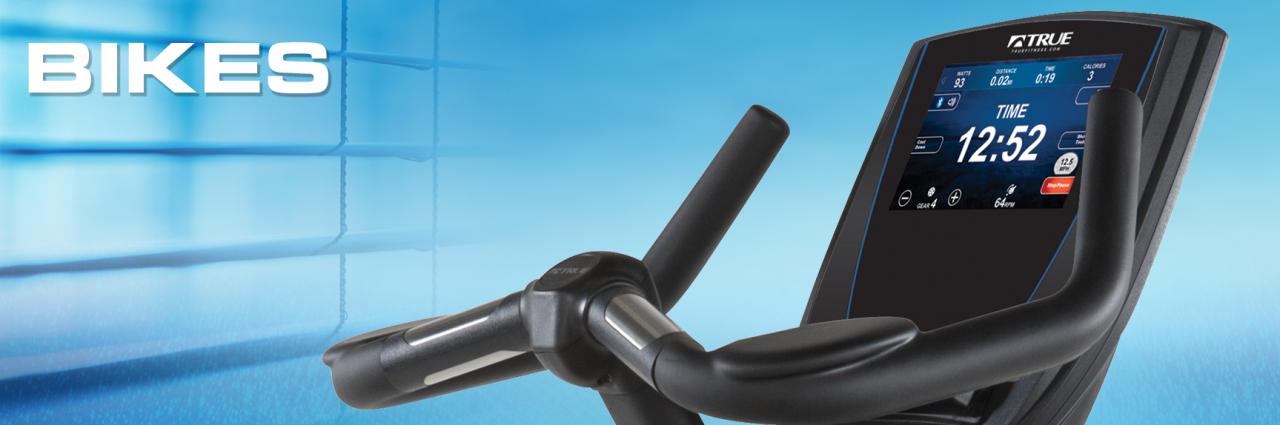
Proper maintenance of your exercise bike ensures its longevity and optimal performance, preventing potential breakdowns and ensuring a safe and effective workout experience. Regular upkeep also minimizes the risk of injuries due to faulty equipment.Regular maintenance tasks are crucial for maintaining the exercise bike’s functionality and longevity. This includes cleaning, lubrication, and troubleshooting common issues. These steps will also help identify potential problems early, preventing more serious malfunctions down the road.
Regular Cleaning and Lubrication
Regular cleaning and lubrication are essential for preventing wear and tear on the exercise bike’s components. A clean bike runs smoother and quieter, contributing to a more enjoyable workout. Lubrication reduces friction and wear on moving parts, extending the life of the machine.
- Cleaning Frequency: Clean your exercise bike at least once a week, or more frequently if you use it daily. Accumulated sweat, dust, and debris can affect performance and cause premature wear.
- Cleaning Materials: Use a damp cloth or a mild detergent solution to wipe down the bike’s frame, handlebars, and other components. Avoid using abrasive cleaners or harsh chemicals, as these can damage the surfaces.
- Lubrication Schedule: Lubricate the bike’s chain, rollers, and other moving parts every few weeks or as recommended by the manufacturer. This reduces friction and extends the life of the components.
- Lubricant Selection: Use a suitable lubricant recommended for exercise bikes. Avoid using household oil, as it may not be appropriate for the specific components.
Troubleshooting Common Problems
Troubleshooting minor problems early can prevent major breakdowns. Understanding common issues and their solutions is key to maintaining the bike’s functionality.
- Squeaking or Grinding Noises: These sounds often indicate a lack of lubrication or a problem with the chain, belt, or rollers. Check for proper lubrication and ensure that these components are aligned correctly.
- Resistance Issues: If the resistance feels inconsistent or weak, check the resistance unit for obstructions, debris, or malfunctions. Clean the unit according to the manufacturer’s instructions. Consult the user manual if needed.
- Unresponsive Controls: Issues with the control panel may be caused by a faulty connection or a power issue. Check the connection of the control cables, the power source, and reset the unit if necessary.
Necessary Tools for Maintenance
Having the right tools readily available makes maintenance easier and more efficient. These tools allow for quick and effective maintenance tasks.
- Wrench Set: A wrench set is essential for tightening or loosening bolts and screws.
- Screwdriver Set: A screwdriver set is needed for various screws and fasteners.
- Cleaning Supplies: A soft cloth, mild detergent, and a lubricant are essential for cleaning and lubricating components.
- Lubricant: Use a lubricant specifically designed for exercise bikes to avoid damage to the components.
Identifying Potential Maintenance Issues
Regular inspection can identify potential problems before they become major issues. This proactive approach prevents costly repairs and ensures the safety and effectiveness of the exercise bike.
- Visual Inspection: Regularly inspect the bike for any signs of wear and tear, such as loose bolts, damaged cables, or unusual noises. Note any issues that require attention.
- Performance Monitoring: Pay attention to any changes in the bike’s performance, such as a loss of resistance or unusual sounds. A consistent monitoring of the bike’s performance will allow for early detection of problems.
- Following Manufacturer Guidelines: Consult the manufacturer’s instructions for specific maintenance schedules and recommendations. These guidelines offer crucial information for proper maintenance.
Exercise Bike Safety and Precautions
Proper safety measures are crucial for a safe and effective exercise bike experience. Ignoring these precautions can lead to injuries and hinder your progress. This section Artikels essential safety tips, common injuries, and preventative measures to ensure a positive and injury-free workout routine.Understanding the potential risks associated with exercise bikes and taking proactive steps to mitigate them is paramount.
This includes adjusting equipment for optimal comfort and posture, recognizing specific hazards related to different bike types, and implementing preventative strategies for common injuries.
Essential Safety Tips
Adhering to these safety guidelines can significantly reduce the risk of accidents and injuries during exercise bike use. These tips are designed to promote a safe and enjoyable workout experience.
- Always consult with your physician before starting any new exercise program, including using an exercise bike, especially if you have any pre-existing medical conditions.
- Ensure the exercise bike is properly assembled and stable before use. Verify all parts are securely fastened and that the bike is positioned on a level surface to prevent wobbling or tipping.
- Wear appropriate clothing and footwear designed for exercise. Avoid loose clothing that could get caught in the bike’s moving parts and secure footwear to prevent slipping.
- Start slowly and gradually increase the intensity and duration of your workouts to avoid straining your muscles or joints. A gradual progression prevents injuries associated with sudden exertion.
- Pay close attention to your body’s signals. If you experience pain, stop exercising immediately and consult with a healthcare professional. Ignoring pain can exacerbate injuries and delay recovery.
Common Exercise Bike Injuries and Prevention
Understanding potential injuries and their preventative measures can help ensure a safe workout experience.
- Knee Pain: Incorrect seat height or pedal position can strain the knees. Adjust the seat and handlebars to ensure proper alignment with your body, avoiding knee stress.
- Back Pain: Poor posture during exercise can lead to back pain. Maintain a straight back and use the backrest if available. Adjust the seat height and angle for optimal support.
- Shoulder Pain: Holding the handlebars too tightly or maintaining an awkward posture can cause shoulder discomfort. Use a relaxed grip on the handlebars and adjust their height for a comfortable reach.
- Wrist Pain: Excessive grip pressure on the handlebars can lead to wrist strain. Maintain a relaxed grip and avoid forceful or abrupt movements.
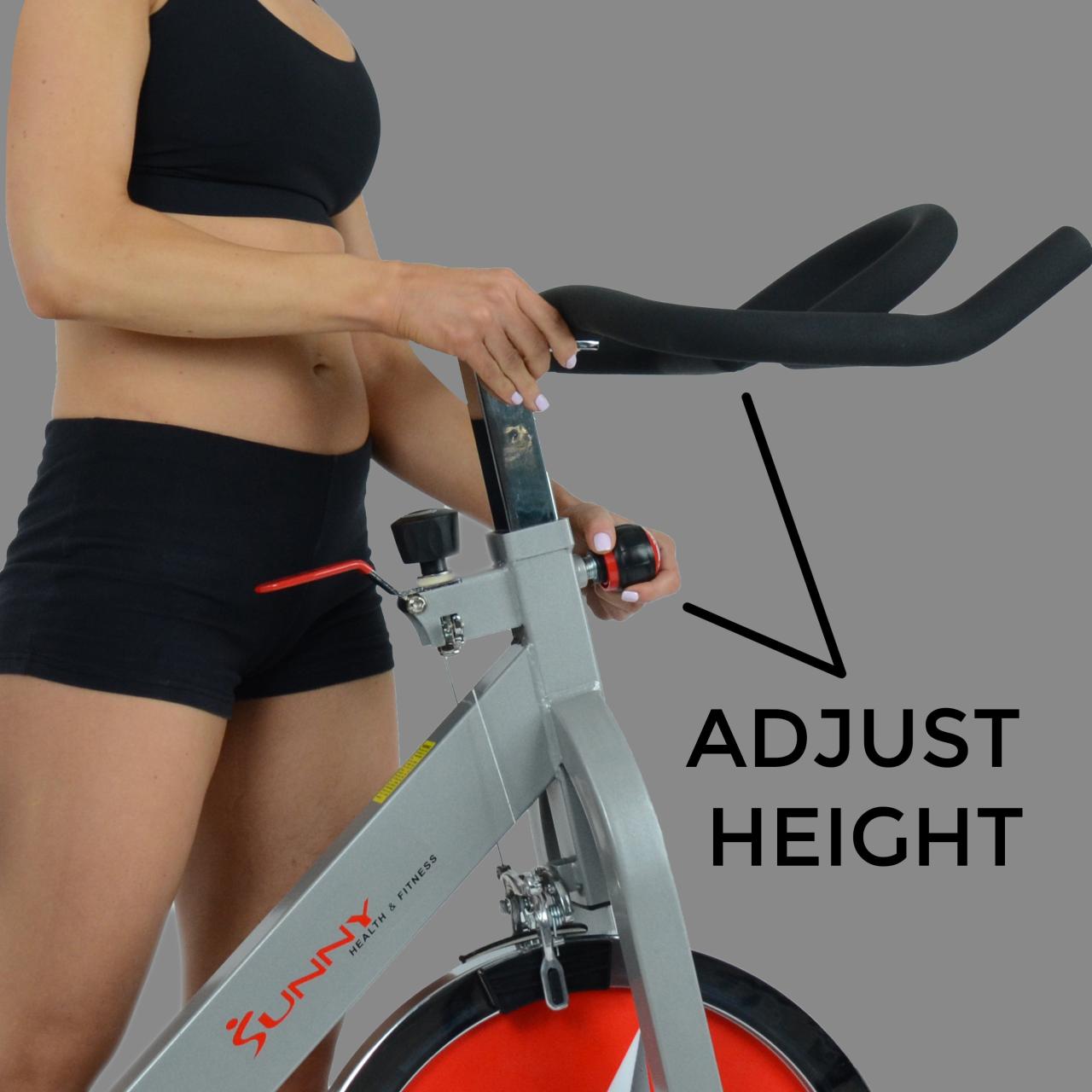
Adjusting Seat and Handlebars
Proper seat and handlebar adjustments are vital for preventing injuries and promoting a comfortable and effective workout.
- Seat Height: Adjust the seat height so that your knee is nearly straight when your foot is at the bottom of the pedal stroke. This prevents strain on the knees and promotes proper leg mechanics.
- Handlebar Height: Adjust the handlebar height so that your arms are slightly bent when you’re holding the handlebars. This position prevents strain on the shoulders and wrists.
- Seat Angle: Adjust the seat angle for optimal comfort and support. A slightly reclined position can help alleviate back pain, while a more upright position might be better for some users.
Potential Risks of Different Exercise Bikes
The type of exercise bike can influence the potential risks associated with its use.
- Magnetic Resistance Bikes: These bikes often feature a smooth and quiet operation, but they might not offer the same resistance levels as other types, potentially leading to insufficient workout intensity for some users.
- Friction Resistance Bikes: These bikes can create more significant noise during use and may not be suitable for users sensitive to noise. Users might also find the resistance to be less smooth compared to magnetic resistance bikes.
- Recumbent Bikes: The reclined position of these bikes might not be suitable for all users. It’s important to assess comfort and suitability for individual needs before using them.
Safety Precautions Categorized by Hazard
This table Artikels safety precautions based on potential hazards associated with exercise bike use.
| Hazard Category | Specific Hazard | Safety Precautions |
|---|---|---|
| Mechanical Malfunctions | Bike malfunctions (e.g., wobbling, sudden stops) | Regular maintenance checks, secure assembly, immediate repair if issues arise. |
| Ergonomic Issues | Incorrect posture, improper adjustments | Appropriate seat and handlebar adjustments, proper body alignment. |
| User Error | Sudden bursts of exertion, ignoring pain signals | Gradual intensity increase, mindful awareness of body signals, stopping upon discomfort. |
Exercise Bike and Diet Considerations
A healthy diet plays a crucial role in maximizing the benefits of exercise bike workouts. Combining a well-structured exercise regime with a balanced nutritional intake enhances weight management, boosts energy levels, and supports overall well-being. This section explores the intricate relationship between exercise bike usage and dietary choices.Effective exercise bike workouts are significantly enhanced when complemented by a sensible diet.
The combined approach promotes fat loss, muscle development, and improved cardiovascular health. A balanced diet, paired with regular exercise bike sessions, provides the necessary nutrients for muscle repair and energy production, leading to a more effective and sustainable fitness journey.
Calorie Burning and Exercise Bike Usage
Understanding the calorie expenditure during exercise bike workouts is essential for effective weight management. The number of calories burned depends on several factors, including the intensity, duration, and individual characteristics of the user. A general estimation of calorie burn can be obtained from online calculators or fitness trackers, but it’s important to remember that these are just estimations and individual results may vary.
The more intense the workout and the longer the duration, the more calories are burned.
Dietary Plans for Exercise Bike Users
Adopting a suitable dietary plan tailored to exercise bike workouts is key to supporting fitness goals. A balanced diet rich in fruits, vegetables, lean proteins, and whole grains provides the necessary nutrients for energy and recovery.
- A balanced diet should include a variety of foods from different food groups to ensure adequate intake of vitamins, minerals, and antioxidants. This contributes to overall health and well-being, supporting the body’s natural processes and providing sustained energy throughout the day.
- Consider incorporating dietary modifications based on individual needs. Consult with a registered dietitian or nutritionist for personalized dietary plans that align with specific fitness goals and health conditions.
- Examples of suitable dietary plans include a Mediterranean diet, a vegetarian diet, or a vegan diet, provided they are planned to meet the individual’s specific nutritional needs. The key is to ensure adequate protein intake for muscle repair and development, and sufficient complex carbohydrates for sustained energy.
Hydration During and After Workouts
Adequate hydration is crucial for optimal performance and recovery during and after exercise bike workouts. Dehydration can lead to fatigue, reduced endurance, and impaired muscle function. Maintaining proper hydration levels ensures that the body functions efficiently during exercise and facilitates the recovery process afterward.
- Drink water regularly throughout the workout, and even more so during intense sessions. Listen to your body’s signals and drink water when thirsty. A good rule of thumb is to drink about 16 ounces of water before, during, and after a typical exercise bike workout.
- Replenishing fluids lost through sweat is essential after exercise. Consuming water and electrolytes can help restore hydration levels and support muscle recovery. Sports drinks or electrolyte-enhanced water can be beneficial after intense exercise sessions, replenishing essential minerals lost through sweat.
Tracking Progress and Adjusting Workouts
Tracking progress and adjusting workouts based on individual needs and goals is vital for long-term success. Monitoring key metrics like heart rate, workout duration, and calorie expenditure helps to understand the body’s response to exercise bike workouts. This data allows for personalized adjustments and ensures that the workout remains effective and safe.
- Tracking progress through fitness apps, journals, or fitness trackers can provide insights into workout performance, allowing for data-driven adjustments to the exercise routine.
- Adjusting the intensity, duration, or frequency of exercise bike workouts based on individual progress and goals ensures optimal results and prevents plateaus. This could involve increasing the resistance, extending the workout time, or adjusting the workout schedule to accommodate individual needs and goals.
- Regular assessments of fitness levels, along with dietary adjustments, help in maintaining a balanced and effective fitness approach. This ensures consistency in achieving fitness goals and helps avoid potential health concerns.
Advanced Exercise Bike Techniques
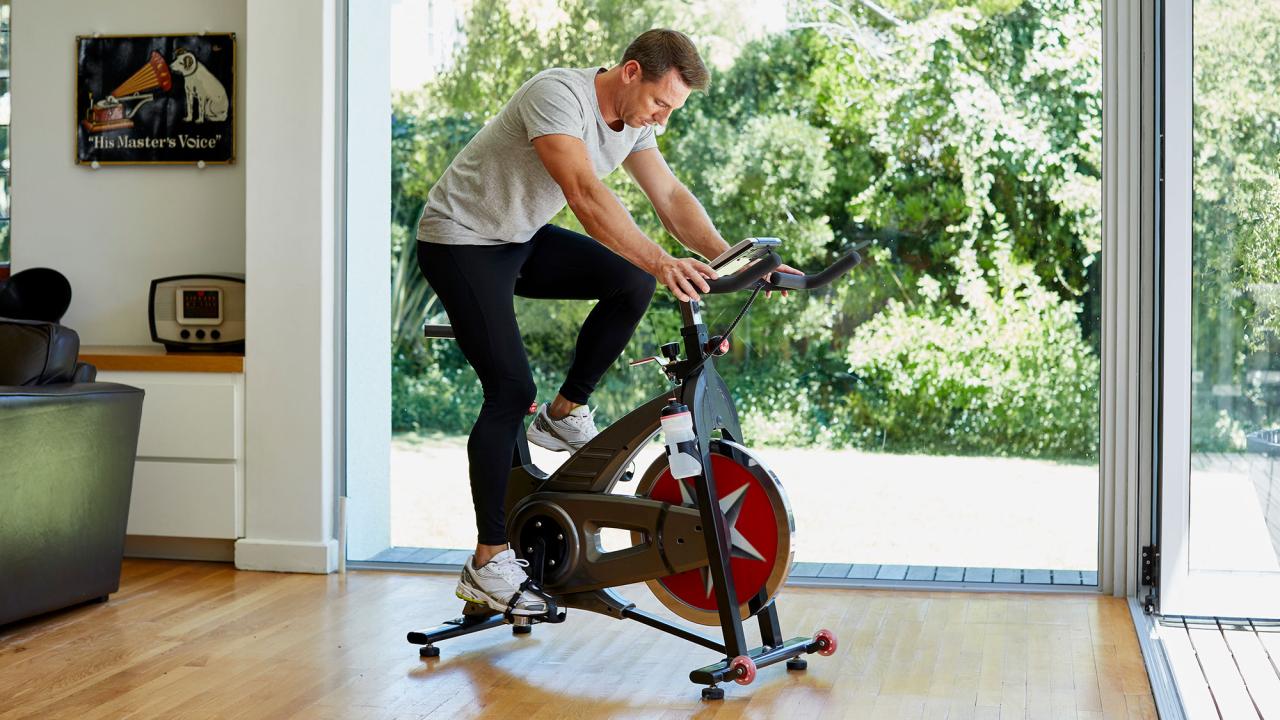
Elevating your exercise bike routine to the next level involves incorporating advanced techniques that optimize performance and maximize results. These strategies can help you push your limits, improve cardiovascular fitness, and build strength more effectively. Proper application of these techniques can lead to significant improvements in endurance and overall fitness.
Resistance Level Adjustment
Effective workouts on an exercise bike rely on strategic adjustments to resistance levels. Varying the resistance throughout your workout provides a dynamic stimulus to your muscles, leading to greater calorie burn and improved endurance. Gradually increasing resistance allows your body to adapt and become more efficient at utilizing energy. Conversely, decreasing resistance can be incorporated to allow for recovery and prevent overtraining.
Interval Training Routines
Interval training on an exercise bike involves alternating periods of high-intensity exercise with periods of lower-intensity recovery. This method maximizes calorie expenditure and enhances cardiovascular health. Examples of interval training routines include alternating 30-second periods of high resistance with 30-second periods of low resistance. The specific intervals can be tailored to individual fitness levels and goals. Regular interval training can increase your cardiovascular capacity and improve your body’s ability to utilize oxygen during exercise.
Comparing Exercise Bike Techniques for Varying Fitness Levels
Different exercise bike techniques are suitable for various fitness levels. Beginners may benefit from steady-state cardio routines at a moderate resistance level. Intermediate users can incorporate interval training to elevate their cardiovascular fitness. Advanced users can explore more complex interval patterns and higher resistance levels. Experienced riders may explore techniques such as hill climbs or simulated road cycling.
Choosing the appropriate technique based on fitness level is critical for safe and effective exercise.
Advanced Techniques and Their Benefits
| Technique | Description | Benefits |
|---|---|---|
| Interval Training | Alternating high-intensity bursts with low-intensity recovery periods. | Increased calorie burn, improved cardiovascular fitness, enhanced endurance. |
| Hill Climbing Simulation | Using increased resistance levels to mimic the exertion of climbing a hill. | Improved leg strength, enhanced cardiovascular endurance, and calorie burning. |
| Resistance Level Variation | Systematically changing the resistance during a workout. | Enhanced calorie burn, muscle endurance, and improved cardiovascular health. |
| Simulated Road Cycling | Varying the resistance to mimic different terrains (e.g., flat roads, hills). | Improved overall cycling performance, increased leg strength, and muscle endurance. |
Note: The intensity and duration of each interval should be adjusted based on individual fitness levels. Consult a healthcare professional before starting any new exercise program.
Summary
In conclusion, this comprehensive guide provides a complete understanding of how to use an exercise bike effectively, from initial setup to advanced techniques. By following the detailed instructions, safety precautions, and workout routines, you can maximize your fitness journey and achieve your desired results. Remember to prioritize proper form, listen to your body, and adjust your routine as needed to optimize your exercise bike experience.