Achieving a physique that combines lean muscle with a reduced fat percentage requires a multifaceted approach. This comprehensive guide delves into the intricate interplay of nutrition, exercise, and recovery to effectively shed fat while preserving valuable muscle mass. Understanding the physiological mechanisms and adopting the right strategies are crucial for sustainable and positive results.
From understanding the fundamental principles of calorie balance and macronutrient distribution to implementing targeted exercise routines, this guide provides a practical roadmap. We’ll explore various dietary approaches, examine the role of key hormones, and offer valuable insights into optimizing recovery and lifestyle factors for maximizing fat loss without compromising muscle.
Understanding the Fundamentals
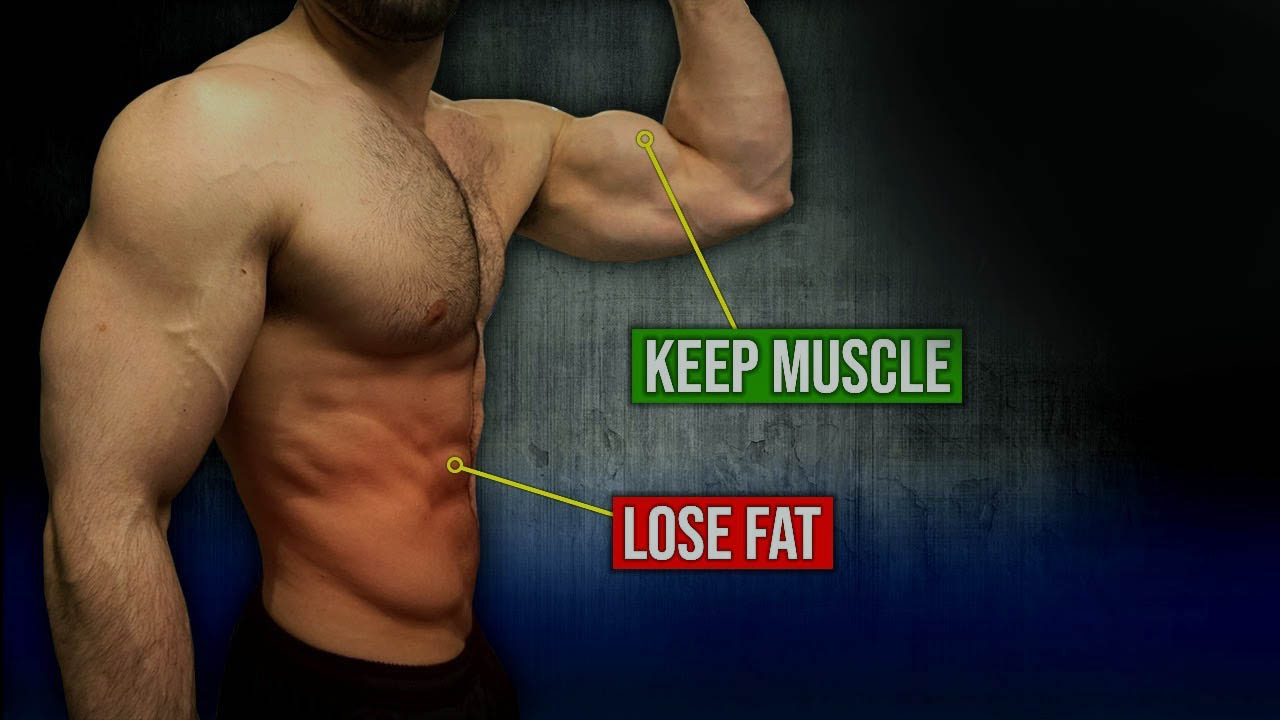
Losing fat while preserving muscle requires a nuanced understanding of the physiological processes involved. This involves optimizing calorie balance, macronutrient distribution, and hormone regulation. Success hinges on recognizing the interplay between these factors and adapting strategies to individual needs and goals.Effective fat loss and muscle retention strategies necessitate a deep dive into the biological mechanisms at play. A holistic approach that considers factors like genetics, activity levels, and dietary preferences is crucial for achieving sustainable results.
Physiological Processes in Fat Loss and Muscle Preservation
The body utilizes stored fat for energy during periods of caloric deficit. Simultaneously, it can break down muscle tissue for energy if the deficit is too extreme or if protein intake is insufficient. Therefore, strategies must focus on preserving muscle mass while promoting fat loss. This involves a careful manipulation of the body’s energy balance and the regulation of key hormones.
Calorie Balance and Macronutrient Distribution
Calorie balance plays a pivotal role in fat loss and muscle preservation. A controlled calorie deficit, typically 250-500 calories below maintenance, is often recommended for gradual fat loss. Critically, the macronutrient distribution (protein, carbohydrates, and fats) significantly influences muscle preservation. High protein intake (approximately 1.6-2.2 grams per kilogram of body weight) is essential for maintaining and building muscle.
Adequate carbohydrate intake fuels workouts and supports overall health. Healthy fats provide essential nutrients and support hormone production.
Hormonal Regulation in Fat Loss and Muscle Retention
Hormones significantly influence both fat loss and muscle retention. Testosterone, crucial for muscle growth and repair, can be impacted by stress and insufficient sleep. Cortisol, the stress hormone, can hinder muscle protein synthesis if levels are chronically elevated. Insulin, while vital for glucose regulation, can promote fat storage if blood sugar levels are consistently high. Strategies to maintain optimal hormonal balance include managing stress, ensuring sufficient sleep, and optimizing dietary intake.
Dietary Approaches for Fat Loss and Muscle Retention
Various dietary approaches can facilitate fat loss and muscle retention. The ketogenic diet, for example, restricts carbohydrates to force the body to utilize fat as fuel. This approach can be effective for fat loss but may require careful monitoring of electrolyte balance. Intermittent fasting, which cycles between periods of eating and fasting, can also promote fat loss.
Individual responses to these approaches vary, highlighting the importance of personalized strategies.
Macronutrient Ratios for Different Body Types and Activity Levels
| Body Type/Activity Level | Protein (grams/kg body weight) | Carbohydrates (grams/kg body weight) | Fat (grams/kg body weight) |
|---|---|---|---|
| Sedentary | 1.6-1.8 | 2-3 | 0.8-1.0 |
| Lightly Active | 1.8-2.0 | 3-4 | 0.8-1.0 |
| Moderately Active | 2.0-2.2 | 4-5 | 0.8-1.0 |
| Highly Active | 2.2-2.5 | 5-6 | 0.8-1.0 |
Note: These are general guidelines, and individual needs may vary. Consulting with a registered dietitian or healthcare professional is crucial for personalized recommendations.
Exercise Strategies
Preserving muscle mass while losing fat requires a strategic approach that combines resistance training with appropriate cardio. A well-designed workout routine is key to achieving these goals efficiently and effectively. This section delves into the specifics of resistance training, highlighting its crucial role in muscle preservation, and explores various cardio options, their impact on fat loss, and how to integrate them into a balanced routine.Resistance training is paramount for maintaining muscle mass during fat loss.
When you reduce caloric intake to promote fat loss, your body may naturally break down muscle tissue for energy if not adequately stimulated through exercise. Targeted strength training counteracts this by signaling muscle protein synthesis, encouraging the body to build and maintain muscle. This ultimately contributes to a more efficient metabolism and a leaner physique.
Resistance Training for Muscle Preservation
Resistance training, or strength training, is essential for preserving muscle mass during a fat loss journey. It involves working against resistance, such as weights, resistance bands, or bodyweight exercises, to challenge and stimulate muscle growth. This process is critical for maintaining metabolism and preserving lean body mass. Different exercises target various muscle groups, maximizing their development and promoting overall strength.
- Compound Exercises: These exercises work multiple muscle groups simultaneously, such as squats, deadlifts, bench presses, and overhead presses. They are highly effective for building overall strength and muscle mass.
- Isolation Exercises: These exercises target specific muscle groups, isolating them for greater focus and development. Examples include bicep curls, triceps extensions, leg extensions, and hamstring curls. These exercises are crucial for refining muscle definition and symmetry.
- Bodyweight Exercises: Utilizing your body weight for resistance provides a versatile and accessible approach. Push-ups, pull-ups, lunges, and squats are effective examples that require no equipment and can be performed at home or outdoors. These are valuable for building strength and endurance.
Progressive Overload in Resistance Training
Progressive overload is a fundamental principle in strength training. It involves gradually increasing the demands placed on your muscles over time. This could be achieved by increasing the weight lifted, the number of repetitions performed, or the sets completed. Consistency in this approach stimulates muscle growth and strength gains.
- Gradually Increase Weight: As you become stronger, gradually increase the weight you lift to challenge your muscles further.
- Increase Repetitions or Sets: Once you can comfortably perform the desired number of repetitions, increase the number of sets or repetitions to continue stimulating muscle growth.
- Adjust Exercise Variations: Progressing from simpler exercises to more challenging variations can also effectively increase the demand on your muscles.
Cardio Activities and Muscle Retention
Cardiovascular exercise plays a crucial role in burning calories and aiding fat loss, but its impact on muscle mass needs careful consideration. Different types of cardio have varying effects on muscle preservation.
| Cardio Activity | Impact on Fat Loss | Impact on Muscle Loss (Potential) | Considerations |
|---|---|---|---|
| Running | High | Moderate | Proper form and intensity control are important. |
| Cycling | Moderate | Low | Lower impact on joints, allowing for longer durations. |
| Swimming | Moderate | Low | Full-body workout, good for joint health. |
| HIIT (High-Intensity Interval Training) | High | Moderate | Requires proper intensity and recovery periods. |
| Elliptical | Moderate | Low | Low-impact, good for various fitness levels. |
Designing a Balanced Workout Routine
A balanced workout routine that effectively promotes fat loss while preserving muscle requires a strategic integration of both cardio and resistance training. This necessitates careful planning to ensure adequate recovery between sessions.
- Prioritize Resistance Training: Schedule strength training sessions before cardio sessions to maximize muscle stimulation and retention.
- Vary Cardio Types: Incorporate different types of cardio activities to keep your body challenged and prevent plateaus in fat loss.
- Listen to Your Body: Prioritize rest and recovery to avoid overtraining, which can lead to muscle breakdown and hinder progress.
- Adjust Based on Progress: Regularly assess your progress and adjust the intensity and duration of both cardio and resistance training to continue challenging your body and achieve optimal results.
Dietary Strategies
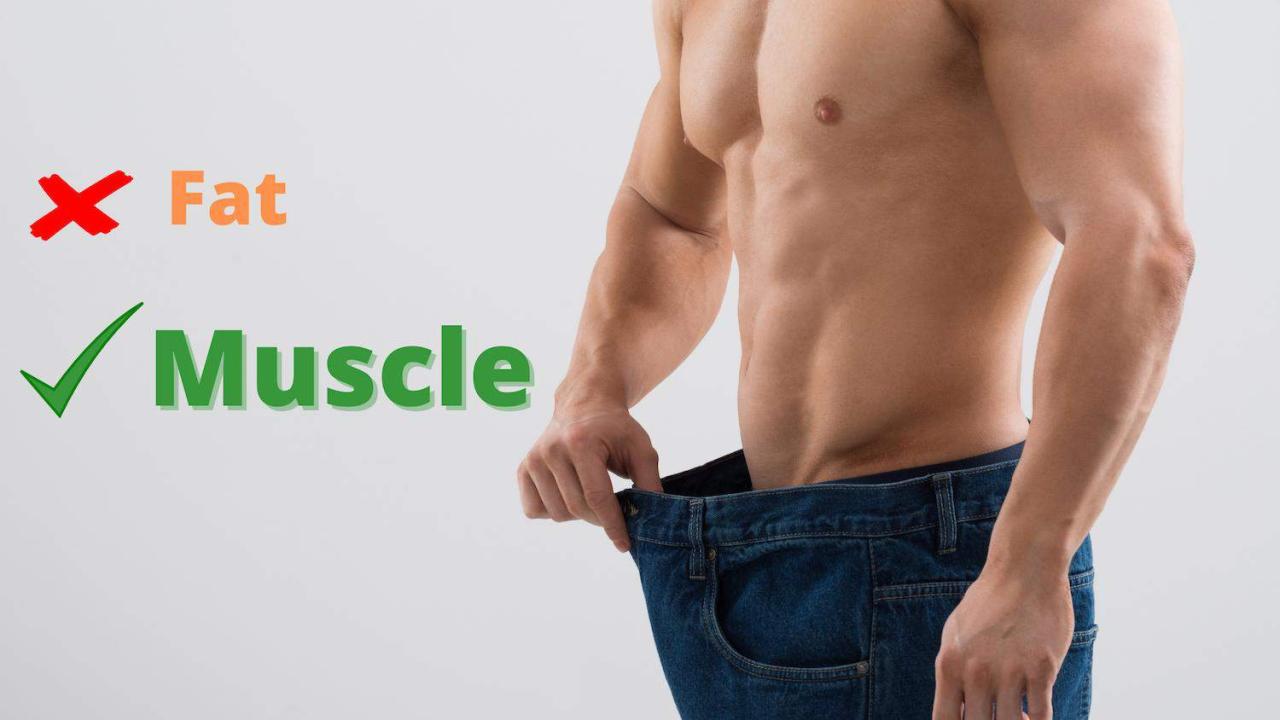
Maintaining a healthy diet is crucial for achieving fat loss without sacrificing muscle. A well-structured dietary plan plays a pivotal role in providing the necessary nutrients for optimal muscle preservation and energy levels during your weight loss journey. This plan should prioritize lean protein, controlled carbohydrates, and healthy fats. A balanced approach to your diet is essential for maximizing results and promoting overall well-being.Proper dietary strategies are essential for effective fat loss and muscle retention.
These strategies encompass the careful selection of foods rich in protein, strategic carbohydrate consumption, and mindful control of portion sizes. By understanding and applying these dietary strategies, you can fuel your body effectively, support your workouts, and achieve your desired physique goals.
Protein Intake for Muscle Preservation
Protein is fundamental for muscle repair and growth. Adequate protein intake helps prevent muscle breakdown during calorie restriction, which is a common concern when aiming for fat loss. Consuming sufficient protein helps maintain lean muscle mass, crucial for metabolism and overall health. Protein also helps to promote satiety, which can aid in controlling hunger and cravings.
- Protein is essential for muscle repair and growth. It prevents muscle breakdown during calorie restriction, which is critical for preserving muscle mass during fat loss.
- Sufficient protein intake supports satiety, which can control hunger and cravings.
High-Protein Foods
A variety of high-protein foods can be incorporated into a fat loss diet. These options are diverse and include lean meats, poultry, fish, eggs, dairy products, and legumes. Choosing lean protein sources helps control calorie intake while providing the necessary amino acids for muscle maintenance.
- Lean Meats: Chicken breast, turkey breast, lean beef (e.g., sirloin), and pork tenderloin are excellent sources of protein.
- Poultry: Chicken and turkey are lean protein options, providing essential amino acids for muscle growth and repair.
- Fish: Salmon, tuna, and cod are rich in protein and healthy fats, contributing to overall health.
- Eggs: Eggs are a complete protein source, providing all essential amino acids.
- Dairy Products: Greek yogurt, cottage cheese, and low-fat milk are excellent protein sources for satiety and nutrient density.
- Legumes: Beans, lentils, and chickpeas are plant-based protein sources, beneficial for diverse dietary needs.
Carbohydrates for Energy and Performance
Carbohydrates provide the body with energy, particularly for workouts. Complex carbohydrates, such as whole grains, fruits, and vegetables, are preferred over simple sugars. These provide sustained energy release and essential vitamins and minerals. Balancing carbohydrate intake with protein and fat is vital for optimal energy levels and workout performance.
- Complex carbohydrates, such as whole grains, fruits, and vegetables, are crucial for sustained energy release and overall health.
- These carbohydrates provide energy for workouts and essential vitamins and minerals.
- Balancing carbohydrates with protein and fat is essential for optimal energy levels and workout performance.
Sample Meal Plan (One Week)
This sample meal plan demonstrates how to incorporate high-protein foods and balanced carbohydrates for a week. Adjust portion sizes based on individual needs and calorie goals.
| Day | Breakfast | Lunch | Dinner |
|---|---|---|---|
| Monday | Greek yogurt with berries and nuts | Chicken salad sandwich on whole-wheat bread | Baked salmon with roasted vegetables |
| Tuesday | Scrambled eggs with spinach and whole-wheat toast | Lentil soup with a side salad | Lean beef stir-fry with brown rice |
| Wednesday | Protein smoothie with fruits and spinach | Turkey breast and avocado wrap | Chicken breast with quinoa and steamed broccoli |
| Thursday | Oatmeal with protein powder and fruit | Hard-boiled eggs and a large salad | Baked cod with sweet potato |
| Friday | Cottage cheese with fruit and granola | Tuna salad on whole-wheat bread | Lean ground turkey with mixed vegetables |
| Saturday | Protein pancakes with fruit | Chicken Caesar salad with whole-wheat croutons | Steak with roasted asparagus and brown rice |
| Sunday | Eggs benedict with whole-wheat English muffins | Leftovers | Chicken and vegetable stew |
Hunger and Cravings Control
Controlling hunger and cravings is essential for adherence to a healthy diet. Strategies include consuming sufficient protein, staying hydrated, and planning meals in advance. Mindful eating and listening to your body’s signals are key components of successful weight management.
- Consuming sufficient protein helps manage hunger and cravings.
- Staying hydrated can also contribute to controlling hunger.
- Planning meals in advance helps avoid impulsive food choices.
- Mindful eating and listening to your body’s signals are crucial for successful weight management.
Recovery and Lifestyle Factors
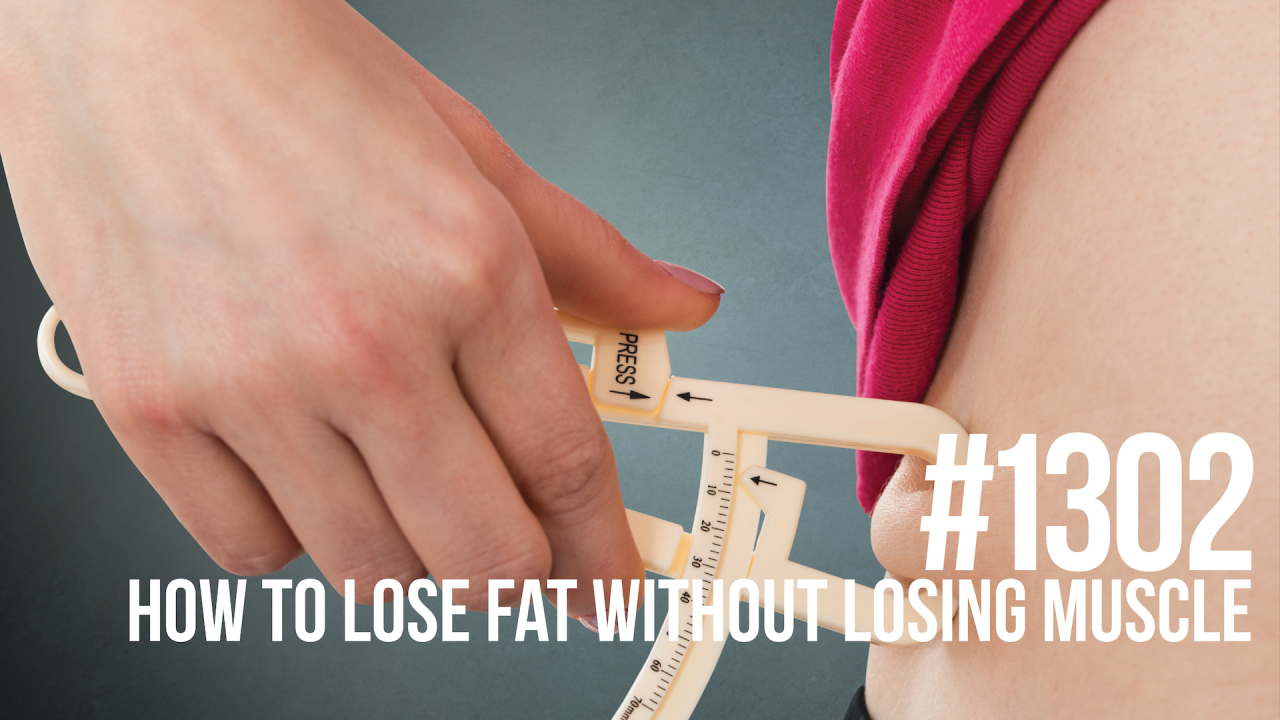
Maintaining a healthy lifestyle is crucial for successful fat loss without muscle loss. This involves not just nutrition and exercise, but also prioritizing sleep, managing stress, and ensuring adequate hydration. These factors directly impact hormone balance, muscle recovery, and overall well-being, all contributing to a sustainable and healthy weight management journey.Comprehensive weight management strategies go beyond the immediate actions of diet and exercise.
Restorative practices like adequate sleep and stress management, along with hydration, are vital components of the process. These factors play a significant role in supporting both fat loss and muscle maintenance, fostering an environment conducive to positive changes in body composition.
Adequate Sleep for Fat Loss and Muscle Recovery
Sleep is a critical period for the body to repair and rebuild tissues, including muscle. During sleep, growth hormone is released, which is essential for muscle protein synthesis. Chronic sleep deprivation can disrupt this process, hindering muscle recovery and potentially leading to increased fat storage. Sufficient sleep promotes better metabolic function, impacting fat burning and overall health positively.
Studies have demonstrated a correlation between adequate sleep and improved insulin sensitivity, which plays a crucial role in regulating blood sugar and fat metabolism.
Stress Management for Hormone Balance
Chronic stress can lead to elevated cortisol levels, a hormone that can promote fat storage, particularly around the abdomen. High cortisol levels can also negatively impact muscle protein synthesis, making it harder to maintain muscle mass during a fat loss program. Implementing stress management techniques, such as mindfulness, meditation, yoga, or spending time in nature, can help regulate cortisol levels and promote a healthier hormonal environment.
Hydration and Overall Health during Fat Loss
Proper hydration is essential for numerous bodily functions, including nutrient transport, waste elimination, and regulating body temperature. Dehydration can lead to decreased metabolic rate, making it more challenging to burn fat. Maintaining adequate hydration supports optimal cellular function, improves energy levels, and contributes to overall well-being during a weight loss program. Consuming enough water throughout the day is crucial, and specific hydration needs may vary based on individual factors like activity level.
Potential Role of Supplements
Certain supplements can potentially support the fat loss and muscle maintenance process. Creatine, for instance, can enhance strength and power output, which can aid in building muscle. Protein powder can also be beneficial for meeting daily protein needs, especially if dietary intake is insufficient. However, it is important to note that supplements should not replace a healthy diet and exercise regimen.
Consult with a healthcare professional or registered dietitian to determine if supplements are appropriate for individual needs.
Sleep Hygiene Practices
Consistent sleep hygiene practices are essential for promoting restful sleep. These practices can vary in their effectiveness, depending on individual needs and preferences.
| Sleep Hygiene Practice | Description | Potential Benefits | Potential Drawbacks |
|---|---|---|---|
| Consistent Sleep Schedule | Going to bed and waking up at the same time each day, even on weekends. | Regulates circadian rhythm, improves sleep quality. | Can be challenging to maintain initially. |
| Creating a Relaxing Bedtime Routine | Engaging in calming activities before bed, such as reading, taking a warm bath, or listening to relaxing music. | Reduces stress and prepares the body for sleep. | Requires consistency and can be time-consuming. |
| Optimizing Sleep Environment | Ensuring a dark, quiet, and cool bedroom environment conducive to sleep. | Minimizes distractions and promotes relaxation. | Requires adjustments to bedroom setup and personal preferences. |
| Limiting Screen Time Before Bed | Reducing exposure to electronic devices before bedtime. | Reduces exposure to stimulating light and content. | Requires conscious effort to avoid screens before sleep. |
| Avoiding Caffeine and Alcohol Before Bed | Reducing consumption of stimulating substances before sleep. | Avoids disrupting sleep patterns. | Requires adjusting personal habits. |
Tracking and Monitoring Progress

Staying motivated and on track is crucial for achieving long-term fat loss goals without muscle loss. Consistent monitoring of your progress provides valuable feedback, allowing you to adjust your strategies as needed and celebrate milestones along the way. Regular assessment helps you identify areas where you might be falling short and allows for necessary course corrections.Effective monitoring goes beyond simply weighing yourself.
It involves a comprehensive approach that considers various factors, including body composition changes, exercise performance, and dietary adherence. A detailed understanding of your progress empowers you to maintain a healthy relationship with your body and achieve sustainable results.
Methods for Monitoring Body Composition Changes
Understanding your body composition—the proportion of fat, muscle, and bone in your body—is essential for evaluating progress. Simple body weight measurements can be misleading; fluctuations can be influenced by factors unrelated to fat loss, such as water retention. More accurate methods involve assessing body fat percentage and lean body mass.
Tools and Technologies for Tracking Progress
Numerous tools and technologies can assist in tracking progress. Body composition scales, often incorporating bioelectrical impedance analysis (BIA), provide estimates of body fat percentage. Fitness trackers and smartwatches measure activity levels, sleep patterns, and heart rate, which can complement dietary and exercise data. Dedicated fitness apps offer comprehensive progress tracking, allowing you to log workouts, meals, and measurements.
Professional body composition analysis using calipers or DEXA scans offers highly accurate measurements but requires a trained professional and may have higher costs.
Interpreting Changes in Body Weight, Body Fat Percentage, and Muscle Mass
Changes in body weight should be interpreted in the context of overall body composition. A decrease in body weight without a corresponding decrease in body fat percentage may indicate water loss, which is not necessarily a sign of successful fat loss. Focusing solely on weight can be misleading, while monitoring body fat percentage and muscle mass provides a more accurate picture of your progress.
For example, a slight increase in body weight alongside an increase in muscle mass signifies a positive shift in body composition.
Consistency and Patience in Achieving Long-Term Results
Achieving significant fat loss without muscle loss requires dedication and patience. Results may not be immediate, and setbacks are inevitable. Maintaining consistency with your chosen strategies is crucial. A consistent approach to exercise, nutrition, and recovery will yield more favorable results over time. For instance, a person might see gradual changes in body composition over several weeks or months.
Avoiding Common Pitfalls and Setbacks
Monitoring your progress and staying on track requires proactive measures. One common pitfall is neglecting to adjust strategies when progress stalls. Another common pitfall is getting discouraged by minor fluctuations. Consistent monitoring, combined with flexibility and adaptability, helps overcome such obstacles. For example, if you are not seeing the desired results after several weeks of consistent effort, consider reviewing your current strategies to ensure their effectiveness.
Be prepared to modify your approach as needed, ensuring you are on the right path to achieving your goals.
Addressing Specific Concerns

Successfully transitioning to a healthy lifestyle that prioritizes fat loss without muscle loss often presents unique challenges. Individuals may encounter plateaus in progress, experience injuries, or struggle with maintaining consistency. Understanding these potential obstacles and developing strategies to overcome them is crucial for achieving sustainable results. Personalized approaches and careful consideration of individual needs and goals are paramount for effective management.
Potential Challenges and Solutions
Addressing potential challenges head-on is essential for maintaining motivation and achieving long-term success. Plateaus in progress, injuries, and maintaining consistency are common hurdles. Developing proactive strategies to anticipate and overcome these challenges is key to a smooth transition.
- Plateaus: Progress stalls when the body adapts to the current training and dietary regimen. To overcome plateaus, adjust the training intensity, volume, or type of exercise, as well as the macronutrient ratios in your diet. This might involve incorporating new exercises, increasing the weight or resistance, or altering the workout schedule. Dietary adjustments, such as introducing new healthy foods or slightly altering portion sizes, can also stimulate further progress.
- Injuries: Injuries can derail fitness progress. Prioritizing proper warm-up routines, employing correct form during exercises, and listening to your body are essential. If an injury occurs, seeking professional medical advice and working with a physical therapist is crucial to avoid exacerbating the issue and to ensure a safe return to training. A gradual return to activity, tailored to the specific injury, is recommended.
- Maintaining Consistency: Consistency is key to long-term success. Building a routine that integrates exercise and dietary adjustments into daily life is vital. Creating a structured workout schedule and meal plan, incorporating social support, and utilizing tools like workout apps or meal tracking applications can help maintain consistency.
Personalized Approaches
Individual needs and goals significantly influence the most effective strategies. A tailored approach ensures optimal results and sustainability. Different ages and lifestyles necessitate variations in training and dietary strategies.
- Different Age Groups: Training and nutritional strategies for adolescents, adults, and seniors differ. Adolescents may need guidance on proper form and injury prevention. Adults may benefit from strategies focused on stress management and lifestyle integration. Seniors may require a focus on joint protection, low-impact exercises, and balanced nutrient intake.
- Example: A 30-year-old professional with a demanding job might benefit from shorter, more intense workouts scheduled during lunch breaks or after work. A 65-year-old retired individual, on the other hand, may prefer a gentler, longer workout schedule focusing on flexibility and balance.
Importance of Professional Guidance
Seeking guidance from healthcare professionals or certified trainers is crucial for safe and effective fat loss without muscle loss. They provide personalized advice based on individual needs and medical history.
- Expertise: Healthcare professionals and certified trainers possess the expertise to assess individual needs and tailor strategies to address potential health concerns. They can evaluate the safety and effectiveness of chosen exercises, and dietary approaches. They can identify and address potential issues that might arise from individual medical history or underlying conditions.
- Safety: Proper guidance minimizes the risk of injury. Professionals can evaluate exercise form, ensure safety precautions are taken, and adjust training intensity or exercise type based on individual needs. They can also assess dietary plans and make necessary modifications to ensure adequate nutrient intake.
Advanced Strategies
Optimizing your approach to fat loss while preserving muscle mass involves employing advanced strategies that go beyond the fundamentals. These strategies delve deeper into metabolic rate, specific training methods, and nuanced dietary timing to maximize results. By understanding and implementing these advanced techniques, you can refine your fat loss journey and achieve a more sustainable and aesthetically pleasing outcome.
Metabolic Rate Enhancement
Metabolic rate plays a crucial role in fat loss, influencing the rate at which your body burns calories. A higher metabolic rate means your body utilizes more energy, even at rest, leading to increased fat burning. Several factors contribute to metabolic rate, including lean muscle mass, activity levels, and hormonal balance. Strategies for increasing metabolic rate focus on building muscle, increasing activity levels, and optimizing hormonal health.
High-Intensity Interval Training (HIIT)
High-intensity interval training (HIIT) involves short bursts of intense exercise followed by brief recovery periods. HIIT has been shown to be effective for improving cardiovascular fitness and increasing metabolic rate. For example, a HIIT workout might include 30 seconds of sprinting followed by 60 seconds of jogging, repeated several times.
Nutrition Timing
Strategic timing of nutrient intake can further enhance fat loss and muscle preservation. Consuming protein immediately after workouts can aid in muscle repair and growth, which in turn boosts your metabolic rate. Furthermore, strategically consuming carbohydrates around workouts can provide the necessary energy for intense training sessions. For example, consuming a protein shake with a small amount of complex carbohydrates within 30 minutes after a weightlifting session can optimize muscle protein synthesis and recovery.
Fasted Workouts
Performing workouts in a fasted state can potentially enhance fat utilization as a fuel source. When your body has depleted its readily available glucose stores, it turns to stored fat for energy. However, it’s crucial to consider individual needs and listen to your body. For example, individuals with low blood sugar or pre-existing health conditions should exercise caution.
Hormone Optimization
Hormonal imbalances can significantly impact fat loss and muscle preservation. Maintaining optimal hormone levels through a balanced diet, sufficient sleep, and stress management is essential. Factors like testosterone, growth hormone, and thyroid hormones are key players in muscle growth and fat burning. For example, adequate sleep, stress management, and a diet rich in nutrient-dense foods can contribute to healthy hormone regulation.
Last Recap
In conclusion, successfully losing fat without losing muscle demands a holistic approach that considers both the nutritional and exercise components. By understanding the interplay between diet, training, and recovery, individuals can effectively manage their body composition and achieve their desired results. Remember that consistency, patience, and a personalized approach are key to sustainable progress. The strategies Artikeld in this guide provide a robust foundation for achieving this challenging yet attainable goal.