How to exercise with friends sets the stage for a dynamic and supportive fitness journey. This guide delves into the multifaceted aspects of group exercise, from selecting suitable activities to fostering a positive and productive environment.
This comprehensive resource explores various types of group exercise, from team sports and dance classes to hiking and cycling. It also provides valuable strategies for motivation, planning, and communication to ensure a successful and enjoyable experience for everyone involved.
Types of Exercise with Friends
Exercising with friends can be a highly motivating and enjoyable experience, fostering a supportive environment for achieving fitness goals. This shared commitment strengthens bonds and creates a dynamic where individuals are more likely to stay consistent with their exercise routines. Choosing the right type of exercise for your group is crucial for maximizing enjoyment and ensuring that everyone benefits from the shared experience.Different exercise activities cater to varying fitness levels and preferences.
Tailoring the chosen activity to the group’s abilities and interests ensures a positive and productive experience for all participants. By understanding the intensity and social interaction aspects of each activity, you can select the most suitable option for your group.
Group Exercise Activities
A variety of group activities can foster a fun and supportive fitness environment. These activities range from competitive team sports to collaborative fitness classes and outdoor adventures. Choosing the right activity is key to maintaining interest and ensuring that everyone feels comfortable and challenged.
- Team Sports: Activities like basketball, soccer, volleyball, or ultimate frisbee offer a high level of social interaction and physical exertion. These sports provide opportunities for strategic teamwork, skill development, and friendly competition. For individuals new to sports or those with lower fitness levels, these activities can be adapted by adjusting the intensity and complexity of the game.
For example, a lower-intensity soccer game could focus on passing drills rather than full-field play. More experienced players can contribute to the team’s strategy and lead practices.
- Dance Classes: Group dance classes like Zumba, hip-hop, or ballroom offer a dynamic and engaging way to exercise. These classes are accessible to people of varying fitness levels, with modifications often available for those with physical limitations. Benefits include improved cardiovascular health, coordination, and a boost in mood. Instructors can adjust the pace and complexity of the moves to suit different levels of experience.
- Hiking and Cycling: Outdoor activities like hiking and cycling offer a scenic and invigorating way to exercise. These activities can be tailored to different fitness levels by selecting routes with varying distances and terrains. Hiking groups can choose trails based on their members’ experience levels, while cycling groups can vary the routes and speeds to match the group’s pace.
These activities foster camaraderie and promote a healthy lifestyle, offering scenic enjoyment.
- Gym Workouts: Gym workouts, involving strength training, cardio, or a combination, offer a structured approach to fitness. These workouts can be tailored to individual needs and preferences by incorporating exercises suitable for varying fitness levels. Having a personal trainer or a qualified instructor can help in creating a tailored workout program for the group. Supportive encouragement from friends in a gym setting can boost motivation and provide accountability.
Activity Comparison
Understanding the intensity and social interaction levels of different activities helps in selecting the most appropriate option for a specific group. This comparison table can aid in making informed decisions.
| Activity | Intensity Level | Social Interaction Level |
|---|---|---|
| Team Sports | Moderate to High | High |
| Dance Classes | Moderate to High | Moderate |
| Hiking/Cycling | Low to Moderate | Moderate |
| Gym Workouts | Low to High | Moderate |
Motivational Strategies for Group Exercise
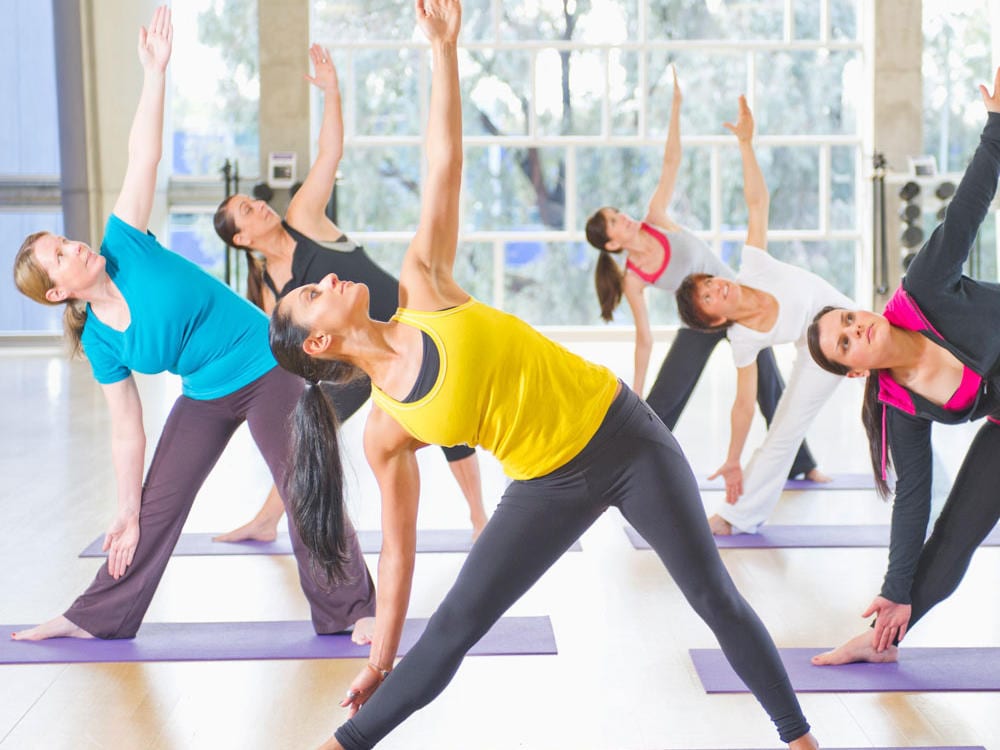
Maintaining motivation and commitment is crucial for long-term success in group exercise programs. A supportive and encouraging environment fosters a sense of belonging and shared responsibility, making it easier for individuals to stay on track towards their fitness goals. This shared journey, fuelled by mutual support, can overcome the challenges often encountered during fitness endeavors.Effective motivational strategies are essential to keep a group engaged and committed.
These techniques not only boost individual morale but also strengthen the collective spirit of the group, creating a powerful synergy towards achieving shared objectives. This collaborative approach is more likely to yield sustainable results compared to individual efforts.
Setting Achievable Goals
Setting realistic and attainable goals is fundamental for sustaining motivation within a group. Vague or overly ambitious goals can quickly demotivate members, leading to discouragement and drop-out rates. Instead, the group should collaboratively establish specific, measurable, achievable, relevant, and time-bound (SMART) goals. For example, a goal like “lose 10 pounds in two months” is less effective than “lose 1-2 pounds per week for the next eight weeks by incorporating brisk walks and strength training sessions.” This tailored approach allows each member to feel a sense of accomplishment and promotes continued participation.
Mutual Support and Encouragement
Mutual support plays a vital role in a group’s success. Group members can provide encouragement and accountability to each other, offering words of affirmation and celebrating achievements. This creates a positive feedback loop that strengthens the bonds within the group and motivates individuals to overcome challenges. A strong support system fosters an environment where members feel safe to share struggles and celebrate victories together.
Celebrating Milestones and Progress
Recognizing and celebrating milestones, regardless of size, is crucial for maintaining motivation. This could include simple acknowledgments, such as verbal praise or small group rewards. For example, reaching a certain number of workouts or successfully completing a new exercise routine can be marked with a group celebration. This creates positive reinforcement and reinforces the importance of the shared fitness journey.
A collective recognition of effort and progress further enhances group cohesion.
Handling Setbacks and Maintaining Positive Dynamics
Setbacks are inevitable in any fitness journey. It is important to create a supportive environment that allows members to acknowledge and address challenges without judgment. Groups can establish a system for open communication where members can share their struggles and seek advice or support from others. This fosters a sense of empathy and understanding, making the group a source of strength during difficult times.
Positive Affirmations and Encouraging Phrases
Positive affirmations and encouraging phrases can significantly impact a group’s mindset. These statements can be used to boost morale, build confidence, and provide motivation during challenging moments. A collection of phrases that foster positivity and encouragement, such as “You’ve got this!”, “Keep pushing forward!”, and “I believe in you!”, can create a supportive and encouraging atmosphere.
- “You are capable of achieving your goals.”
-This affirmation highlights the individual’s potential and emphasizes their self-efficacy. - “Every step forward, no matter how small, counts.”
-This encourages persistence and acknowledges the value of consistent effort, even during periods of less visible progress. - “Focus on your progress, not perfection.”
-This statement shifts the focus from unrealistic expectations to celebrating personal achievements and milestones. - “Surround yourself with positive people.”
-This highlights the importance of a supportive environment and underscores the power of collective encouragement.
Planning and Scheduling Exercise Sessions
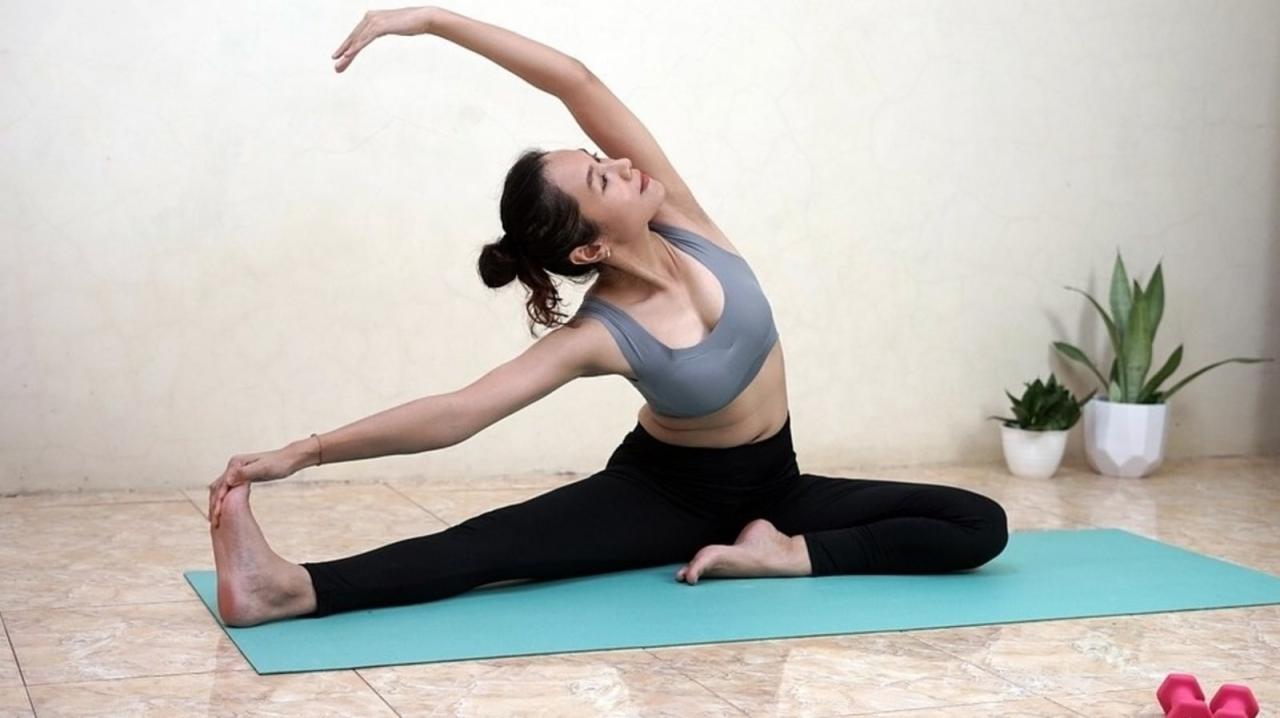
Effective group exercise programs rely heavily on well-defined schedules and adaptable plans. A structured approach ensures everyone can commit and remain motivated, minimizing disruptions and maximizing participation. This section Artikels strategies for creating and maintaining a flexible yet effective exercise schedule for your group.Planning exercise sessions in advance is crucial for maintaining consistency and encouraging participation. A well-organized schedule fosters a sense of routine and allows members to integrate exercise into their weekly plans.
This proactive approach not only promotes engagement but also helps manage expectations and accommodate potential changes.
Designing a Sample Weekly Schedule
A sample weekly schedule should consider each member’s availability and preferences. To illustrate, a schedule should include specific days and times for workouts, factoring in individual commitments and personal preferences. This sample schedule incorporates a variety of exercise options to cater to different interests and fitness levels.
- Monday: Group HIIT (High-Intensity Interval Training) session at 6:30 PM. This option is popular with those seeking a challenging and efficient workout.
- Tuesday: Yoga class at 7:00 PM. This is a suitable option for members focusing on flexibility, mindfulness, and relaxation.
- Wednesday: Team sports (basketball, volleyball) at 7:00 PM. This activity is designed for social interaction and full-body engagement.
- Thursday: Rest or individual workouts. This day allows members to recover and pursue individual fitness goals, potentially with tailored plans.
- Friday: Group outdoor walk/hike at 6:30 PM. This option provides a refreshing way to exercise and enjoy nature.
- Saturday: Optional group training at 9:00 AM or free time. This allows members to pursue other activities while maintaining flexibility.
- Sunday: Rest or family activities. This day is dedicated to recovery and relaxation.
Incorporating Flexibility
Flexibility is key to maintaining group engagement. A flexible schedule accommodates unforeseen circumstances, like illness, travel, or conflicting appointments. The schedule must be adaptable to maintain participation without compromising the group’s overall objectives.
- Backup plans: Establish backup options for missed sessions, such as alternative workout locations, times, or substitute activities.
- Communication channels: Maintain open communication to notify others of any schedule changes promptly.
- Buffer time: Schedule buffer time between sessions or incorporate flexibility in the schedule to address unexpected issues.
Creating a Group Calendar and Communication Channels
Effective communication is vital for coordinating exercise sessions. A central hub for scheduling and updates helps streamline communication. This ensures that everyone is informed of changes and can easily manage their commitments.
- Shared online calendar: Tools like Google Calendar or Outlook Calendar facilitate shared access and scheduling. These platforms allow for easy updates and reminders.
- Dedicated group app: Apps designed for group fitness activities often provide features for scheduling, communication, and progress tracking. These tools enhance efficiency.
- Physical calendar: A physical calendar can work, especially for smaller groups. This method remains useful for those who prefer a tangible schedule.
Tracking Progress and Attendance
Tracking progress and attendance can motivate individuals and help gauge the group’s overall participation. A clear system ensures everyone’s progress is documented and acknowledged.
- Attendance logs: Use a shared document or spreadsheet to record attendance at each session. This allows for tracking participation and identifying any patterns.
- Progress tracking: Establish metrics for progress, such as steps taken, workout duration, or personal bests. A shared platform can facilitate this.
- Reward systems: Consider incorporating small rewards or incentives for consistent participation to motivate members and encourage their commitment. This could be something as simple as a group outing or a celebratory meal.
Group Dynamics and Communication
Effective communication and positive group dynamics are crucial for successful and enjoyable exercise sessions with friends. A supportive and encouraging environment fosters motivation and commitment, leading to better results for everyone involved. Understanding different communication styles and conflict resolution strategies is key to maintaining a harmonious and productive group dynamic.A well-functioning group allows individuals to feel comfortable expressing their needs and concerns, while also respecting the needs and opinions of others.
Open and honest communication, coupled with a proactive approach to resolving potential conflicts, creates a supportive environment where everyone can achieve their fitness goals.
Importance of Clear Communication
Clear communication is essential for setting expectations, understanding individual needs, and ensuring everyone feels heard and valued. Misunderstandings can lead to frustration, demotivation, and ultimately, the cessation of the exercise program. Therefore, it is crucial to establish clear communication channels and expectations from the start.
Resolving Conflicts Constructively
Conflicts are inevitable in any group setting, but a proactive approach to conflict resolution can transform disagreements into opportunities for growth and understanding. Openly addressing disagreements, actively listening to different perspectives, and finding mutually acceptable solutions are vital.
Building Trust and Respect
Trust and respect are fundamental for a healthy and supportive exercise group. Members should feel comfortable sharing their progress, challenges, and concerns without fear of judgment or criticism. Empathy, active listening, and demonstrating respect for individual differences are crucial for fostering trust and mutual respect.
Roles and Responsibilities of Members
Clearly defining roles and responsibilities can enhance the overall effectiveness of the group. One person might take charge of scheduling, another of motivating, and a third of ensuring everyone stays safe. Delegating responsibilities based on individual strengths and interests promotes a sense of ownership and shared responsibility. A leader is not necessarily needed, a collective approach with clearly defined roles can be equally effective.
Communication Styles and Adaptation
Understanding different communication styles within the group is vital for effective interaction. Varying styles can lead to misunderstandings and disagreements if not acknowledged and addressed. Adapting communication styles to accommodate diverse personalities and preferences will foster a more inclusive and supportive environment.
| Communication Style | Characteristics | Best Practices |
|---|---|---|
| Direct | Clear, concise, and to the point. | Ensure clarity and avoid ambiguity. Be respectful in delivering feedback. |
| Indirect | Subtle, nuanced, and often reliant on context. | Be patient and observant. Seek clarification if necessary. Encourage open dialogue. |
| Passive | Hesitant to express needs or opinions. | Create a safe space for them to express themselves. Encourage active listening and validation. |
| Aggressive | Dominating, confrontational, and dismissive. | Address the behavior directly but calmly. Focus on the issue, not the person. Encourage compromise. |
Safety and Injury Prevention
Group exercise offers numerous benefits, but prioritizing safety is paramount. Proper preparation and awareness of potential risks are crucial for a positive and injury-free experience for everyone involved. This section focuses on essential safety measures for group workouts, encompassing warm-up and cool-down routines, safety guidelines for various exercises, equipment safety, injury management, and recognizing signs of overexertion.
Importance of Warm-up and Cool-down Routines
Warm-up routines prepare the body for physical activity by increasing blood flow to muscles, raising body temperature, and improving flexibility. A proper warm-up reduces the risk of muscle strains and tears, while a cool-down allows the body to gradually return to its resting state, preventing blood pooling and aiding in recovery. These routines are essential for both beginner and experienced exercisers, ensuring a safe and effective workout for all participants.
Safety Guidelines for Various Exercises
Different exercises present varying degrees of risk. Understanding these risks and adjusting exercises based on individual fitness levels is critical. For instance, high-impact exercises like jumping jacks might not be suitable for individuals with joint problems or those new to the exercise regime. Modified or alternative exercises should be provided for different fitness levels to maintain safety and enjoyment for all participants.
Best Practices for Using Equipment Safely in a Group Setting
Group exercise often involves shared equipment. Proper equipment handling and supervision are crucial. Instructions on the safe use of equipment, including proper form and technique, should be clearly communicated to participants. Regular checks of equipment for wear and tear and immediate repair of any malfunction are essential for preventing accidents. Designated equipment handlers can oversee equipment usage to ensure safe handling.
Managing Injuries and Ensuring Everyone’s Well-being
Knowing how to address minor injuries is vital. First-aid kits should be readily available and trained personnel should be present to manage potential injuries. Prompt attention to any injury, including sprains, strains, or minor cuts, can prevent complications and ensure the continued well-being of all participants. Prioritizing everyone’s comfort and addressing any concerns or discomfort are important aspects of managing group exercise sessions.
Recognizing Signs of Overexertion or Injury
Identifying signs of overexertion or injury is critical for preventing further harm. Participants should be educated on recognizing common symptoms, such as sharp pain, dizziness, shortness of breath, or unusual muscle soreness. Encouraging participants to communicate discomfort to a leader or trainer promptly allows for timely intervention and prevents worsening conditions. The ability to recognize these signs is essential for creating a safe and supportive exercise environment.
Creating a Supportive Environment
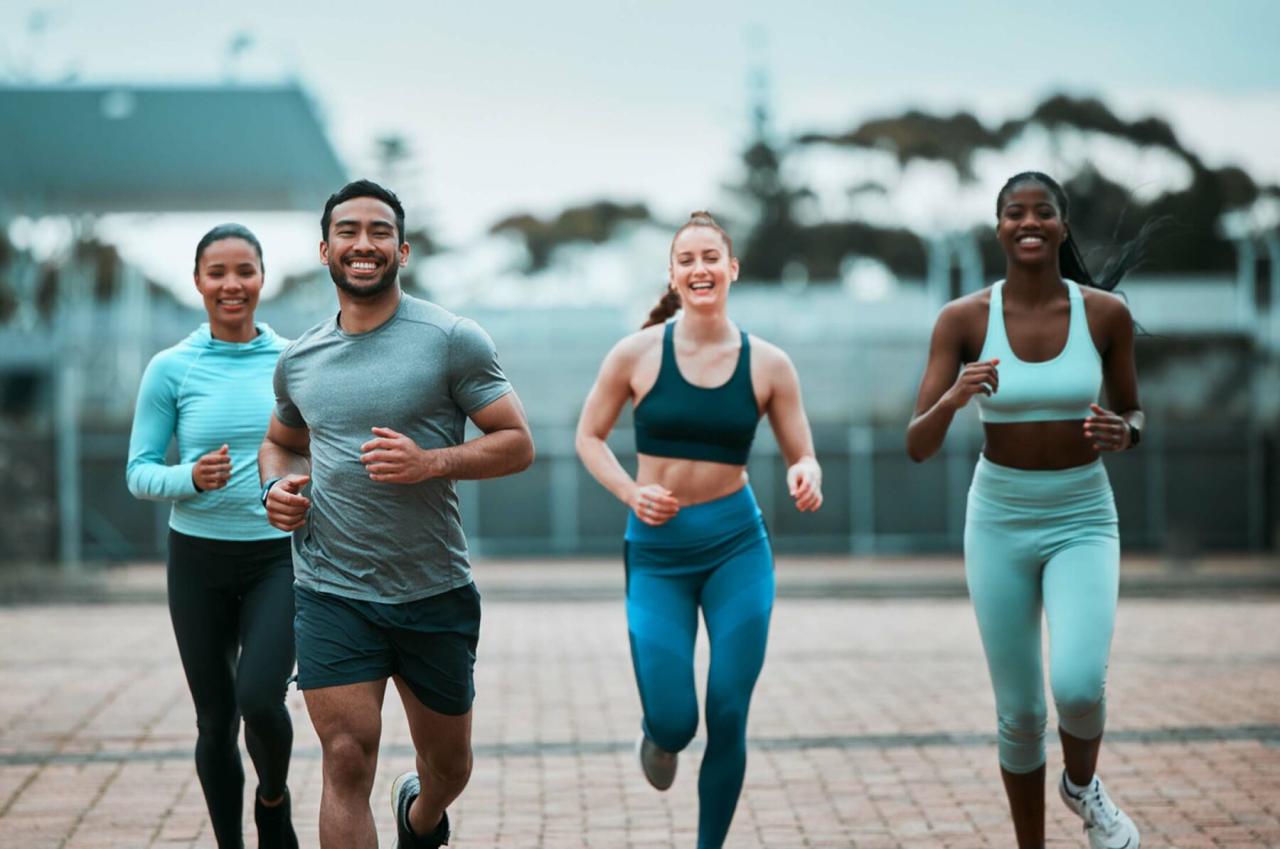
Cultivating a positive and encouraging atmosphere is crucial for successful group exercise. A supportive environment fosters motivation, promotes adherence, and enhances the overall enjoyment of the exercise sessions. This supportive environment extends beyond the physical activity, encompassing the emotional and social well-being of each member.A strong sense of camaraderie and belonging encourages participants to push their limits while feeling safe and respected.
Creating a positive and inclusive space for everyone to thrive is paramount. This is achieved through thoughtful consideration of individual needs and a shared commitment to mutual encouragement.
Fostering a Positive and Encouraging Atmosphere
A positive atmosphere is built on mutual respect, encouragement, and celebrating achievements, both large and small. Acknowledging effort and progress, rather than solely focusing on results, significantly boosts morale and fosters a sense of accomplishment. Emphasize that every participant contributes to the group’s success and that there are various paths to achieving goals.
Including All Members
Inclusivity is vital in group exercise. This encompasses accommodating diverse abilities and fitness levels. Offering modifications to exercises, providing personalized guidance, and creating opportunities for different participation levels are key. For instance, a beginner could participate in a slower-paced version of the same activity, while a more advanced member could perform the exercise with increased intensity or repetitions.
By tailoring the activities to suit individual capabilities, all members feel valued and included, contributing to a strong sense of belonging.
Group Activities Outside of Exercise Sessions
Strengthening bonds outside of the exercise sessions can significantly enhance the group’s dynamic. These activities can range from casual get-togethers, like team lunches or coffee breaks, to organized events such as watching a sporting event together or engaging in a recreational activity like bowling or hiking. These opportunities for social interaction outside the workout create lasting bonds, making the exercise sessions more enjoyable and meaningful.
This approach not only builds camaraderie but also creates a sense of community that extends beyond the workout itself.
Creating a Sense of Community and Belonging
A sense of community and belonging is cultivated through shared experiences, mutual support, and consistent interaction. This includes creating opportunities for members to share their personal experiences, celebrate milestones together, and actively listen to each other’s needs and concerns. Regular communication and clear expectations foster a supportive atmosphere, where every member feels heard and valued.
Team-Building Exercises
Team-building exercises are valuable tools for improving camaraderie and fostering a strong sense of community. These exercises can involve problem-solving tasks, collaborative challenges, or creative activities that encourage teamwork and communication. Some examples include:
- Problem-Solving Challenges: Present a hypothetical scenario that requires collaborative problem-solving to achieve a common goal. This fosters communication, critical thinking, and shared responsibility.
- Collaborative Games: Organize games that require teamwork and coordination. Examples include relay races, charades, or team puzzles. These activities promote interaction and communication while creating positive experiences.
- Creative Activities: Encourage creative tasks, such as brainstorming sessions, group art projects, or creating a group presentation. These activities nurture innovation, encourage diverse perspectives, and strengthen the sense of shared purpose.
- Outdoor Adventures: Plan outdoor activities, like hiking or camping, to foster bonding and teamwork in a relaxed setting. These activities provide an opportunity to interact outside the usual workout environment.
These team-building activities are not just about having fun; they serve as opportunities for members to connect on a deeper level, fostering a sense of community and shared purpose. They can be incorporated into existing routines or planned as separate events. The key is to choose activities that resonate with the group’s interests and preferences.
Nutritional Considerations for Group Exercise
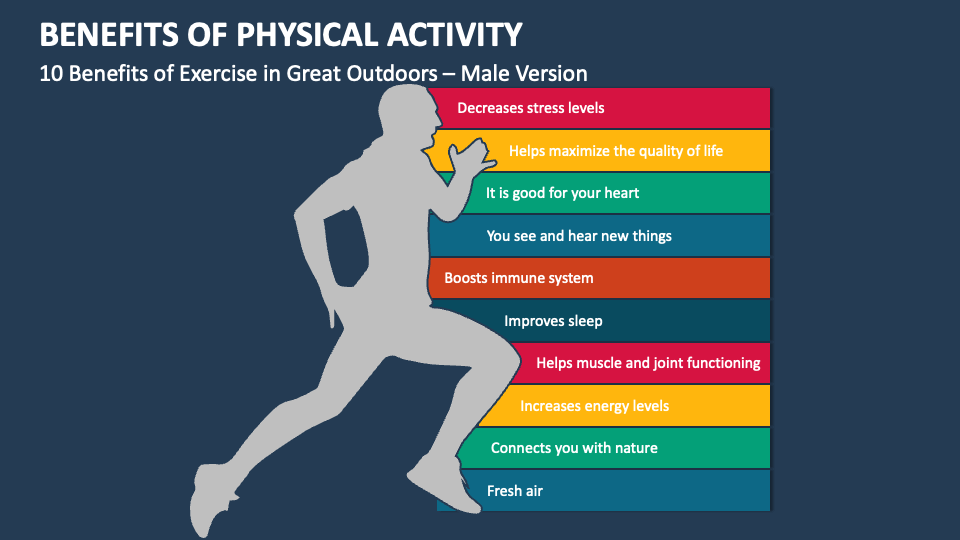
Proper nutrition plays a crucial role in maximizing the benefits of group exercise. A well-planned dietary approach fuels workouts, aids recovery, and supports overall health and well-being for everyone involved. This includes understanding the specific nutritional needs for before, during, and after exercise, as well as the importance of staying hydrated and making informed choices about healthy snacks.Maintaining a balanced diet alongside a regular exercise routine is vital for long-term health and fitness.
Consuming appropriate nutrients and staying hydrated during and after group exercise will enhance the overall experience, fostering a more enjoyable and productive approach to fitness.
Fueling Workouts: Pre-Workout Nutrition
A well-balanced pre-workout meal or snack is essential to provide the energy needed for a successful exercise session. Choose complex carbohydrates, lean protein, and a moderate amount of healthy fats. Examples include oatmeal with fruit and nuts, a whole-wheat bagel with lean turkey, or a small portion of Greek yogurt with berries. These options offer sustained energy release, minimizing the risk of energy crashes during the workout.
Hydration Strategies During Exercise
Maintaining proper hydration is paramount for optimal performance and recovery. Carry a reusable water bottle and sip water regularly throughout the exercise session. Electrolyte drinks can be beneficial, particularly for longer or intense workouts. Listen to your body’s thirst cues and drink when you feel thirsty. Avoid waiting until you’re feeling dehydrated.
Post-Workout Recovery Nutrition
Post-workout nutrition is critical for muscle recovery and replenishing glycogen stores. A balanced meal or snack containing protein and carbohydrates is ideal. Protein helps repair muscle tissue, while carbohydrates replenish glycogen. Examples of suitable post-workout snacks include a protein shake with fruit, a small portion of grilled chicken with brown rice, or a smoothie with spinach, banana, and protein powder.
Choose options that suit individual preferences and dietary needs.
Snacking Strategies for Post-Workout Recovery
A variety of healthy snacks are available for post-workout recovery. Consider options rich in protein and complex carbohydrates. Examples include Greek yogurt with granola, a handful of almonds or walnuts, or a small portion of whole-wheat toast with avocado. These choices offer a balance of nutrients to support recovery and prevent muscle soreness.
Listening to Your Body’s Hunger and Thirst Cues
Paying attention to your body’s natural hunger and thirst signals is essential for optimal nutrition. Avoid overeating or undereating. Eat when you’re hungry and drink when you’re thirsty. This mindful approach ensures you’re consuming the right amount of nutrients without feeling overly full or deprived.
Last Word
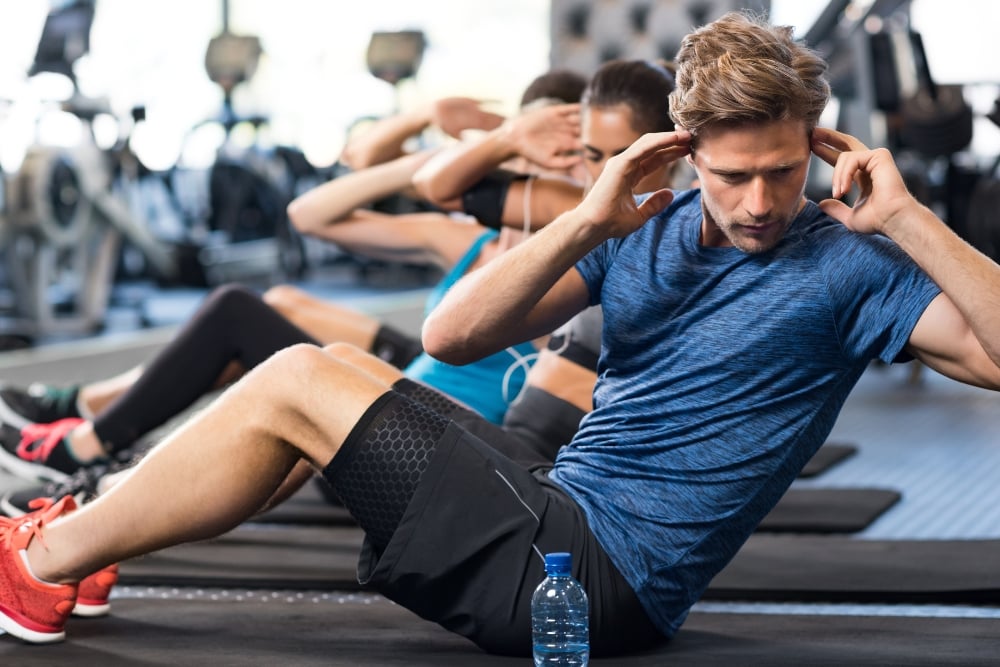
In conclusion, exercising with friends offers a rewarding path to fitness, fostering camaraderie and achieving shared goals. By understanding the nuances of group dynamics, planning effectively, and prioritizing safety, individuals can maximize the benefits of communal exercise and create a supportive environment that motivates and inspires continued engagement. This guide provides a solid foundation for building lasting habits and achieving optimal well-being together.