Kettlebell swings are a powerful exercise that can significantly improve your fitness. This guide delves into the essential techniques, variations, and safety considerations, ensuring a safe and effective workout. Whether you’re a beginner or an experienced lifter, this comprehensive resource provides the knowledge you need to master the kettlebell swing.
We’ll explore the fundamental technique, essential warm-up and cool-down routines, various progressions and variations, crucial safety tips, and the undeniable benefits of incorporating kettlebell swings into your fitness regime. Understanding equipment considerations is also key to achieving optimal results.
Fundamental Kettlebell Swing Technique

The kettlebell swing is a powerful and versatile exercise that engages multiple muscle groups. Mastering the proper technique is crucial for maximizing its benefits and minimizing the risk of injury. This section details the key elements of a safe and effective kettlebell swing.Proper form, emphasizing the hip hinge and shoulder position, is essential for maximizing the power output and minimizing strain on the lower back.
Maintaining a neutral spine throughout the movement is paramount for preventing injury and optimizing the exercise’s effectiveness.
Grip and Initiation
The kettlebell grip should be firm but not overly tight. A slightly wider than shoulder-width grip, with the knuckles facing forward, is generally recommended. Initiate the swing from the hips, not the arms or back. This hip hinge, combined with a controlled movement of the kettlebell, is the cornerstone of the swing.
Hip Hinge and Shoulder Position
A critical aspect of the swing is the hip hinge. This involves bending at the hips while keeping the back straight, allowing the kettlebell to swing freely. The shoulders should remain relatively square to the ground, maintaining a stable posture. Avoid hunching the shoulders or letting them round forward. The kettlebell should move behind the body, and then back in front of the body in a controlled arc.
Neutral Spine Maintenance
Maintaining a neutral spine is crucial for preventing lower back strain. The spine should not be rounded or arched throughout the movement. Imagine drawing a straight line from the top of your head through your tailbone. This alignment should be maintained throughout the entire swing.
Kettlebell Path
The kettlebell should follow a controlled arc, moving from behind the body to in front of the body, swinging between the legs. The kettlebell path should be consistent, not erratic, and follow a natural pendulum-like swing. Avoid letting the kettlebell swing too high or too low.
Initiation from the Hips
The swing should be initiated from the hips, not the arms. This pivotal movement allows for maximum power generation and efficient use of the body’s momentum. Imagine your hips driving the kettlebell forward. Avoid pushing the kettlebell with your arms; this will hinder the swing’s effectiveness and increase the risk of injury.
Common Mistakes and Corrections
| Mistake | Correction |
|---|---|
| Rounded or arched back | Engage core muscles to maintain a neutral spine throughout the movement. Focus on a straight back. |
| Pulling with arms | Initiate the swing from the hips. Let the kettlebell swing freely. |
| Swinging too high or too low | Maintain a controlled arc, focusing on a consistent path. |
| Inconsistent swing path | Practice the swing to ensure the kettlebell follows a predictable and controlled path. |
| Poor grip | Ensure a firm but not overly tight grip, with a slightly wider than shoulder-width grip. |
Warm-up and Cool-down Routines
Proper warm-up and cool-down routines are crucial for maximizing the benefits of kettlebell swings while minimizing the risk of injury. These preparatory and recovery phases are vital for preparing the body for the demands of the exercise and for facilitating the restoration of physiological processes after exertion. They enhance performance, reduce muscle soreness, and promote overall well-being.Thorough warm-up and cool-down routines are integral to a comprehensive kettlebell swing program.
By gradually increasing blood flow and preparing muscles for dynamic movement, the warm-up minimizes the risk of strains, tears, and other injuries. Conversely, the cool-down promotes the efficient removal of metabolic byproducts, hastens muscle recovery, and reduces post-exercise discomfort. These routines are essential for long-term progress and injury prevention.
Warm-up Routine for Kettlebell Swings
A well-structured warm-up routine for kettlebell swings should encompass dynamic stretches and mobility exercises to prepare the body for the demands of the exercise. This gradual increase in exertion helps to increase blood flow to the muscles, increase flexibility, and reduce the risk of injury. The following sequence is a sample warm-up routine, which can be adapted to individual needs and preferences.
- Arm Circles (Forward and Backward): Perform 10-15 repetitions in each direction, gradually increasing the range of motion. This exercise enhances shoulder mobility and prepares the shoulder joint for the overhead movement of the kettlebell swing.
- Torso Twists: Perform 10-15 repetitions on each side, keeping the core engaged. This exercise prepares the core muscles and improves spinal mobility, essential for the rotational movements involved in the kettlebell swing.
- High Knees: Perform 20-30 seconds, focusing on bringing the knees up towards the chest. This exercise activates the hip flexors and quadriceps, preparing them for the hip hinge motion in the kettlebell swing.
- Butt Kicks: Perform 20-30 seconds, focusing on bringing the heels towards the glutes. This exercise prepares the hamstrings and glutes, essential for the hip extension phase of the kettlebell swing.
- Leg Swings (Forward and Side): Perform 10-15 repetitions on each leg and side, maintaining a controlled motion. This exercise enhances hip mobility and flexibility, important for the hip hinge motion.
- Cat-Cow Stretches: Perform 10-15 repetitions, alternating between arching and rounding the back. This exercise enhances spinal mobility and prepares the back for the movements in the kettlebell swing.
Warm-up Exercise Categorization
The following table categorizes the warm-up exercises and their corresponding targeted muscle groups.
| Exercise | Muscle Groups Targeted |
|---|---|
| Arm Circles (Forward and Backward) | Shoulder muscles, rotator cuff |
| Torso Twists | Abdominals, obliques, spinal muscles |
| High Knees | Hip flexors, quadriceps |
| Butt Kicks | Hamstrings, glutes |
| Leg Swings (Forward and Side) | Hip flexors, hip abductors/adductors |
| Cat-Cow Stretches | Back muscles, spinal erectors |
Cool-down Routine
The cool-down routine focuses on static stretches, holding each stretch for 20-30 seconds, to improve flexibility and reduce muscle soreness. This routine is crucial for facilitating the recovery process after the exercise.
- Hamstring Stretch: Extend one leg straight behind you, keeping your back straight. Gently pull on the back of your leg, feeling the stretch in your hamstring. Repeat on the other side.
- Quadriceps Stretch: Grab one foot with your hand, pulling your heel towards your buttock. Hold the stretch, feeling the stretch in your quadriceps. Repeat on the other side.
- Hip Flexor Stretch: Bring one knee towards your chest, keeping your back straight. Lean forward slightly, feeling the stretch in your hip flexor. Repeat on the other side.
- Calf Stretch: Place one foot in front of the other, keeping your back straight. Bend your front knee and lean forward, feeling the stretch in your calf muscle. Repeat on the other side.
- Lower Back Stretch: Lie on your back and gently pull one knee towards your chest, feeling the stretch in your lower back. Repeat on the other side.
Importance of Warm-up and Cool-down
Proper warm-up and cool-down routines are vital for injury prevention and recovery. Dynamic stretching, for example, prepares the muscles for the demands of the exercise by increasing blood flow and range of motion. Static stretching, on the other hand, helps to improve flexibility and reduce muscle soreness by promoting the efficient removal of metabolic byproducts. This comprehensive approach significantly reduces the risk of strains, tears, and other injuries.
Ignoring these routines can lead to various musculoskeletal issues and hinder the overall progress of the exercise program.
Progression and Variation
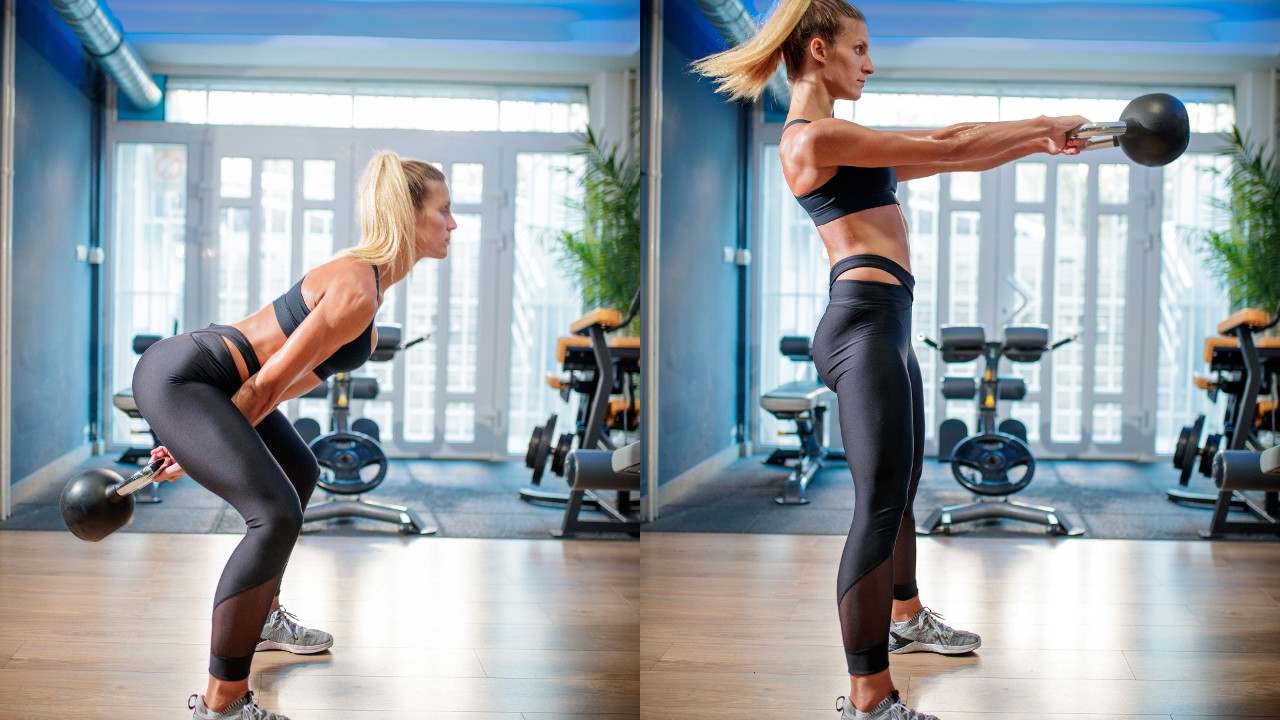
Expanding upon the fundamental kettlebell swing, a multitude of variations and progressions cater to diverse fitness levels and goals. Understanding these options allows for a more personalized and effective workout, promoting both strength and functional movement. This section will detail various kettlebell swing variations, highlighting their benefits and challenges, and providing a structured progression plan.The progression of kettlebell swing exercises is crucial for optimal results and injury prevention.
Gradual increases in weight and repetitions, tailored to individual needs, are essential for safe and effective training. This approach builds strength and endurance, leading to improved overall fitness.
Kettlebell Swing Variations
Different variations of the kettlebell swing target specific muscle groups and offer unique benefits. Understanding these variations is key to creating a well-rounded workout.
- Single-Arm Swings: These swings isolate one side of the body, emphasizing unilateral strength and stability. They help correct imbalances and improve core engagement. A proper single-arm swing requires a strong core and shoulder stability, ensuring the swing originates from the hips and not the shoulders. Single-arm swings can be beneficial for athletes looking to improve their balance and coordination.
They are also helpful for individuals recovering from injuries, as they allow for a controlled and gradual increase in strength and movement.
- American Swings: This variation involves a more upright posture compared to the traditional kettlebell swing. It places more emphasis on the posterior chain and can be helpful for building overall strength and power. American swings are often used in functional training routines, promoting the transfer of power from the lower body to the upper body, facilitating movements such as throwing or lifting.
The American swing emphasizes a more upright torso, focusing on the upper body strength. The weight of the kettlebell will often be lower in this variation, and the focus is on maintaining an upright posture throughout the swing.
- Turkish Swings: This variation involves a unique arm position and movement pattern. It focuses on shoulder stability and core strength. The Turkish swing is a great way to improve overall stability and balance. It is often incorporated into rehabilitation programs for shoulder injuries or those seeking to improve their posture. This variation also builds grip strength and enhances shoulder health.
Comparison of Variations
Each variation presents distinct advantages and challenges. Understanding these differences helps tailor the exercise to individual needs and goals.
| Variation | Benefits | Challenges |
|---|---|---|
| Single-Arm Swings | Improved unilateral strength, core engagement, and stability. | Requires greater core and shoulder stability; potential for imbalances if not performed correctly. |
| American Swings | Enhanced posterior chain strength, power development, and functional movement. | May not be suitable for individuals with lower back issues; requires maintaining an upright posture. |
| Turkish Swings | Improved shoulder stability, core strength, and grip strength. | Requires a high level of shoulder mobility and control; potential for shoulder pain if not performed correctly. |
Progression Plan
A structured progression plan is essential for safe and effective training. Gradually increasing weight and repetitions allows for progressive overload and enhances results.
- Beginner: Start with a lighter kettlebell and focus on mastering the fundamental swing form. Aim for 10-15 repetitions per set, performing 2-3 sets.
- Intermediate: Gradually increase the kettlebell weight and repetitions. Aim for 12-20 repetitions per set, performing 3-4 sets.
- Advanced: Utilize heavier kettlebells and increase repetitions to 15-25 per set, performing 4-5 sets. Consider incorporating variations such as single-arm or American swings.
Adjustments for Individual Needs
Adjustments to the swing are essential to accommodate individual needs and limitations. Modifications ensure the exercise remains effective and safe. Consider factors such as flexibility, mobility, and any pre-existing conditions when adjusting the swing.
- Flexibility Issues: Adjust the range of motion to accommodate limitations. Modifications can include using a slightly wider stance or reducing the depth of the swing.
- Mobility Limitations: Modify the swing by using a lighter kettlebell or focusing on a controlled range of motion.
- Pre-existing Conditions: Consult a healthcare professional before introducing kettlebell swings, especially if you have any pre-existing conditions. They can provide tailored guidance and adjustments to ensure the exercise is appropriate for your individual circumstances.
Safety Considerations and Common Mistakes
Proper technique is crucial for maximizing the benefits of kettlebell swings while minimizing the risk of injury. Understanding potential hazards and common errors, along with strategies for mitigating them, is vital for a safe and effective workout. This section will Artikel key safety considerations and highlight common mistakes to avoid.Safe and effective kettlebell swing training requires consistent attention to detail, proper form, and controlled movements.
This approach is essential for injury prevention. Ignoring these elements can lead to a variety of issues, ranging from minor discomfort to more serious injuries.
Potential Safety Hazards and Mitigation Strategies
Understanding potential hazards associated with kettlebell swings is paramount to safe training. Inadequate warm-up, improper form, and excessive weight selection can all contribute to injury. Using a kettlebell that is too heavy for your current strength level can put undue stress on your body. It’s crucial to gradually increase the weight and volume of your workouts. Proper warm-up routines should prepare your muscles and joints for the demands of kettlebell swings.
A well-structured warm-up will reduce the risk of strains, sprains, and other injuries. Using appropriate footwear is another important safety consideration. Proper footwear provides stability and support during kettlebell exercises. Slip-resistant shoes are recommended. If you experience pain, stop the exercise and consult a healthcare professional.
Always maintain a controlled environment, free from obstacles, and ensure sufficient space for your movements.
Importance of Proper Form and Controlled Movements
Proper form is paramount in kettlebell swing training. Controlled movements are crucial to prevent injuries and maximize the benefits of the exercise. Maintaining a straight back and engaging core muscles throughout the swing is vital. A rounded back can strain your spinal column and significantly increase the risk of back injuries. Maintaining a controlled tempo is essential.
Rushing the exercise can compromise form and increase the likelihood of injury. This controlled approach ensures that your muscles are properly engaged and prevents any sudden movements or jerky motions that could cause harm.
Common Mistakes and Their Impacts
| Mistake | Negative Impact |
|---|---|
| Rounding the back | Increased risk of spinal injury and strain, potential for lower back pain. |
| Using excessive weight | Increased risk of injury to the shoulders, hips, and back, leading to pain and potential strain. |
| Not engaging core muscles | Decreased stability, increased risk of injury to the lower back and hips. |
| Rushing the movement | Compromised form, increased risk of injury, and decreased effectiveness of the exercise. |
| Ignoring warm-up | Increased risk of muscle strains, sprains, and other injuries. |
| Using improper footwear | Potential for slipping and falls, affecting stability and balance during kettlebell swings. |
Avoiding Injury Through Proper Form and Controlled Movements
Prioritizing proper form and controlled movements during kettlebell swings is essential to preventing injuries. Focus on maintaining a neutral spine, engaging core muscles, and using controlled, deliberate movements. This controlled approach ensures that your muscles are properly engaged and prevents any sudden movements or jerky motions that could cause harm. Start with lighter weights and gradually increase the weight as your strength and technique improve.
Consistency in form and controlled movements will lead to better results and reduced risk of injury.
Importance of Proper Footwear for Kettlebell Training
Proper footwear is critical for kettlebell training. Slip-resistant shoes with good arch support provide stability and prevent injuries. Shoes with adequate cushioning can help reduce impact on joints during kettlebell swings. Incorporating these elements into your training routine is a proactive step in preventing injuries. High heels or shoes with poor grip should be avoided.
This includes ensuring the soles of the shoes provide enough grip on the floor. Proper footwear is essential for maintaining stability and balance, thus reducing the risk of slips, falls, and other potential injuries during kettlebell swings.
Kettlebell Swing Benefits
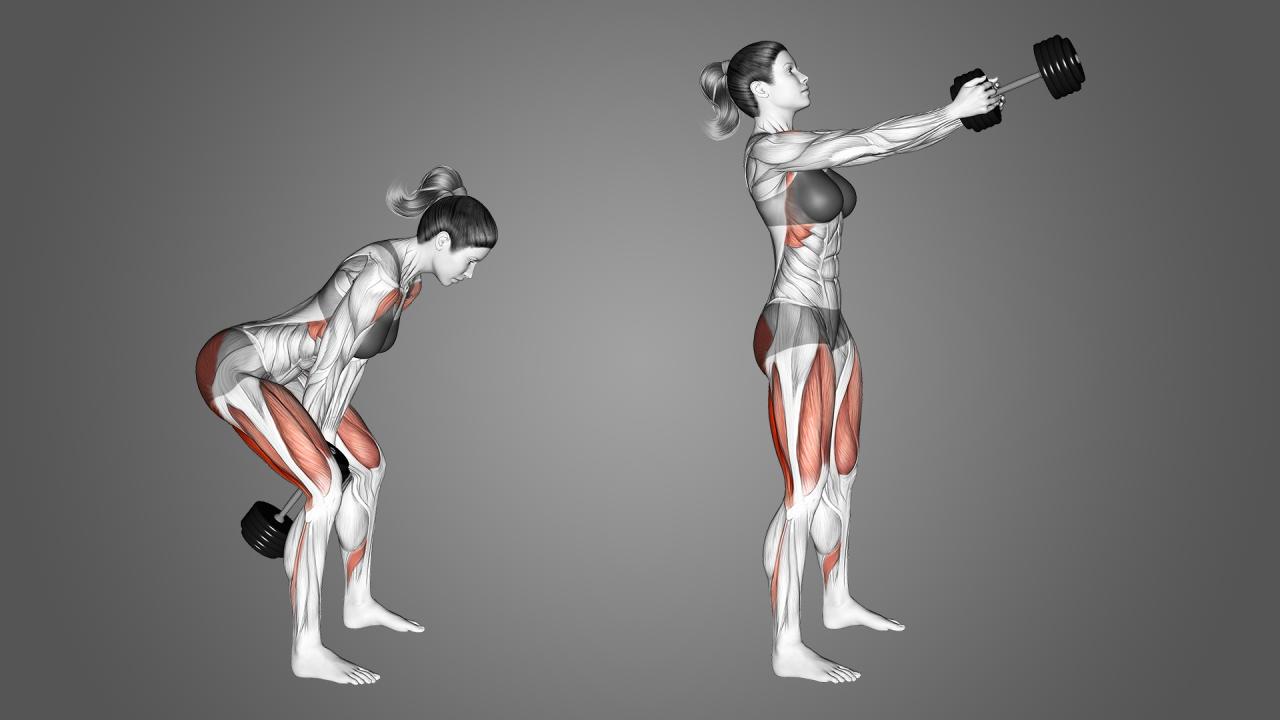
The kettlebell swing, a dynamic exercise, offers a multitude of benefits for individuals seeking to enhance their physical and functional capabilities. Its compound nature engages multiple muscle groups simultaneously, contributing to improvements in strength, power, and cardiovascular health. Beyond these physical advantages, the swing also promotes core stability and overall well-being.Kettlebell swings are not just a workout; they are a holistic approach to fitness.
The exercise’s rhythmic nature, combined with its focus on explosive movements, contributes to a balanced approach to physical development. Furthermore, the inherent stability demands of the swing translate to improved functional movement patterns in daily life.
Physical and Functional Benefits
Kettlebell swings provide a unique blend of physical and functional benefits. They effectively target multiple muscle groups, leading to increased strength and power, while also improving cardiovascular health and core stability. This multifaceted approach makes the kettlebell swing a valuable tool for overall fitness.
Cardiovascular Health
The dynamic nature of the kettlebell swing significantly elevates the heart rate, contributing to improved cardiovascular health. The sustained exertion and rhythmic movement pattern effectively train the cardiovascular system, leading to increased endurance and improved blood circulation. Consistent practice can lead to a reduction in risk factors associated with cardiovascular disease.
Strength and Power Development
Kettlebell swings engage a wide array of muscles, including the posterior chain, glutes, hamstrings, and core. The explosive nature of the movement promotes power development, crucial for activities requiring quick bursts of energy. This combination of strength and power translates to improved athletic performance and daily activities.
Core Strength and Stability
The kettlebell swing inherently requires core engagement to maintain stability and control throughout the movement. This continuous core activation leads to increased core strength and stability, enhancing overall posture and reducing the risk of injury. Strong core muscles are vital for a wide range of movements, from lifting objects to maintaining balance during everyday activities.
Impact on Overall Fitness and Well-being
The comprehensive nature of kettlebell swings contributes to a holistic approach to fitness. The combination of cardiovascular benefits, strength development, and core engagement enhances overall well-being. Furthermore, the mental focus required during the exercise promotes mindfulness and stress reduction, contributing to a positive impact on overall health and quality of life.
Summary of Benefits
| Health Aspect | Benefits of Kettlebell Swings |
|---|---|
| Cardiovascular Health | Improved heart rate, increased endurance, enhanced blood circulation, reduced risk of cardiovascular disease. |
| Strength and Power | Enhanced strength and power in the posterior chain muscles (glutes, hamstrings), improved athletic performance. |
| Core Strength and Stability | Increased core engagement and stability, improved posture, reduced injury risk. |
| Functional Fitness | Improved daily activities, enhanced performance in a wide range of movements, better posture. |
| Overall Well-being | Stress reduction, mental focus, improved quality of life, holistic approach to fitness. |
Equipment Considerations
Choosing the right kettlebell is crucial for a safe and effective kettlebell swing workout. Proper weight selection, material, and brand contribute significantly to your experience. This section details the key aspects to consider when selecting your kettlebell.
Kettlebell Weights and Sizes
Kettlebells come in various weights and sizes, tailored to different fitness levels and goals. The weight is typically expressed in kilograms (kg) or pounds (lbs). Beginners should start with lighter weights, gradually increasing as strength and proficiency improve. Intermediate and advanced users may choose heavier kettlebells for more challenging workouts. Kettlebell size is often directly correlated to the weight, ensuring proper grip and swing mechanics.
Variations in handle diameter, overall kettlebell diameter, and the bell’s height are important considerations for comfort and proper technique.
Kettlebell Materials
Different materials contribute to a kettlebell’s durability, weight distribution, and feel. Cast iron kettlebells are known for their durability and consistent weight. Cast iron often provides a solid feel, reducing the risk of the kettlebell shifting during swings. Steel kettlebells often offer a similar feel to cast iron, but may be slightly more expensive and less common.
Some kettlebells are made of high-quality composite materials or other metals, which may provide a different aesthetic and slightly lighter weight option. Each material offers a unique experience, with trade-offs in cost, durability, and feel.
Selecting the Appropriate Weight
Choosing the correct kettlebell weight is essential for achieving optimal results and preventing injuries. Beginners should start with a weight that allows for proper form throughout the entire swing. A weight that is too heavy can hinder proper form, leading to poor technique and potential injury. Conversely, a weight that is too light may not provide enough resistance for effective muscle engagement.
Consulting a qualified fitness professional or personal trainer can help determine the most suitable weight for your fitness level and goals. It’s important to remember that individual fitness levels vary, and the optimal weight may differ from person to person.
Kettlebell Brand Comparison
The following table provides a brief overview of different kettlebell brands and their key characteristics. This information is intended as a starting point for comparison, and further research or consultation may be necessary.
| Brand | Material | Key Characteristics | Price Range (Estimated) |
|---|---|---|---|
| Kettlebell USA | Cast Iron | Known for high-quality cast iron, durability, and a consistent weight. | Mid-range |
| Rogue Fitness | Steel | Strong and reliable steel construction; often features a heavier weight capacity | Mid-range to High-range |
| CAP Barbell | Cast Iron | Budget-friendly option with good quality cast iron kettlebells | Lower-range |
| Body Solid | Composite | Composite materials, providing a potentially lighter option | Lower-range to Mid-range |
Kettlebell Maintenance
Proper kettlebell maintenance ensures longevity and optimal performance. Regular cleaning is essential to prevent rust and maintain a smooth surface. Cleaning should be done with a damp cloth and mild soap, avoiding harsh chemicals or abrasive materials. Inspect the kettlebell regularly for any signs of damage, such as cracks or dents. If any damage is detected, avoid using the kettlebell to prevent injury.
Storing the kettlebell in a dry and clean location will help maintain its condition and prevent rust formation. A protective coating on the kettlebell, if available, should be carefully maintained.
Illustrative Examples
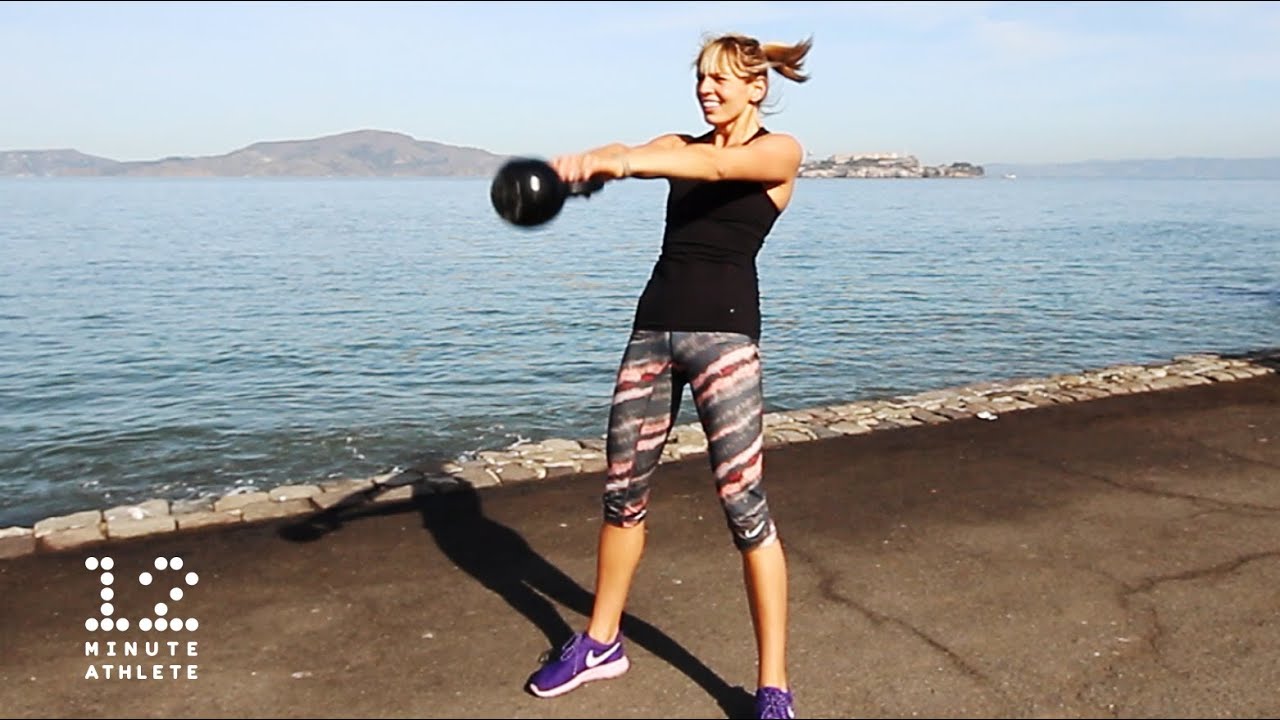
Kettlebell swings are a dynamic exercise requiring precise form and technique. Understanding the nuances of various swing variations, along with proper execution, is crucial for maximizing benefits and minimizing risk. This section provides detailed demonstrations and illustrations, enabling a deeper comprehension of the exercise.A comprehensive understanding of kettlebell swing variations, illustrated with clear demonstrations, allows for a personalized approach to training, adapting the technique to individual needs and goals.
This aids in safe and effective exercise.
Kettlebell Swing Demonstration
A proper kettlebell swing begins with a stable stance. Feet shoulder-width apart, knees slightly bent, back straight, and core engaged. The kettlebell is held with a firm grip, slightly wider than shoulder-width. The hips hinge backward, maintaining a straight back. As the hips drive forward, the kettlebell swings upward, propelled by the powerful hip extension.
The arms remain relatively straight throughout the movement, acting primarily as guides. The kettlebell should reach approximately chest height or slightly above, depending on individual flexibility and mobility. The descent is controlled and smooth, returning to the starting position with a controlled hinge. The entire motion is a fluid, rhythmic movement.
Kettlebell Swing Variations
Different kettlebell swing variations offer unique challenges and benefits. The key lies in adapting the technique to target specific muscle groups and achieve diverse goals.
- Standard Kettlebell Swing: This is the fundamental variation. It primarily targets the posterior chain, including hamstrings, glutes, and lower back. The focus is on hip drive and controlled movement. Maintaining a straight back and engaged core is essential.
- American Kettlebell Swing: The American kettlebell swing emphasizes a slightly wider stance and a more pronounced hip hinge. The arms act more as guides. This variation can be beneficial for improving power and explosiveness.
- Russian Kettlebell Swing: This variation emphasizes a narrower stance, a quicker swing, and a more upright posture. It’s excellent for developing power and coordination.
- Kettlebell Swing with Alternating Arms: This variation alternates the swinging arm with each repetition. This improves coordination and engages both sides of the body.
Illustrative Steps of the Kettlebell Swing
Visual aids are essential for grasping the intricate details of the kettlebell swing. The following steps, along with accompanying descriptions, provide a comprehensive understanding.
| Step | Description | Image Description |
|---|---|---|
| 1 | Starting Position: Feet shoulder-width apart, knees slightly bent, back straight, kettlebell held in front of the body. | A picture shows a person with feet shoulder-width apart, knees slightly bent, back straight, and a kettlebell held in front of the body. |
| 2 | Hingeing the Hips: Initiate a hip hinge, keeping the back straight, as if you were sitting back into a chair. The kettlebell remains in front of the body. | A picture shows a person with a slight bend in the knees and a significant bend in the hips, keeping the back straight, and the kettlebell in front of the body. |
| 3 | Driving the Hips Forward: Drive the hips forward and upward, and simultaneously, allow the kettlebell to swing upward. | A picture shows a person with a straight back and the kettlebell swinging upwards, propelled by the powerful hip extension. The arms are relatively straight. |
| 4 | Kettlebell at Apex: The kettlebell reaches its highest point, approximately chest height or slightly above. | A picture shows a person with the kettlebell at its highest point, approximately chest height or slightly above, the back straight, and the knees slightly bent. |
| 5 | Controlled Descent: Allow the kettlebell to descend smoothly and control the movement. | A picture shows a person with a controlled descent of the kettlebell, maintaining a straight back, and the kettlebell coming down smoothly. |
| 6 | Return to Starting Position: Return to the starting position with controlled hip hinge. | A picture shows a person returning to the starting position with a controlled hip hinge, back straight, and knees slightly bent. |
Proper Form and Common Mistakes
Recognizing proper form and common errors is vital for optimizing the exercise and preventing injuries.
- Proper Form: Maintaining a neutral spine, engaging the core, and driving the movement with the hips are crucial. Arms act as guides, not primary movers.
- Common Mistakes: Rounding the back, using the arms to swing the kettlebell, or not engaging the core can lead to injury. An improper hip hinge can also cause strain. This should be corrected during exercise.
Kettlebell Swing with Different Sizes and Weights
Adjusting the kettlebell size and weight is crucial for individual needs. Starting with lighter weights and gradually increasing the weight is crucial for developing strength and technique.
- Smaller Kettlebells: These are excellent for beginners and developing proper form. A lighter kettlebell will provide a less strenuous workout and allow for better technique development.
- Larger Kettlebells: As strength and technique improve, transitioning to larger weights provides a greater challenge and increases the intensity of the workout. This should be done incrementally and under the guidance of a qualified professional.
Summary
In conclusion, mastering the kettlebell swing involves a multifaceted approach encompassing proper technique, a thoughtful warm-up and cool-down, strategic progressions, and diligent safety measures. This guide provides a robust foundation for understanding the benefits, variations, and considerations associated with this dynamic exercise. Remember to prioritize proper form and gradually increase the weight and repetitions to maximize your results and minimize injury risk.