Understanding how to calculate calorie burn is crucial for anyone looking to manage their weight, improve fitness, or simply understand their body’s energy needs. This comprehensive guide delves into the various methods, from basic formulas to advanced techniques, and considers dietary factors for a holistic approach. This knowledge empowers informed choices for a healthier lifestyle.
This guide will walk you through the fundamentals of calorie calculation, highlighting different formulas, activities, and the interplay between diet and exercise. We’ll examine the key variables influencing calorie expenditure and provide practical examples to illustrate the concepts.
Introduction to Calorie Burning
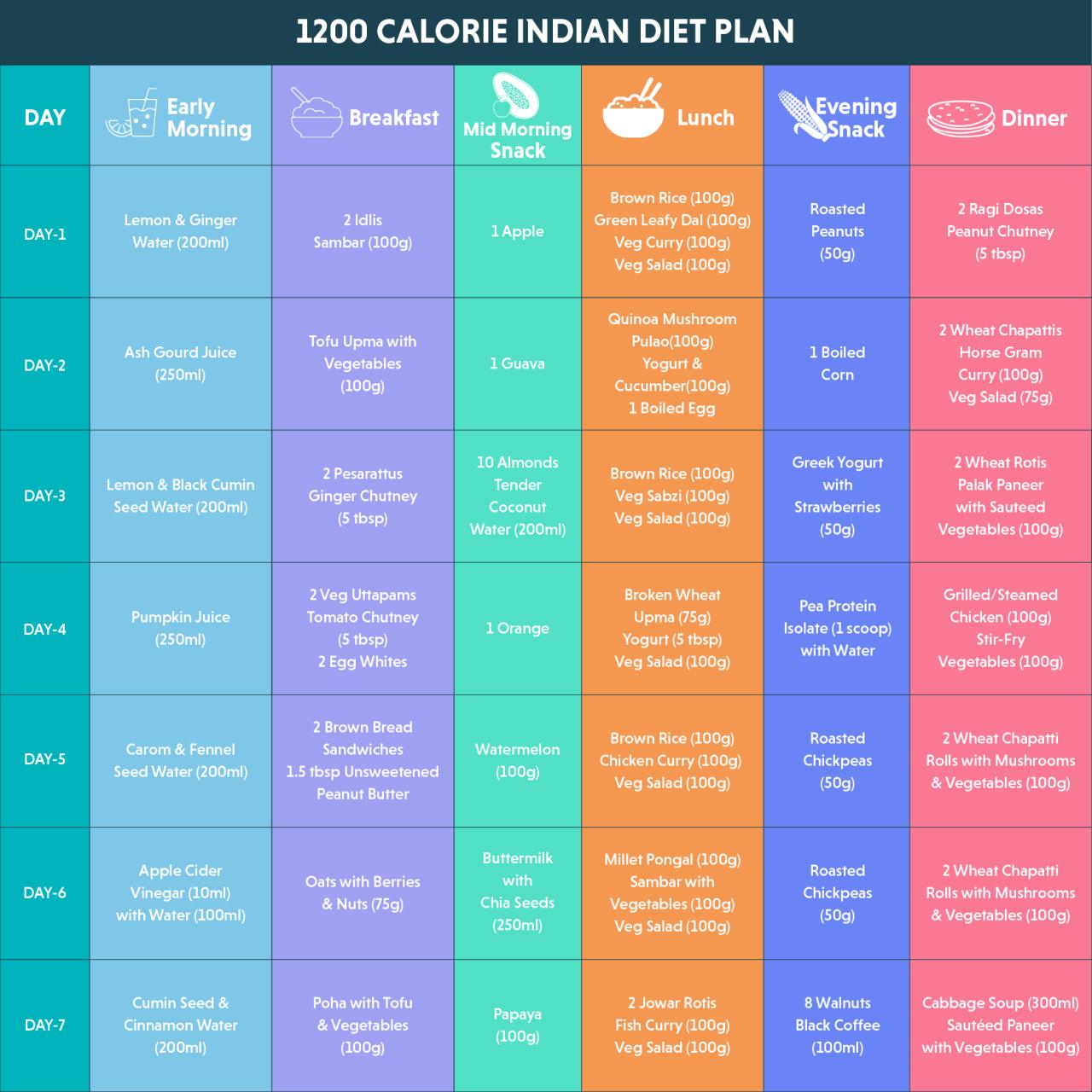
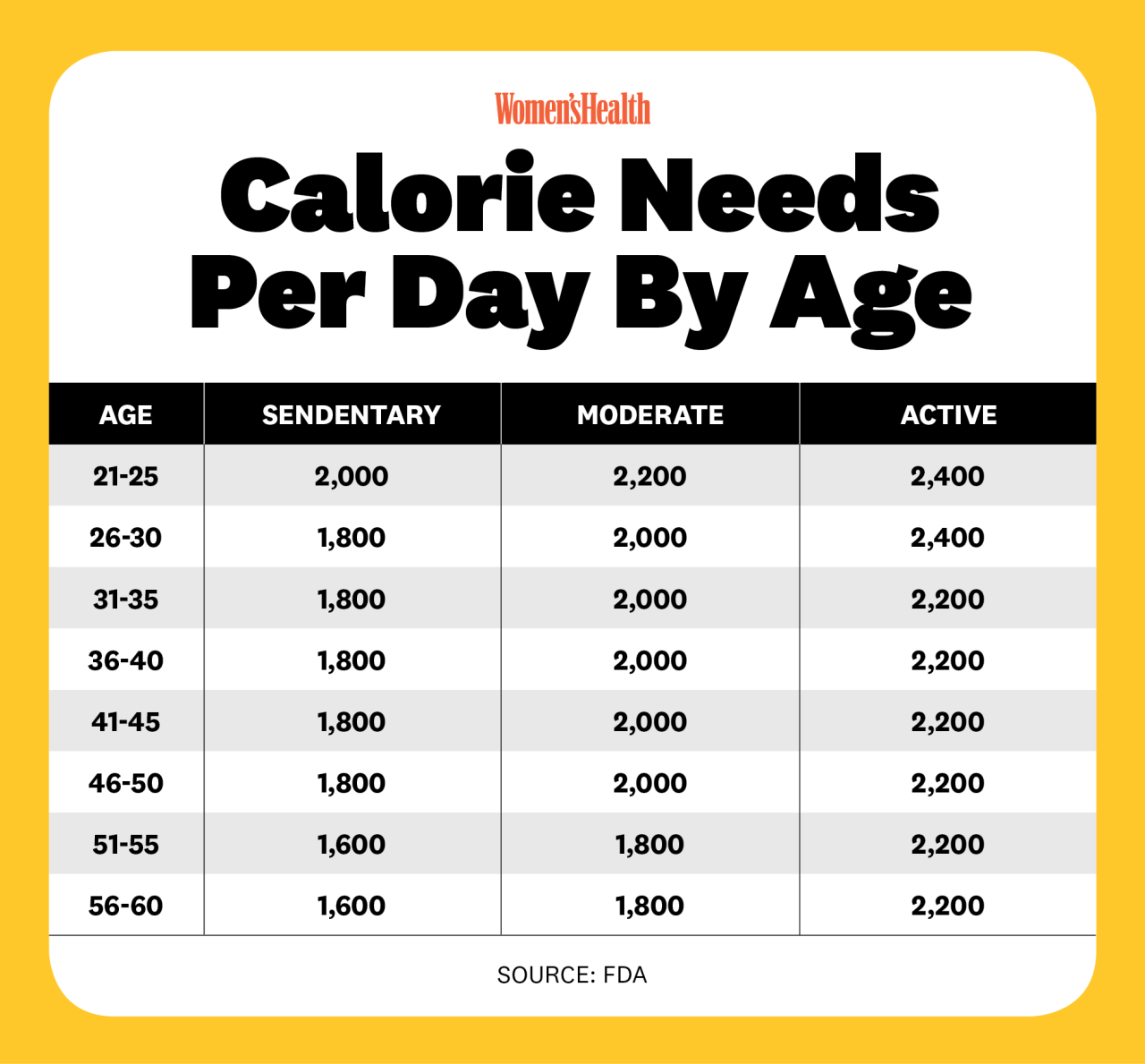
Calorie burning, or energy expenditure, is the process by which the body utilizes energy from food to perform various functions, from basic bodily processes to physical activity. Understanding this process is crucial for maintaining health and achieving fitness goals. A proper understanding of calorie burn helps individuals tailor their lifestyle choices to support their specific needs and objectives.Factors like age, sex, activity level, and body composition all play a significant role in determining an individual’s daily calorie needs.
These factors impact the body’s metabolic rate, which is the rate at which it burns calories at rest. Therefore, accurately assessing calorie burn is vital for personalized health and fitness strategies.
Factors Influencing Calorie Expenditure
Understanding the factors that influence calorie expenditure is paramount for effective weight management and achieving fitness goals. These factors are intertwined and contribute to an individual’s total daily energy expenditure (TDEE).
- Basal Metabolic Rate (BMR): This represents the minimum number of calories the body burns to maintain basic functions like breathing, circulating blood, and organ function when at rest and in a fasted state. Factors such as age, sex, and body composition significantly influence BMR. For instance, a larger person generally has a higher BMR compared to a smaller person.
- Thermic Effect of Food (TEF): This refers to the energy expenditure associated with digesting, absorbing, and processing food. The amount of energy expended varies depending on the type and amount of food consumed. For example, a high-protein meal often has a higher TEF than a high-carbohydrate meal.
- Activity Level: Physical activity is a major contributor to calorie expenditure. The intensity and duration of activity directly impact the number of calories burned. Activities like running, swimming, and weightlifting burn more calories than sedentary activities like sitting or standing.
- Non-Exercise Activity Thermogenesis (NEAT): This encompasses all the energy expended during daily activities not considered formal exercise, such as fidgeting, standing, walking, or even the manner in which one performs tasks like work or household chores. These seemingly small activities significantly contribute to daily calorie expenditure. For example, a person who is constantly moving and engaging in activities throughout the day will burn more calories than someone who spends most of their time sitting.
- Body Composition: Muscle tissue burns more calories at rest than fat tissue. Individuals with a higher percentage of muscle mass tend to have a higher BMR and burn more calories even when at rest. This is a key factor for long-term weight management.
Importance of Understanding Calorie Burn for Weight Management
Accurate assessment of calorie burn is crucial for effective weight management strategies. It enables individuals to create personalized plans that align with their specific needs. The correlation between calorie intake and expenditure directly influences weight gain or loss.Understanding the factors that contribute to calorie burn helps in creating a tailored approach to weight management. For instance, an individual aiming to lose weight might need to reduce their calorie intake and increase their activity level to achieve a calorie deficit.
Conversely, an individual aiming to gain weight may need to increase their calorie intake and engage in appropriate physical activity to maintain a calorie surplus. The understanding of calorie burn and the interplay of the factors influencing it allows for effective and personalized approaches.
Calculating Calorie Expenditure
Various methods exist for estimating calorie expenditure, ranging from simple formulas to sophisticated wearable devices. The choice of method depends on the level of accuracy desired and the resources available.
Basic Calculation Methods
Estimating calorie burn involves various formulas, each offering a different approach to this calculation. These formulas are essential tools for individuals aiming to understand their energy expenditure and manage their dietary intake effectively. Understanding the strengths and weaknesses of each method empowers users to choose the most appropriate formula for their specific needs.Different formulas account for various factors that influence calorie expenditure, such as age, sex, weight, and activity level.
This section details the fundamental methods used for calculating calorie burn, comparing and contrasting popular formulas and highlighting the key variables involved.
Fundamental Formulas
Understanding the formulas used to estimate calorie burn is crucial for tailoring dietary plans and exercise regimens. These calculations provide a starting point for understanding energy expenditure, allowing individuals to create personalized strategies to achieve their fitness goals.
The Mifflin-St Jeor and Harris-Benedict equations are two commonly used formulas for estimating resting metabolic rate (RMR). RMR is the number of calories your body burns at rest to sustain basic functions.
Mifflin-St Jeor Equation
The Mifflin-St Jeor equation is a widely recognized method for estimating resting metabolic rate (RMR). This formula, considered more accurate than the Harris-Benedict equation for modern populations, accounts for factors like age, sex, weight, and height.
The Mifflin-St Jeor equation is:RMR (men) = (10 × weight in kg) + (6.25 × height in cm)
(5 × age in years) + 5
RMR (women) = (10 × weight in kg) + (6.25 × height in cm)
- (5 × age in years)
- 161
The equation uses weight in kilograms, height in centimeters, and age in years. The results are then adjusted based on the individual’s sex.
Harris-Benedict Equation
The Harris-Benedict equation, another widely used formula, is a traditional method for estimating resting metabolic rate (RMR). This method, while historically important, has been found to be less accurate than the Mifflin-St Jeor equation in contemporary populations.
The Harris-Benedict equation is:RMR (men) = 66.47 + (13.75 × weight in kg) + (5 × height in cm)
(6.76 × age in years)
RMR (women) = 655.1 + (9.6 × weight in kg) + (1.85 × height in cm)
(4.7 × age in years)
This equation also utilizes weight in kilograms, height in centimeters, and age in years, but with different coefficients for men and women.
Activity Level Adjustment
Once the RMR is calculated, an activity level multiplier is applied to estimate total daily energy expenditure (TDEE). This multiplier reflects the intensity and duration of daily physical activity.
- Sedentary (little or no exercise): Multiplier of 1.2
- Lightly active (light exercise 1-3 days/week): Multiplier of 1.375
- Moderately active (moderate exercise 3-5 days/week): Multiplier of 1.55
- Very active (hard exercise 6-7 days/week): Multiplier of 1.725
- Extremely active (very hard exercise, athletes): Multiplier of 1.9
Summary Table
The following table summarizes the formulas, their variables, and their applications.
| Formula | Variables | Application |
|---|---|---|
| Mifflin-St Jeor | Weight (kg), Height (cm), Age (years), Sex | Estimating resting metabolic rate (RMR) and subsequently total daily energy expenditure (TDEE) |
| Harris-Benedict | Weight (kg), Height (cm), Age (years), Sex | Estimating resting metabolic rate (RMR) and subsequently total daily energy expenditure (TDEE) |
Activity-Specific Calorie Burn
Understanding the calorie expenditure associated with various activities is crucial for effective weight management and fitness goals. This section delves into the calorie burn rates of different physical activities, highlighting the influence of intensity and duration. Accurate estimations are essential for personalized fitness plans.The calorie burn rate during an activity depends on several factors. These factors include the intensity of the activity (e.g., brisk walking vs.
jogging), the duration of the activity, and the individual’s weight and metabolic rate. Accounting for these variables provides a more precise understanding of the energy expenditure.
Different Types of Physical Activities
Different activities require varying amounts of energy. Understanding these differences allows for the selection of activities that best suit individual needs and goals. Choosing activities that align with one’s preferences and capabilities enhances the likelihood of consistent participation.
Calorie Expenditure Rates by Activity
This table presents a general overview of calorie expenditure rates for various activities. Keep in mind that these are estimations, and individual results may vary based on factors like intensity and individual metabolism.
| Activity | Approximate Calorie Burn per Hour (for a 150-pound person) |
|---|---|
| Brisk Walking (3 mph) | 250-300 |
| Running (6 mph) | 500-700 |
| Swimming (moderate pace) | 400-550 |
| Cycling (10 mph) | 400-600 |
| Dancing (social) | 250-400 |
| Gardening | 200-350 |
| Weightlifting (moderate) | 300-450 |
Impact of Intensity and Duration
The intensity and duration of an activity significantly impact calorie burn. Higher intensity activities, such as running, burn more calories per unit of time compared to lower intensity activities, such as walking. A longer duration of any activity will naturally result in a higher overall calorie expenditure.
For example, a 30-minute jog at a moderate pace will burn more calories than a 15-minute brisk walk, while a 2-hour bike ride will burn more calories than a 1-hour ride.
A 150-pound person might burn around 250 calories in an hour of brisk walking. If the intensity is increased to jogging, the calorie burn might increase to 500 calories in an hour. Likewise, maintaining the jogging intensity for two hours would result in a significantly higher calorie burn compared to the one-hour duration. These examples highlight the importance of duration and intensity in calculating total calorie expenditure.
Advanced Calculation Techniques
Calculating calorie burn accurately involves understanding and incorporating more complex factors. Beyond basic estimations, advanced techniques provide a more nuanced approach, taking into account individual differences and specific activities. These methods are particularly useful for those seeking precise calorie expenditure data for personalized fitness and weight management strategies.Advanced methods often consider resting metabolic rate (RMR), a crucial component of daily energy expenditure.
RMR represents the number of calories your body burns at rest to maintain essential functions. Understanding RMR allows for a more comprehensive calculation of total daily energy expenditure (TDEE), which is vital for creating personalized calorie targets.
Resting Metabolic Rate (RMR)
RMR, the amount of energy expended while at rest, significantly influences overall calorie expenditure. Factors impacting RMR include age, sex, body composition (muscle mass), and genetics. Individuals with more muscle mass tend to have a higher RMR because muscle tissue requires more energy to maintain than fat tissue. Hormonal factors, such as thyroid function, can also influence RMR.
Several methods exist for estimating RMR, including:
- Direct calorimetry measures heat production. This method is considered the gold standard but is complex and expensive, usually employed in research settings.
- Indirect calorimetry assesses oxygen consumption and carbon dioxide production. More accessible than direct calorimetry, it remains a valuable tool for accurately determining RMR in controlled laboratory environments.
- Predictive equations use mathematical formulas to estimate RMR based on age, sex, weight, and height. These equations, while convenient, may not be as precise as other methods. Examples include the Mifflin-St Jeor equation and the Harris-Benedict equation.
Example: Mifflin-St Jeor equation: RMR (kcal/day) = (10 x weight in kg) + (6.25 x height in cm)
-(5 x age in years) + 5 (for males) or -161 (for females).
Wearable Devices and Fitness Trackers
Wearable devices and fitness trackers have become increasingly popular for monitoring physical activity and calorie expenditure. These devices often employ accelerometers and heart rate monitors to track movement and heart rate, which are then used to estimate calorie burn. While these devices provide convenient data, their accuracy can vary depending on factors such as the specific device, user activity, and calibration.
Comparison of Calorie Tracking Methods
| Method | Accuracy | Accessibility | Cost |
|---|---|---|---|
| Direct Calorimetry | High | Low | High |
| Indirect Calorimetry | High | Medium | Medium |
| Predictive Equations | Moderate | High | Low |
| Wearable Devices | Moderate to Low | High | Low to Medium |
This table provides a general overview of different calorie tracking methods, highlighting their accuracy, accessibility, and cost. It is crucial to consider these factors when selecting a method that best suits individual needs and resources.
Dietary Considerations and Calorie Balance
Dietary choices significantly influence calorie expenditure and overall energy balance. Understanding how calorie intake interacts with activity levels is crucial for effective weight management and achieving health goals. This section delves into the intricate relationship between diet and calorie burn, offering practical insights for adjusting calorie intake to maintain a healthy weight.Calorie intake directly impacts the calculation of net calorie burn.
A higher calorie intake generally means a higher metabolic rate, as the body expends energy digesting and processing the food. Conversely, a lower calorie intake can reduce metabolic rate. This interplay between intake and expenditure is fundamental to weight management strategies.
Impact of Calorie Intake on Net Calorie Burn
The net calorie burn, representing the difference between calories consumed and calories expended, is significantly influenced by dietary choices. A balanced diet, rich in nutrient-dense foods, supports a healthy metabolic rate and contributes to a more efficient calorie expenditure. Conversely, a diet high in processed foods, sugary drinks, and unhealthy fats can negatively affect metabolism, leading to lower net calorie burn.
Relationship Between Calorie Intake and Expenditure in Weight Management
Weight management hinges on the delicate balance between calorie intake and expenditure. If calorie intake exceeds expenditure, the body stores the excess energy as fat, leading to weight gain. Conversely, if expenditure exceeds intake, the body utilizes stored energy, resulting in weight loss. Achieving and maintaining a healthy weight involves consciously adjusting both calorie intake and expenditure based on individual needs and activity levels.
Adjusting Calorie Intake Based on Activity Levels
Maintaining a healthy weight requires adjusting calorie intake to match activity levels. Individuals with higher activity levels need more calories to support their energy expenditure. Conversely, those with lower activity levels require fewer calories. A personalized approach, factoring in both dietary choices and activity levels, is crucial for effective weight management. For example, an individual engaging in intense daily workouts may need a higher calorie intake to support muscle repair and recovery compared to someone with a sedentary lifestyle.
The specific calorie adjustments should be determined in consultation with a healthcare professional or registered dietitian.
Examples of Dietary Adjustments
Maintaining a healthy weight involves making conscious dietary choices. For example, replacing sugary drinks with water or unsweetened beverages can significantly reduce calorie intake without compromising hydration. Likewise, opting for whole grains, lean proteins, and fruits and vegetables over processed foods can enhance nutrient intake and promote satiety, potentially leading to a reduced overall calorie consumption.
Calorie Balance and Specific Dietary Needs
Specific dietary needs should be considered when adjusting calorie intake. For instance, pregnant women or athletes require a higher calorie intake to support their specific needs. Similarly, individuals with certain medical conditions might require dietary adjustments to manage their health. Consulting with a registered dietitian or healthcare professional is crucial to understand personalized dietary requirements and how they affect calorie balance.
Practical Applications and Examples
Applying calorie burn calculations allows for personalized approaches to weight management, fitness goals, and overall health. Understanding how many calories you burn during different activities is crucial for making informed choices about your diet and exercise routines. This section will provide practical examples of using calorie burn calculations in various scenarios.Understanding your daily calorie expenditure is key to achieving specific fitness goals.
Whether you aim to lose weight, gain muscle, or simply maintain a healthy lifestyle, knowing how many calories you burn is essential for creating a balanced approach.
Real-World Scenario Example
A user, Sarah, wants to lose 1 pound of fat per week. Research suggests that a deficit of approximately 3500 calories is needed to lose one pound of body fat. Knowing her basal metabolic rate (BMR) and activity level, Sarah can use the calculated calorie burn values to adjust her diet and exercise regimen. For example, if Sarah’s daily calorie expenditure is 2000 calories, she needs to create a daily deficit of approximately 500 calories to achieve her weekly weight loss goal.
This can be achieved through a combination of dietary modifications and increased physical activity.
Practical Examples Table
This table provides illustrative examples of calorie burn across various activities, alongside dietary considerations for maintaining calorie balance. It’s important to remember that these are estimates, and individual results may vary.
| Activity | Estimated Calorie Burn (per hour) | Dietary Adjustment Example |
|---|---|---|
| Walking (moderate pace) | 250-350 | Reduce portion sizes at meals or choose lower-calorie snacks to compensate for the calories burned. |
| Running (moderate intensity) | 500-700 | Allow for a slightly larger portion size at meals. |
| Cycling (moderate intensity) | 300-450 | Maintain balanced portion sizes to avoid overeating. |
| Swimming (moderate intensity) | 400-550 | Maintain a healthy diet that supports the increased activity level. |
| Weightlifting (moderate intensity) | 350-500 | Incorporate lean protein and complex carbohydrates for muscle repair and recovery. |
Adjusting Workout Routines
Adjusting workout routines can be a key component of reaching calorie goals. By increasing the intensity, duration, or frequency of exercise, individuals can burn more calories. For example, a person aiming to burn more calories might increase the duration of their daily walk from 30 minutes to 60 minutes, or switch to a higher-intensity workout routine. Adding interval training or incorporating strength training exercises into the routine can also boost calorie expenditure.
Individualized plans should be developed in consultation with a healthcare professional or certified fitness trainer to optimize results and minimize risk.
Common Mistakes and Misconceptions
Calculating calorie burn accurately is crucial for achieving fitness goals. However, numerous common errors and misconceptions can lead to inaccurate estimations and hinder progress. Understanding these pitfalls is essential for making informed choices and optimizing your calorie tracking.Many individuals misinterpret the data from calorie calculators or underestimate the influence of factors beyond simple activity levels. This often results in inaccurate calorie intake estimations and ultimately, less effective weight management strategies.
Recognizing these errors and applying accurate methods is key to personalized and effective calorie tracking.
Common Calculation Errors
Misinterpreting the factors influencing calorie expenditure leads to inaccurate estimations. For example, inaccurate self-reporting of activity duration or intensity is a frequent mistake. People often underestimate the amount of energy expended during activities or overestimate their expenditure during less intense workouts. This under- or overestimation can significantly impact the accuracy of the calculated calorie burn. Using generic formulas without considering individual factors like body weight, age, and metabolism can also lead to inaccuracies.
Inaccuracies in Calculation Methods
Various calculation methods, while useful, have inherent limitations. The Mifflin-St Jeor equation, a common calculation, relies on estimates of resting metabolic rate (RMR). These estimations can vary based on individual factors, potentially resulting in inaccuracies. Similarly, the Harris-Benedict equation, another popular method, can also provide estimations that don’t always precisely reflect individual metabolic rates. The impact of these inaccuracies depends on the specific application and the user’s characteristics.
Misconceptions about Calorie Burn
Many misconceptions exist surrounding calorie burning, leading to potentially ineffective strategies. One prevalent misconception is that a single exercise burns a specific number of calories regardless of individual factors. In reality, calorie burn depends on numerous factors, including intensity, duration, body weight, and individual metabolism. Similarly, the idea that all forms of exercise are equally effective in calorie burning is also incorrect.
Different activities require varying levels of effort and expend different amounts of energy. Understanding the factors influencing calorie expenditure helps to avoid these misconceptions and formulate more accurate estimations.
Misinterpretations of Dietary Considerations
Dietary factors are often overlooked when calculating calorie burn. For example, the effect of eating on metabolism and calorie expenditure is complex and not fully captured by basic calculations. Additionally, the energy cost of digesting food, a significant factor, is usually not explicitly accounted for in simple calorie calculators.
Potential Errors in Activity-Specific Calculations
Activity-specific calculations can also contain inaccuracies. For instance, using a standard calorie burn rate for jogging might not account for variations in terrain, pace, or individual fitness level. Inaccuracy in self-reporting activity intensity and duration, along with neglecting other factors like body composition, contribute to inaccuracies in activity-specific estimations.
Tools and Resources for Calorie Calculation
Understanding calorie burn requires effective tools for accurate tracking. A wide range of websites, apps, and tools offer varying levels of support, from basic calculators to sophisticated activity trackers. Choosing the right resource depends on individual needs and preferences.
Available Websites, Apps, and Tools
Numerous online resources and applications can assist in calculating calorie burn. These resources often incorporate user-friendly interfaces and extensive databases, streamlining the process of tracking calories burned and consumed.
- Online Calculators: Many websites provide calorie calculators that estimate calorie expenditure based on factors like age, weight, height, and activity level. These tools are convenient for quick estimations but may not always be highly precise.
- Fitness Trackers and Wearable Devices: Wearable devices like smartwatches and fitness trackers often include built-in calorie counters. These devices measure physical activity in real-time, providing a more detailed picture of calorie expenditure. Accuracy can vary based on device calibration and user input.
- Calorie-Tracking Apps: Numerous apps are available, each with unique features and functionalities. These apps typically allow users to log food intake, monitor activity, and generate reports, aiding in calorie management.
Comparison of Calorie-Tracking Apps
A comparative analysis of different calorie-tracking apps can be valuable in choosing the most suitable option. Different apps cater to diverse needs, so a thorough evaluation is essential.
| App Name | Key Features | Pros | Cons |
|---|---|---|---|
| MyFitnessPal | Extensive food database, activity tracking, macro management | Large database, comprehensive reporting | Can be overwhelming for beginners |
| Lose It! | User-friendly interface, personalized plans, social features | Simple to use, visually appealing | Limited customization options |
| Strava | Focus on exercise tracking, detailed activity data, social aspects | Excellent for athletes, comprehensive activity analysis | Less emphasis on food tracking |
| Fitbit | Integrated with Fitbit devices, step counting, sleep tracking | Good for users with Fitbit devices, comprehensive health data | Limited food tracking options |
Accuracy and Reliability of Online Calculators
The accuracy of online calorie calculators varies significantly. Factors like the specific algorithms used and the user’s input accuracy play a crucial role. Results should be considered estimates, not precise figures. Always cross-reference with other sources and adjust accordingly based on individual experiences.
Advantages and Disadvantages of Tracking Methods
Different calorie-tracking methods offer various advantages and disadvantages. Users should carefully consider these factors to select the method that best suits their needs.
- Online Calculators: These are convenient for quick estimates but may lack the detailed tracking of dedicated apps or devices. Accuracy can vary widely depending on the calculator’s algorithms and user input. These are often good starting points.
- Apps: Apps offer detailed tracking of food intake and activity, allowing for more comprehensive calorie management. They often provide personalized insights and reporting, making them a powerful tool for achieving fitness goals. However, app accuracy relies on user consistency and input accuracy. Using a combination of different methods, like combining apps with wearable devices, can enhance the overall accuracy and completeness of the calorie tracking process.
- Wearable Devices: These offer real-time activity tracking and can provide a detailed view of calorie expenditure. They often have limitations regarding food tracking, relying heavily on the user to log meals separately. These are valuable tools for those already engaged in fitness tracking and are best used in conjunction with other tracking methods.
Ending Remarks

In conclusion, accurately calculating calorie burn involves understanding basic formulas, activity-specific expenditure, and the crucial role of diet. By mastering these techniques, you can effectively track your energy balance, adjust your lifestyle, and achieve your fitness goals. Remember that consistency and a holistic approach are key to long-term success.