Unlocking core strength is vital for overall well-being, extending far beyond simply developing abdominal muscles. This comprehensive guide delves into the multifaceted approach to strengthening your abs, exploring various exercises, nutritional strategies, and practical integration into daily routines. We’ll examine the crucial role of core muscles in supporting posture, enhancing athletic performance, and mitigating back pain.
From foundational exercises and progressive overload techniques to advanced strategies and the influence of diet and hydration, this guide equips you with the knowledge to achieve your fitness goals. We’ll also explore the importance of proper form and injury prevention to ensure a safe and effective workout journey.
Introduction to Core Strength
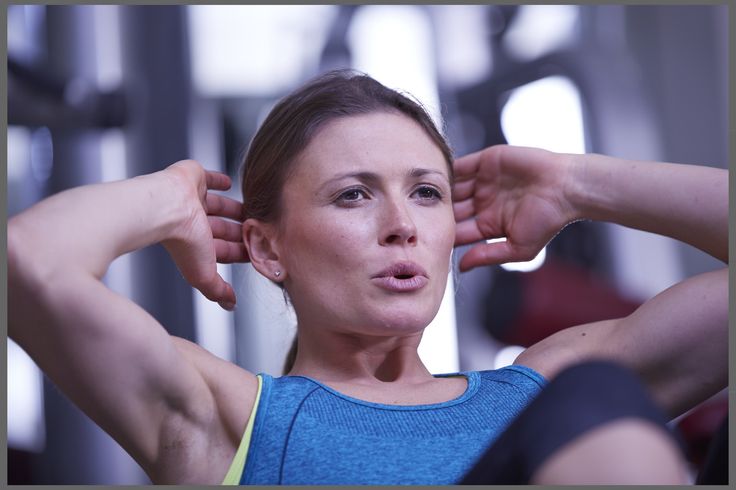
Core strength is more than just a set of sculpted abdominal muscles; it’s the foundation for overall physical well-being. A strong core provides stability, enhances posture, and supports the entire body during movement. It plays a crucial role in preventing injuries and improving athletic performance. This essential strength is developed not just by focusing on the visible abdominal muscles, but by engaging a complex network of muscles throughout the torso.Core strength differs from abdominal muscle strength.
While abdominal muscles are a component of the core, the core encompasses a wider range of muscles, including the back muscles, pelvic floor muscles, and the muscles of the hips and lower back. These muscles work synergistically to stabilize the spine, maintain posture, and transfer power throughout the body. A strong core is crucial for everyday activities, from lifting objects to performing complex movements.
Defining Core Muscles
The core encompasses a group of muscles crucial for spinal stability, posture, and overall body function. These muscles, while often overlooked, play a significant role in movement, injury prevention, and maintaining optimal posture.
Key Roles of Core Muscles Beyond Abdominal Muscles
Core muscles are vital for much more than just aesthetics. Their primary role is to stabilize the spine, facilitating proper posture and movement. This stabilization translates to improved balance, reduced risk of injury, and enhanced performance in various physical activities. Furthermore, core muscles contribute to the transfer of power between the upper and lower body, essential for tasks such as lifting, jumping, and running.
Core engagement is critical for a smooth, controlled movement pattern. Consider activities like swinging a golf club or throwing a baseball; efficient core engagement is paramount for generating power and precision.
Examples of Core Muscle Groups
- Transverse Abdominis (TVA): This deep abdominal muscle acts like a corset, compressing the abdominal cavity and providing significant spinal stability. It’s crucial for maintaining a neutral spine posture and preventing back pain. A strong TVA is critical for optimal core function.
- Internal Obliques: These muscles, located beneath the external obliques, contribute to spinal rotation and stabilization. They work in conjunction with other core muscles to maintain balance and control during movement.
- External Obliques: These muscles are crucial for twisting and lateral flexion of the torso. They are also involved in maintaining spinal stability, working in conjunction with other core muscles.
- Erector Spinae: These back muscles are essential for extending the spine and maintaining posture. A strong erector spinae group helps to counteract the effects of gravity and maintain an upright posture, supporting the core’s overall function.
- Pelvic Floor Muscles: These muscles form a supportive base for the pelvic organs and are crucial for maintaining core stability. They play a vital role in preventing incontinence and supporting the pelvic organs.
Importance of Core Strength for Overall Health
A strong core is fundamental to overall health and well-being. It contributes to maintaining good posture, preventing injuries, and supporting everyday movements. Individuals with strong core muscles are less prone to back pain, experience improved balance, and often find enhanced athletic performance.
Effective Exercises for Abdominal Strengthening
A strong core is essential for overall physical health and performance. It provides stability, balance, and support for various movements and activities. Effective abdominal exercises target different muscle groups within the core, leading to improved posture, reduced back pain, and enhanced athletic capabilities.This section delves into a selection of effective exercises, outlining proper form, technique, and variations for different fitness levels.
Understanding these nuances allows individuals to safely and effectively engage in exercises tailored to their needs and capabilities.
Basic Abdominal Exercises
Understanding the fundamentals of abdominal exercises is crucial for achieving optimal results. These exercises are foundational and often serve as building blocks for more advanced techniques.
- Crunches: This classic exercise primarily targets the rectus abdominis. Lie on your back with knees bent and feet flat on the floor. Place hands behind your head or across your chest. Engage your core, lift your shoulders off the ground, and return slowly to the starting position. For beginners, keep the movement controlled and focus on maintaining proper spinal alignment.
Intermediate exercisers can increase the range of motion and repetitions. Advanced exercisers can incorporate variations like weighted crunches or decline crunches.
- Plank: This exercise strengthens the entire core, including the rectus abdominis, obliques, and transverse abdominis. Start by placing your forearms on the floor and your body in a straight line from head to heels. Engage your core muscles to maintain a stable position. Hold the plank for as long as possible, focusing on maintaining a straight line from head to heels.
Beginners can start with short holds and gradually increase the duration. Intermediate exercisers can explore variations like side planks or plank jacks. Advanced exercisers can incorporate weighted planks or dynamic variations.
- Leg Raises: This exercise targets the rectus abdominis, primarily focusing on the lower portion of the abdominal muscles. Lie on your back with your hands placed flat on the floor. Keeping your legs straight, raise them towards the ceiling. Lower your legs back down slowly and controlled. Beginners can perform leg raises with a slight bend in the knees to ease the strain on the lower back.
Intermediate exercisers can increase the range of motion and repetitions. Advanced exercisers can perform weighted leg raises or single-leg leg raises.
Advanced Abdominal Exercises
These exercises require a greater degree of core strength and stability, and should be approached with caution and proper guidance.
- Russian Twists: This exercise strengthens the obliques and improves rotational core strength. Sit on the floor with knees bent and feet lifted off the ground. Lean back slightly, keeping your back straight. Rotate your torso from side to side, bringing your hands towards your opposite knee. Beginners can perform Russian twists with a slower pace, concentrating on maintaining spinal stability.
Intermediate exercisers can increase the speed and range of motion. Advanced exercisers can add weight or increase the difficulty by lifting their feet higher off the floor.
- Bicycle Crunches: This exercise engages the rectus abdominis and obliques. Lie on your back with knees bent and hands behind your head. Bring your elbow towards the opposite knee, alternating sides. This exercise strengthens both sides of the core. Beginners can focus on controlled movements and maintain proper spinal alignment.
Intermediate exercisers can increase the speed and intensity of the exercise. Advanced exercisers can add weights or increase the difficulty by performing the exercise with a suspended body.
Exercise Effectiveness Comparison
| Exercise | Target Muscle Group | Difficulty |
|---|---|---|
| Crunches | Rectus Abdominis | Beginner |
| Plank | Rectus Abdominis, Obliques, Transverse Abdominis | Beginner to Advanced |
| Leg Raises | Rectus Abdominis (lower) | Beginner to Advanced |
| Russian Twists | Obliques | Intermediate to Advanced |
| Bicycle Crunches | Rectus Abdominis, Obliques | Intermediate to Advanced |
Exercise Progression and Safety

Proper progression in abdominal exercises is crucial for achieving optimal results and preventing injuries. A gradual increase in intensity and difficulty allows the body to adapt and strengthens the core muscles effectively. This approach avoids overexertion, leading to a more sustainable and rewarding fitness journey.Understanding the principles of progressive overload is key to building strength safely and effectively.
This involves incrementally increasing the demands placed on the muscles, whether through increasing the weight, reps, sets, or the difficulty of the exercise itself. This gradual increase allows the muscles to adapt and become stronger over time.
Progressive Overload in Abdominal Exercises
Progressive overload in abdominal exercises involves systematically increasing the demands on the muscles. This can be achieved through several methods. Increasing the number of repetitions, sets, or the duration of the exercise is one method. Another approach is to increase the resistance, either through using weights or resistance bands, or by increasing the difficulty of the exercise itself.For example, transitioning from basic crunches to weighted crunches or decline crunches demonstrates progressive overload.
Gradually increasing the resistance or altering the exercise will provide a more effective workout, allowing the core to adapt and strengthen.
Gradual Increase in Intensity and Difficulty
Gradually increasing the intensity and difficulty of exercises is crucial for preventing injuries and optimizing results. Starting with lighter weights or easier variations of exercises allows the body to adjust and prevents potential overexertion. This approach ensures that the body can adapt and respond appropriately to the training load. As strength and endurance improve, the intensity and difficulty can be progressively increased.For instance, initiating abdominal workouts with a limited number of repetitions and sets and then gradually increasing these as the core strength improves will lead to better results.
Risks of Improper Form and Injury Prevention
Improper form during abdominal exercises significantly increases the risk of injuries. Maintaining proper form throughout the exercise is essential for targeting the intended muscles and avoiding unnecessary stress on other areas. This often involves seeking guidance from a qualified fitness professional. Incorrect form can lead to strains, sprains, and other musculoskeletal issues.To avoid injuries, ensure the exercise is performed slowly and with controlled movements.
Focus on engaging the correct muscles and avoiding jerking motions. Proper breathing techniques and maintaining a neutral spine are essential aspects of injury prevention.
Common Mistakes to Avoid
Several common mistakes can hinder the effectiveness of abdominal exercises and increase the risk of injuries. These mistakes often stem from a lack of awareness and knowledge regarding proper form and exercise techniques. Thorough understanding of the techniques is crucial for success.
- Using momentum instead of controlled movements: Relying on momentum instead of controlled movements can lead to injury and prevent the targeted muscles from receiving adequate work. This is a critical mistake to avoid. Maintaining control throughout the exercise is essential for effectiveness and safety.
- Holding your breath during exercises: Holding your breath can lead to increased pressure on the abdomen and chest, which can cause discomfort and possibly injury. Maintaining a steady and controlled breathing pattern is critical for proper performance.
- Ignoring proper spinal alignment: Improper spinal alignment during exercises can lead to pain and strain. Maintaining a neutral spine throughout the exercise is essential for maximizing effectiveness and reducing the risk of injury.
Exercise Progressions for Different Levels
A structured approach to exercise progression allows for a tailored workout experience, catering to different fitness levels. This table Artikels a progression of exercises, designed to gradually increase the intensity and difficulty. Consistent effort and proper form are crucial for achieving optimal results.
| Exercise | Beginner | Intermediate | Advanced |
|---|---|---|---|
| Crunches | Standard crunches, 10-15 reps, 2-3 sets | Weighted crunches, 12-18 reps, 3-4 sets | Decline crunches, 15-20 reps, 3-4 sets |
| Plank | Forearm plank, 15-30 seconds, 2-3 sets | Standard plank, 30-45 seconds, 2-3 sets | Side plank, 30-45 seconds, 2-3 sets per side |
| Leg Raises | Hanging leg raises, 8-12 reps, 2-3 sets | Weighted leg raises, 10-15 reps, 3-4 sets | Hanging knee raises, 12-18 reps, 3-4 sets |
Diet and Nutrition for Core Strength

Proper nutrition plays a pivotal role in supporting core strength development. A balanced diet provides the necessary fuel and nutrients for muscle growth, repair, and optimal function. This includes not only the macronutrients like protein and healthy fats but also the micronutrients found in fruits and vegetables. A well-nourished body is better equipped to handle the demands of core exercises and recover effectively.A strong core is more than just visible abdominal muscles; it’s a complex interplay of muscles working together for stability and support.
The foods we consume directly impact this intricate system. Nutrients fuel the muscles, aiding in their contraction and relaxation, and contribute to the overall health and resilience of the body.
Importance of Protein
Protein is crucial for muscle growth and repair. Consuming adequate amounts of protein supports the rebuilding process after workouts, leading to stronger, more resilient core muscles. Lean protein sources, such as chicken breast, fish, beans, and lentils, are excellent choices for maximizing core strength development. The amino acids within protein are essential building blocks for muscle tissue.
Importance of Healthy Fats
Healthy fats, including those found in avocados, nuts, and seeds, are vital for hormone production and overall bodily function. These fats are not just for energy; they are critical components of cell membranes, impacting muscle function and recovery. The right balance of fats supports optimal core performance and aids in the absorption of fat-soluble vitamins, further enhancing overall health.
Role of Hydration
Proper hydration is essential for optimal core function. Water is involved in every bodily process, including muscle contraction and nutrient transport. Dehydration can lead to decreased performance and hinder the body’s ability to recover from exercise. Maintaining adequate hydration throughout the day, especially during and after workouts, is crucial for supporting core strength development.
Sample Daily Meal Plan
This meal plan provides a framework for a daily diet that supports core strength development. Adjust portion sizes based on individual needs and activity levels.
| Meal | Description |
|---|---|
| Breakfast | Oatmeal with berries and protein powder, or Greek yogurt with fruit and nuts. |
| Lunch | Grilled chicken salad with mixed greens, vegetables, and healthy fats like avocado. |
| Dinner | Baked salmon with roasted vegetables and quinoa. |
| Snacks | Handful of almonds, hard-boiled egg, or a small bowl of Greek yogurt. |
Dietary Recommendations
Following these recommendations can significantly enhance core strength development:
- Prioritize lean protein sources in each meal to support muscle growth and repair.
- Incorporate healthy fats, such as avocados, nuts, and seeds, into your diet for optimal hormone production and cell function.
- Maintain adequate hydration by drinking plenty of water throughout the day.
- Focus on whole, unprocessed foods like fruits, vegetables, and whole grains for essential vitamins and minerals.
- Limit processed foods, sugary drinks, and excessive saturated and unhealthy fats to maintain a healthy diet.
Incorporating Core Work into a Routine
Integrating core exercises into your weekly routine is crucial for achieving optimal core strength and overall fitness. A well-structured plan allows for consistent progress, prevents plateaus, and seamlessly incorporates core work into your daily life. This section details how to effectively integrate core exercises, ensuring safety and tailored results.
Integrating Core Exercises into a Weekly Workout Plan
A well-structured workout plan is essential for consistent core strength development. Planning strategically allows for progressive overload, a key principle in fitness. Begin by identifying the days you’ll dedicate to core work. This should consider your overall workout schedule, allowing for rest and recovery between sessions. Avoid overtraining by allocating sufficient time for rest.
Frequency and Duration of Core Workouts
Optimal frequency for core workouts depends on individual fitness levels and goals. Beginners should start with 2-3 sessions per week, each lasting 20-30 minutes. As strength improves, you can increase the frequency to 3-4 times per week, gradually extending the duration to 30-45 minutes. Listen to your body and adjust the schedule as needed. Overtraining can lead to decreased performance and injuries.
Incorporating Core Exercises into Daily Activities
Incorporating core exercises into daily activities elevates core engagement beyond dedicated workouts. Simple modifications like using a stability ball for desk work or performing plank variations during commercials can significantly enhance core strength. Focus on maintaining proper posture throughout the day. Small, consistent efforts add up to substantial improvements in core strength.
Sample Weekly Workout Schedule
This schedule is a template and can be adjusted to individual needs.
| Day | Workout Focus | Core Exercises | Duration |
|---|---|---|---|
| Monday | Upper Body | Plank, Russian twists, bird dog | 60 minutes |
| Tuesday | Lower Body | Hollow body hold, bicycle crunches | 60 minutes |
| Wednesday | Rest or Active Recovery | Yoga, walking | 30-60 minutes |
| Thursday | Full Body | Hanging leg raises, reverse crunches, planks | 60 minutes |
| Friday | Cardio | Side plank, mountain climbers | 60 minutes |
| Saturday | Rest | ||
| Sunday | Rest |
Tailoring Workouts to Specific Fitness Goals
Tailoring workouts to specific fitness goals involves adjusting the intensity, duration, and exercises based on the desired outcome. For example, someone aiming for weight loss might incorporate higher-intensity interval training (HIIT) and core exercises. Athletes seeking enhanced performance might incorporate plyometrics and dynamic core exercises. Consult with a fitness professional to create a customized plan that aligns with your specific goals and abilities.
Advanced Strategies for Abdominal Development

Advanced abdominal development requires a multifaceted approach that goes beyond basic exercises. This involves targeting specific muscle groups, employing advanced techniques, and incorporating crucial stabilization exercises. Understanding the nuances of core activation and progressing through increasingly challenging exercises is key to maximizing results. Furthermore, proper diet and consistent routines are essential for long-term success.Advanced strategies for core development build upon a solid foundation of fundamental exercises.
By progressively increasing the difficulty and complexity of workouts, individuals can effectively stimulate deeper core muscles and achieve a more sculpted physique. This also enhances overall core strength and stability, leading to improved athletic performance and daily activities.
Advanced Techniques for Stimulating Core Muscles
Targeting deeper core muscles requires a shift in focus beyond just superficial exercises. Techniques like bracing and controlled breathing are essential for engaging the entire core musculature. Proper bracing involves engaging the abdominal muscles, glutes, and lower back simultaneously to create a rigid core, promoting stability and preventing injury. Controlled breathing, synchronized with movements, enhances core activation by creating intra-abdominal pressure.
This controlled breathing further facilitates the recruitment of deep core muscles.
The Role of Stabilization Exercises
Stabilization exercises are crucial for developing a strong and resilient core. These exercises demand precise control and coordination, promoting functional strength and preventing injuries. Examples include side planks, bird-dog exercises, and variations of the dead bug. These exercises challenge the body’s stability and promote the recruitment of stabilizer muscles in the core, enhancing overall posture and balance. The emphasis on stability significantly improves performance in sports and daily activities, reducing the risk of back pain and other injuries.
Different Types of Core Activation Exercises
Core activation exercises are essential for engaging specific core muscle groups. These exercises focus on isolating and strengthening different components of the core, such as the transverse abdominis, rectus abdominis, and obliques. Exercises like hollow body holds, anti-extension exercises, and anti-rotation exercises effectively isolate these muscles. These variations provide targeted activation of the core musculature, optimizing the strengthening of specific muscle groups.
Advanced Exercises: Planks and Hanging Leg Raises
Planks and hanging leg raises are advanced exercises that significantly challenge the core. Planks, in various variations, demand sustained isometric contractions of the core muscles, enhancing endurance and strength. Hanging leg raises, similarly, require substantial core strength for controlled movement and elevation. These exercises push the limits of core strength, improving endurance and stability, contributing to improved athletic performance.
Comparison of Advanced Core Exercises
| Exercise | Target Muscle Group | Difficulty | Benefits |
|---|---|---|---|
| Plank (Forearm Plank) | Rectus abdominis, obliques, transverse abdominis, shoulders, and back muscles | Moderate to High | Improved core strength, stability, and posture; increased endurance |
| Hanging Leg Raises | Rectus abdominis, hip flexors | High | Significant core strength and endurance development; improved body awareness |
| Side Plank | Obliques, transverse abdominis, shoulders | Moderate to High | Enhanced lateral core strength, stability, and body awareness |
| Hollow Body Hold | Rectus abdominis, transverse abdominis | Moderate to High | Improved core activation, stability, and spinal control |
Core Strength for Specific Activities
Core strength is not just about aesthetics; it’s a fundamental component for optimal performance in a wide range of activities, from everyday tasks to high-level athletic endeavors. A strong core provides stability, power, and control, influencing everything from posture to athletic movements. Understanding how core strength translates to specific activities is crucial for developing targeted training programs.
Impact on Performance in Various Activities
Core strength plays a pivotal role in executing movements efficiently and effectively across diverse activities. This encompasses not only sports but also everyday tasks, where a stable core translates to better balance, posture, and reduced risk of injury. Strong core muscles act as a foundation, transferring force from the limbs to the body, enabling smoother and more powerful movements.
Core Strength and Posture
A strong core is directly linked to good posture. Core muscles work to stabilize the spine, preventing slouching and maintaining an upright position. Improved posture not only enhances appearance but also reduces strain on the back, minimizing the risk of back pain and injuries. This is particularly crucial for prolonged sitting or standing activities.
Core Strength in Sports
The benefits of core strength differ across various sports, with specific requirements for each. For example, sports requiring explosive movements, like sprinting or jumping, necessitate a core that can generate power and stability during these actions. Conversely, sports emphasizing balance, such as yoga or gymnastics, demand a strong core for maintaining equilibrium. Core strength is fundamental in almost every sport, whether it’s generating power or providing stability.
Core Strength for Athletes
Athletes across all disciplines benefit significantly from a strong core. It enhances performance, improves stability during dynamic movements, and reduces the risk of injuries. A robust core is essential for generating force, controlling movement, and maintaining proper posture, all of which are crucial for peak performance in sports. This translates to increased speed, agility, and overall athleticism.
Comparison of Core Strength Benefits Across Different Activities
| Activity | Core Strength Requirements | Impact on Performance |
|---|---|---|
| Running | Strong core for maintaining posture and stability during stride, transfer of force from legs to upper body. | Improved running form, reduced risk of injury, increased efficiency, improved speed. |
| Weightlifting | Strong core for stabilization during lifts, generating force, and maintaining balance. | Increased lifting capacity, enhanced control, reduced risk of back injuries, improved posture. |
| Yoga | Strong core for maintaining balance, stability, and control during poses. | Improved flexibility, balance, and body awareness, reduced risk of injury during poses. |
| Daily Tasks | Strong core for maintaining posture, stability during lifting and carrying, and overall body control. | Reduced back pain, improved efficiency in everyday activities, better posture. |
Tools and Equipment for Abdominal Exercises
A diverse array of tools and equipment can enhance abdominal exercises, offering varied resistance, support, and versatility. Selecting the right tools depends on individual goals, fitness level, and available resources. Proper utilization of these tools can contribute significantly to achieving desired core strength and aesthetic outcomes.
Types of Equipment
Various tools and equipment can be utilized to enhance abdominal exercises, each with unique advantages and disadvantages. Understanding these characteristics is crucial for making informed choices.
- Resistance Bands: These elastic bands provide adjustable resistance, allowing for progressive overload and tailored workouts. Resistance bands are lightweight, portable, and cost-effective, making them ideal for home workouts.
- Advantages: Affordable, portable, adjustable resistance, suitable for various exercises.
- Disadvantages: May not provide the same intensity as weights, can be challenging for advanced users, may require proper anchoring.
- Examples: Various exercises like band-assisted crunches, band-assisted leg raises, and band-assisted Russian twists can be performed using resistance bands.
- Benefits: Improved muscle activation, increased strength, enhanced flexibility, enhanced mobility, and a great option for at-home workouts.
- Stability Balls: These inflatable balls promote core engagement by challenging the body to maintain balance and stability. They are excellent for engaging deep core muscles and improving proprioception.
- Advantages: Improves core stability, strengthens deep core muscles, enhances body awareness.
- Disadvantages: Requires some balance and coordination, may be challenging for beginners.
- Examples: Exercises like stability ball crunches, stability ball leg raises, and stability ball planks are great examples of using a stability ball.
- Benefits: Improved posture, enhanced core strength, increased balance, and better body awareness.
- Kettlebells: These weighted balls provide dynamic resistance for compound exercises, engaging multiple muscle groups simultaneously. Kettlebells are effective for building strength and power.
- Advantages: Builds strength and power, enhances functional fitness, improves cardiovascular health.
- Disadvantages: May require some experience with kettlebell movements, could be challenging for beginners without proper guidance.
- Examples: Kettlebell swings, kettlebell twists, and kettlebell deadlifts can effectively engage the abdominal muscles.
- Benefits: Enhanced strength, improved balance, increased metabolic rate, and improved coordination.
- Weight Plates: Adding weight plates to exercises like Russian twists, or weighted crunches provides greater resistance, stimulating muscle growth and enhancing strength.
- Advantages: Provides progressive resistance, increases strength and muscle mass, promotes functional fitness.
- Disadvantages: Requires proper form and technique, may be more challenging to store.
- Examples: Weighted crunches, weighted Russian twists, and weighted leg raises demonstrate the use of weight plates for abdominal exercises.
- Benefits: Enhanced muscle growth, increased strength, and improved power.
Choosing the Right Equipment
Careful consideration of personal fitness goals and available resources is essential when selecting equipment. Beginners may find resistance bands or stability balls more accessible, while experienced individuals might benefit from kettlebells or weight plates. Consider the level of intensity and variety desired for optimal results.
- Beginner Level: Resistance bands and stability balls offer an excellent entry point for enhancing core strength without significant initial investment.
- Intermediate Level: Kettlebells and weight plates can introduce progressive resistance for enhanced muscle growth and strength gains.
- Advanced Level: Combining various tools or increasing the weight/resistance of the equipment allows for continued progression and tailored workouts.
Last Word
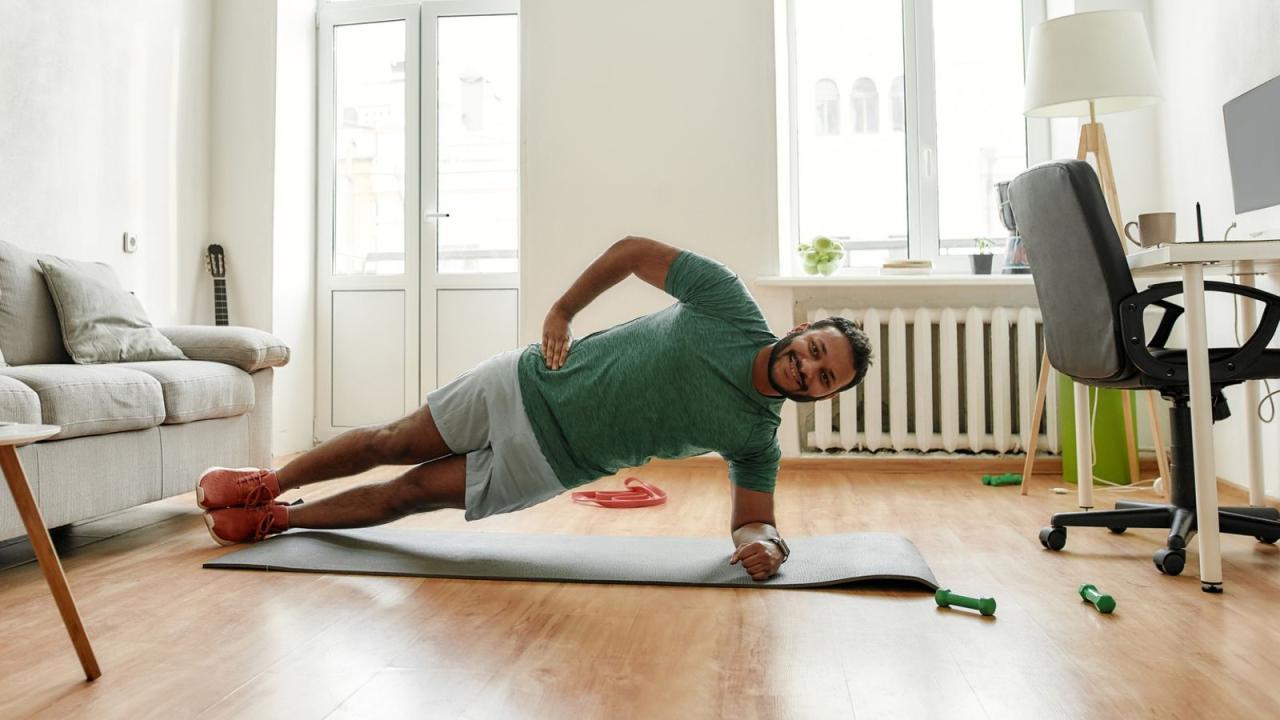
In conclusion, strengthening your abs is a multifaceted process encompassing targeted exercises, progressive overload, nutritional support, and mindful integration into daily life. This guide has provided a thorough exploration of the key elements involved, from fundamental exercises to advanced techniques, and the vital role of diet and hydration. Remember, consistency and proper form are paramount to achieving lasting results and maximizing the benefits for overall health and well-being.