Pregnancy is a time of profound change, and maintaining physical and mental well-being is crucial. Regular exercise during pregnancy offers numerous benefits, supporting both the mother’s and the baby’s health. This guide provides a comprehensive overview of safe and effective exercise strategies tailored to each trimester, alongside essential safety precautions and considerations.
From understanding the importance of proper hydration and nutrition to recognizing potential risks and symptoms, this guide empowers pregnant women with the knowledge to make informed choices about their exercise routines. We explore a variety of safe exercises, including walking, swimming, and yoga, along with essential modifications for different stages of pregnancy.
Introduction to Exercise During Pregnancy
Regular exercise during pregnancy offers significant advantages for both the physical and mental well-being of expectant mothers. It can help manage weight gain, reduce the risk of gestational diabetes and preeclampsia, and improve mood and energy levels. Maintaining a consistent exercise routine throughout pregnancy can also prepare the body for labor and delivery, potentially leading to a shorter and easier recovery period.Understanding the appropriate guidelines for exercise during pregnancy is crucial for ensuring a safe and healthy experience.
This involves careful consideration of frequency, intensity, and duration of activity, tailored to the individual’s physical condition and stage of pregnancy. It is important to consult with a healthcare provider before beginning any new exercise program during pregnancy.
General Guidelines and Recommendations
Exercise during pregnancy should be approached with caution and consideration for the changing needs of the body. The general recommendations emphasize gradual increases in activity, listening to the body’s signals, and avoiding activities that pose undue risk to the mother or fetus. A key guideline is to maintain a moderate intensity level, and adjust the exercise routine as needed throughout the trimesters.
It’s also crucial to prioritize rest and hydration during pregnancy, particularly during periods of increased activity.
Potential Benefits Across Trimesters
The benefits of exercise during pregnancy extend across all trimesters. In the first trimester, exercise can help establish healthy habits and improve overall well-being, which is crucial for a smooth pregnancy journey. During the second trimester, when the growing baby puts less strain on the mother’s body, exercise can help improve strength, endurance, and posture. As pregnancy progresses into the third trimester, exercise can help maintain physical fitness, prepare for labor and delivery, and manage discomfort associated with the later stages of pregnancy.
Types of Safe and Beneficial Exercises
Various types of exercise are suitable for pregnant women, with careful modifications based on the trimester. Choosing exercises that minimize impact and stress on joints is important. Low-impact activities like walking, swimming, and prenatal yoga are generally recommended. Proper form and technique are essential to prevent injury. Additionally, listening to the body and adjusting the intensity and duration of exercises as needed is paramount.
Exercise Suitability Across Trimesters
The table below Artikels the suitability of different exercise types across the three trimesters of pregnancy. It’s important to remember that this is a general guideline, and individual needs may vary. Consult with a healthcare provider for personalized recommendations.
| Exercise Type | Suitability (1st, 2nd, 3rd Trimester) | Notes |
|---|---|---|
| Walking | Safe throughout | Moderate intensity, adjust pace as needed. Consider increasing distance as tolerated. |
| Swimming | Safe throughout | Low-impact, excellent for joint support. Enjoy the buoyancy and decreased stress on joints. |
| Yoga | Generally safe, modify poses | Focus on prenatal modifications. Avoid inverted poses and exercises that put pressure on the abdomen. |
| Stationary Cycling | Generally safe, especially during 2nd and 3rd trimester | Adjust resistance as needed, and ensure proper posture and back support. |
| Prenatal Pilates | Generally safe, modify exercises | Excellent for core strength and pelvic floor exercises. Focus on proper alignment and modifications for a safe workout. |
Safety Precautions and Considerations
Exercising during pregnancy is generally beneficial for both physical and mental well-being. However, it’s crucial to prioritize safety and understand the potential risks. This section Artikels essential precautions and considerations to ensure a healthy and comfortable pregnancy journey.Careful attention to your body’s signals and adjustments to your routine are paramount during pregnancy. Understanding potential risks and knowing how to adapt your exercise program will significantly contribute to a positive experience.
Potential Risks and Complications
Pregnancy introduces physiological changes that can impact exercise tolerance and safety. Certain conditions, such as pre-existing health issues, can increase the risk of complications. Close monitoring and professional guidance are essential for personalized recommendations. It’s also important to be aware of potential complications, such as gestational diabetes or preeclampsia, which can be influenced by inadequate exercise or improper exercise intensity.
Listening to Your Body
Recognizing and responding to your body’s signals is vital for a safe and enjoyable exercise routine. Fatigue, discomfort, or pain should never be ignored. Rest is crucial when feeling these symptoms, and adjusting the intensity or type of exercise is often necessary. If you experience any unusual or persistent symptoms, consult your healthcare provider immediately.
Hydration and Nutrition
Proper hydration and nutrition are essential for both overall health and exercise performance during pregnancy. Staying adequately hydrated helps regulate body temperature and supports nutrient transport. A balanced diet rich in essential vitamins and minerals is crucial for fetal development and your own energy levels. It’s essential to consume nutritious foods throughout the day and to avoid overexertion when your body needs rest and replenishment.
Exercises to Avoid
Certain exercises pose increased risks during pregnancy. It’s important to avoid exercises that put excessive strain on the abdomen, potentially causing premature labor or injury. High-impact activities, such as jumping or jarring movements, should be avoided to prevent potential complications.
- Exercises that put excessive pressure on the abdomen, such as sit-ups and crunches, should be modified or avoided.
- High-impact activities, such as running and jumping, are often discouraged.
- Contact sports that carry the risk of falls or collisions are generally contraindicated.
- Activities that involve lying flat on your back for extended periods may restrict blood flow.
Proper modifications and alternatives are available to help you maintain fitness while minimizing risks.
Symptom-Based Exercise Adjustments
Adjusting your exercise routine based on pregnancy symptoms is crucial. The following table provides guidance for common pregnancy discomforts.
| Symptom | Exercise Adjustment | Explanation |
|---|---|---|
| Nausea | Exercise in the morning or evening | Avoid intense exercise when feeling nauseous. Focus on gentler activities like walking or prenatal yoga. |
| Back Pain | Modify posture, avoid twisting | Use support cushions or adjust intensity. Focus on exercises that strengthen core muscles and improve posture. |
| Leg Cramps | Gentle stretching and hydration | Regular stretching and adequate hydration can help alleviate leg cramps. Avoid prolonged standing or sitting. |
| Shortness of Breath | Reduce intensity, shorter durations | Adjust the intensity and duration of exercise to prevent exertion. |
Specific Exercises and Workouts
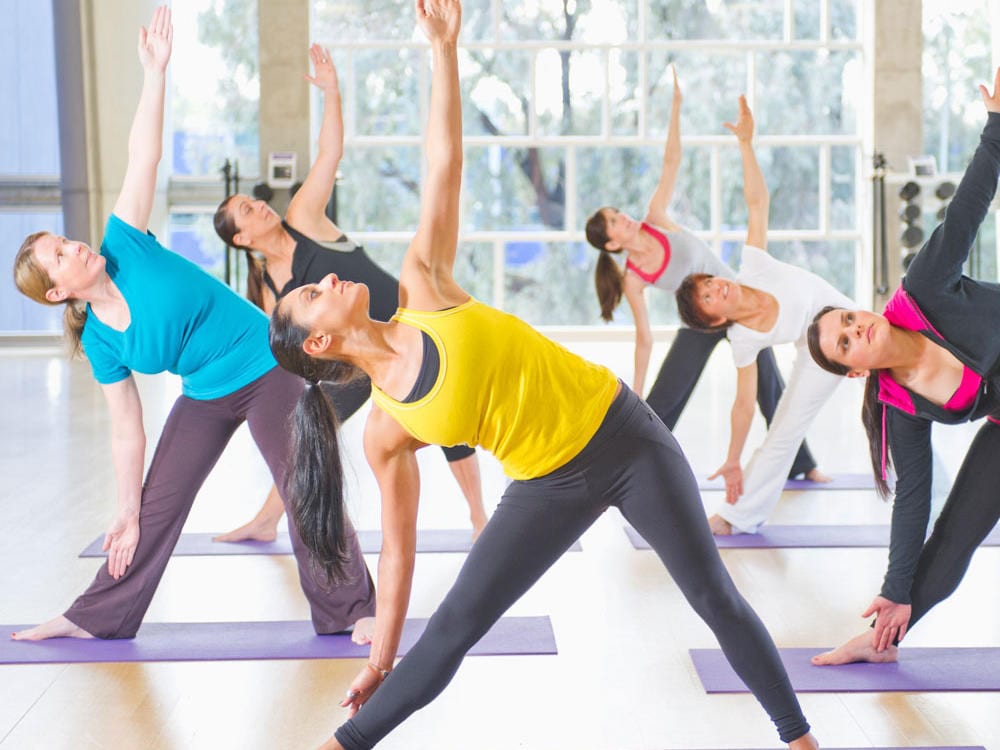
Exercising during pregnancy offers numerous benefits, including improved cardiovascular health, reduced risk of gestational diabetes, and enhanced mood. However, it’s crucial to tailor workouts to the specific needs and limitations of each trimester. This section provides guidance on safe and effective exercise options for pregnant women, with modifications and sample routines for varying fitness levels and stages of pregnancy.Understanding the evolving physical and physiological changes during pregnancy is paramount.
As the pregnancy progresses, the center of gravity shifts, the ligaments relax, and the body produces hormones that influence joint stability. These changes necessitate adjustments to exercise routines to maintain safety and effectiveness.
Types of Exercises Suitable for Pregnant Women
Various exercise types can be beneficial for pregnant women. These include cardiovascular activities, strength training, and flexibility exercises. Choosing activities that cater to individual preferences and physical limitations is key to maintaining motivation and achieving fitness goals.
- Cardiovascular Exercises: Activities like brisk walking, swimming, cycling (with proper adjustments), and prenatal yoga classes are excellent for maintaining cardiovascular health. These exercises improve blood circulation and aid in managing weight gain.
- Strength Training: Including exercises for core, arms, and legs, using lighter weights and modified techniques is crucial. Focus on maintaining proper form to prevent injuries and support the changing body. Examples include seated rows, modified squats, and arm circles.
- Flexibility Exercises: Stretching exercises are vital for maintaining flexibility and preventing muscle stiffness. Prenatal yoga, Pilates, and gentle stretching routines are effective in promoting mobility and relieving discomfort.
Modifications for Each Exercise Type
Modifying exercises is crucial to accommodate the changing body and avoid injury. Modifications should be tailored to the individual’s physical limitations and comfort level.
- Cardiovascular Exercises: Reduce intensity during the later stages of pregnancy. Swimming and stationary cycling are generally safer options than running or high-impact activities.
- Strength Training: Focus on maintaining proper form. Use lighter weights and avoid exercises that put excessive stress on the abdomen. Consider exercises that do not involve lifting weights directly, or if weights are used, use bodyweight variations and avoid straining. Always seek guidance from a qualified professional.
- Flexibility Exercises: Continue stretching regularly, but avoid exercises that put excessive pressure on the lower back or abdomen. Focus on gentle stretches that promote relaxation and reduce discomfort.
Sample Workout Routines for Different Fitness Levels and Pregnancy Stages
Workout routines should be customized to individual needs and the trimester of pregnancy. Consult with a healthcare professional for personalized guidance.
| Fitness Level | Pregnancy Stage | Sample Routine |
|---|---|---|
| Beginner | First Trimester | Walking for 20-30 minutes, gentle stretching, and light core exercises. |
| Intermediate | Second Trimester | Brisk walking, swimming, or cycling for 30-45 minutes, combined with strength training exercises using light weights or resistance bands, and gentle stretching. |
| Advanced | Third Trimester | Low-impact cardio like swimming or walking, modified strength training focusing on core and leg strength, and gentle stretching exercises. |
Importance of Core Strengthening Exercises
Core strengthening is crucial during pregnancy to support the growing baby and prevent back pain. Exercises focusing on pelvic floor muscles and abdominal muscles are particularly beneficial.
Core exercises, such as pelvic tilts, Kegels, and modified planks, are important for maintaining stability and preventing back pain.
Comparison and Contrast of Different Workout Styles
Various workout styles, such as yoga, Pilates, and prenatal fitness classes, offer unique benefits for pregnant women. Each style can be tailored to suit different needs.
- Yoga: Focuses on flexibility, balance, and stress reduction. Prenatal yoga classes often incorporate modifications for pregnancy, making it suitable for various stages.
- Pilates: Emphasizes core strength and body awareness. Modifications are essential to prevent strain on the abdomen and back.
- Prenatal Fitness Classes: Offer structured workouts tailored to pregnancy, providing guidance on safe exercise techniques and modifications.
Correct Form for Each Exercise
Maintaining correct form is essential for safety and effectiveness. Proper form prevents injury and maximizes the benefits of each exercise.
- Cardiovascular Exercises: Maintain good posture, avoid jerky movements, and listen to your body.
- Strength Training: Focus on controlled movements, maintaining proper alignment, and avoiding straining the abdomen.
- Flexibility Exercises: Hold stretches for a comfortable duration, avoiding bouncing or forcing movements.
Exercise and Diet During Pregnancy
Maintaining a healthy diet and engaging in regular exercise are crucial during pregnancy. This symbiotic relationship supports the well-being of both the mother and the developing fetus. Proper nutrition fuels the body’s demands, enabling the mother to manage the physical changes and energy needs of pregnancy while simultaneously providing the necessary building blocks for the baby’s growth and development.
Consistent exercise contributes to a healthier pregnancy by maintaining a healthy weight, reducing potential complications, and promoting physical and emotional well-being.Proper nutrition is vital for energy levels and muscle growth during pregnancy. A balanced diet, rich in essential nutrients, helps sustain the increased energy demands associated with pregnancy and supports the growth of the baby. This includes providing adequate amounts of proteins, carbohydrates, fats, vitamins, and minerals.
Furthermore, consistent exercise alongside a healthy diet can help manage weight gain effectively and reduce the risk of gestational diabetes.
Healthy Food Options to Support Exercise
A balanced diet during pregnancy should prioritize whole, unprocessed foods. These foods provide essential nutrients without excessive added sugars, unhealthy fats, and sodium. Fruits, vegetables, lean proteins, and whole grains are excellent choices. Examples of healthy protein sources include lean meats, poultry, fish, beans, lentils, and tofu. Include a variety of colorful fruits and vegetables in your diet, focusing on dark leafy greens, berries, and citrus fruits.
Whole grains like brown rice, quinoa, and oats provide complex carbohydrates for sustained energy.
Importance of Proper Nutrition for Energy Levels and Muscle Growth
Pregnancy significantly increases the body’s energy needs. A diet rich in complex carbohydrates provides sustained energy for both the mother and the developing fetus. Protein is essential for building and repairing tissues, including muscle tissue. Adequate protein intake is crucial for both the mother’s well-being and the baby’s development. Vitamins and minerals, like iron and calcium, are vital for supporting various bodily functions and fetal growth.
A deficiency in these nutrients can lead to complications during pregnancy. For instance, iron deficiency can result in anemia, impacting energy levels and overall health.
Healthy Snack Ideas for Pregnant Women
Snacking is an important part of maintaining energy levels and providing essential nutrients during pregnancy. Healthy snack options include fruits (apples, bananas, berries), vegetables (carrots, celery with hummus), yogurt, whole-grain crackers with cheese, or a handful of nuts and seeds. These snacks offer a combination of carbohydrates, protein, and healthy fats. Avoid processed snacks, sugary drinks, and excessive amounts of caffeine.
Role of Hydration in Exercise Performance
Adequate hydration is crucial for optimal exercise performance, especially during pregnancy. Maintaining proper hydration supports the body’s circulatory system and helps regulate temperature during physical activity. Dehydration can lead to fatigue, dizziness, and decreased exercise tolerance. Carry a water bottle and sip water regularly throughout the day, especially during and after exercise.
Nutritional Needs During Pregnancy and Their Relationship to Exercise
Nutritional needs during pregnancy are dynamic and influenced by the level of physical activity. Increased energy expenditure during exercise necessitates a higher intake of calories and certain nutrients. For example, a pregnant woman who exercises regularly may need more protein to support muscle repair and growth. A balanced diet that includes a variety of nutrient-rich foods, coupled with appropriate hydration, is essential for meeting these increased needs.
Consulting with a registered dietitian or healthcare provider can help determine personalized nutritional recommendations tailored to individual needs and exercise routines. This will help ensure that the diet supports the mother’s energy levels and the baby’s development, taking into account the unique demands of pregnancy and exercise.
Addressing Common Concerns
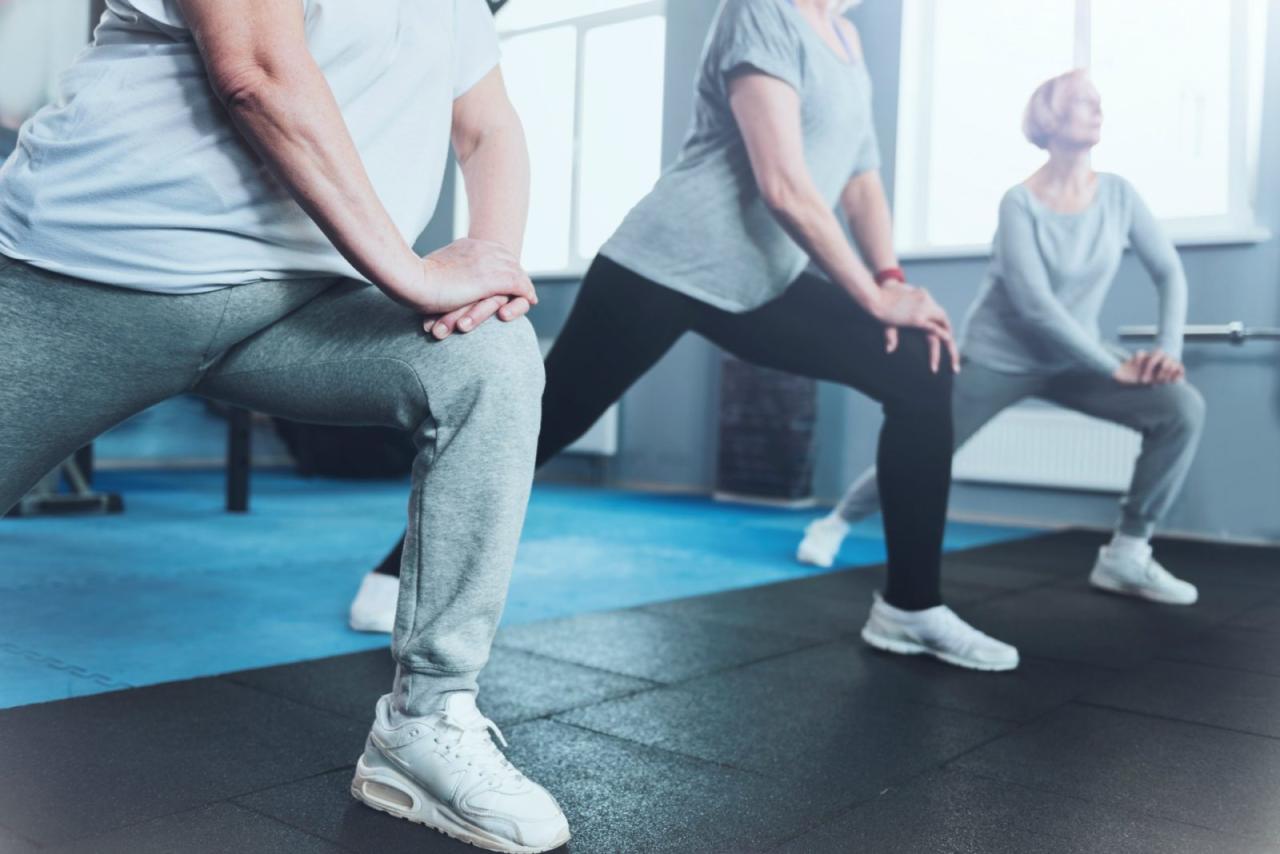
Exercising during pregnancy can be a wonderful way to maintain physical and mental well-being. However, it’s natural to have concerns about potential risks. This section addresses common anxieties and provides reassuring information.Many women experience a range of anxieties surrounding exercise during pregnancy, and it is crucial to approach these concerns with accurate information. Understanding the potential risks and benefits, and the role of healthcare providers, empowers expectant mothers to make informed decisions about their exercise routines.
Concerns about Miscarriage and Premature Labor
Concerns about miscarriage or premature labor are valid and often top of mind for expectant mothers. While exercise during pregnancy is generally safe, it’s important to acknowledge that certain activities or intensities may pose a risk to the developing fetus. However, the overwhelming consensus among medical professionals is that moderate-intensity exercise, tailored to individual needs, poses little to no risk for a healthy pregnancy.
Role of a Healthcare Provider
A healthcare provider plays a crucial role in guiding expectant mothers through their exercise journey. Their expertise is essential in determining appropriate exercise routines and intensities, taking into account individual circumstances and any pre-existing conditions. They can assess risk factors and tailor exercise recommendations to ensure the safety of both mother and child. A healthcare provider’s guidance is indispensable in navigating the exercise landscape of pregnancy.
Importance of Individualized Exercise Plans
Exercise plans during pregnancy must be individualized. Factors such as a woman’s pre-pregnancy fitness level, any pre-existing medical conditions, and the specific stage of pregnancy all influence the optimal exercise routine. A healthcare provider can create a personalized plan that considers these nuances, allowing the expectant mother to stay active and healthy while prioritizing the well-being of the developing fetus.
A one-size-fits-all approach is not suitable for pregnancy exercise.
Examples of Questions to Ask a Healthcare Provider
Consulting a healthcare professional before initiating any new exercise program is paramount. This allows for a personalized approach and the evaluation of any potential risks. A consultation should encompass a discussion about pre-existing medical conditions, the current stage of pregnancy, and the intensity and type of exercise. Here are some questions to ask your healthcare provider:
- What are the recommended exercise guidelines for my current stage of pregnancy?
- Are there any exercises I should avoid during my pregnancy?
- How can I adjust my existing exercise routine to accommodate my pregnancy?
- What is the appropriate intensity level for my pregnancy and fitness level?
- Are there any specific precautions I need to take regarding my pre-existing medical conditions?
- What are the warning signs to watch out for during exercise?
Resources and Support
Staying informed and supported throughout your pregnancy journey is crucial, especially when it comes to exercise. This section provides valuable resources to help you find the right guidance and support for a safe and enjoyable exercise routine. Finding a qualified professional and supportive community can significantly enhance your experience.Understanding the available resources and support systems empowers you to make informed choices and build a sustainable exercise plan that aligns with your individual needs and goals.
This ensures a healthy pregnancy and postpartum period.
Prenatal Fitness Classes and Programs
Prenatal fitness classes offer structured workouts tailored to the needs of pregnant women. These classes provide a supportive environment where you can learn safe exercise techniques, connect with other expecting mothers, and receive personalized guidance from qualified instructors. Look for classes led by certified prenatal instructors, emphasizing proper form, modifications, and safety considerations. Many community centers, gyms, and hospitals offer these programs.
Credible Websites and Organizations
Numerous websites and organizations provide valuable information and resources on exercise during pregnancy. These resources offer comprehensive guidance, safety tips, and exercise suggestions. Consider consulting sites like the American College of Obstetricians and Gynecologists (ACOG) and the National Institutes of Health (NIH) for evidence-based information. These sources often feature articles, videos, and downloadable materials. Other reputable organizations include the March of Dimes and the Mayo Clinic.
Support Groups for Pregnant Women
Connecting with other pregnant women interested in exercise can foster a sense of community and shared experience. Support groups provide a platform to discuss challenges, share tips, and celebrate achievements together. These groups offer encouragement and motivation to stay active. Online forums and social media groups dedicated to pregnancy and fitness can also facilitate these connections.
Finding Support Groups
Finding support groups can be achieved through various methods. Local community centers, hospitals, and birthing centers often host or can direct you to support groups. Search online for “pregnancy exercise groups” or “prenatal fitness groups” in your area. Social media platforms such as Facebook and local mom groups often have dedicated pages for pregnant women and mothers, where you can locate supportive groups.
Role of Certified Prenatal Trainers
Certified prenatal trainers possess specialized knowledge and expertise in guiding pregnant women through safe and effective exercise routines. They understand the unique physical changes and needs during pregnancy and can adapt exercises accordingly. Their guidance is crucial in preventing injuries and promoting optimal physical and mental well-being throughout your pregnancy.
Benefits of Professional Guidance
Seeking professional guidance from certified prenatal trainers or instructors offers numerous benefits. Expert guidance helps you understand the specific exercises that are appropriate for your stage of pregnancy, body type, and any existing medical conditions. Professional guidance ensures that you perform exercises with proper form, reducing the risk of injuries. It also helps tailor your workouts to meet your individual needs and goals.
This personalized approach enhances the safety and effectiveness of your exercise program.
Final Summary
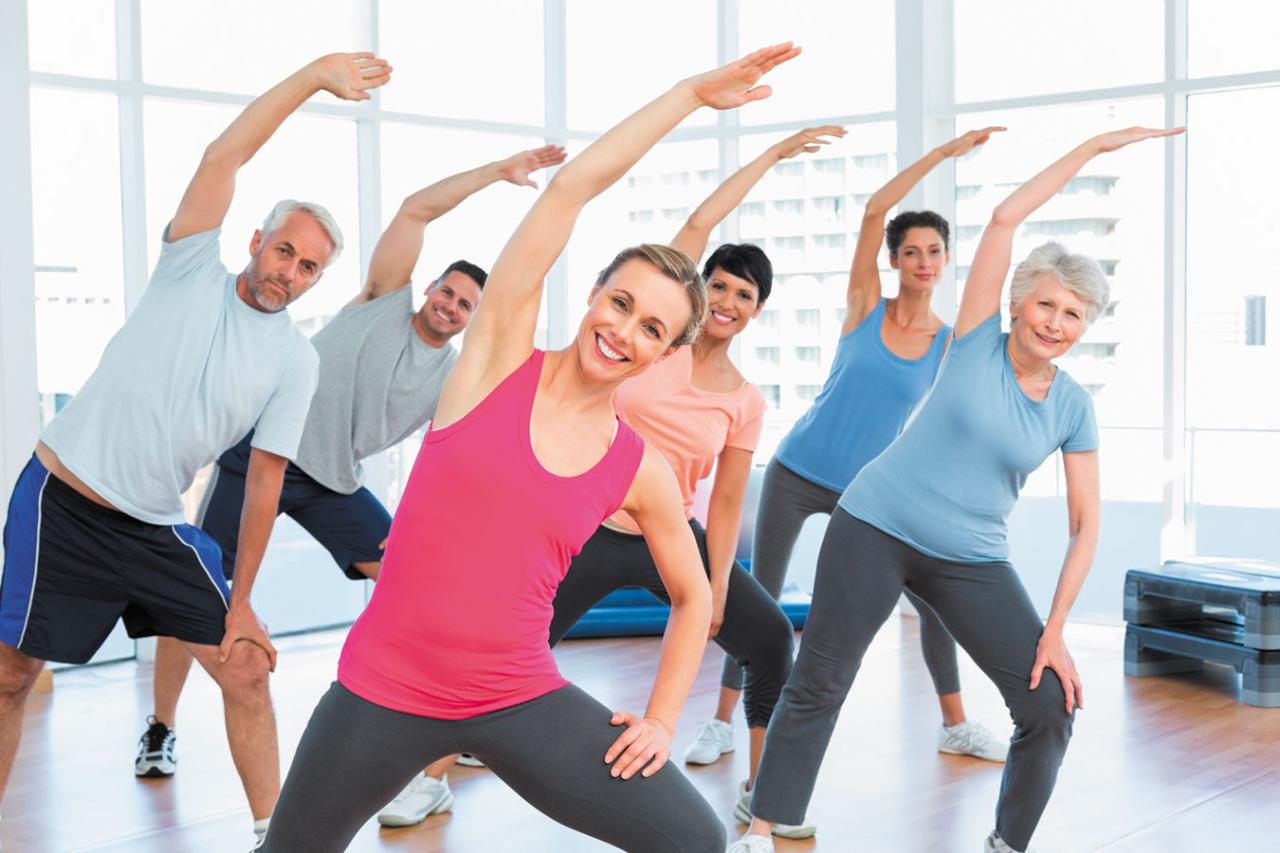
In conclusion, exercising during pregnancy is a vital component of a healthy pregnancy journey. By understanding the benefits, safety precautions, and specific exercises, expecting mothers can proactively support their well-being and the development of their baby. Remember, personalized guidance from a healthcare professional is essential for creating a tailored exercise plan that aligns with individual needs and concerns. This comprehensive guide provides a solid foundation for a safe and enjoyable exercise experience throughout your pregnancy.