Staying active is crucial for seniors to maintain their health and well-being. This comprehensive guide provides practical advice on how to exercise effectively and safely, addressing various aspects from choosing suitable types of exercise to creating personalized routines and incorporating important safety considerations. The importance of proper nutrition and hydration, along with motivational strategies, is also highlighted.
This guide delves into the essential elements of creating a successful exercise program for seniors, offering valuable insights into physical and mental benefits. It empowers seniors to take control of their health and fitness journey by providing clear explanations, practical examples, and actionable steps.
Introduction to Exercise for Seniors
Staying active is crucial for seniors, impacting both physical and mental well-being significantly. Regular exercise can help maintain independence, reduce the risk of chronic diseases, and enhance overall quality of life. This article will explore the importance of exercise for seniors, highlighting the numerous benefits and dispelling common misconceptions.Physical activity, tailored to individual abilities, is key to maintaining strength, balance, and flexibility.
This is vital for preventing falls, improving mobility, and managing conditions such as arthritis and osteoporosis. Mental well-being is also strongly tied to physical activity. Exercise releases endorphins, which have mood-boosting effects, reducing stress and combating feelings of isolation or depression.
Importance of Exercise for Seniors
Exercise is not just about physical fitness for seniors; it’s about fostering a sense of purpose and promoting mental acuity. Regular physical activity can help seniors maintain their independence, enabling them to participate more fully in social activities and hobbies. This increased mobility often leads to a greater sense of self-worth and confidence.
Benefits of Exercise for Seniors
Regular exercise offers a wide array of benefits for seniors, encompassing both physical and mental well-being.
- Improved Physical Health: Exercise strengthens muscles and bones, reducing the risk of falls and fractures. It improves cardiovascular health, helping to regulate blood pressure and cholesterol levels. Furthermore, it enhances flexibility and balance, crucial for safe movement and daily activities.
- Enhanced Mental Well-being: Exercise has a profound impact on mental health. It can alleviate symptoms of anxiety and depression, and improve cognitive function. The release of endorphins during exercise creates a positive feedback loop, promoting feelings of happiness and well-being.
- Increased Social Interaction: Group exercise classes or activities can provide opportunities for social interaction and community engagement. This can combat feelings of isolation and loneliness, which are common among seniors. Sharing experiences with peers in a supportive environment can lead to stronger social connections.
Common Misconceptions about Exercise for Seniors
Some common misconceptions prevent seniors from starting or continuing an exercise routine.
- “I’m too old to start exercising”: It’s never too late to start incorporating physical activity into your life. Even small, gradual increases in activity can make a significant difference. Consult a doctor to develop a safe and effective exercise plan tailored to your specific needs and limitations.
- “Exercise is painful or strenuous”: Exercise should be enjoyable and tailored to individual abilities. There are many accessible forms of exercise, such as walking, swimming, or gentle stretching, that can be easily incorporated into a daily routine. Finding activities that you genuinely enjoy is key to maintaining motivation.
- “I don’t have time for exercise”: Even short bursts of activity can offer significant benefits. Incorporating brief exercise periods throughout the day, such as taking the stairs instead of the elevator or walking during a phone call, can significantly improve overall fitness.
Designing a Safe and Effective Exercise Routine
A well-designed exercise routine considers individual abilities and health conditions.
- Consult with a healthcare professional: Before starting any new exercise program, it’s essential to consult a doctor or physical therapist. They can assess your current health status and recommend appropriate exercises and intensity levels.
- Start slowly and gradually increase intensity: Begin with low-impact activities and gradually increase the duration and intensity of your workouts as your fitness improves. This approach prevents injuries and promotes long-term adherence to the exercise routine.
- Focus on consistency over intensity: Regular exercise, even if performed at a moderate intensity, is more beneficial than infrequent, high-intensity workouts. Consistency builds a foundation for long-term health improvements.
Types of Exercises Suitable for Seniors
Maintaining an active lifestyle is crucial for seniors’ overall well-being. Regular exercise can significantly improve physical function, reduce the risk of chronic diseases, and enhance mental sharpness. This section will explore the various types of exercises suitable for senior citizens, highlighting their benefits, equipment needs, and example exercises, while emphasizing safety and modifications.
Low-Impact Aerobics
Low-impact aerobics are excellent choices for seniors due to their gentle nature and reduced stress on joints. These activities elevate the heart rate and improve cardiovascular health without putting excessive strain on knees, hips, and ankles. This is particularly important for seniors with pre-existing joint conditions.
| Exercise Type | Benefits | Equipment Needed | Examples |
|---|---|---|---|
| Walking | Improves cardiovascular health, strengthens bones, and boosts mood. | Comfortable shoes | Brisk walking on a flat surface, walking uphill, or incorporating intervals. |
| Swimming | Gentle on joints, improves cardiovascular health, and builds strength. | Swimsuit | Freestyle, backstroke, or other styles, maintaining a comfortable pace. |
| Water Aerobics | Low-impact, improves cardiovascular health, and builds strength in a supportive environment. | Swimsuit, water aerobics class equipment (optional) | Various movements like arm circles, leg lifts, and water walking. |
The rationale behind choosing low-impact exercises for senior citizens stems from the natural wear and tear on joints that occurs with age. These exercises minimize the risk of injuries and promote long-term participation.
Strength Training
Strength training is essential for maintaining muscle mass and bone density, which often decline with age. This type of exercise can improve balance, mobility, and reduce the risk of falls. It’s important to use weights that are manageable and appropriate for individual strength levels.
| Exercise Type | Benefits | Equipment Needed | Examples |
|---|---|---|---|
| Resistance Bands | Affordable and portable, provides variable resistance, and can be used for a wide range of exercises. | Resistance bands | Bicep curls, triceps extensions, leg presses, and rows. |
| Light Weights | Builds strength, increases bone density, and improves muscle tone. | Dumbbells or hand weights | Bicep curls, shoulder presses, and leg extensions, starting with lighter weights. |
| Bodyweight Exercises | Requires no equipment, improves strength, and can be performed at home or in a park. | None | Chair squats, wall push-ups, and lunges. |
Balance Exercises
Balance exercises are crucial for seniors to maintain stability and prevent falls. Regular practice can improve coordination and reaction time.
| Exercise Type | Benefits | Equipment Needed | Examples |
|---|---|---|---|
| Standing on one leg | Improves balance and proprioception. | None | Holding onto a chair or wall for support initially, gradually increasing time spent balancing. |
| Heel-to-toe walking | Enhances balance and coordination. | None | Taking slow, deliberate steps with heel touching the toe of the opposite foot. |
| Tai Chi | Improves balance, flexibility, and mindfulness. | None | Slow, flowing movements that focus on balance and posture. |
Incorporating flexibility and balance training into senior exercise routines is paramount. Stretching exercises can maintain joint mobility, alleviate stiffness, and enhance overall flexibility, while balance exercises reduce the risk of falls, a significant concern for seniors. By combining various exercise types, seniors can achieve a well-rounded fitness program tailored to their individual needs and capabilities.
Safety Considerations and Precautions
Prioritizing safety is paramount when introducing exercise into a senior’s routine. A well-structured exercise program, tailored to individual needs and limitations, is essential for promoting physical well-being and preventing potential injuries. Understanding potential risks and implementing appropriate safety measures can significantly enhance the overall experience and outcome.
Essential Safety Precautions Before Starting
Safety precautions are critical before embarking on any exercise program, especially for seniors. These precautions help mitigate potential risks and ensure a smooth and safe transition into a new routine. A comprehensive understanding of personal limitations is crucial for designing a safe and effective exercise program.
- Thorough Medical Consultation: Consulting a physician before starting any exercise program is essential. This consultation allows the doctor to assess the senior’s overall health, identify any underlying conditions, and recommend suitable exercises. This personalized approach ensures that the exercise regimen aligns with the individual’s specific needs and health status. Doctors can provide valuable insights into potential limitations and necessary modifications to exercise routines.
- Realistic Goals and Gradual Progression: Setting achievable goals and gradually increasing the intensity and duration of exercise is vital. Rapid increases in activity can strain the body, potentially leading to injuries. A slow and steady progression allows the body to adapt to the new demands of exercise. This approach reduces the risk of overuse injuries and ensures a positive experience.
- Proper Warm-up and Cool-down: A thorough warm-up prepares the body for exercise by increasing blood flow to muscles and increasing flexibility. This step is crucial in reducing the risk of muscle strains and tears. Similarly, a cool-down period helps the body gradually return to its resting state, promoting recovery and reducing the likelihood of post-exercise discomfort.
- Monitoring for Pain: Understanding and recognizing the body’s signals is critical. Persistent or increasing pain during exercise signals a potential issue and requires immediate attention. Pain should not be ignored; instead, it should be acknowledged and addressed promptly. Stopping the exercise and consulting a medical professional is recommended.
Importance of Consulting a Doctor
A pre-exercise consultation with a healthcare professional is not merely a formality; it’s a fundamental aspect of safety. It provides the personalized guidance needed to tailor an exercise program to the individual’s unique circumstances and medical history. A physician can identify potential health concerns that might contraindicate certain exercises, ensuring the safety and efficacy of the program. The consultation helps determine suitable exercise types, intensities, and durations.
Safety Checklist for Senior Exercise Programs
A comprehensive safety checklist ensures that seniors have all the necessary tools and support to participate safely in their exercise programs. This checklist serves as a practical guide to help individuals and caregivers.
- Appropriate Footwear: Wearing supportive and comfortable footwear is crucial to prevent foot and ankle injuries. Proper footwear absorbs shock, provides stability, and reduces the risk of falls.
- Comfortable Clothing: Loose-fitting clothing that allows for freedom of movement is essential. Comfortable clothing ensures adequate ventilation and minimizes discomfort during exercise.
- Accessible Water Supply: Staying hydrated is critical during exercise. Easy access to water throughout the exercise session prevents dehydration and heat-related illnesses.
- Supervision or Support: If possible, having a friend, family member, or trained professional provide support during exercise sessions can enhance safety. Supervision helps ensure that individuals do not overexert themselves or perform exercises incorrectly.
Modifying Exercises for Physical Limitations
Modifying exercises to accommodate various physical limitations is crucial for ensuring safety and effectiveness. Adaptations can be made to maintain the benefits of exercise while minimizing risks. This individualized approach caters to the specific needs of each senior.
- Adjusting Intensity and Duration: Exercise intensity and duration should be adjusted based on the senior’s capabilities. Starting with shorter durations and lower intensities allows the body to gradually adapt to the demands of exercise.
- Modifying Exercise Types: Some seniors might find certain exercises challenging. Switching to alternative exercises that achieve similar benefits is an effective solution. For example, using a chair for some exercises can significantly reduce strain and risk.
- Using Adaptive Equipment: Adaptive equipment, such as resistance bands or weighted vests, can be incorporated to modify exercises and increase intensity gradually.
Common Exercise Injuries in Seniors and Prevention
Understanding common exercise-related injuries in seniors and the methods to prevent them is critical for safe participation. These injuries often stem from improper form, overuse, or lack of adequate warm-up. Preventing these issues is vital for maintaining long-term health and well-being.
- Muscle Strains and Tears: Muscle strains and tears are common, especially with improper form or inadequate warm-up. Stretching and proper form during exercises can significantly reduce the risk of such injuries.
- Joint Pain and Arthritis Exacerbation: Certain exercises can exacerbate joint pain or arthritis. Modifying exercise types and intensities, as well as using supportive devices, can mitigate the risk.
- Falls: Maintaining balance and stability is crucial to prevent falls. Balance exercises and proper footwear are key in preventing falls.
Exercise Routines and Schedules
Creating a consistent and enjoyable exercise routine is key to reaping the benefits of physical activity for seniors. A tailored approach, considering individual fitness levels and preferences, is crucial for safe and effective results. This section will detail sample routines, daily schedules, the importance of gradual progression, and strategies for maintaining motivation.
Sample Weekly Exercise Routines
Developing a weekly exercise plan that aligns with individual fitness levels is essential for a successful and sustainable exercise program. The routines below are examples, and adjustments are necessary to meet the unique needs of each senior. Remember to consult with a healthcare professional before starting any new exercise program.
- Beginner Routine (2-3 days/week): This routine focuses on low-impact activities like walking, chair exercises, and gentle stretching. It emphasizes building a foundation of fitness and gradually increasing activity levels. For example, a 30-minute walk three times a week, followed by 15 minutes of chair exercises and stretching.
- Intermediate Routine (3-4 days/week): This routine incorporates a wider range of activities, including brisk walking, water aerobics, and light weight training. It builds on the foundation established in the beginner routine, gradually increasing the intensity and duration of exercise. For example, a 45-minute brisk walk, 30 minutes of water aerobics, and light weight training (using resistance bands) for 20 minutes.
- Advanced Routine (4-5 days/week): This routine includes more vigorous activities such as swimming, cycling, and strength training. It assumes a higher fitness level and involves a greater intensity and duration of exercise compared to the other routines. For example, a 60-minute swim, 45 minutes of cycling, and 30 minutes of strength training using weights.
Sample Daily Exercise Schedule
A structured daily schedule helps seniors integrate exercise into their daily routine. This table provides a sample schedule, adaptable to individual preferences and needs. Always prioritize listening to your body and taking rest days when needed.
| Time | Activity | Duration | Description |
|---|---|---|---|
| Morning (7:00-8:00 AM) | Walking | 30 minutes | A leisurely walk around the neighborhood or in a park. |
| Afternoon (12:00-1:00 PM) | Chair Exercises | 15 minutes | Gentle stretches and strength exercises performed while seated. |
| Evening (6:00-7:00 PM) | Stretching and Relaxation | 15 minutes | Gentle stretching to improve flexibility and relaxation techniques like deep breathing. |
Gradual Progression
Gradual progression is essential for seniors to avoid injuries and maximize the benefits of exercise.
Increasing the intensity, duration, or frequency of exercise too quickly can lead to strain or injury. Start with shorter durations and lower intensities, gradually increasing them as fitness improves. This ensures a safe and sustainable exercise journey.
Rest and Recovery
Adequate rest and recovery are crucial components of any exercise program for seniors. Rest days allow the body to repair and rebuild muscle tissue, preventing overtraining and promoting overall well-being. Incorporating rest days into the weekly schedule helps to prevent injuries and promote better results. Listening to your body and taking rest days when needed is vital for maintaining long-term exercise habits.
Motivational Strategies
Finding ways to stay motivated is essential for maintaining a consistent exercise routine. Consider the following suggestions:
- Set Realistic Goals: Break down large goals into smaller, achievable steps. Celebrating milestones, no matter how small, boosts motivation.
- Find an Exercise Buddy: Exercising with a friend or family member can provide encouragement and accountability.
- Vary Activities: Exploring different activities keeps exercise interesting and prevents boredom.
- Reward Yourself: Rewarding yourself for achieving exercise goals can reinforce positive behavior.
Equipment and Resources for Seniors

Embarking on an exercise journey as a senior can be greatly facilitated by the appropriate equipment and access to supportive resources. This section will Artikel essential tools, practical examples, and safety considerations, while also highlighting the value of local support programs.Proper equipment and accessible resources are crucial for safe and effective exercise for seniors. Choosing the right tools and programs tailored to individual needs can significantly enhance the exercise experience and contribute to improved physical and mental well-being.
Essential Exercise Equipment
Selecting suitable equipment is a key aspect of creating a safe and effective exercise routine for seniors. Essential items, carefully chosen and used, can make a significant difference in their exercise journey.
- Resistance Bands: These are lightweight, portable, and versatile tools for strength training. Resistance bands offer a wide range of resistance levels, allowing seniors to gradually increase the intensity of their workouts as their strength improves. They are excellent for exercises targeting major muscle groups, and their portability makes them ideal for home workouts or on-the-go activities.
- Stability Balls: These balls promote core strength and balance. Using a stability ball for exercises like seated rows or chest presses can engage more muscles, improving coordination and stability. This is particularly beneficial for seniors aiming to enhance their balance and prevent falls.
- Adjustable Dumbbells: Adjustable dumbbells allow for progressive overload, adapting to changing strength levels. Seniors can adjust the weight as their strength increases, ensuring continuous improvement and challenging their muscles. This feature is especially valuable for personalized strength training programs.
- Yoga Mats: These provide cushioning and support during floor exercises, minimizing the risk of injuries. They are also helpful for maintaining proper posture and alignment during various yoga or stretching routines. Yoga mats offer comfort and stability for a more pleasant and effective workout.
Affordable and Accessible Equipment Options
Many affordable and accessible options are available for seniors to support their exercise goals. Finding options within their budget and readily available at local retailers is vital.
- Chair Exercises: Chairs can be a key component of a senior’s exercise routine. Simple chair exercises like leg raises, arm stretches, and chair squats are effective and safe. These exercises require no special equipment and can be performed at home.
- Walking: Walking is an excellent low-impact exercise for seniors. Walking shoes are a basic requirement and can be readily available at most retailers. Walking in parks or on trails offers additional mental benefits alongside physical health improvement.
- Free Weights: Free weights, such as water bottles or cans filled with sand, can be substituted for dumbbells. These are cost-effective and readily available options that allow seniors to perform a wide range of strength training exercises.
Safe and Effective Use of Exercise Equipment
Safe use of exercise equipment is paramount for preventing injuries and maximizing benefits. Proper guidance and technique are essential components.
- Proper Form: Maintaining proper form during exercises is crucial to avoid injuries. Seeking guidance from a qualified instructor or physical therapist is vital for ensuring correct posture and technique.
- Gradual Progression: Starting with lighter weights or resistance levels and gradually increasing intensity is essential for seniors. This approach helps prevent strain and builds strength progressively.
- Listen to Your Body: It’s essential for seniors to recognize the signals their bodies provide. Stopping if experiencing pain or discomfort is a key safety measure.
Benefits of Assistive Devices
Assistive devices can enhance safety and independence during exercise. Using them correctly and in conjunction with other exercises is a crucial aspect.
- Walking Aids: Walking aids, such as canes or walkers, provide stability and support, reducing the risk of falls during exercise routines. Proper use can significantly improve balance and confidence during walking exercises.
- Grab Bars: Grab bars in bathrooms and other areas provide support and stability, preventing falls and injuries during activities such as getting up from a chair or transferring from a bed to a chair.
Local Resources for Exercise Programs
Local resources can offer valuable support and guidance for seniors embarking on an exercise journey. Many community centers and senior centers provide structured exercise programs.
- Community Centers: Community centers often offer exercise classes tailored to seniors, providing a supportive environment and guidance from trained professionals.
- Senior Centers: Senior centers are dedicated to the needs of seniors, often offering exercise classes, workshops, and support groups.
Nutrition and Hydration for Seniors Exercising
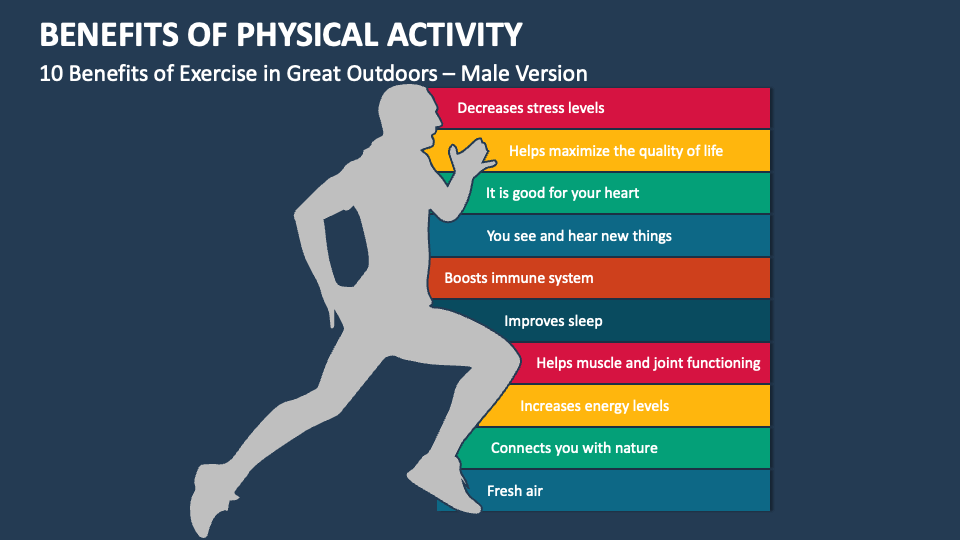
Proper nutrition and hydration are crucial for seniors engaging in exercise. A balanced diet provides the necessary energy and nutrients for physical activity, while adequate hydration supports bodily functions during and after workouts. This section explores the vital role of nutrition and hydration in supporting senior exercise routines.Maintaining a healthy diet and hydration regimen is essential for seniors who exercise regularly.
This helps prevent fatigue, muscle soreness, and other potential health issues. Adequate energy intake is needed to fuel the body during exercise, while specific nutrients aid in muscle repair and recovery. Hydration is paramount, especially during and after physical activity, to replace lost fluids and maintain optimal bodily function.
Role of Nutrition in Supporting Senior Exercise Routines
Nutrition plays a vital role in supporting senior exercise routines. A balanced diet rich in essential nutrients fuels the body for physical activity, aids in muscle repair, and promotes overall well-being. The right combination of macronutrients—carbohydrates, proteins, and fats—provides the energy needed for exercise and supports recovery.
- Carbohydrates are the primary source of energy for exercise. Complex carbohydrates, found in whole grains, fruits, and vegetables, provide sustained energy release, which is beneficial for prolonged workouts.
- Protein is essential for muscle repair and growth. Lean protein sources, such as fish, poultry, beans, and lentils, support muscle recovery after exercise, reducing soreness and promoting strength gains.
- Fats, while sometimes perceived as unhealthy, are necessary for hormone production and nutrient absorption. Healthy fats, such as those found in avocados, nuts, and seeds, are vital for overall health and support exercise performance.
Importance of Hydration for Seniors During and After Exercise
Adequate hydration is paramount for seniors during and after exercise. Fluid loss through sweat during physical activity can lead to dehydration, negatively impacting performance and overall health. Maintaining proper hydration levels is crucial for preventing fatigue, muscle cramps, and other potential complications.
- Pre-exercise hydration is essential to start the workout with adequate fluid levels. Seniors should drink water or other non-sugary beverages in the hours leading up to their exercise.
- Hydration during exercise is equally important. Seniors should sip water or sports drinks at regular intervals, especially during prolonged or intense workouts.
- Post-exercise hydration is crucial to replace fluids lost through sweat. Consuming water or electrolyte drinks helps replenish the body’s fluids and support recovery.
Comparing Food Options for Senior Exercise Needs
The following table provides a comparison of different food options, considering their nutritional value and suitability for senior exercise needs.
| Food Option | Macronutrients (approximate) | Benefits for Exercise |
|---|---|---|
| Lean Protein (Chicken Breast) | High protein, low fat | Supports muscle repair and growth, promotes satiety |
| Complex Carbohydrates (Brown Rice) | High fiber, moderate carbohydrates | Provides sustained energy release, aids digestion |
| Healthy Fats (Avocado) | Moderate fat, vitamins, minerals | Supports hormone production, nutrient absorption, promotes satiety |
| Fruits and Vegetables (Berries) | Low calories, high vitamins and minerals | Provides antioxidants, supports overall health, promotes satiety |
| Dairy Products (Low-fat Yogurt) | Protein, calcium, vitamin D | Supports bone health, muscle function, and overall health |
Importance of Portion Control for Seniors
Portion control is crucial for seniors, especially those exercising regularly. Consuming appropriate portions of food helps maintain a healthy weight, preventing excess calorie intake and promoting overall health. Overeating can lead to digestive issues, weight gain, and other potential health problems.
Proper portion control is essential for maintaining a healthy weight and managing energy levels.
Meal Planning Tips for Seniors Who Exercise Regularly
Planning meals ahead of time can be helpful for seniors who exercise regularly. This helps ensure they consume adequate nutrients and maintain a balanced diet. A well-planned meal schedule ensures the body receives the energy and nutrients needed for exercise and recovery.
- Meal frequency: Spread meals throughout the day to maintain stable blood sugar levels and energy.
- Pre-exercise snacks: Include snacks rich in carbohydrates to provide quick energy for workouts. Examples include whole-grain crackers with avocado or a small bowl of fruit.
- Post-exercise meals: Consume protein-rich foods to aid in muscle repair and recovery. Examples include grilled fish with brown rice or a lentil soup.
- Hydration schedule: Carry a water bottle and sip on water throughout the day, especially during and after exercise.
Mental Benefits of Exercise for Seniors

Exercise is more than just physical activity for seniors; it significantly impacts mental well-being. Regular physical activity can combat feelings of isolation and loneliness, fostering a sense of community and purpose. This can be particularly important for seniors who may be experiencing reduced social interaction due to age or other factors. The mental benefits of exercise extend beyond simple mood enhancement, impacting cognitive function, stress levels, and sleep quality.Engaging in regular physical activity can have profound effects on mental health, contributing to a positive and fulfilling life for seniors.
Improved mood, reduced stress, and enhanced sleep quality are just a few of the ways exercise contributes to overall well-being. This section explores the multifaceted mental advantages of exercise for seniors, highlighting the importance of incorporating physical activity into daily routines.
Positive Impact on Mental Health
Regular exercise can significantly improve mental health in seniors, combating symptoms of depression and anxiety. Physical activity stimulates the release of endorphins, natural mood boosters that have a positive impact on emotional well-being. This is a crucial factor in maintaining mental resilience and a positive outlook on life. Exercise can also help to alleviate feelings of stress and anxiety, fostering a sense of calm and well-being.
Exercise and Stress Reduction
Physical activity serves as a powerful stress reliever for seniors. Exercise diverts attention away from stressors and promotes relaxation. The physical exertion associated with exercise can also help to regulate the body’s stress response system, reducing the impact of stress hormones like cortisol. Engaging in activities like walking, swimming, or yoga can help seniors manage stress effectively and improve their overall mental health.
Exercise and Improved Sleep Quality
Exercise is strongly linked to improved sleep quality for seniors. Regular physical activity can help regulate the body’s natural sleep-wake cycle, leading to more restful and restorative sleep. Moderate-intensity exercise is generally recommended, as excessive or strenuous activity close to bedtime can have the opposite effect. The improved sleep quality translates into increased alertness, focus, and overall well-being.
Incorporating Mindfulness and Relaxation Techniques
Mindfulness and relaxation techniques can be seamlessly integrated into exercise routines for seniors to enhance their mental benefits. Activities such as deep breathing exercises, guided imagery, or progressive muscle relaxation can be practiced during or after exercise. These techniques can help seniors to manage stress, reduce anxiety, and promote a sense of calm. Yoga and Tai Chi are excellent examples of exercises that incorporate mindfulness and relaxation principles.
Comparison of Mental Benefits of Different Exercises
Different types of exercise can offer unique mental benefits to seniors. Aerobic exercises, such as brisk walking or swimming, can boost mood and reduce feelings of anxiety. Strength training exercises, like weightlifting or resistance band workouts, can improve self-esteem and confidence. Mind-body exercises, such as yoga or Tai Chi, can enhance mindfulness, reduce stress, and improve balance.
Each type of exercise offers a distinct approach to improving mental well-being, allowing seniors to find activities they enjoy and that best suit their individual needs and preferences.
Motivational Strategies for Seniors
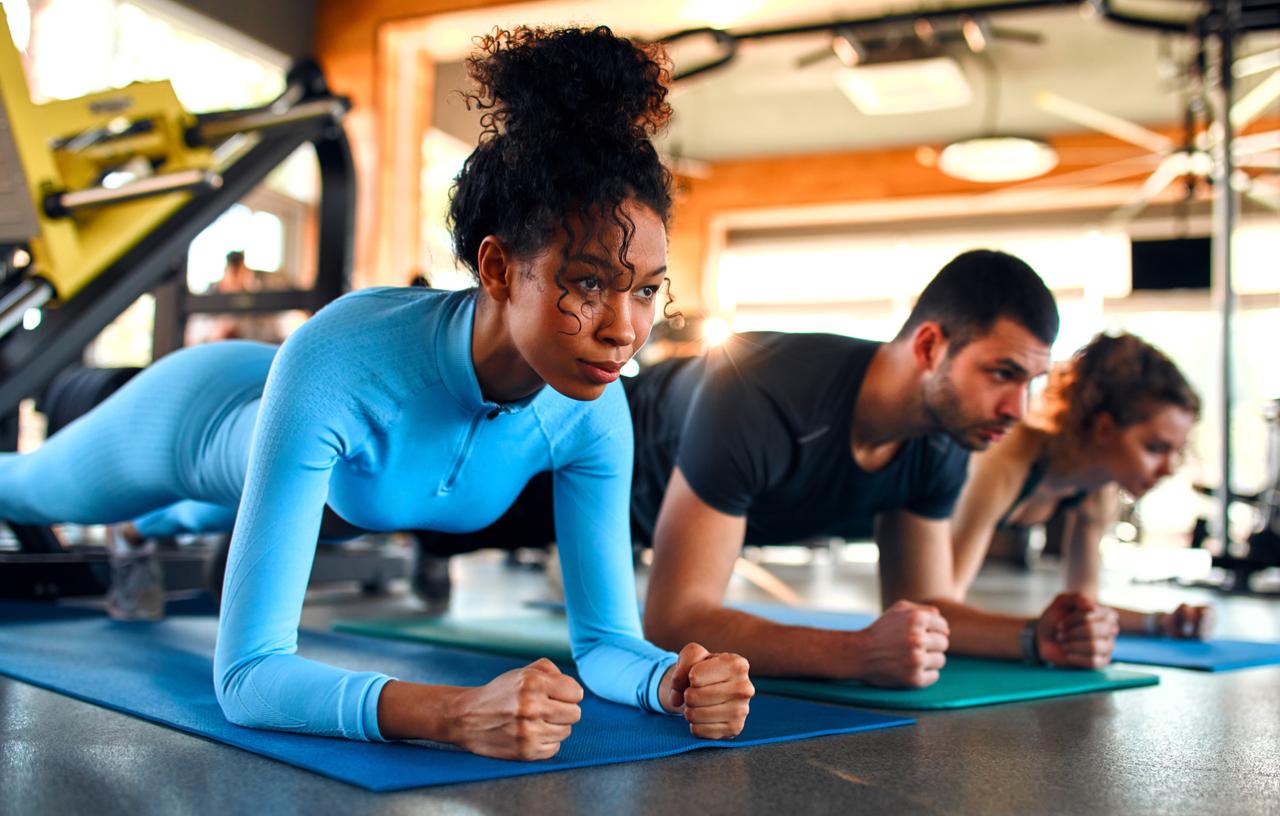
Maintaining a consistent exercise routine can be challenging for seniors, but with the right strategies, it can become a rewarding and enjoyable part of their lives. Motivation plays a crucial role in adherence to exercise programs, and tailored approaches are essential for success. Understanding the unique needs and preferences of seniors is key to fostering a positive and sustainable exercise habit.Successful exercise programs for seniors rely heavily on motivation.
Seniors often face obstacles such as physical limitations, social isolation, and decreased motivation, requiring personalized strategies to address these challenges. This section will explore strategies for fostering a positive and lasting commitment to exercise.
Setting Realistic Goals
Setting achievable goals is fundamental for motivation and success in any exercise program. Vague or overly ambitious goals can lead to discouragement and abandonment. Seniors should focus on gradual progress, recognizing that even small improvements contribute to overall well-being. Realistic goals should be tailored to individual capabilities and health conditions. For example, a senior with limited mobility might start with short walks around the neighborhood, gradually increasing duration and distance over time.
Incorporating Exercise into Social Activities
Engaging in social activities that incorporate exercise can significantly enhance motivation and enjoyment. Group exercise classes, walking clubs, or even simple gatherings with friends for walks can create a supportive environment and encourage regular participation. Shared experiences and camaraderie can motivate seniors to maintain their exercise routine.
Creating a Supportive Environment
A supportive environment plays a critical role in maintaining motivation. Encouraging family members and friends to participate in the exercise journey can foster a sense of shared responsibility. Regular check-ins, positive reinforcement, and celebrating milestones are crucial components of a supportive environment. This support system can be a strong motivator for seniors. Consider enlisting the help of a family member or friend to accompany seniors during their exercise routines.
Inspirational Stories of Successful Seniors
Many seniors have successfully integrated exercise into their lives, demonstrating the power of perseverance and commitment. One example is Mrs. Emily Carter, a 78-year-old woman who started walking for 15 minutes daily. Over time, she increased her walking duration and incorporated other activities like water aerobics. Her dedication has not only improved her physical health but also her mental well-being and social connections.
Numerous such stories highlight the positive impact of exercise on the lives of seniors. By sharing stories of successful seniors, others can be inspired to embark on their own fitness journeys.
Concluding Remarks
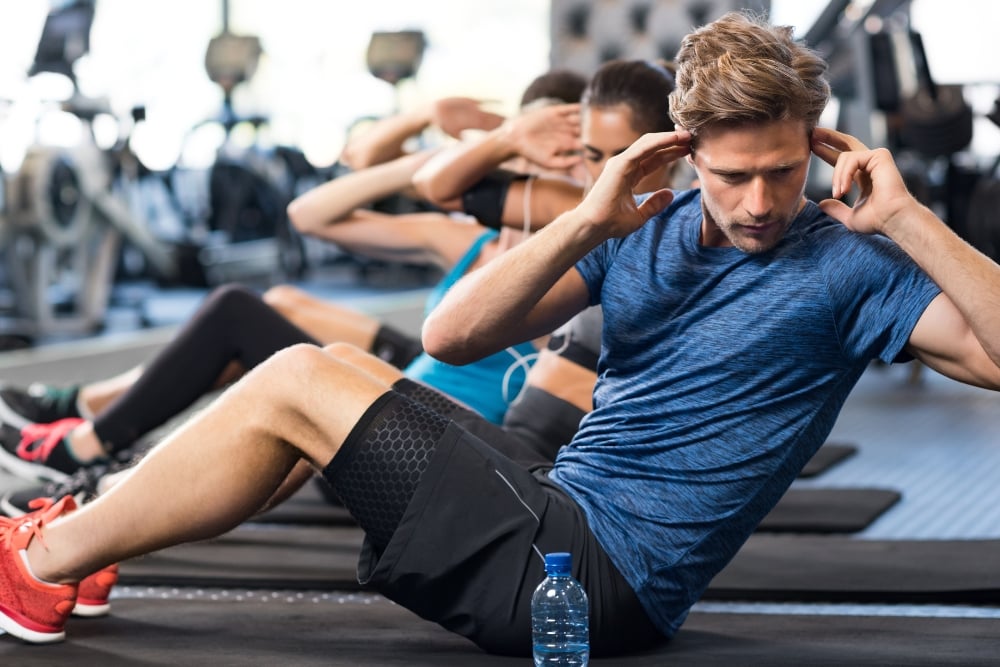
In conclusion, exercising for seniors is not just about physical activity, but also about enhancing overall well-being. By understanding the appropriate types of exercises, safety precautions, and motivational strategies, seniors can embark on a journey towards a healthier and more fulfilling life. This guide provides a solid foundation for creating personalized exercise plans, ensuring a safe and effective approach to fitness.