Tabata training, a high-intensity interval training (HIIT) method, offers a powerful approach to fitness. This comprehensive guide delves into the intricacies of Tabata, providing a structured framework for successful implementation. From exercise selection to workout structure, safety precautions, and nutritional considerations, we’ll cover everything you need to maximize your Tabata experience.
Discover the science behind Tabata, understand its benefits, and learn how to tailor your workouts to your specific fitness level and goals. This detailed breakdown equips you with the knowledge to embark on a transformative fitness journey.
Introduction to Tabata Training

Tabata training is a highly effective form of high-intensity interval training (HIIT) that involves short bursts of intense exercise followed by brief recovery periods. This structured approach to exercise is designed to maximize calorie burn, improve cardiovascular health, and enhance muscular endurance. Its popularity stems from its efficiency, requiring minimal time commitment for significant results.This method, developed by Izumi Tabata, focuses on pushing the body to its limits during short bursts of exercise, allowing for optimal physiological adaptations.
The key to its effectiveness lies in the carefully calibrated combination of high-intensity work and short rest periods. By cycling through these intervals, Tabata training stimulates significant metabolic and physiological changes, leading to improvements in fitness and well-being.
Definition and Key Elements
Tabata training is a specific form of high-intensity interval training (HIIT) characterized by 20 seconds of maximum-effort exercise followed by 10 seconds of rest, repeated eight times for a total workout duration of four minutes. This cyclical pattern of intense work and brief recovery is the defining characteristic of Tabata. The high intensity is crucial, pushing the cardiovascular system to its limit, while the short rest periods prevent the body from fully recovering, maximizing the metabolic response.
Benefits of Tabata Training
Tabata training offers a multitude of benefits for individuals seeking to improve their physical fitness and overall health. It significantly enhances cardiovascular health by improving heart rate variability and stroke volume, leading to a more efficient cardiovascular system. Moreover, the high-intensity nature of the workouts promotes significant fat burning, contributing to weight management and body composition improvements. The training also effectively builds muscular endurance, allowing for sustained physical activity over time.
Historical Overview
The Tabata protocol was developed in the 1990s by Izumi Tabata at the National Institute of Fitness and Sports in Japan. The study, focusing on the effects of the specific training protocol on improving aerobic capacity and anaerobic power in athletes, established the foundation for Tabata’s recognition. Over time, Tabata training has evolved into a popular fitness method used by athletes and individuals across various fitness levels.
Its principles have also been incorporated into other HIIT programs, demonstrating its adaptability and effectiveness in diverse contexts.
Comparison with Other HIIT Methods
| Feature | Tabata Training | Other HIIT Methods |
|---|---|---|
| Work Interval | 20 seconds | Variable, ranging from 15-60 seconds |
| Rest Interval | 10 seconds | Variable, ranging from 10-30 seconds |
| Repetition | 8 rounds | Variable, depending on the chosen protocol |
| Total Duration | 4 minutes | Variable, depending on the protocol |
| Focus | Maximizing physiological responses in short timeframes | Improving overall fitness and endurance through varying intensities |
The table above provides a concise comparison of Tabata training with other HIIT methods, highlighting the distinct characteristics of Tabata, including its specific work-to-rest ratio and total duration. Other HIIT methods often employ different work and rest intervals, tailoring the intensity and duration to suit specific goals.
Exercise Selection for Tabata
Tabata training demands high-intensity, short bursts of exercise followed by brief recovery periods. Selecting appropriate exercises is crucial for maximizing results and minimizing injury risk. The key is to choose exercises that are effective, safe, and adaptable to different fitness levels.Careful consideration of exercise selection ensures a productive and enjoyable Tabata experience. Understanding the different types of exercises, their suitability for various fitness levels, and how to modify them for safety and effectiveness is paramount.
Suitable Exercises by Muscle Group
A well-rounded Tabata workout targets multiple muscle groups. Choosing exercises that effectively work different muscle groups is essential for overall fitness improvement. This section Artikels suitable exercises for various muscle groups, ensuring a comprehensive workout.
- Legs: Squats, lunges, jump squats, and jump rope are excellent options for leg workouts. These exercises work multiple muscle groups in the legs, including quadriceps, hamstrings, and glutes. Variations in depth, tempo, and resistance allow for adjustments based on fitness level.
- Arms: Push-ups (modified for beginners), arm circles, and dumbbell rows effectively target arm muscles. The variety of exercises ensures a comprehensive workout for the arms, shoulders, and back.
- Core: Crunches, planks, mountain climbers, and Russian twists are effective core exercises. These exercises build strength and stability in the core muscles, improving overall body posture and stability.
Exercise Adaptation for Different Fitness Levels
Tabata training is designed to be adaptable to different fitness levels. The key is to modify the exercises to match the individual’s current fitness level.
- Beginner: Beginners should focus on controlled movements and lower repetitions. Modifications like using lighter weights, reducing the depth of exercises, or performing the exercise on your knees can help ensure safety and effectiveness. Examples include modified push-ups, incline rows, or seated rows.
- Intermediate: Intermediate exercisers can gradually increase the intensity by adding more repetitions, using moderate weights, or performing the exercises with higher intensity. Examples include regular push-ups, jump squats, or incline dumbbell rows.
- Advanced: Advanced exercisers can push the limits by increasing the weight, performing exercises with higher intensity, or adding more repetitions. Examples include plyometric push-ups, jump lunges, or barbell squats.
Exercise Modifications for Safety and Effectiveness
Proper modifications are vital to ensure safety and effectiveness, particularly for individuals with physical limitations or conditions.
- Physical Limitations: Individuals with joint pain, back issues, or other physical limitations can modify exercises to avoid exacerbating these conditions. Examples include using resistance bands instead of weights, performing exercises with less intensity, or modifying the exercise form to reduce strain on affected joints.
- Safety Considerations: Always maintain proper form to prevent injuries. Using proper form and focusing on controlled movements is essential to prevent injuries. Consult with a healthcare professional or qualified fitness trainer before starting any new exercise program, especially if you have pre-existing conditions.
Sample Tabata Workout Plan
This sample plan demonstrates how to structure a Tabata workout.
| Exercise | Description | Reps (10 seconds) | Rest (20 seconds) |
|---|---|---|---|
| Burpees | Full-body exercise involving a squat, push-up, and jump | 10 | 20 |
| Mountain Climbers | Dynamic core exercise | 10 | 20 |
| Jumping Jacks | Cardiovascular exercise | 10 | 20 |
| High Knees | Cardiovascular exercise | 10 | 20 |
Structure and Timing of Tabata Workouts
Tabata training, renowned for its effectiveness in improving cardiovascular fitness and muscular endurance, hinges on a precise and structured approach to timing and intensity. Understanding the workout’s framework is crucial for maximizing results and preventing injury. This section details the specific timing structure, emphasizing the importance of maintaining intensity and the correct measurement methods.The Tabata protocol is a high-intensity interval training (HIIT) method characterized by short bursts of intense exercise followed by brief recovery periods.
Adhering to the prescribed timing is essential for achieving the desired physiological adaptations.
Precise Timing Structure
The Tabata protocol meticulously defines the duration of work and rest periods. Each exercise cycle comprises eight rounds of 20 seconds of intense work followed by 10 seconds of rest. This pattern repeats for all exercises in the workout. This precise structure creates an environment that maximizes metabolic stress and elicits significant physiological responses.
Importance of Maintaining Tempo and Intensity
Maintaining a consistent tempo and intensity throughout the workout is paramount. The 20 seconds of work should be performed with maximum effort, while the 10-second rest period is used for active recovery, allowing the body to prepare for the next burst of activity. Fluctuations in tempo or intensity can compromise the effectiveness of the workout.
Measuring and Tracking Workout Time and Rest Periods
Accurate measurement and tracking of workout time and rest periods are crucial for ensuring adherence to the Tabata protocol. A timer, either on a watch or phone, is essential for this. It’s recommended to use a timer that displays both work and rest times clearly. Using a timer app or watch feature that provides audio cues for transitions can also aid in maintaining the required pace.
Example 4-Exercise Tabata Workout
The following table Artikels a sample 4-exercise Tabata workout, showing the exercise name, work time, rest time, and total time per exercise. This table helps visualize the precise structure and timing of the workout.
| Exercise | Work Time (seconds) | Rest Time (seconds) | Total Time (seconds) |
|---|---|---|---|
| Burpees | 20 | 10 | 160 |
| Mountain Climbers | 20 | 10 | 160 |
| Jumping Jacks | 20 | 10 | 160 |
| High Knees | 20 | 10 | 160 |
This structure allows for a complete and structured Tabata workout, ensuring adherence to the protocol for optimal results. Remember to adjust the exercises according to your fitness level and capabilities.
Warm-up and Cool-down Procedures
Proper warm-up and cool-down routines are essential components of any exercise program, especially high-intensity workouts like Tabata. These preparatory and recovery phases help to minimize the risk of injury, optimize performance, and maximize the benefits of the training. A well-structured warm-up prepares the body for the demands of the Tabata workout, while a suitable cool-down aids in muscle recovery and flexibility.The warm-up phase gradually increases blood flow to the muscles, improves joint mobility, and elevates the heart rate, preparing the cardiovascular system for the intense exercise to follow.
Similarly, a cool-down helps the body transition from exercise to rest, allowing for a controlled return to normal physiological states. This period aids in preventing muscle soreness, promoting recovery, and improving long-term flexibility.
Importance of Warm-up
A thorough warm-up is crucial before any Tabata training session. It prepares the body for the high-intensity intervals by gradually increasing heart rate and blood flow to the muscles. This process improves joint mobility and reduces the risk of strains or tears during the workout. Proper warm-up also helps to elevate body temperature, allowing for enhanced muscle performance and power output.
Warm-up Exercise Examples
A suitable warm-up routine should incorporate dynamic stretches that focus on the major muscle groups involved in the Tabata exercises. These movements should gradually increase the range of motion and prepare the body for the workout’s demands.
- Light Cardio: A brisk walk or a low-intensity jog for 5-7 minutes helps to elevate the heart rate and increase blood flow to the muscles.
- Dynamic Stretching: Arm circles, leg swings, torso twists, and high knees are excellent dynamic stretches that improve joint mobility and prepare the muscles for the Tabata workout. Each movement should be performed for 10-15 repetitions on each side.
- Simple Exercises: Light jumping jacks, high knees, butt kicks, or arm circles can be included to increase heart rate and enhance blood circulation to the muscles.
“A well-structured warm-up routine prepares the body for the demands of the Tabata workout, reducing the risk of injury and optimizing performance.”
Importance of Cool-down
A cool-down period is equally important after a Tabata workout. It gradually lowers the heart rate and blood pressure, allowing for a controlled return to a resting state. This process aids in muscle recovery by promoting the removal of metabolic waste products, thus minimizing muscle soreness and stiffness. Cool-down also enhances flexibility by stretching the muscles, which aids in improving range of motion and preventing future stiffness.
Cool-down Exercise Examples
The cool-down should consist of static stretches that focus on the major muscle groups worked during the Tabata workout. These stretches should be held for 20-30 seconds each, promoting muscle relaxation and flexibility.
- Static Stretching: Holding each stretch for 20-30 seconds, focusing on major muscle groups like quads, hamstrings, calves, chest, shoulders, and back. Examples include hamstring stretches, quad stretches, triceps stretches, and chest stretches.
- Light Cardio: A slow walk or light jog for 5-7 minutes helps to gradually lower the heart rate and facilitate the return to a resting state.
- Deep Breathing Exercises: Focusing on deep, controlled breathing helps to reduce stress and promote relaxation after the workout.
“A cool-down period after Tabata training is vital for muscle recovery, flexibility, and injury prevention.”
Safety Considerations and Precautions
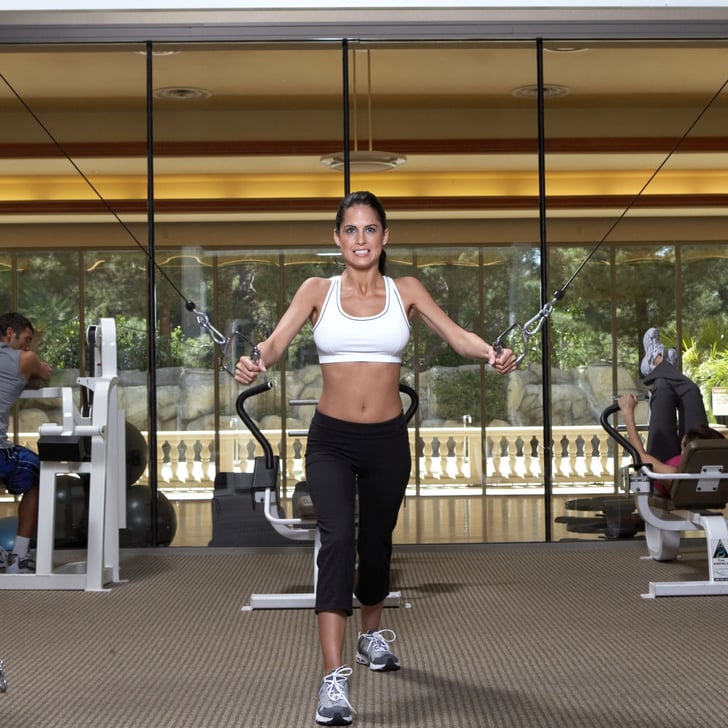
Tabata training, while highly effective, demands careful consideration of potential risks, particularly for beginners. Proper form, recognizing warning signs, and adjusting intensity are crucial for a safe and productive workout experience. Understanding the potential pitfalls and mitigating strategies will allow you to maximize the benefits of this intense training method while minimizing the chance of injury.
Potential Risks and Injuries
Tabata’s high-intensity nature and short intervals pose risks of overuse injuries, particularly for those new to intense workouts. Muscle strains, particularly in the lower body (quadriceps, hamstrings, and calves), are common due to the rapid exertion. Joint pain, especially in the knees and ankles, can also occur from repetitive stress. Furthermore, beginners might experience dizziness or lightheadedness due to the rapid exertion and elevated heart rate.
These risks are minimized with proper preparation, form, and appropriate modifications.
Guidelines for Proper Form and Technique
Maintaining proper form throughout each exercise is paramount for injury prevention. Avoid compromising form for speed or intensity. Focus on controlled movements, ensuring your body is aligned correctly. A qualified instructor can provide valuable guidance on proper form and technique. Using lighter weights or reduced repetitions, as needed, can help prevent injuries and build strength gradually.
Recognizing and Responding to Common Issues
Recognizing potential warning signs is vital for a safe workout. Listen to your body; if you experience sharp pain, stop immediately and rest. Severe pain may indicate a more serious injury, so consulting a healthcare professional is advisable. Similarly, dizziness or lightheadedness warrants immediate cessation of the workout and rest. If symptoms persist, seek medical attention.
Gradually increasing the intensity and duration of workouts is crucial for minimizing these issues.
Modifying Exercises for Different Fitness Levels
Modifying exercises is essential for accommodating different fitness levels and preventing injuries. Beginners can reduce the number of repetitions or the intensity of the exercise. For example, in burpees, they might perform the exercise without the jump. Alternatively, they can use lighter weights for exercises like squats or lunges. Those with pre-existing conditions should consult their physician before starting Tabata training and seek guidance on appropriate modifications.
The key is to find an intensity level that challenges you without compromising your safety.
Progression and Adaptation
Progressive adaptation is crucial for maximizing the benefits of Tabata training while preventing plateaus and injuries. Understanding how to gradually increase intensity and duration, tailoring workouts to individual fitness levels, and introducing new challenges is essential for long-term success. This section Artikels strategies for progressing through Tabata training effectively.Progressive overload, a key principle in fitness, is also applicable to Tabata.
This involves gradually increasing the demands placed on the body, whether it’s the intensity, duration, or the specific exercises. Consistent adaptation ensures continuous improvement and prevents stagnation.
Increasing Intensity
Proper progression of Tabata intensity involves gradually increasing the workload without compromising form or safety. One approach is to increase the repetitions per interval. For example, starting with 20 seconds of high-intensity work and 10 seconds of rest, gradually increase the number of repetitions performed during the high-intensity phase. Another approach is to increase the weight or resistance used during the exercises.
This can be done by using heavier dumbbells, resistance bands, or bodyweight variations that challenge the muscles more intensely.
Increasing Duration
Increasing the duration of the Tabata workout can be achieved in several ways. The most straightforward method is to add more rounds. For example, starting with four rounds and gradually increasing to six or eight rounds as fitness improves. Another method involves lengthening the overall workout duration. This means increasing the total number of intervals and rest periods.
For example, a beginner might start with one set of Tabata (8 rounds), and progress to two sets as fitness improves.
Adapting to Fitness Levels
Adjusting Tabata workouts to accommodate individual fitness levels is critical. Beginners may need to start with shorter intervals and fewer repetitions or rounds. Modifications include reducing the number of repetitions per interval, using lighter weights or resistance, or incorporating rest periods longer than 10 seconds. Advanced individuals, on the other hand, can push their limits by increasing the number of repetitions, incorporating more challenging exercises, or decreasing rest periods.
Introducing New Challenges
Variety is key to keeping Tabata training engaging and effective. Introducing new challenges, such as using weights or resistance bands, can increase the intensity and challenge different muscle groups. For example, adding weights to squats, lunges, or push-ups can elevate the intensity of the exercise and further stimulate muscle growth. Resistance bands can provide variable levels of resistance, allowing for progressive overload while maintaining safety.
Integrating these tools is essential to progress beyond basic bodyweight exercises.
Workout Progression Table
| Level | Workout Structure | Exercises | Rest | Example |
|---|---|---|---|---|
| Beginner | 4 rounds of 20 seconds work, 10 seconds rest | Bodyweight squats, push-ups, jumping jacks | 1 minute | 4 rounds of 20 seconds of squats, 10 seconds rest; 20 seconds of push-ups, 10 seconds rest, and so on. |
| Intermediate | 6 rounds of 20 seconds work, 10 seconds rest | Bodyweight squats, push-ups, jumping jacks, lunges | 1 minute | 6 rounds of 20 seconds of squats, 10 seconds rest; 20 seconds of push-ups, 10 seconds rest, and so on. |
| Advanced | 8 rounds of 20 seconds work, 10 seconds rest | Bodyweight squats, push-ups, jumping jacks, lunges, burpees, mountain climbers, jumping jacks | 1 minute | 8 rounds of 20 seconds of squats, 10 seconds rest; 20 seconds of push-ups, 10 seconds rest, and so on. |
Nutritional Considerations
Proper nutrition plays a crucial role in optimizing Tabata training performance and recovery. A well-structured nutritional plan supports energy production during high-intensity intervals, facilitates muscle repair and growth, and helps maintain overall health. Understanding the importance of hydration and nutrient timing is key to maximizing the benefits of Tabata workouts.Fueling your body appropriately before, during, and after Tabata sessions is vital for achieving optimal results and preventing potential issues like fatigue, injury, and decreased performance.
Adequate hydration and electrolyte balance are equally critical to maintaining performance and preventing cramps or dizziness.
Importance of Hydration and Electrolyte Balance
Maintaining proper hydration and electrolyte balance is essential for sustained Tabata performance. During intense exercise, the body loses fluids and electrolytes through sweat. This loss can negatively impact cardiovascular function, muscle contractions, and overall performance. Replenishing lost fluids and electrolytes is critical for maintaining optimal performance and preventing potential issues like cramping, dizziness, and fatigue. Dehydration can significantly reduce the effectiveness of Tabata workouts and increase the risk of injury.
Pre-Workout Nutrition
Proper pre-workout nutrition provides the body with the energy needed to sustain high-intensity intervals. Consuming complex carbohydrates provides sustained energy release, while protein helps spare muscle glycogen. A balanced meal or snack approximately 1-2 hours before your workout is recommended.
Post-Workout Nutrition
Post-workout nutrition is just as important as pre-workout nutrition. Consuming a combination of protein and carbohydrates helps to replenish glycogen stores and supports muscle repair and recovery. This combination aids in rebuilding muscle tissue and minimizing muscle soreness. Aim for a meal or snack within 30-60 minutes of finishing your Tabata workout.
Healthy and Quick Meal Ideas
- Pre-Workout (1-2 hours before): Oatmeal with berries and nuts, a whole-wheat toast with avocado and lean protein, or a smoothie with protein powder, fruit, and spinach.
- Post-Workout (30-60 minutes after): Greek yogurt with fruit and granola, a protein shake with banana and almond milk, or a turkey and whole-wheat sandwich with a side salad.
These examples provide quick and easy options to support your Tabata training. Remember to adjust portion sizes based on your individual needs and calorie requirements.
Monitoring Progress and Measuring Results

Tracking progress in Tabata training is crucial for understanding its effectiveness and adapting the program for optimal results. Consistent monitoring allows you to identify areas for improvement and ensure you are progressing towards your fitness goals. Regular assessment is vital for making informed adjustments to your workout plan and maximizing the benefits of Tabata training.Understanding how to effectively track your progress, analyze results, and make necessary adjustments is paramount to achieving desired fitness outcomes.
This section will guide you through various methods for monitoring progress, measuring the impact of Tabata training, and using the data to optimize your workout strategy.
Methods for Tracking Time, Reps, and Perceived Exertion
Regular tracking of key metrics is essential for monitoring progress. These metrics provide valuable insights into your physical and mental responses to the Tabata protocol. This allows you to assess your progress over time.
- Time: Precise timing during each Tabata interval is crucial. Consistent recording of your rest and work periods helps you identify any deviations from the standard 20-second work/10-second rest cycle. This allows you to maintain the correct structure and intensity throughout the workout.
- Repetitions (Reps): Monitoring the number of repetitions completed during each work interval provides a quantifiable measure of your physical capacity. Recording reps allows for comparison across sessions, enabling you to observe any improvements or plateaus in your strength and endurance.
- Perceived Exertion (RPE): Using the Rating of Perceived Exertion (RPE) scale is an important method for evaluating how your body feels during the workout. The RPE scale provides a subjective measure of intensity, helping you understand how hard you are working and adjust accordingly. This is particularly useful in tracking the intensity and fatigue experienced during the workout.
Analyzing Results to Adapt the Workout Plan
Analyzing your data is a key element in adapting the workout plan for optimal progress. It allows you to assess the effectiveness of your current program and make necessary adjustments.
- Analyzing Time and Reps: If you consistently achieve a higher number of reps in a given time, it indicates improvement in your strength and endurance. Conversely, if your performance shows no significant increase or a decline, it suggests that the workout needs modifications, potentially by increasing the intensity or adjusting the exercises.
- Evaluating RPE: If your RPE consistently remains high throughout the workout, it may suggest that the workout is too strenuous for your current fitness level. Adjusting the intensity or exercise selection might be necessary. Conversely, a low RPE may indicate that the workout is too easy, potentially requiring an increase in intensity or difficulty.
- Tracking Progression Over Time: A critical aspect of monitoring is to track your progress over time. This allows you to evaluate the long-term impact of the Tabata training program on your fitness goals. This includes analyzing data from multiple sessions to identify patterns and trends in your performance.
Examples of Tracking Progress
Tracking your Tabata workouts effectively allows for a clear picture of your performance.
| Workout Date | Exercise | Time (s) | Reps | RPE | Notes |
|---|---|---|---|---|---|
| 2024-10-27 | Burpees | 20 | 10 | 8 | Felt good, managed the intensity well. |
| 2024-10-28 | Burpees | 20 | 12 | 7 | Improved reps, slightly reduced exertion. |
| 2024-10-29 | Mountain Climbers | 20 | 25 | 9 | New exercise, good effort. |
Last Recap

In conclusion, mastering Tabata training involves understanding its principles, selecting appropriate exercises, adhering to the precise timing structure, and prioritizing safety and proper form. This guide provides a robust foundation for successful Tabata implementation. Remember to listen to your body, progressively increase intensity, and nourish your body with proper nutrition to achieve optimal results. This comprehensive approach will empower you to unlock your full fitness potential through Tabata.