Running is a fantastic way to improve physical and mental well-being. However, optimizing your breathing technique can significantly enhance your performance and enjoyment. This comprehensive guide delves into the crucial role of breathing during different running stages, from warm-up to cool-down, and explores how it impacts pace, posture, and injury prevention. Mastering the art of breathing while running unlocks a deeper connection with your body, leading to more efficient runs and a more rewarding experience.
This guide will explore the science behind proper breathing techniques, providing practical strategies and exercises. We’ll cover various breathing patterns, highlighting their suitability for different paces and distances. The discussion will also address the impact of breathing on posture, offering insights into how to maintain a relaxed and efficient form. Finally, we’ll address how mindful breathing can positively influence mental focus, stress management, and overall motivation.
Breathing Techniques for Runners
Proper breathing is crucial for optimal running performance and injury prevention. Efficient respiration allows for the delivery of oxygen to the muscles, supporting energy production and reducing fatigue. By mastering various breathing techniques, runners can enhance their endurance and overall running experience.Diaphragmatic breathing, also known as abdominal breathing, is a powerful tool for runners to improve their respiratory efficiency and athletic performance.
This technique involves the use of the diaphragm, the primary muscle responsible for inhalation and exhalation, rather than relying solely on the chest muscles.
Diaphragmatic Breathing Explained
Diaphragmatic breathing involves the contraction and relaxation of the diaphragm, creating a natural expansion and contraction of the abdominal area. This deep, controlled breathing allows for a greater volume of air to be inhaled and exhaled, maximizing oxygen intake and carbon dioxide removal. This leads to improved oxygenation of the blood and enhanced energy production in the muscles.
The benefits extend beyond physical performance, also promoting relaxation and reducing stress.
Methods for Incorporating Diaphragmatic Breathing into Running Routines
Consciously focusing on the diaphragm during your runs is key. Imagine your belly expanding with each inhale and contracting with each exhale. Practice deep breaths before and during your runs. Start with short intervals of diaphragmatic breathing, gradually increasing the duration as you become more comfortable. As you become more experienced, you can integrate diaphragmatic breathing into your warm-up and cool-down routines.
This proactive approach can enhance the overall running experience.
Practicing Diaphragmatic Breathing Exercises Outside of Running
Integrating diaphragmatic breathing into daily life enhances its effectiveness during runs. Exercises like lying on your back with a book on your stomach and breathing deeply to move the book can help develop the abdominal expansion associated with this technique. Practice abdominal breathing in quiet moments, whether it’s during meditation, relaxation, or just sitting down. This mindful practice can significantly improve breathing efficiency and enhance overall well-being.
Comparison of Breathing Techniques for Runners
| Breathing Technique | Mechanism | Benefits | Drawbacks |
|---|---|---|---|
| Diaphragmatic Breathing | Utilizes the diaphragm for inhalation and exhalation. | Improved oxygen intake, reduced fatigue, enhanced energy production. | Requires conscious effort to initially master. |
| Chest Breathing | Relies primarily on the chest muscles for breathing. | Simple and readily accessible. | Less efficient in oxygen exchange, potentially leading to faster fatigue. |
Breathing Patterns for Different Paces and Distances
The optimal breathing pattern varies depending on the running pace and distance. Consistent and controlled breathing is essential for endurance and performance.
| Pace/Distance | Breathing Pattern | Description |
|---|---|---|
| Easy Pace/Long Distance | Inhale for 3 steps, exhale for 3 steps | Provides a steady rhythm for extended runs. |
| Moderate Pace/Medium Distance | Inhale for 2 steps, exhale for 2 steps | A balanced pattern suitable for sustained effort. |
| Fast Pace/Short Distance | Inhale for 1 step, exhale for 1 step | Allows for rapid oxygen intake and release for bursts of speed. |
Breathing During Different Running Stages

Proper breathing during a run is crucial for maintaining performance and preventing injury. Adjusting your breathing strategy throughout the various stages of a run—from warm-up to cool-down—can significantly enhance your experience and overall results. This section explores how to adapt your breathing patterns to different running intensities and conditions.
Breathing Adjustments Throughout the Run
Effective breathing throughout a run is essential for optimal performance and injury prevention. Proper adjustments in breathing techniques during warm-up, the run itself, and cool-down are vital. The warm-up phase prepares the body for exertion, while the cool-down helps the body recover. The run itself necessitates adjustments based on the intensity and terrain.
Warm-up Breathing
During the warm-up, focus on a rhythmic and controlled breathing pattern. Inhale and exhale through your nose and mouth to increase oxygen intake and promote blood flow. This controlled breathing helps prepare the respiratory system for the upcoming physical demands. A consistent rhythm of inhalation and exhalation during this phase helps your body transition to exercise.
Run-Time Breathing Strategies
Adjusting your breathing during the run is key to maintaining endurance and avoiding fatigue. The intensity of your run directly influences the optimal breathing strategy. For lower-intensity runs, a consistent, rhythmic breathing pattern, such as inhaling for two steps and exhaling for two steps, is effective. For higher-intensity runs, a more frequent pattern, such as inhaling for one step and exhaling for one step, may be necessary to provide the required oxygen.
Cool-down Breathing
The cool-down period is as important as the warm-up. Gradually slow your pace and transition back to a slower, deeper breathing pattern. Breathing deeply and slowly through your nose helps promote relaxation and recovery. This period allows the body to return to its pre-exercise state gradually, reducing the risk of muscle soreness and facilitating recovery.
Intensity-Based Breathing Modifications
The intensity of your run dictates the appropriate breathing technique. Lower-intensity runs often allow for a slower, deeper breathing pattern, while higher-intensity runs require a faster, more shallow breathing pattern to meet the increased oxygen demands. A runner needs to adjust their breath to accommodate the varying demands of their run.
Short Sprints vs. Long-Distance Runs
Optimal breathing strategies differ significantly between short sprints and long-distance runs. Short sprints require a rapid and shallow breathing pattern to deliver oxygen quickly to the muscles. In contrast, long-distance runs demand a more consistent and controlled breathing pattern to sustain energy levels over extended periods. A sprinter may focus on inhaling and exhaling in a short, rapid pattern.
Conversely, a long-distance runner may maintain a longer inhalation and exhalation pattern.
Breathing Adjustments for Different Terrain
Running on varying terrains, such as uphill, downhill, and flat surfaces, requires different breathing adjustments. The table below illustrates the necessary breathing changes:
| Terrain | Breathing Strategy |
|---|---|
| Uphill | Increase the rate and depth of your breaths to meet the increased energy demands. |
| Downhill | Maintain a steady breathing rate and depth, ensuring adequate oxygen intake. Reduce the intensity of your breath to accommodate the change in physical exertion. |
| Flat | Maintain a consistent rhythm between steps and breaths, ensuring a comfortable breathing pattern that allows you to maintain your pace. |
Maintaining Rhythm Between Steps and Breaths
Maintaining a consistent rhythm between your steps and breaths is crucial for efficient running. A well-established rhythm helps to regulate your breathing and maintain a consistent pace. This consistency minimizes the effort required for each breath, maximizing efficiency and reducing the risk of fatigue.
Breathing and Running Pace

Proper breathing is crucial for maintaining a comfortable and efficient running pace. A well-coordinated breathing pattern allows the body to absorb sufficient oxygen, which is essential for sustained exertion and optimal performance. Understanding the relationship between breathing and pace is key to maximizing your running experience.Effective breathing strategies directly influence your running pace and vice versa. Adjusting your breathing technique can significantly impact your ability to sustain a chosen pace, whether it’s a leisurely jog or a high-intensity interval workout.
This section delves into the correlation between breathing and running pace, providing practical guidance for optimizing your running performance.
Relationship Between Breathing Rate and Running Pace
The rate at which you breathe is intrinsically linked to your running pace. A slower pace, like a leisurely jog, often allows for a more relaxed breathing rhythm. Conversely, a faster pace, such as a tempo run or interval training, demands a more rapid and efficient exchange of air. The body’s oxygen demand increases with intensity, necessitating adjustments in breathing to meet those demands.
Breathing Patterns for Different Running Paces
Different running paces necessitate different breathing patterns. The body’s physiological responses to varying intensities of exercise influence the optimal respiratory strategies. Consistent breathing patterns contribute to a more comfortable and efficient running experience.
- Slow Jog: For a slow jog, a rhythm of two steps per breath (inhale for two steps, exhale for two steps) or three steps per breath is often suitable. This allows for a relaxed and sustainable pace, with minimal strain on the respiratory system. A slower pace allows for a more controlled and comfortable breathing pattern.
- Tempo Run: Tempo runs involve maintaining a sustained pace for an extended duration. During a tempo run, a rhythm of one step per breath (inhale for one step, exhale for one step) or two steps per breath is often optimal. This helps to ensure consistent oxygen intake and reduces the risk of respiratory fatigue. Maintaining a consistent tempo run pace requires a steady and synchronized breathing rhythm.
- Interval Training: Interval training involves alternating between high-intensity bursts and recovery periods. During high-intensity intervals, a more rapid breathing pattern is essential, such as one step per breath or even inhaling and exhaling in rapid succession. Recovery periods allow the body to recover and adjust to the slower pace, with a return to a more relaxed breathing pattern.
The fluctuating nature of interval training necessitates adaptable breathing techniques to manage the changing oxygen demands.
Adjusting Breathing to Maintain a Comfortable Pace
Adjusting your breathing pattern is crucial for maintaining a comfortable pace during a run. The ability to adjust breathing to the pace is a key factor in running efficiency and comfort.
- Listen to your body: Pay attention to how your body feels during the run. If your breathing becomes labored or erratic, adjust your pace or breathing technique accordingly. Recognizing and responding to bodily signals is crucial for maintaining a comfortable pace.
- Vary your breathing rhythm: Experiment with different breathing rhythms (e.g., two steps per breath, three steps per breath) to find what feels most comfortable and efficient for your pace. Finding the most comfortable breathing rhythm is important for optimizing your run.
- Focus on exhaling: Concentrating on exhaling completely can help to clear the lungs and facilitate oxygen intake. Exhaling completely aids in removing carbon dioxide and replenishing oxygen.
Identifying and Correcting Breathing Issues
Breathing issues during a run can arise from various factors, including improper technique, inadequate conditioning, or underlying medical conditions. Identifying and correcting these issues is essential for preventing discomfort and optimizing performance.
- Shortness of breath: Shortness of breath during a run may indicate that your breathing technique isn’t well-suited to your current pace or intensity. Adjusting your pace or breathing rhythm can often alleviate this issue. Correcting the breathing technique can alleviate shortness of breath.
- Chest pain or tightness: Chest pain or tightness during a run could indicate a problem with the respiratory system or cardiovascular system. Seeking medical attention is important if these symptoms persist. Addressing any underlying medical conditions is essential.
Breathing and Posture
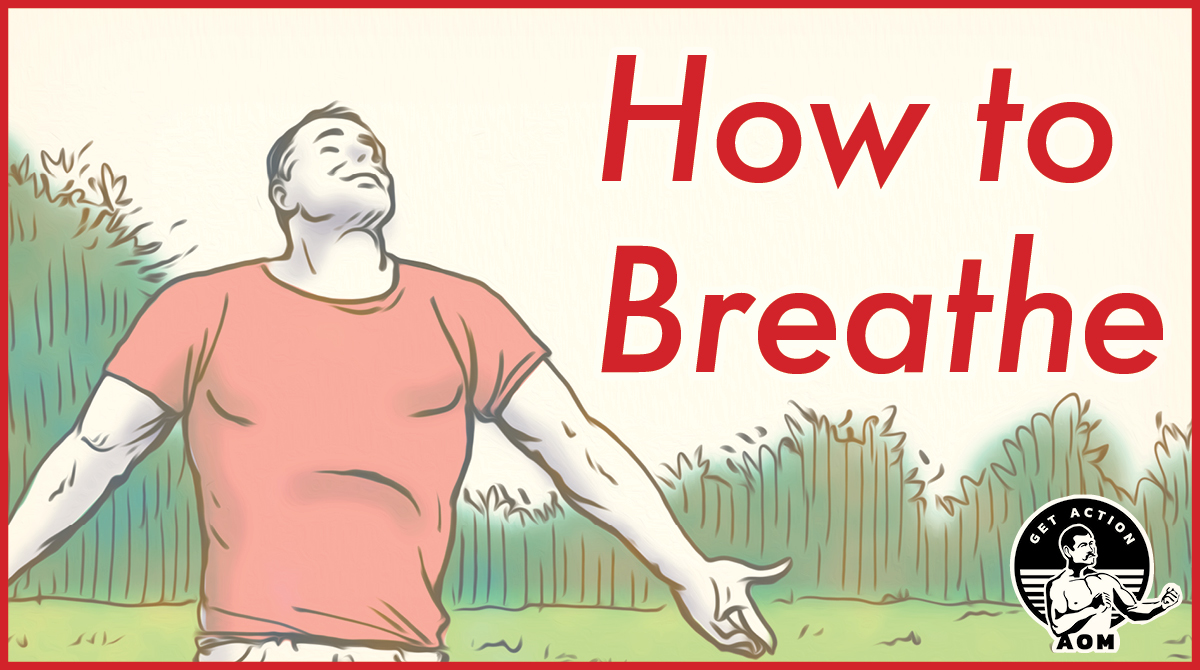
Maintaining proper posture is crucial for efficient breathing while running. A runner’s posture directly impacts how their body utilizes air, affecting their pace, endurance, and overall running experience. A good posture optimizes lung capacity and reduces the strain on muscles and joints, contributing to a more comfortable and effective run.Effective breathing and a sound posture are intrinsically linked.
When your posture is aligned correctly, your rib cage expands freely, allowing for deeper and more efficient inhalation and exhalation. Conversely, poor posture can hinder the natural mechanics of breathing, leading to shallow breaths and reduced oxygen intake. This can result in fatigue, reduced performance, and even potential injuries.
Impact of Posture on Breathing Efficiency
Poor posture can significantly impede breathing efficiency during a run. Rounded shoulders, a hunched back, or a forward-leaning torso restrict the movement of the rib cage. This restriction leads to shallow breathing, making it harder to take in enough oxygen to fuel the muscles. Consequently, the body struggles to meet the increased oxygen demand during exercise.
Maintaining Relaxed Posture While Running
Maintaining a relaxed posture while running involves several key elements. Firstly, ensure your shoulders are relaxed and not tense or pulled up towards your ears. Secondly, keep your core engaged but not rigid. This engagement helps stabilize the spine and allows for natural movement. Thirdly, maintain a slight lean forward from the ankles, not from the waist.
This promotes a natural cadence and reduces stress on the lower back.
Proper Running Posture and Breathing Alignment
| Illustration | Description |
|---|---|
| Imagine a runner with their shoulders relaxed, back straight, and a slight lean forward from the ankles. Their head is held high, eyes looking forward, and their core is engaged but not tight. Their arms are bent at a 90-degree angle, swinging naturally at their sides. Their breathing is deep and rhythmic, with the diaphragm moving actively. | Proper Posture: This posture optimizes breathing by allowing the rib cage to expand fully. The runner can effectively utilize their lung capacity, resulting in efficient oxygen intake. |
| Now visualize a runner with their shoulders hunched, back rounded, and head down. Their arms are stiff and held tightly at their sides. Their breathing is shallow and rapid, as their rib cage cannot expand fully. They are leaning forward from the waist, placing undue stress on the lower back. | Poor Posture: This posture hinders breathing by restricting the movement of the rib cage. The runner experiences shallow breaths, leading to reduced oxygen intake and increased fatigue. This posture can also cause discomfort and potential injuries. |
Common Postural Issues and Their Impact
Several common postural issues can negatively impact breathing during running.
- Rounded Shoulders: Rounded shoulders restrict the expansion of the rib cage, leading to shallow breathing and reduced oxygen intake. This can lead to shortness of breath and reduced endurance.
- Forward Head Posture: A forward head posture puts strain on the neck and upper back muscles, potentially impacting the alignment of the spine and the rib cage. This can also interfere with the natural rhythm of breathing.
- Tight Hip Flexors: Tight hip flexors can cause a forward lean, hindering the natural movement of the rib cage and affecting the body’s ability to breathe deeply. This can result in discomfort and reduced efficiency during running.
- Slouching Posture: Slouching posture, characterized by a rounded back and a forward lean, restricts the expansion of the rib cage and diaphragm, limiting oxygen intake. This can lead to decreased endurance and an increased risk of injury.
Breathing and Running Injuries

Proper breathing is crucial for efficient running and injury prevention. Ignoring the connection between breathing and running mechanics can lead to a variety of issues, impacting performance and potentially causing pain. This section explores the relationship between improper breathing and common running injuries, providing strategies to prevent them and manage pain during a run.Breathing patterns significantly influence the body’s biomechanics during running.
Poor breathing can strain muscles, alter posture, and lead to imbalances, increasing the risk of injuries like runner’s knee, shin splints, and even back pain. Understanding these connections allows runners to proactively address potential issues and maintain a safe and enjoyable running experience.
Connection Between Improper Breathing and Running Injuries
Poor breathing techniques can contribute to a range of running injuries by affecting posture, muscle strain, and overall biomechanics. A lack of coordination between breathing and running cadence can lead to muscle imbalances, causing stress on joints and ligaments. This can manifest as pain in various areas, potentially resulting in long-term issues if not addressed.
Breathing Issues Contributing to Specific Injuries
Breathing difficulties can exacerbate the risk of common running injuries. For example, shallow or erratic breathing during running can hinder oxygen intake, leading to fatigue and muscle strain, increasing the susceptibility to shin splints. Furthermore, inadequate breathing can alter posture, placing excessive stress on the knee joint, potentially contributing to runner’s knee.
Strategies for Preventing Running Injuries Through Breathing
Implementing proper breathing techniques during running can significantly reduce the risk of injuries. Deep, rhythmic breathing allows for optimal oxygen intake, supporting efficient muscle function and minimizing strain on the body. A consistent breathing pattern throughout the run aids in maintaining good posture, reducing the risk of imbalances that could lead to injuries.
Breathing Techniques for Injury Prevention During Different Activities
Consistent breathing patterns, tailored to the specific demands of different running activities, are essential for injury prevention. A structured approach can mitigate stress on muscles and joints.
| Running Activity | Breathing Strategy |
|---|---|
| Easy Runs | Focus on a consistent, rhythmic breathing pattern (e.g., inhaling for three steps, exhaling for two). This helps maintain a relaxed pace and prevents overexertion. |
| Tempo Runs | Maintain a slightly faster breathing rate, coordinating breaths with strides. This ensures adequate oxygen supply to sustain the higher intensity. |
| Interval Runs | Adjust breathing to match the intensity of the intervals. Focus on deep breaths during recovery periods and maintaining a consistent rhythm during high-intensity efforts. |
| Long Runs | Maintain a steady breathing pattern. Adjust the rhythm as needed to match the increasing duration and distance of the run. Taking frequent, short breaks to adjust breathing and stretching can help prevent fatigue and potential injury. |
Recognizing and Responding to Breathing-Related Pain During a Run
It is important to recognize and respond to breathing-related pain during a run. Experiencing sharp or persistent pain while running, accompanied by difficulty breathing, may signal an underlying issue that needs immediate attention. If the pain persists or worsens, it’s essential to stop running, assess the situation, and seek medical advice if necessary. A sudden onset of breathing difficulties or chest pain requires immediate medical attention.
Breathing and Mental Focus

Running is more than just physical exertion; it’s a powerful tool for mental well-being. Mindful breathing plays a crucial role in harnessing this mental benefit, allowing runners to enhance focus, manage stress, and cultivate resilience. By understanding the connection between breath and mental state, runners can unlock a deeper level of performance and enjoyment.Effective breathing techniques are intrinsically linked to a runner’s mental fortitude.
Proper breathing patterns can not only optimize oxygen intake but also regulate the body’s stress response, leading to improved concentration and reduced anxiety. This connection is vital for maintaining mental clarity and motivation during prolonged runs. Mindful awareness of the breath becomes a powerful anchor during challenging moments, promoting a sense of calm and control.
Mindful Breathing for Enhanced Focus
Mindful breathing practices, deeply rooted in meditation and mindfulness techniques, are invaluable for runners seeking to enhance focus and concentration during runs. These techniques involve paying deliberate attention to the sensation of each breath, from inhaling to exhaling. This conscious awareness of the breath anchors the mind, reducing the tendency to be distracted by racing thoughts. By focusing on the physical act of breathing, runners can create a mental sanctuary within the often-demanding environment of a run.
Breathing and Mental Resilience in Runners
Breathing acts as a crucial mechanism for fostering mental resilience in runners. During challenging runs, the body’s stress response is activated, potentially leading to feelings of fatigue or frustration. Effective breathing strategies, however, can counter this response by promoting a sense of calm and control. The consistent practice of controlled breathing builds mental toughness, equipping runners with the ability to persevere through obstacles and maintain focus, thus enhancing mental resilience.
The rhythmic nature of breathing can create a sense of stability and predictability, which is particularly beneficial during emotionally taxing runs.
Managing Stress and Anxiety During Runs
Managing stress and anxiety is essential for runners, especially during demanding runs. By incorporating mindful breathing techniques into their training, runners can effectively regulate their emotional responses. Slow, deep breaths can help calm the nervous system, reducing feelings of anxiety and promoting a sense of calm. These techniques are not just for experienced runners; even beginners can reap significant benefits.
Deep breathing exercises, when practiced consistently, can become an invaluable tool for managing stress and anxiety.
Breathing to Improve Mental State and Motivation
Breathing profoundly impacts a runner’s mental state and motivation. By focusing on their breath, runners can shift their focus away from negative thoughts and anxieties. This focus on the present moment, facilitated by controlled breathing, can boost motivation and energy levels. The physical act of breathing is often overlooked, but it’s a powerful tool for creating a sense of inner peace and well-being.
Runners who cultivate mindful breathing techniques often experience increased motivation and enjoyment during their runs.
Breathing Exercises for Runners
The following table Artikels practical breathing exercises that runners can use to enhance mental focus:
| Exercise | Description | Benefits |
|---|---|---|
| Diaphragmatic Breathing | Focus on expanding the abdomen with each inhale, allowing the diaphragm to fully contract and relax. | Promotes relaxation, reduces stress, and improves oxygen intake. |
| Box Breathing | Inhale for a count of 4, hold for 4, exhale for 4, and hold for 4. | Enhances focus, promotes calm, and regulates the heart rate. |
| Alternate Nostril Breathing (Nadi Shodhana) | Alternate inhaling and exhaling through each nostril, typically using a hand to gently close one nostril at a time. | Balances the mind and body, promoting relaxation and mental clarity. |
End of Discussion
In conclusion, effective breathing is a fundamental aspect of successful running. By understanding and applying the techniques presented in this guide, you can significantly improve your performance, prevent injuries, and cultivate a more fulfilling running experience. From mastering diaphragmatic breathing to adjusting your patterns based on the intensity and terrain, you’ll gain the tools to optimize your breath, enhance your run, and unlock your full potential as a runner.