This comprehensive guide provides a detailed overview of elliptical trainers, from understanding their various types and features to creating effective workout routines. It also covers safety precautions, maintenance tips, and advanced techniques for maximizing your elliptical training experience. Whether you’re a beginner or an experienced fitness enthusiast, this resource offers practical advice to help you get the most out of your elliptical workouts.
The guide begins by defining elliptical trainers, comparing them to other cardio equipment, and outlining the key features to consider. It then walks you through setting up your elliptical, adjusting settings for your needs, and establishing proper posture and warm-up routines. Different workout routines, from beginner to advanced, are discussed with detailed examples and tables comparing various plans.
Introduction to Elliptical Trainers
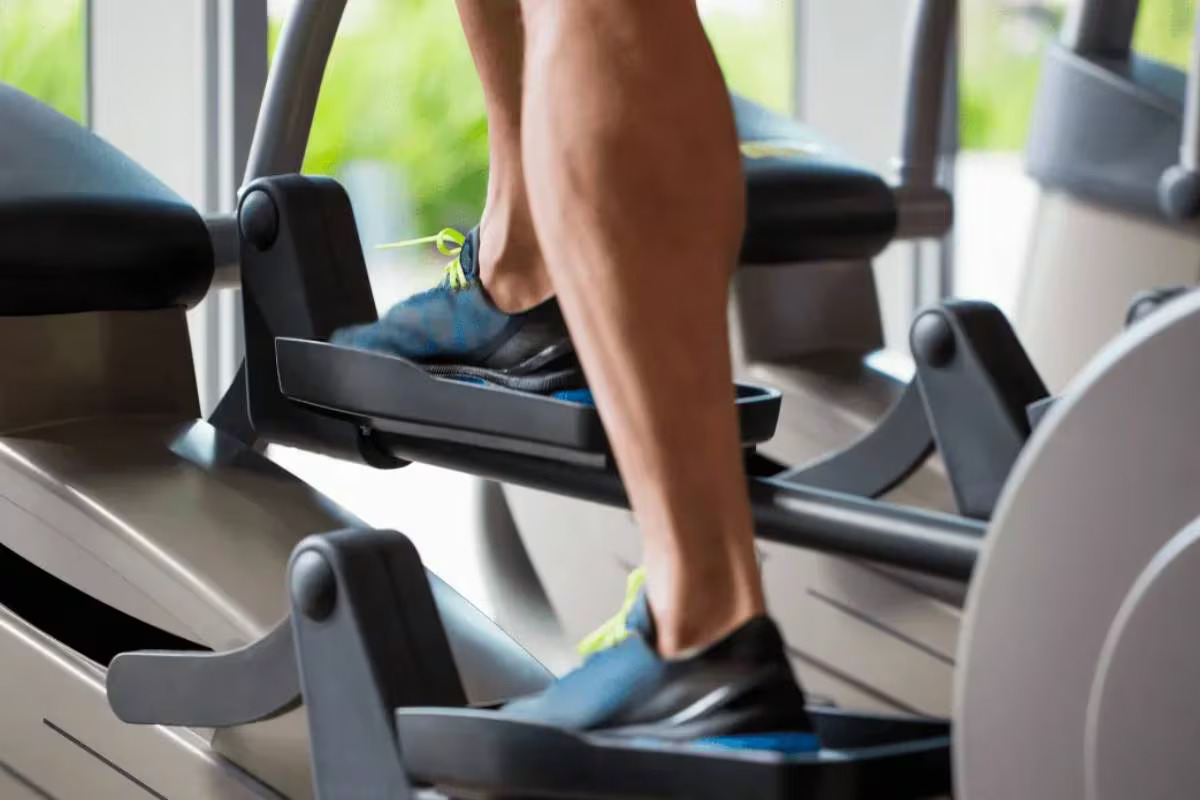
An elliptical trainer is a cardiovascular exercise machine that mimics the motion of running or walking, providing a low-impact workout. It’s designed to target major muscle groups while minimizing stress on joints like knees and ankles, making it suitable for various fitness levels and individuals with joint issues. This type of exercise equipment is a popular choice for home and commercial settings, offering a versatile and effective way to improve cardiovascular health and fitness.Compared to other cardio equipment like treadmills or stationary bikes, elliptical trainers offer a more natural movement pattern, engaging more muscle groups while reducing stress on the joints.
This results in a more complete and efficient workout, potentially leading to better overall fitness outcomes. The smooth, continuous motion also makes it easier to maintain a consistent workout pace, which can be beneficial for individuals focusing on endurance training.
Types of Elliptical Trainers
Elliptical trainers come in various forms to suit different needs and budgets. Home ellipticals are often compact and affordable, ideal for individual use in residential settings. Commercial ellipticals, on the other hand, are typically more robust, featuring heavier-duty construction, enhanced features, and higher resistance capabilities. These models are frequently found in gyms and fitness centers due to their capacity to accommodate a high volume of users.
Features of Elliptical Trainers
Elliptical trainers are equipped with a range of features that allow for a customized and effective workout. Resistance levels are a key aspect, enabling users to adjust the intensity of the exercise according to their fitness goals and current level. Adjustable incline features often mimic the varying terrain encountered in outdoor activities, challenging users further and targeting different muscle groups.
Pulse sensors and other monitoring tools allow users to track their heart rate and other metrics, facilitating personalized training programs. Programmable workout options are also commonly available, providing pre-set routines to target specific fitness goals.
Comparison of Elliptical Trainer Models
The following table provides a comparative overview of three elliptical trainer models, highlighting key features and pricing. It is important to note that pricing can vary based on retailer and promotions.
| Feature | Model A | Model B | Model C |
|---|---|---|---|
| Resistance Levels | 10 | 16 | 12 |
| Incline Adjustments | 3 | 5 | 4 |
| Pulse Sensors | Yes | Yes | Yes |
| Programmable Workouts | Yes (10) | Yes (20) | Yes (8) |
| Price (USD) | $500 | $800 | $700 |
Getting Started with an Elliptical Trainer
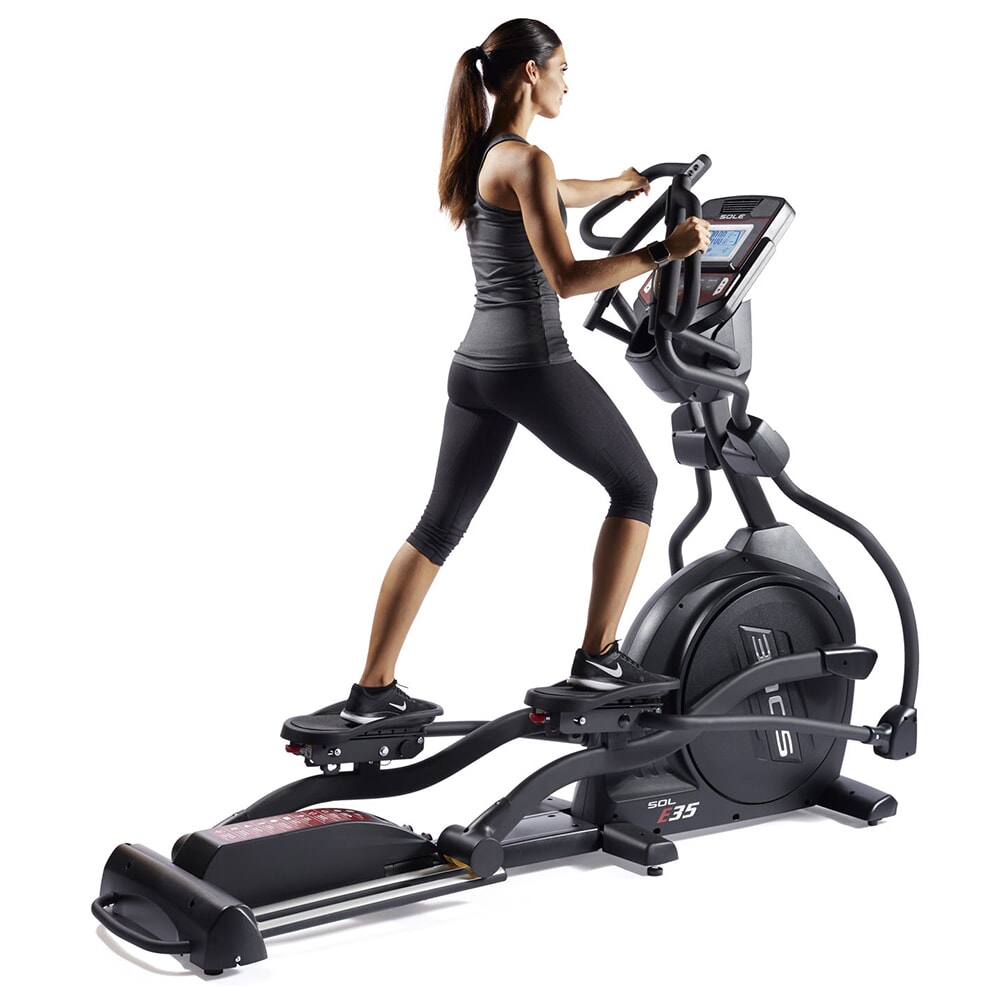
Proper use of an elliptical trainer maximizes its benefits and minimizes the risk of injury. Understanding the setup, adjustments, posture, and warm-up procedures is crucial for a safe and effective workout. This section will guide you through these essential steps.The elliptical trainer, a versatile cardiovascular machine, offers a smooth and low-impact workout. Proper technique is vital for maximizing its effectiveness and minimizing the risk of injury.
The following sections will detail the steps for setting up, adjusting, and using the machine safely and efficiently.
Setting Up the Elliptical Trainer
Correct setup ensures a safe and comfortable workout experience. Before beginning any workout, ensure the elliptical trainer is properly assembled and stable. Refer to the manufacturer’s instructions for specific assembly procedures. Pay close attention to the placement of the machine, ensuring it is on a level surface and away from any obstacles or hazards. Inspect the safety mechanisms, such as the emergency stop button and the resistance adjustment controls, to ensure they are functioning correctly.
Adjusting the Machine’s Settings
Individual needs dictate the ideal settings for a specific user. The elliptical trainer offers various adjustable features to customize the workout intensity. The seat height is crucial for proper posture and comfort. Adjust the seat so that your knees are aligned with the pedals when your feet are positioned on the lowest point of the stride. The resistance level should be adjusted to match your fitness level.
Begin with a lower resistance and gradually increase it as you become more comfortable. Consider your goals and fitness level to find the right settings.
Maintaining Proper Posture and Form
Maintaining the correct posture and form is essential for maximizing the workout’s effectiveness and minimizing the risk of injury. Keep your back straight and your core engaged. Avoid hunching or slouching. Maintain a natural posture, and your arms should move naturally along with the handles. Keep your shoulders relaxed and avoid straining your neck.
Ensure that your feet are positioned on the pedals in a way that provides stability and allows for a smooth stride. A balanced stride and foot position are vital for proper form.
Warm-up Before Use
A thorough warm-up prepares your body for the workout, reducing the risk of injury and increasing performance. A warm-up routine should elevate your heart rate gradually. This prepares your cardiovascular system for the increased demand of the workout. The following is a sample warm-up routine for elliptical trainers:
Sample Warm-up Routine for Elliptical Trainers
- Light Cardio: Begin with a low resistance level on the elliptical trainer and a slow pace. This allows your body to adjust to the movement and prepare your cardiovascular system for the workout. Maintain this pace for 5 minutes.
- Dynamic Stretching: Perform dynamic stretches such as arm circles, leg swings, and torso twists. These stretches improve flexibility and blood flow to the muscles. Perform these stretches for 3-5 minutes.
- Gradual Increase in Intensity: Gradually increase the resistance level and speed of the elliptical trainer to bring your heart rate up to a moderate level. This should be maintained for 5-10 minutes, allowing your body to adapt to the intensity. This helps to elevate your heart rate to prepare for the workout. Monitoring your heart rate is vital during this phase.
Effective Elliptical Trainer Workouts
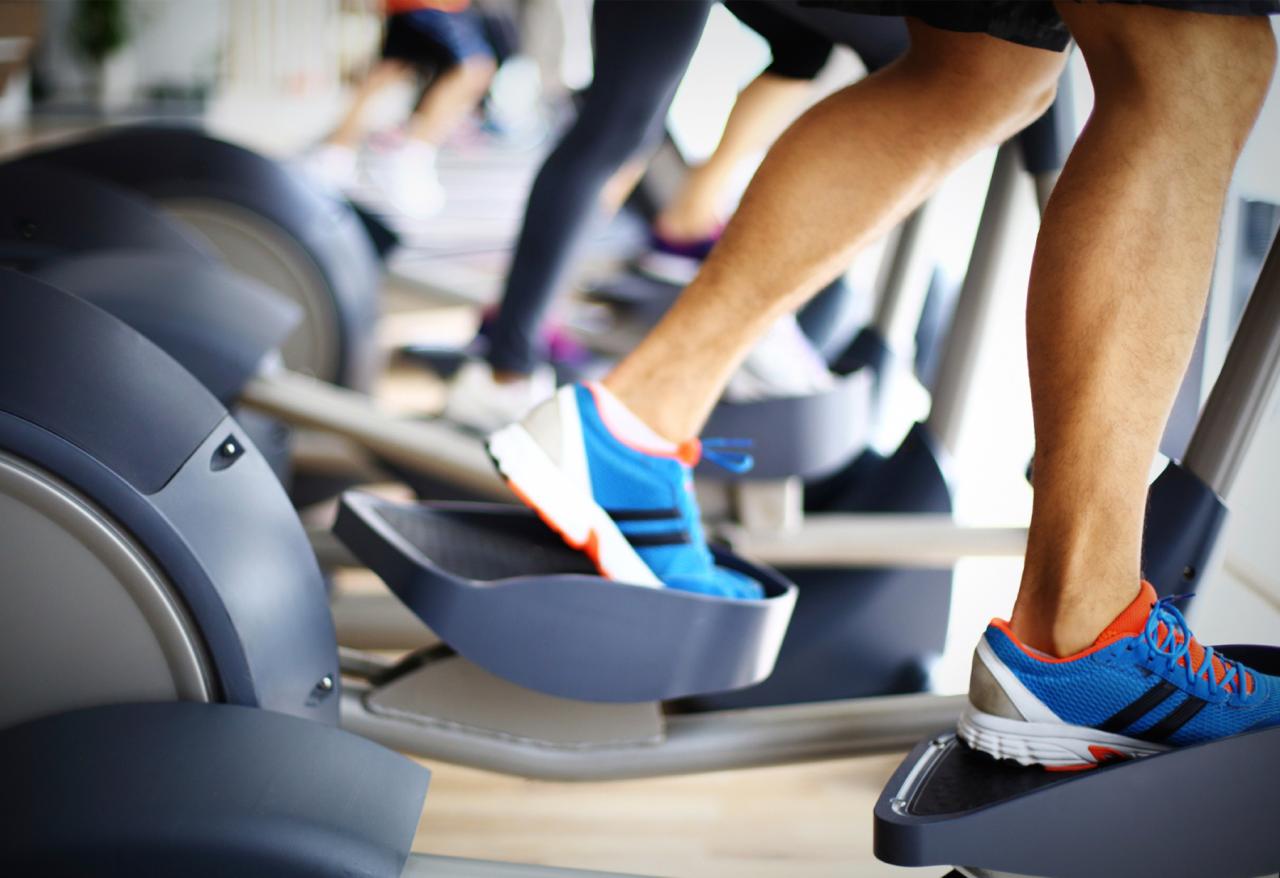
Maximizing your elliptical training involves understanding different workout routines tailored to various fitness objectives. This section delves into effective strategies for weight loss, muscle toning, and overall fitness improvement. We’ll explore example workout plans for beginners, intermediate, and advanced users, along with the crucial role of intervals, resistance, pacing, and rest. Furthermore, we’ll compare the effectiveness of different workout durations.
Workout Routines for Different Fitness Goals
Achieving diverse fitness goals, such as weight loss or muscle toning, requires tailored workout routines. Weight loss often benefits from higher-intensity workouts with longer durations, while muscle toning can be achieved through targeted exercises focusing on specific muscle groups. Cardiovascular fitness, for instance, can be enhanced through consistent training.
Example Workout Plans for Different Fitness Levels
These example plans are designed to be adaptable and can be adjusted based on individual needs and progress.
Beginner
A beginner’s routine should focus on building a solid base of fitness. Aim for 20-30 minutes of continuous training at a moderate resistance level, 3-4 times per week. Beginners should gradually increase the duration and intensity over time. A proper warm-up and cool-down are essential for injury prevention. Incorporating intervals is recommended, but keeping the intervals short and recovery periods longer is crucial.
Intermediate
Intermediate users can incorporate more intense workouts, including interval training. Aim for 30-45 minutes of training, with 2-3 intervals of higher intensity interspersed with periods of lower intensity. Resistance levels can be increased progressively. Training 4-5 times a week is recommended, depending on individual recovery needs.
Advanced
Advanced users can push their limits with longer and more intense workouts. Workouts can last 45-60 minutes or more, incorporating multiple intervals with varying intensity levels and resistance adjustments. High-intensity interval training (HIIT) can be incorporated for maximum calorie burn. Advanced users can focus on maintaining consistent intensity throughout the workout. Training 5-6 times a week is possible for advanced users, but proper rest is crucial.
Incorporating Intervals and Resistance
Interval training involves alternating periods of high and low intensity. This method helps maximize calorie burn and improve cardiovascular fitness. Resistance adjustments are crucial for targeting different muscle groups and intensifying the workout. Increasing resistance levels can challenge the muscles and lead to greater results. Appropriate resistance levels should be chosen based on the user’s fitness level.
Importance of Pacing and Rest
Maintaining a proper pace is crucial for maximizing the benefits of elliptical training. Pushing oneself too hard, especially in the beginning, can lead to injury and reduced effectiveness. Rest periods are essential for muscle recovery and preventing fatigue. Adequate rest between workouts allows for better results. Listen to your body and adjust the workout accordingly.
Effectiveness of Different Elliptical Workout Durations
The duration of an elliptical workout significantly impacts its effectiveness. Shorter workouts can be beneficial for maintaining cardiovascular health, while longer sessions can be more effective for weight loss. However, the intensity and consistency of the workout also play a critical role. For weight loss, longer durations are generally more effective. Consistency and adherence to a regular schedule are key factors in achieving fitness goals.
Workout Plans and Their Benefits
| Workout Plan | Duration | Intensity | Benefits |
|---|---|---|---|
| Beginner | 20-30 minutes | Moderate | Builds base fitness, improves endurance, reduces risk of injury. |
| Intermediate | 30-45 minutes | Moderate to High | Increases cardiovascular fitness, improves muscle tone, and promotes weight management. |
| Advanced | 45-60+ minutes | High | Maximizes calorie burn, enhances cardiovascular endurance, promotes muscle strength and power. |
Safety and Precautions
Using an elliptical trainer can be a highly effective way to exercise, but it’s crucial to prioritize safety. Understanding potential risks and taking preventative measures is essential for a positive and injury-free experience. This section Artikels key safety precautions, potential injuries, and strategies to mitigate them.Proper use of the elliptical trainer, combined with awareness of potential issues, can significantly reduce the risk of injury.
Adhering to these guidelines will enhance your workout experience and help you achieve your fitness goals safely.
Safety Precautions
A comprehensive approach to safety involves a multi-faceted strategy. Careful attention to details, like proper machine adjustments, and a proactive approach to potential issues are key components of safe elliptical training.
- Machine Adjustments: Ensure the elliptical trainer is properly adjusted to your body type and height. Incorrect settings can strain joints and lead to discomfort. Adjust the resistance levels appropriately for your fitness level, gradually increasing the intensity as your fitness improves. A properly adjusted machine can greatly reduce the risk of injury.
- Warm-up and Cool-down: A thorough warm-up before each session and a cool-down afterward are essential. Warm-up exercises should prepare your muscles and increase blood flow to the targeted areas. Cool-down exercises help your body return to its resting state gradually. This will minimize the risk of muscle soreness and injury. Examples of warm-up routines could include light cardio on the elliptical at a low resistance, and dynamic stretches, like arm circles and leg swings.
Cool-down routines can involve light elliptical use with minimal resistance, followed by static stretches, such as holding hamstring stretches.
- Proper Form: Maintain good posture and form throughout your workout. Avoid jerky movements and maintain a consistent rhythm. This can prevent muscle strains and joint pain. Proper form involves keeping your back straight, shoulders relaxed, and core engaged. This is vital for efficient and safe movement on the elliptical.
- Listen to Your Body: Pay close attention to any pain or discomfort during your workout. If you experience pain, stop immediately and rest. Pushing through pain can exacerbate the issue and lead to more serious injuries. Ignoring discomfort is a critical mistake.
- Appropriate Intensity: Gradually increase the intensity of your workouts to avoid overexertion. Start with a comfortable level and gradually increase the resistance and duration of your workouts. This will prevent injuries from sudden increases in stress on your body. Avoid pushing yourself too hard, especially when starting a new workout routine.
Potential Injuries and Prevention
Recognizing potential injuries and implementing preventive strategies are crucial aspects of safe elliptical training. Understanding the causes and implementing preventative measures can reduce the likelihood of these issues.
- Knee Pain: Knee pain can arise from improper form, overuse, or inadequate warm-up. Maintaining correct posture and gradually increasing the intensity can minimize knee strain.
- Shoulder Pain: Shoulder pain might stem from poor posture or overuse. Keeping your shoulders relaxed and using proper form can prevent shoulder discomfort.
- Back Pain: Back pain can be caused by improper posture or prolonged use of the elliptical without proper breaks. Maintaining a neutral spine throughout the workout and taking regular breaks can prevent back pain.
Adjusting the Machine for Injury Prevention
Proper machine adjustments can greatly reduce the risk of injuries. Careful attention to these details is a key component of injury prevention.
- Seat Height: Adjust the seat height so that your knees are slightly above the height of your hips during the elliptical motion. This promotes proper alignment and reduces stress on the knees.
- Handlebar Position: Adjust the handlebar position to suit your body type. Ensure that your elbows are bent at a 90-degree angle. This proper positioning minimizes stress on the shoulders and elbows.
- Resistance Level: Gradually increase the resistance level as you become more comfortable with the machine. Avoid excessively high resistance levels, especially when starting. This ensures a gradual increase in the intensity of the workout, minimizing stress on the joints.
Warm-up and Cool-down Routines
A well-structured warm-up and cool-down routine can enhance the effectiveness of your workout while mitigating the risk of injury. These are essential components of any exercise program.
- Warm-up: A 5-10 minute warm-up period should involve low-intensity elliptical use with gradually increasing resistance, combined with dynamic stretches. Examples include arm circles, leg swings, and torso twists.
- Cool-down: A 5-10 minute cool-down period should involve light elliptical use at a low resistance, followed by static stretches, holding each stretch for 15-30 seconds. Examples include hamstring stretches, quad stretches, and calf stretches.
Importance of Listening to Your Body
It is paramount to recognize and heed the signals your body provides during exercise. This can significantly improve your workout experience and minimize the risk of injury.
- Recognizing Pain Signals: If you experience any pain, stop immediately and rest. Pain is a clear indication that something is wrong and needs attention.
Table of Common Elliptical Trainer Injuries and Prevention Methods
| Injury | Cause | Prevention |
|---|---|---|
| Knee Pain | Improper form, overuse, inadequate warm-up, incorrect seat height | Maintain proper posture, gradually increase intensity, thorough warm-up, adjust seat height |
| Shoulder Pain | Poor posture, overuse, incorrect handlebar position | Maintain good posture, use appropriate handlebar position, avoid overexertion |
| Back Pain | Improper posture, prolonged use without breaks, lack of core engagement | Maintain a neutral spine, take regular breaks, engage core muscles |
Maintaining Your Elliptical Trainer
Proper maintenance of your elliptical trainer is crucial for ensuring optimal performance, longevity, and safety. Regular cleaning and lubrication are key to preventing wear and tear, ensuring smooth operation, and extending the lifespan of your machine. Following a routine maintenance schedule can significantly reduce the risk of breakdowns and injuries.
Cleaning Your Elliptical Trainer
Regular cleaning prevents the buildup of dirt, sweat, and other debris, which can affect the machine’s performance and potentially cause damage. Wipe down the entire machine with a damp cloth and mild soap solution. Pay close attention to the handlebars, foot pedals, and the frame. Use a soft-bristled brush to remove any stubborn dirt or dust from hard-to-reach areas.
Allow the machine to air dry completely before use.
Lubricating Your Elliptical Trainer
Lubrication is essential for maintaining smooth operation and reducing friction. The elliptical trainer’s moving parts, such as the flywheel, chains, and bearings, require periodic lubrication. Consult your elliptical trainer’s owner’s manual for specific lubrication points and recommended lubricants. Apply a small amount of lubricant to the designated areas, following the manufacturer’s instructions carefully. Excessive lubrication can attract dirt and dust.
Applying the right amount of lubricant is vital for optimal performance and reduces the need for frequent repairs.
Troubleshooting Common Problems
Many elliptical trainer problems can be easily addressed with a bit of troubleshooting. If your elliptical trainer is making unusual noises, such as grinding or screeching, it might indicate a lubrication issue or a problem with a bearing. If the pedals feel stiff or difficult to move, this could indicate a lubrication issue or a problem with the chain.
Check the cables and connections to rule out any electrical problems. If the problem persists, consult the owner’s manual or contact a qualified technician.
Routine Maintenance Checklist
Regular maintenance helps to ensure the longevity and safety of your elliptical trainer. This checklist provides a structured approach to routine upkeep.
- Weekly: Wipe down the entire machine with a damp cloth and mild soap solution. Pay attention to all parts. Inspect the cables and connections for any damage.
- Monthly: Check the lubrication points, applying lubricant as needed, following the manufacturer’s instructions. Check for any loose bolts or screws. Look for any signs of wear and tear.
- Quarterly: Visually inspect all moving parts for excessive wear or damage. Check the condition of the foot pedals and handlebars. Clean and dry the machine thoroughly.
- Annually: Consult your owner’s manual for specific servicing requirements, such as professional maintenance or component replacement.
Advanced Elliptical Training Techniques
Elevating your elliptical workout beyond the beginner and intermediate levels requires strategic adjustments to maximize effectiveness and target specific fitness goals. This section delves into advanced techniques, including plyometrics, varied resistance, and targeted muscle engagement, to optimize your training experience and unlock your full potential.
Plyometrics for Enhanced Power
Plyometric exercises, characterized by explosive movements, can significantly enhance power output and overall fitness. Incorporating plyometric movements into your elliptical routine can improve speed, agility, and lower body strength. These movements involve a rapid stretch-shortening cycle, pushing your muscles to contract and release explosively.
- Jump Intervals: During your elliptical workout, incorporate short bursts of high-intensity pedaling, mimicking a jump or explosive movement. This can be achieved by increasing the resistance and cadence momentarily, focusing on pushing off the pedals with maximum force.
- Resistance-Based Jumps: Incrementally increasing the resistance on the elliptical while performing jump intervals creates a more challenging and effective workout. This strategy amplifies the intensity and provides greater stimulus for muscle development and power output.
- Interval Training: Combining periods of high-intensity elliptical work with periods of lower-intensity recovery will allow your body to adapt to the explosive movements, leading to greater strength and power gains.
Varying Resistance for Targeted Training
Strategic use of different resistance levels allows for targeted training and enhances muscle engagement. Adjusting resistance during your workout creates fluctuations in effort and forces the body to adapt.
- High Resistance for Strength: Maintaining high resistance for sustained periods enhances muscular strength and endurance. This approach is particularly effective for building power and strength in the lower body.
- Low Resistance for Endurance: Conversely, low resistance levels encourage cardiovascular endurance. Maintaining a steady pace at low resistance can improve your aerobic capacity and stamina.
- Resistance Intervals: Alternating between high and low resistance levels throughout your workout provides a dynamic training experience. This approach can be particularly effective for developing a combination of strength and endurance.
Targeted Muscle Engagement
Understanding how different elliptical movements engage specific muscle groups enables tailored training. Using the elliptical in conjunction with appropriate form can help you maximize the benefits for various muscle groups.
- Quadriceps and Glutes: Maintaining a consistent and upright posture while pedaling primarily targets the quadriceps and gluteus muscles. Proper form involves a straight back and a slight forward lean from the hips.
- Hamstrings and Calves: A slightly reclined posture, or an angle of the elliptical that emphasizes a more posterior movement on the pedals, can stimulate the hamstrings and calf muscles more effectively.
- Core Engagement: A strong core is crucial for maintaining balance and stability during elliptical workouts. Engage your core throughout the exercise for a more complete workout.
Sample Advanced Elliptical Workout Routine
This routine is designed for experienced users and can be adjusted based on individual fitness levels.
| Duration | Intensity | Description |
|---|---|---|
| 5 minutes | Warm-up | Light resistance, low cadence |
| 10 minutes | High Resistance | Moderate resistance, moderate cadence, focus on pushing off the pedals |
| 5 minutes | Plyometrics | High resistance, high cadence, jump intervals |
| 10 minutes | Moderate Resistance | Moderate resistance, moderate cadence, focus on maintaining a steady pace |
| 5 minutes | Cool-down | Low resistance, low cadence |
This sample routine can be modified to suit individual preferences and fitness goals. Remember to consult with a healthcare professional before starting any new workout regimen.
Elliptical Trainer for Specific Fitness Goals
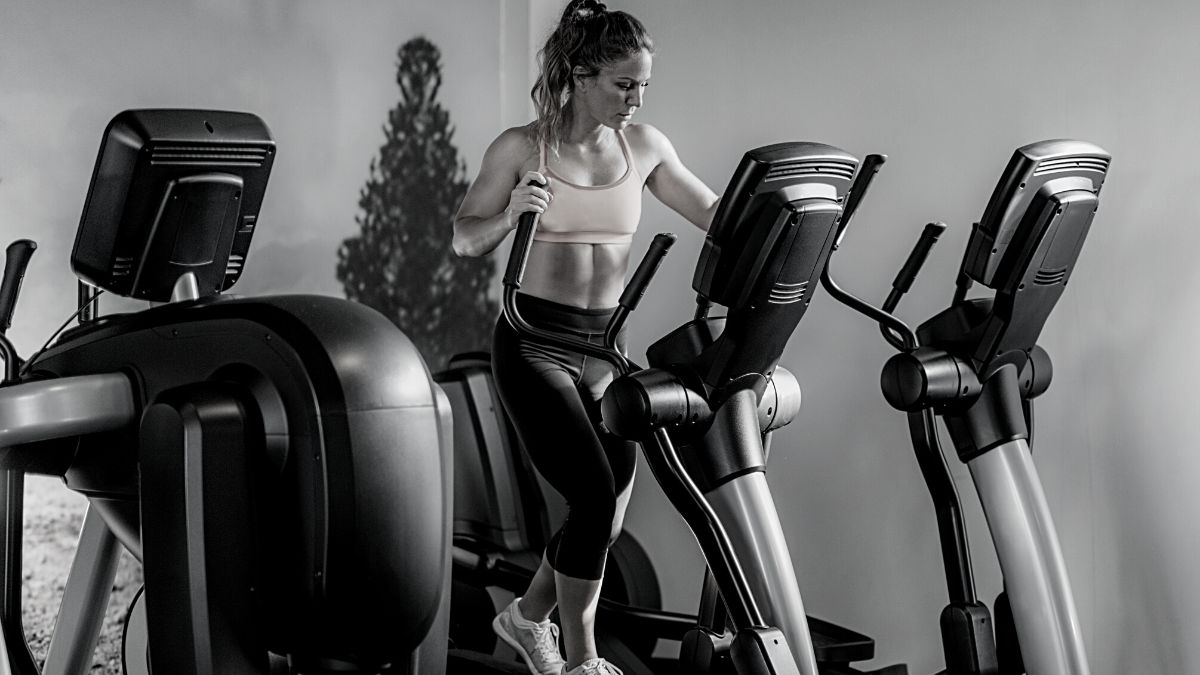
The elliptical trainer offers a versatile platform for achieving diverse fitness objectives. Its low-impact nature makes it suitable for individuals of varying fitness levels, while its adjustable resistance allows for tailored workouts. This section explores how elliptical training can be utilized for weight loss, building strength and endurance, and improving cardiovascular health, along with tailored workout examples and comparisons to other cardio methods.
Weight Loss with Elliptical Training
Consistent elliptical training burns calories, contributing to weight loss. The intensity and duration of workouts directly impact calorie expenditure. Higher intensity and longer durations result in greater calorie burn. A 150-pound individual, for example, can burn approximately 250-400 calories during a 30-minute elliptical session at a moderate pace. Maintaining a consistent workout schedule and incorporating a balanced diet will further support weight loss goals.
Building Strength and Endurance on an Elliptical Trainer
Elliptical trainers are effective tools for building lower body strength and muscular endurance. The repetitive motion and varying resistance levels engage key muscle groups in the legs and core. Using higher resistance levels during workouts can enhance strength development, while consistent training over time improves endurance. Specific strength training exercises can be integrated into an elliptical routine for more focused results.
Improving Cardiovascular Health with Elliptical Training
Elliptical training provides an excellent cardiovascular workout. The continuous motion of the elliptical engages the cardiovascular system, promoting improved heart health and lung function. Regular elliptical workouts can help increase the heart’s efficiency in pumping blood, leading to lower resting heart rates and improved overall cardiovascular fitness. This is a low-impact option for those with joint issues who still wish to achieve cardiovascular benefits.
Workout Routines Tailored for Specific Fitness Goals
- Weight Loss Routine: Aim for 3-4 sessions per week, each lasting 30-45 minutes. Maintain a moderate to high intensity, with intervals of increased resistance. Combine with a balanced diet for optimal results. Example: 5 minutes warm-up at low resistance, 20 minutes alternating between high and moderate resistance, and 5 minutes cool-down at low resistance.
- Strength and Endurance Routine: Focus on 2-3 sessions per week, each lasting 45-60 minutes. Gradually increase resistance levels to challenge your muscles. Include exercises like incline walking or specific strength exercises to enhance targeted muscle groups. Example: 10 minutes warm-up at low resistance, 30 minutes at higher resistance with varying inclines and speeds, and 10 minutes cool-down.
- Cardiovascular Health Routine: Schedule 3-5 sessions per week, each lasting 20-60 minutes. Focus on maintaining a consistent pace and duration. Include intervals to increase the intensity and challenge the cardiovascular system. Example: 5 minutes warm-up at low resistance, 30 minutes of continuous pedaling at a moderate pace, and 5 minutes cool-down.
Comparing Elliptical Training with Other Cardio Methods
| Cardio Method | Benefits | Considerations |
|---|---|---|
| Elliptical | Low-impact, full-body workout, adjustable resistance, suitable for various fitness levels. | Can be repetitive, may require some initial learning. |
| Running | Excellent for cardiovascular health, builds lower body strength. | High-impact, potentially harmful to joints. |
| Swimming | Full-body workout, low-impact, excellent for joint health. | Requires access to a pool. |
The best cardio method depends on individual needs and preferences. Consider factors such as fitness level, available resources, and personal goals when selecting a cardio activity. For those seeking a low-impact, adaptable, and effective workout, the elliptical trainer stands out as a valuable choice.
Final Summary
In conclusion, this guide equips you with the knowledge and tools to safely and effectively utilize an elliptical trainer for achieving your fitness goals. From fundamental setup and workout routines to advanced techniques and maintenance, you’ll find a comprehensive resource to enhance your elliptical training experience. Remember to prioritize safety, listen to your body, and adjust your workouts as needed.
This guide provides a robust framework to help you on your fitness journey.