High-Intensity Interval Training (HIIT) workouts have surged in popularity due to their effectiveness and time-efficiency. This guide provides a comprehensive overview, walking you through the essential elements of planning, executing, and maximizing your HIIT experience. We’ll cover everything from understanding the core principles to crafting a personalized workout routine that aligns with your fitness level and goals.
From beginner-friendly routines to advanced strategies, this resource is designed to empower you with the knowledge and tools to excel in your HIIT journey. We’ll explore the benefits, potential risks, and essential considerations for creating a safe and effective HIIT program. Whether you’re looking to boost your cardiovascular fitness, build strength, or simply maximize your workout time, this guide will help you reach your goals.
Introduction to HIIT Workouts

High-Intensity Interval Training (HIIT) workouts are a popular method for improving cardiovascular fitness, building strength, and burning calories in a relatively short amount of time. These workouts involve alternating between short bursts of intense exercise and brief recovery periods, maximizing efficiency and effectiveness. HIIT has gained traction due to its time-saving nature and adaptability to various fitness levels and preferences.HIIT workouts are characterized by their high intensity, short work intervals, and carefully timed rest periods.
The core principle is to push your body to its maximum effort during the work periods, followed by a period of rest or low-intensity activity. This cyclical pattern creates a significant metabolic demand, leading to calorie burning even after the workout is complete. This principle is crucial for optimizing results and improving overall fitness.
Core Principles of HIIT
HIIT workouts revolve around the fundamental principles of high intensity, short bursts, and controlled rest periods. High intensity means pushing your body to its maximum effort during the work intervals. Short bursts are typically 20-60 seconds, allowing for focused exertion without excessive fatigue. Rest periods are equally important, ranging from 15-60 seconds, depending on the workout’s intensity and the individual’s fitness level.
These periods allow the body to recover and prepare for the next high-intensity burst.
Potential Benefits of HIIT
HIIT workouts offer a multitude of benefits for individuals seeking to enhance their physical well-being. These benefits include improved cardiovascular health, increased calorie expenditure, and enhanced muscular endurance. The intensity and brevity of HIIT sessions make them a time-efficient way to achieve these improvements.
Types of HIIT Workouts
HIIT workouts can be adapted to suit various fitness preferences and equipment availability. Bodyweight HIIT workouts utilize the body’s own weight for resistance, while equipment-based HIIT workouts leverage weights, resistance bands, or other tools to increase intensity. The choice between bodyweight and equipment-based HIIT depends on personal preferences, fitness goals, and available resources.
Comparison of HIIT Types
| HIIT Type | Benefits | Drawbacks |
|---|---|---|
| Bodyweight HIIT | Requires no equipment, adaptable to various locations, inexpensive, and can be easily modified to suit different fitness levels. | May not be as challenging for advanced users, effectiveness can depend on the individual’s bodyweight and fitness level, potentially limited variety in exercises. |
| Equipment-based HIIT | Allows for increased resistance, variety in exercises, and greater challenge for advanced users. | Requires equipment, may be more expensive, and can be more difficult to perform if the equipment is not readily available. |
Planning and Preparation
High-Intensity Interval Training (HIIT) offers a potent method for achieving fitness goals, but effective execution hinges on careful planning and preparation. A well-structured approach maximizes results and minimizes risk. Understanding the necessary equipment, creating a personalized workout plan, assessing your fitness level, and tracking progress are all crucial steps in optimizing your HIIT journey.
Essential Equipment
A fundamental aspect of successful HIIT workouts is having the right equipment readily available. This ensures a smooth and efficient training session. Essential items typically include:
- A timer or stopwatch: Essential for accurately measuring intervals and ensuring adherence to the workout plan.
- Resistance bands (optional): These versatile tools can add resistance to exercises, enhancing the workout’s intensity.
- Dumbbells or kettlebells (optional): These weights offer adjustable resistance for various exercises.
- A jump rope (optional): A classic cardio tool, jump ropes provide a great way to elevate your heart rate during HIIT.
- A yoga mat (optional): A comfortable and protective surface for exercises on the floor.
Creating a HIIT Workout Plan
Developing a tailored HIIT workout plan involves several steps. A systematic approach ensures the workout aligns with individual needs and goals.
- Goal Setting: Clearly define your fitness objectives. Are you aiming to increase cardiovascular endurance, build muscle strength, or lose weight? Specific goals provide direction for the workout plan.
- Warm-up (5-10 minutes): A dynamic warm-up is essential to prepare your body for the intense workout. Examples include arm circles, leg swings, and light cardio.
- Workout Structure: Structure the workout into intervals of high-intensity exercise followed by periods of rest or low-intensity activity. For example, 30 seconds of intense burpees followed by 60 seconds of rest.
- Cool-down (5-10 minutes): A cool-down period helps your body recover and return to a resting state. Gentle stretching is recommended.
- Progression: Gradually increase the intensity, duration, or frequency of your workouts as you improve. This progressive overload is key to achieving long-term fitness gains.
Assessing Your Fitness Level
A realistic assessment of your current fitness level is crucial for developing a suitable HIIT program. This evaluation ensures the plan aligns with your capabilities and avoids injury.
- Consider your current exercise routine: Analyze your current exercise habits, intensity levels, and frequency.
- Listen to your body: Pay close attention to any discomfort or pain during workouts. If you experience pain, adjust the intensity or rest more.
- Consult with a healthcare professional (if needed): If you have any underlying health conditions, consult with a healthcare provider before starting any new exercise program.
Tracking Your Progress
Monitoring your progress during HIIT workouts helps track improvements and maintain motivation.
- Record your workouts: Maintain a workout log detailing the exercises performed, sets, reps, and rest times.
- Monitor your heart rate: Tracking your heart rate during high-intensity intervals can help ensure you’re pushing yourself appropriately.
- Measure your body composition: Using tools like a scale or body composition analyzer, you can track changes in your body weight and fat percentage.
- Set realistic goals: Track your progress toward achieving these goals to stay motivated.
Comparison of HIIT Workout Plans
| Workout Plan | Description | Target Audience | Equipment Needed |
|---|---|---|---|
| Beginner HIIT | Short intervals, longer rest periods, focus on proper form. | Individuals new to HIIT or with limited fitness levels. | Minimal, primarily bodyweight exercises. |
| Intermediate HIIT | Increased interval duration and intensity, reduced rest periods. | Individuals with some experience in HIIT. | May include resistance bands or light weights. |
| Advanced HIIT | Short intervals, high intensity, minimal rest. | Individuals with high fitness levels and experience with HIIT. | May include heavier weights, resistance bands. |
Workout Structure and Examples
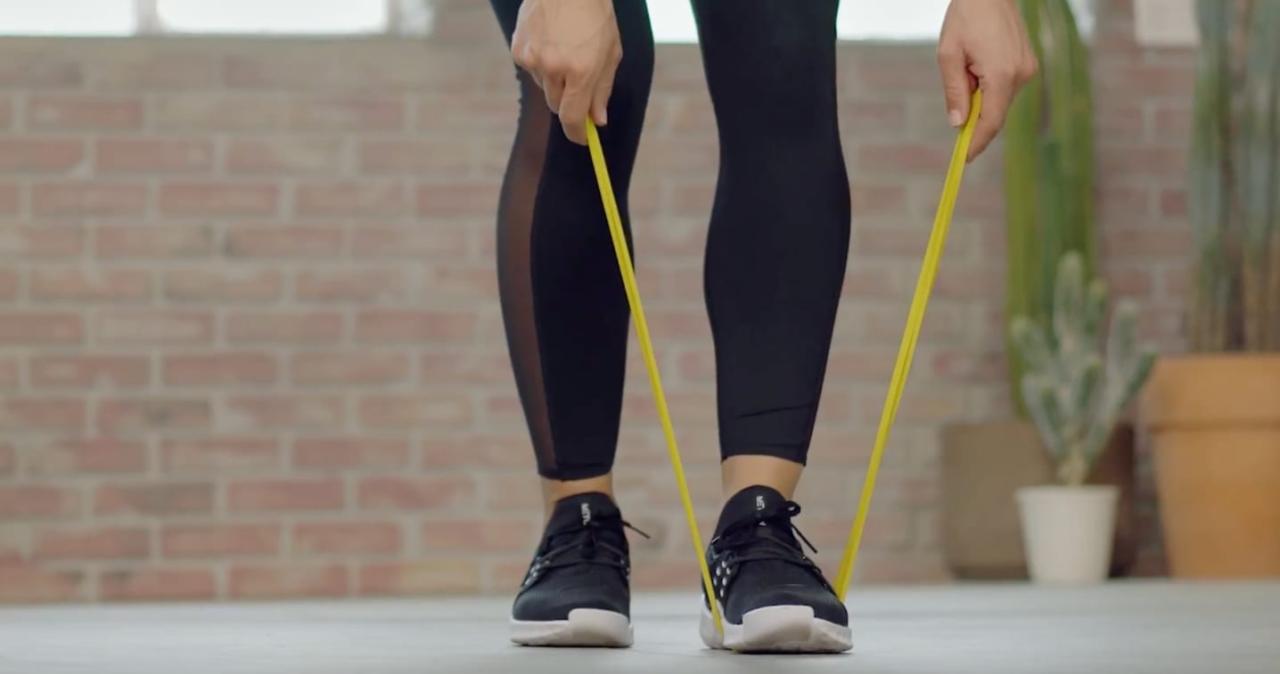
High-Intensity Interval Training (HIIT) workouts are characterized by their dynamic structure, alternating between intense bursts of activity and brief recovery periods. This approach maximizes calorie burn and improves cardiovascular fitness in a time-efficient manner. Understanding different workout formats and structures is crucial for tailoring HIIT to individual needs and goals.
HIIT Workout Formats
Various formats exist for HIIT workouts, each offering distinct benefits. Understanding these formats allows for customization to achieve specific fitness objectives. Circuit-style HIIT involves completing a series of exercises in a predetermined order, moving quickly from one exercise to the next with minimal rest between sets. Interval-style HIIT, on the other hand, focuses on alternating between high-intensity periods and lower-intensity recovery periods.
Both approaches yield positive results when implemented correctly.
Workout Duration and Structure
The duration of a HIIT workout is highly adaptable, ranging from brief 15-minute sessions to more extended 30-minute routines. The duration and structure of the workout can be adjusted to suit different fitness levels and goals. Beginners might benefit from shorter sessions, while advanced users can opt for longer, more challenging routines.
Beginner vs. Advanced HIIT Workouts
Beginners should focus on shorter workout durations (e.g., 15 minutes) and simpler exercises, ensuring adequate rest periods between intervals. They should prioritize proper form over intensity. Advanced users can opt for longer durations (e.g., 30 minutes), more complex exercises, and potentially reduce rest periods to increase the intensity. Both groups should maintain a progressive overload principle, gradually increasing the intensity or duration of their workouts as they improve.
Warm-up and Cool-down Routines
Proper warm-up and cool-down routines are essential components of any HIIT workout. A warm-up prepares the body for the intense activity by increasing blood flow and muscle temperature, reducing the risk of injury. A cool-down helps the body gradually return to its resting state, promoting recovery and reducing muscle soreness. These routines are crucial for optimizing performance and preventing injury.
30-Minute HIIT Workout Plan
This table Artikels a 30-minute HIIT workout plan, suitable for intermediate fitness levels. The plan alternates between high-intensity exercises and brief recovery periods. It’s crucial to adjust the rest periods and exercise intensity based on individual fitness levels.
| Interval | Exercise | Duration (High Intensity) | Duration (Rest) |
|---|---|---|---|
| 1 | Burpees | 30 seconds | 15 seconds |
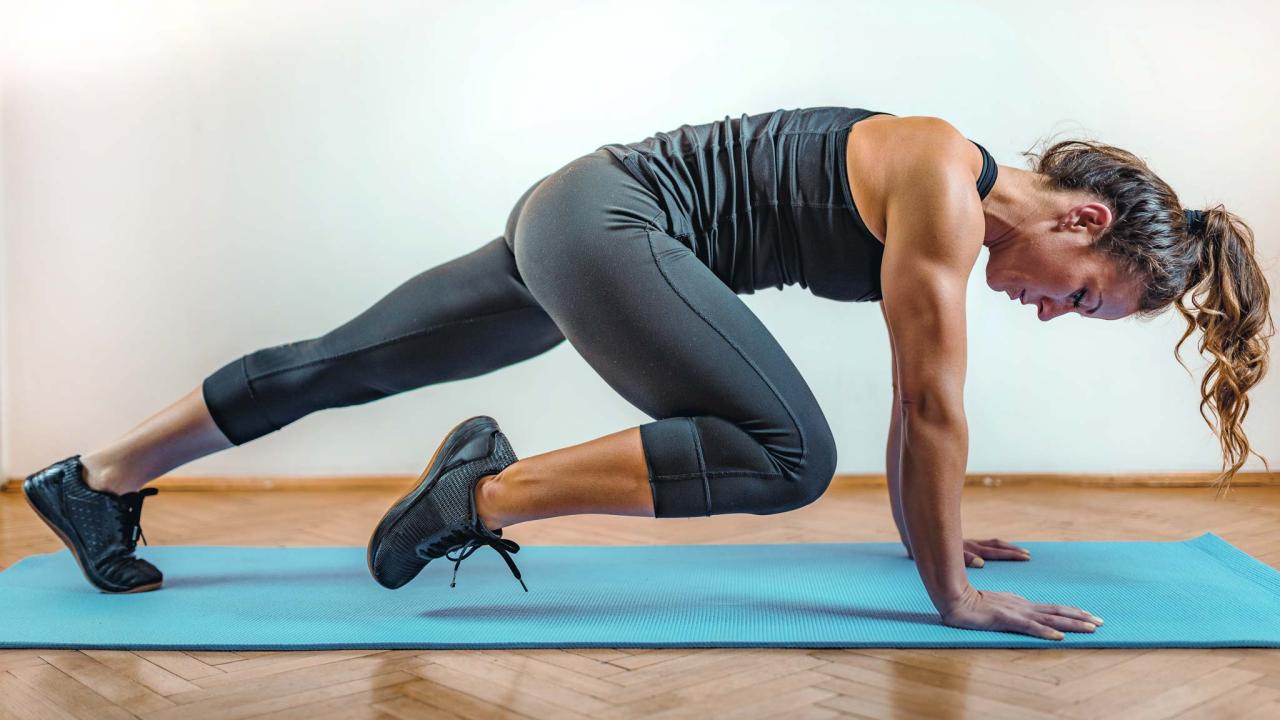
| 2 | Mountain Climbers | 30 seconds | 15 seconds |
| 3 | Jumping Jacks | 30 seconds | 15 seconds |
| 4 | High Knees | 30 seconds | 15 seconds |
| 5 | Butt Kicks | 30 seconds | 15 seconds |
| 6 | Squats | 30 seconds | 15 seconds |
| 7 | Push-ups (modified if needed) | 30 seconds | 15 seconds |
| 8 | Plank | 30 seconds | 15 seconds |
| 9 | Repeat intervals 1-8 | 30 seconds | 15 seconds |
| 10 | Cool-down (stretching) | 5 minutes | N/A |
Exercise Variations and Modifications
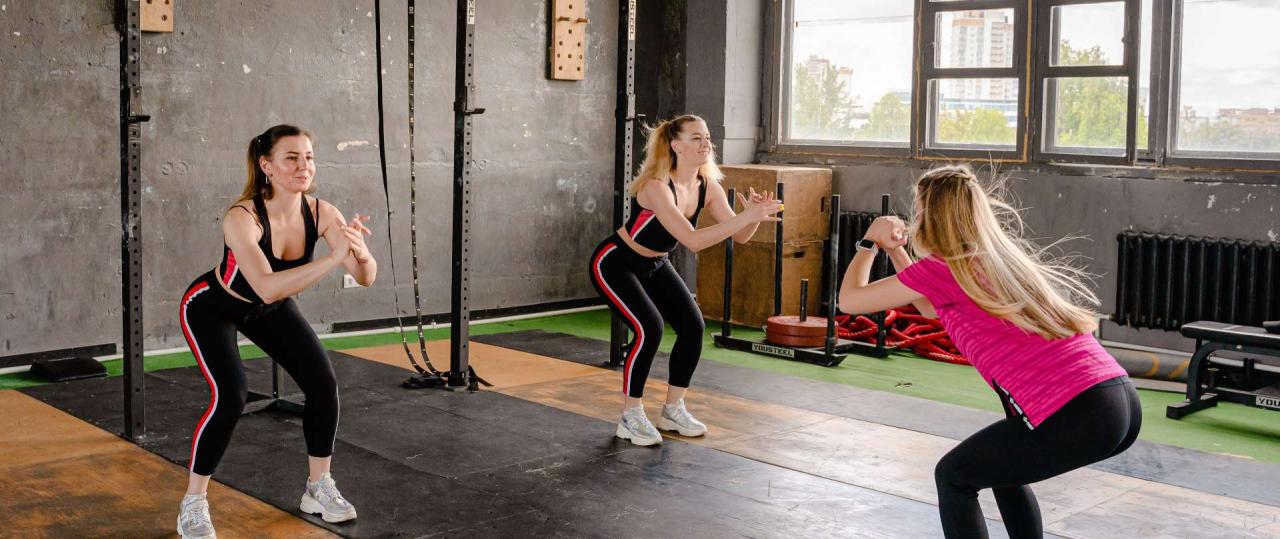
HIIT workouts offer a dynamic and effective way to improve fitness, but adapting them to individual needs and limitations is crucial. This section explores various modifications to ensure safety and optimal results for all participants, regardless of fitness level or pre-existing conditions. By understanding how to adjust exercises, individuals can tailor their HIIT routines to maximize their benefits and minimize the risk of injury.
Modifying Exercises for Different Fitness Levels
Adjusting the intensity and duration of exercises is key to tailoring HIIT workouts to different fitness levels. Beginners may need to shorten the work intervals, increase the rest periods, or choose modifications of the exercises. Intermediate and advanced individuals can gradually increase the intensity by shortening rest periods, increasing the number of repetitions, or choosing more challenging variations of the same exercise.
This gradual progression allows for continuous improvement without overexertion.
Home HIIT Exercises without Equipment
Numerous effective HIIT exercises can be performed at home without any specialized equipment. Bodyweight exercises like burpees, mountain climbers, jumping jacks, squats, push-ups, and lunges can be easily incorporated into a HIIT routine. These exercises engage multiple muscle groups and contribute to cardiovascular fitness. Remember to maintain proper form throughout each exercise to maximize effectiveness and minimize the risk of injury.
Adjusting HIIT Workouts for Injuries or Limitations
Modifying HIIT workouts for individuals with injuries or limitations requires careful consideration of the specific condition. Consult with a healthcare professional or physical therapist to determine suitable exercises and modifications. For example, individuals with knee injuries may need to avoid high-impact exercises like jumping jacks or burpees. Alternative exercises like step-ups or stationary lunges can be substituted while maintaining the benefits of HIIT.
Individuals with other limitations should also adapt the intensity and duration of the workout accordingly.
Exercise Variations for HIIT Workouts
This section presents a range of exercises suitable for HIIT workouts, combining cardio and strength training components. Effective exercises include burpees, jumping jacks, mountain climbers, high knees, butt kicks, squat jumps, push-ups, lunges, and planks. These exercises target various muscle groups, enhancing both cardiovascular fitness and strength. Proper form is paramount to avoid injuries.
Table of Modifications for Common HIIT Exercises
| Exercise | Beginner Modification | Intermediate Modification | Advanced Modification |
|---|---|---|---|
| Burpees | Modified burpees (no jump, step instead of jump) | Full burpees with reduced jump height | Full burpees with increased repetitions |
| Mountain Climbers | Slow mountain climbers | Faster mountain climbers with controlled movements | Mountain climbers with increased speed and intensity |
| Jumping Jacks | Modified jumping jacks (small jumps, no arm movements) | Full jumping jacks with reduced intensity | Jumping jacks with increased intensity and repetitions |
| Squat Jumps | Squats with no jump | Squat jumps with reduced jump height | Squat jumps with increased repetitions and jump height |
Safety and Considerations
High-Intensity Interval Training (HIIT) offers a powerful way to improve fitness, but it’s crucial to approach it with caution and awareness of potential risks. Proper form, injury prevention strategies, and understanding the potential dangers are essential for a safe and effective HIIT experience. Prioritizing your body’s signals and understanding your limitations are vital for maximizing the benefits while minimizing the risks.Understanding the importance of safety in HIIT is paramount, as it directly influences the effectiveness and long-term enjoyment of this workout regime.
Prioritizing safety mitigates the risk of injury and ensures a positive experience.
Importance of Proper Form
Maintaining correct form during HIIT exercises is fundamental for preventing injuries. Incorrect form can lead to muscle strains, joint pain, and other issues. Proper form ensures that the exercises target the intended muscles and minimize stress on supporting structures. By focusing on technique, you can maximize the benefits of each workout while reducing the risk of harm.
For instance, a slight variation in squat form can significantly alter the stress placed on the knees, potentially leading to injury.
Injury Prevention Recommendations
Implementing preventative measures can significantly reduce the risk of injuries associated with HIIT workouts. A crucial aspect is proper warm-up and cool-down routines, which prepare the body for intense activity and allow for a gradual return to a resting state. Adequate hydration and nutrition are also essential. Listen to your body and avoid pushing through pain; rest when needed to prevent overuse injuries.
Proper footwear tailored for the chosen activity is another important aspect of injury prevention.
Potential Risks for Beginners
Beginners may experience a higher risk of injury compared to experienced HIIT practitioners. This is due to factors such as a lack of physical conditioning, unfamiliar movements, and improper technique. A gradual progression from easier workouts to more intense ones is vital for reducing this risk. Consulting a healthcare professional before starting a HIIT routine, particularly if you have pre-existing conditions, is recommended.
Listening to Your Body
It’s crucial to listen to your body during a HIIT workout. Pay attention to any pain or discomfort, and modify or stop the workout if needed. Pushing through pain can lead to serious injuries. Learning to recognize your body’s signals, such as fatigue, breathlessness, or muscle soreness, and adjusting the workout accordingly is key to preventing harm.
Recognize that individual tolerance varies and some may experience more rapid fatigue than others.
Potential Risks and Precautions Table
| Potential Risk | Precautions |
|---|---|
| Muscle strains and tears | Proper warm-up, gradual intensity increase, appropriate rest periods |
| Joint pain and injuries | Maintaining correct form, using proper footwear, avoiding overexertion |
| Cardiovascular issues | Gradual progression, monitoring heart rate, consulting a physician if necessary |
| Overtraining | Adequate rest and recovery, listening to body signals, incorporating rest days |
| Dehydration | Staying hydrated before, during, and after the workout, adjusting fluid intake based on activity level |
Nutrition and Recovery

Proper nutrition and recovery are crucial components of any HIIT workout program. They are not simply add-ons, but integral parts that impact performance, muscle growth, and overall well-being. By understanding the role of nutrition before, during, and after a workout, and implementing effective recovery strategies, individuals can optimize their HIIT experience and maximize their results.Nutrition plays a pivotal role in supporting the body’s demands during HIIT workouts.
The intense bursts of activity require significant energy expenditure, and the right nutrients can fuel the body effectively, leading to better performance and reduced fatigue.
Nutrition Guidelines Before, During, and After HIIT Workouts
Adequate nutrition is essential to fuel the body before, during, and after a HIIT workout. Pre-workout nutrition should provide sustained energy without causing digestive discomfort, while post-workout nutrition aids in muscle recovery and repair. During the workout, hydration is paramount for maintaining optimal performance.
- Pre-Workout Nutrition: Consume a meal or snack containing complex carbohydrates and lean protein approximately 1-2 hours before your workout. This provides sustained energy release and helps prevent blood sugar fluctuations. Examples include whole-grain toast with peanut butter, oatmeal with fruit, or a small portion of chicken breast with brown rice. Avoid high-fat or high-fiber foods immediately before exercise, as they can cause digestive distress.
- During Workout Hydration: Hydration is critical during HIIT workouts. Dehydration can significantly impact performance and lead to fatigue. Drink water in small amounts throughout the workout, at regular intervals. Aim to drink enough to prevent thirst, but avoid over-hydration.
- Post-Workout Nutrition: Consume a balanced meal or snack containing protein and carbohydrates within 30-60 minutes of completing your workout. This is the “anabolic window” when the body is most receptive to rebuilding muscle tissue. Examples include a protein shake with fruit, a Greek yogurt with berries, or a turkey sandwich on whole-grain bread. This replenishes glycogen stores and supports muscle protein synthesis.
Importance of Hydration During HIIT Workouts
Intense exercise like HIIT depletes the body’s water reserves. Adequate hydration is vital to maintain cardiovascular function, regulate body temperature, and deliver nutrients to working muscles. Proper hydration enhances performance, minimizes muscle fatigue, and reduces the risk of injury.
- Dehydration can lead to reduced blood volume, which affects the heart’s ability to pump blood efficiently. This can lead to decreased exercise capacity, increased fatigue, and potentially heat-related illnesses.
- Proper hydration maintains optimal body temperature, preventing overheating and heatstroke. Sweating during exercise removes heat from the body, but adequate hydration is crucial for replacing the lost fluids.
- Hydration supports nutrient delivery to working muscles. This ensures that the muscles receive the necessary fuel and oxygen for optimal performance and prevents muscle fatigue.
Effective Strategies for Post-Workout Recovery
Post-workout recovery strategies aim to reduce muscle soreness, promote muscle repair, and replenish energy stores. These strategies can significantly enhance recovery and contribute to improved performance in subsequent workouts.
- Active Recovery: Engaging in light-intensity activities like walking, stretching, or swimming after a HIIT workout can improve blood flow to muscles, promoting recovery and reducing soreness. This promotes blood circulation, which helps remove metabolic waste products and delivers oxygen and nutrients to the muscles.
- Cold Water Immersion (Contrast Therapy): Soaking in cold water after a HIIT workout can help reduce inflammation and muscle soreness. The cold constricts blood vessels, potentially reducing swelling and promoting muscle recovery. Alternating between hot and cold water can also stimulate blood circulation, aiding in recovery.
- Stretching and Foam Rolling: Stretching and foam rolling help improve flexibility, reduce muscle tension, and alleviate soreness. Proper stretching after a HIIT workout can increase range of motion and prevent future injuries.
Different Recovery Methods to Enhance Muscle Repair and Reduce Soreness
Various recovery methods, beyond the ones already discussed, can further enhance muscle repair and reduce soreness. These approaches complement each other and contribute to an overall recovery strategy.
- Sufficient Sleep: Adequate sleep (7-9 hours) is crucial for muscle repair and recovery. During sleep, the body releases hormones that promote tissue growth and repair.
- Mindfulness and Relaxation Techniques: Stress can hinder recovery. Practicing mindfulness, meditation, or other relaxation techniques can reduce stress levels and promote better sleep, which is essential for muscle repair.
- Nutritional Support: Consuming foods rich in antioxidants, such as fruits and vegetables, can help reduce inflammation and promote faster recovery.
Recommended Nutrition Plans for Different HIIT Workouts
| Workout Type | Pre-Workout | During Workout | Post-Workout |
|---|---|---|---|
| Short HIIT (30 minutes) | Small bowl of oatmeal with fruit | Water | Protein shake with banana |
| Medium HIIT (45 minutes) | Whole-wheat toast with avocado and egg | Water (small sips) | Greek yogurt with berries and granola |
| Long HIIT (60+ minutes) | Large bowl of oatmeal with protein powder | Water (small sips) and electrolyte drink | Chicken breast with brown rice and vegetables |
Tracking and Monitoring
Effective HIIT workouts require meticulous tracking and monitoring to optimize performance and ensure safety. By carefully recording intensity, duration, and rest periods, you gain valuable insights into your progress, identify areas for improvement, and prevent potential injuries. This detailed approach enables you to tailor your training for maximum results.Accurate tracking provides a comprehensive understanding of your body’s response to HIIT, allowing for informed adjustments and a more personalized training experience.
This allows for better adherence to the program, and helps you make data-driven decisions to reach your fitness goals.
Importance of Tracking Workout Intensity and Duration
Monitoring the intensity and duration of your HIIT workouts is crucial for assessing your progress and preventing overtraining. Knowing how hard you’re working and how long you’re exercising allows you to progressively overload your system, leading to continuous improvement. This awareness also helps you identify plateaus and adjust your training accordingly. Maintaining a record of your workout intensity and duration provides a baseline for future training sessions, enabling you to build upon past achievements.
Methods for Measuring Heart Rate During HIIT Workouts
Several methods can be used to measure heart rate during HIIT workouts, each with its own advantages and disadvantages. A simple and accessible method is using a wrist-based heart rate monitor. These devices provide real-time heart rate readings, allowing you to track your exertion levels during high-intensity intervals and recovery periods. Chest strap heart rate monitors offer a more accurate measurement of your heart rate, as they are less susceptible to interference from movement or clothing.
This precision is valuable in ensuring you’re accurately hitting your target heart rate zones for optimal HIIT benefits. Alternatively, manual counting of your pulse can be used to get a rough estimate of your heart rate. This method is best for beginners or when specialized equipment is unavailable.
Tracking Progress Over Time with HIIT Training
Tracking your HIIT progress over time allows you to evaluate the effectiveness of your training program. By consistently monitoring key metrics like workout duration, intensity, and recovery time, you can identify patterns in your performance and make necessary adjustments. Using a logbook or dedicated fitness tracking app to record your workouts is an effective way to track your progress.
Analyzing this data helps identify areas of strength and weakness, enabling you to tailor your HIIT workouts to maximize results and prevent plateaus. Consistency in tracking allows you to evaluate your progress objectively, and provides a concrete picture of your fitness journey.
Importance of Monitoring Rest Periods in HIIT
Monitoring rest periods during HIIT is critical for effective recovery and preventing overtraining. Rest periods allow your body to replenish energy stores and repair muscle tissue damaged during high-intensity intervals. Adequate rest periods are essential for optimal performance and injury prevention. By monitoring your rest periods, you can ensure you’re allowing your body sufficient time to recover between intervals, thus preventing fatigue and promoting long-term fitness gains.
This careful monitoring helps you to avoid pushing your body too hard and potentially injuring yourself.
Tools for Tracking HIIT Workouts
Proper tracking of HIIT workouts is essential for measuring progress, adjusting intensity, and preventing injuries. A range of tools are available to facilitate this process, each with its own strengths and limitations.
| Tool | Description | Pros | Cons |
|---|---|---|---|
| Fitness Trackers (e.g., smartwatches, fitness bands) | Measure heart rate, track workout duration, and provide notifications. | Convenient, real-time data, motivating | Accuracy may vary, some features may require subscription |
| Fitness Apps | Offer detailed workout logs, progress tracking, and workout creation tools. | Comprehensive data analysis, tailored workout plans | Requires phone or tablet for use |
| Logbooks | Traditional method for recording workout details manually. | No reliance on technology, good for offline tracking | Time-consuming to record, limited data analysis |
| Heart Rate Monitors (chest strap or wrist-based) | Provide precise heart rate readings during workouts. | Accurate heart rate monitoring, crucial for intensity control | Can be more expensive, may require setup |
Progression and Customization
Sustaining motivation and achieving desired results in HIIT training hinges on thoughtful progression and customization. This involves gradually increasing workout intensity, tailoring exercises to individual needs, and integrating HIIT into a broader fitness plan. A well-structured approach allows for continuous improvement and prevents plateaus, fostering a long-term commitment to fitness.
Strategies for Gradual Intensity Increases
Progressive overload is fundamental to HIIT progression. It involves systematically increasing the demands on the body over time. This could involve increasing the duration of high-intensity intervals, the number of repetitions, the weight lifted during resistance exercises incorporated, or the intensity of the exercises. Proper progression avoids overtraining and allows the body to adapt safely and effectively.
- Increasing Interval Duration: Gradually lengthen the high-intensity work intervals while maintaining the rest periods. For example, if your current workout involves 30 seconds of high-intensity exercise followed by 30 seconds of rest, incrementally increase the high-intensity interval to 45 seconds and maintain the 30-second rest period. This gradual increase in work time stresses the cardiovascular system without overwhelming the body.
- Adding Intervals: Introduce additional high-intensity intervals to the workout. This can be achieved by increasing the number of work intervals within a given timeframe. For instance, transition from 4 sets of 30-second intervals to 5 sets, maintaining the same work-to-rest ratio. This allows for a progressive increase in the total volume of work.
- Increasing Workload: If strength training is integrated, increase the weight lifted, resistance, or number of repetitions within the resistance training exercises. This progressive overload is key to building strength and improving performance in HIIT.
Tailoring HIIT to Individual Goals and Preferences
Effective HIIT programs consider individual preferences and goals. This personalization maximizes the benefits and ensures the program aligns with the specific needs and objectives of each participant.
- Exercise Variety: Include a diverse range of exercises, such as cardio, strength training, or bodyweight exercises. This caters to varied preferences and ensures a comprehensive workout.
- Intensity Levels: Adjust the intensity of exercises based on individual fitness levels. A beginner may start with lower intensity levels and gradually increase them as their fitness improves.
- Rest Periods: Adjust the rest periods between intervals based on individual recovery needs. A shorter rest period will increase the intensity of the workout, while a longer rest period allows for better recovery.
Incorporating HIIT into a Larger Fitness Plan
Integrating HIIT into a comprehensive fitness plan involves considering other elements, such as strength training, flexibility, and nutrition. A balanced approach is crucial for holistic well-being.
- Combine with Strength Training: Complement HIIT with strength training sessions to build muscle mass and improve overall fitness. This combination enhances the results from HIIT, building a more robust and resilient body.
- Include Flexibility and Mobility: Incorporate stretching and mobility exercises to improve flexibility, reduce muscle soreness, and enhance recovery. Flexibility routines, combined with HIIT, contribute to a more comprehensive fitness approach.
- Maintain a Balanced Diet: A nutritious diet is crucial for fueling HIIT workouts and supporting recovery. Proper nutrition, combined with HIIT, contributes to optimal health and performance.
Modifying HIIT Workouts Based on Personal Preferences
Modifying HIIT workouts based on personal preferences involves tailoring the exercises, intensity levels, and rest periods to suit individual preferences.
- Exercise Substitutions: Substitute exercises based on personal preferences and availability of equipment. For example, if a participant prefers swimming, they could substitute running with swimming intervals.
- Workout Duration: Adjust the total duration of the workout based on personal time constraints and fitness levels. Shorter HIIT workouts are still effective, and modifications can be made to cater to varied schedules.
- Exercise Complexity: Gradually increase the complexity of exercises as fitness levels improve. Starting with basic exercises and progressively moving to more advanced ones allows for a smooth progression.
HIIT Progression Strategies Comparison
| Progression Strategy | Description | Advantages | Disadvantages |
|---|---|---|---|
| Increasing Interval Duration | Gradually increase the duration of high-intensity intervals. | Safe, gradual progression, focuses on cardiovascular fitness. | May not be suitable for individuals seeking a more significant workload increase. |
| Adding Intervals | Introduce more intervals into the workout. | Increases overall workload, builds endurance. | May lead to overtraining if not managed properly. |
| Increasing Workload (Resistance Training) | Increase the weight lifted, resistance, or repetitions in strength training exercises. | Builds muscle strength and power. | Requires careful monitoring and proper form to avoid injury. |
Closing Notes
In conclusion, this comprehensive guide to HIIT workouts equips you with the knowledge and strategies to create a personalized, effective, and safe training program. By understanding the principles of HIIT, planning your workouts meticulously, and prioritizing safety and recovery, you can unlock the full potential of this dynamic fitness method. Remember to listen to your body, adjust as needed, and celebrate your progress along the way.