Foam rolling has become a popular self-myofascial release technique for improving flexibility, reducing muscle soreness, and enhancing athletic performance. This comprehensive guide delves into the various aspects of foam rolling, from understanding different types of rollers and their applications to mastering correct techniques and incorporating them into a holistic recovery plan.
This guide covers everything from choosing the right foam roller for your needs to executing effective exercises for specific muscle groups, and even provides tips on how to modify routines for different body types. It also highlights the importance of safety precautions and potential risks to ensure a safe and effective foam rolling experience.
Introduction to Foam Rolling
Foam rolling, also known as self-myofascial release (SMR), is a popular technique used to improve flexibility, reduce muscle soreness, and enhance athletic performance. It involves using a foam roller to apply pressure to targeted muscle groups, releasing tension and promoting blood flow. This process can help alleviate muscle knots, improve range of motion, and potentially reduce the risk of injury.Foam rolling is a valuable tool for individuals seeking to improve their physical well-being, whether athletes, fitness enthusiasts, or those recovering from injuries.
It can be used as part of a warm-up routine, a cool-down, or as a standalone exercise to address specific muscle imbalances.
Foam Roller Types
Various foam roller types cater to different needs and preferences. Understanding the characteristics of each type is crucial for selecting the appropriate roller for a specific task.
Types of Foam Rollers and Their Materials
Different materials and densities contribute to the varying characteristics of foam rollers. Each material offers distinct advantages and disadvantages. Common materials include:
- Dense Polyurethane Foam: Known for its firm texture and durability, this material is excellent for deep tissue work. It effectively targets tight muscles and knots, but may be too intense for individuals with very sensitive tissues. The firm structure can provide a deep and effective massage.
- High-Density Polyethylene (HDPE): This material is typically less dense than polyurethane, offering a medium-firm feel. It’s a good compromise between deep tissue work and gentler stretching, suitable for a wider range of users. It provides good support and is more forgiving for individuals with sensitive tissues.
- Ethylene Vinyl Acetate (EVA): This softer material offers a gentler, more comfortable experience. It is ideal for beginners or individuals with very sensitive tissues. EVA foam rollers are less likely to cause pain or discomfort, but may not provide the same level of deep tissue release as denser materials.
- Soft Polyurethane Foam: These rollers provide a gentler, less intense experience, often preferred for warm-ups and general stretching. This is ideal for warming up muscles before intense workouts and can be useful for individuals who are just starting to incorporate foam rolling into their routine. The soft texture minimizes the risk of discomfort.
Comparison of Foam Roller Types
The table below compares different foam roller types based on firmness, size, and intended use.
| Foam Roller Type | Firmness | Size | Intended Use |
|---|---|---|---|
| Dense Polyurethane | Firm | Various | Deep tissue work, targeting specific muscle groups |
| High-Density Polyethylene | Medium-Firm | Various | General muscle release, warm-ups, cool-downs |
| Ethylene Vinyl Acetate | Soft | Various | Gentle stretching, warm-ups, beginners |
| Soft Polyurethane | Soft | Various | Gentle stretching, warm-ups, sensitive tissues |
Correct Foam Rolling Techniques
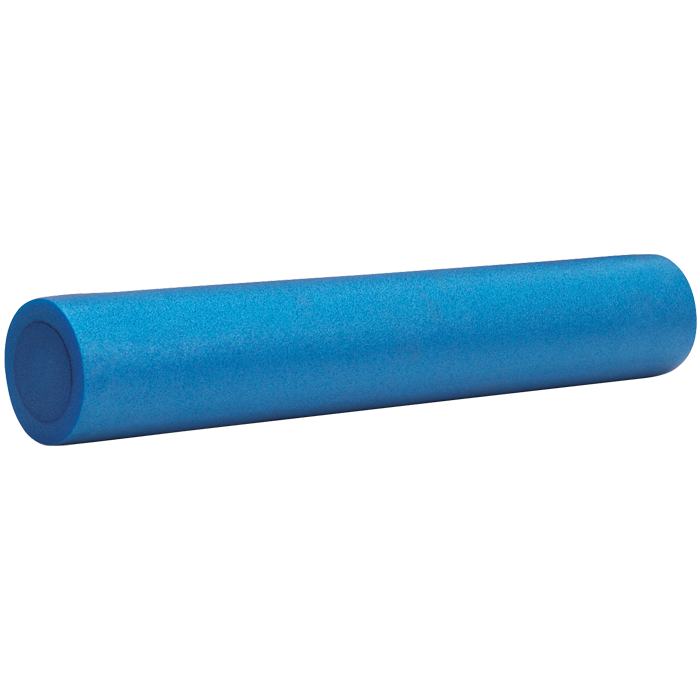
Proper foam rolling technique is crucial for maximizing its benefits and minimizing the risk of injury. Consistent and correct application is key to achieving targeted muscle release and improved flexibility. A mindful approach to posture, pressure, and technique will optimize the foam rolling experience.
Posture and Positioning for Different Muscle Groups
Effective foam rolling relies on maintaining a stable and controlled posture. This allows for targeted pressure and prevents unnecessary strain on the body. Proper positioning is essential for accessing specific muscle groups effectively. When working on the quads, for example, a comfortable kneeling position or lying on your side with the foam roller beneath the targeted area is optimal.
For hamstrings, lying supine with one leg extended and the foam roller positioned along the back of the thigh is a good choice. The back can be addressed by lying prone or using a side-lying position, placing the foam roller beneath the specific area to be worked. The key is to find a position that allows for full range of motion and comfortable engagement of the muscles being rolled.
Pressure Application and Differentiating Soft Tissue from Bone
Applying the correct pressure is critical during foam rolling. Excessive pressure can lead to injury, while insufficient pressure may not provide the desired release. Soft tissue, including muscles, tendons, and ligaments, should be addressed with moderate to firm pressure. Bone should be avoided completely. A gentle rocking or rolling motion is typically sufficient to target soft tissue.
For particularly tight or sensitive areas, start with lighter pressure and gradually increase as tolerated. Listen to your body; if a specific area feels painful, reduce or stop the pressure immediately.
Foam Rolling for Specific Muscle Groups
Proper technique is essential for targeting specific muscle groups effectively. When foam rolling the quadriceps, use a controlled rolling motion along the front of the thigh, focusing on areas of tightness or discomfort. For the hamstrings, roll from the glutes down the back of the thigh, paying attention to any tender spots. For the back, use a gentle rolling motion on the spine, avoiding bony prominences and focusing on the muscles surrounding the vertebrae.
Common Mistakes and Potential Consequences
Several mistakes can hinder the effectiveness and safety of foam rolling. Rolling on bone, for instance, is a common error that can cause pain and potential injury. Insufficient pressure may not provide the desired release, while excessive pressure can lead to pain, muscle soreness, and potential injury. Rolling too quickly or without focus can prevent the targeted release and may lead to a suboptimal experience.
Also, failing to warm up before foam rolling can increase the risk of injury. It’s important to be mindful of your body’s signals and adjust the technique as needed.
Targeted Muscle Groups and Recommended Stretches
| Muscle Group | Recommended Stretches ||—|—|| Quads | Standing quad stretch, lunge stretch || Hamstrings | Lying hamstring stretch, seated hamstring stretch || Calves | Standing calf stretch, seated calf stretch || Lower Back | Child’s pose, cat-cow stretch || Iliotibial (IT) Band | Standing IT band stretch || Glutes | Pigeon pose, bridge pose || Thoracic Spine | Thread the needle stretch, spinal twist |
Foam Rolling for Specific Conditions
Foam rolling is a valuable tool for addressing various musculoskeletal concerns. By targeting specific muscle groups, it can alleviate pain, improve flexibility, and enhance athletic performance. This section will delve into how foam rolling can benefit individuals with back pain, runners, athletes in general, and those recovering from injuries. Understanding the proper techniques and considerations for different conditions is crucial for safe and effective self-treatment.Applying foam rolling to specific conditions requires a careful approach.
Begin with gentle pressure and gradually increase intensity as tolerated. Always listen to your body and stop if you experience any sharp pain. Remember that foam rolling is a supplementary tool, not a replacement for professional medical advice. Consult with a healthcare provider if you have persistent or severe pain.
Foam Rolling for Back Pain
Foam rolling can aid in alleviating back pain by targeting tight muscles in the back, hips, and glutes. These areas often contribute to back pain due to muscle imbalances and restrictions in movement. Proper application of foam rolling can help to release tension, improve blood flow, and promote relaxation in these areas. This, in turn, can lead to reduced pain and improved posture.
Foam Rolling for Runners
Runners often experience tight hamstrings, quads, calves, and hip flexors. Foam rolling can effectively address these issues, improving flexibility and reducing the risk of injuries like runner’s knee or plantar fasciitis. However, runners should be cautious when foam rolling these areas, particularly around joints and sensitive tissues. Begin with light pressure and gradually increase intensity. Avoid excessive pressure on areas near joints.
Foam Rolling for Athletes
Foam rolling benefits athletes across various sports by targeting specific muscle groups. For example, baseball players may benefit from foam rolling their shoulders and rotator cuffs to improve range of motion and prevent injuries. Tennis players may find relief from tight hamstrings and hip flexors. Similarly, swimmers can use foam rolling to address tight shoulders and back muscles.
The specific muscle groups targeted will vary depending on the sport and the individual athlete’s needs. A tailored approach is essential for maximizing benefits.
Foam Rolling for Injuries
Foam rolling can be an effective tool for recovery from various injuries. For example, after a hamstring strain, foam rolling can help to reduce muscle tension and improve flexibility in the affected area. By releasing tight muscles, foam rolling promotes blood flow and speeds up the healing process. It is important to note that foam rolling should not be used on acutely injured areas.
If the injury is recent, it’s advisable to consult a healthcare professional before starting foam rolling.
Foam Rolling Modifications for Different Body Types and Flexibility Levels
Foam rolling techniques can be adapted to accommodate different body types and flexibility levels. Individuals with lower flexibility may need to start with shorter rolling durations and less intense pressure. Those with higher flexibility may be able to tolerate longer rolling sessions and more pressure. Furthermore, individuals with different body shapes might find varying pressure points effective for releasing tension.
Consider adjusting the rolling time, pressure, and frequency to accommodate your specific needs.
Foam Rolling Exercises and Routines
Foam rolling is a valuable tool for enhancing flexibility, promoting muscle recovery, and preventing injuries. A well-structured foam rolling routine can target specific muscle groups, alleviate tightness, and improve overall athletic performance. This section delves into various foam rolling routines, tailored for different experience levels and goals.
Beginner Foam Rolling Routine
This routine focuses on fundamental exercises, ideal for individuals new to foam rolling. Prioritize slow, controlled movements, and listen to your body throughout the session. Avoid pushing through pain.
- Quadriceps: Roll the front of your thighs, from hip to knee, for 30-60 seconds per leg. Focus on areas experiencing tightness. Ensure a comfortable pressure.
- Hamstrings: Roll the back of your thighs, from glute to knee, for 30-60 seconds per leg. Pay attention to any knots or areas of tenderness.
- Calves: Roll your calves, from the heel to the knee, for 30-60 seconds per leg. Focus on the gastrocnemius and soleus muscles. Roll both sides equally.
- Lower Back: Roll your lower back, from the base of the spine to the hips, for 30-60 seconds. Use slow and deliberate pressure to target any areas of stiffness or pain.
Advanced Foam Rolling Routine
This routine incorporates more targeted exercises and longer durations, suitable for those with a better understanding of foam rolling techniques and a more consistent practice.
- Iliotibial (IT) Band: Roll your IT band, along the outer thigh, from hip to knee, for 60-90 seconds per leg. This exercise requires more focus on precise pressure to avoid discomfort.
- Pectoralis Major: Roll your chest muscles, with your arms at your sides, for 60-90 seconds. Focus on areas where tightness is prevalent.
- Latissimus Dorsi: Roll your back muscles, using your arm to apply pressure, for 60-90 seconds per side. Pay attention to areas of tension, and be mindful of proper form.
- Hip Flexors: Roll your hip flexors, focusing on the area between the hip and the top of the thigh, for 60-90 seconds per side. This exercise requires careful attention to pressure to avoid potential discomfort.
Foam Rolling Exercises for Specific Body Parts
This section provides a comprehensive list of foam rolling exercises for various body parts.
| Body Part | Exercise Description | Duration (per side) |
|---|---|---|
| Glutes | Roll the glute muscles, from the top of the buttocks to the hips. | 30-60 seconds |
| Thoracic Spine | Roll the mid-back, applying pressure to specific areas of tightness. | 30-60 seconds |
| Triceps | Roll the back of your upper arm, from the elbow to the shoulder. | 30-60 seconds |
| Trapezius | Roll the upper back and neck muscles. | 30-60 seconds |
Comparing Foam Rolling Routines for Different Goals
Different routines cater to diverse objectives.
- Flexibility: Prioritize stretches that target specific muscle groups, with longer durations and controlled pressure. Focus on the entire muscle chain.
- Recovery: Focus on the muscles most utilized during activity. Shorter durations and lighter pressure can promote relaxation and reduce soreness.
- Injury Prevention: Incorporate exercises to address areas of potential weakness or tightness, and use foam rolling to enhance muscle flexibility and joint mobility.
Listening to Your Body During Foam Rolling
Proper form and pain management are paramount. Avoid pushing through sharp pain. If discomfort arises, immediately cease the exercise and consult a healthcare professional if needed. Adjust the pressure and duration of each exercise as necessary. Discomfort should be manageable, not severe.
Safety and Precautions During Foam Rolling
Foam rolling, while a beneficial self-myofascial release technique, requires careful consideration of safety protocols to maximize its effectiveness and minimize potential risks. Proper preparation and awareness of potential issues are crucial for a safe and productive foam rolling session.Understanding the importance of warming up before and cooling down after foam rolling, along with identifying potential contraindications and pain management strategies, are paramount to ensuring a positive experience.
Proper form and technique are equally important to prevent injuries. By adhering to these safety guidelines, individuals can harness the benefits of foam rolling while mitigating any potential harm.
Importance of Warming Up and Cooling Down
Adequate warm-up before foam rolling is essential to prepare the muscles for the stretching and release. A warm-up increases blood flow to the targeted muscles, making them more pliable and less susceptible to injury during the foam rolling process. Similarly, a cool-down period after foam rolling helps the body return to its resting state. This helps to reduce muscle soreness and promote recovery.
Start with light cardio and dynamic stretching, gradually increasing the intensity before foam rolling. Cool-down involves static stretching and light cardio to aid in the recovery process.
Potential Risks and Contraindications
Certain individuals may experience heightened risks or contraindications when using foam rollers. Pre-existing injuries, such as muscle strains, tears, or joint problems, may be exacerbated by foam rolling. Individuals with acute injuries or conditions, such as fractures, dislocations, or recent surgeries, should avoid foam rolling until cleared by a healthcare professional. Medical conditions like blood clots, infections, or certain neurological disorders may also necessitate caution or exclusion from foam rolling.
Consult with a healthcare provider before starting a foam rolling routine, especially if you have any underlying health concerns.
Identifying and Addressing Pain During Foam Rolling
Pain during foam rolling is a significant signal that the technique or pressure is inappropriate. Discomfort should never be ignored. If you experience sharp, intense, or persistent pain, stop immediately. Adjust the pressure, the foam rolling technique, or the location being rolled. If the pain persists or worsens, consult with a healthcare professional to determine the cause and receive appropriate treatment.
Listen to your body and adjust your approach accordingly. A good rule of thumb is to only feel moderate pressure, not pain.
Importance of Proper Form and Technique
Maintaining proper form and technique during foam rolling is crucial for preventing injuries. Incorrect form can lead to muscle strains, joint pain, or other issues. Focus on applying consistent pressure and rolling slowly and deliberately. Avoid bouncing or jerking movements, which can cause unnecessary stress on the muscles and joints. Use a controlled and steady motion to maximize the benefits and minimize the risk of injury.
Potential Adverse Effects of Improper Foam Rolling and Prevention
- Muscle Strain or Tear: Improper pressure or technique can lead to overstretching or tearing of muscle fibers. Prevent this by applying moderate pressure, avoiding bouncing, and stopping if pain occurs.
- Joint Pain or Discomfort: Incorrect foam rolling can cause discomfort or pain in joints. Avoid rolling directly over joints and focus on the surrounding muscles.
- Increased Inflammation: Excessive pressure or rapid movements can increase inflammation in the targeted area. Maintain a controlled and gradual approach to foam rolling.
- Nerve Irritation: Rolling over nerves can lead to tingling, numbness, or shooting pain. Ensure proper awareness of the location of nerves and avoid direct pressure.
- Exacerbation of Pre-Existing Conditions: Applying pressure to areas with pre-existing injuries or conditions can worsen the situation. Consult a healthcare professional before using foam rolling.
Foam Rolling and Other Recovery Methods
Foam rolling is a valuable tool in a comprehensive recovery plan, but it’s not a standalone solution. Understanding how it complements other methods, such as stretching, massage, and rest, is crucial for maximizing its benefits and minimizing potential risks. This section explores the synergistic relationship between foam rolling and other recovery techniques, offering practical examples and a holistic approach to recovery.Effective recovery often involves a multifaceted approach.
Different techniques target various aspects of muscle function and tissue repair, and combining them can lead to significant improvements in performance and injury prevention. By understanding the unique contributions of each method, individuals can tailor their recovery strategies to meet their specific needs.
Comparison of Recovery Methods
Foam rolling primarily targets myofascial release and soft tissue mobilization. It facilitates improved blood flow and lymphatic drainage, promoting tissue healing and reducing muscle tension. Stretching, on the other hand, focuses on increasing the range of motion by lengthening muscles and improving flexibility. Massage, often performed by a professional, can address deeper tissue issues, reduce pain, and improve circulation.
Rest allows the body to repair itself at a cellular level, replenishing energy stores and facilitating tissue regeneration.
Synergistic Effects of Combined Techniques
Combining foam rolling with other recovery methods can create a powerful synergistic effect. For example, foam rolling can prepare muscles for deeper stretching by releasing tension and improving flexibility. Following foam rolling with static stretching can enhance the range of motion and further promote muscle relaxation. Similarly, a massage can target specific areas of tightness or pain that foam rolling might not fully address, while foam rolling can be used to maintain flexibility between massage sessions.
Rest provides the body with the necessary time for repair and recovery, allowing the benefits of foam rolling and other techniques to fully manifest.
Examples of Integrated Routines
A typical routine could involve foam rolling the quads and hamstrings, followed by static stretches for these muscle groups, and then a light cardio session. Another approach might incorporate a foam rolling session targeting the upper back and shoulders, followed by a massage to alleviate any lingering tension, and concluding with a period of rest to allow the body to recover.
A runner, for instance, could utilize foam rolling to address tight IT bands, followed by dynamic stretches to prepare for a run, and then rest to recover from the previous session.
Incorporating Foam Rolling into a Holistic Recovery Plan
Incorporating foam rolling into a holistic recovery plan requires careful consideration of individual needs and goals. Start with short, focused sessions targeting areas of tightness or pain. Gradually increase the duration and frequency of foam rolling as tolerated. Consider integrating foam rolling with other recovery methods like stretching, massage, and rest, adapting the plan to accommodate individual training schedules and recovery needs.
It’s important to listen to the body and adjust the routine as necessary to prevent injury and optimize recovery.
Summary Table of Recovery Methods
| Recovery Method | Primary Focus | Relationship to Foam Rolling | Benefits |
|---|---|---|---|
| Foam Rolling | Myofascial release, soft tissue mobilization | Complements stretching, massage; prepares muscles for deeper stretching | Reduced muscle tension, improved blood flow, increased flexibility |
| Stretching | Increased range of motion, improved flexibility | Enhances the effects of foam rolling by increasing flexibility | Improved posture, reduced muscle soreness, increased joint mobility |
| Massage | Deep tissue work, pain relief, improved circulation | Addresses areas foam rolling may not fully reach; can be used for recovery after foam rolling | Reduced pain, improved circulation, decreased muscle tension |
| Rest | Cellular repair, energy replenishment | Allows the body to fully utilize the benefits of other recovery methods | Reduced risk of injury, improved overall health |
Foam Rolling for Different Body Types
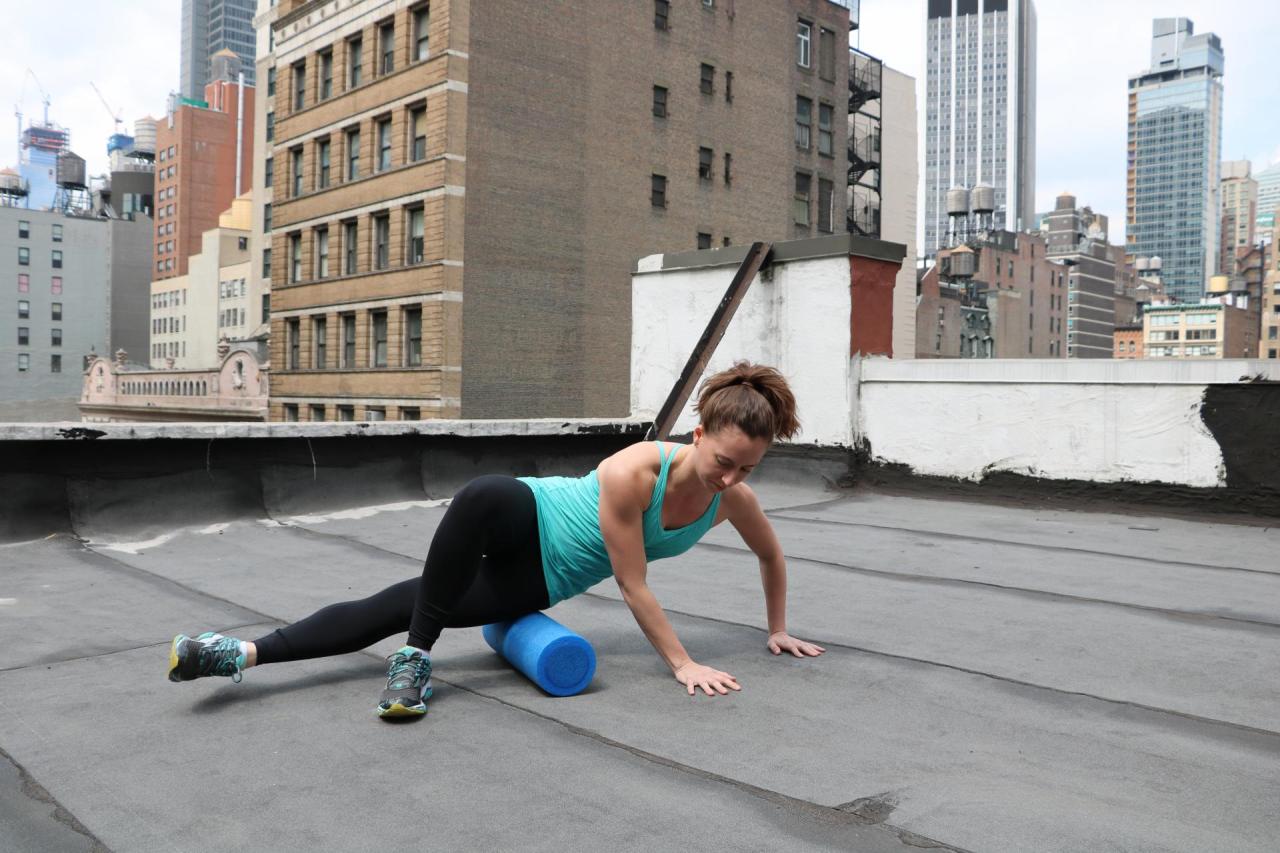
Foam rolling is a valuable tool for improving flexibility and muscle recovery, but its effectiveness can be enhanced by considering individual body types. Adjusting techniques and routines for various body types ensures optimal results and minimizes potential discomfort. This section delves into tailoring foam rolling for different physiques, from short and stocky builds to tall and lanky ones, along with considerations for weight and age.Understanding the nuances of different body types is crucial for safe and effective foam rolling.
By adapting techniques and routines, individuals can maximize the benefits of foam rolling while minimizing the risk of injury. This tailored approach allows for a more personalized and productive recovery process.
Adjusting Techniques for Different Body Types
Different body types necessitate variations in foam rolling techniques. For example, shorter individuals may benefit from a more focused approach to target specific muscle groups, while taller individuals might require longer rolling durations to cover larger muscle areas. Proper technique ensures the foam roller effectively reaches the targeted muscle tissue.
Foam Rolling for Specific Body Types
- Short and Stocky Body Types: Focus on smaller muscle groups and use lighter pressure. For example, when targeting the quads, use a gentler touch and shorter rolling strokes. Rolling the calves might require less pressure due to the shorter muscle length. Exercises targeting the hamstrings should emphasize the targeted areas, avoiding overly prolonged rolling.
- Tall and Lanky Body Types: Longer rolling strokes and more extended sessions are often needed to reach deeper muscles. Greater pressure might be needed on larger muscle groups, such as the quads and hamstrings, to penetrate the deeper layers effectively. Pay close attention to areas where the muscles are more concentrated or where a larger area needs attention.
- Overweight Individuals: Prioritize proper form and lighter pressure. Avoid excessively prolonged rolling on any one area. It is crucial to focus on controlled movements, paying attention to joint stability. Focus on targeted muscle groups for effective recovery. The focus should be on gradual stretching and rolling to prevent strain.
- Underweight Individuals: Be mindful of the potential for muscle weakness. Focus on lighter pressure and shorter rolling durations. Focus on specific muscles that may be lacking support. Ensure adequate rest between rolling sessions, allowing the muscles to recover adequately.
Tailoring Routines Based on Flexibility and Mobility
Individual flexibility and mobility levels significantly impact the effectiveness and safety of foam rolling routines. Beginners may need to start with shorter sessions and gradually increase duration. Those with higher flexibility can explore more advanced techniques and longer sessions. It is important to listen to the body’s signals and avoid pushing through pain. Adjust the routine to address any specific limitations or pain points.
Adjusting Routines for Specific Age Groups
- Seniors: Modify the intensity and duration of foam rolling sessions. Focus on targeted muscle groups and ensure the pressure is gentle. Consider using a softer foam roller and incorporating pauses between stretches. Prioritize exercises that support balance and stability.
- Teenagers: Emphasize proper form and technique, focusing on the safety and effectiveness of the exercise. Limit rolling duration and adjust pressure as needed. Be mindful of the rapid growth and development phase and encourage a slow progression in the routine.
Visualizing Foam Rolling Positions
An infographic illustrating optimal foam rolling positions for various body types would be highly beneficial. The infographic should visually depict how to adjust the position and pressure for different body types to maximize effectiveness and minimize discomfort. It should incorporate clear instructions and examples of how to modify foam rolling techniques for different body types.
Concluding Remarks
In conclusion, mastering the art of foam rolling involves a blend of knowledge, technique, and mindful practice. By understanding the diverse types of foam rollers, applying proper techniques, and tailoring routines to individual needs, you can unlock the significant benefits of this powerful self-care tool. Remember to prioritize safety, listen to your body, and integrate foam rolling into a broader wellness strategy for optimal results.