Swimming for exercise is a fantastic way to improve your physical and mental well-being. This comprehensive guide provides a detailed look at how to incorporate swimming into your routine, from choosing the right stroke to crafting effective workouts. Whether you’re a seasoned swimmer or just starting out, this resource offers valuable insights and practical advice to help you make the most of this rewarding activity.
This guide covers everything from the fundamental benefits of swimming as exercise, including its impact on cardiovascular health and muscle strength, to the crucial aspects of safety and technique. Detailed explanations, practical tips, and actionable advice will help you understand how to safely and effectively integrate swimming into your fitness journey.
Introduction to Swimming for Exercise
Swimming offers a unique and rewarding form of exercise, providing a multitude of physical and mental benefits. Unlike many other forms of exercise, swimming works multiple muscle groups simultaneously, promoting cardiovascular health and strength building. Its low-impact nature makes it suitable for individuals of varying fitness levels, from beginners to seasoned athletes. This makes it an accessible and enjoyable activity for all.The buoyancy of water provides a supportive environment that reduces stress on joints, making swimming an excellent option for individuals with injuries or joint pain.
The resistance of the water builds strength and endurance, often more effectively than other exercises. Swimming also provides a mental escape, promoting relaxation and stress reduction, making it a powerful tool for overall well-being.
Different Swimming Strokes and Their Suitability for Exercise
Various swimming strokes offer diverse exercise experiences. Freestyle, a popular choice for endurance training, involves a continuous and rhythmic motion, engaging significant muscle groups. Backstroke, with its controlled and balanced movement, is suitable for building core strength and endurance. Breaststroke, with its powerful leg movements, is effective for strengthening the lower body and building stamina. Butterfly, a demanding stroke, combines powerful arm movements and leg kicks, leading to significant calorie burning and muscular engagement.
The choice of stroke will depend on individual preference and fitness goals.
Adapting Swimming for Various Fitness Levels
Swimming can be tailored to suit a wide range of fitness levels. Beginners can start with shorter distances and less intense workouts, gradually increasing the duration and intensity as their fitness improves. Swimming with a flotation device or using a pool noodle can provide additional support and stability, easing the initial transition into the sport. Experienced swimmers can challenge themselves with interval training, incorporating periods of high-intensity swimming with recovery periods.
Proper form and technique are crucial at all levels to prevent injuries and maximize benefits.
Comparing Swimming to Other Exercise Methods
| Exercise | Cardiovascular Benefits | Joint Impact | Muscle Engagement | Accessibility |
|---|---|---|---|---|
| Swimming | Excellent, full-body workout, low impact | Minimal, supportive environment | High, multiple muscle groups engaged | Generally accessible, varying difficulty levels |
| Running | Effective for cardiovascular health | High impact, stress on joints | Primarily lower body | Relatively accessible, requires appropriate footwear |
| Cycling | Good for cardiovascular health | Low impact, but can stress certain joints | Primarily lower body, core | Accessible, requires appropriate equipment |
This table highlights the comparative advantages of swimming, running, and cycling as exercise methods. Swimming’s low-impact nature makes it exceptionally beneficial for individuals with joint issues, while its full-body engagement makes it a powerful cardiovascular workout. Running, while excellent for cardiovascular fitness, puts more stress on joints. Cycling offers a good balance between cardiovascular exercise and joint impact, but may not engage as many muscle groups as swimming.
Getting Started with Swimming for Exercise
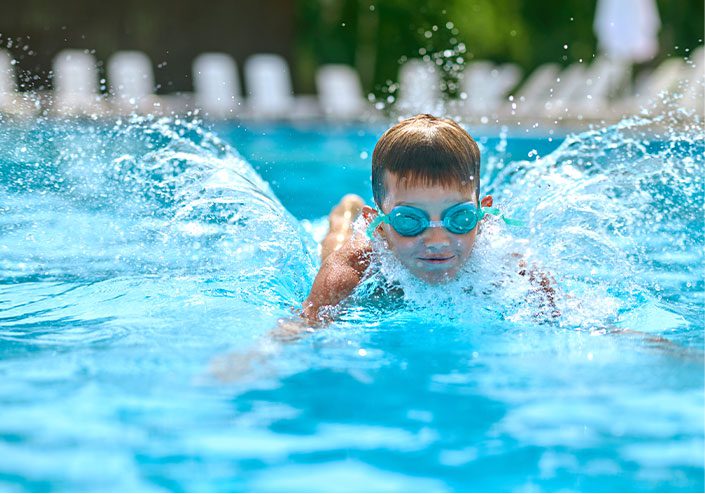
Embarking on a swimming exercise program requires careful planning and preparation. Understanding the fundamentals of warm-up and cool-down, essential equipment, suitable pool selection, fitness evaluation, and appropriate stroke choices are crucial for a safe and effective workout. This section will guide you through these key steps.Proper preparation significantly reduces the risk of injury and optimizes your swimming experience. By understanding the importance of warm-up and cool-down routines, acquiring necessary equipment, and selecting an appropriate swimming location, you can effectively integrate swimming into your fitness journey.
Warm-up and Cool-down Routines
Effective warm-up and cool-down routines are vital for injury prevention and improved performance in swimming. A thorough warm-up prepares your body for the physical demands of swimming, increasing blood flow to your muscles and improving flexibility. A proper cool-down allows your body to gradually return to its resting state, reducing muscle soreness and promoting recovery.Warm-up routines should include dynamic stretches, such as arm circles, leg swings, and torso twists.
These movements gradually increase your heart rate and prepare your muscles for the activity. Cool-down routines, on the other hand, consist of static stretches, holding each stretch for 15-30 seconds. These stretches help to lengthen your muscles and reduce the risk of stiffness or soreness.
Essential Swimming Equipment
A basic set of swimming equipment enhances your swimming experience and safety. This equipment includes goggles, swim caps, and comfortable swim attire. Goggles protect your eyes from chlorine and allow clear vision underwater. Swim caps keep your hair out of your face, reducing drag and increasing comfort. Comfortable swimwear is crucial for freedom of movement and prevents chafing or discomfort during your workout.
“Proper swimwear is essential for comfort and performance, while goggles and swim caps improve safety and comfort.”
Finding a Suitable Swimming Pool or Location
Selecting an appropriate swimming pool or location is crucial for a safe and enjoyable swimming experience. Consider factors like pool cleanliness, water temperature, pool depth, and available facilities. A clean and well-maintained pool minimizes the risk of infections or irritations. The water temperature should be comfortable for your body, avoiding excessive cold or heat. The depth of the pool should allow for safe swimming and exercise without fear of injury.A pool with sufficient space for different strokes and adequate facilities, such as changing rooms and showers, will provide a convenient and pleasant experience.
Evaluating Your Current Fitness Level
Evaluating your current fitness level before starting a swimming program is essential for determining an appropriate exercise intensity. Factors like your current physical activity levels, any pre-existing medical conditions, and personal goals are vital considerations. Consulting a doctor or physical therapist before starting any new exercise program is recommended, especially for individuals with underlying health concerns.A thorough assessment will determine your current fitness level, allowing you to set realistic goals and avoid overexertion.
Assessing your current fitness level, along with considering any medical conditions, helps you tailor your swimming program to your specific needs and capabilities.
Swimming Stroke Recommendations Based on Fitness Level
The following table provides recommendations for swimming strokes based on different fitness levels. Choose strokes that align with your current fitness abilities to ensure a safe and effective workout.
| Fitness Level | Recommended Strokes |
|---|---|
| Beginner | Front crawl (modified), backstroke, breaststroke |
| Intermediate | Front crawl, backstroke, breaststroke, butterfly (modified) |
| Advanced | Front crawl, backstroke, breaststroke, butterfly |
Swimming Techniques for Exercise
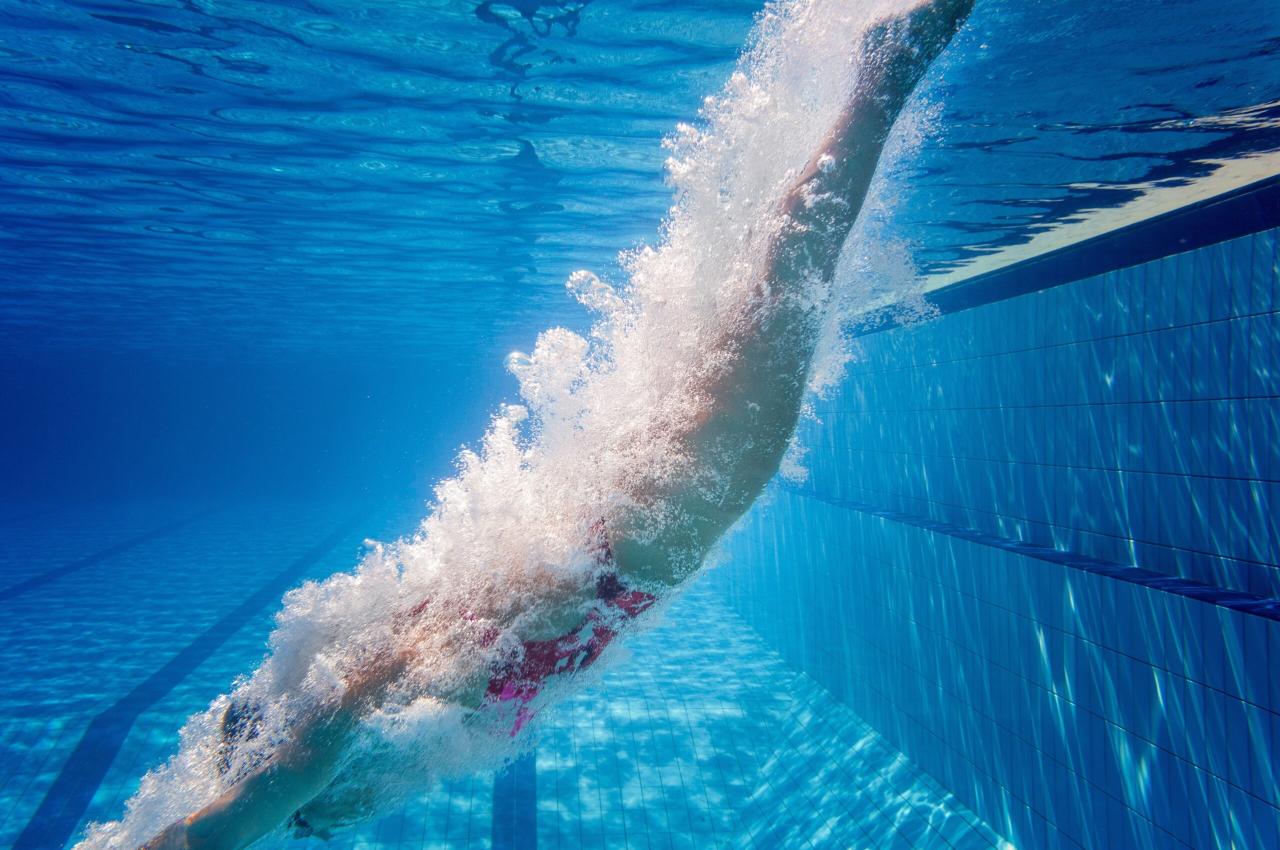
Swimming offers a versatile and low-impact way to exercise, benefiting cardiovascular health and building strength. Mastering proper swimming techniques is crucial for maximizing efficiency, reducing strain, and enjoying the full benefits of this activity. Different strokes target various muscle groups, allowing for personalized workout routines.Effective swimming technique involves a harmonious blend of body positioning, arm movements, and leg action, optimized for minimizing water resistance and maximizing propulsion.
By understanding the nuances of each stroke, individuals can fine-tune their approach for optimal performance and injury prevention.
Freestyle
Freestyle, also known as the front crawl, is a common and efficient stroke. Maintaining a streamlined body position is paramount. The arms should alternate in a powerful, continuous overhand motion, propelling the swimmer forward. Simultaneously, the legs should kick in a flutter kick pattern, keeping the core engaged for stability.
Backstroke
The backstroke is a comfortable and often relaxing stroke. Maintaining a stable body position on the back is essential. The arms should pull in an alternating overhand motion, mirroring the freestyle arm movements. The legs should kick in a flutter kick, synchronised with the arm movements, generating propulsion and maintaining balance.
Breaststroke
The breaststroke combines arm and leg movements in a simultaneous pattern. The arms pull in a circular motion, while the legs bring together in a powerful flutter kick. Maintaining a smooth and controlled rhythm is key for efficiency.
Butterfly
The butterfly stroke is a powerful and technically demanding stroke. The arms move in a coordinated simultaneous motion, creating a powerful pull through the water. The legs execute a dolphin kick, propelling the swimmer forward with a powerful up-and-down motion. A streamlined body position and coordinated movements are crucial for maximizing efficiency.
Comparison of Strokes
- Freestyle: Primarily targets the shoulders, arms, core, and legs, offering a good all-around workout. Its continuous motion makes it suitable for endurance training. This stroke is often preferred for long distances.
- Backstroke: Works the back muscles, shoulders, arms, and core. Its relaxing nature makes it suitable for recovery or gentle workouts.
- Breaststroke: Emphasizes the legs, hips, and glutes, along with the arms and shoulders, making it a good option for strengthening the lower body.
- Butterfly: Targets a broad range of muscles, including the shoulders, back, core, arms, and legs. It requires significant upper body strength and is best suited for experienced swimmers.
Common Mistakes and Corrections
- Freestyle: A common mistake is allowing the body to rise out of the water during the arm recovery. Correct this by maintaining a flat body position and focusing on a smooth transition. Also, inconsistent or weak leg kicks can hinder propulsion. Strengthening the core and legs will improve kick efficiency.
- Backstroke: A common mistake is allowing the body to roll excessively. Correct this by maintaining a stable position on the back, and ensuring proper arm and leg coordination.
- Breaststroke: A common mistake is not keeping the arms straight throughout the pull. Correct this by practicing the pull in slow motion, emphasizing maintaining a straight arm line. Also, inconsistent or weak leg kicks can hinder propulsion. Strengthening the core and legs will improve kick efficiency.
- Butterfly: A common mistake is not maintaining a streamlined body position. Correct this by focusing on a flat body position, proper arm movements, and a powerful dolphin kick. Consistent practice and proper form are key.
Key Muscle Groups Worked by Stroke
| Stroke | Primary Muscle Groups |
|---|---|
| Freestyle | Shoulders, arms, core, legs |
| Backstroke | Back muscles, shoulders, arms, core |
| Breaststroke | Legs, hips, glutes, arms, shoulders |
| Butterfly | Shoulders, back, core, arms, legs |
Exercise Routines and Workouts
Swimming provides a versatile platform for exercise routines tailored to various fitness levels and goals. Effective swimming workouts incorporate structured intervals, sets, and rest periods, promoting both physical conditioning and mental well-being. Adjusting routines based on individual progress and listening to the body’s signals are crucial for optimal results and injury prevention.
Sample Swimming Workouts
Swimming workouts should be designed to progressively challenge the body while respecting individual limitations. Beginner routines focus on developing fundamental swimming skills and building a base level of fitness. Intermediate routines incorporate more challenging techniques and distances, while advanced routines target specific fitness goals like endurance or speed.
Beginner Workouts
Beginner swimmers should prioritize building stamina and mastering basic strokes. These workouts typically involve shorter distances with ample rest periods to allow for proper technique development and recovery. A typical beginner workout could include 200 meters of freestyle, followed by 100 meters of backstroke, and 100 meters of breaststroke, with rest periods of 1-2 minutes between each segment.
Repeat this sequence 2-3 times, allowing sufficient time for warm-up and cool-down.
Intermediate Workouts
Intermediate swimmers can gradually increase the duration and intensity of their workouts. These routines incorporate interval training, alternating between higher and lower intensity efforts. For instance, a workout might consist of 4 sets of 50 meters freestyle, with 15-30 seconds of rest between sets. After this, 4 sets of 100 meters of backstroke can be performed, with a similar rest period.
Advanced Workouts
Advanced swimmers can engage in more demanding workouts focusing on endurance, speed, and technique refinement. These routines often incorporate longer distances, higher intensity intervals, and more complex combinations of strokes. Examples include 1500 meters of freestyle, with intervals of 100 meters of butterfly and 100 meters of backstroke, interspersed with rest periods of 30-60 seconds.
Incorporating Intervals, Sets, and Rest Periods
Interval training, where periods of high-intensity exercise alternate with periods of rest or lower-intensity exercise, is a crucial element in effective swimming workouts. The goal is to improve cardiovascular fitness and muscular endurance. Sets involve repeating a specific distance or number of repetitions of a stroke or technique. Rest periods allow the body to recover and prepare for the next set.
Proper rest is critical for preventing overtraining and maximizing results.
Adjusting Workouts Based on Individual Goals and Progress
Swimmers should adapt their routines to reflect their individual goals and progress. If weight loss is the objective, workouts can focus on increasing overall volume, including longer distances. For muscle building, incorporating strength-building exercises alongside swimming routines can be beneficial. As fitness levels improve, workouts should progressively increase in intensity, distance, and complexity.
Listening to Your Body During Workouts
It is paramount to listen to your body’s signals during swimming workouts. Recognizing signs of fatigue, pain, or discomfort is essential for preventing injuries and ensuring optimal performance. Adjusting the intensity or duration of a workout, taking additional rest periods, or modifying the routine are vital if you experience any discomfort.
Workout Schedules for Different Goals
| Goal | Workout Schedule (Example) |
|---|---|
| Weight Loss | Focus on longer distances and higher frequency, incorporating intervals. Example: 3-4 sessions per week, 1.5-2 km distance per session, with interval training. |
| Muscle Building | Combine strength training with swimming, focusing on resistance training and targeted exercises. Example: 2-3 sessions per week, incorporating specific exercises like push-ups, squats, and planks. |
| Endurance | Prioritize longer swims and endurance training. Example: 4-5 sessions per week, with a focus on maintaining longer distances without significant intensity changes. |
Safety and Considerations
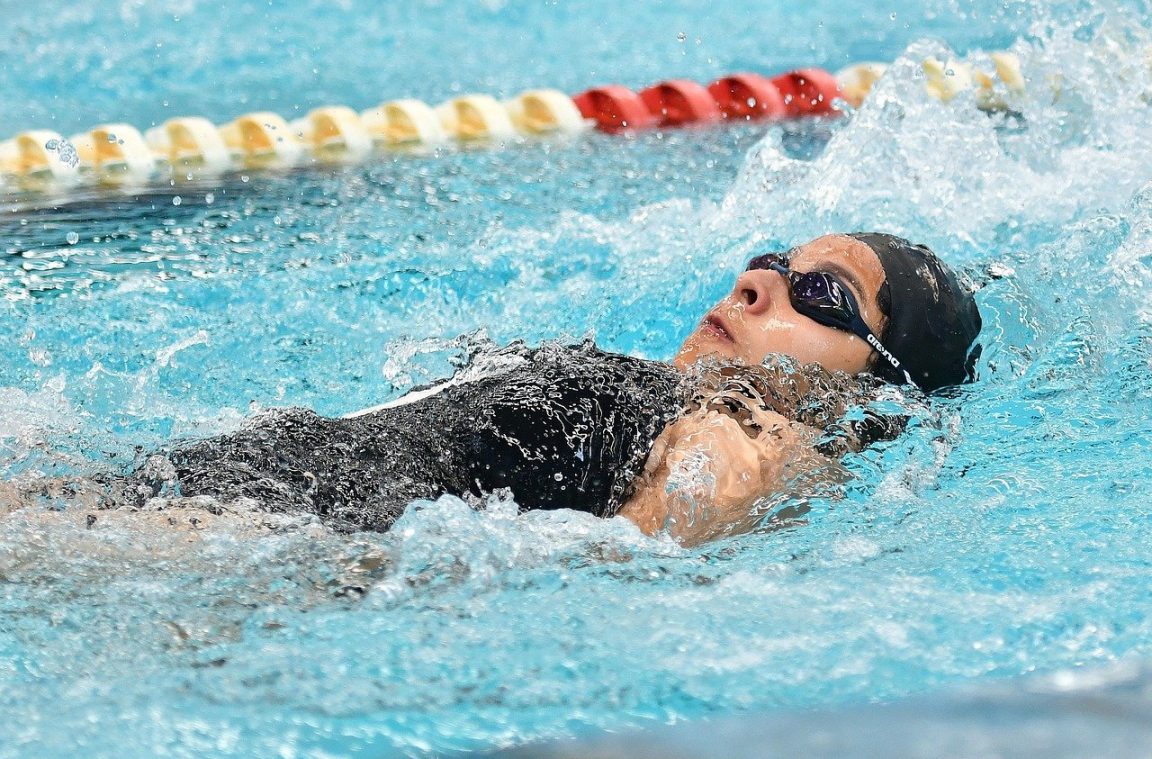
Swimming, a fantastic exercise, can present certain risks if not approached with proper precautions. Understanding safety measures, potential injuries, and the importance of hydration and nutrition are crucial for a safe and effective swimming experience. This section will Artikel essential considerations to maximize enjoyment and minimize risks associated with swimming for exercise.
Water Safety and Emergency Procedures
Safe swimming practices are paramount to minimize risks. Familiarizing oneself with water conditions, currents, and depths is essential. Supervision in unfamiliar bodies of water is highly recommended. Learning basic water safety skills, including treading water and basic rescue techniques, significantly enhances safety. Knowing how to recognize and respond to potential emergencies, such as sudden illness or distress, is critical.
A designated spotter or lifeguard can provide additional security.
Injury Prevention
Proper warm-up and cool-down routines are vital to minimize the risk of muscle strains and other injuries. Gradually increasing the intensity and duration of workouts is crucial for preventing overuse injuries. Correct swimming techniques are essential in avoiding repetitive strain injuries. Paying attention to body signals, such as pain or discomfort, is vital to prevent worsening injuries.
Proper form and technique are essential for avoiding injuries. Regular rest and recovery periods are crucial to allow the body to repair and rebuild muscle tissue, reducing the likelihood of injury.
Hydration and Nutrition
Adequate hydration is crucial for maintaining optimal performance and preventing heatstroke or dehydration, especially during extended swimming sessions. A balanced diet rich in protein, carbohydrates, and essential vitamins and minerals is vital for supporting muscle repair and overall health. Consuming electrolyte-rich drinks can help maintain fluid balance during exercise. Proper nutrition supports energy levels and recovery. Fueling the body with the appropriate nutrients before, during, and after exercise will optimize performance and minimize risks.
Choosing Appropriate Swimming Attire
Selecting appropriate swimwear is essential for comfort and safety. Swimsuits should fit snugly but not restrict movement. Fabric should be quick-drying to prevent chafing or discomfort. Consideration should be given to the weather conditions. For example, in cold water, a wetsuit or a thermal top may be needed.
Proper attire enhances comfort and minimizes discomfort during exercise. Durable and comfortable swimwear is essential for a positive and safe swimming experience.
Essential Safety Items for Swimming
Proper preparation is crucial for a safe and enjoyable swimming experience. This table lists essential safety items to bring along for any swimming session.
| Safety Item | Description |
|---|---|
| Swimsuit/Appropriate Clothing | For comfort and safety. |
| Towel | To dry off after swimming. |
| Sunscreen | To protect skin from harmful UV rays. |
| Goggles | To protect eyes from water and improve visibility. |
| Floatation Device (if needed) | For added security in open water. |
| First-Aid Kit | Containing essentials for minor injuries. |
| Emergency Contact Information | To facilitate quick response in case of an emergency. |
| Buddy/Spotter (if appropriate) | For added safety, especially in open water. |
Progression and Motivation
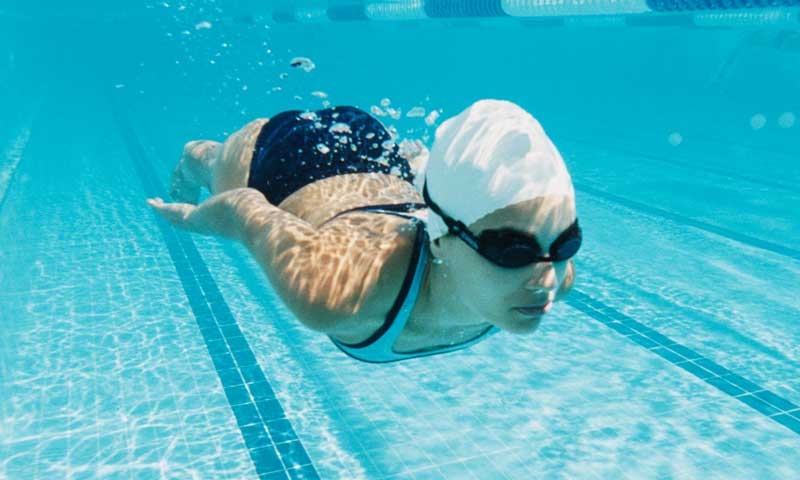
Swimming for exercise offers a rewarding journey, but consistent progress and sustained motivation are key to achieving long-term benefits. This section explores strategies for tracking progress, maintaining motivation, and seamlessly integrating swimming into your daily or weekly routine, enabling a smooth and enjoyable experience.
Tracking Swimming Progress
Monitoring progress is crucial for maintaining motivation and identifying areas for improvement. Various methods can be used to track progress, from simple logbooks to sophisticated fitness apps. Regular tracking helps you observe patterns in your performance, identify areas where you are excelling or struggling, and adjust your training accordingly.
- Log your workouts: Record the date, time, distance covered, strokes used, and any notable sensations or challenges. This detailed record provides a comprehensive overview of your swimming journey. Example: On 2024-08-15, swam 1000 meters freestyle in 20 minutes, feeling good and energized.
- Use fitness trackers: Wearable fitness trackers can automatically log your swimming sessions, providing data on time, distance, pace, and calories burned. These devices can integrate with mobile apps, offering further analysis and insights into your performance.
- Time your laps: Tracking your time for specific distances, like 50-meter laps, can help you identify improvements in speed and efficiency. Consistently lowering your lap times indicates progress.
- Measure your stroke count: Tracking the number of strokes per length can indicate improvements in stroke technique and efficiency. Fewer strokes per length typically signify better form.
Staying Motivated During Workouts
Motivation is vital for sustained participation in swimming. Maintaining a positive attitude and establishing a supportive environment can help you stay motivated.
- Set realistic goals: Start with achievable goals and gradually increase the difficulty as you progress. This prevents burnout and encourages a sense of accomplishment. Example: Aim to swim for 30 minutes three times a week initially, gradually increasing the duration and frequency.
- Find a swimming buddy: Working out with a friend or joining a swimming group can provide encouragement and accountability. Sharing experiences and supporting each other’s progress can significantly impact motivation.
- Reward yourself: Acknowledge and celebrate your achievements. Small rewards for meeting milestones, such as new swim gear or a relaxing massage, can boost your motivation.
- Visualize success: Envision yourself achieving your swimming goals. This mental imagery can increase your confidence and commitment.
Incorporating Swimming into Your Routine
Integrating swimming into your daily or weekly schedule requires careful planning and organization.
- Schedule dedicated swim time: Treat swimming like any other important appointment. Block out specific times in your calendar for your workouts, ensuring consistency.
- Combine swimming with other activities: If possible, incorporate swimming into your existing routine, such as a morning swim before work or a post-dinner swim.
- Create a swim playlist: A motivational playlist can enhance your workout experience. Choose upbeat music to energize you during your swimming sessions.
- Make it a family affair: If possible, encourage family members to join you in swimming, making it a shared activity.
Gradually Increasing Intensity and Duration
Incremental increases in workout intensity and duration are essential to avoid injuries and maximize results.
- Start slowly: Begin with shorter durations and gradually increase the time spent swimming. Listen to your body and avoid pushing yourself too hard, especially in the initial stages.
- Increase frequency: Once you’ve established a comfortable duration, gradually increase the frequency of your swimming sessions. Consistency is key to achieving progress.
- Vary your workouts: Introduce different swimming styles, such as freestyle, backstroke, or breaststroke, to keep your workouts engaging and challenging.
- Incorporate interval training: Interval training involves alternating between high-intensity and low-intensity periods. This can help improve endurance and speed. Example: Swim at a high pace for 30 seconds, followed by a 30-second rest period, repeating the cycle for a specified duration.
Tips to Maintain Motivation
| Tip | Explanation |
|---|---|
| Set realistic goals | Begin with attainable targets and progressively increase difficulty. |
| Track your progress | Monitor your performance through logs or fitness trackers. |
| Reward yourself | Acknowledge achievements with small rewards. |
| Find a swimming buddy | Engage with others for support and encouragement. |
| Incorporate music | Create a motivating playlist to enhance enjoyment. |
| Visualize success | Envision achieving your swimming goals. |
| Schedule dedicated swim time | Treat swimming as a priority appointment. |
| Vary your workouts | Introduce different swimming styles to keep workouts engaging. |
Swimming for Specific Fitness Goals
Swimming offers a versatile and low-impact way to achieve a wide range of fitness goals. Its unique combination of resistance, buoyancy, and full-body engagement makes it an excellent choice for weight management, cardiovascular improvement, enhanced flexibility, injury recovery, and more. This section will delve into how swimming can be tailored to specific fitness aspirations.Swimming’s adaptability is a key advantage.
Whether you’re aiming for weight loss, building muscle, improving cardiovascular health, or recovering from an injury, swimming can be modified to meet your individual needs and goals.
Swimming for Weight Loss
Swimming burns a significant amount of calories due to its full-body engagement and the resistance of the water. A moderate-intensity swim of 30-60 minutes can effectively contribute to calorie expenditure. Adjusting the intensity and duration of workouts, combined with a balanced diet, will contribute significantly to weight loss. Maintaining consistent swimming routines, combined with mindful dietary choices, will prove effective for weight management.
Swimming for Muscle Building
Swimming, despite its low-impact nature, can effectively build muscle. The resistance of water forces muscles to work harder, promoting strength and endurance. Different swimming strokes, such as the butterfly and freestyle, engage various muscle groups, including the arms, legs, back, and core. Proper form and intensity are crucial for maximizing muscle-building potential in swimming.
Swimming for Cardiovascular Health and Endurance
Swimming is an excellent cardiovascular exercise, improving heart health and lung capacity. The continuous nature of swimming, requiring sustained effort, enhances endurance and strengthens the cardiovascular system. Consistent swimming sessions will improve the heart’s ability to pump blood efficiently.
Swimming for Flexibility and Joint Health
The buoyancy of water reduces stress on joints, making swimming an ideal exercise for individuals with joint pain or those seeking to improve flexibility. Swimming promotes joint mobility and flexibility while maintaining muscle strength, making it a safe and effective exercise.
Swimming for Injury Recovery
Swimming’s low-impact nature makes it an excellent rehabilitation tool for various injuries. The water’s buoyancy supports the body, allowing for exercises that may be challenging on land. Swimming can help maintain muscle strength and cardiovascular health while recovering from injuries. A qualified physical therapist can advise on suitable swimming routines for specific injuries.
Comparison of Swimming Benefits to Other Cardio Exercises
| Exercise | Weight Management | Cardiovascular Health | Flexibility | Joint Health | Injury Recovery |
|---|---|---|---|---|---|
| Swimming | High (burns significant calories) | Excellent (sustained effort improves endurance) | High (low-impact supports mobility) | Excellent (buoyancy reduces stress on joints) | Excellent (low-impact allows for exercises) |
| Running | Moderate (burns calories) | Good (sustained effort improves endurance) | Low (high-impact can strain joints) | Moderate (high-impact can strain joints) | Limited (high-impact may exacerbate injuries) |
| Cycling | Moderate (burns calories) | Good (sustained effort improves endurance) | Low (limited joint movement) | Moderate (can be adjusted for joint support) | Moderate (can be used for recovery but depends on injury) |
Swimming provides a unique blend of benefits that cater to diverse fitness goals.
Final Wrap-Up
In conclusion, this guide has provided a comprehensive overview of how to swim for exercise, equipping you with the knowledge and strategies to successfully incorporate this excellent form of physical activity into your life. By understanding the benefits, techniques, safety measures, and workout routines, you can achieve your fitness goals while enjoying the numerous advantages of swimming. Remember to listen to your body and adjust your routine as needed.
The key to success is consistency and informed decision-making.