Understanding your Body Mass Index (BMI) is crucial for assessing your health and well-being. This guide provides a thorough explanation of BMI, from its historical context to practical calculation methods and interpretation. We’ll explore the standard formula, step-by-step manual calculations, and the benefits and limitations of online calculators. This comprehensive resource will equip you with the knowledge to calculate and interpret your BMI accurately.
Beyond the core calculations, we’ll delve into factors that influence BMI, such as age, gender, and activity levels. Furthermore, we’ll examine the relationship between BMI and various health conditions, highlighting the importance of considering BMI within a broader health context. We’ll also explore alternative methods for assessing body composition and discuss the limitations of using BMI as a sole indicator of health.
Introduction to Body Mass Index (BMI)
Body Mass Index (BMI) is a widely used measure of body fat based on height and weight. It provides a general indication of whether an individual’s weight is healthy for their height. While not a perfect measure of body composition, BMI is a convenient and accessible tool for assessing overall health risk.BMI has become a crucial tool in public health, aiding in the identification of individuals at risk for various health issues.
Its use in clinical settings and public health campaigns has led to increased awareness of the importance of maintaining a healthy weight.
Definition of BMI
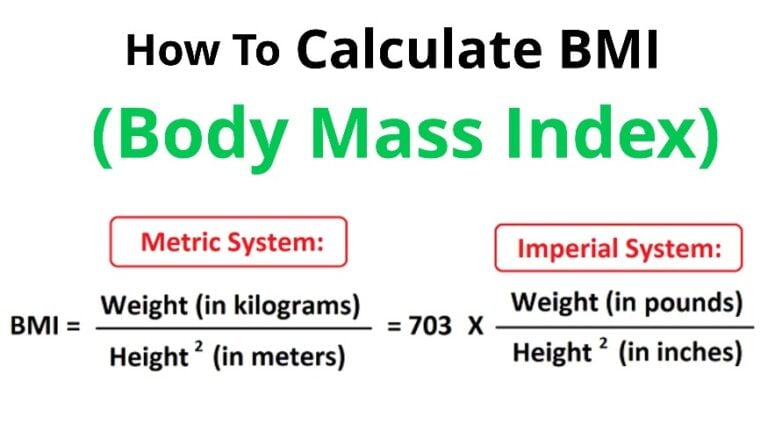
BMI is calculated by dividing an individual’s weight in kilograms by their height in meters squared. This calculation results in a numerical value that is categorized into different weight classifications. These classifications help in identifying potential health risks associated with various weight ranges.
Historical Context and Purpose of BMI
The concept of BMI emerged in the early 20th century, primarily as a tool for public health research. Adolphe Quetelet, a Belgian statistician, developed the initial formula in the 1830s. The purpose was to establish a correlation between weight and health risks, providing a standardized metric for large-scale studies. This historical context emphasizes the importance of BMI as a public health indicator.
Over time, its use has expanded to clinical settings for individual patient assessments and disease prevention strategies.
General Principles Behind Calculating BMI
The fundamental principle behind BMI is the relationship between weight, height, and potential health risks. A higher BMI often correlates with a higher risk of certain health conditions. However, it is crucial to remember that BMI is an approximation and does not consider individual factors like muscle mass, bone density, or ethnicity.
| Concept | Description |
|---|---|
| Weight (kg) | The mass of the individual’s body in kilograms. |
| Height (m) | The individual’s height in meters. |
| BMI Calculation | Weight (kg) / [Height (m) x Height (m)] |
| BMI Classification | Categorization of BMI values into different weight categories (e.g., underweight, normal weight, overweight, obese). |
Formula for Calculating BMI
The Body Mass Index (BMI) is a widely used metric to assess body composition and estimate health risks associated with weight. Understanding the calculation behind BMI is crucial for interpreting its results and making informed decisions about health and well-being.The formula for calculating BMI provides a standardized way to compare individuals of different sizes and weights. It takes into account both weight and height, providing a numerical representation of the relationship between the two.
This relationship is crucial for understanding potential health implications.
Standard BMI Formula
The standard mathematical formula for calculating BMI is a simple ratio of weight to height squared.
BMI = weight (kg) / height2 (m 2)
This formula utilizes weight measured in kilograms (kg) and height measured in meters (m). These units are critical for the accuracy of the calculation, ensuring consistency and comparability across different populations.
Units of Measurement
The formula requires weight to be expressed in kilograms and height in meters. These units are preferred for their standardization and ease of conversion. It is essential to use these units when calculating BMI to obtain an accurate and meaningful result.
Converting Units
Converting between different units of measurement is sometimes necessary when using the BMI formula. Here are examples for common conversions:
- Converting Pounds to Kilograms: One kilogram is approximately equal to 2.2 pounds. To convert pounds to kilograms, divide the weight in pounds by 2.2. For example, 150 pounds is approximately equal to 68 kilograms (150 pounds / 2.2 pounds/kg = 68 kg).
- Converting Inches to Meters: One meter is approximately equal to 39.37 inches. To convert inches to meters, divide the height in inches by 39.37. For example, 68 inches is approximately equal to 1.73 meters (68 inches / 39.37 inches/meter = 1.73 meters).
Variables in the BMI Formula
This table details the variables used in the BMI formula, along with their descriptions and units of measurement.
| Variable | Description | Units |
|---|---|---|
| BMI | Body Mass Index | kg/m2 |
| weight | Weight of the individual | kilograms (kg) |
| height | Height of the individual | meters (m) |
Steps to Calculate BMI Manually
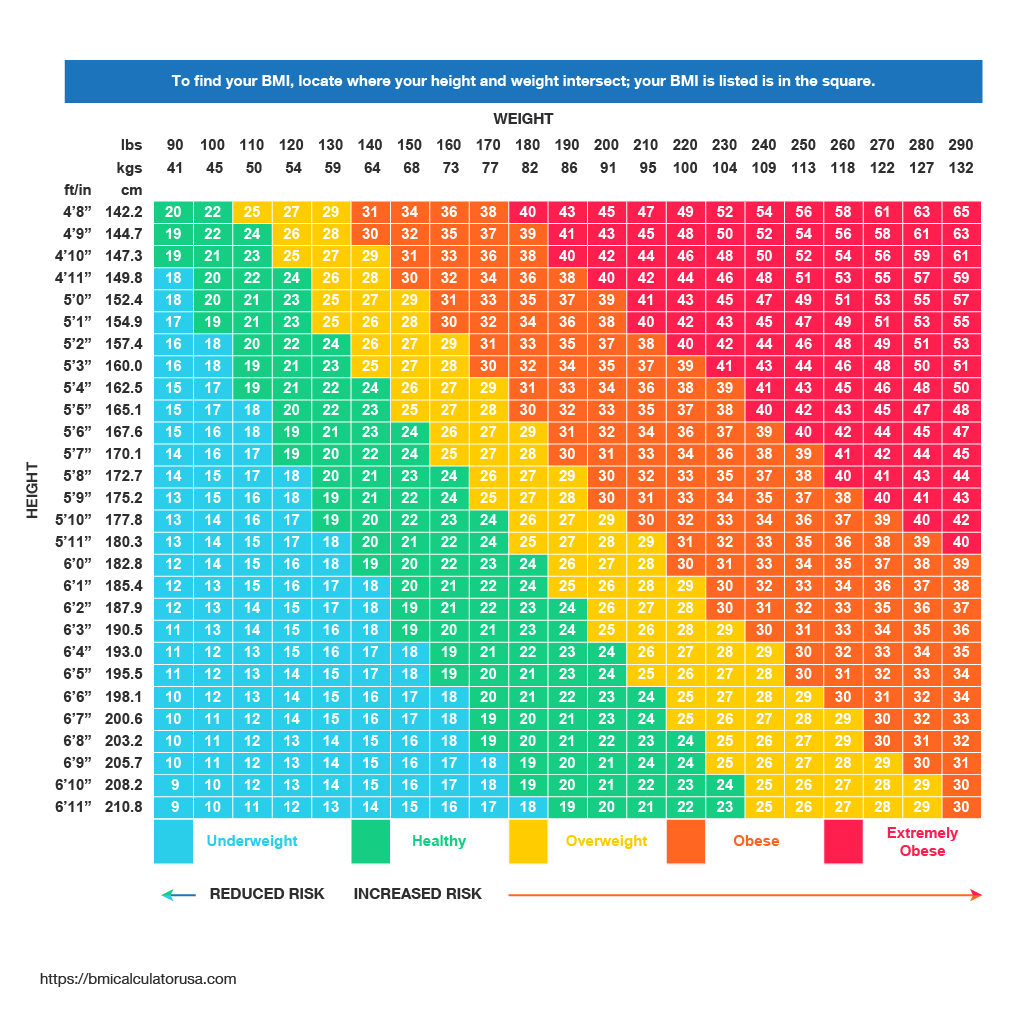
Calculating Body Mass Index (BMI) manually involves a straightforward process. Understanding the steps and the conversion of units ensures accurate results. This method is valuable for those without immediate access to online calculators or BMI charts. Accurate measurement and precise conversions are crucial to obtain an accurate BMI value.
Manual Calculation Procedure
This section details the step-by-step process for calculating BMI manually. It emphasizes the importance of precise measurements and unit conversions to ensure reliable results.
- Gather Your Measurements: First, accurately measure your weight in kilograms (kg) and your height in centimeters (cm). Using a reliable scale and measuring tape is essential for obtaining accurate data.
- Convert Units (if necessary): If your weight is in pounds (lbs) and your height in inches (in), you need to convert them to the metric system. Use the following conversion factors: 1 kg ≈ 2.205 lbs and 1 cm ≈ 0.394 in. For example, if your weight is 150 lbs, divide by 2.205 to obtain the equivalent in kilograms. Likewise, if your height is 65 inches, multiply by 2.54 to obtain the equivalent in centimeters.
- Apply the BMI Formula: Once your weight is in kilograms and your height in centimeters, apply the BMI formula. The formula is: BMI = weight (kg) / [height (m)] 2. Crucially, remember to convert your height from centimeters to meters by dividing by 100. For instance, if your height is 170 cm, divide by 100 to get 1.70 meters.
- Perform the Calculation: Substitute your weight (in kilograms) and height (in meters) into the formula and perform the calculation. Use a calculator for this step.
- Interpret Your Result: The calculated value represents your BMI. Consult a BMI chart or online tool to interpret the result and understand its implications for your health. For example, a BMI of 25 indicates overweight.
Calculator Calculation Steps
This section Artikels the steps for calculating BMI using a calculator, providing a clear and structured approach for obtaining the result.
| Step | Action | Formula |
|---|---|---|
| 1 | Enter your weight in kilograms. | Weight (kg) |
| 2 | Enter your height in centimeters. | Height (cm) |
| 3 | Divide your weight by your height in centimeters, then divide again by your height in centimeters. | Weight (kg) / [(Height (cm) / 100)]2 |
| 4 | Press “equals” or the “=” key to obtain the result. | BMI = Result |
| 5 | Interpret your result using a BMI chart or online tool. | BMI value |
Using Online BMI Calculators
Online BMI calculators provide a convenient and quick way to estimate your Body Mass Index. These tools streamline the calculation process, eliminating the need for manual calculations and potentially reducing errors associated with manual input. Their accessibility makes them a valuable resource for individuals seeking a readily available BMI assessment.Using online calculators is often faster and more accessible than performing the calculation manually, especially for those who may not have access to or feel comfortable using a calculator or prefer a streamlined approach.
This accessibility is particularly helpful for individuals who may be less familiar with the formula or those who may be prone to errors in manual calculations.
Advantages and Disadvantages of Online Calculators
Online BMI calculators offer significant advantages over manual calculations. They are readily available, often free, and require minimal effort to use. Furthermore, they typically reduce the chance of calculation errors, providing a consistent and accurate estimation of your BMI. However, some limitations exist. For example, the accuracy of the online tool depends on the user’s input, and some tools might lack the depth of personalized recommendations or supplementary information.
Examples of Reliable Online BMI Calculators
Numerous websites offer reliable BMI calculators. A few examples include the calculators found on the Centers for Disease Control and Prevention (CDC) website, various health websites, and many well-regarded medical or fitness platforms. These resources typically incorporate the standard BMI formula and provide a comprehensive overview of the calculation and the associated health implications.
Different Types of Online BMI Calculators and Their Functionalities
Online BMI calculators vary in their design and functionalities. Some calculators are straightforward, focusing solely on calculating BMI. Others provide additional features, such as information on healthy weight ranges, BMI categories, and potential health risks. These calculators often present the result in a clear format, complete with visual aids or color-coded representations of the BMI category.
Comparison of Online BMI Calculators
| Calculator | Features | Pros | Cons |
|---|---|---|---|
| CDC BMI Calculator | Simple calculation, BMI category, healthy weight ranges | Trusted source, accurate, readily available | Limited additional information, no personalized recommendations |
| Healthline BMI Calculator | BMI calculation, BMI category, health risk assessment, weight management tools | Comprehensive information, additional resources | May be slightly more complex interface, potential for information overload |
| WebMD BMI Calculator | BMI calculation, BMI category, personalized health recommendations, weight loss resources | User-friendly interface, personalized recommendations, additional resources | Potentially less accurate due to the complexity of information provided. |
Interpreting BMI Values
Understanding your Body Mass Index (BMI) is a crucial step in assessing your overall health. Beyond simply calculating the number, interpreting the value within the context of your health profile is essential. This section will Artikel the different BMI categories and their corresponding health implications, helping you gain a better understanding of your results.
BMI Categories and Health Implications
Interpreting your BMI involves categorizing it within a range, each associated with potential health benefits or risks. This categorization helps you understand the potential health implications associated with your weight relative to your height. Understanding these implications allows for proactive steps towards a healthier lifestyle.
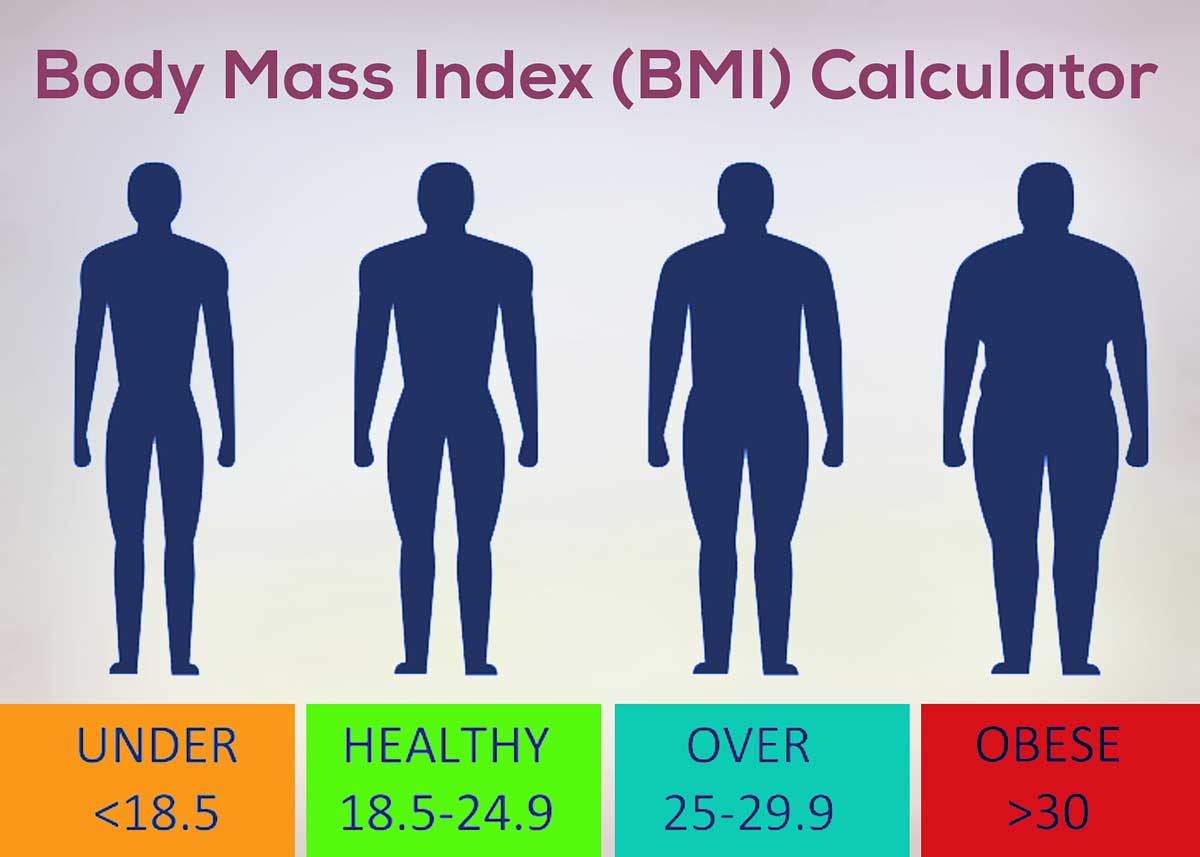
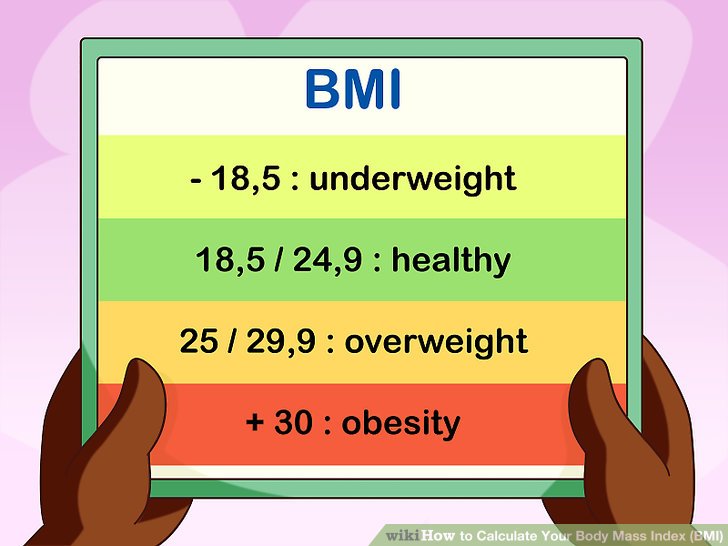
| BMI Range | Category | Health Implications | Example |
|---|---|---|---|
| Below 18.5 | Underweight | Potential risks include nutrient deficiencies, slowed metabolism, weakened immune system, and in extreme cases, osteoporosis. Possible benefits include a lower risk of certain chronic diseases, and potentially a reduced risk of cardiovascular disease. | A person who is underweight might have a history of eating disorders, or struggle with malabsorption of nutrients, or have a very high activity level. |
| 18.5–24.9 | Healthy Weight | Individuals in this range generally have a lower risk of developing chronic diseases such as heart disease, type 2 diabetes, and certain cancers. A healthy weight is typically associated with a better quality of life. | A person maintaining a balanced diet and regular exercise routine is likely to fall into this category. |
| 25.0–29.9 | Overweight | Overweight individuals are at an increased risk of developing chronic diseases such as heart disease, type 2 diabetes, and certain cancers. Maintaining a healthy weight is crucial for reducing these risks. | A person who has gradually gained weight over time, perhaps due to a sedentary lifestyle or unhealthy dietary habits, may fall into this category. |
| 30.0 and above | Obese | Obesity significantly increases the risk of developing chronic diseases such as heart disease, stroke, type 2 diabetes, certain cancers, and osteoarthritis. These individuals often experience reduced quality of life due to associated health issues. | A person who has a history of poor diet and limited physical activity is at higher risk of falling into this category. Individuals with underlying health conditions may also be more prone to obesity. |
A crucial point to remember is that BMI is a tool, not a definitive diagnosis. Other factors such as muscle mass, ethnicity, and underlying health conditions also influence overall health. Consulting a healthcare professional for personalized advice and assessment is always recommended.
Factors Affecting BMI
Understanding Body Mass Index (BMI) involves recognizing that it’s not a perfect measure of health. Numerous factors influence BMI calculations, making it crucial to consider these influences when interpreting the results. This section explores the key elements affecting BMI, highlighting their impact and limitations.BMI, while a helpful screening tool, shouldn’t be the sole determinant of an individual’s health status.
A deeper understanding of these contributing factors provides a more nuanced perspective on body composition and overall well-being.
Age and Gender
Age and gender significantly affect BMI. Metabolic rates and body composition differ between genders and across age groups. For instance, muscle mass tends to decline with age, while body fat may increase. These changes influence BMI calculations, and interpreting BMI values for different age groups and genders requires careful consideration.
Genetics
Genetic predispositions play a substantial role in determining body composition and metabolism. Individuals may inherit tendencies towards higher or lower BMI, influenced by factors such as their family history of obesity or other health conditions. However, lifestyle choices can still significantly modify the impact of genetics on BMI.
Activity Level
Physical activity level is a key determinant of BMI. People who are more active tend to have higher muscle mass and lower body fat percentages, which can result in a higher BMI compared to individuals with lower activity levels. However, the specific impact of activity level on BMI varies considerably among individuals.
Body Composition
Body composition, encompassing muscle mass and fat percentage, is a crucial factor in interpreting BMI. While BMI primarily reflects overall weight, it doesn’t differentiate between muscle and fat. An individual with a high muscle mass may have a higher BMI compared to someone with a similar weight but lower muscle mass and a higher percentage of body fat.
This highlights the limitations of BMI as a measure of overall health.
Limitations of BMI as a Sole Indicator
BMI is a valuable screening tool, but it has limitations. It doesn’t consider factors such as bone density, muscle mass, or overall health conditions. A person with a high BMI might have a healthy body composition, and a person with a low BMI might have underlying health issues. Interpreting BMI in isolation can lead to inaccurate assessments of health status.
Factors Influencing BMI
| Factor | Description | Impact on BMI |
|---|---|---|
| Age | Reflects changes in metabolism and body composition across life stages. | Affects BMI values due to shifts in muscle mass and body fat. |
| Gender | Differences in muscle mass and body fat distribution. | Leads to variations in BMI values between genders. |
| Genetics | Inherent predisposition to body composition and metabolism. | Influences BMI tendencies, but lifestyle choices can modify the impact. |
| Activity Level | Amount of physical activity performed. | Higher activity levels often correlate with higher BMI due to increased muscle mass. |
| Body Composition | Proportion of muscle mass and fat percentage. | A key factor influencing BMI, as it doesn’t differentiate between muscle and fat. |
BMI and Health
The Body Mass Index (BMI) is a valuable tool for assessing an individual’s health risk, but it is not a perfect measure of overall health. While BMI provides a general indication of weight status, it does not account for factors such as muscle mass, bone density, or body composition. Understanding the relationship between BMI and various health conditions is crucial for developing a comprehensive approach to health assessment and management.
Relationship Between BMI and Health Conditions
BMI serves as a crucial indicator for assessing the risk of various health conditions. A high BMI often correlates with an increased likelihood of developing certain diseases, while a low BMI can also pose health risks. The association is not absolute, as other factors significantly influence individual health outcomes.
Comparison of BMI with Other Health Indicators
BMI is often used in conjunction with other health indicators. These indicators, such as blood pressure, cholesterol levels, and blood glucose, provide a more comprehensive picture of an individual’s health status. For example, a person with a healthy BMI might still be at risk for cardiovascular disease if they have elevated blood pressure or cholesterol.
Examples of Diseases Linked to BMI
Numerous health conditions are linked to BMI categories. High BMI is associated with an increased risk of type 2 diabetes, cardiovascular disease, certain types of cancer, and osteoarthritis. Conversely, very low BMI can indicate conditions such as malnutrition, eating disorders, or other underlying health issues.
How BMI is Used in Assessing Health Risks
BMI is a valuable screening tool for identifying individuals at higher risk for health problems. Health professionals use BMI values to assess the potential risks associated with different weight categories and to tailor preventative measures or interventions accordingly. It is essential to remember that BMI is just one piece of the puzzle, and a complete evaluation of an individual’s health should incorporate various factors.
Correlation Between BMI and Diseases
| BMI Category | Description | Potential Health Risks |
|---|---|---|
| Underweight (BMI < 18.5) | Significantly lower than average weight for height. | Malnutrition, osteoporosis, anemia, increased risk of infections, and impaired fertility. |
| Healthy Weight (BMI 18.5 – 24.9) | Average weight for height. | Lower risk of most chronic diseases compared to other categories. |
| Overweight (BMI 25.0 – 29.9) | Slightly higher than average weight for height. | Increased risk of type 2 diabetes, hypertension, coronary heart disease, and certain types of cancer. |
| Obese (BMI ≥ 30.0) | Significantly higher than average weight for height. | Higher risk of type 2 diabetes, hypertension, coronary heart disease, stroke, certain types of cancer, osteoarthritis, and sleep apnea. |
Note: This table provides a general overview. Individual risk factors and health outcomes can vary significantly.
BMI and Different Populations
The Body Mass Index (BMI) is a widely used tool for assessing body composition, but its application and interpretation vary across different demographic groups. Factors such as age, sex, and specific physiological characteristics influence how BMI should be considered for accurate assessment and personalized health recommendations. Understanding these variations is crucial for ensuring that BMI results are interpreted appropriately and effectively support health decisions.While BMI provides a general guideline, its limitations in certain populations necessitate careful consideration.
For instance, athletes with high muscle mass may have a higher BMI than individuals of similar weight who have less muscle, potentially leading to inaccurate interpretations. Similarly, children’s BMI is interpreted differently due to their ongoing growth and development. Accurately evaluating BMI within these groups requires adjustments and a deeper understanding of the underlying factors.
Considerations for Children
Children’s BMI values are compared to growth charts specific to their age and sex. These charts account for the ongoing changes in body composition and growth patterns. Interpreting BMI in children should focus on growth percentiles rather than absolute BMI values. A child’s BMI may fall outside the healthy range due to normal growth spurts or development.
Using age- and sex-specific growth charts allows for a more nuanced evaluation of a child’s health status, avoiding misinterpretations based on adult BMI standards.
Considerations for Athletes
Athletes often have a higher percentage of muscle mass compared to individuals who are not as physically active. Muscle tissue is denser than fat tissue. This higher muscle mass can lead to a higher BMI even when the individual’s overall body fat percentage is within a healthy range. Therefore, using BMI alone to assess the health status of an athlete may be misleading.
A more comprehensive approach, incorporating body composition analysis methods like bioelectrical impedance analysis or DEXA scans, may provide a more accurate representation of an athlete’s body composition and health status.
Considerations for Specific Populations
The following table Artikels considerations and modifications for interpreting BMI in various populations.
| Population | Considerations | Modifications |
|---|---|---|
| Children | Ongoing growth and development; Age- and sex-specific growth charts are crucial; Focus on percentiles rather than absolute values. | Use age- and sex-specific growth charts to interpret BMI; Consider the child’s overall health and development alongside BMI. |
| Athletes | High muscle mass; Muscle is denser than fat; BMI may not accurately reflect body fat percentage. | Incorporate body composition analysis methods (e.g., bioelectrical impedance analysis, DEXA scans) alongside BMI; Focus on overall health, including training intensity and nutrition. |
| Older Adults | Potential for decreased muscle mass and increased body fat; Chronic health conditions may influence weight. | Consider the individual’s medical history and potential health conditions; Assess for sarcopenia (loss of muscle mass). |
| Pregnant Women | Weight gain is normal during pregnancy; BMI may not accurately reflect health during pregnancy. | Focus on the overall health of the mother and developing fetus; Consider gestational weight gain recommendations. |
| Individuals with Certain Medical Conditions | Certain medical conditions may affect body composition; Medications can influence weight. | Consult with a healthcare professional for a comprehensive evaluation; Consider the specific medical condition and its effect on weight. |
Alternative Measures of Body Composition
While Body Mass Index (BMI) provides a general assessment of body weight relative to height, it does not directly measure body composition. Alternative methods offer a more comprehensive understanding of the body’s makeup, encompassing factors like fat mass, muscle mass, and bone density. These alternative measures can be crucial in identifying potential health risks associated with imbalances in body composition.
Waist Circumference
Waist circumference is a simple and non-invasive measure of abdominal fat. A larger waist circumference often correlates with a higher risk of various health issues, including heart disease, type 2 diabetes, and certain cancers. It is a valuable indicator of central obesity, a specific type of fat distribution that poses a greater health risk than overall obesity.
Body Fat Percentage
Body fat percentage measures the proportion of fat in the body compared to total body weight. Different methods exist for determining body fat percentage, including bioelectrical impedance analysis (BIA), underwater weighing, and dual-energy X-ray absorptiometry (DXA). These methods provide a more precise assessment of body composition compared to BMI. Higher body fat percentages, exceeding healthy ranges, can increase the risk of health problems.
Skinfold Measurements
Skinfold measurements involve pinching specific skin folds at various body locations to estimate subcutaneous fat. These measurements, when combined with formulas, provide an estimation of body fat percentage. Skinfold measurements are a practical, relatively inexpensive, and widely used technique. However, accuracy depends heavily on the trained technician’s skill and technique.
Comparison to BMI
BMI, while a useful initial screening tool, lacks the precision to differentiate between fat mass and muscle mass. Individuals with high muscle mass, such as athletes, may have a higher BMI than those with a similar weight but lower muscle mass. This highlights the limitations of BMI in accurately assessing overall health. Alternative measures, like waist circumference, body fat percentage, and skinfold measurements, offer a more detailed view of body composition.
Advantages and Disadvantages of Alternative Methods
| Method | Description | Advantages | Disadvantages |
|---|---|---|---|
| Waist Circumference | Measurement of abdominal fat. | Simple, non-invasive, relatively inexpensive, easily repeatable. | Only assesses central fat; does not reflect total body fat. Accuracy can be affected by hydration levels. |
| Body Fat Percentage | Proportion of fat in the body. | More precise assessment of body composition; can identify fat distribution patterns. | More complex and expensive methods; requires trained personnel for some techniques; may not always correlate perfectly with health risks. |
| Skinfold Measurements | Estimation of subcutaneous fat. | Practical, relatively inexpensive, widely available. | Accuracy depends heavily on the technician’s skill and technique; prone to measurement errors; only assesses subcutaneous fat. |
Epilogue
In conclusion, this guide has provided a comprehensive overview of how to calculate BMI, encompassing the formula, manual calculations, online tools, and interpretation of results. We have also explored the factors influencing BMI and its relationship to overall health. By understanding the various aspects discussed, you can make informed decisions about your health and well-being, using BMI as a valuable tool in your health assessment journey.