Walking is a fantastic way to improve your fitness, regardless of your current level. This comprehensive guide provides a structured approach to walking workouts, covering everything from planning your routine to incorporating it into your daily life. Whether you’re a seasoned athlete or just starting your fitness journey, this guide offers practical advice and strategies for achieving your goals safely and effectively.
From beginner-friendly plans to advanced strategies, we’ll explore various types of walking workouts, optimal gear choices, and essential safety considerations. Learn how to maximize the benefits of walking, track your progress, and address any potential challenges along the way. We will cover everything you need to know to make walking a sustainable and enjoyable part of your fitness regimen.
Introduction to Walking Workouts
Walking is a readily accessible and highly beneficial form of exercise. Incorporating walking into a structured workout routine offers a multitude of physical and mental health advantages. It’s a low-impact activity that can be tailored to various fitness levels and schedules, making it an ideal choice for people of all ages and backgrounds. A well-designed walking workout program can significantly contribute to overall well-being.A structured walking workout program is crucial for maximizing the benefits and ensuring safety and effectiveness.
A program provides a roadmap for progressive improvement, helping individuals track their progress, stay motivated, and avoid injuries. It also allows for careful monitoring of intensity and duration, ensuring the workout aligns with individual fitness goals.
Benefits of Walking Workouts
Walking offers numerous advantages, extending beyond simple physical activity. It helps maintain a healthy weight, improves cardiovascular health, and strengthens bones and muscles. Regular walking can also boost mood, reduce stress, and improve sleep quality.
Types of Walking Workouts
Different types of walking workouts cater to diverse fitness levels and goals. Brisk walking, for instance, involves a faster pace than casual walking, increasing the intensity and calorie burn. Interval training incorporates alternating periods of high-intensity walking with periods of lower-intensity walking or rest. Power walking, a more dynamic form of walking, focuses on a faster pace and more vigorous movements, often employing arm swings and a more upright posture.
Intensity Levels and Adjustments
The intensity of a walking workout can be adjusted based on individual fitness levels. Beginners should start with a comfortable pace and gradually increase the duration and intensity as their fitness improves. Experienced walkers can adjust intensity by increasing speed, incline, or incorporating interval training. Monitoring heart rate and perceived exertion levels are essential for safe and effective adjustments.
Levels of Intensity and Suitable Types of Walking Workouts
| Walking Workout Type | Benefits | Intensity Level | Suitable for |
|---|---|---|---|
| Casual Walking | Low-impact exercise; aids in maintaining a basic level of fitness; excellent for beginners. | Low | Beginners, individuals with limited mobility, or those recovering from injury. |
| Brisk Walking | Increased calorie burn; improved cardiovascular health; suitable for weight management and general fitness. | Moderate | Individuals seeking a more active workout than casual walking; those looking to improve cardiovascular health. |
| Interval Training | Improved cardiovascular fitness; increased calorie expenditure; enhances endurance. | Moderate to High | Individuals with a moderate fitness level; those seeking to maximize their workout’s effectiveness. |
| Power Walking | High calorie burn; significant cardiovascular benefit; builds muscle strength and endurance. | High | Individuals with a good fitness level; those seeking a more intense workout. |
Planning Your Walking Workout

Creating a personalized walking workout plan is crucial for achieving your fitness goals and ensuring a safe and effective exercise routine. A well-structured plan considers individual fitness levels, goals, and preferences, allowing for gradual progress and sustained motivation. It’s important to remember that consistency is key, and a personalized plan helps you stay committed to your walking journey.
Considering Individual Fitness Levels and Goals
Understanding your current fitness level is the foundation of a successful walking workout plan. Beginners should focus on shorter durations and lower intensities, gradually increasing the time and pace as their fitness improves. Intermediate walkers can incorporate hills or variations in pace to increase the challenge. Advanced walkers can aim for longer distances and higher intensities, including interval training.
Your personal goals, such as weight loss, improved cardiovascular health, or stress reduction, also play a significant role in shaping your plan. For example, someone aiming for weight loss may incorporate brisk walking for longer durations, while someone prioritizing stress relief might focus on slower, meditative walks.
Designing a Warm-up and Cool-down Routine
A proper warm-up prepares your body for the workout by increasing blood flow and raising your core temperature. A 5-10 minute warm-up before each walk, consisting of light cardio like arm circles, leg swings, and dynamic stretches, is beneficial. A cool-down routine, also lasting 5-10 minutes, gradually slows your heart rate and helps your body recover. Static stretches, holding each stretch for 15-30 seconds, are effective during the cool-down.
This routine helps prevent injuries and improves flexibility.
Considerations for Creating a Personalized Walking Schedule
Developing a walking schedule requires careful consideration of several factors. Consider your daily schedule and identify times when you can consistently dedicate time for your workout. Account for potential obstacles, such as inclement weather or unforeseen commitments, and build flexibility into your schedule. Ensure the schedule aligns with your lifestyle and preferences to maximize adherence. Consider the terrain you’ll be walking on, as different surfaces might require different pacing strategies.
Adjust your schedule based on how you feel and the progress you are making.
Comparing Different Walking Workout Plans
| Workout Plan | Duration (minutes) | Intensity (e.g., brisk walk, moderate walk, power walk) | Rest Intervals (minutes) |
|---|---|---|---|
| Beginner | 20-30 | Moderate walk | 5-10 minutes between sessions |
| Intermediate | 30-45 | Brisk walk, incorporating hills | 3-5 minutes between sessions |
| Advanced | 45-60+ | Power walk, interval training | 2-3 minutes between intervals |
This table provides a general guideline. Adjust the duration, intensity, and rest intervals based on your individual fitness level, goals, and progress. Listen to your body and adjust accordingly.
Choosing the Right Walking Gear

Proper gear enhances your walking workout experience, contributing to comfort, safety, and efficiency. Choosing the right attire and accessories can significantly impact your enjoyment and the effectiveness of your walking routine. The right footwear, clothing, and accessories will not only enhance your performance but also safeguard you from potential injuries and discomfort.Appropriate gear selection plays a crucial role in a successful walking workout.
From comfortable shoes to supportive clothing and essential accessories, each element contributes to a positive and productive experience. This section will delve into the significance of choosing the right walking gear, guiding you through selecting the best footwear, apparel, and accessories for optimal performance.
Footwear for Walking Workouts
Selecting suitable footwear is paramount for walking workouts. Proper footwear provides crucial support and cushioning for your feet, minimizing the risk of injuries and maximizing comfort. Ill-fitting or inappropriate shoes can lead to discomfort, blisters, and even more severe conditions like plantar fasciitis. Consider the terrain, your foot type, and the duration of your workouts when choosing your walking shoes.
Recommendations for Comfortable and Supportive Clothing
Choosing comfortable and supportive clothing is essential for a pleasant walking experience. Loose-fitting, breathable fabrics are ideal for maximizing comfort and preventing overheating. Moisture-wicking materials help to keep you dry and comfortable, especially during longer walks. Consider layering your clothing, allowing for adjustments as your body temperature changes.
Importance of Accessories
Accessories play a significant role in enhancing your walking workout. A water bottle is crucial for hydration, especially during longer or more intense walks. Fitness trackers can monitor your progress, providing valuable insights into your workout metrics, like distance, pace, and calories burned.
Benefits of Walking Poles
Walking poles can significantly enhance your workout, providing stability and support, especially on uneven terrain. They distribute the impact of your stride, lessening stress on your joints and promoting better posture. Walking poles can also increase your calorie burn and improve your overall workout efficiency.
Comparison of Walking Shoe Types
| Shoe Type | Features | Suitable for |
|---|---|---|
| Neutral | Balanced cushioning, suitable for most foot types. | General walking, varied terrain. |
| Stability | Enhanced stability, good for overpronation (feet rolling inward). | Overpronators, uneven surfaces. |
| Motion Control | Maximum stability, designed for severe overpronation. | Severe overpronators, high-impact activities. |
| Supportive | Good arch support and cushioning, suitable for various foot types. | People seeking extra support and comfort, varied terrains. |
Choosing the correct walking shoe type is critical for preventing injuries and enhancing performance. Consult with a footwear specialist or podiatrist to determine the best shoe type for your specific foot type and needs.
Walking Workout Techniques
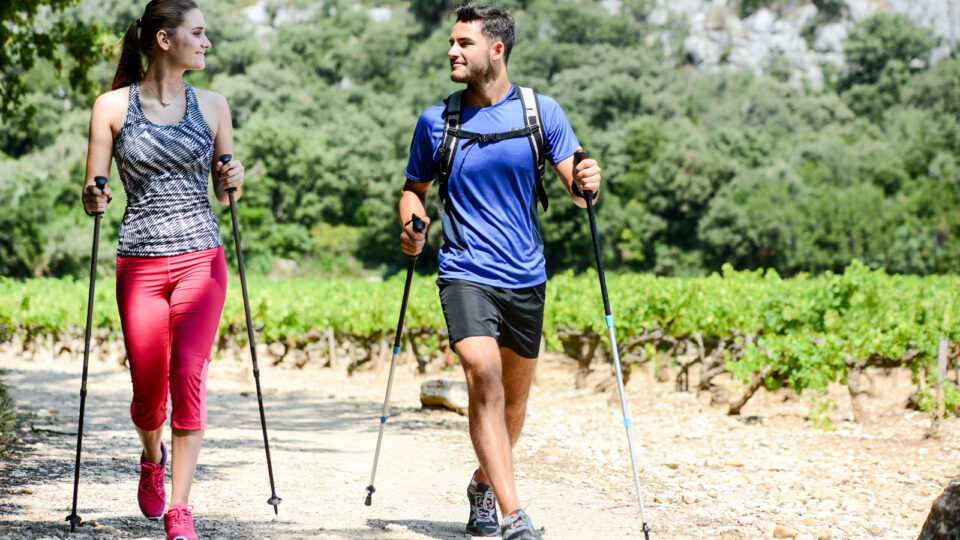
Walking workouts offer a versatile and accessible way to improve fitness and overall health. Understanding different walking techniques can significantly enhance the effectiveness of your workouts, allowing you to maximize calorie burn, improve cardiovascular health, and strengthen muscles. Proper technique also reduces the risk of injury, ensuring a safe and enjoyable experience.
Optimal Walking Techniques
Different walking techniques can be adapted to suit individual fitness levels and goals. Varying your pace, stride length, and posture can lead to a more effective workout. Consistent application of these techniques is key to achieving desired results.
Maintaining Proper Posture
Maintaining correct posture during walking is crucial for preventing injuries and maximizing the effectiveness of your workout. A good posture involves a straight spine, shoulders relaxed, and a natural alignment of the head and neck. This not only improves your workout but also promotes good posture habits in daily life. Keep your core engaged to stabilize your body, and ensure your gaze is directed forward, not down at the ground.
Stride Length and Cadence
Stride length and cadence are essential factors in walking workouts. A longer stride might seem more efficient, but a faster cadence can be more effective for improving cardiovascular health. Maintaining a consistent cadence, or steps per minute, is often a more effective way to boost your workout’s intensity. The appropriate stride length is often dictated by your personal needs and abilities.
Uphill and Downhill Walking Form
Adjusting your form for uphill and downhill walking is vital for safety and efficiency. When walking uphill, shorten your stride and increase your cadence. This allows for a more controlled and balanced ascent. When walking downhill, lengthen your stride and maintain a slight bend in your knees to absorb the impact and prevent injuries. Carefully monitoring your pace and form is important for both uphill and downhill sections.
Examples of Different Walking Techniques and Impact
| Walking Technique | Description | Impact on Workout Intensity |
|---|---|---|
| Power Walking | A brisk walk with a longer stride and increased arm swing, mimicking the motion of running. | High |
| Brisk Walking | A moderately fast pace with a more regular cadence and increased arm swing. | Moderate |
| Slow Walking | A slower pace with a shorter stride length and reduced arm swing. | Low |
| Interval Walking | Alternating between periods of high-intensity walking and low-intensity walking or rest. | High, variable |
| Nordic Walking | Incorporating poles for added arm movement and upper body engagement. | Moderate to High |
Note: The impact on workout intensity is relative and can be adjusted based on individual fitness levels and the duration of the walk.
Safety Considerations for Walking Workouts
Walking workouts offer a fantastic way to improve cardiovascular health and overall well-being. However, prioritizing safety is crucial for a positive and effective experience. This section will highlight key safety considerations, ensuring your walks are enjoyable and risk-free.Proper planning and awareness of potential hazards are vital to a safe walking routine. By understanding the importance of route selection, hydration, monitoring your body’s response, and adapting to various weather conditions, you can minimize risks and maximize the benefits of your walking workouts.
Choosing Safe Walking Routes
Safe walking routes are essential for a pleasant and risk-free experience. Consider factors like terrain, visibility, and potential hazards when selecting a path. Avoid areas with poor lighting, heavy traffic, or uneven surfaces. Familiarize yourself with the route before embarking on a long walk, and ideally, walk it with a friend or family member. Knowing the route beforehand allows you to anticipate potential challenges and adapt your pace accordingly.
Look for well-maintained paths, trails, or sidewalks that are free from obstacles. If you’re walking in a less-populated area, inform someone of your route and estimated return time.
Staying Hydrated and Nourished
Adequate hydration and nutrition are paramount for maintaining energy levels and preventing fatigue during a walking workout. Carry water with you, especially on longer walks, and sip frequently. Maintaining a balanced diet with sufficient electrolytes and carbohydrates is also essential. Ensure you’re fueling your body properly before, during, and after your workout. Before a walk, a light snack, such as a banana or a handful of almonds, can provide sustained energy.
During the workout, water is the best option. After your walk, a healthy meal can help your body recover and replenish lost nutrients.
Monitoring Your Body’s Response to Exercise
It’s important to pay attention to your body’s signals during and after a walking workout. Listen to your body and stop if you experience any pain, discomfort, or unusual symptoms. Adjust the intensity and duration of your walks based on your individual needs and fitness level. If you have any pre-existing medical conditions, consult your doctor before starting a new exercise program.
Regularly monitor your heart rate, breathing, and muscle fatigue to gauge your progress and identify any potential issues.
Safety Precautions During Different Weather Conditions
Weather conditions can significantly impact the safety of your walking workout. Appropriate attire and precautions are necessary to mitigate potential risks. In hot weather, wear light, breathable clothing, stay hydrated, and avoid walking during peak sun hours. In cold weather, dress in layers to regulate body temperature and be mindful of potential frostbite or hypothermia. In rainy or snowy weather, choose a route with adequate traction and be extra cautious of slippery surfaces.
During any inclement weather, consider postponing your workout if necessary.
Safety Tips
- Choose well-lit and well-maintained routes. Avoid walking alone in unfamiliar areas at night, and if possible, walk with a companion. Well-lit areas minimize the risk of accidents or encountering potential dangers.
- Inform someone of your route and expected return time. Sharing your plans with a friend or family member can increase your safety and ensure someone is aware of your whereabouts.
- Dress appropriately for the weather. This includes wearing layers of clothing in cold weather, light, breathable clothing in hot weather, and waterproof gear in wet weather.
- Carry essentials. Carry a mobile phone, a water bottle, and any necessary medications. These items can be helpful in case of an emergency or unexpected issues.
- Be aware of your surroundings. Pay attention to traffic, obstacles, and other potential hazards while walking. Avoid distractions, like using your phone, to maintain focus on the surroundings.
- Wear reflective clothing or gear during low-light conditions. This will increase your visibility to drivers and other road users, reducing the risk of accidents.
- Check the weather forecast before heading out. Adjust your workout plans based on weather conditions to ensure your safety and comfort.
Incorporating Walking Workouts into Your Daily Routine
Integrating walking workouts into your daily life is a key aspect of making physical activity a sustainable habit. This involves more than just fitting in a walk; it’s about strategically weaving movement into your existing schedule and making it a natural part of your routine. This approach enhances motivation and helps maintain consistency.Successfully integrating walking workouts requires a mindful approach.
Consider your current lifestyle, identify areas where you can incorporate more movement, and establish a routine that aligns with your personal preferences and available time. Finding enjoyment in the activity is crucial for long-term adherence.
Strategies for Integrating Walking into a Busy Lifestyle
A well-structured plan is essential for seamlessly integrating walking into a busy routine. Identify opportunities to move throughout your day, such as taking the stairs instead of the elevator or parking farther away from your destination. These small changes can significantly increase your daily steps.
Benefits of Scheduling Walking Workouts
Scheduling dedicated walking time provides structure and encourages consistency. This structured approach can lead to improved physical and mental well-being, as well as a sense of accomplishment. Regular scheduled walks can help in managing stress and promoting better sleep patterns.
Examples of Incorporating Walking into Everyday Activities
Walking can be seamlessly integrated into various daily activities. Instead of driving short distances, choose to walk. Walk during your lunch break, or while talking on the phone. These simple substitutions can add up to substantial physical activity over time.
Making Walking Workouts Enjoyable and Sustainable
To make walking workouts enjoyable and sustainable, consider incorporating elements that enhance motivation. Vary your routes and try different paces. Listen to music, podcasts, or audiobooks while walking to make the experience more engaging. Enlist a walking buddy for support and accountability.
Designing a Daily Schedule for Walking Workouts
A well-structured schedule can help maintain consistency in your walking routine. This table provides a framework for incorporating walking workouts into different daily schedules.
| Daily Schedule | Morning | Afternoon | Evening |
|---|---|---|---|
| Busy Professional | 15-minute brisk walk before work | 15-minute walk during lunch break | 30-minute walk after dinner |
| Working from Home | 30-minute walk before starting work | 30-minute walk during lunch break | 20-minute brisk walk |
| Student | 15-minute brisk walk to campus | 15-minute walk during lunch break | 30-minute walk around campus |
| Housewife/Househusband | 20-minute walk with kids to the park | 15-minute walk while doing chores | 30-minute walk with the dog |
Tracking Progress and Motivation

Staying motivated and observing progress are crucial for maintaining a consistent walking routine. Tracking your progress not only helps you see how far you’ve come but also provides valuable insights into your body’s response to exercise. This understanding is essential for adjusting your workouts and ensuring long-term adherence to your fitness goals.Tracking your walking workouts effectively allows you to celebrate achievements, identify areas for improvement, and stay motivated throughout your journey.
A well-structured approach to progress monitoring is key to long-term success.
Methods for Tracking Walking Progress
Understanding how to measure your walking progress is vital for sustaining motivation. Different methods cater to varying preferences and needs. Effective methods combine quantitative data with qualitative reflections for a holistic view.
- Using a Fitness Tracker or App: These tools provide detailed data on distance covered, duration, pace, calories burned, and steps taken. They often include features like automatic workout detection and progress charts, making tracking simple and motivating.
- Manual Logging: A simple notebook or spreadsheet can be just as effective. Record your walks, noting the date, time, distance, pace, and any notable experiences. This approach encourages mindfulness and reflection on your workouts.
- Setting Goals and Milestones: Define specific, measurable, achievable, relevant, and time-bound (SMART) goals. These goals can range from increasing walking duration to covering a certain distance. Reaching these milestones provides a sense of accomplishment and keeps you motivated.
Utilizing Fitness Trackers and Apps
Fitness trackers and apps offer invaluable assistance in monitoring walking progress. Their features provide insights beyond basic metrics.
- Data Visualization: Many apps present data visually, using graphs and charts to illustrate progress over time. This visual representation makes it easier to identify trends and patterns in your walking routine.
- Personalized Recommendations: Sophisticated trackers offer personalized insights, potentially suggesting adjustments to your walking routine to optimize results. These tailored recommendations can help you overcome plateaus and maintain motivation.
- Motivational Features: Features like step challenges, friend comparisons, and progress reports can significantly boost motivation and encourage adherence to your fitness plan.
Strategies for Maintaining Motivation
Sustaining motivation is key to long-term success. Effective strategies include a combination of external and internal motivators.
- Reward System: Rewarding yourself for achieving milestones is a powerful motivator. This can involve anything from treating yourself to a new pair of walking shoes to a small indulgence.
- Walking with Others: Walking with friends or joining a walking group can add social interaction and accountability. This can boost motivation and encourage consistency.
- Varying Your Routine: Exploring different walking routes or incorporating varied terrains can keep your workouts interesting and prevent boredom.
- Tracking Your Progress: Regularly reviewing your progress and celebrating achievements can keep you motivated and engaged in your walking routine.
Celebrating Achievements
Recognizing and celebrating milestones is crucial for maintaining motivation. Appropriate celebrations should be tailored to individual preferences.
- Acknowledging Small Victories: Don’t underestimate the importance of celebrating small victories. Even a slight increase in distance or duration deserves recognition.
- Visual Reminders: Keeping a logbook or using a digital platform to track progress and achievements visually can serve as a constant reminder of progress.
- Rewarding Yourself: Consider rewarding yourself with something you enjoy after achieving a goal, such as a new outfit or a special treat.
Tracking Progress and Motivation Table
This table illustrates various ways to track walking workout progress and motivation levels.
| Category | Methods | Description |
|---|---|---|
| Progress Tracking | Fitness Tracker/App | Provides detailed data on distance, duration, pace, calories burned. |
| Progress Tracking | Manual Logging | Record date, time, distance, pace, and experiences in a notebook or spreadsheet. |
| Motivation | Reward System | Reward yourself for reaching milestones. |
| Motivation | Social Support | Walk with friends or join a group for encouragement. |
| Motivation | Routine Variation | Explore new routes and terrains to prevent boredom. |
Addressing Common Challenges and Injuries
Walking workouts are a fantastic way to improve cardiovascular health and overall well-being. However, like any physical activity, they can sometimes present challenges and potential injuries. Understanding these common issues and implementing preventive strategies is crucial for a safe and effective walking program.Effective strategies for injury prevention and pain management during walking workouts are vital to maintaining a consistent and enjoyable fitness routine.
This section will explore common issues, discuss solutions, and provide guidance on adjusting workouts to avoid problems.
Common Walking Workout Issues
Proper preparation and awareness of potential problems are key to preventing injuries and discomfort during walking workouts. Knowing what to expect and how to address issues proactively is essential for a safe and productive exercise regimen.
- Knee Pain: Patellofemoral pain syndrome (runner’s knee) and osteoarthritis are common knee problems exacerbated by repetitive impact. Overpronation (the inward rolling of the foot), improper footwear, or inadequate warm-up can contribute to knee pain. Using proper form, choosing supportive shoes, and gradual increases in intensity are crucial for preventing knee issues. Regular stretching and strengthening exercises for the quadriceps and hamstrings can also help stabilize the knee joint.
- Ankle Pain: Ankle sprains or strains are common, especially with uneven terrain or sudden changes in direction. Wearing appropriate footwear, maintaining good balance, and avoiding overexertion can help prevent ankle problems. If pain persists, rest and consult a healthcare professional for proper diagnosis and treatment.
- Blisters: Friction from footwear can lead to painful blisters. Properly fitting shoes, wearing socks that absorb moisture, and using blister treatment products can prevent blisters. Applying moleskin or bandages to high-friction areas can also be effective.
- Muscle Soreness: Muscle soreness (DOMS – delayed-onset muscle soreness) is common, especially when starting a new workout routine or increasing intensity. Adequate rest and recovery, coupled with stretching and light activity, can help manage muscle soreness. Listen to your body; if the soreness is severe or persistent, consult a doctor.
- Foot Pain: Plantar fasciitis, a common condition causing heel pain, can be aggravated by prolonged walking or improper footwear. Stretching the plantar fascia, wearing supportive shoes, and using orthotics can help manage foot pain.
Adjusting Workouts to Prevent Injuries
Implementing proactive measures in your workout routine is crucial to avoiding common injuries. Gradually increasing intensity and duration, incorporating rest days, and listening to your body are essential.
- Gradual Progression: Start with shorter walks at a slower pace and gradually increase the duration and intensity over time. This allows your body to adapt to the new demands.
- Warm-up and Cool-down: Begin each walk with a 5-10 minute warm-up, including light cardio and dynamic stretching. Cool-down with static stretching for 5-10 minutes after your walk to improve flexibility and reduce muscle soreness.
- Proper Footwear: Invest in supportive and comfortable walking shoes that fit properly. Replace worn-out shoes to maintain adequate cushioning and support.
- Listen to Your Body: If you experience pain, stop walking immediately. Rest and ice the affected area. Don’t push through pain; it can lead to more serious injuries.
- Vary Your Terrain: Mix up your walking routes to avoid repetitive stress on specific joints. Walking on different surfaces (e.g., grass, pavement) can help distribute the impact.
Seeking Professional Medical Advice
Professional medical advice is essential when experiencing persistent or severe pain or discomfort. Don’t hesitate to consult a doctor or physical therapist for accurate diagnosis and treatment.
- Persistent Pain: If pain persists despite rest and home remedies, consult a healthcare professional for proper diagnosis and treatment.
- Severe Pain: Severe pain or sudden onset of pain requires immediate medical attention.
- Underlying Medical Conditions: Individuals with pre-existing medical conditions should consult their physician before starting a new exercise program.
Summary of Common Issues and Solutions
| Issue | Possible Solutions |
|---|---|
| Knee Pain | Proper form, supportive shoes, gradual increase in intensity, stretching, strengthening exercises |
| Ankle Pain | Appropriate footwear, maintaining balance, avoiding overexertion, rest, professional consultation if needed |
| Blisters | Properly fitting shoes, moisture-wicking socks, blister treatment products, moleskin or bandages |
| Muscle Soreness | Adequate rest and recovery, stretching, light activity |
| Foot Pain | Stretching the plantar fascia, supportive shoes, orthotics |
Advanced Walking Workout Strategies
Walking workouts can be significantly enhanced by incorporating variations and progressive strategies. This allows individuals to continually challenge themselves, maximizing the benefits of this accessible exercise. By understanding advanced techniques, you can elevate your walking routine from a simple form of physical activity to a more effective and engaging fitness program.
Variations of Walking Workouts
Different walking variations provide diverse benefits and challenges. These variations can be incorporated into your routine to maintain motivation and address specific fitness goals.
- Hill Walking: This variation leverages elevation changes to increase the intensity of your workout. Walking uphill requires more effort due to the added resistance, improving cardiovascular fitness and lower body strength. For example, walking up and down a hill for 30 minutes can significantly increase your calorie burn and enhance endurance compared to walking on a flat surface.
- Interval Training: Alternating between periods of high-intensity walking and lower-intensity recovery periods. This method enhances cardiovascular fitness, improves speed, and burns more calories in a shorter time. A common example involves walking briskly for a set time (e.g., 2 minutes) followed by a slower recovery pace (e.g., 1 minute). Repeating these intervals multiple times will significantly boost your overall fitness level.
- Nordic Walking: Incorporates the use of poles, which engage the upper body muscles. This full-body workout improves cardiovascular fitness, strengthens muscles, and reduces stress on joints. Nordic walking is particularly beneficial for individuals seeking a more comprehensive exercise program.
Progression from Basic to Advanced Workouts
Systematic progression is crucial for optimal results. Gradually increasing the duration, intensity, and complexity of your workouts allows your body to adapt and avoid injuries.
- Start Slowly: Begin with shorter durations and gradually increase the time you walk each day. For example, start with 15 minutes and increase to 30 minutes as your fitness improves. This incremental approach allows your body to adapt to the increased physical demands.
- Gradually Increase Intensity: Increase the pace of your walking or incorporate inclines to elevate the intensity. For instance, switch from a leisurely pace to a brisk walk or include sections of hill walking.
- Introduce Variations: Incorporate interval training or Nordic walking techniques to challenge your body and improve your overall fitness. This gradual introduction of variations ensures that you are constantly adapting to new challenges.
Incorporating Strength Training Exercises During Walks
Strength training exercises can be integrated into walking routines to enhance muscle development and overall fitness.
- Bodyweight Exercises: Incorporate squats, lunges, or push-ups during breaks in your walk. These exercises can be performed at various points along your route, maximizing the benefits of your workout. For example, during a rest stop, performing a set of squats or lunges can strengthen leg muscles, increasing lower body power.
- Resistance Bands: Using resistance bands during your walk provides an effective way to add strength training. Incorporate resistance band exercises such as bicep curls or triceps extensions into your walking routine to increase upper body strength.
Increasing Walking Duration and Intensity
Consistent and progressive increases in walking duration and intensity are key to maximizing results.
- Gradual Increase in Duration: Gradually increase the duration of your walks by 5-10 minutes each week. This progressive approach allows your body to adapt to the increased physical demands.
- Increasing Intensity: Increase the intensity of your walks by incorporating hill walking, interval training, or faster paces. For example, alternate between brisk walking and jogging intervals for a more challenging workout.
Detailed Description of Advanced Walking Workouts
Advanced walking workouts combine various techniques to maximize results.
- Interval Hill Walking: This workout involves walking up a hill at a fast pace for a set duration, followed by walking down the hill at a slower pace for recovery. Repeating these intervals will significantly enhance your cardiovascular fitness and lower body strength. For instance, you could walk up a hill at a brisk pace for 2 minutes, followed by walking down the hill at a slower pace for 1 minute.
Repeating this cycle 5-10 times will significantly improve your overall fitness level.
- Nordic Walking with Intervals: Incorporating interval training into Nordic walking will improve cardiovascular fitness and upper body strength. Alternate periods of fast-paced Nordic walking with slower-paced recovery periods to challenge your body and maximize your workout.
Final Review
In conclusion, this guide has equipped you with the knowledge and tools to embark on a successful walking workout journey. By understanding the benefits of structured walking, planning your workouts, selecting appropriate gear, and prioritizing safety, you can effectively integrate walking into your lifestyle. We’ve covered a wide range of topics, from beginner routines to advanced strategies, ensuring that you can find the perfect fit for your individual needs and goals.
Remember to stay consistent, listen to your body, and enjoy the process!