Post-workout stretching is crucial for optimal recovery and injury prevention. This guide provides a comprehensive overview of how to stretch after exercise, covering everything from the importance of stretching to specific routines and precautions. Understanding the various types of stretches and their benefits will empower you to maximize your fitness routine.
From simple hamstring stretches to more complex PNF techniques, this guide will equip you with the knowledge and practical steps to integrate stretching into your post-workout regimen effectively. We’ll explore targeted stretches for different muscle groups, along with sample routines for full-body workouts and specific exercises. Learning proper form and technique is vital to avoid injury and maximize the benefits of stretching.
Importance of Stretching After Exercise
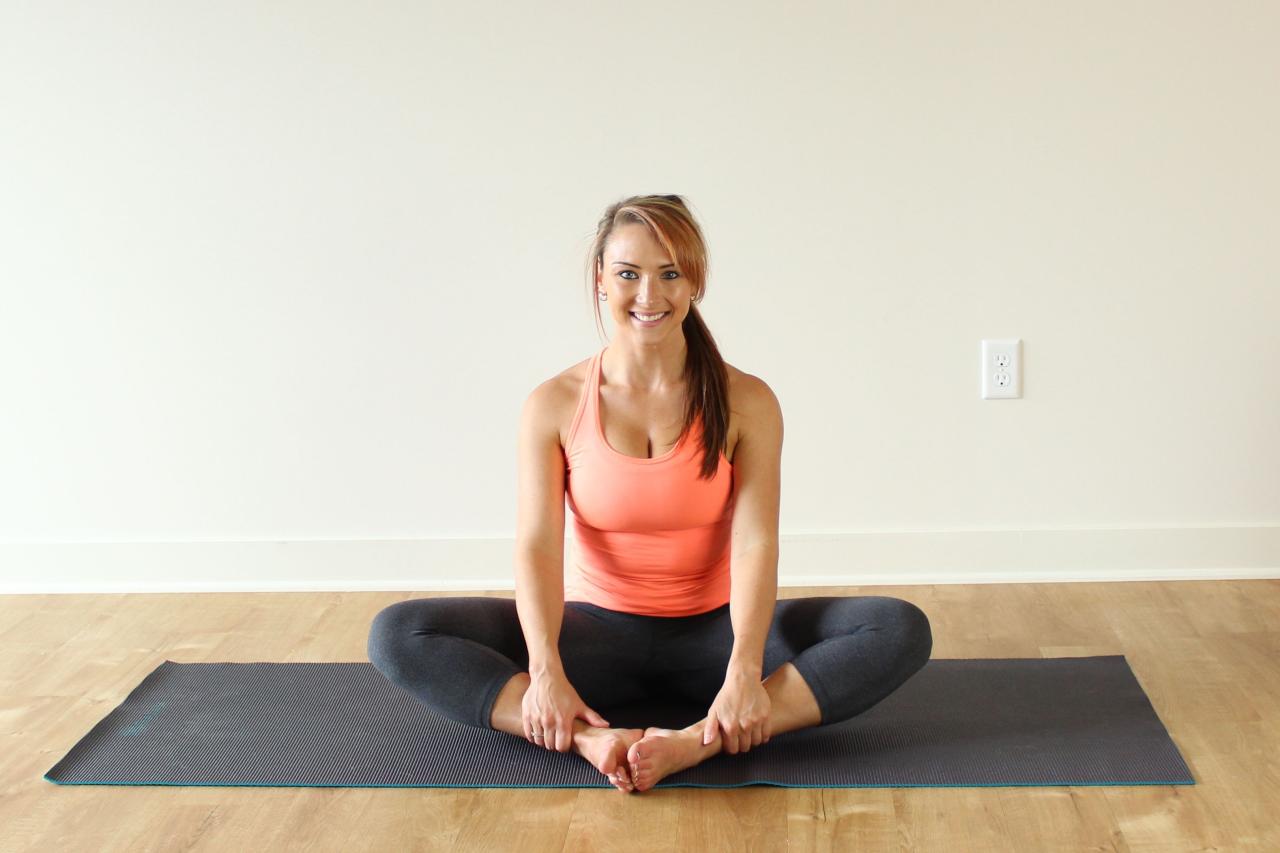
Post-workout stretching is a crucial component of a comprehensive fitness routine. It’s not just about feeling good; it plays a vital role in optimizing muscle recovery, reducing injury risk, and enhancing overall physical well-being. By actively engaging in stretching after exercise, individuals can maximize the benefits of their workouts and minimize the potential for discomfort or long-term issues.Stretching after exercise helps to alleviate muscle stiffness and soreness, a common occurrence following physical exertion.
The process of stretching allows muscles to return to their resting length, reducing the buildup of lactic acid, a byproduct of strenuous activity that can contribute to delayed-onset muscle soreness (DOMS). Proper stretching also promotes blood flow to the muscles, aiding in the removal of waste products and the delivery of nutrients essential for repair and growth.
Benefits of Post-Workout Stretching
Stretching after exercise offers a multitude of benefits that extend beyond immediate relief. It significantly contributes to the body’s ability to recover and adapt to the demands of training. The sustained benefits include improved flexibility, reduced risk of injury, and enhanced athletic performance.
Muscle Recovery and Soreness Reduction
Post-exercise stretching facilitates muscle recovery by promoting blood flow and nutrient delivery to the worked muscles. This enhanced circulation helps to flush out metabolic waste products like lactic acid, which can accumulate during exercise and contribute to muscle soreness. By elongating the muscles, stretching reduces tension and tightness, thus alleviating the feeling of stiffness and promoting a more comfortable recovery process.
Injury Prevention
Regular stretching after exercise helps to maintain a healthy range of motion in the joints and surrounding muscles. This increased flexibility decreases the risk of strains, sprains, and other injuries by preventing overstretching or sudden movements that can occur during workouts or daily activities. A flexible body is less susceptible to injury, as it can better accommodate dynamic movements.
Flexibility and Range of Motion
Stretching is essential for maintaining and improving flexibility and range of motion. Regular stretching increases the extensibility of muscles and connective tissues, leading to a greater capacity for movement in the joints. Improved flexibility allows for a wider range of motion, which can enhance athletic performance, reduce the risk of injury, and contribute to overall physical well-being. Increased flexibility can be particularly beneficial for individuals involved in sports that require a high degree of movement and agility.
Comparison of Stretching Types
| Type of Stretching | Description | Benefits |
|---|---|---|
| Static Stretching | Holding a stretch for a prolonged period (typically 20-30 seconds). | Improves flexibility, reduces muscle tension, and promotes relaxation. |
| Dynamic Stretching | Involves controlled movements that gradually increase the range of motion. | Prepares muscles for activity, increases blood flow, and improves coordination. This is typically better as a warm-up. |
| PNF (Proprioceptive Neuromuscular Facilitation) Stretching | Involves contracting and relaxing muscles to improve flexibility. Common methods include contract-relax and hold-relax. | Achieves greater flexibility than static stretching. Often used for targeted muscle groups and can be used for rehabilitation. |
Types of Stretches
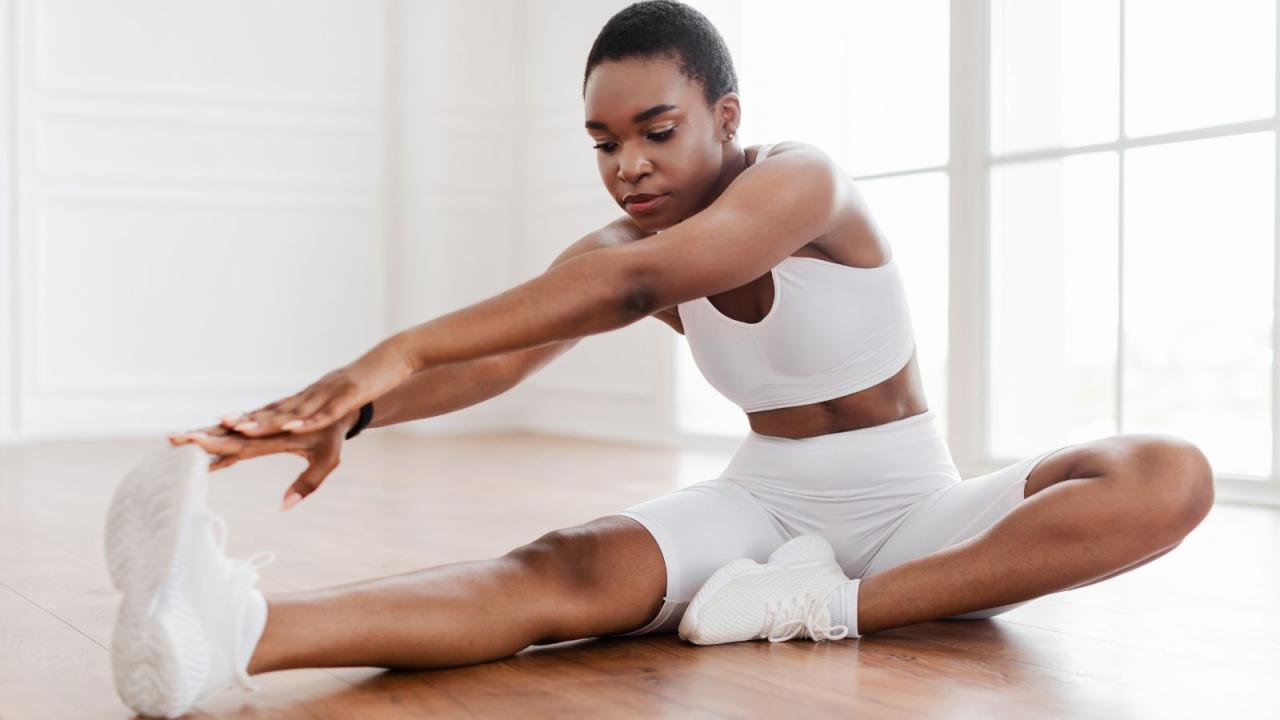
Post-exercise stretching is crucial for muscle recovery and flexibility. Proper stretching techniques can alleviate soreness, improve range of motion, and reduce the risk of injury. Understanding the different types of stretches and how to perform them effectively is key to maximizing the benefits of your post-workout routine.A variety of stretching techniques are available, each with its own benefits and suitability for different muscle groups and individual needs.
Static and dynamic stretches are two primary categories, each targeting specific aspects of flexibility and recovery. This section explores common stretches, proper form, and variations for hamstring, quad, and calf muscles, while comparing the effectiveness of static and dynamic stretching.
Common Stretches for Post-Exercise Recovery
Effective stretching after exercise involves targeting various muscle groups, including the hamstrings, quads, and calves. These stretches aid in muscle recovery, reducing stiffness and improving overall flexibility. The following Artikels common stretches for these key areas.
- Hamstring Stretches: These stretches target the muscles at the back of the thigh, crucial for maintaining lower body flexibility and preventing injuries. Proper hamstring stretches are essential for promoting recovery after activities involving the lower body.
- Quad Stretches: Quadriceps muscles, located at the front of the thighs, are frequently used during exercise. Stretching these muscles is essential for recovery and injury prevention, and promotes a greater range of motion.
- Calf Stretches: Calf stretches target the muscles in the lower leg, vital for maintaining flexibility and preventing injuries, particularly after activities that heavily engage these muscles.
Hamstring Stretches
Proper hamstring stretches are vital for preventing muscle stiffness and promoting recovery after exercises like running or cycling. Here are examples of effective hamstring stretches:
- Seated Hamstring Stretch: Sit on the floor with one leg extended straight out in front of you. Gently reach for your toes, keeping your back straight. Hold for 20-30 seconds, and repeat with the other leg. Variations include bending the knee slightly for a gentler stretch or using a towel or strap to help reach your toes if flexibility is limited.
- Standing Hamstring Stretch: Stand with one leg slightly behind the other, keeping your back straight. Bend forward from your hips, reaching towards the toes of the back leg. Maintain a neutral spine and avoid rounding your back. Hold for 20-30 seconds, and repeat with the other leg. For added stretch, slightly bend the knee of the front leg.
Quad Stretches
Quadriceps stretches are essential for restoring flexibility and preventing muscle soreness after exercises involving the front of the thighs. Effective quad stretches are beneficial for activities such as sprinting or jumping.
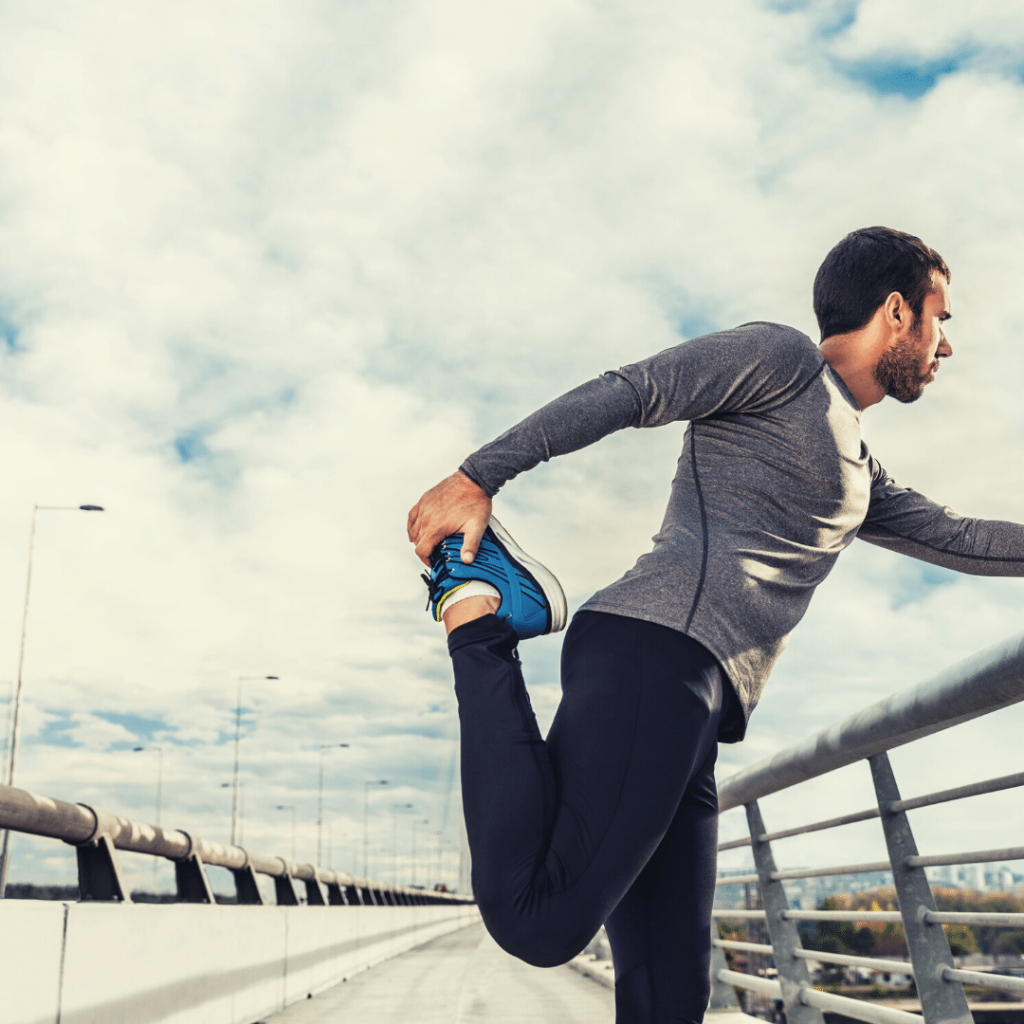
- Standing Quad Stretch: Stand with one leg slightly in front of the other. Grab the ankle of the back leg with your hand, pulling your heel towards your buttock. Keep your back straight and your knee pointing straight ahead. Hold for 20-30 seconds, and repeat with the other leg. Ensure to engage your core and keep your balance throughout the stretch.
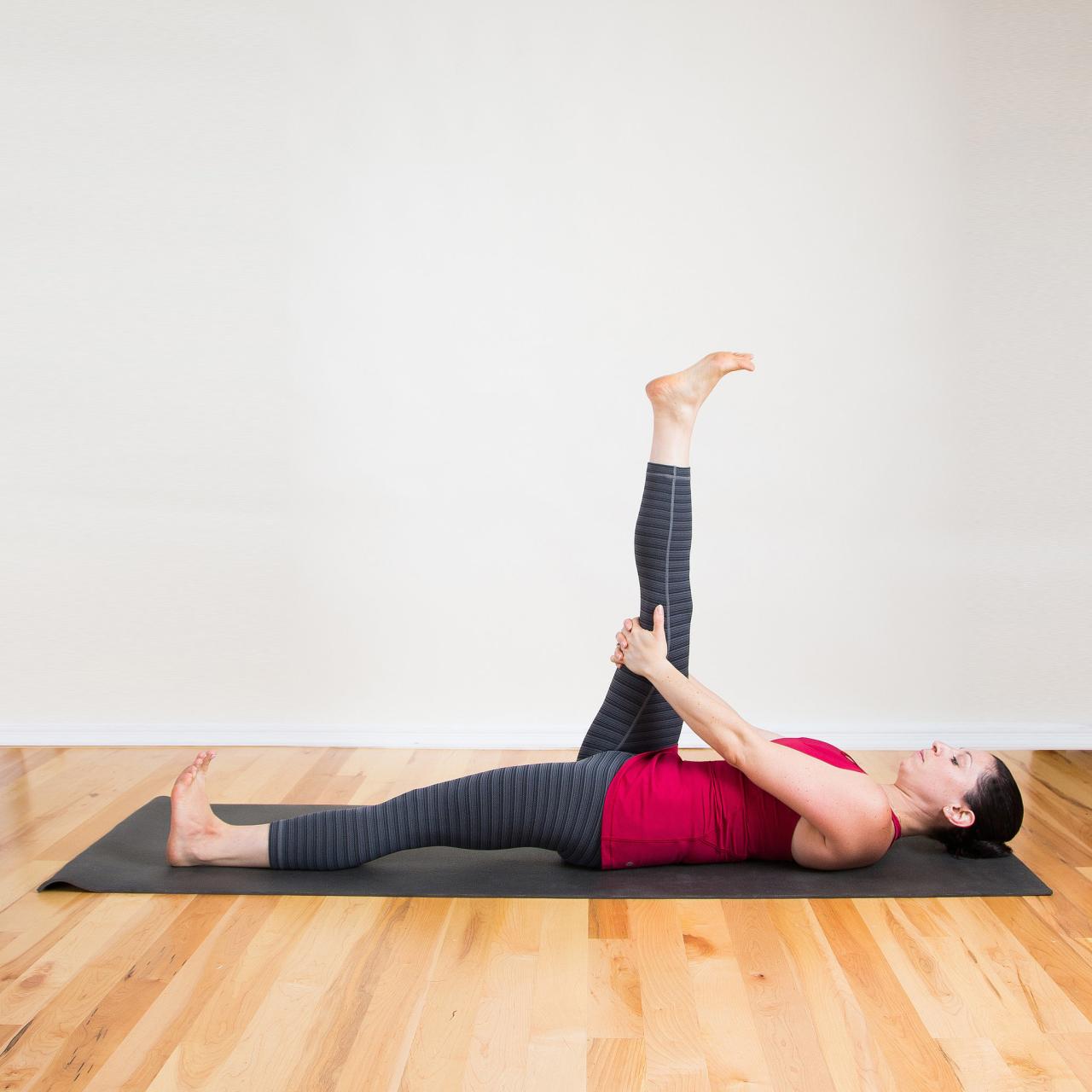
- Lying Quad Stretch: Lie on your back with one leg straight in the air. Gently pull your foot towards your buttock, keeping your knee straight. Hold for 20-30 seconds, and repeat with the other leg. This variation is particularly helpful for individuals with limited flexibility or those recovering from injuries.
Calf Stretches
Calf stretches are essential for maintaining flexibility in the lower leg muscles, which are crucial for activities such as running or jumping. The following Artikels effective calf stretches:
- Standing Calf Stretch (Wall Stretch): Stand facing a wall with one leg slightly behind the other. Lean forward, placing your hands on the wall, and keeping your back leg straight. Feel the stretch in your calf muscles. Hold for 20-30 seconds, and repeat with the other leg. This variation is a common and effective stretch, emphasizing proper form for optimal results.
- Standing Calf Stretch (Towel Stretch): Similar to the wall stretch, but instead of a wall, use a towel or strap wrapped around the ball of your back foot. Pull gently on the towel, feeling the stretch in your calf muscles. Maintain a straight back and engaged core. Hold for 20-30 seconds, and repeat with the other leg. This variation provides an alternative for individuals seeking an adjustable stretch.
Static vs. Dynamic Stretching
Static stretching involves holding a stretch for a period of time, while dynamic stretching involves moving the muscles through a range of motion. Static stretching is often preferred for post-exercise recovery, promoting flexibility and reducing muscle soreness. Dynamic stretching is often used before exercise to prepare muscles for activity.
Stretching Routines
Incorporating stretching routines into your post-workout regimen is crucial for maximizing the benefits of your exercise program. It promotes muscle recovery, reduces soreness, and enhances flexibility, ultimately contributing to a more effective and enjoyable fitness journey. A well-structured stretching routine can help prevent injuries and improve athletic performance.A comprehensive stretching routine should target all major muscle groups. This approach ensures that each muscle group receives the necessary attention for optimal recovery and flexibility.
This is essential for maintaining overall physical well-being and preventing future issues.
Full-Body Stretching Routine
A well-rounded stretching routine targets all major muscle groups, aiding in recovery and injury prevention. It’s important to maintain a gradual approach, avoiding sudden or forceful movements. Holding each stretch for 15-30 seconds allows the muscles to lengthen and relax effectively. This gradual approach minimizes the risk of injury and maximizes the benefits of the stretch.
- Neck stretches: Gently tilt your head to one side, then the other, and rotate it in both directions.
- Shoulder stretches: Reach one arm across your body, and gently pull it with your opposite hand.
- Chest stretches: Extend your arms out to the sides at shoulder height, and gently push them backward.
- Back stretches: Gently arch your back, bringing your hands behind your head or to the ground.
- Triceps stretches: Reach one arm overhead, and gently bend your elbow, pulling it with your opposite hand.
- Quadriceps stretches: Gently pull one leg toward your glutes, holding onto your foot or ankle.
- Hamstring stretches: Extend one leg forward, keeping your back straight and bending at the knee.
- Calf stretches: Place one leg forward, keeping your heel on the ground and bending at the knee.
- Hip flexor stretches: Gently bend one knee, pulling it towards your chest.
Upper Body Stretching Routine (Post-Push-ups/Bench Press)
This routine focuses on the muscles most engaged during push-up and bench press exercises, aiding in recovery and reducing muscle soreness. It is crucial to focus on proper form and avoid straining the muscles during stretching.
- Chest stretches: Interlock your hands behind your back, and gently push your arms backward.
- Triceps stretches: Extend one arm overhead, and gently bend your elbow, pulling it with your opposite hand.
- Shoulder stretches: Reach one arm across your body, and gently pull it with your opposite hand.
- Bicep stretches: Extend one arm out in front of you, and gently pull it with your opposite hand.
- Neck stretches: Gently tilt your head to one side, then the other, and rotate it in both directions.
Lower Body Stretching Routine (Post-Squats/Running)
This routine addresses the muscles predominantly used during squats and running, promoting recovery and flexibility. It is important to maintain a slow and controlled stretching pace to avoid potential injuries.
- Quadriceps stretches: Gently pull one leg toward your glutes, holding onto your foot or ankle.
- Hamstring stretches: Extend one leg forward, keeping your back straight and bending at the knee.
- Calf stretches: Place one leg forward, keeping your heel on the ground and bending at the knee.
- Hip flexor stretches: Gently bend one knee, pulling it towards your chest.
- Groin stretches: Extend one leg out to the side, keeping your back straight and bending at the hip.
Incorporating Stretching into a Daily Routine
Integrating stretching into your daily routine can enhance flexibility and reduce muscle stiffness. Consistency is key to experiencing the benefits of stretching.
- Morning stretches: Start your day with a few simple stretches to improve blood flow and wake up your muscles.
- Afternoon stretches: Take short breaks throughout the day to stretch and alleviate tension from prolonged sitting.
- Evening stretches: Wind down before bed with a relaxing stretching session to promote relaxation and better sleep.
10-Minute Stretching Routine (Post-Specific Workout)
This table Artikels a sample 10-minute stretching routine designed for use after a specific workout, such as a combination of cardio and strength training.
| Stretch | Hold Time (seconds) | Instructions |
|---|---|---|
| Hamstring Stretch | 20 | Extend one leg forward, keeping your back straight and bending at the knee. |
| Quadriceps Stretch | 20 | Gently pull one leg toward your glutes, holding onto your foot or ankle. |
| Calf Stretch | 20 | Place one leg forward, keeping your heel on the ground and bending at the knee. |
| Triceps Stretch | 20 | Extend one arm overhead, and gently bend your elbow, pulling it with your opposite hand. |
| Chest Stretch | 20 | Extend your arms out to the sides at shoulder height, and gently push them backward. |
| Shoulder Stretch | 20 | Reach one arm across your body, and gently pull it with your opposite hand. |
| Neck Stretch | 15 | Gently tilt your head to one side, then the other, and rotate it in both directions. |
| Hip Flexor Stretch | 20 | Gently bend one knee, pulling it towards your chest. |
| Back Stretch | 20 | Gently arch your back, bringing your hands behind your head or to the ground. |
| Overall Body Relaxation | 30 | Deep breathing and relaxation throughout the body. |
Stretching for Specific Muscle Groups
Post-exercise stretching is crucial for maximizing the benefits of your workout and minimizing muscle soreness. Targeting specific muscle groups after exercise allows for a more comprehensive recovery process, promoting flexibility, reducing stiffness, and enhancing overall athletic performance. Proper stretching techniques, tailored to the specific muscles used during a workout, contribute to a faster return to pre-exercise condition.
Chest Stretches
Targeting the chest muscles after exercises like bench presses or push-ups helps prevent tightness and improve range of motion. A simple chest stretch involves reaching one arm overhead, placing the other hand on the elbow to support the weight, and gently leaning to the side. Alternatively, you can clasp your hands behind your back, extending your arms straight out, and gently pulling them backward.
Back Stretches
Stretching the back muscles, particularly after exercises that emphasize spinal extension, is essential for relieving stiffness and preventing muscle imbalances. One effective back stretch is the child’s pose, which involves sitting on your heels, folding forward, and resting your forehead on the mat. Another stretch is a seated spinal twist, where you sit tall, lengthen your spine, and gently twist your torso to one side.
Shoulder Stretches
Shoulder stretches are vital after workouts that involve overhead movements or repetitive arm motions. A common shoulder stretch involves reaching one arm across your body, using the opposite hand to gently pull on the elbow, and holding for 15-30 seconds. Another option is the cross-body shoulder stretch, where you place one arm across your chest and use your opposite hand to gently press down on the elbow.
Neck Stretches
Neck stretches are particularly important after exercises that involve neck rotations or repetitive head movements. A gentle neck stretch involves tilting your head to one side, using your hand to support the head and gently applying pressure. Alternately, you can gently rotate your head in a circular motion, keeping the movement slow and controlled.
Core Stretches
Stretching the core muscles after abdominal exercises helps promote flexibility and prevents stiffness. A simple core stretch involves lying on your back, bringing one knee towards your chest, and gently pulling on the knee with your hands. Another effective stretch involves lying on your back, extending one leg straight up in the air, and gently pulling on the leg with your hands to feel the stretch in the hip flexors and lower back.
Hip and Glute Stretches
Stretches targeting the hips and glutes are crucial after leg workouts, such as squats or lunges, to alleviate tension and improve flexibility. A hip flexor stretch involves placing one leg forward, bending the knee, and gently leaning forward, keeping the back straight. For glutes, a figure-four stretch involves bringing one foot across your body and gently pulling on the knee with your opposite hand.
Arm and Wrist Stretches
Stretching the arms and wrists after arm exercises, such as bicep curls or triceps extensions, helps maintain flexibility and prevent pain. A wrist stretch involves extending one arm in front of you, bending your wrist downwards, and using your opposite hand to gently push down on the top of the hand. Another stretch involves extending one arm in front of you, bending your wrist upwards, and using your opposite hand to gently press down on the underside of the hand.
Table of Stretches for Specific Muscle Groups
| Muscle Group | Workout Type | Stretch Example |
|---|---|---|
| Chest | Bench Press, Push-ups | Clasped hands behind back, extend arms, gently pull back |
| Back | Rows, Pull-ups | Child’s pose, Seated spinal twist |
| Shoulders | Overhead Press, Bicep Curls | Cross-body shoulder stretch, Arm across body, pull on elbow |
| Neck | Any exercise with head movement | Tilt head to side, support head with hand, apply gentle pressure |
| Core | Crunches, Sit-ups | Knee to chest, Leg straight up, pull on leg |
| Hips/Glutes | Squats, Lunges | Hip flexor stretch, forward leg, lean forward |
| Arms/Wrists | Bicep curls, Triceps extensions | Wrist stretch, downward bend, press on top of hand |
Stretching Duration and Frequency
Proper stretching duration and frequency are crucial for maximizing the benefits of post-exercise stretching and for long-term flexibility improvements. Consistent practice plays a significant role in achieving and maintaining optimal flexibility, which is vital for overall physical well-being and injury prevention.Understanding the optimal duration for each stretch and how frequently to perform these stretches is key to achieving the desired results.
This section provides guidance on these factors, considering individual needs and goals. By tailoring your stretching routine, you can achieve the most effective and personalized results.
Optimal Duration for Each Stretch
Holding a stretch for an adequate duration is essential for achieving its benefits. Simply touching the stretch is insufficient; a proper stretch requires sustained tension on the targeted muscle group. A good rule of thumb is to hold each static stretch for 20-30 seconds. This allows the muscle to lengthen and adapt gradually, promoting greater flexibility. However, individual tolerances and goals might necessitate adjustments.
For instance, beginners may find 20 seconds challenging initially, whereas more experienced individuals might find 30 seconds beneficial.
Recommendations for Stretching Frequency
Stretching after each workout is highly recommended. Regular stretching after exercise promotes improved flexibility and reduces muscle soreness. For optimal results, aim to stretch at least 2-3 times per week, ideally every day after exercise, but even 2-3 times a week provides significant benefits. Consistent stretching, even without daily sessions, enhances long-term flexibility and helps maintain a healthy range of motion.
Consistency is more important than the exact frequency for optimal results.
Impact of Stretching Frequency on Long-Term Flexibility
Regular stretching promotes long-term flexibility by encouraging the muscles to lengthen and adapt over time. The more frequently you stretch, the more consistently your muscles will be encouraged to adapt and lengthen. However, the impact of frequency depends significantly on individual factors, including age, activity level, and existing flexibility. For instance, a young, highly active individual may experience faster improvements in flexibility compared to an older, less active individual.
Adjusting Stretching Time and Frequency Based on Individual Needs and Goals
Adjusting stretching time and frequency based on individual needs and goals is crucial for maximizing benefits. Consider factors such as age, fitness level, and specific goals. For instance, an individual focused on competitive sports might need to stretch more frequently and for longer durations compared to someone seeking general fitness improvements. Individuals with pre-existing injuries or conditions should consult with a healthcare professional before making significant changes to their stretching routine.
Ideal Duration and Frequency for Different Types of Stretches
| Type of Stretch | Ideal Duration (seconds) | Recommended Frequency |
|---|---|---|
| Static Stretches | 20-30 | 2-3 times per week after exercise, ideally daily |
| Dynamic Stretches | 5-10 per stretch | Warm-up routine before exercise |
| PNF Stretches | 10-30 | 2-3 times per week |
Note: Consult with a healthcare professional for personalized recommendations. Adjusting these recommendations to individual needs is vital. Flexibility varies greatly between individuals, and consistent stretching is crucial for long-term benefits.
Precautions and Considerations
Proper stretching after exercise is crucial for recovery and injury prevention, but it’s essential to approach it with caution. Understanding potential risks, common mistakes, and how to listen to your body are vital components of a safe and effective stretching routine. Ignoring these aspects can lead to unnecessary strain or injury.Careful consideration of your body’s limitations and proper technique are key to maximizing the benefits of stretching while minimizing the risks.
By understanding the precautions and common pitfalls, you can enhance your stretching experience and ensure a smoother recovery process.
Potential Risks and Precautions
Stretching, while beneficial, can pose risks if not performed correctly. Overstretching, particularly when muscles are cold or fatigued, can lead to strains or tears. Individuals with pre-existing injuries or conditions should consult with a healthcare professional before initiating a stretching routine. It is also important to be mindful of any pain during the stretch; pain should never be ignored.
Common Stretching Mistakes
Maintaining proper form is essential for avoiding injuries during stretching. One common mistake is bouncing during stretches. Bouncing can cause the muscle to contract and increase the risk of injury. Another pitfall involves holding stretches for insufficient duration, hindering the muscle’s ability to fully lengthen and recover. Also, rushing through the stretches without adequate warm-up can negatively impact the effectiveness and safety of the session.
Listening to Your Body
Paying attention to your body’s signals during stretching is paramount. If you experience sharp pain, stop immediately. Discomfort or tightness are often normal, but sharp pain indicates potential damage. Listen to your body’s cues; a feeling of tightness or mild discomfort is often the body’s way of signaling that the stretch is reaching its appropriate intensity.
Knowing When to Stop and Seek Professional Advice
If you experience persistent pain, discomfort, or a worsening of symptoms during stretching, cease the activity immediately and consult a healthcare professional. Persistent pain warrants a visit to a doctor, as it could be a sign of a more serious underlying issue. Professional guidance can ensure that any injury is addressed promptly and effectively. For individuals with specific medical conditions, consulting a physical therapist or doctor before starting a stretching routine is highly recommended.
Table of Common Stretching Mistakes and How to Avoid Them
| Mistake | Explanation | How to Avoid |
|---|---|---|
| Bouncing during stretches | Bouncing can strain muscles and increase the risk of injury. | Hold the stretch steadily, avoiding any jerky movements. |
| Insufficient stretch duration | Holding stretches for too short a time limits the muscle’s ability to lengthen and recover. | Hold each stretch for 15-30 seconds, focusing on a steady, controlled lengthening of the muscle. |
| Ignoring pain | Sharp or sudden pain during stretching indicates potential damage. | Stop immediately if you experience sharp pain. Mild discomfort is acceptable, but sharp pain is a signal to stop. |
| Rushing through stretches without warm-up | Stretching cold muscles increases the risk of injury. | Warm up the muscles with light cardio before starting your stretching routine. |
Illustrations and Visual Aids
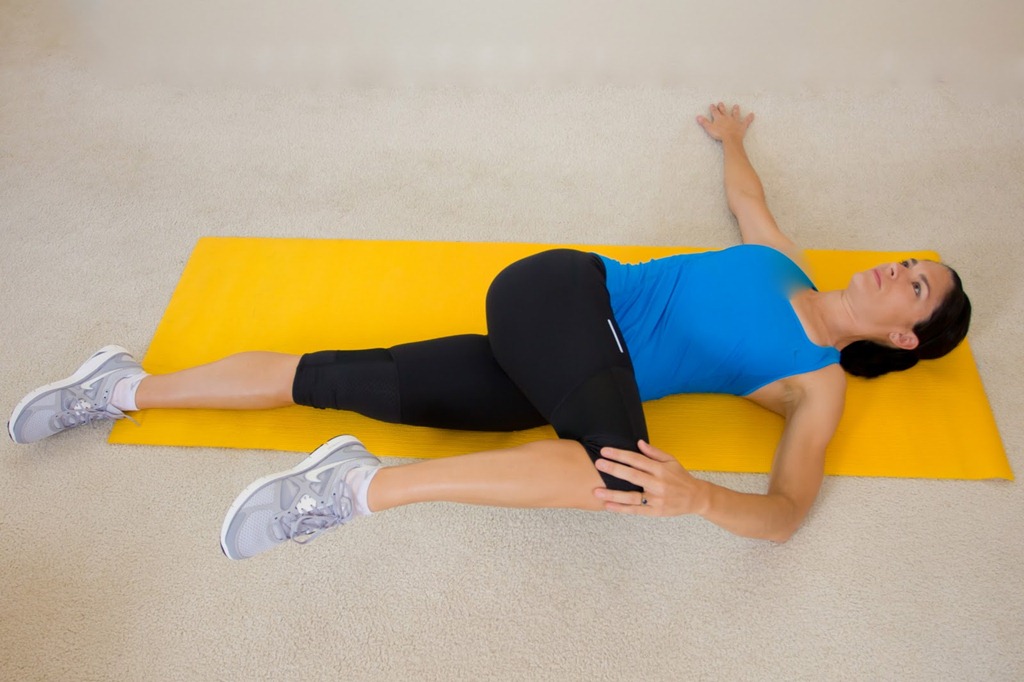
Visual aids are crucial for understanding and effectively performing stretching exercises. Detailed descriptions and visual representations can clarify proper form, alignment, and technique, minimizing the risk of injury and maximizing results. Visual cues can help individuals of varying body types and flexibility levels grasp the correct execution of stretches, promoting consistent and safe practice.
Proper Alignment and Posture
Understanding proper alignment and posture is paramount to prevent injuries and maximize the effectiveness of stretching exercises. Maintaining a neutral spine and engaging core muscles are key. Visual aids, such as photographs and diagrams, can illustrate the correct positioning of the body during various stretches. For example, in a hamstring stretch, the individual should maintain a straight back, avoiding arching or rounding the lower back.
This alignment ensures that the stretch is focused on the intended muscle group, the hamstrings, without putting undue strain on other areas.
Different Stretching Techniques
Different stretching techniques cater to various needs and goals. Static stretching, holding a stretch for a set period, is often recommended for improving flexibility and reducing muscle soreness. Dynamic stretching, involving controlled movements, is often used to prepare muscles for exercise. Visual representations, like step-by-step diagrams or video demonstrations, can show the distinct characteristics of each technique.
For instance, a static hamstring stretch involves bending forward from the hips while keeping the knees straight, holding the stretch for 20-30 seconds. A dynamic hamstring stretch, on the other hand, involves controlled leg swings, gradually increasing the range of motion.
Visual Appearance of Stretching
Visual representations of individuals performing various stretches can be invaluable. A visual aid showcasing a person performing a quadriceps stretch, for example, would depict the individual standing with one leg raised behind them, bending at the knee, and holding the foot with the hand. The image should clearly illustrate the proper alignment of the body, showcasing the straight back and engaged core.
Images demonstrating proper form should highlight the muscle being targeted and the correct angle of the stretch.
Stretching for Different Body Types
Stretching exercises should be adapted to accommodate individual body types. Visual aids depicting stretching routines for various body types, such as tall, short, slender, and muscular individuals, can be incredibly helpful. For example, a visual representation of a tall individual performing a triceps stretch might show them using a wall or a chair for support to maintain the proper angle and reach.
This adaptation is crucial for ensuring the stretch is effective and safe for each person.
Images Showcasing Stretching Techniques
Visual representations of different stretching techniques for optimal results are essential. Images showcasing a seated spinal twist, for instance, should demonstrate the correct posture, showing the individual sitting with their back straight, one leg extended, and the upper body twisting gently to one side. The image should also highlight the alignment of the spine and the engagement of core muscles.
This visual aid can be used to help individuals visualize and understand the technique and execute it correctly.
Conclusive Thoughts
In conclusion, incorporating stretching into your post-exercise routine is a vital component of a complete fitness program. This guide has provided a detailed understanding of the importance, types, routines, and considerations surrounding post-workout stretching. Remember, consistency and proper form are key to achieving optimal results. By following the guidelines presented here, you can effectively improve flexibility, reduce soreness, and prevent injuries, ultimately enhancing your overall fitness journey.