Achieving a healthy weight is a journey that requires understanding the science behind weight loss, adopting effective dietary strategies, incorporating regular exercise, and making sustainable lifestyle adjustments. This guide delves into the fundamentals of weight management, providing a comprehensive approach that encompasses various aspects of the process. From understanding calorie balance and metabolism to exploring different dietary approaches and exercise routines, we will equip you with the knowledge and strategies needed for success.
This comprehensive guide offers a detailed look at the science behind weight loss, exploring the intricate interplay between diet, exercise, and lifestyle choices. We’ll examine the key components of a healthy weight loss plan, from understanding calorie balance to incorporating mindful habits for long-term success.
Understanding Weight Loss Fundamentals
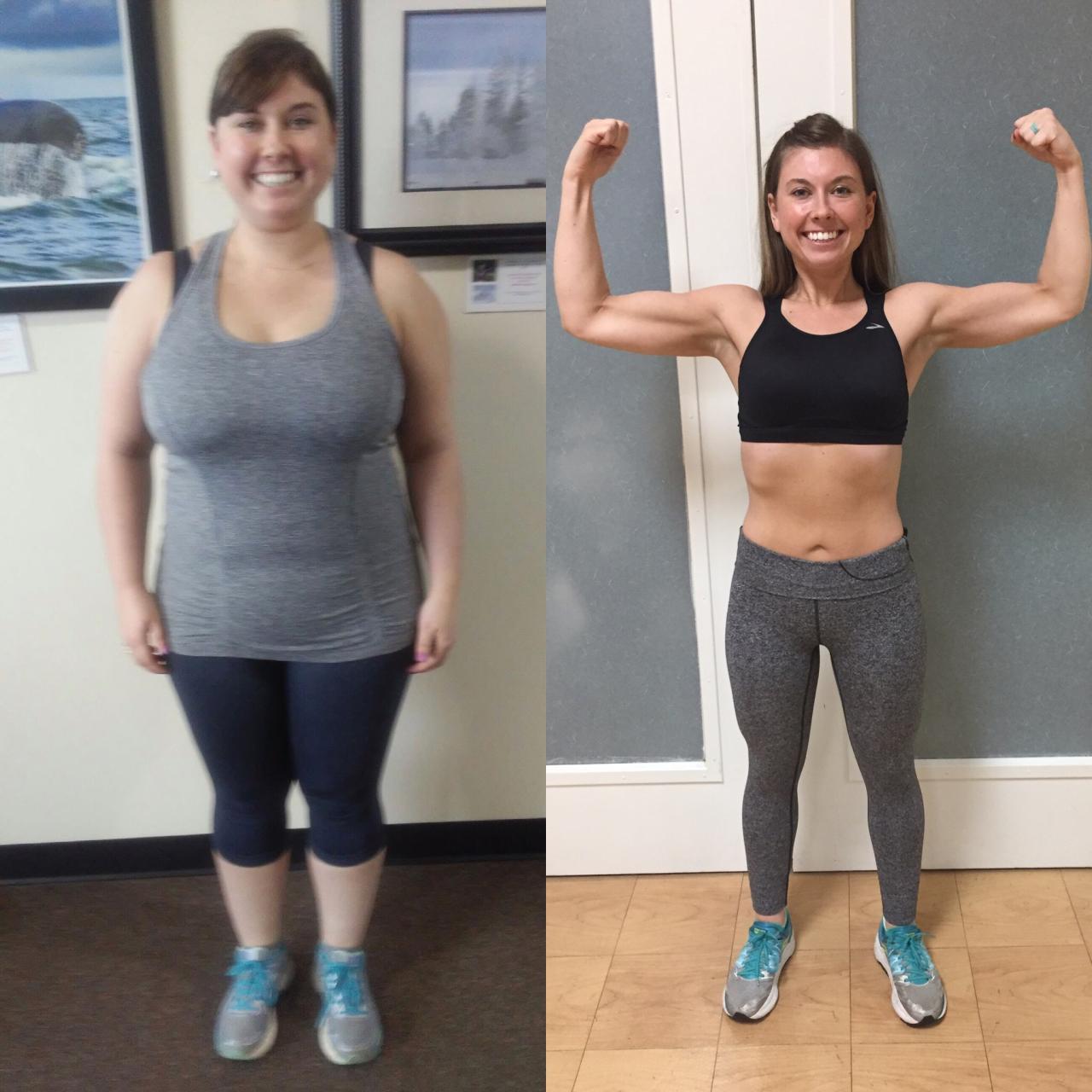
Weight loss is a multifaceted process that requires a deep understanding of the underlying biological mechanisms. Success hinges on a balanced approach that combines dietary adjustments, regular exercise, and lifestyle modifications. This section delves into the scientific principles governing weight management, providing insights into the intricacies of calorie balance, metabolism, and the diverse types of body fat.Understanding the science behind weight loss is crucial for sustained success.
By comprehending the factors influencing calorie balance and energy expenditure, individuals can make informed decisions and develop effective strategies for achieving their weight goals. A thorough knowledge of metabolic processes and the various types of body fat allows for a more nuanced and effective approach to weight management.
Calorie Balance and Energy Expenditure
Calorie balance is the cornerstone of weight management. When calorie intake exceeds energy expenditure, the body stores the excess energy as fat, leading to weight gain. Conversely, when energy expenditure surpasses calorie intake, the body utilizes stored fat for energy, resulting in weight loss. Energy expenditure encompasses basal metabolic rate (BMR), which is the energy required for basic bodily functions, as well as activity thermogenesis, representing the energy used during physical activity.
Calorie balance is the fundamental principle governing weight management. Weight loss occurs when energy expenditure exceeds calorie intake, while weight gain occurs when calorie intake exceeds energy expenditure.
The Role of Metabolism in Weight Management
Metabolism encompasses all the biochemical processes that occur within the body to maintain life. A higher metabolic rate generally allows the body to burn more calories at rest, potentially facilitating weight loss. Factors influencing metabolism include age, gender, muscle mass, and activity level. Maintaining a healthy lifestyle that includes regular exercise and sufficient protein intake can contribute to a higher metabolic rate.
Different Types of Body Fat and Their Distribution
Body fat is categorized into subcutaneous fat (located beneath the skin) and visceral fat (stored around internal organs). Subcutaneous fat is generally considered less harmful, while visceral fat is linked to increased health risks such as cardiovascular disease and type 2 diabetes. Understanding the distribution of body fat is crucial for personalized weight management strategies.
The Importance of a Balanced Diet and its Relationship to Weight Loss
A balanced diet provides the necessary nutrients for optimal bodily functions and plays a pivotal role in weight loss. It emphasizes consuming a variety of foods from different food groups, including fruits, vegetables, lean proteins, and whole grains. A balanced diet is crucial for providing the body with essential vitamins, minerals, and fiber for energy and satiety. Furthermore, it helps regulate blood sugar levels, preventing energy crashes and promoting sustained energy throughout the day.
Avoidance of processed foods, sugary drinks, and excessive saturated and trans fats is also essential.
Comparison of Weight Loss Approaches
Various approaches to weight loss exist, each with its own set of benefits and drawbacks. Dietary approaches, including calorie restriction and specific dietary patterns, often focus on reducing calorie intake. Exercise, encompassing both aerobic and resistance training, plays a critical role in increasing energy expenditure. Lifestyle modifications, such as stress management and adequate sleep, can also significantly impact weight management success.
Each approach should be tailored to individual needs and preferences.
Dietary Strategies for Weight Loss
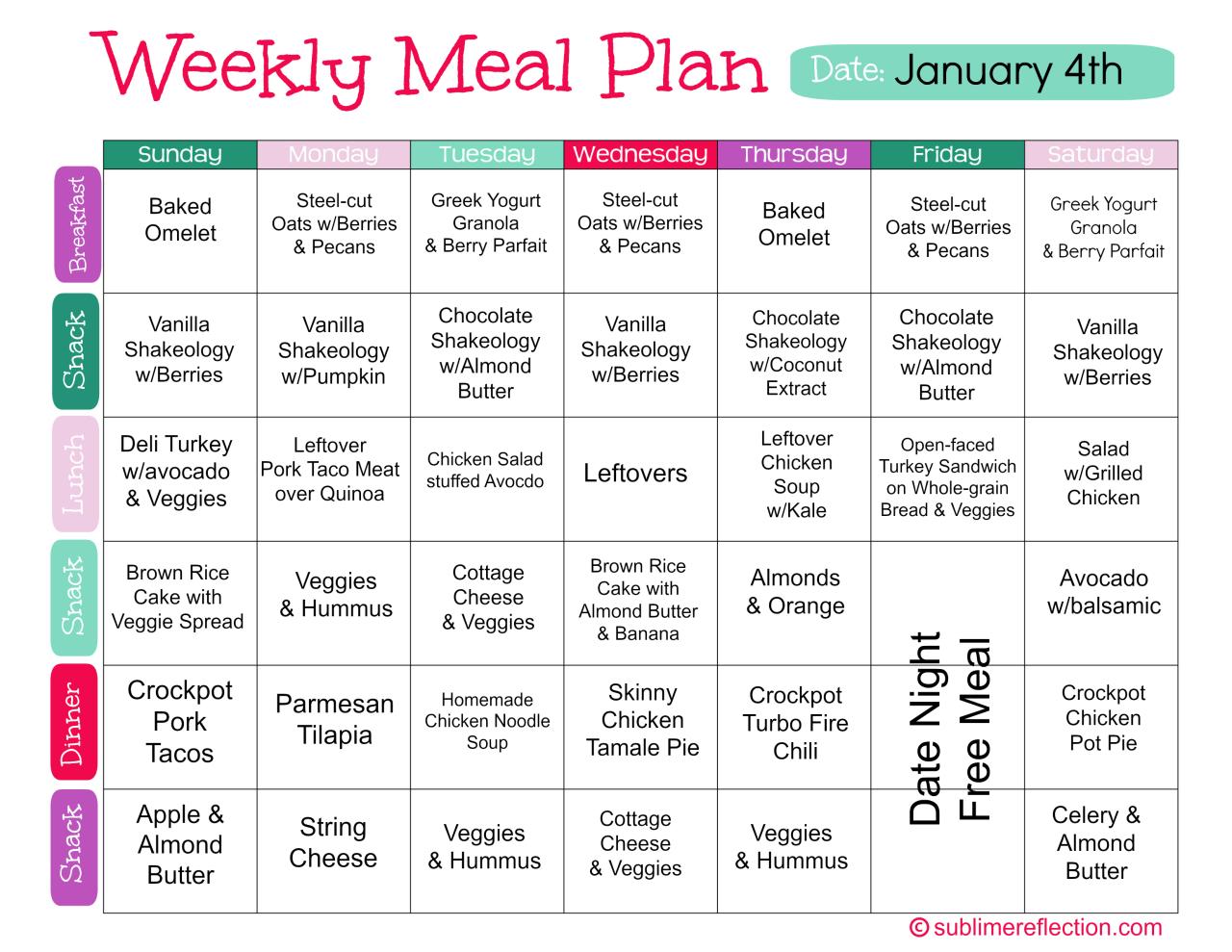
A crucial component of successful weight management is a well-structured dietary plan. This approach emphasizes nutrient-rich foods, mindful portion sizes, and balanced macronutrient intake. It is vital to remember that individual needs vary, and consulting a registered dietitian or healthcare professional can provide personalized guidance.Effective dietary strategies are not just about restricting food; they are about making informed choices that support long-term health and weight goals.
A balanced diet, coupled with regular physical activity, forms the cornerstone of a sustainable weight loss journey.
Sample 1500-Calorie Meal Plan
This sample meal plan provides a framework for a 1500-calorie diet, emphasizing nutrient density and portion control. Adjust portion sizes based on individual needs and activity levels. Remember, this is a template, and individual needs may differ.
- Breakfast (approx. 350 calories): Oatmeal with berries and a sprinkle of nuts, a small glass of milk.
- Lunch (approx. 400 calories): A large salad with grilled chicken or fish, a small portion of whole-grain bread, and a light vinaigrette dressing.
- Snack 1 (approx. 150 calories): Apple slices with almond butter.
- Dinner (approx. 450 calories): Baked salmon with steamed vegetables (broccoli, carrots, and green beans). A small portion of brown rice.
- Snack 2 (approx. 150 calories): Greek yogurt with a handful of granola.
Healthy Food Choices and Nutritional Value
Choosing nutrient-dense foods is paramount for a healthy diet. Prioritize whole, unprocessed foods over highly processed options.
- Lean Protein Sources: Chicken breast, fish (salmon, tuna), beans, lentils, Greek yogurt. These provide essential amino acids for muscle repair and satiety.
- Whole Grains: Brown rice, quinoa, whole-wheat bread. These are excellent sources of complex carbohydrates, fiber, and vitamins.
- Fruits and Vegetables: A wide variety of colorful fruits and vegetables. They are packed with vitamins, minerals, and fiber, promoting overall health.
- Healthy Fats: Avocado, nuts, seeds, olive oil. These are crucial for hormone production and overall well-being. They should be consumed in moderation.
Portion Control Strategies
Managing portion sizes is key to weight loss. Using smaller plates, measuring food portions, and eating slowly can help.
- Mindful Eating: Pay attention to hunger and fullness cues. Eat slowly and savor your food.
- Portion Control Tools: Use measuring cups and spoons to ensure accurate portion sizes. Consider using smaller plates and bowls.
- Meal Prep: Prepare meals and snacks in advance to avoid impulsive, larger portions.
Dietary Approaches: Keto, Paleo, Vegetarian
Different dietary approaches have varying benefits and drawbacks.
- Ketogenic Diet (Keto): Focuses on high fat, moderate protein, and very low carbohydrate intake. It can lead to rapid weight loss initially but may not be sustainable for everyone. Potential drawbacks include nutrient deficiencies if not carefully planned.
- Paleolithic Diet (Paleo): Emphasizes foods that were available during the Paleolithic era, typically excluding processed foods, grains, and legumes. It emphasizes whole foods but may be restrictive for some. Potential benefits include improved blood sugar control and reduced inflammation.
- Vegetarian Diet: Excludes meat and animal products. Offers numerous health benefits, including reduced risk of heart disease and certain cancers, but requires careful planning to ensure adequate protein and vitamin intake.
Hydration and Weight Loss
Adequate hydration is essential for overall health and can aid in weight management. Drinking plenty of water helps with satiety and can boost metabolism.
- Water Intake: Aim for at least 8 glasses of water daily. Adjust based on activity levels and climate.
- Benefits of Hydration: Water can help with satiety, boost metabolism, and aid in nutrient absorption.
Macronutrients in Weight Loss
Understanding the role of macronutrients (protein, carbohydrates, and fats) is crucial.
- Protein: Supports muscle repair and satiety. Important for maintaining metabolism and satiety. Aim for a moderate intake.
- Carbohydrates: Provide energy. Choose complex carbohydrates like whole grains and vegetables over simple sugars.
- Fats: Crucial for hormone production and overall health. Choose healthy fats like avocados, nuts, and olive oil.
Comparison of Popular Weight Loss Diets
| Diet | Focus | Potential Benefits | Potential Drawbacks |
|---|---|---|---|
| Mediterranean Diet | Fruits, vegetables, whole grains, lean protein, healthy fats. | Heart health, reduced risk of chronic disease, rich in nutrients. | May be restrictive for some, potentially challenging to maintain long-term. |
| DASH Diet | Focuses on fruits, vegetables, low-fat dairy, whole grains, lean protein. | Blood pressure control, weight loss. | May be restrictive for some, potential need for dietary supplements. |
| Weight Watchers | Focuses on portion control, calorie counting, and mindful eating. | Structured approach, support system. | May not be sustainable for everyone, can be expensive. |
Exercise and Physical Activity for Weight Loss
Physical activity plays a crucial role in any successful weight loss journey. It complements dietary changes by burning calories, building muscle mass, and improving overall health and well-being. Combining a balanced diet with regular exercise is a powerful strategy for achieving and maintaining a healthy weight.Exercise is not just about burning calories; it enhances metabolism, boosts energy levels, and promotes a positive self-image.
A consistent exercise routine contributes to a healthier lifestyle, fostering habits that extend beyond the immediate goal of weight loss.
Various Forms of Exercise for Weight Loss
A diverse range of exercises can contribute to weight loss. Choosing activities you enjoy increases the likelihood of long-term adherence. This includes activities that elevate your heart rate, build strength, and improve flexibility.
Importance of Consistency and Intensity in Exercise Routines
Consistency is key to seeing results. Regular exercise, even in shorter sessions, builds positive habits and improves cardiovascular health. The intensity of exercise should be tailored to your individual fitness level and gradually increased over time. Starting with moderate intensity and gradually increasing the duration and/or intensity will lead to greater progress.
Benefits of Strength Training for Weight Loss
Strength training, often overlooked, is a vital component of weight loss. Building muscle mass increases your resting metabolic rate, meaning your body burns more calories even when at rest. This contributes to long-term weight management. Strength training also improves bone density and reduces the risk of injuries.
Low-Impact and High-Impact Exercises
Low-impact exercises, such as swimming, walking, and cycling, are suitable for individuals with joint pain or injuries. They provide a good cardiovascular workout without excessive stress on joints. High-impact exercises, such as running and jumping jacks, offer a more intense workout, burning more calories and improving cardiovascular fitness. Choosing exercises that fit your physical capabilities and preferences is crucial.
Importance of Cardio and its Impact on Weight Loss
Cardiovascular exercise, or cardio, is essential for weight loss. Cardiovascular activities like running, swimming, or cycling elevate your heart rate, burn calories, and improve cardiovascular health. A regular cardio routine strengthens the heart and lungs, leading to a more efficient metabolism. Cardio also contributes to improved mood and reduced stress.
Strategies for Incorporating Exercise into Daily Life
Incorporating exercise into your daily life can be achieved through various strategies. Consider incorporating short bursts of activity throughout the day, such as taking the stairs instead of the elevator or walking during phone calls. Finding activities you enjoy makes exercise more sustainable. Scheduling exercise into your weekly calendar, like any other important appointment, can increase adherence.
Sample Workout Routines for Different Fitness Levels
| Fitness Level | Cardio (30 minutes) | Strength Training (30 minutes) |
|---|---|---|
| Beginner | Brisk walking, cycling at a moderate pace, elliptical training | Bodyweight exercises (squats, push-ups, lunges, planks), light weights |
| Intermediate | Running, swimming, cycling at a faster pace, HIIT (High-Intensity Interval Training) | Moderate weights, compound exercises (deadlifts, bench press, rows), circuit training |
| Advanced | Interval training, running at a high intensity, plyometrics | Heavy weights, advanced compound exercises, Olympic lifts |
Note: Consult with a healthcare professional before starting any new exercise program. Adjust the duration and intensity of workouts based on your individual needs and progress. Progression is crucial; gradually increase the intensity and duration of your workouts as your fitness level improves.
Behavioral and Lifestyle Adjustments
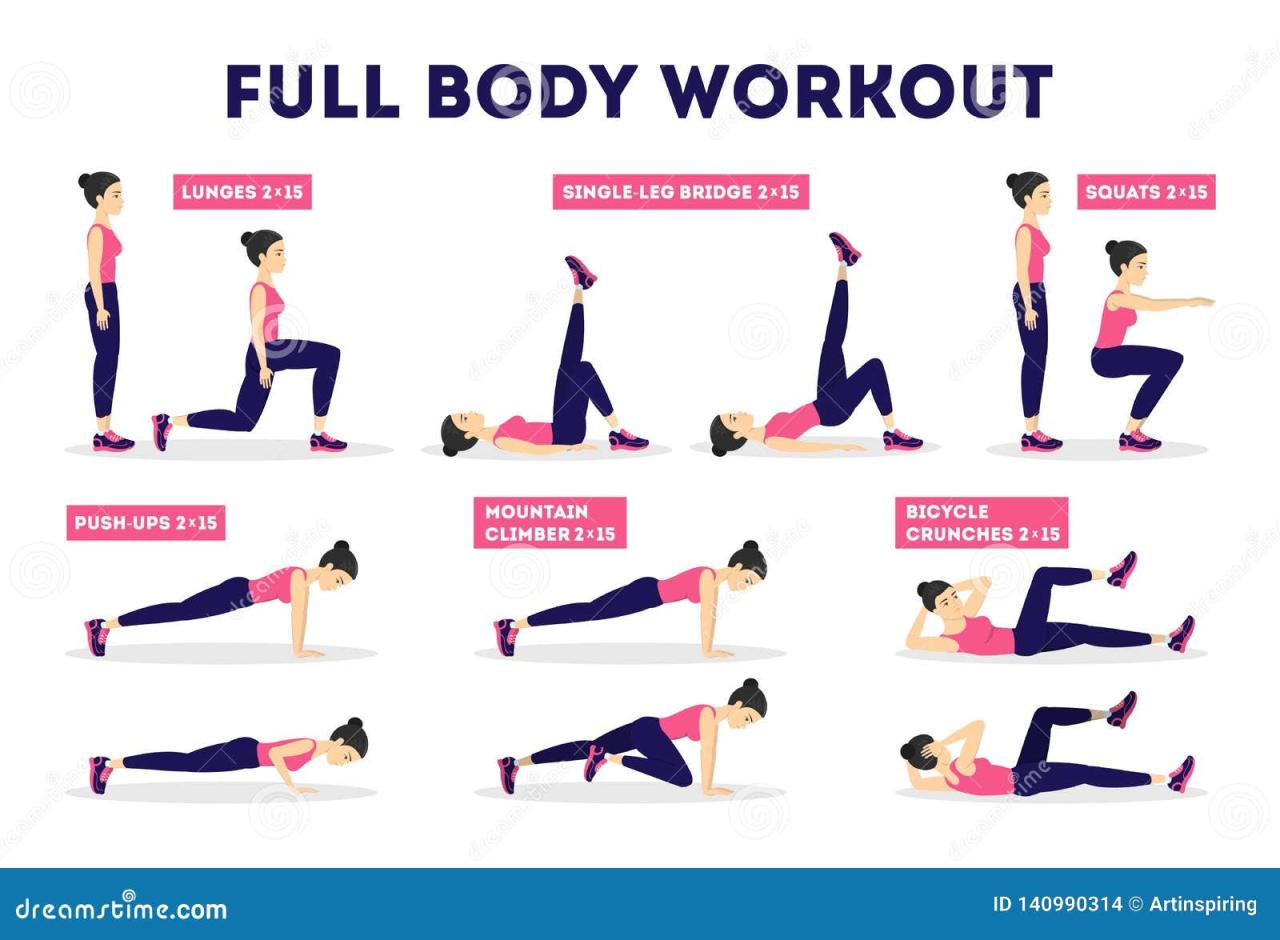
Achieving sustainable weight loss often hinges on more than just diet and exercise. Behavioral and lifestyle adjustments play a crucial role in establishing lasting healthy habits. These adjustments address the psychological and environmental factors that can hinder progress and support long-term success. By understanding and incorporating these strategies, individuals can create a comprehensive approach to weight management that goes beyond short-term fixes.
Stress Management Techniques
Chronic stress can significantly impact weight loss efforts. Elevated stress hormones, such as cortisol, can lead to increased appetite, particularly for high-calorie, comfort foods. Effective stress management techniques can help mitigate these effects and promote a healthier relationship with food. By incorporating these practices into daily routines, individuals can better regulate their emotional responses and maintain a consistent approach to weight loss.
Sleep and Weight Loss
Adequate sleep is essential for overall health and plays a significant role in weight management. Studies have shown a strong correlation between insufficient sleep and weight gain. When sleep is compromised, the body’s hormonal balance, particularly those related to appetite regulation, can be disrupted. This can lead to increased cravings for high-calorie foods and reduced metabolic efficiency, thus hindering weight loss efforts.
Prioritizing sufficient sleep is crucial for achieving and maintaining a healthy weight.
Building a Supportive Environment
Creating a supportive environment is vital for long-term success in weight loss. This involves building a network of encouragement and understanding, which can include friends, family, or support groups. Enlisting support from others can provide motivation and accountability, crucial elements in overcoming challenges and staying committed to the weight loss journey. Furthermore, a supportive environment can foster a sense of community, which can be empowering and uplifting.
Self-Monitoring and Progress Tracking
Regularly monitoring progress is essential for staying motivated and identifying areas needing adjustment. This includes tracking food intake, exercise routines, and weight changes. Utilizing tools like food journals, fitness trackers, or weight-loss apps can provide valuable insights into patterns and behaviors. This process allows individuals to identify trends, celebrate achievements, and make necessary adjustments to their approach.
The data gathered through self-monitoring offers a clear picture of progress, highlighting successes and areas needing attention.
Strategies for Emotional Eating
Emotional eating is a common challenge in weight loss journeys. Understanding the underlying emotional triggers associated with food cravings can help individuals develop healthier coping mechanisms. Techniques like mindfulness, journaling, or engaging in stress-reducing activities can help manage emotional responses and prevent unhealthy food choices. Identifying the emotions behind cravings allows for more effective strategies to address the root cause.
Setting Realistic Goals and Avoiding Quick Fixes
Setting realistic goals is crucial for sustainable weight loss. Quick fixes often lead to unsustainable results and can negatively impact long-term health. A gradual, balanced approach, focusing on healthy lifestyle changes, promotes long-term well-being. By setting realistic, achievable goals, individuals can develop healthy habits that become an integral part of their lifestyle. This approach emphasizes gradual progress and long-term success.
Stress-Reducing Techniques
Effective stress management is crucial for weight loss. Here are five stress-reducing techniques and their effectiveness:
| Technique | Effectiveness |
|---|---|
| Mindfulness Meditation | Proven to reduce stress hormones and improve focus, potentially impacting cravings. |
| Deep Breathing Exercises | Quickly calms the nervous system, reducing anxiety and stress responses that can trigger cravings. |
| Yoga | Combines physical postures, breathing techniques, and meditation to reduce stress and promote relaxation. |
| Progressive Muscle Relaxation | Reduces muscle tension and promotes relaxation, reducing stress and improving sleep quality. |
| Spending Time in Nature | Studies show that exposure to nature can lower cortisol levels and reduce stress, which can help with emotional eating. |
Addressing Potential Challenges
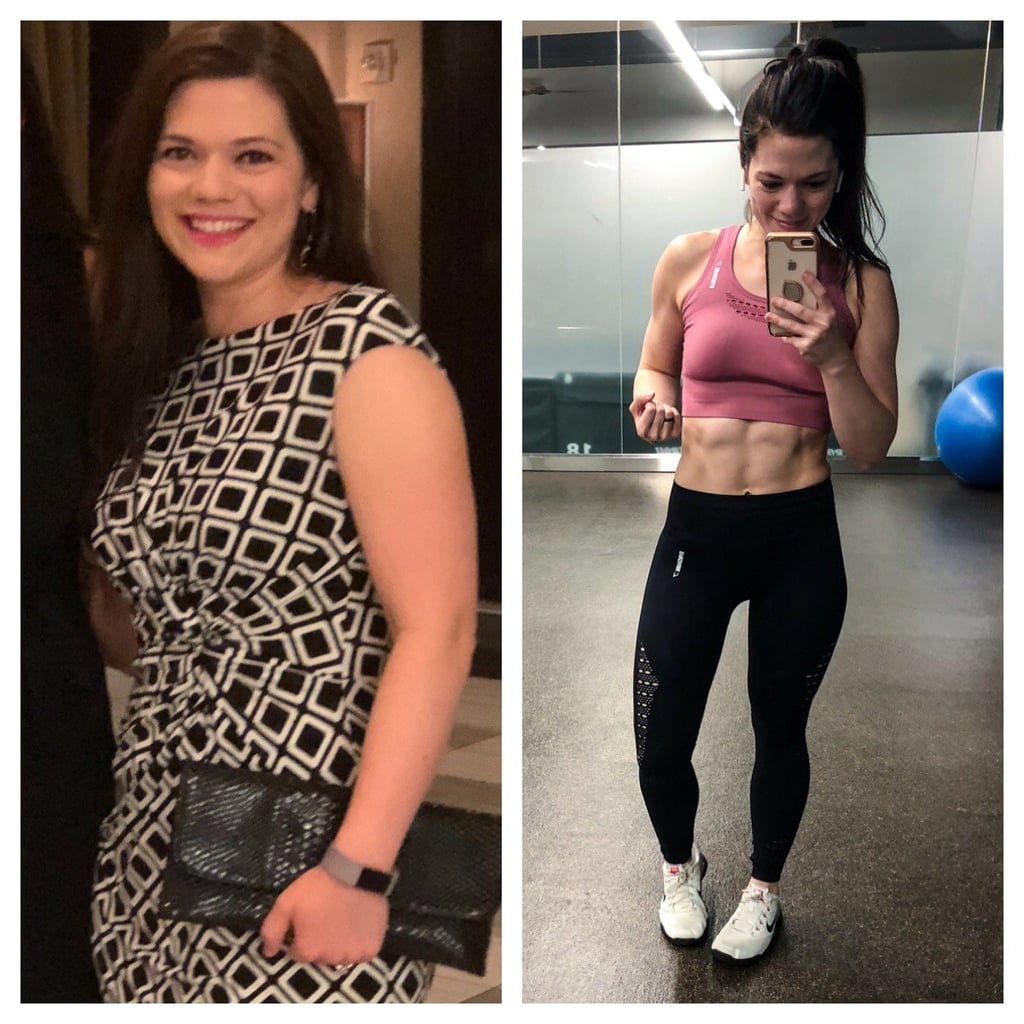
Weight loss journeys are rarely linear. Individuals often encounter setbacks, plateaus, and moments of discouragement. Understanding these potential challenges and developing strategies to navigate them is crucial for long-term success. Effective weight management requires not only knowledge of healthy eating and exercise but also resilience and a supportive approach.Navigating the complexities of weight loss requires a proactive and adaptable mindset.
This section explores common pitfalls, strategies for overcoming obstacles, and the vital role of professional guidance in achieving sustainable results.
Common Pitfalls in Weight Loss
Weight loss journeys are rarely without obstacles. Common pitfalls include unrealistic expectations, inconsistent habits, emotional eating, and social pressures. Failing to recognize these common pitfalls can lead to frustration and abandonment of the weight loss plan. Understanding these potential pitfalls allows for proactive strategies to avoid or overcome them.
- Unrealistic Expectations: Setting overly ambitious weight loss goals can lead to disappointment and discouragement. A gradual and sustainable approach is more likely to lead to lasting results.
- Inconsistent Habits: Maintaining a consistent routine of healthy eating and exercise is paramount for weight loss. Intermittent lapses can hinder progress. Consistency and adherence to a structured plan are key to success.
- Emotional Eating: Emotional eating is a common coping mechanism. Understanding triggers and developing healthy alternatives to emotional eating is essential for long-term success.
- Social Pressures: Social situations can often present challenges to weight loss goals. Developing strategies for managing social pressures and maintaining healthy choices in various settings is crucial.
Strategies for Overcoming Plateaus
Plateaus in weight loss are a common experience. They occur when the body adapts to the current regimen, making further weight loss more challenging. Strategies to overcome plateaus involve adjusting the current plan, re-evaluating the approach, and seeking professional guidance when needed.
- Adjusting Caloric Intake and Exercise Routine: A plateau may indicate the need to recalibrate the current caloric intake or exercise routine. Increasing activity levels or slightly modifying dietary intake can often break the plateau.
- Re-evaluating Dietary Habits: Reviewing current dietary habits for potential deficiencies or imbalances is important. Consulting a registered dietitian can provide personalized recommendations.
- Increasing Physical Activity: Adding variety to exercise routines, such as incorporating strength training or high-intensity interval training, can stimulate further calorie burn and help overcome plateaus.
- Seeking Professional Guidance: A healthcare professional can assess the situation and provide personalized recommendations to overcome the plateau.
Dealing with Setbacks and Maintaining Motivation
Setbacks are inevitable in any weight loss journey. Acknowledging setbacks as learning opportunities and developing strategies to bounce back is crucial for maintaining motivation.
- Acknowledging Setbacks: Recognize that setbacks are a normal part of the process. Avoid becoming discouraged and instead view them as opportunities for learning and adjustment.
- Developing Strategies for Recovery: Create a plan to address setbacks in a healthy manner. Identifying the root cause of the setback can help create a strategy to prevent it from happening again.
- Maintaining Motivation: Focus on the positive aspects of the weight loss journey. Celebrate milestones and maintain a supportive network to encourage progress.
Importance of Consulting a Healthcare Professional
Consulting a healthcare professional is highly recommended for weight loss. A healthcare professional can provide personalized guidance and monitor progress to ensure the plan aligns with overall health needs.
- Personalized Guidance: Healthcare professionals can provide personalized recommendations based on individual needs, medical history, and current health conditions.
- Monitoring Progress: Regular check-ups allow healthcare professionals to monitor progress, address potential complications, and adjust the weight loss plan as needed.
- Addressing Underlying Conditions: Healthcare professionals can identify and address any underlying health conditions that may be contributing to weight gain or hindering weight loss efforts.
Strategies for Dealing with Weight Loss Plateaus
Weight loss plateaus can be frustrating but are often temporary. Adjusting the plan, seeking expert advice, and maintaining a positive mindset are effective strategies.
- Adjusting Exercise Routines: Varying exercise routines, incorporating new activities, or increasing intensity can help break plateaus.
- Modifying Dietary Intake: Adjusting portion sizes, incorporating new foods, or consulting with a registered dietitian can provide new perspectives.
- Maintaining a Positive Mindset: Maintaining motivation, celebrating small victories, and focusing on the long-term benefits of healthy habits can help overcome plateaus.
Common Misconceptions About Weight Loss
Misconceptions about weight loss can hinder progress. Understanding these misconceptions and addressing them can lead to more effective and sustainable results.
- Quick Fixes: Quick fixes are often unsustainable and can lead to yo-yo dieting. Focus on long-term lifestyle changes for optimal results.
- Strict Diets: Extremely restrictive diets can be unhealthy and unsustainable. Prioritize balanced nutrition and portion control.
- Weight Loss Is Solely Physical: Addressing emotional and mental factors is crucial for long-term success. A balanced approach considers all aspects of well-being.
Common Weight Loss Mistakes and Solutions
| Mistake | Solution |
|---|---|
| Skipping meals to reduce calorie intake. | Eating regular, balanced meals throughout the day to maintain stable energy levels and prevent overeating later. |
| Ignoring physical activity. | Incorporating regular exercise into the daily routine, even moderate activity like brisk walking, to boost metabolism and burn calories. |
| Focusing solely on weight loss without considering overall health. | Prioritizing a holistic approach to health that considers diet, exercise, stress management, and sleep patterns to achieve a healthy lifestyle. |
Illustrative Content for Weight Loss
Embarking on a weight loss journey requires not only understanding the fundamentals but also visualizing the process. This section provides illustrative examples to make the journey more tangible and motivating. Visual representations, practical guidance, and real-world scenarios will help you achieve your weight loss goals effectively and sustainably.
Visual Representation of a Healthy Weight Loss Journey
A healthy weight loss journey is a gradual process, not a rapid transformation. Visualize a line graph showing a steady, downward trend in weight over time. The graph should depict fluctuations, representing occasional plateaus or temporary setbacks. Crucially, the line should consistently trend downwards, indicating sustained progress. This visual representation highlights the importance of consistency and patience.
A healthy approach involves incorporating regular exercise, balanced nutrition, and mindful lifestyle adjustments. The graph should emphasize that sustainable weight loss is about creating long-term healthy habits, not quick fixes.
Importance of Healthy Snacks in a Weight Loss Plan
Healthy snacks are essential components of a weight loss plan, preventing hunger pangs and maintaining energy levels. They help regulate blood sugar levels, promoting sustained energy throughout the day and preventing overeating at mealtimes. Incorporating healthy snacks strategically can prevent the temptation of unhealthy, high-calorie options. A well-structured snacking plan helps to balance energy intake and prevent the body from entering a state of starvation, which can hinder weight loss efforts.
Visual Representation of Portion Sizes
Visual aids are crucial for understanding portion sizes. Use various food-sized containers to represent appropriate portions for different food groups. For example, a small bowl of cooked quinoa should be visually distinct from a larger bowl of rice. A handful of nuts should be significantly smaller than a cup of dried fruit. Visual representations of appropriate portion sizes for fruits, vegetables, protein, and grains will help maintain a balanced diet.
A visual representation of this could be a series of images or illustrations of common food items with the appropriate portion sizes clearly labeled.
Ideal Environment for Exercise and Physical Activity
The ideal environment for exercise should be conducive to physical activity. Consider a well-lit, safe park or a gym with equipment and supportive staff. The environment should be motivating, not intimidating. Comfortable clothing, appropriate footwear, and the right atmosphere can greatly enhance the enjoyment and efficacy of exercise. The environment should be chosen based on personal preferences and accessibility.
Impact of Sleep on Weight Loss
Sleep plays a crucial role in weight management. Adequate sleep helps regulate hormones that control appetite and metabolism. Think of your body as a car engine. A well-rested engine runs smoothly and efficiently. Conversely, a sleep-deprived engine struggles to perform optimally.
Insufficient sleep can disrupt hormone balance, leading to increased hunger and reduced metabolic rate. This can hinder weight loss efforts. A consistent sleep schedule, conducive environment, and stress-reduction techniques are crucial for weight loss success.
Visual Representation of a Balanced Meal Plan
A balanced meal plan visually represents the distribution of food groups in a single meal. Use a plate divided into sections, representing different food groups. A quarter of the plate should be protein-rich foods, another quarter should be whole grains, and half should be fruits and vegetables. This visual representation of a balanced meal plan illustrates the importance of variety and portion control in achieving weight loss goals.
Benefits of Healthy Snacks in a Weight Loss Plan
| Benefit | Explanation | Visual Representation |
|---|---|---|
| Reduced Hunger | Healthy snacks help curb hunger between meals, preventing overeating. | A person feeling satisfied and content after a healthy snack. |
| Sustained Energy | Nutrient-rich snacks provide sustained energy, preventing energy crashes. | A person engaged in an activity with consistent energy levels. |
| Improved Mood | Healthy snacks provide essential nutrients, contributing to a positive mood. | A person displaying a positive and alert demeanor. |
| Stable Blood Sugar Levels | Healthy snacks help regulate blood sugar, preventing mood swings. | A graph showing stable blood sugar levels throughout the day. |
| Prevent Cravings | Healthy snacks satisfy cravings, reducing the urge for unhealthy foods. | A person resisting an unhealthy food option. |
| Better Weight Management | Incorporating healthy snacks contributes to better weight management. | A person maintaining a healthy weight and lifestyle. |
Healthy snacks, strategically incorporated into the diet, can contribute to a more balanced and sustainable weight loss journey.
Last Word

In conclusion, losing weight effectively involves a multifaceted approach. This guide has provided a detailed roadmap, covering the scientific basis of weight loss, practical dietary strategies, and the importance of exercise and lifestyle adjustments. By understanding the fundamentals and applying the strategies Artikeld here, you can embark on a sustainable journey towards a healthier you. Remember, consistency, patience, and seeking professional guidance are crucial for achieving your goals.