Strength training is a powerful pathway to a healthier and more fulfilling life. This comprehensive guide dives deep into the fundamentals, from understanding the core principles and various exercise types to essential safety precautions and tailored program design. Whether you’re a seasoned lifter or just starting your fitness journey, this resource equips you with the knowledge and tools to achieve your strength training goals safely and effectively.
This guide meticulously covers the benefits of strength training, exploring its positive impact on physical and mental well-being across different age groups. It delves into essential equipment, safety considerations, and effective warm-up routines, ensuring a safe and productive training experience. The guide also provides a practical understanding of exercise execution, program design, and the crucial role of nutrition in supporting your strength training journey.
Introduction to Strength Training
Strength training is a systematic process of exercising muscles to increase their strength, power, and endurance. It involves the use of resistance, whether through weights, body weight, or other external forces, to challenge the muscles and stimulate their growth and adaptation. This process is crucial for overall health and well-being, promoting physical function, preventing injuries, and improving body composition.This approach fosters significant improvements in physical capabilities.
By progressively challenging the muscles, strength training enables the body to adapt and become stronger over time. This process is essential for a wide range of activities, from everyday tasks to athletic performance.
Definition of Strength Training
Strength training encompasses a wide variety of exercises that utilize resistance to build muscular strength, endurance, and power. It involves systematically applying forces against the muscles to stimulate their growth and adaptation. This process necessitates progressive overload, gradually increasing the resistance or difficulty of exercises over time to continually challenge the muscles.
Fundamental Principles of Strength Training
Several key principles underpin effective strength training programs. Progressive overload, a fundamental principle, requires gradually increasing the resistance or difficulty of exercises to continue challenging the muscles and promote adaptation. Specificity ensures that the exercises align with the desired outcomes. Proper form and technique are crucial for maximizing the effectiveness of each exercise and minimizing the risk of injury.
Rest and recovery are essential for allowing the muscles to repair and rebuild after each workout.
Types of Strength Training Exercises
Strength training encompasses a diverse range of exercises, catering to different needs and preferences. Weightlifting, using barbells, dumbbells, or weight machines, is a common method. Bodyweight exercises, leveraging one’s own body weight for resistance, are another popular approach. Calisthenics, encompassing various bodyweight movements, is a significant example. Resistance bands, offering adjustable resistance, provide an alternative option.
Overview of Strength Training Methods
Different strength training approaches target various outcomes. The following table offers a concise comparison of common methods:
| Method | Goal | Typical Exercises | Example Focus |
|---|---|---|---|
| Hypertrophy | Muscle growth (size) | High repetitions (8-12 reps), moderate weight | Bicep curls, triceps extensions |
| Strength | Maximum force production | Lower repetitions (1-5 reps), heavy weight | Squats, deadlifts, bench press |
| Power | Maximum force production in minimum time | Explosive movements, moderate weight | Plyometrics, medicine ball throws |
This table illustrates the key distinctions in approach and outcomes. Each method targets specific adaptations in the muscles, allowing individuals to tailor their training to achieve desired results.
Benefits of Strength Training

Strength training, encompassing a wide range of exercises focusing on resistance, offers a multitude of advantages extending far beyond physical appearance. It plays a pivotal role in enhancing overall health and well-being, benefiting individuals of all ages and backgrounds. This section will delve into the profound physical and mental benefits, examining how these advantages vary across different life stages.Strength training, in essence, is a powerful tool for improving physical and mental health.
It fosters muscular strength and endurance, leading to increased bone density, improved posture, and a reduced risk of chronic diseases. Furthermore, the positive effects extend to psychological well-being, contributing to stress reduction and boosted self-esteem. These improvements in turn contribute to a higher quality of life.
Physical Benefits
Strength training yields numerous positive effects on the physical body. Increased muscle mass, a direct result of consistent resistance exercises, not only enhances physical appearance but also boosts metabolism. This heightened metabolism can contribute to weight management and improved body composition. Furthermore, strength training plays a crucial role in improving bone density, reducing the risk of osteoporosis, particularly important as individuals age.
Stronger muscles also improve joint stability and reduce the risk of injuries.
Mental and Emotional Benefits
Strength training isn’t solely about physical changes; it significantly impacts mental and emotional well-being. Regular strength training routines have been shown to effectively reduce stress and anxiety levels. The physical exertion and focus required during workouts can be a healthy outlet for stress, leading to a sense of calm and well-being. Furthermore, achieving fitness goals through strength training can significantly enhance self-esteem and confidence.
The accomplishment of lifting heavier weights or completing more repetitions can foster a sense of pride and accomplishment.
Benefits Across Age Groups
The benefits of strength training extend across all age groups, though the focus and approach may vary. For children, strength training fosters healthy growth and development, improving bone density and muscle strength, crucial for sports participation and overall physical activity. Adults can leverage strength training to maintain muscle mass, improve balance, and prevent age-related declines in physical function.
For seniors, strength training is vital for preserving independence, improving mobility, and reducing the risk of falls, contributing significantly to a higher quality of life.
Long-Term Health Advantages
Consistent strength training offers substantial long-term health advantages, impacting various aspects of well-being.
| Aspect | Benefit |
|---|---|
| Muscle Strength and Endurance | Improved performance in daily activities, reduced risk of injuries, increased metabolism |
| Bone Density | Reduced risk of osteoporosis and fractures, improved posture |
| Cardiovascular Health | Improved heart health, lower blood pressure, reduced risk of heart disease |
| Metabolic Health | Increased metabolism, improved blood sugar control, reduced risk of type 2 diabetes |
| Mental Well-being | Reduced stress, improved mood, increased self-esteem |
Essential Equipment for Strength Training
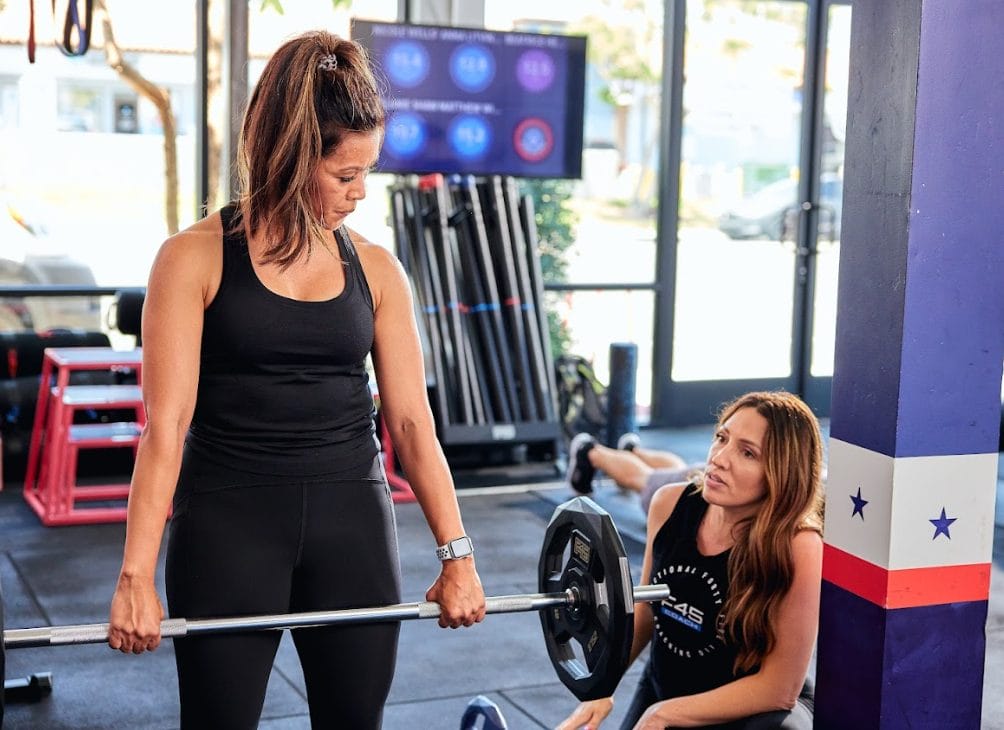
Proper equipment selection is crucial for achieving optimal results in strength training. Choosing the right tools can enhance your workout experience, minimize injuries, and cater to your specific goals and abilities. The following discussion Artikels common strength training equipment, its characteristics, and considerations for individual needs.
Common Strength Training Equipment
A variety of equipment is available for strength training, each with unique benefits and drawbacks. Understanding these tools is key to maximizing your workout effectiveness.
- Dumbbells: Dumbbells are hand-held weights used for a wide range of exercises. They offer versatility, allowing for isolation exercises targeting specific muscle groups. Dumbbells are easily adaptable to different exercise progressions, making them suitable for beginners and advanced athletes alike. They are also portable and can be used in various training environments, from home gyms to fitness studios.
Different weights are available, enabling customized resistance levels.
- Barbells: Barbells are long bars with weights attached at either end. They are commonly used for compound exercises that work multiple muscle groups simultaneously. Barbells often result in greater strength gains due to the heavier load they accommodate. Their use necessitates a firm understanding of proper form and technique to avoid injuries. A variety of barbell accessories, like plates and collars, are available to modify weight and enhance safety.
- Resistance Bands: Resistance bands are elastic bands offering adjustable resistance levels. They are a portable and cost-effective option for strength training, ideal for individuals with limited space or budget constraints. Resistance bands provide variable resistance, which increases progressively as the band stretches. They are beneficial for rehabilitation and injury prevention, and are suitable for various exercises, including upper and lower body workouts.
- Weight Machines: Weight machines are stationary equipment designed for specific exercises. They provide guided movement paths, which can be helpful for beginners or individuals with limited experience. These machines often offer safety features, reducing the risk of injury. However, their fixed movements might limit the range of exercises compared to free weights.
- Kettlebells: Kettlebells are weighted balls with handles. They are used for a wide range of exercises, incorporating both strength and cardiovascular training. Kettlebells promote full-body engagement and enhance coordination and balance. They are beneficial for improving functional strength and power.
Equipment Comparison
Selecting the appropriate equipment depends on various factors, including your fitness level, goals, and available resources. The following table provides a comparative overview of common strength training equipment.
| Equipment Type | Pros | Cons |
|---|---|---|
| Dumbbells | Versatile, portable, affordable, isolation exercises, adaptable | Can be less effective for compound exercises, potential for injury with improper form |
| Barbells | Greater strength gains, compound exercises, significant load capacity | Requires proper form, potentially more expensive, limited portability |
| Resistance Bands | Portable, cost-effective, adjustable resistance, rehabilitation potential | Limited load capacity, less effective for heavy lifting, potential for injury with improper use |
| Weight Machines | Guided movements, safety features, suitable for beginners | Limited range of exercises, may not promote full-body engagement, potentially less effective for advanced users |
| Kettlebells | Full-body engagement, functional strength, cardiovascular benefits, coordination | Requires some skill, potential for injury with improper technique, potentially higher initial cost |
Equipment Selection Considerations
Selecting the right equipment is essential for maximizing your training effectiveness. Consider factors like your fitness level, training goals, available space, and budget when making your choice. If you’re new to strength training, consider starting with basic equipment like dumbbells or resistance bands. For advanced users, barbells or weight machines might be more suitable. Consider the type of exercises you enjoy and those that best target your specific muscle groups.
Safety Precautions and Warm-up Routines
Strength training, while offering numerous benefits, necessitates careful adherence to safety protocols. Prioritizing safety minimizes the risk of injuries and ensures a productive and enjoyable workout experience. A comprehensive warm-up routine prepares the body for the demands of the workout, reducing the risk of strains and tears.Proper form and technique are paramount in strength training. Inconsistent form can lead to injury and hinder progress.
A dedicated warm-up and adherence to safety precautions are integral parts of a successful and injury-free strength training program.
Essential Safety Precautions
Adhering to safety precautions is crucial to prevent injuries during strength training. These precautions encompass various aspects, from proper equipment usage to recognizing and managing potential risks.
- Proper Equipment Use: Ensure all equipment is in good working order and used correctly. Familiarize yourself with the specific instructions for each piece of equipment before use. Do not hesitate to ask for assistance from a qualified trainer if you are unsure about how to use a particular machine or exercise.
- Spotting: When performing exercises that involve significant weight, it is crucial to have a spotter. A spotter provides support and assistance, preventing potential injuries in the event of a loss of balance or control. This is especially important for exercises like squats and deadlifts.
- Proper Lifting Techniques: Maintaining proper form is paramount. Lifting with poor form can strain muscles, ligaments, and joints, potentially leading to injuries. Prioritize controlled movements and avoid rushing through exercises. Watch videos and consult with qualified trainers for correct form.
- Progressive Overload: Gradually increase the weight or resistance over time to avoid sudden strain on muscles and joints. Avoid jumping to heavy weights too soon.
- Listen to Your Body: Pay attention to any pain or discomfort during the workout. If you experience pain, stop the exercise immediately. Rest and consult a healthcare professional if the pain persists.
Comprehensive Warm-up Routine
A well-structured warm-up routine is essential to prepare the body for the demands of strength training. It gradually increases blood flow to the muscles, elevates body temperature, and primes the nervous system for optimal performance.
- Cardiovascular Warm-up (5-10 minutes): Engage in light cardio activities, such as brisk walking, jogging, or cycling, to elevate your heart rate and increase blood flow. This prepares the cardiovascular system for the workout.
- Dynamic Stretching (5-10 minutes): Perform dynamic stretches, which involve controlled movements that mimic the exercises you will be performing. Examples include arm circles, leg swings, torso twists, and high knees. These movements prepare the muscles for the workout, increasing flexibility and reducing the risk of injury. For instance, performing arm circles before overhead presses can help improve shoulder mobility.
- Specific Muscle Warm-up (5-10 minutes): Perform a few repetitions of the exercises you plan to do, using lighter weights or resistance. This helps to prepare the targeted muscles for the workout. For example, if you’re planning to do squats, start with a few light squats before increasing the weight. This gradual increase in intensity allows your muscles to adjust to the demands of the workout.
Importance of Proper Form and Technique
Maintaining proper form and technique is crucial for maximizing results and minimizing the risk of injury in strength training. Consistent form ensures that the targeted muscles are engaged effectively, and improper form can lead to misalignment, imbalances, and strains.
Proper form is not just about aesthetics, it is a critical safety component in strength training. Maintaining proper posture and alignment helps prevent strain on joints and promotes safe and effective movements.
Strength Training Exercises

Strength training exercises are crucial for building muscle mass, increasing strength, and improving overall physical function. Proper execution of these exercises is paramount to maximizing results and minimizing the risk of injury. Learning the correct form and technique is essential for achieving optimal outcomes and progressing safely.
Fundamental Strength Training Exercises
This section Artikels five fundamental strength training exercises, along with their proper form and technique. Mastering these foundational movements will provide a solid base for progressing to more advanced exercises and training programs.
- Squats: Squats are a compound exercise that targets multiple muscle groups in the lower body, including the quads, hamstrings, glutes, and calves. Proper form is critical to prevent injury and maximize effectiveness. The squat is a fundamental movement pattern for daily activities and is crucial for athletic performance.
- Deadlifts: Deadlifts are a compound exercise that engages muscles throughout the entire posterior chain, including the back, glutes, hamstrings, and core. This exercise is highly effective for building overall strength and power.
- Bench Press: The bench press is a compound exercise primarily targeting the pectoral muscles, as well as the anterior deltoids and triceps. Correct form prevents shoulder injuries and maximizes chest development.
- Overhead Press: The overhead press is a compound exercise that targets the shoulders, triceps, and upper back. This exercise is crucial for building upper body strength and stability. Correct form and technique are important for injury prevention.
- Rows: Rows are a compound exercise that primarily targets the back muscles, including the latissimus dorsi, trapezius, and rhomboids. This exercise is crucial for building a strong and balanced back.
Correct Form and Technique
To execute each exercise safely and effectively, meticulous attention to form is critical. This includes maintaining a neutral spine, engaging core muscles, and controlling the movement throughout the entire range of motion. Focus on maintaining a controlled tempo and avoiding jerky movements.
Exercise Variations
The following table provides a comparison of variations for each exercise, highlighting differences in muscle emphasis and technique.
| Exercise | Variation | Muscle Emphasis | Technique Differences |
|---|---|---|---|
| Squats | Front Squat | Quadriceps, front deltoids, and core | Bar held across the front of the shoulders, torso more upright |
| Squats | Back Squat | Quadriceps, hamstrings, glutes, and core | Bar held across the back of the shoulders, torso more inclined |
| Bench Press | Incline Bench Press | Upper chest | Bench angled upwards, targets upper chest more |
| Bench Press | Decline Bench Press | Lower chest | Bench angled downwards, targets lower chest more |
| Overhead Press | Military Press | Shoulders, triceps | Bar lifted directly overhead |
| Rows | Barbell Row | Latissimus dorsi, biceps, and forearms | Barbell held in hands and pulled towards the chest |
Exercise Execution and Safety
For each exercise, proper warm-up is essential to prepare the muscles and joints. Always start with light cardio and dynamic stretching before engaging in strength training exercises. A gradual increase in weight or resistance is crucial for avoiding injuries. Ensure a spotter is available when lifting heavy weights to prevent potential accidents. Listen to your body and take rest days when needed.
Focus on controlled movements and maintaining proper form. Using proper technique and form helps in maximizing the effectiveness of the exercise and preventing injuries.
Progression and Program Design
Progressive overload is the cornerstone of any successful strength training program. It’s the principle that gradually increasing the demands on your muscles, through either increasing weight, sets, reps, or frequency, is crucial for continued muscle growth and strength gains. Without this gradual increase in stress, your body adapts and plateaus, hindering further improvement. Understanding program design principles allows you to tailor a plan that optimizes your progress and minimizes risk of injury.Program design involves more than just choosing exercises.
It necessitates careful consideration of factors like your fitness level, goals, and available time. A well-structured program should gradually increase the difficulty over time, ensuring consistent progress. The design should also incorporate rest and recovery to facilitate muscle repair and growth. This holistic approach leads to a more effective and sustainable training journey.
Progressive Overload
Progressive overload is a fundamental principle in strength training. It involves systematically increasing the stress placed on muscles over time to stimulate adaptation and growth. This can be achieved by incrementally increasing weight lifted, the number of sets or repetitions performed, or the frequency of training sessions. By gradually challenging your muscles beyond their accustomed workload, you encourage them to become stronger and more resilient.
Examples include increasing the weight lifted by 2.5 to 5 pounds every few workouts, or performing an extra set of an exercise.
Strength Training Program Designs
Various program designs cater to different needs and preferences. Understanding these options allows you to select the most suitable approach for your specific goals.
- Full-body routines typically involve exercises targeting multiple muscle groups in a single workout. This approach can be beneficial for beginners as it allows for a comprehensive workout without the need for a complex schedule. Full-body workouts often promote overall strength and fitness.
- Split routines involve dividing the body into different muscle groups and training each group on separate days. This approach is frequently favored by advanced trainees who want to target specific muscle groups with greater intensity. Split routines allow for more focused training and potentially faster results in specific areas. For instance, a common split routine might include a day for upper body pushing, another for upper body pulling, lower body, and core.
Rest and Recovery
Adequate rest and recovery are essential for muscle growth and preventing injury. During rest, your body repairs micro-tears in muscle fibers, synthesizes new proteins, and enhances overall strength. Insufficient rest can lead to overtraining, decreased performance, and an increased risk of injury.
- Adequate sleep is crucial for muscle recovery. Aim for 7-9 hours of quality sleep per night.
- Nutrition plays a vital role in recovery. Consume a balanced diet rich in protein, carbohydrates, and healthy fats to support muscle repair and growth.
- Active recovery, such as light cardio or stretching, can aid in reducing muscle soreness and promoting blood flow to the muscles.
Designing a Personalized Program
A tailored strength training program should consider individual goals, fitness levels, and preferences. Beginners should focus on mastering proper form and gradually increasing weight or resistance. Experienced trainees can incorporate more complex exercises and advanced techniques.
- Consider your current fitness level. Start with a program appropriate for your current abilities, and gradually increase the intensity as you progress.
- Define your goals. Whether it’s building muscle, increasing strength, or improving overall fitness, clearly defining your goals guides your program design.
- Consult with a healthcare professional or certified trainer for personalized guidance, especially if you have any pre-existing conditions.
Nutrition for Strength Training

Proper nutrition plays a crucial role in supporting your strength training goals. A well-planned diet provides the necessary fuel for workouts, aids in muscle recovery, and enhances overall performance. It’s not just about eating more; it’s about choosing the right foods to maximize your efforts and achieve your desired results.The body needs a specific balance of nutrients to thrive during strength training.
Protein is essential for muscle growth and repair, carbohydrates provide energy for intense workouts, and healthy fats contribute to overall health and hormone production. A balanced approach to nutrition, combined with consistent training, is key to achieving optimal results.
Role of Protein in Muscle Growth and Repair
Protein is the building block of muscles. During strength training, muscles experience microscopic tears. Protein provides the amino acids necessary to repair these tears and build new muscle tissue. Sufficient protein intake is crucial for maximizing muscle growth and recovery. A general guideline is to consume 1.2 to 2.0 grams of protein per kilogram of body weight per day, depending on training intensity and individual needs.
High-quality protein sources include lean meats, poultry, fish, eggs, dairy products, and plant-based proteins like beans and lentils.
Importance of Carbohydrate Intake for Energy During Workouts
Carbohydrates are the primary source of energy for the body, especially during intense workouts. They are stored as glycogen in the muscles and liver, providing the fuel needed for strength training exercises. Adequate carbohydrate intake ensures that your energy levels remain consistent throughout your workout, preventing fatigue and optimizing performance. Complex carbohydrates, found in whole grains, fruits, and vegetables, are preferable to simple sugars due to their sustained release of energy.
Examples of Healthy Meals and Snacks for Strength Training
A balanced diet incorporating lean protein, complex carbohydrates, and healthy fats is essential for strength training. Here are some examples of healthy meals and snacks:
- Breakfast: Oatmeal with berries and protein powder, Greek yogurt with fruit and nuts.
- Lunch: Grilled chicken salad with brown rice and mixed greens, lentil soup with whole-wheat bread.
- Dinner: Baked salmon with roasted vegetables and quinoa, lean beef stir-fry with brown rice.
- Snacks: Hard-boiled eggs, protein bar, Greek yogurt with granola, a handful of almonds.
Comparison of Different Dietary Approaches for Strength Training
Different dietary approaches can be adapted to meet individual needs and preferences. Here’s a table comparing common approaches:
| Dietary Approach | Key Principles | Potential Benefits | Potential Drawbacks |
|---|---|---|---|
| Balanced Diet | Focuses on a variety of nutrient-rich foods, including lean protein, complex carbohydrates, and healthy fats. | Supports overall health, promotes muscle growth and repair, provides sustained energy. | May require careful portion control and meal planning. |
| High-Protein Diet | Emphasizes protein intake to maximize muscle protein synthesis. | Can accelerate muscle growth and recovery. | May not be suitable for all individuals, potential digestive issues, and could lead to imbalances in other nutrients. |
| Ketogenic Diet | High fat, moderate protein, very low carbohydrate. | Potential for fat loss, can increase energy production from fat. | May lead to fatigue, nutrient deficiencies, and difficulty maintaining long-term. |
| Vegetarian/Vegan Diet | Excludes animal products, focuses on plant-based protein sources. | Can be suitable for those with dietary preferences or ethical considerations, rich in fiber and vitamins. | Careful planning is needed to ensure adequate protein intake and essential nutrients. |
Common Strength Training Mistakes
Strength training, when performed correctly, offers numerous benefits for overall health and well-being. However, improper form and technique can negate these benefits and even lead to injuries. Understanding common mistakes and their consequences is crucial for safe and effective training. This section will detail these pitfalls, highlighting the reasons behind them and providing practical solutions to avoid them.Strength training, when executed with poor form, can hinder progress and increase the risk of injuries.
This can range from minor strains to more severe conditions. By addressing these common errors, you can optimize your workouts, minimize risk, and maximize results.
Improper Warm-up Routines
A thorough warm-up is essential to prepare your muscles for the demands of strength training. Skipping or inadequately performing a warm-up can increase the risk of strains and tears. Insufficient warm-up leads to a reduced range of motion and a higher likelihood of injury during the workout.A proper warm-up typically involves dynamic stretching, such as arm circles, leg swings, and torso twists, followed by light cardio, like jogging or jumping jacks, for 5-10 minutes.
This gradually increases blood flow to the muscles, preparing them for the resistance training to follow.
Incorrect Form During Exercises
Incorrect form is a prevalent mistake. It often stems from inadequate knowledge of proper technique, poor posture, or trying to lift weights that are too heavy for the lifter’s current strength and skill level. Lifting with incorrect form can lead to imbalances, placing undue stress on joints and ligaments. This can result in strains, sprains, and potentially more severe injuries like rotator cuff tears or herniated discs.
- Incorrect Grip: A poor grip can compromise stability and control, leading to wrist injuries and potentially shoulder impingement. This often occurs with exercises like barbell rows or deadlifts. Using proper hand placement and a secure grip is critical to maintain control and minimize risk.
- Inadequate Core Engagement: Not engaging the core muscles during exercises, such as squats or bench presses, can lead to spinal misalignment, resulting in lower back pain and potential injuries. Actively contracting the core throughout the movement ensures stability and reduces strain on the spine.
- Rushing Through Movements: Rushing through exercises can lead to a loss of control and form. Focus on controlled movements and a full range of motion to maximize muscle engagement and minimize risk.
Overtraining
Pushing the body beyond its capacity, often through excessive volume or frequency of workouts, can lead to overtraining. Overtraining can cause burnout, decreased performance, and increased risk of injuries. A well-structured training program, including adequate rest and recovery, is essential to avoid this pitfall.
Inadequate Rest and Recovery
Adequate rest and recovery are crucial for muscle repair and growth. Ignoring this aspect can lead to fatigue, reduced performance, and an increased risk of injury. Allowing sufficient time between workouts for muscle repair and replenishment is critical for optimal results. Proper sleep, nutrition, and stress management are all vital components of a recovery strategy.
Ignoring Proper Progression
Failing to progressively overload muscles over time prevents significant gains in strength and size. Consistent progression is essential for stimulating muscle growth and adaptation. Gradual increases in weight, reps, or sets will promote continuous muscle development.
Poor Nutrition
Poor nutrition can significantly impact strength training results and recovery. A balanced diet with adequate protein, carbohydrates, and healthy fats is essential to support muscle growth and repair. Lack of proper nutrition can hinder progress and make injuries more likely.
Strength Training for Specific Goals

Strength training is a versatile tool that can be tailored to achieve a wide array of fitness objectives. This section will delve into specific strategies for building muscle mass, increasing overall strength, and incorporating strength training into weight loss programs. Understanding how to structure workouts for these different goals is crucial for optimizing results.Strength training programs are not one-size-fits-all.
They require careful consideration of individual goals, fitness levels, and existing health conditions. Effective programming should always prioritize safety and progressive overload to ensure consistent and sustainable progress.
Strength Training for Building Muscle
Building muscle, or hypertrophy, involves stimulating muscle growth through progressive overload. This necessitates gradually increasing the weight, repetitions, or sets over time. A crucial aspect is focusing on compound exercises that engage multiple muscle groups simultaneously, maximizing muscle stimulation. Proper nutrition, including sufficient protein intake, is also paramount for supporting muscle growth.
- Compound Exercises: Focus on exercises like squats, deadlifts, bench presses, overhead presses, and rows. These exercises engage multiple muscle groups, leading to more significant muscle growth compared to isolation exercises.
- Progressive Overload: Gradually increase the weight lifted, repetitions performed, or sets completed over time. This forces the muscles to adapt and grow stronger.
- Sufficient Protein Intake: Consuming adequate protein (approximately 1.6-2.2 grams per kilogram of body weight) is essential for muscle repair and growth.
- Rest and Recovery: Allow sufficient time for muscle recovery between workouts to promote optimal growth. Adequate sleep is also critical.
Strength Training for Increasing Strength
Increasing strength involves maximizing force production. This necessitates focusing on heavier weights with fewer repetitions, often employing compound exercises. Proper form is paramount to prevent injuries and maximize strength gains. Training for strength typically prioritizes maximal force output over rapid muscle growth.
- Heavy Weight, Low Repetition: Emphasize lifting heavier weights with fewer repetitions (e.g., 1-5 repetitions per set). This targets the strength-related adaptations in the muscles.
- Compound Exercises: Incorporate exercises that engage multiple muscle groups simultaneously, such as squats, deadlifts, bench presses, and rows, to maximize strength development.
- Proper Form: Maintain perfect form throughout each exercise to avoid injuries and ensure optimal activation of the target muscles.
- Adequate Rest: Sufficient rest between sets and workouts is crucial for recovery and strength gains.
Strength Training Programs for Weight Loss
Strength training plays a vital role in weight loss by increasing metabolism and building muscle mass. Muscle tissue burns more calories at rest than fat tissue, leading to a higher resting metabolic rate. Combining strength training with a balanced diet and cardio is an effective approach for weight loss.
- Combination with Cardio: Integrate cardio activities, such as running, swimming, or cycling, into your weekly routine to further support calorie expenditure and fat loss.
- Balanced Diet: Focus on a balanced diet with adequate protein, healthy fats, and complex carbohydrates. Calorie control is also a key aspect of weight management.
- Consistent Exercise: Maintain a consistent strength training program to promote muscle growth and metabolic adaptation.
- Monitoring Progress: Track your progress by monitoring your weight, body measurements, and energy levels.
Exercises and Routines for Specific Fitness Goals
Specific exercises and routines can be designed to target different fitness goals. For example, a program focusing on muscle hypertrophy might include higher repetitions and lower weights, whereas a program aimed at increasing strength would prioritize heavier weights and lower repetitions. Consult with a qualified fitness professional for personalized programming.
| Fitness Goal | Example Exercises | Training Frequency |
|---|---|---|
| Muscle Hypertrophy | Bench press, squats, deadlifts, rows, pull-ups | 2-3 times per week, with rest days between sessions |
| Strength Gain | Squats, deadlifts, bench press, overhead press, cleans | 2-3 times per week, with rest days between sessions |
| Weight Loss | Bodyweight exercises, compound exercises, cardio | 3-4 times per week, combining strength training with cardio sessions |
Last Word
In conclusion, this guide has provided a thorough exploration of strength training, covering everything from its fundamental principles to specific program design and nutritional considerations. By understanding the key elements discussed, you can embark on a journey towards a stronger, healthier, and more confident you. Remember to prioritize safety, consistency, and personalization to maximize your results. This resource serves as a reliable companion for achieving your fitness objectives through strength training.